
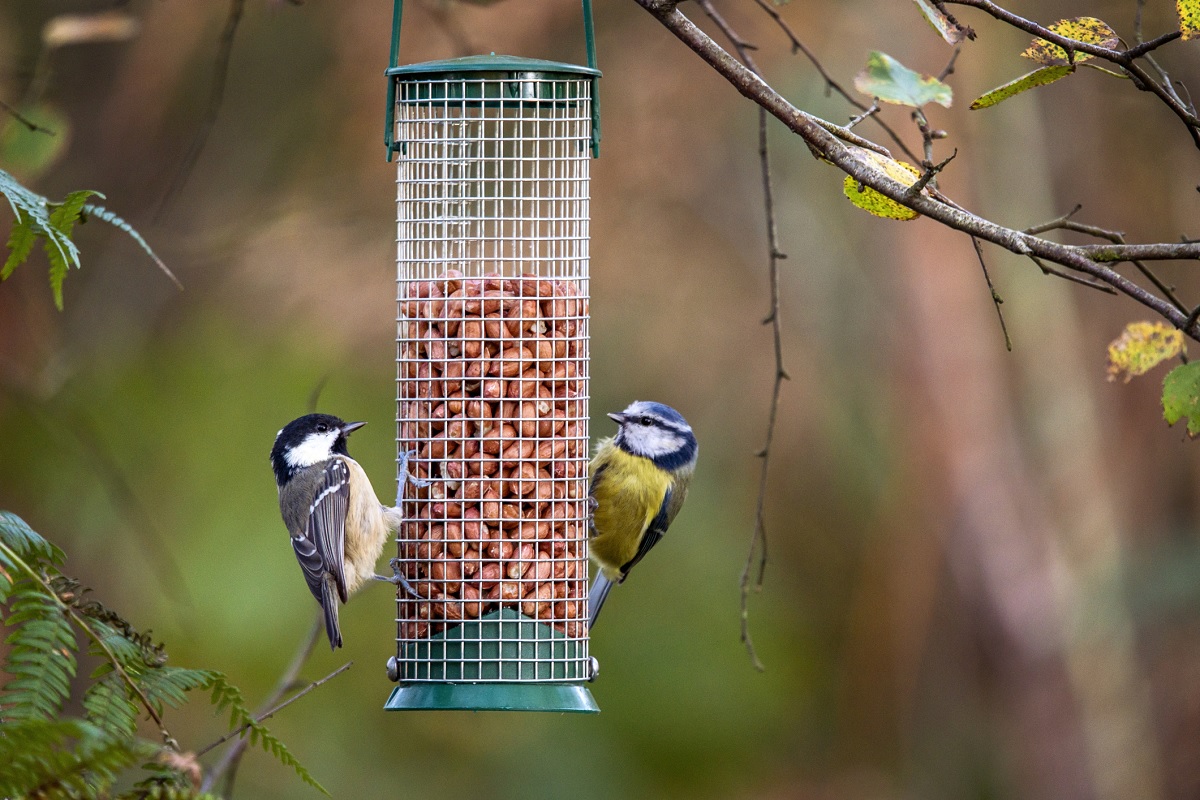
Have you ever noticed birds flocking around you or appearing in your path more often than usual? It might seem like a simple coincidence, but many people wonder, what does it mean when birds are attracted to you? This question taps into both natural curiosity and deeper cultural or spiritual beliefs. Birds have long been seen as messengers, symbols of freedom, and even signs from the universe.
So, when they start showing an unusual interest in you—landing nearby, following you, or singing loudly in your presence—it can feel significant. Some believe it’s a sign of harmony with nature, while others see it as a spiritual nudge to pay attention to your inner world or upcoming changes. Whether you’re a skeptic or someone who finds meaning in everyday moments, exploring what this experience might symbolize can open your eyes to a richer connection with the world around you.
Common Interpretations of Birds Being Attracted to You
When birds seem drawn to you more than usual, it’s natural to wonder what it could mean. Across various cultures and belief systems, birds have long held symbolic significance. Their sudden or repeated presence often stirs questions about their deeper message or role. Below are some of the most common interpretations people associate with birds being attracted to them.
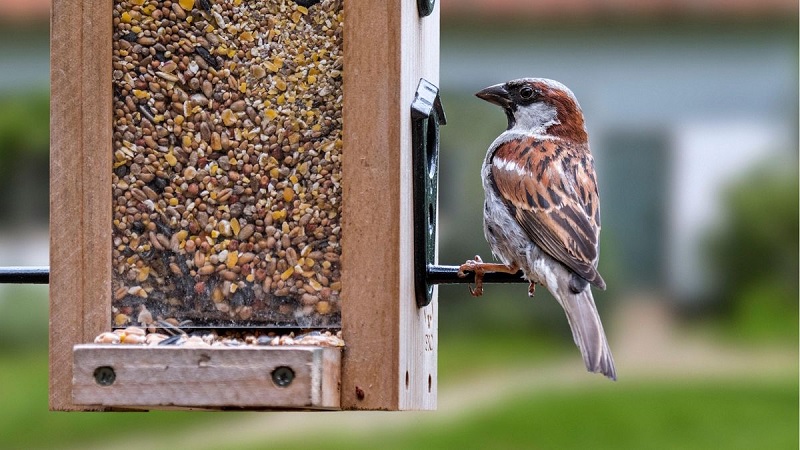
Spiritual and Symbolic Meanings
In many spiritual traditions, birds are seen as messengers from the spiritual realm. Their ability to soar between earth and sky often symbolizes a connection between the physical and the divine. When birds are attracted to you, some believe it could signify that you’re in tune with your spiritual self or receiving guidance from beyond.
For example, a bird flying close or perching near you may be interpreted as a reminder to stay present, trust your intuition, or embrace a change in your life path. Certain birds, like doves or cardinals, are even seen as signs from deceased loved ones or spiritual protectors.
Cultural Beliefs and Folklore
Different cultures have their own unique interpretations of birds and their behavior. In Native American traditions, birds often serve as totems or spiritual guides, each with its own qualities and lessons. A hawk might represent focus and vision, while a hummingbird symbolizes joy and resilience.
In Celtic folklore, birds were considered sacred, acting as links between humans and the spirit world. Even in modern Eastern cultures, birds are viewed as symbols of luck, prosperity, or messages from ancestors. The type of bird and its behavior often play a big role in shaping what the experience is believed to mean.
Omens and Superstitions
Birds have also played a role in many old-world superstitions and omens. In some traditions, a bird tapping on a window is considered a warning or a sign of upcoming news. Seeing certain birds repeatedly, like crows or owls, might be interpreted as omens of transformation, protection, or even caution.
On the more positive side, being followed by birds or having them land nearby can be seen as a sign of good luck, harmony, or that you’re on the right life path. While not everyone subscribes to superstitions, these interpretations persist because they offer a way to understand the unknown.
Scientific and Natural Explanations
While it’s easy to attach deeper meaning to the presence of birds, there are also practical, science-based reasons they might be attracted to you. Birds respond to their surroundings through instinct, biology, and environmental triggers. Here are some of the most common natural explanations for why birds might seem unusually drawn to you.
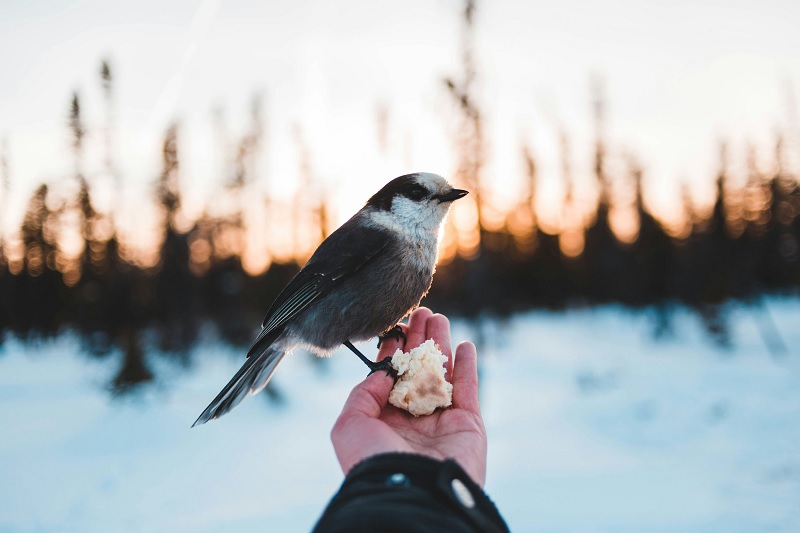
Environmental Factors
The space you’re in plays a big role in bird behavior. If you’re spending time in areas with trees, gardens, water sources, or bird feeders, you’re naturally more likely to attract birds. These environments offer food, shelter, and safety, which are the basic needs birds seek daily. Even your backyard, if quiet and rich in natural features, can become a hotspot for bird activity. Birds often return to familiar places where they’ve previously found food or comfort.
Behavior and Biology of Birds
Birds are curious creatures. Some species, especially crows, pigeons, and sparrows, have adapted well to human presence and are more likely to approach people. Their intelligence and social nature can sometimes lead them to investigate unfamiliar people in their territory. Additionally, birds rely on strong pattern recognition and memory, so if you’ve interacted with them before, they may remember and return.
Feeding Patterns
One of the most straightforward explanations is food. If you’re carrying snacks, eating outside, or have recently fed birds, they might associate you with a potential food source. Some birds even recognize rustling bags or familiar hand movements as a sign that food is coming. Regular feeding—intentional or not—can condition birds to approach you over time. Even crumbs left on your clothes or scent trails from fruit can attract attention.
Nesting and Mating Behavior
During nesting season, birds can become more active and bold, especially if they see you as non-threatening. In some cases, birds may even nest nearby if they find your presence calming or your surroundings safe from predators. Mating behavior can also cause birds to act unusually, such as displaying more colors, singing, or flying close as part of their rituals.
Your Scent, Color, or Movements
Birds are sensitive to color and motion. Wearing bright colors, especially reds or yellows, might catch their eye, as these often resemble flowers or fruit. Sudden or slow movements can also intrigue them. Additionally, birds may be able to detect natural scents like floral shampoos, lotions, or even pheromones that mimic cues from nature.
Types of Birds and Their Meanings
When birds are attracted to you, the specific type of bird can add more context to what the experience might symbolize. Different birds have distinct behaviors, symbolism, and cultural meanings. From joyful songbirds to mysterious owls, each species can carry its own unique message. Here’s a closer look at what some commonly encountered birds might represent.
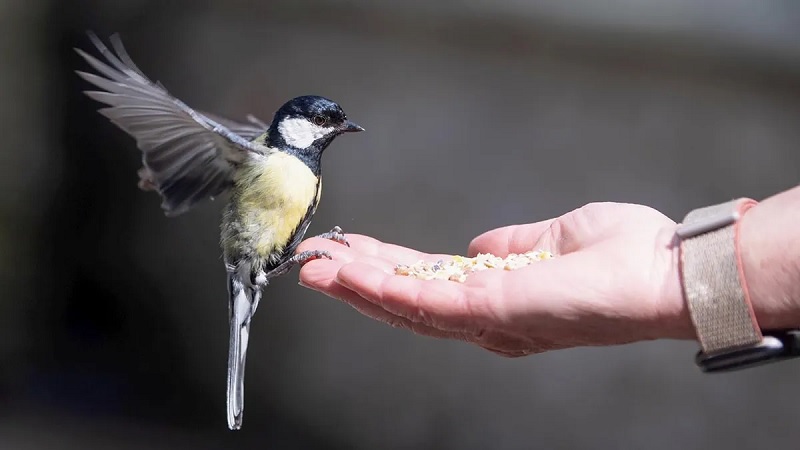
Songbirds
Songbirds like robins, sparrows, finches, and wrens are often associated with happiness, new beginnings, and peace. Their cheerful chirping and lively presence can be seen as signs of hope, lightheartedness, or emotional healing. In many traditions, seeing or hearing a songbird is believed to bring joy or signal a fresh start, especially after hard times.
Crows and Ravens
Crows and ravens are highly intelligent and deeply symbolic. In folklore and myth, they’re often associated with transformation, mystery, and insight. While some view them as omens, especially in darker contexts, others believe they signal deep wisdom, protection, or messages from the beyond. Their presence could suggest that you’re entering a period of change or introspection.
Owls
Owls are known for their silent flight and piercing gaze, often linked to wisdom, intuition, and the unseen. In many cultures, the appearance of an owl is thought to bring insight, especially about hidden truths or upcoming decisions. While some superstitions portray owls as bad omens, they are more often seen as guides through uncertainty or darkness.
Doves and Pigeons
Doves symbolize peace, love, and spiritual messages. They are often associated with calmness, new love, or even visits from departed loved ones. Pigeons, though more common and urban, share some of this symbolism and are seen in some cultures as messengers or bringers of good news. Their gentle behavior and soft cooing often bring a sense of comfort and trust.
Birds of Prey
Birds like hawks, eagles, and falcons are powerful symbols of vision, strength, and leadership. When these birds are drawn to you or cross your path, it may be interpreted as a call to rise above challenges, see the bigger picture, or act with clarity and confidence. Their sharp focus and soaring flight represent perspective and courage.
Hummingbirds
Tiny but full of energy, hummingbirds are often seen as symbols of joy, resilience, and the beauty of the present moment. Their fast-moving wings and vibrant colors can serve as a reminder to embrace life fully and stay lighthearted, even in stressful times. Their presence is usually seen as uplifting and positive.
Situational Contexts
The way birds interact with you can carry different meanings depending on the situation. Whether they’re following you, landing nearby, or appearing in dreams, the context can shape how people interpret the experience. While some see it as pure coincidence, others view it as meaningful or even symbolic. Let’s explore a few common scenarios and what they might suggest.
Birds Following You
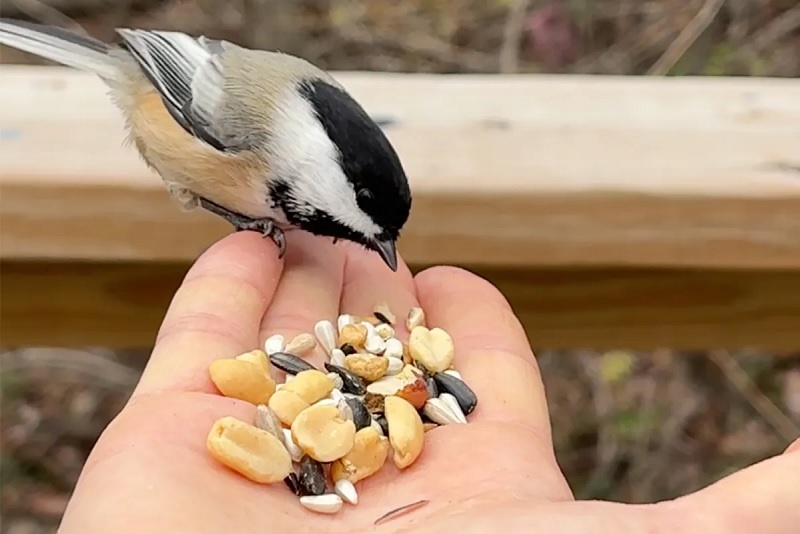
When birds seem to follow you as you walk, drive, or move through different areas, it can feel uncanny. In a spiritual sense, this behavior is often interpreted as a sign that you’re being guided or protected. Some believe it means you’re in alignment with your path or attracting positive energy. On a natural level, birds may simply be used to humans or following out of curiosity, especially in areas where they’re accustomed to being fed.
Birds Landing on or Near You
A bird choosing to land close to you—or even on you—is relatively rare and often viewed as a powerful moment. Spiritually, it’s seen as a direct message or blessing, possibly from a higher source or a deceased loved one. Some cultures believe this shows a deep harmony with nature or a sign that you’re open and receptive to spiritual messages. From a scientific perspective, birds may land near people if they feel safe or if there’s a food source nearby.
Birds Visiting Your Home or Window
Birds showing up repeatedly at your window or around your home can feel especially personal. Spiritually, this is often thought to symbolize protection, a message from the spirit world, or a call to pay attention to what’s happening in your life. In some traditions, a bird tapping on the window is considered a sign of upcoming news or change. Practically speaking, birds might be attracted to reflections, indoor plants, or simply be using your home as a perch in a busy territory.
Birds Appearing in Dreams
Dreaming about birds is another situation that often prompts curiosity. The meaning can vary widely based on the type of bird and what it’s doing in the dream. Flying birds might represent freedom, hope, or ambition, while caged or injured birds could reflect feelings of restriction or worry. Many believe that birds in dreams are messages from the subconscious or the spirit realm, nudging you to notice something important in your waking life.
Spiritual and Metaphysical Perspectives
Birds have long held a place in spiritual and metaphysical beliefs across the world. Their ability to move between earth and sky has made them powerful symbols in many traditions. When birds seem unusually drawn to you, it’s often interpreted through a spiritual lens—viewed not just as chance, but as part of a deeper connection to unseen forces. Here are some key perspectives that shape how this experience is understood.
Animal Totems and Spirit Guides
In many Indigenous and spiritual traditions, birds are seen as animal totems or spirit guides. These totems represent qualities or lessons that may be relevant to your life journey. A specific bird appearing to you repeatedly might be your spirit guide, showing up to remind you of a personal strength or a challenge you’re meant to overcome. For example, an eagle may symbolize courage and vision, while a sparrow might represent humility and community. These guides are believed to offer insight and protection, especially during times of personal growth.
Messages from the Universe or Ancestors
Another common belief is that birds act as messengers from the universe—or even from deceased loved ones or ancestors. In this context, birds are thought to carry messages meant to guide, reassure, or comfort you. A cardinal appearing after the loss of a loved one, for instance, is often viewed as a sign that the spirit of that person is near. These moments can feel deeply emotional and are often interpreted as encouragement to trust your path or listen more closely to your intuition.
Signs of Transformation or Awakening
Spiritually, birds are often linked with transformation and awakening. Their flight is symbolic of rising above the physical world and gaining new perspective. When birds are attracted to you during a time of inner change—like starting a new chapter, healing from past pain, or seeking deeper purpose—it’s sometimes seen as a sign that you’re in the midst of spiritual evolution. Birds showing up during meditation, journaling, or quiet reflection may signal that you’re aligning with higher energy or beginning to awaken to a greater awareness.
When to Be Concerned or Seek Help
While birds being attracted to you is often seen as positive or symbolic, there are situations where it may raise valid concerns. From health risks to safety issues, it’s important to recognize when a bird’s behavior is unusual or potentially problematic. Understanding the difference between a meaningful encounter and one that requires action can help you stay safe while still appreciating the beauty of these interactions.
Health and Safety Considerations
Birds are wild animals, and even friendly encounters should be approached with care. Frequent close contact with birds—especially those that seem sick, injured, or unafraid of humans—can pose health risks. Birds can carry parasites, bacteria, and viruses, including salmonella and avian flu. While the risk of transmission is low in most everyday encounters, repeated or close exposure should be handled cautiously.
Avoid feeding birds directly from your hands or letting them nest too close to areas where you eat, cook, or sleep. If birds are entering your home or frequently gathering in unusual numbers, consider contacting a local wildlife expert or pest control service to assess the situation.
Dealing with Aggressive or Repeated Bird Encounters
Most birds avoid humans, but in rare cases, certain species can become territorial or aggressive, particularly during mating or nesting seasons. If a bird repeatedly dive-bombs, swoops at your head, or pecks at your windows, it may be defending a nearby nest. This behavior is common in birds like mockingbirds, magpies, or swallows. In such cases, it’s best to identify and avoid the nesting area when possible. Wearing a hat or carrying an umbrella when walking in high-risk zones can also help protect you.
Persistent bird encounters that seem out of the ordinary—such as the same bird following you day after day or multiple birds gathering around your home—can sometimes signal that a bird has become too accustomed to human presence. While it may seem harmless or even charming, overly familiar birds can become dependent on humans for food or shelter, which is not healthy for their long-term survival. In these cases, wildlife agencies or bird rescue organizations may offer guidance on how to safely redirect or discourage these interactions.
What to Do if Birds Are Attracted to You
Having birds attracted to you can be a special experience, whether it’s a simple joy or something that feels deeply meaningful. Knowing how to respond can help you make the most of these moments while maintaining a healthy balance. Here’s some guidance on embracing the experience, deepening your connection with nature, and setting appropriate boundaries when needed.
Embracing the Experience
When birds start to show an unusual interest in you, the first step is simply to appreciate the moment. Take time to observe their behavior—notice the species, their colors, songs, and movements. This mindfulness can enhance your awareness and help you feel more present.
Many people find these encounters calming, inspiring, or even uplifting. Whether you view the experience as spiritual, symbolic, or just a delightful coincidence, embracing it with openness can enrich your day and deepen your appreciation for the natural world.
Enhancing the Connection
If you want to strengthen your bond with birds, there are gentle ways to encourage a positive relationship. Creating a bird-friendly environment is a good start—planting native flowers, installing feeders, or providing fresh water can attract birds in a safe and natural way. Spending quiet time outdoors without sudden movements or loud noises invites birds to feel comfortable near you.
Learning about the types of birds common in your area and their behaviors can also make encounters more meaningful. Journaling or meditating on these experiences might help you uncover personal insights or spiritual messages associated with the birds’ visits.
Grounding Techniques and Setting Boundaries
While enjoying these encounters, it’s important to stay grounded and protect your personal space. If birds get too close or their behavior becomes overwhelming, gentle redirection is key. Move slowly and calmly to avoid startling them. Wearing neutral-colored clothing can reduce sudden attention, as bright or shiny items might attract more birds than you intend. If birds start nesting too close to your living space or become aggressive, take steps to discourage this safely—such as using deterrents like reflective tape or consulting wildlife professionals.
Setting boundaries doesn’t diminish the beauty of these interactions; instead, it ensures they remain positive and safe for both you and the birds. Balancing openness with care allows you to enjoy the connection without stress or risk.
Frequently Asked Questions
What Does It Spiritually Mean When Birds Are Attracted To You?
When birds are attracted to you spiritually, it often signifies a connection to higher realms or your inner guidance. Many believe birds act as messengers from the universe, ancestors, or spirit guides, bringing you messages of encouragement, protection, or transformation.
This attraction might indicate that you’re in alignment with your spiritual path or experiencing personal growth. Certain birds may carry specific meanings—for example, doves often symbolize peace, while crows can represent wisdom and change. Paying attention to your feelings and the type of bird involved can help you understand what the spiritual message might be.
Can Birds Being Attracted To You Have Scientific Explanations?
Yes, there are practical scientific reasons why birds might be drawn to you. Birds respond to environmental factors like the availability of food, water, and shelter. If you’re in a bird-friendly area or regularly feed them, they may associate you with a reliable food source.
Additionally, birds are curious and intelligent creatures that might recognize you or be attracted to certain colors or movements you make. Your scent, clothing, or even the way you move could also catch their attention. These natural behaviors explain many bird encounters without needing a symbolic interpretation.
What Does It Mean When Birds Follow You?
When birds follow you, it can feel special or even uncanny. In spiritual or symbolic terms, it’s often seen as a sign that you’re being guided or protected. Birds following you might suggest you’re on the right life path or that positive energy surrounds you.
From a natural perspective, birds may follow you because they’re curious, have become accustomed to your presence, or expect food. Especially in areas where people feed birds, following behavior is common. Either way, this interaction invites you to notice your environment and stay present.
Is It Normal For Birds To Land On Or Near You?
While it’s not an everyday occurrence, birds landing near or even on you can happen, particularly if they feel safe and unthreatened. Spiritually, this is often interpreted as a direct message or blessing, signaling harmony with nature or a connection to spiritual guides.
Scientifically, birds may land near you if you’re calm, still, and in an area where birds are comfortable. Avoid sudden movements to encourage this behavior. It’s a rare and beautiful moment that invites mindfulness and appreciation.
Should You Be Concerned If Birds Are Attracted To You?
Most bird encounters are harmless, but there are times to be cautious. If birds become aggressive, overly persistent, or start nesting too close to your living space, it can create safety or health concerns. Birds can carry parasites or diseases, so repeated close contact should be managed carefully.
Also, during nesting season, territorial birds may act defensively. If you experience any troubling behavior, setting boundaries gently or seeking advice from wildlife professionals is wise. Enjoy the connection but maintain respect and care for both your well-being and the birds’.
Conclusion
Birds being attracted to you can feel like a magical or meaningful experience, blending nature’s beauty with deeper symbolism. Whether viewed through spiritual, cultural, or scientific lenses, these encounters invite reflection on your connection to the world around you. Birds may be messengers, guides, or simply curious creatures responding to their environment.
Embracing these moments with openness allows you to appreciate both the mystery and the natural explanations behind them. At the same time, it’s important to maintain healthy boundaries for your safety and the well-being of the birds. Ultimately, birds drawn to you offer a unique opportunity to pause, connect, and find inspiration in everyday life.