
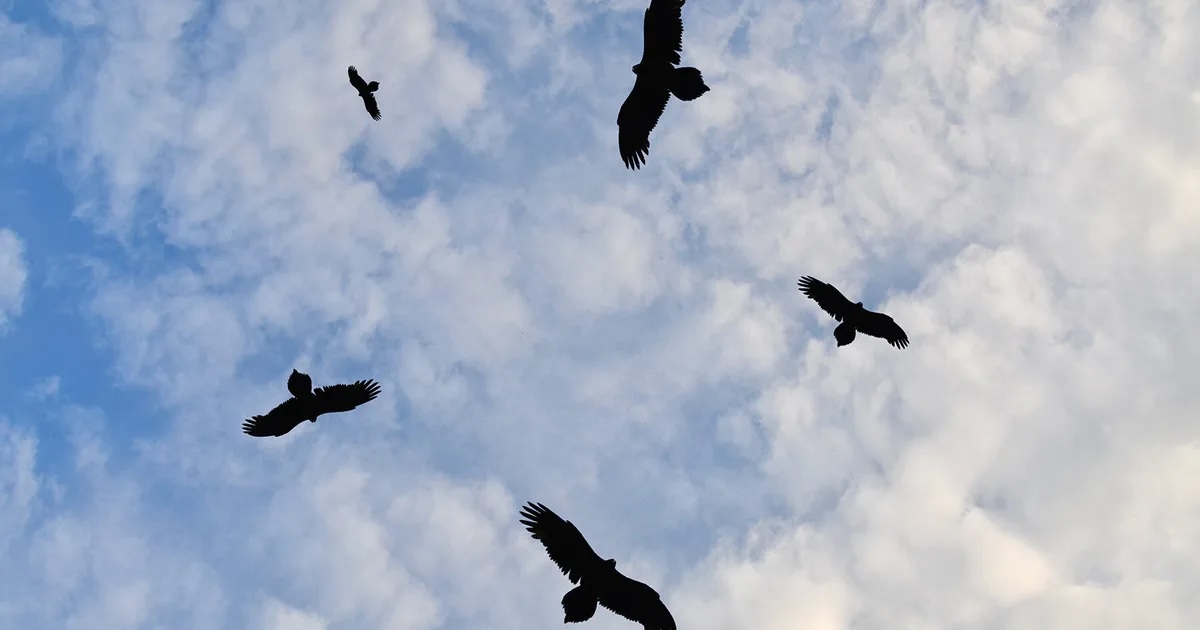
“What does it mean when birds fly in a circle?” This question has intrigued many people who observe nature closely. Watching birds circle in the sky can feel like a simple, everyday event, but it often holds deeper significance. Birds might fly in circles for various reasons, such as searching for food, communicating with each other, or using air currents to conserve energy. Sometimes, it’s a way for them to establish territory or warn others of danger.
Understanding this behavior can give us insight into the natural world and the survival strategies birds use. Whether you’re a casual birdwatcher or just curious about animal behavior, exploring what it means when birds fly in circles reveals the fascinating ways animals interact with their environment. This introduction will help unpack the reasons behind this common but mysterious bird behavior.
Introduction
Birds flying in circles is a behavior that often catches our attention and sparks curiosity. When we ask, “what does it mean when birds fly in a circle,” we’re diving into the interesting world of bird behavior and communication. This circular flight pattern can serve multiple purposes depending on the species and situation. Sometimes, birds circle to gain altitude using thermal currents, which helps them conserve energy while soaring.
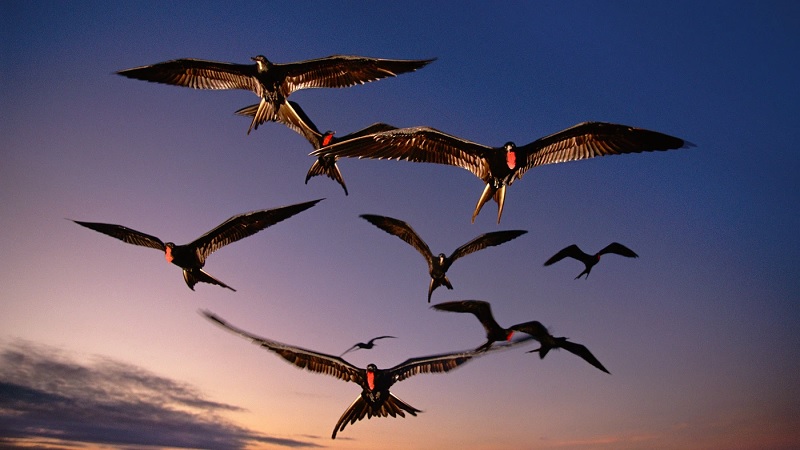
Other times, it can be a way to scout for food or signal to other birds. In certain cases, circling may also indicate territorial displays or warnings of nearby danger. Understanding why birds exhibit this behavior offers a glimpse into their survival tactics and natural instincts. By exploring this simple yet fascinating action, we can better appreciate the complex lives of birds around us.
Understanding Bird Flight Patterns
Bird flight is one of nature’s most fascinating phenomena. Observing the way birds move through the sky reveals a variety of flight patterns, each with its own purpose and meaning. These patterns are shaped by evolutionary adaptations, environmental factors, and the birds’ needs for survival, communication, and navigation.
Common Bird Flight Behaviors
Birds display several common flight behaviors that help them thrive in different environments. One of the most familiar patterns is soaring, where birds use rising air currents, called thermals, to glide effortlessly without much wing flapping. This behavior conserves energy, especially during long migrations. Another behavior is flapping flight, where birds actively beat their wings to gain speed and maneuver through tight spaces, like dense forests.
Hovering is another specialized flight style seen in certain species like hummingbirds, allowing them to stay in one place while feeding. Circling flight is often observed when birds are scanning their surroundings, gaining altitude, or engaging in social communication. Each flight style is tailored to the bird’s lifestyle and habitat, making their movements efficient and purposeful.
Why Birds Fly in Groups
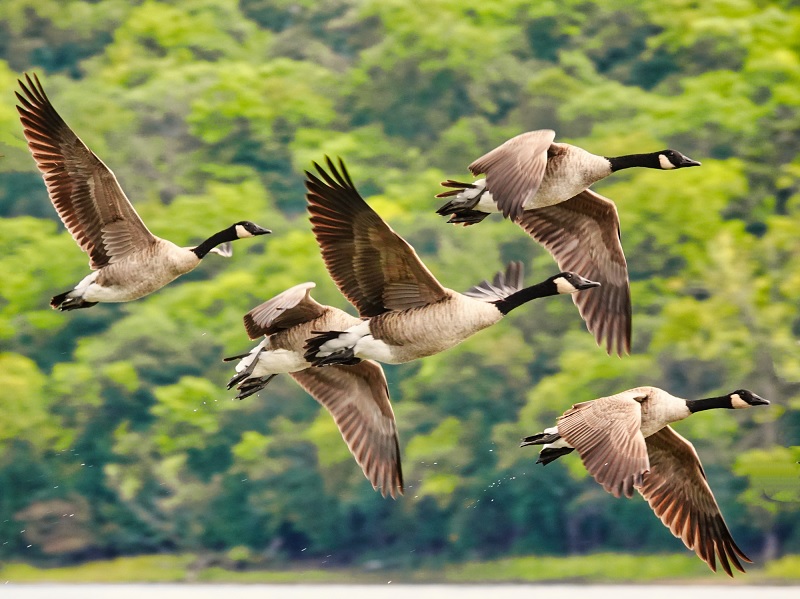
Flying in groups offers several advantages for birds. Safety in numbers is a key benefit—flocking helps protect individuals from predators by confusing attackers or increasing the chance of spotting danger early. When birds fly together, they can also conserve energy by taking advantage of aerodynamic formations like the famous V-shape, which reduces wind resistance for the birds following the leader.
Group flight also enhances navigation. Birds migrating over long distances often rely on collective knowledge, with experienced individuals guiding the way. Communication within the group helps maintain coordination and allows birds to respond quickly to changes in weather or threats.
Flying in circles, often seen within these groups, can be a way for birds to regroup, survey the area, or prepare for the next stage of their journey. Understanding these group dynamics helps explain the complex social behaviors birds exhibit in flight.
Reasons Birds Fly in Circles
Birds flying in circles is a behavior that often sparks curiosity. While it may seem random, there are several important reasons behind this circular flight pattern. Understanding these reasons helps reveal how birds interact with their environment and each other.
Searching for Food
One common reason birds fly in circles is to search for food. Circling allows birds to scan a wide area below, especially when hunting for prey or locating food sources. Raptors like hawks and eagles often use this technique to spot small mammals, reptiles, or fish from high above. By circling, they can maintain a steady vantage point and focus their attention on potential targets before diving down to catch them.
Establishing Territory
Circling can also be a territorial behavior. Birds use flight patterns to mark and defend their territory from rivals. Flying in circles above a specific area signals to other birds that the space is already claimed. This aerial display helps reduce physical confrontations by warning intruders to keep their distance. For many species, such behavior plays a key role during mating season when protecting nesting sites is crucial.
Communication and Social Interaction
Birds flying in circles may also be engaged in social communication. Some species use these flights as part of their group dynamics to coordinate movement, strengthen bonds, or warn others of danger. Circling flights can serve as signals that alert flock members about changes in the environment or the presence of predators. In this way, circular flight becomes a form of nonverbal communication within bird communities.
Thermals and Soaring
A major reason behind the circular flight of many birds relates to thermals—rising columns of warm air.
What Are Thermals?
Thermals are pockets of warm air that rise from the ground as the sun heats different surfaces unevenly. These upward currents provide an energy-efficient way for birds to gain altitude without continuous flapping.
How Birds Use Thermals to Soar
Birds like vultures, hawks, and eagles use thermals by flying in tight circles within these rising air columns. This technique allows them to effortlessly ascend to great heights, conserving energy during long flights or while searching for prey. Once high enough, they can glide forward for long distances, only flapping their wings occasionally. Circling in thermals is a clever adaptation that helps birds travel efficiently and cover large areas with minimal effort.
Symbolic and Cultural Interpretations
Birds flying in circles have captured human imagination for centuries, inspiring a variety of symbolic and cultural meanings. Across different cultures and traditions, the sight of birds circling in the sky has often been seen as more than just a natural behavior—it carries deep mythological, spiritual, and superstitious significance.

Birds Flying in Circles in Mythology
Many ancient cultures attributed special meaning to birds flying in circles. In some mythologies, circling birds were viewed as messengers between the earthly realm and the divine. For example, in Native American traditions, birds in flight often symbolize freedom, guidance, and protection. When these birds fly in circles, it can represent a cyclical connection between life and the spirit world, symbolizing renewal and continuity.
Similarly, in ancient Greek mythology, circling birds were sometimes seen as omens or signs from the gods. They were believed to carry messages about upcoming events, whether warnings or blessings. The act of circling was thought to represent the bird’s ability to see the bigger picture, connecting the heavens and the earth through their flight patterns.
Spiritual and Superstitious Meanings
Beyond mythology, many cultures interpret birds flying in circles as spiritual signals or superstitions. In some traditions, seeing a bird circle above your home or a particular spot is considered a sign of protection or a guardian spirit watching over you. It can also be interpreted as a message to pay attention to something important in your life, urging mindfulness or reflection.
Conversely, some superstitions view circling birds as warnings of impending change or misfortune. For example, in certain folklore, repeated circling of birds around a place might be linked to unsettled spirits or bad luck. These beliefs often arise from the mysterious nature of the behavior, blending natural observation with human fears and hopes.
In many spiritual practices, birds flying in circles are thought to symbolize cycles of life, death, and rebirth. Their flight patterns remind us of the constant movement and transformation inherent in life, encouraging acceptance of change and new beginnings.
Connecting Nature and Culture
The symbolic interpretations of birds flying in circles show how deeply humans have connected with the natural world. Whether seen as divine messengers, protective spirits, or omens, these behaviors inspire reflection and meaning beyond the physical act of flight. Recognizing these cultural perspectives enriches our understanding of birds and adds layers of significance to an already fascinating natural behavior.
Scientific Studies and Observations
Birds flying in circles have long fascinated both casual observers and scientists alike. Modern research has shed light on the reasons behind this behavior, revealing how circular flight patterns serve important ecological and biological functions. Scientific studies help us understand not just the mechanics of flight, but also how birds use this behavior to survive and thrive in their environments.
Research on Circular Flight Patterns
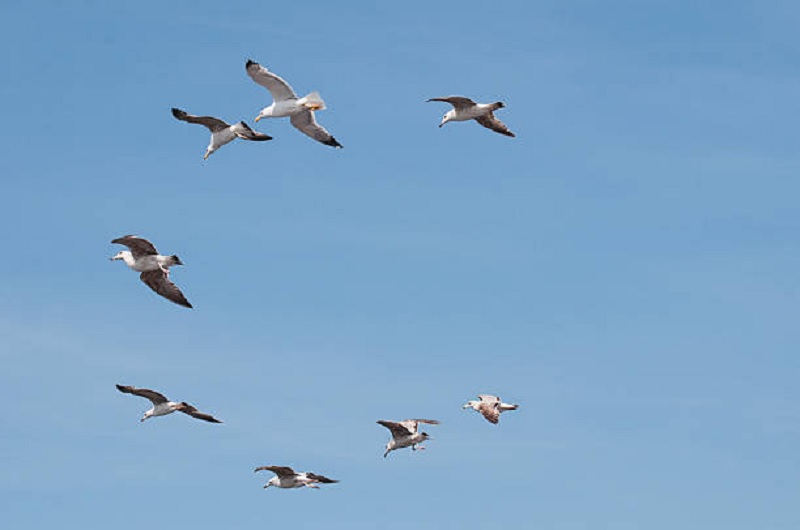
Scientists have conducted extensive research to explore why birds fly in circles and how this behavior benefits them. One key area of focus is the relationship between circular flight and energy conservation. Studies show that many birds use circular flight to ride thermals—rising columns of warm air—to gain altitude without expending much energy. By flying in tight circles within these thermals, birds can soar to great heights, covering vast distances while minimizing wing flapping.
Another line of research examines circular flight as a method of surveillance and hunting. Birds of prey, such as hawks and eagles, often circle over open fields or bodies of water to spot potential prey. Their circling flight allows them to maintain a stable vantage point and scan a wide area effectively. This behavior has been observed and documented through field studies, tracking, and video analysis.
Furthermore, some research investigates social and communication functions of circling flight, especially among flocking species. Circling can help maintain group cohesion, signal changes in direction, or coordinate movements, contributing to the safety and efficiency of the group.
Examples from Different Bird Species
Various bird species demonstrate circular flight patterns, each for unique reasons. Vultures are classic examples—they frequently circle high in the sky to catch thermals that help them glide effortlessly while searching for carrion. Their ability to use thermals effectively has been studied extensively and is a key adaptation for their scavenging lifestyle.
Hawks and eagles are also well-known for their circling flight during hunting. Observations show they circle patiently over potential hunting grounds, using their sharp vision to detect movement below. This technique increases their chances of a successful capture.
Seabirds like albatrosses engage in circular soaring over the ocean to conserve energy during long migratory journeys. Their wings are specially adapted for gliding, and by circling within thermals or wind currents, they can travel thousands of miles without frequent wing flaps.
Frequently Asked Questions
What Does It Mean When Birds Fly In A Circle?
When you see birds flying in circles, it usually means they are using a specific behavior to either conserve energy, search for food, or communicate. Birds often circle to catch rising air currents called thermals, which help them soar higher without much effort. Circling also allows them to scan the area below for prey or potential threats. In some cases, birds circle as part of social interaction or to establish territory. So, this behavior is both practical and purposeful.
Why Do Birds Fly In Circles Before Landing?
You might notice birds circling before they land, and this usually serves as a way for them to assess their landing spot carefully. Circling helps them evaluate safety, check for predators, or find the best place to perch. It also allows them to slow down and prepare their approach, especially if they’re landing in a tight or unfamiliar area.
How Do Birds Use Thermals When Flying In Circles?
Birds take advantage of thermals—rising columns of warm air—to gain altitude without using much energy. By flying in tight circles within these thermals, they can slowly spiral upwards, sometimes reaching impressive heights. Once they’ve gained enough altitude, birds glide forward with minimal wing flapping, conserving energy for long flights or hunting.
Can Birds Flying In Circles Be A Sign Of Danger?
In some cases, yes. Birds flying in circles can sometimes signal the presence of a predator nearby or indicate that they are warning others in their group. Circling may also serve as an alert system to help the flock stay together and react quickly to threats. However, it’s important to understand the context, as circling can also be a normal part of their routine behavior.
Do All Birds Fly In Circles For The Same Reason?
No, different species may circle for various reasons depending on their habits and environment. Raptors like hawks and eagles often circle to hunt or soar using thermals. Vultures primarily circle to gain height while searching for carrion. Some birds circle as part of social interaction or territorial displays. The exact reason depends on the species and the situation you observe.
Is There A Cultural Or Spiritual Meaning Behind Birds Flying In Circles?
Many cultures interpret birds flying in circles as symbolic or spiritual signs. Some believe circling birds represent messages from the spirit world, cycles of life, or warnings of change. Others see it as a symbol of protection or guidance. While these meanings vary widely, they highlight how humans have long connected bird behavior with deeper cultural or spiritual significance.
Conclusion
Birds flying in circles is a behavior rich with meaning, both scientifically and culturally. Whether they’re using thermals to soar effortlessly, searching for food, establishing territory, or communicating within their group, circling plays an important role in their survival. Beyond the practical reasons, many cultures see this behavior as symbolic, representing messages, protection, or cycles of life.
Understanding why birds fly in circles offers valuable insight into their natural instincts and the environments they navigate. The next time you see birds circling above, you can appreciate the complexity behind this simple yet fascinating flight pattern—a reminder of nature’s intricate balance and the deep connections between wildlife and human interpretation.