
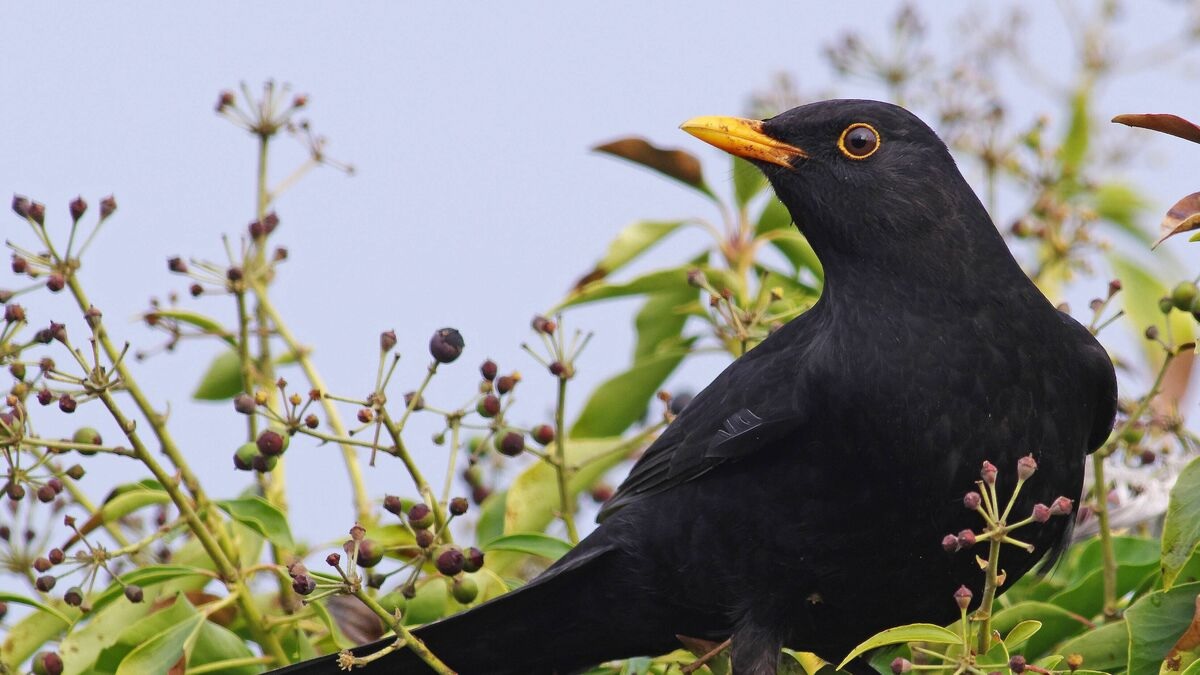
Wondering what does it mean when black birds are in your yard? Many people notice these striking birds and feel curious or even a bit uneasy about their presence. Black birds, such as crows or ravens, often carry a lot of symbolism in different cultures and beliefs. Their appearance can sometimes feel like a message or an omen, sparking questions about what they might represent in your life.
But beyond superstition, there are practical reasons why these birds might choose your yard as a hangout spot — like food availability, shelter, or simply territory. Exploring what it means when black birds are in your yard can uncover a mix of natural behavior and deeper symbolism. Whether you see them as mysterious visitors or just part of the local wildlife, understanding their presence can give you a clearer picture of what’s really going on outside your door.
Common Types of Black Birds Found in Yards
When black birds show up in your yard, it’s often one of several common species. Each has its own unique habits and characteristics, making them easy to identify once you know what to look for. Here’s a closer look at some of the most frequently spotted black birds you might find in your outdoor space.
Crows
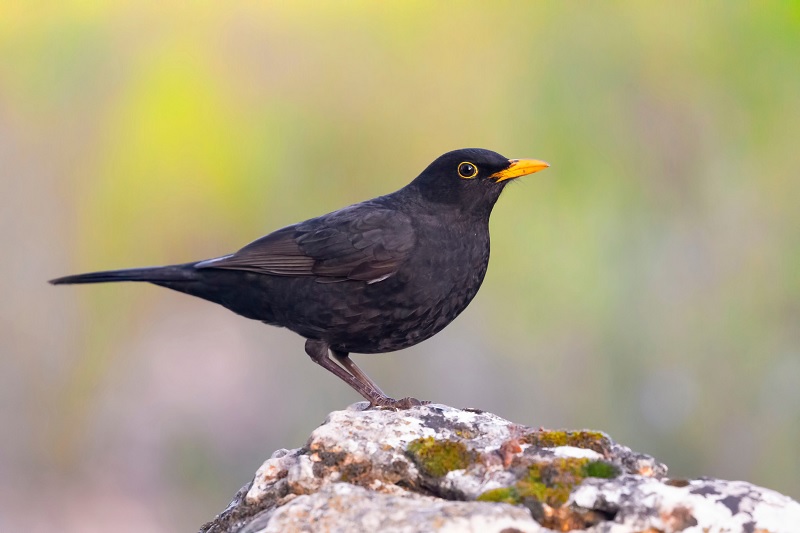
Crows are among the most recognizable black birds in many regions. They are large, with glossy black feathers that can sometimes show a subtle iridescent sheen in the sunlight. Known for their intelligence, crows are highly social and often seen in groups. Their loud, distinctive cawing makes them hard to miss. In yards, crows often scavenge for food, feeding on everything from insects to leftover human scraps. They are also known for their problem-solving skills, which makes their presence fascinating to observe.
Ravens
Ravens are closely related to crows but are generally larger and bulkier. They have thicker beaks and shaggier throat feathers. Ravens tend to have a deeper, more resonant call compared to the crow’s caw. These birds prefer more secluded or wild areas but will occasionally visit yards, especially if food or water sources are available. Ravens are highly intelligent as well and have been known to play games and interact with humans in surprisingly clever ways.
Blackbirds (e.g., Red-winged Blackbird, Common Grackle)
The term “blackbird” covers a variety of species, including the Red-winged Blackbird and the Common Grackle, both commonly found in yards and gardens. Red-winged Blackbirds are identifiable by the bright red and yellow patches on their wings, making them stand out despite their mostly black plumage.
They are often seen perched on reeds or shrubs near water. Common Grackles, on the other hand, have a shiny black appearance with hints of purple or green iridescence. They often gather in large flocks and are known for their harsh, grating calls. Both species feed on insects, seeds, and small fruits, making yards with bird feeders attractive to them.
Starlings
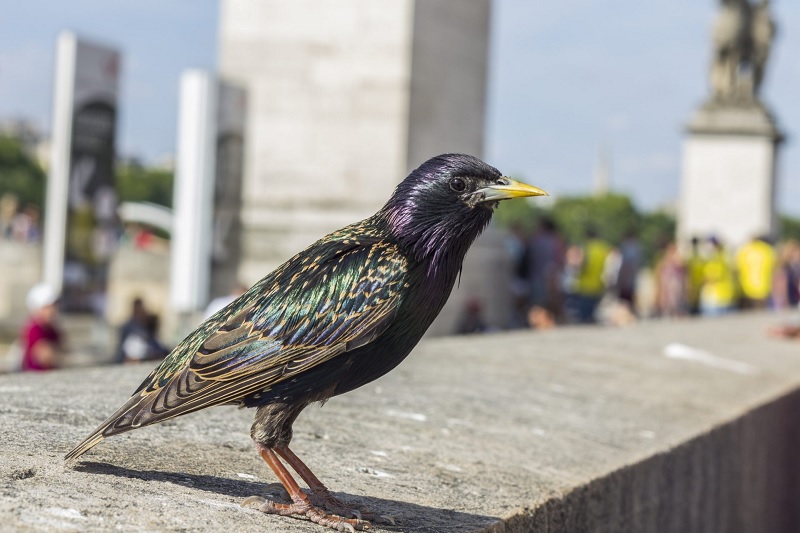
Although not entirely black, European Starlings have glossy black feathers that shimmer with green and purple tones in the light, giving them a striking appearance. Starlings are highly adaptable birds, often found in urban and suburban areas. They tend to move in large flocks and can be quite noisy. Their ability to mimic other birds and even human sounds adds to their unique charm. Starlings are opportunistic feeders, frequently visiting yards to find insects, seeds, or scraps.
Symbolism and Cultural Meanings of Black Birds
Black birds have fascinated people for centuries, often carrying rich symbolic meanings that vary across cultures. Their dark feathers and mysterious presence have inspired stories, myths, and spiritual interpretations worldwide. Understanding the symbolism and cultural meanings of black birds can deepen our appreciation for these creatures beyond their natural behavior.
General Symbolism of Black Birds
In many traditions, black birds symbolize mystery, transformation, and the unknown. Their color—black—is often linked to the night, the subconscious, and hidden knowledge. Because these birds are highly intelligent and sometimes elusive, they are also associated with wisdom and insight. In some contexts, black birds can represent change or the presence of messages from the spiritual world. Depending on the situation, seeing black birds may be interpreted as a sign to pay attention to deeper truths or upcoming transitions in life.
Cultural Interpretations
The way black birds are viewed varies widely across different cultures, with some seeing them as positive omens and others as harbingers of misfortune. These interpretations are shaped by historical stories, religious beliefs, and local folklore.
Native American Beliefs
Many Native American tribes regard black birds like crows and ravens as powerful spiritual messengers. In several traditions, these birds are considered protectors and guides, able to navigate between the physical and spiritual realms. Ravens, in particular, often appear in creation stories, symbolizing transformation and the bringing of light or knowledge to humanity. The crow is sometimes seen as a guardian of sacred laws and a symbol of cleverness and adaptability.
European Folklore
In European folklore, black birds often have more ominous associations. Crows and ravens are sometimes linked to death, witches, or bad luck, partly because they are scavengers and frequent graveyards. However, they are also recognized for their intelligence and have been seen as symbols of prophecy and protection in certain legends. For example, in Norse mythology, the god Odin was accompanied by two ravens who served as his eyes and ears across the world, representing wisdom and insight.
Asian Symbolism
In many Asian cultures, black birds hold a mix of meanings. In Chinese symbolism, crows can represent filial piety and family loyalty, while in Japanese folklore, the three-legged crow (Yatagarasu) is seen as a divine messenger guiding people towards the right path. Across Asia, black birds can embody both protection and transformation, often viewed as links between the human world and spiritual forces.
Possible Reasons Black Birds Are Visiting Your Yard
Black birds often catch our attention when they show up in our yards, but why exactly do they choose to visit? Several practical reasons can explain their presence, ranging from basic needs like food and shelter to natural behaviors linked to migration and environmental changes. Understanding these factors can help you make sense of their visits and even encourage them if you enjoy their company.
Food Sources
One of the main reasons black birds visit yards is food. These birds are opportunistic feeders, meaning they’ll take advantage of whatever is available. Whether it’s bird feeders filled with seeds, spilled pet food, ripe fruit on trees, or insects hiding in your garden, yards can be a rich buffet. Black birds like crows, grackles, and starlings are particularly attracted to easy and abundant food sources. Sometimes, their presence spikes when natural food becomes scarce elsewhere, making your yard a vital stop for nourishment.
Shelter and Nesting
Beyond food, black birds seek safe places to rest and build nests. Yards with dense trees, shrubs, or quiet corners provide excellent shelter from predators and harsh weather. Species like the Red-winged Blackbird often nest near water, but many black birds adapt well to suburban and urban environments if they find suitable shelter. Trees with thick canopies and areas with minimal disturbance offer them the security they need, especially during breeding season when nesting becomes a priority.
Seasonal Migration Patterns
Many black bird species are migratory, which means their presence in your yard might be tied to seasonal movement. During spring and fall migrations, you might notice an influx of birds stopping by to rest and refuel. For example, starlings and certain blackbird species travel long distances, and yards rich in food and shelter become convenient pit stops. Understanding these migration patterns helps explain why black birds sometimes appear in large numbers at specific times of the year and then seem to disappear.
Environmental Factors
Environmental changes can also influence why black birds visit your yard. Urbanization, habitat loss, and climate shifts can push birds to explore new areas in search of food and safety. Weather events like storms may temporarily displace birds, causing them to seek refuge in nearby yards. Additionally, yards with water features, compost piles, or gardens that attract insects can create an inviting habitat. Being mindful of how these factors affect wildlife helps you understand the bigger picture behind the birds’ presence.
What Black Birds Could Indicate About Your Environment
Black birds are more than just visitors to your yard—they can also act as natural indicators of what’s happening in your surrounding environment. Paying attention to their behavior and presence can offer valuable clues about changes in weather, wildlife activity, and the overall ecological health of your area.
Changes in Weather or Seasons
The arrival or departure of black birds often corresponds with seasonal shifts. Many black bird species are migratory and adjust their movement based on changes in temperature and food availability. For example, an increase in black bird activity might signal the onset of fall migration or the arrival of spring. Additionally, these birds can sometimes sense weather changes before humans do. Sudden flock gatherings or unusual behavior might indicate an approaching storm or a drop in temperature. Watching these patterns can help you better understand natural cycles and prepare for upcoming weather changes.
Presence of Predators or Other Wildlife
Black birds are highly observant and often react to the presence of predators or other wildlife. If you notice them becoming more alert, vocal, or gathering in larger groups, it could mean that predators like hawks, owls, or even neighborhood cats are nearby.
Black birds often use their loud calls as alarm signals to warn others of danger. Conversely, their presence might also suggest a healthy population of prey species, such as insects or small rodents, since these provide food for both the birds and their predators. In this way, black birds act as a kind of barometer for local wildlife dynamics.
Ecological Health of the Area
The types and numbers of black birds visiting your yard can reveal a lot about the ecological health of your neighborhood. A diverse and stable population of black birds usually points to a balanced ecosystem with sufficient food, clean water, and suitable habitat. Conversely, a sudden drop in their numbers or absence might suggest environmental stress, such as pollution, habitat loss, or a decline in food sources.
Black birds like crows and ravens are known scavengers and can tolerate various conditions, but even they avoid severely degraded environments. Observing these birds over time can help you gauge whether your area is thriving or facing ecological challenges.
Superstitions and Myths Associated with Black Birds
Black birds have long been the subject of superstition and myth, often stirring strong feelings of curiosity, fear, or fascination. Their dark feathers and mysterious behaviors have made them symbols in folklore across the world. Exploring these superstitions reveals how black birds have come to represent both good and bad omens in human culture.
Bad Omens vs. Good Omens
Black birds are frequently linked to bad omens, especially in Western cultures. Their appearance has often been seen as a sign of misfortune, death, or impending danger. Crows and ravens, for example, are sometimes associated with witches or the supernatural, believed to be messengers of the otherworld or harbingers of doom. These ideas likely stem from their black plumage, scavenging habits, and presence near battlefields or graveyards, which naturally connected them with death and the unknown.
However, not all superstitions cast black birds in a negative light. In many cultures, these birds are viewed as symbols of protection, wisdom, and transformation. For example, Native American traditions often regard crows and ravens as powerful spirit guides and protectors. In some folklore, seeing a black bird might be interpreted as a message of guidance, signaling that change is coming or that hidden knowledge will soon be revealed. This duality makes black birds fascinating figures in the world of superstition, embodying both fear and hope.
Common Myths and Their Origins
Many myths involving black birds have ancient roots. One famous example is the Norse myth of Odin’s ravens, Huginn and Muninn, whose names mean “thought” and “memory.” These birds flew across the world, gathering information for the god Odin, symbolizing wisdom and insight rather than doom. This myth highlights how black birds were respected as creatures connected to knowledge and power.
In contrast, Shakespeare’s play Macbeth popularized the idea of ravens as ominous creatures. The line “The raven himself is hoarse / That croaks the fatal entrance of Duncan” helped cement the bird’s association with death and bad luck in European culture. Similarly, in many Western superstitions, encountering a single crow or raven is seen as a forewarning of death or tragedy.
Other cultures have their own unique tales. In Japan, the three-legged crow Yatagarasu is a divine messenger, symbolizing guidance and divine intervention. Such myths show how black birds have been woven into the spiritual fabric of societies around the world, representing vastly different ideas based on cultural perspectives.
How to Respond or React to Black Birds in Your Yard
Having black birds visit your yard can be an intriguing experience, but it often raises the question: how should you respond? Whether you enjoy their presence or find them a bit of a nuisance, there are thoughtful ways to coexist with these intelligent birds. Understanding when to take action and how to appreciate their role in nature can help you find the right balance.
Practical Advice for Coexisting
Black birds like crows, ravens, and grackles are highly adaptable and can thrive in many environments, including residential yards. To coexist peacefully, consider providing natural food sources such as native plants that attract insects and berries. Avoid feeding them processed foods or large amounts of birdseed that may encourage aggressive behavior.
Maintaining clean outdoor spaces helps minimize conflicts, especially by securing trash bins and removing leftover pet food that might attract unwanted visitors. If you enjoy watching these birds, creating a quiet, safe environment with trees and shrubs offers shelter and perching spots that make your yard more welcoming.
When to Consider Deterrents or Assistance
While many people appreciate black birds, sometimes their numbers or behaviors can become problematic. Large flocks may damage gardens, raid bird feeders, or create noise disturbances. In such cases, humane deterrents can be effective.
Options include using reflective objects, noise-makers, or motion-activated sprinklers to gently discourage birds from lingering too long. If black birds appear injured or sick, contacting local wildlife rehabilitation centers or animal control professionals is the best course of action. Avoid trying to handle wild birds yourself, as they can carry diseases or become stressed.
Appreciating the Role of Black Birds in Nature
It’s important to remember that black birds play a vital role in the ecosystem. As scavengers, they help clean up dead animals and organic waste, contributing to a healthier environment. Their feeding habits control insect populations and even help disperse seeds, supporting plant growth.
Observing their complex social behaviors and intelligence can be rewarding, offering a deeper connection to nature right outside your window. Embracing their presence with respect and understanding enhances both your outdoor space and your awareness of the natural world.
Frequently Asked Questions
What Does It Mean When Black Birds Are In Your Yard?
When black birds visit your yard, it can mean several things depending on the context. Often, their presence signals that your yard offers food, shelter, or a safe resting spot. These birds are intelligent and opportunistic, so if they find insects, seeds, or fruit, they’ll likely return regularly. Beyond practical reasons, many cultures interpret black birds as symbols of transformation, mystery, or messages from the spiritual world. So, seeing them might also encourage you to pay attention to changes or important events in your life.
Are Black Birds Considered Bad Omens When They Appear?
The idea that black birds are bad omens is a common superstition but not a universal truth. While some traditions associate black birds like crows and ravens with death or misfortune, others see them as symbols of wisdom, protection, and guidance. Their dark color and scavenging habits may have contributed to negative myths, but these birds play essential roles in ecosystems by controlling pests and cleaning up waste. So, instead of fearing them, you might consider their presence a natural and valuable part of your environment.
Why Do Black Birds Often Appear In Large Groups?
Black birds often gather in flocks because it offers safety and increases their chances of finding food. Large groups can help spot predators early and protect the birds from threats. Seasonal migration is another reason for their numbers swelling; during migration periods, black birds use your yard as a resting and feeding stop. Additionally, some species like grackles and starlings are naturally social and prefer to stay in groups. If you notice a sudden increase in black birds, it might be tied to one of these behaviors.
Can The Presence Of Black Birds Affect My Yard Or Garden?
Black birds can have both positive and negative effects on your yard. On the positive side, they help control insect populations by eating pests that could damage plants. Their scavenging also cleans up organic waste, promoting a healthier yard environment. However, large flocks might damage fruit trees, raid bird feeders, or create noise disturbances. Balancing their presence by providing natural food sources and keeping your yard tidy can help you enjoy the benefits without the drawbacks.
How Should I Respond If Black Birds Keep Visiting My Yard?
You can respond to visiting black birds by creating a welcoming yet balanced environment. Provide native plants that attract insects and berries instead of relying on processed foods. Keep your yard clean by securing trash and avoiding leftover pet food to reduce conflicts. If the birds become too numerous or disruptive, humane deterrents like reflective objects or motion-activated sprinklers can help. Appreciating their role in the ecosystem and observing their behavior can also enhance your connection to nature. If you ever find injured birds, contacting wildlife professionals is the best approach.
Conclusion
Black birds in your yard can carry a variety of meanings—from practical reasons like food and shelter to deeper symbolic messages rooted in culture and nature. Their presence often signals a healthy environment, seasonal changes, or shifts in local wildlife activity. While some may see them as ominous, black birds also represent wisdom, transformation, and connection to the natural world.
Understanding why these birds visit helps you appreciate their role in your outdoor space and guides how to coexist with them peacefully. Whether you view them as fascinating neighbors or spiritual messengers, black birds add a unique and meaningful dimension to your everyday environment. Embracing their presence allows you to enjoy the rich stories and natural balance they bring to your yard.