
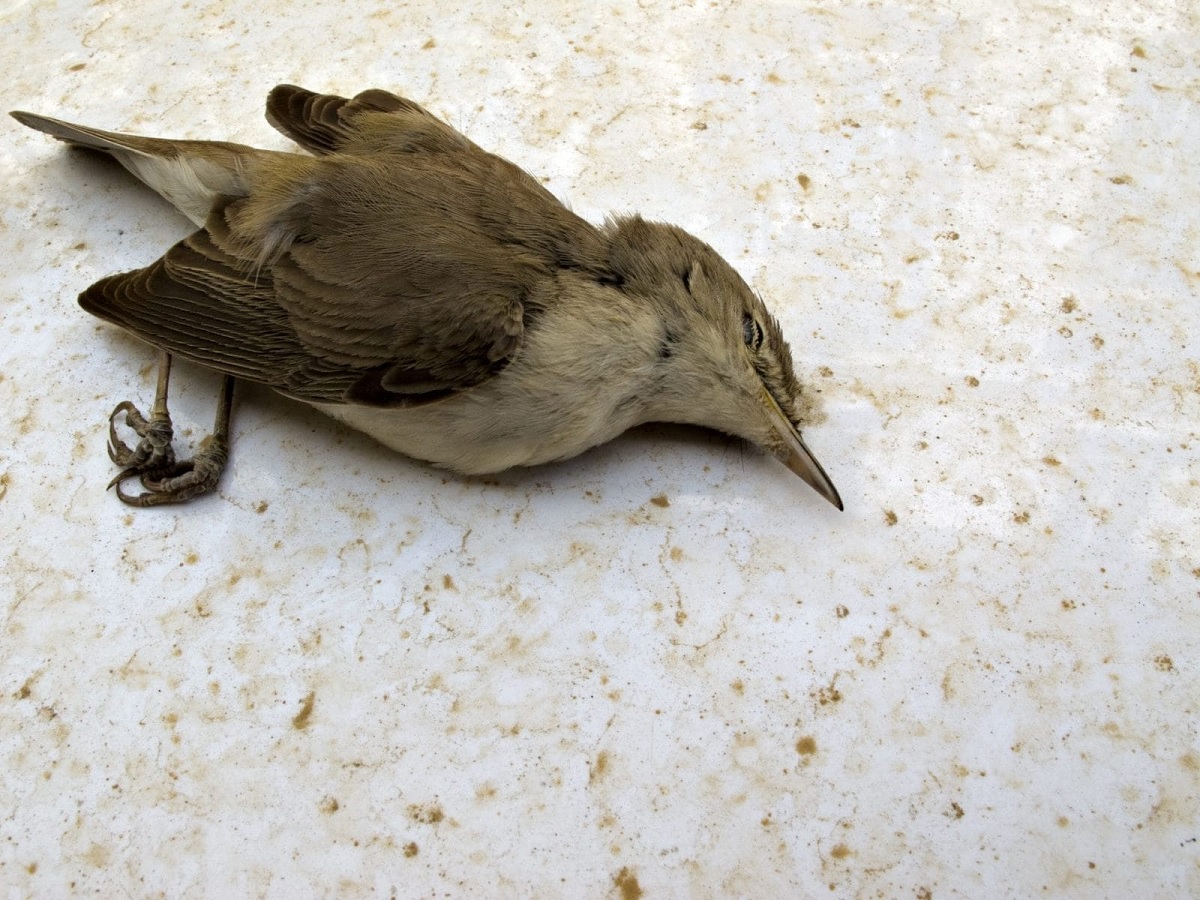
When birds die, their bodies become an important part of nature’s ongoing cycle. Understanding keyword “what happens to birds when they die” shows how these creatures continue to contribute to the environment even after their life ends. Through natural processes like decomposition and scavenging, bird remains break down and return valuable nutrients to the soil. This supports plants, insects, and other animals, helping to maintain a balanced ecosystem.
In many habitats, scavengers such as mammals and insects play a crucial role in this recycling process. The death of a bird is not just an ending but a part of life’s continuous flow, where energy and matter are reused to sustain new growth. Exploring what happens to birds after death reveals the deep interconnectedness of life and highlights the vital role every creature plays in maintaining the health of our natural world.
Natural Processes After a Bird Dies
When a bird dies, its body enters a series of natural processes that help recycle nutrients and support the ecosystem. These processes are essential for maintaining the balance of nature, allowing energy to flow from one organism to another. Understanding what happens after a bird’s death reveals the important role it plays even in passing.

Decomposition and Breakdown
The first stage after a bird dies is decomposition. Microorganisms like bacteria and fungi begin breaking down the soft tissues, turning the bird’s body into simpler organic matter. This process releases nutrients such as nitrogen and phosphorus back into the soil, enriching it and promoting plant growth. Decomposition can take anywhere from days to weeks, depending on environmental factors like temperature, humidity, and presence of scavengers.
Role of Scavengers
Scavengers, including mammals such as foxes, raccoons, and small rodents, as well as insects like beetles and ants, play a vital role in the breakdown of a bird’s body. These animals feed on the carcass, helping to accelerate decomposition and disperse nutrients. Scavenging also prevents the buildup of dead animals in the environment, reducing the risk of disease spread. In some cases, larger predators may also consume the remains, ensuring that very little goes to waste.
Nutrient Recycling in the Ecosystem
As decomposition and scavenging proceed, the nutrients from the bird’s body return to the soil and enter the broader ecosystem. Plants absorb these nutrients to grow, supporting herbivores and, ultimately, the entire food chain. This cycle ensures that energy and matter continue to circulate in nature, demonstrating how the death of one creature contributes to the life of many others. Through these natural processes, birds continue to impact the environment long after they have died.
What Happens to Birds in Urban Areas
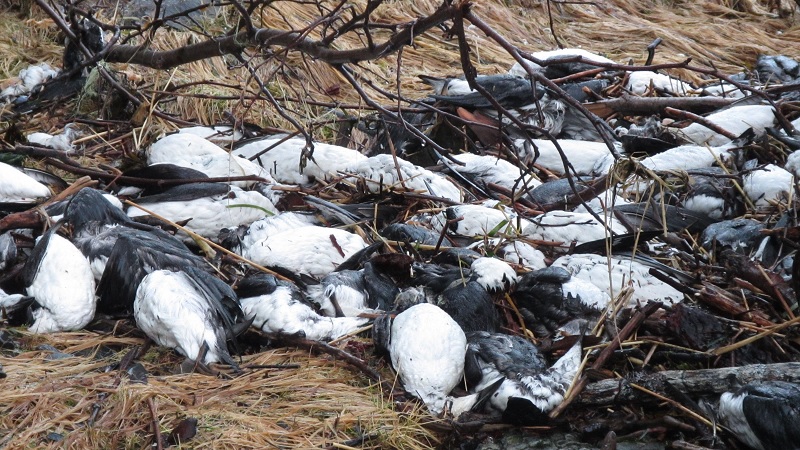
In urban environments, the process that follows a bird’s death can be quite different from what occurs in nature. While natural decomposition still plays a role, human influence, artificial surfaces, and reduced access for scavengers often alter the way a bird’s remains are handled.
Limited Natural Decomposition
When a bird dies in a city, it might fall on pavements, rooftops, or roads—places where natural decomposition happens more slowly. Hard surfaces reduce moisture and make it difficult for soil microbes and fungi to do their job effectively. Without immediate breakdown, the carcass can remain visible longer, sometimes attracting pests or raising health concerns.
Scavengers and Sanitation Services
Urban areas have fewer natural scavengers, but some birds and mammals, like crows, rats, raccoons, and feral cats, may still feed on bird carcasses. These animals help clean up organic matter, even within the city. In many cases, however, sanitation workers or street cleaning crews are the ones who remove dead birds from public areas. This human intervention interrupts the natural recycling process, preventing nutrients from returning to the ecosystem.
Impact on the Urban Ecosystem
Though urban settings change how birds decompose, their deaths can still affect the local food chain. Scavengers that thrive in cities may depend on such remains for food. However, when human waste management takes over, these natural roles are reduced. This shift impacts the balance between scavengers and food availability in built environments. Despite these differences, the cycle of life and death continues in cities—just in a more managed and altered form.
Cultural and Human Practices Regarding Dead Birds
Across different societies and belief systems, birds hold symbolic meaning, and how people respond to dead birds reflects both cultural traditions and personal beliefs. Some see them as omens, while others approach the situation from a practical or spiritual perspective.
Symbolism and Superstition
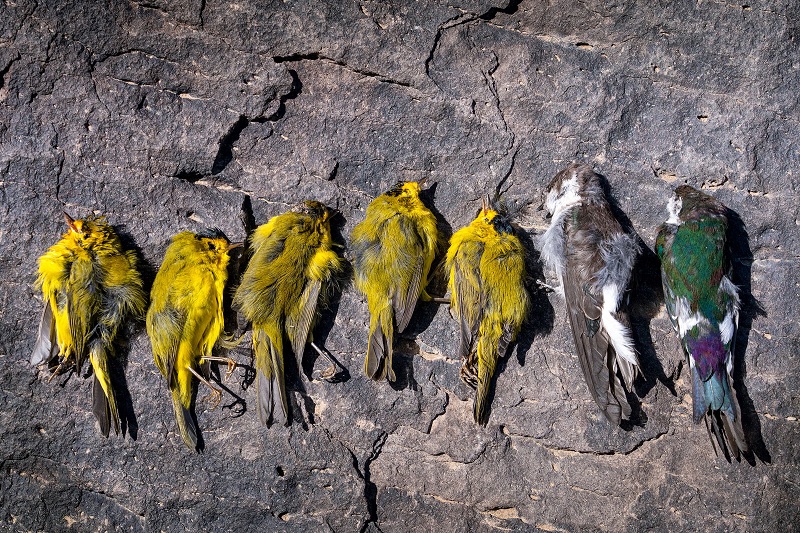
In many cultures, a dead bird is seen as a sign or message. For example, in folklore and spiritual beliefs, spotting a dead bird might be interpreted as a symbol of change, the end of a phase, or even a warning. Some people believe it carries a message from the spiritual realm or is an indicator of environmental imbalance. These symbolic interpretations often influence how individuals choose to handle the remains—with reverence, caution, or ritual.
Burial and Disposal Practices
On a practical level, how humans deal with dead birds depends on health, safety, and environmental concerns. In urban or suburban areas, people are often advised to use gloves or tools to avoid direct contact. Some choose to bury the bird respectfully in their backyard, especially if it was a pet or frequently visited bird. Others contact animal control or sanitation services for safe removal. In rural areas, birds may be left to decompose naturally, especially if they pose no threat to other animals or people.
Memorializing Birds
Bird lovers or pet owners sometimes hold small memorials for birds they cared for or observed regularly. These moments reflect a deeper emotional connection and respect for the natural world. Whether rooted in belief, science, or emotion, human reactions to dead birds reveal a thoughtful blend of culture, care, and responsibility.
Scientific and Conservation Perspectives
Scientists and conservationists study bird mortality to gain insights into environmental health, species behavior, and the impact of human activity. Understanding what happens to birds after death plays a crucial role in shaping wildlife protection strategies and preserving ecosystems.

Studying Causes of Death
Researchers often examine bird carcasses to determine causes of death such as disease, predation, pollution, or habitat loss. This information helps in identifying patterns and emerging threats, like outbreaks of avian flu or the impact of pesticides. Autopsies and field studies can also reveal how human-made structures, like glass windows or wind turbines, contribute to bird fatalities.
Monitoring Populations
Bird deaths provide valuable data for population monitoring. Conservationists use this information to estimate species numbers, assess breeding success, and evaluate survival rates. For endangered birds, every loss counts, and analyzing mortality helps guide recovery programs and legislation.
Advancing Conservation Efforts
The study of dead birds is not just about loss—it also fuels progress. Collected data supports habitat restoration, informs public awareness campaigns, and influences laws protecting migratory and native species. Scientists may also use deceased birds in educational programs or museum collections, preserving knowledge for future generations.
What To Do If You Find a Dead Bird
Discovering a dead bird in your yard, neighborhood, or on a trail might seem like a minor occurrence, but how you respond can have broader implications. Whether for health, curiosity, or conservation, your actions matter more than you might expect.
Ensure Personal Safety First
Before approaching the bird, avoid touching it with bare hands. Diseases like avian flu, salmonella, or West Nile virus can sometimes spread from birds to humans. Wear disposable gloves or use a plastic bag or shovel to handle the body. Don’t let children or pets near the carcass.
Observe and Assess the Situation
Take a moment to note any unusual signs. Are there multiple birds in the area? Does the bird look injured or diseased? This kind of observation helps determine whether the death is an isolated event or something that might require attention from local authorities.
Contact the Appropriate Authorities
In cases involving endangered species, multiple bird deaths, or suspected poisoning, report your finding to your local wildlife department or animal control. Many regions track bird deaths for scientific and public health reasons, and your report can contribute to important data collection.
Dispose of the Bird Properly
To dispose of the bird, place it in a sealed plastic bag and then into a second bag before throwing it in your outdoor garbage bin. Some areas have specific guidelines or may request that you submit the bird for testing. Always wash your hands thoroughly after handling and disinfect any tools or surfaces involved.
FAQs
What Happens To A Bird’s Body After It Dies?
After a bird dies, its body goes through natural decomposition. Scavengers like crows, foxes, and insects often consume the remains, which helps return nutrients to the ecosystem. In environments where scavengers are limited, the body slowly breaks down through microbial activity and exposure to the elements like sunlight, rain, and wind.
Why Don’t You See More Dead Birds Around?
You rarely see dead birds because scavengers and natural decay processes act quickly. Many birds also die in hidden locations such as dense trees, bushes, or rooftops. Their small size and lightweight bodies allow them to disappear quickly through scavenging or decomposition.
Do Birds Have Funerals Or Rituals?
Birds don’t hold funerals, but some species, like crows and ravens, may gather around their dead. This behavior might look ceremonial, but scientists believe it’s more about learning and alerting the group to potential threats, not mourning in the human sense.
What Should You Do If You Find A Dead Bird?
If you find a dead bird, avoid touching it directly. Use gloves or a shovel to handle the body and place it in a sealed plastic bag for disposal in outdoor trash. Wash your hands thoroughly afterward and report unusual cases—like multiple dead birds—to local wildlife authorities.
Can A Dead Bird Spread Disease?
Yes, some dead birds may carry diseases like avian flu or West Nile virus. That’s why handling should always be done with care. Proper disposal and hygiene are essential to prevent any potential health risks for humans or pets.
What Happens To Pet Birds When They Die At Home?
When a pet bird dies, many owners choose burial in their backyard or cremation through a pet service. It’s important to check local regulations before burial. Some pet owners also preserve feathers or footprints as memorials to honor their bird’s memory.
Conclusion
When a bird dies, its journey doesn’t end—it simply takes a different form in nature’s cycle. Whether it’s in the wild, an urban setting, or influenced by human practices, each outcome plays a role in the ecosystem. Decomposition, scavenging, and even cultural or scientific interest ensure that the bird’s body contributes to new life or greater understanding.
Understanding what happens to birds when they die reveals how deeply interconnected life and death are in the natural world. By observing respectfully and responding appropriately, you not only protect your environment but also honor the quiet but vital role birds continue to play—even after they’re gone.