
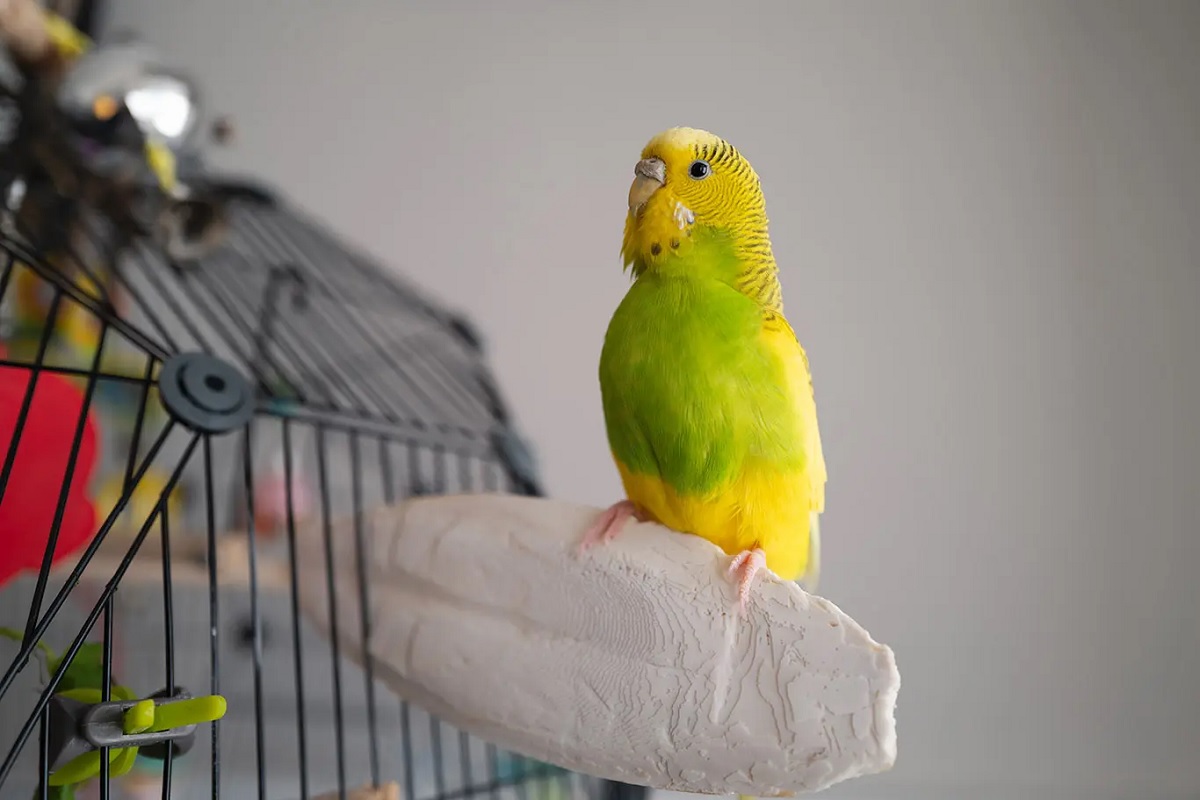
If you’ve ever owned a pet bird or visited a bird shop, you might have come across the question: what is a cuttlebone for birds? A cuttlebone is a natural, lightweight, and porous internal shell from the cuttlefish, and it serves an important purpose in the care and health of many pet birds. Birds use cuttlebones mainly as a source of calcium, which is essential for strong bones and healthy egg production in female birds.
Beyond nutrition, cuttlebones also help birds maintain their beaks by providing a surface to chew on, which prevents overgrowth and keeps their beaks sharp and functional. Understanding what a cuttlebone is and why it’s beneficial can help bird owners provide better care, ensuring their feathered friends stay happy and healthy. So, if you’ve been wondering what is a cuttlebone for birds, this simple natural item plays a surprisingly vital role in their well-being.
What is a Cuttlebone?
If you’re new to bird care or just curious about natural supplements for pet birds, understanding what a cuttlebone is is a great place to start. A cuttlebone is a unique and natural object that comes from the cuttlefish, a marine creature related to squids and octopuses. Despite its name, a cuttlebone isn’t a bone in the traditional sense but rather a hard, lightweight internal shell that serves specific biological purposes for the cuttlefish. When used for birds, it offers valuable benefits, especially as a source of essential minerals and a tool for beak maintenance.
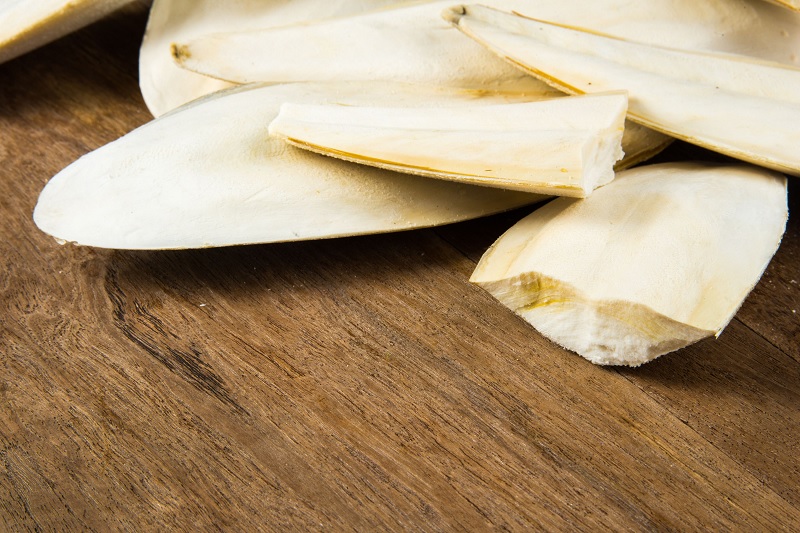
Origin and Composition
The cuttlebone originates from cuttlefish, which are soft-bodied mollusks living primarily in shallow coastal waters. Inside the cuttlefish’s body, this structure acts as a buoyancy control device. Its porous, chambered design helps the cuttlefish regulate its buoyancy by adjusting the gas and fluid within these chambers, allowing it to float or sink with ease in the water.
When harvested for birds, cuttlebones are cleaned and dried to remove any organic matter. They are composed mainly of calcium carbonate — the same compound found in limestone, seashells, and chalk. This high calcium content is precisely why cuttlebones are so beneficial for birds, providing a natural and digestible mineral supplement. Besides calcium, cuttlebones contain small amounts of other trace minerals important for avian health.
Physical Characteristics
Physically, cuttlebones have a distinct appearance. They are flat, oval-shaped, and somewhat rigid, with a rough, chalky texture on the outside and a porous, spongy structure inside. They usually range from a few inches to over five inches in length, depending on the species of cuttlefish they come from.
The surface of a cuttlebone often has ridges or grooves running lengthwise, which help birds grip and chew it more easily. Because of their lightweight and brittle nature, birds can easily nibble on cuttlebones without much effort. This chewing not only provides them with calcium but also aids in keeping their beaks trimmed and healthy by naturally wearing down overgrown or sharp edges.
Purpose of Cuttlebone for Birds
Cuttlebone is more than just a natural curiosity for bird owners—it plays a crucial role in the overall health and well-being of many pet birds. Understanding the purpose of cuttlebone for birds helps highlight why this simple item is often found in bird cages and aviaries worldwide. Primarily, cuttlebones provide essential nutritional support and help with beak maintenance, both of which are vital for keeping birds healthy and comfortable.

Nutritional Benefits
One of the main reasons bird owners provide cuttlebones is for their impressive nutritional value. Cuttlebones are packed with calcium carbonate, a mineral critical for birds’ bone development and overall health. Calcium plays an especially important role in egg-laying birds, as female birds require higher calcium levels to form strong, healthy eggshells. Without sufficient calcium, birds can develop weak bones, brittle eggshells, or suffer from metabolic bone disease, which severely impacts their quality of life.
Beyond calcium, cuttlebones also contain trace amounts of other minerals such as magnesium and phosphorus, which contribute to a balanced diet. Because birds often peck or chew on the cuttlebone, they naturally consume these minerals, helping to supplement their regular feed. This natural mineral source is much safer and more effective than synthetic supplements, making cuttlebone a popular and easy-to-use option for maintaining optimal bird nutrition.
Beak Maintenance and Health
Another vital purpose of cuttlebone is to help birds maintain their beak health. Birds’ beaks continuously grow throughout their lives, much like human nails. Without proper wear and tear, their beaks can become overgrown, misshapen, or even develop cracks, which can cause difficulty in eating, grooming, and other daily activities.
Cuttlebones provide a natural abrasive surface for birds to chew on, allowing them to trim and file down their beaks as needed. This chewing activity is important not only for beak length but also for keeping the beak strong and sharp. Birds instinctively use cuttlebones as a safe tool to satisfy their natural chewing instincts, preventing boredom and reducing destructive behavior.
Regular use of cuttlebone also supports good oral hygiene, as the gentle abrasion helps remove dirt and debris from the beak. This can help prevent infections or other complications that arise from poor beak condition.
Types of Birds That Use Cuttlebone
Cuttlebone is widely appreciated among bird enthusiasts because it benefits a variety of bird species. While it’s most commonly seen in pet bird cages, many wild birds also naturally seek out similar mineral sources to support their health. Understanding the types of birds that use cuttlebone can help bird owners and wildlife enthusiasts recognize the importance of this natural supplement across different bird groups.
Common Pet Birds (Parrots, Budgies, etc.)
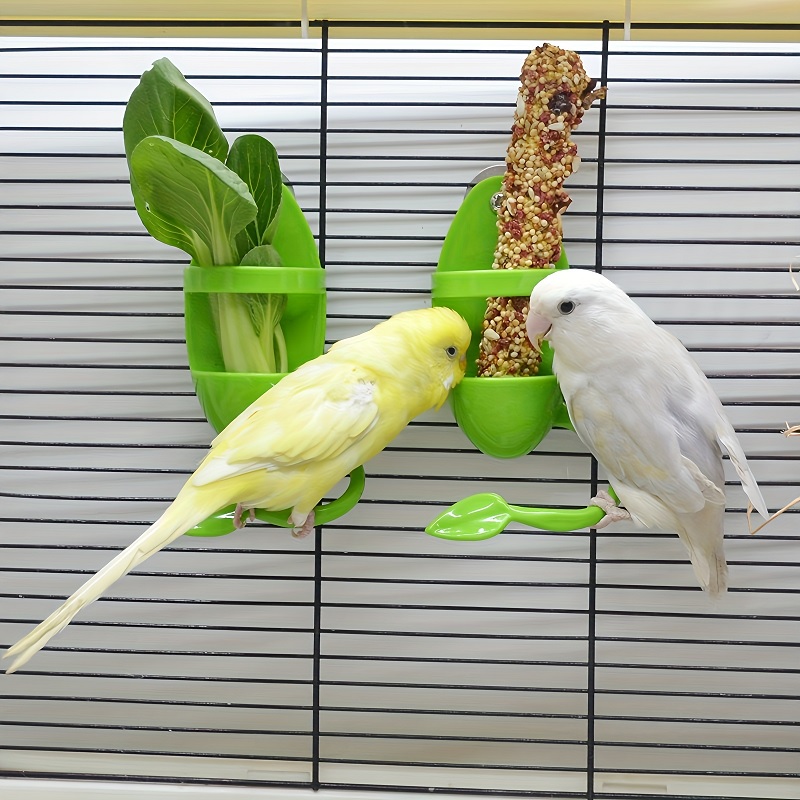
Among pet birds, cuttlebone is especially popular and beneficial for species known for their active chewing habits and nutritional needs. Parrots, including African Greys, Amazons, and Cockatoos, are well-known for their strong beaks and constant need to gnaw on hard objects. Cuttlebones provide these birds with a safe and natural outlet for chewing, which helps keep their beaks trimmed and healthy while delivering a crucial calcium boost.
Budgerigars (budgies) and lovebirds are smaller parrot species that also benefit greatly from cuttlebone. These birds enjoy pecking at cuttlebones to supplement their diet and help maintain their beak condition. Because smaller birds have delicate beaks, the porous texture of cuttlebone is gentle enough to serve as an ideal chewing surface without causing damage.
Other common pet birds such as canaries and finches may also use cuttlebones, though not as extensively as parrots and budgies. Providing cuttlebone in cages with these species can still be helpful, especially for calcium intake during breeding seasons or periods of growth.
Wild Birds and Their Use of Cuttlebone
While cuttlebone itself comes from cuttlefish and isn’t naturally found inland, many wild birds seek out natural sources of calcium that serve a similar purpose. Coastal and marine birds, like seagulls and terns, may find and use cuttlebones washed ashore as a mineral supplement.
Inland, wild birds often consume other calcium-rich materials like crushed shells, limestone, or even bones to meet their dietary needs. Birds such as pigeons, doves, and songbirds are known to ingest grit and mineral deposits that help with calcium intake and digestion. This behavior is similar to how pet birds use cuttlebone.
Wild birds also use these mineral sources to keep their beaks healthy, just like their pet counterparts. Chewing on hard materials helps them maintain beak length and sharpness, which is essential for feeding, grooming, and defense.
How to Provide Cuttlebone to Birds
Providing cuttlebone to your pet birds is a simple yet essential part of their care routine. Knowing how to provide cuttlebone to birds properly ensures they get the maximum nutritional and grooming benefits without any hassle. From choosing the right placement in their cage to knowing when to replace it, here’s a straightforward guide for bird owners.
Placement in Bird Cages
Correct placement of the cuttlebone in a bird’s cage is important to encourage regular use and keep it clean. Most bird owners attach the cuttlebone to the side of the cage using a metal clip or holder designed specifically for this purpose. Positioning the cuttlebone vertically or at a slight angle makes it easy for the bird to perch nearby and chew comfortably.
It’s best to place the cuttlebone in a spot that’s easily accessible but not too close to food or water dishes. This helps prevent contamination from droppings or food particles and keeps the cuttlebone clean for the bird to use safely. Some owners find it helpful to place the cuttlebone near a favorite perch or resting area, as birds tend to nibble on it while relaxing.
For smaller birds like budgies or finches, placing the cuttlebone lower in the cage can encourage use, while larger birds such as parrots often prefer it higher up where they can comfortably reach with their beaks. Observing your bird’s behavior will help you find the ideal location.
Frequency of Replacement
Cuttlebones aren’t something you replace daily, but keeping an eye on their condition is important to ensure your bird continues to benefit from them. How often you replace a cuttlebone depends largely on the size of your bird and how much it chews.
Generally, a cuttlebone can last anywhere from a few weeks to a couple of months. Once you notice it’s significantly worn down, broken into pieces, or no longer appealing to your bird, it’s time to replace it. Birds naturally chew down the surface over time, so a visibly smaller or crumbly cuttlebone signals that it’s depleted.
It’s a good idea to check the cuttlebone regularly during your routine cage cleaning. Removing and replacing it when needed ensures your bird has a fresh, clean source of calcium and a sturdy surface for beak maintenance.
Signs a Bird is Using Cuttlebone Properly
Offering cuttlebone to your pet bird is a great way to support its health, but how can you tell if your bird is actually using it correctly? Recognizing signs a bird is using cuttlebone properly helps ensure that your feathered friend is benefiting from this natural supplement as intended. Two main areas to watch for are improvements in beak condition and specific behavioral cues.
Beak Condition Improvements
One of the clearest indicators that your bird is using cuttlebone properly is a healthy, well-maintained beak. Birds’ beaks grow continuously, so they need a natural way to file them down. When a bird regularly chews on cuttlebone, you’ll likely notice that its beak remains smooth and appropriately shaped.
If your bird’s beak was previously overgrown, jagged, or uneven, proper use of cuttlebone can help correct these issues over time. The abrasive texture of the cuttlebone gently wears away excess growth, preventing cracks or splits that can cause discomfort or health problems.
Additionally, a bird that uses cuttlebone properly will often have a strong beak without signs of brittleness. Proper calcium intake from cuttlebone also contributes to overall beak strength, reducing the risk of breakage. So, keep an eye out for a smooth, well-shaped, and strong beak as a sign that the cuttlebone is serving its purpose.
Behavioral Indicators
Behavioral cues are another important way to know if your bird is benefiting from cuttlebone. Birds naturally chew on cuttlebone to satisfy their instinctual need for gnawing and to obtain minerals. If your bird regularly pecks, nibbles, or scratches at the cuttlebone, it’s a positive sign that it recognizes the cuttlebone as a useful and enjoyable tool.
You might notice your bird spending short periods perched next to the cuttlebone, actively engaging with it throughout the day. This behavior indicates that the bird is self-regulating its calcium intake and beak maintenance needs.
On the other hand, if your bird completely ignores the cuttlebone, it might be a sign that the placement needs adjustment, or the cuttlebone has become too worn down or dirty. Birds usually show interest in cuttlebones, so a lack of interaction could mean it’s time to replace or reposition it.
Alternatives to Cuttlebone
While cuttlebone is a popular and natural choice for providing calcium and beak maintenance to pet birds, it’s not the only option available. Some bird owners look for alternatives due to availability, bird preference, or specific nutritional needs. Understanding the alternatives to cuttlebone can help you provide the best care for your feathered friends. The most common alternatives include mineral blocks and other beak conditioning materials.
Mineral Blocks
Mineral blocks are a widely used substitute for cuttlebone, especially in situations where birds may not take to cuttlebone easily. These blocks are typically made from compressed minerals, primarily calcium carbonate, combined with other trace minerals and sometimes added vitamins.
Mineral blocks come in various shapes and sizes and are designed to be durable so that birds can chew on them over time. Like cuttlebones, they provide an essential source of calcium that supports strong bones, healthy eggshell production, and overall metabolism.
One advantage of mineral blocks is that they often contain a broader spectrum of minerals than cuttlebone alone, offering a more comprehensive nutritional supplement. However, some birds might prefer the natural texture and taste of cuttlebone, so it’s important to observe how your bird responds.
Other Beak Conditioning Materials
Beyond mineral blocks, there are several other materials designed to help birds maintain their beaks and satisfy their natural chewing instincts. These alternatives often focus more on physical wear rather than nutritional supplementation, but many also incorporate minerals.
Mineral grit is one example, which consists of small granules of crushed shells or stones. Birds consume grit to aid digestion, but they can also use it for mild beak conditioning when picking at rough surfaces.
Natural wood perches and chew toys made from safe hardwoods or specially formulated bird-safe materials are also popular. These provide birds with opportunities to gnaw and file their beaks, helping to prevent overgrowth and keep the beak in shape.
Some bird owners use clay or pumice stones as additional beak conditioning materials. These stones have abrasive surfaces that birds can rub against or chew on, assisting with beak trimming.
Potential Risks and Considerations
While cuttlebone is generally safe and beneficial for birds, it’s important to be aware of potential risks and take proper precautions. Understanding these potential risks and considerations can help bird owners provide cuttlebone in a way that maximizes benefits while minimizing any downsides. Two key areas to watch for are issues related to overconsumption and maintaining good hygiene and safety.
Overconsumption Issues
One potential risk of providing cuttlebone is that birds might consume too much calcium if not properly monitored. While calcium is essential for bone strength and egg production, excessive calcium intake can lead to health problems such as kidney damage or calcium deposits in soft tissues.
Overconsumption tends to be rare if birds have a balanced diet with varied food sources, but it’s something to be mindful of—especially for birds that may have limited mobility or those on a high-calcium diet already. Birds that excessively chew on cuttlebone might be signaling a dietary imbalance or mineral deficiency elsewhere.
To avoid overconsumption, ensure your bird’s overall diet is well-rounded and only supplement with cuttlebone as needed. Consult with an avian veterinarian if you notice signs of calcium excess, such as lethargy, decreased appetite, or unusual behaviors.
Hygiene and Safety Tips
Keeping the cuttlebone clean and safe for your bird is another important consideration. Since cuttlebones are placed inside the cage and birds peck at them regularly, they can become dirty or contaminated with droppings, food debris, or bacteria.
To maintain hygiene, inspect the cuttlebone regularly and replace it if it becomes visibly soiled, moldy, or crumbly. It’s a good idea to remove the cuttlebone during routine cage cleaning, wipe it down with a damp cloth, and allow it to dry before placing it back.
Safety is also a concern, especially with cheap or poorly sourced cuttlebones. Some may contain impurities or sharp edges that can injure your bird’s beak or mouth. Always purchase cuttlebones from reputable suppliers and check them for rough or jagged parts before introducing them to your bird.
If you notice your bird is swallowing large chunks of cuttlebone or if the pieces break off easily, consider switching to a sturdier alternative or a mineral block.
Frequently Asked Questions
What Is A Cuttlebone For Birds And Why Is It Important?
A cuttlebone for birds is a natural, calcium-rich internal shell from the cuttlefish, often provided to pet birds as a supplement. It serves two main purposes: supplying essential calcium and minerals for bone health and egg production, and helping birds maintain their beaks by providing a surface to chew on. This chewing keeps their beaks properly trimmed, preventing overgrowth and related problems. Offering a cuttlebone supports your bird’s overall well-being, making it a simple but vital addition to their habitat.
How Does A Cuttlebone Benefit My Bird’s Health?
The primary benefit of a cuttlebone is its high calcium content, which is crucial for your bird’s bone strength, muscle function, and especially for females during egg-laying. Calcium deficiency can lead to weak bones and poor eggshell quality, so having a natural calcium source like cuttlebone helps prevent these issues. Additionally, chewing on cuttlebone keeps your bird’s beak in good shape, which is essential for eating and grooming. Overall, cuttlebone supports both nutritional and physical health.
Can All Types Of Birds Use Cuttlebone?
Most pet birds, including parrots, budgies, lovebirds, canaries, and finches, can benefit from cuttlebone. Larger birds with strong beaks, like parrots and cockatoos, tend to use it more actively, while smaller birds may use it for calcium supplementation and occasional beak maintenance. Some wild coastal birds might naturally find cuttlebone washed ashore. However, not all birds need cuttlebone; some species may require different mineral supplements depending on their diet and environment.
How Should I Introduce And Place Cuttlebone In My Bird’s Cage?
You should place the cuttlebone securely inside your bird’s cage, usually clipped vertically or at a slight angle to a cage bar. Position it where your bird can easily reach and chew on it but away from food and water to keep it clean. Many bird owners find placing the cuttlebone near favorite perches encourages use. Watch your bird’s behavior and adjust placement if it seems uninterested, as accessibility plays a big role in how often your bird uses the cuttlebone.
How Often Should I Replace The Cuttlebone In The Cage?
Replace the cuttlebone whenever it becomes significantly worn down, crumbly, or dirty. Depending on how much your bird uses it, this could be every few weeks to a couple of months. Regular inspection during cage cleaning helps you monitor its condition. Providing a fresh, clean cuttlebone ensures your bird continues to receive calcium and has a safe chewing surface, which is important for ongoing health benefits.
Are There Any Risks Or Precautions When Giving My Bird A Cuttlebone?
While cuttlebone is safe, overconsumption of calcium can cause health problems like kidney issues, so make sure your bird’s overall diet is balanced. Also, keep the cuttlebone clean to prevent bacterial buildup or contamination from droppings. Check the cuttlebone for sharp edges or impurities before use, and avoid cheap, low-quality products. If your bird is aggressively chewing large chunks or swallowing pieces, consider switching to a safer alternative or consulting an avian vet for advice.
Conclusion
A cuttlebone for birds is a natural and essential supplement that supports your bird’s health in multiple ways. It provides a rich source of calcium and minerals vital for strong bones, healthy eggshells, and overall nutrition. Additionally, cuttlebone helps birds maintain their beaks by offering a safe surface to chew on, preventing overgrowth and promoting good grooming habits.
Whether you have parrots, budgies, or other pet birds, including a cuttlebone in their cage is a simple yet effective way to enhance their well-being. By understanding its benefits and proper use, you can ensure your feathered friend stays healthy, active, and happy for years to come.