
Understanding what is the function of air sacs in birds is key to appreciating how these creatures manage their unique respiratory system. Air sacs are an essential part of a bird’s anatomy, allowing them to breathe efficiently while flying. Unlike mammals, birds have a system that ensures continuous airflow through their lungs, providing a constant supply of oxygen. This adaptation supports their high-energy lifestyle and helps them maintain stamina during long flights.
The function of air sacs extends beyond just breathing—they also help regulate body temperature and reduce the bird’s overall weight, making flight easier. Exploring what is the function of air sacs in birds reveals how evolution has shaped these structures to meet the demands of flight and survival. By understanding this, we gain insight into the remarkable physiology of birds and the critical role air sacs play in keeping them airborne and active.
Air Sacs in Birds
Air sacs in birds are unique, thin-walled structures that support their highly efficient respiratory system. They act as air reservoirs, allowing continuous airflow through the lungs for better oxygen exchange, which is vital during flight. Birds typically have seven to nine air sacs located throughout their body, including near the neck, chest, and abdomen. These sacs also lighten the bird’s body by extending into hollow bones, making flight easier and more energy-efficient.
Definition of Air Sacs
Air sacs are thin-walled, balloon-like structures found in birds that play a crucial role in their respiratory system. Unlike mammals, birds don’t just rely on their lungs for breathing. Instead, air sacs act as reservoirs or storage areas for air, helping to keep a steady flow of oxygen moving through their lungs even when they exhale.
This system allows birds to extract more oxygen from the air, which is especially important during flight when their oxygen demands are much higher. The air sacs themselves don’t directly participate in gas exchange but serve as an efficient way to keep air moving in one direction through the lungs, making breathing more effective.
Number and Location of Air Sacs
Birds typically have between seven and nine air sacs, depending on the species. These air sacs are strategically positioned throughout the body, extending into various parts, including the bones, which makes some bird bones hollow and lightweight—a significant advantage for flight. The main air sacs include cervical (neck) air sacs, clavicular (near the collarbone), anterior thoracic (front chest), posterior thoracic (back chest), and abdominal air sacs.
The cervical and clavicular air sacs are located near the bird’s head and shoulders, while the thoracic and abdominal air sacs occupy the chest and lower body regions. This arrangement allows air to flow through the respiratory system in a highly efficient, continuous loop. When a bird inhales, air fills the posterior air sacs, then passes through the lungs as the bird exhales, filling the anterior air sacs. This two-cycle breathing process ensures that fresh air constantly flows over the lungs, maximizing oxygen uptake.
Primary Functions of Air Sacs
Air sacs in birds serve several vital functions that support their unique lifestyle. They enable continuous, one-way airflow through the lungs, maximizing oxygen exchange during both inhalation and exhalation. This efficient respiration helps meet the high oxygen demands of flight. Additionally, air sacs aid in thermoregulation by dissipating excess heat generated during activity. They also reduce body density by extending into hollow bones, making birds lighter and better suited for flight.
Role in Respiration
Air sacs play a fundamental role in the respiratory system of birds, enabling them to breathe more efficiently than most other animals. Unlike mammals that rely solely on lungs for gas exchange, birds have a unique respiratory setup where air sacs serve as air reservoirs.
These sacs don’t directly exchange oxygen and carbon dioxide but work alongside the lungs to ensure a continuous flow of fresh air. This continuous airflow system helps birds extract more oxygen with every breath, which is especially critical during flight when their muscles demand higher oxygen levels.
How Air Sacs Facilitate Breathing
The breathing process in birds is quite different from mammals due to the presence of air sacs. When a bird inhales, air doesn’t just go into the lungs but also fills certain air sacs located in different parts of the body. Upon exhalation, air from these sacs passes through the lungs, allowing gas exchange to take place.
This two-step process means that fresh air flows through the lungs during both inhalation and exhalation, unlike mammals where airflow is bidirectional. This system ensures that the lungs always receive fresh oxygen-rich air, increasing respiratory efficiency and stamina during intense activities like flying.
One-Way Airflow Mechanism
A remarkable feature of bird respiration is the one-way airflow mechanism facilitated by the air sacs. In most animals, air moves in and out of the lungs in a tidal manner, causing mixing of oxygen-rich and oxygen-poor air. Birds, however, maintain a unidirectional flow of air through their lungs, thanks to their air sacs.
When a bird inhales, air flows into the posterior air sacs and lungs, and when it exhales, the air moves from the posterior air sacs through the lungs and into the anterior air sacs before leaving the body. This continuous, one-way movement prevents stale air from mixing with fresh air, ensuring maximum oxygen absorption.
Role in Thermoregulation
Besides aiding respiration, air sacs also play an important role in thermoregulation, helping birds maintain their body temperature. Flying generates significant heat, and the extensive system of air sacs helps dissipate this excess heat by circulating air through the body. As air moves through the air sacs and hollow bones, it cools the bird’s internal tissues. This heat exchange mechanism is vital, especially for species that fly long distances or live in hot environments, as it prevents overheating and maintains optimal muscle function during flight.
Role in Reducing Body Density for Flight
Another critical function of air sacs is reducing the bird’s overall body density, which is essential for efficient flight. Many of the air sacs extend into the bird’s bones, making them hollow and lighter without sacrificing strength.
This hollow bone structure, combined with air sacs filled with lightweight air, significantly reduces body weight. A lighter body means less energy is required to take off, stay airborne, and maneuver while flying. This adaptation gives birds a clear advantage in flight, making them agile and capable of long-distance travel without exhausting themselves.
Air Sacs and Bird Physiology
Air sacs play a crucial role in bird physiology by working closely with the lungs to ensure efficient respiration. They create a continuous, one-way airflow that delivers fresh oxygen-rich air to the lungs during both inhalation and exhalation. This system maximizes oxygen exchange, supporting the high metabolic demands of flight. Additionally, it helps birds thrive in low-oxygen environments, such as high altitudes, making air sacs a vital adaptation for their active lifestyle.
Connection with Lungs
Air sacs are integral to the unique respiratory system of birds, closely connected with their lungs to optimize breathing. Unlike mammals, birds have a complex system where air sacs act as bellows that move air through the lungs in a continuous flow. These sacs are not directly involved in gas exchange but work alongside the lungs to maintain unidirectional airflow.
When a bird inhales, air bypasses the lungs and fills certain air sacs, and during exhalation, this air passes through the lungs where oxygen exchange occurs. This arrangement ensures that the lungs constantly receive fresh, oxygen-rich air rather than a mix of old and new air, which is typical in mammalian breathing. The connection between air sacs and lungs allows birds to sustain a high metabolic rate, essential for demanding activities like flight.
Impact on Oxygen Exchange Efficiency
The presence of air sacs significantly enhances the efficiency of oxygen exchange in birds. Thanks to the continuous flow of air facilitated by the air sacs, oxygen levels in the lungs remain consistently high. This system allows birds to extract more oxygen from the air compared to mammals, which rely on bidirectional airflow that mixes incoming fresh air with outgoing stale air. The one-way airflow through the lungs, supported by the air sacs, ensures that oxygenated air passes through the respiratory surfaces without interruption.
This efficient oxygen extraction is critical during flight, when muscles require large amounts of oxygen to generate energy. Additionally, this system supports birds living at high altitudes where oxygen levels are low, enabling them to thrive in environments that would be challenging for other animals. Overall, the connection between air sacs and lungs in birds represents a remarkable physiological adaptation that maximizes respiratory efficiency and supports their active, airborne lifestyle.
Additional Functions and Adaptations
Air sacs in birds serve additional important functions beyond respiration and flight. They act as resonating chambers that amplify sounds, helping birds produce varied and loud vocalizations essential for communication. The structure and number of air sacs also vary among species, adapting to different lifestyles—soaring birds have larger sacs for efficient long flights, while waterfowl use them to aid buoyancy. These adaptations highlight the versatile roles air sacs play in bird physiology and behavior.
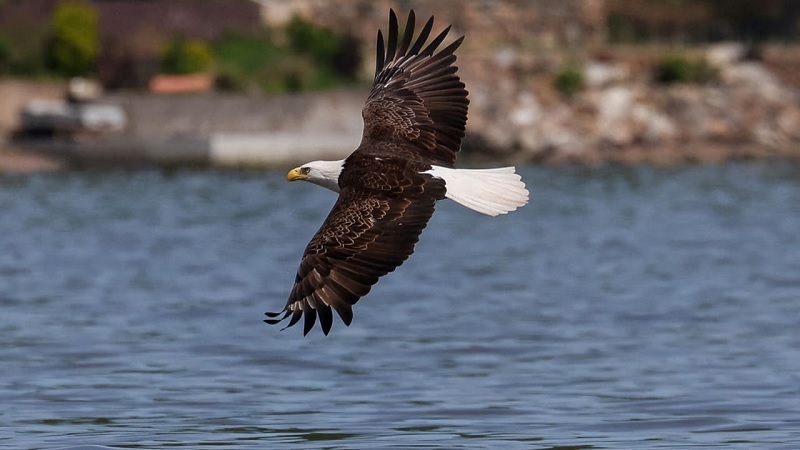
Air Sacs and Vocalization
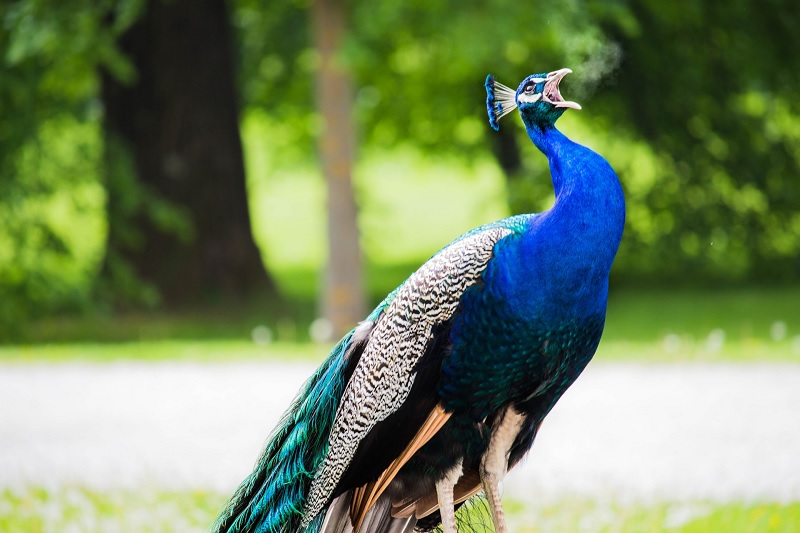
Beyond their primary roles in respiration and flight, air sacs also play a surprising part in bird vocalization. In many species, air sacs act as resonating chambers that amplify sounds produced by the syrinx—the bird’s vocal organ located at the base of the trachea. This amplification allows birds to produce louder and more varied calls, which are essential for communication, mating, and territory defense.
Some species have highly developed air sac systems that help create distinctive sounds, contributing to the rich diversity of bird songs heard in nature. The ability to modulate sound using air sacs highlights another fascinating adaptation of these structures, linking respiratory anatomy with complex behaviors like singing.
Air Sacs in Different Bird Species
The number, size, and function of air sacs can vary across bird species, reflecting their unique lifestyles and environments. Most birds have seven to nine air sacs, but variations exist. For example, soaring birds like hawks and vultures tend to have larger air sacs that aid in long-duration flights by improving oxygen efficiency and reducing body weight.
Waterfowl, on the other hand, may have adaptations in their air sac systems that help with buoyancy and diving. Some bird species have air sacs that extend into unusual parts of their skeleton, such as the skull or limbs, providing additional respiratory capacity or structural benefits. These differences demonstrate how air sacs have evolved and specialized to meet the diverse needs of birds, from tiny songbirds to large, migratory species.
Frequently Asked Questions
What Is The Primary Function Of Air Sacs In Birds?
The primary function of air sacs in birds is to improve respiratory efficiency by enabling continuous, one-way airflow through the lungs. Unlike mammals, birds have air sacs that act as air reservoirs, ensuring fresh oxygen-rich air passes through the lungs during both inhalation and exhalation. This system allows birds to extract more oxygen, which supports their high metabolic needs, especially during flight.
How Do Air Sacs Help Birds Breathe More Efficiently?
Air sacs help birds breathe more efficiently by creating a unidirectional airflow. When a bird inhales, air fills the posterior air sacs and lungs, and when it exhales, air moves through the lungs to the anterior air sacs before exiting. This continuous movement means the lungs always receive fresh air, unlike in mammals, where air moves in and out the same way, mixing fresh and stale air. This mechanism maximizes oxygen absorption.
Do Air Sacs Play A Role In Bird Flight?
Yes, air sacs contribute to flight by reducing the bird’s overall body density. Many air sacs extend into hollow bones, making the skeleton lighter without compromising strength. This reduction in body weight allows birds to fly more easily and use less energy. Additionally, the efficient oxygen supply from air sacs fuels the intense muscle activity required during flight.
How Are Air Sacs Connected To The Lungs In Birds?
Air sacs are connected to the lungs through a complex system of tubes that allows air to flow continuously in one direction. Air moves from the trachea into various air sacs positioned around the bird’s body. During breathing, air passes sequentially from the sacs through the lungs, ensuring that fresh air flows over lung tissue at all times, which enhances gas exchange efficiency.
Can Air Sacs Help Birds Regulate Their Body Temperature?
Yes, air sacs aid in thermoregulation by allowing air to circulate through the body and cool down internal tissues. During flight or in hot environments, birds generate excess heat, and the air sacs help dissipate this heat, preventing overheating. This cooling mechanism is especially important for species that fly long distances or live in warm climates.
Do All Bird Species Have The Same Number Of Air Sacs?
Most birds have between seven and nine air sacs, but the number and size can vary depending on the species. Birds that engage in prolonged flight, like hawks and migratory species, tend to have larger or more developed air sacs to support their oxygen needs. Aquatic birds might have adaptations in their air sac system to help with buoyancy and diving.
Are Air Sacs Involved In Bird Vocalization?
Yes, air sacs play a role in bird vocalization by acting as resonating chambers. They amplify sounds produced by the syrinx, the vocal organ of birds, allowing for louder and more complex calls. This function is crucial for communication, mating, and territory defense, making air sacs important not only for respiration but also for social interaction.
How Do Air Sacs Help Birds Survive At High Altitudes?
At high altitudes, oxygen levels are low, making respiration challenging. Air sacs help birds survive in these conditions by maintaining a continuous flow of fresh air through the lungs, ensuring efficient oxygen extraction even when oxygen is scarce. This adaptation allows high-flying species like eagles and vultures to thrive where other animals might struggle.
Conclusion
Understanding the function of air sacs in birds reveals an incredible adaptation that sets them apart from other animals. These specialized structures enable continuous, one-way airflow through the lungs, ensuring efficient oxygen exchange that supports the high energy demands of flight. Beyond respiration, air sacs help regulate body temperature, reduce body weight by extending into hollow bones, and even amplify vocalizations.
The variations in air sac structure among different bird species highlight their role in meeting diverse ecological needs, from soaring at high altitudes to diving underwater. Overall, air sacs are essential for a bird’s survival, agility, and communication, making them a remarkable evolutionary innovation that plays a critical role in the success of birds across the globe.