
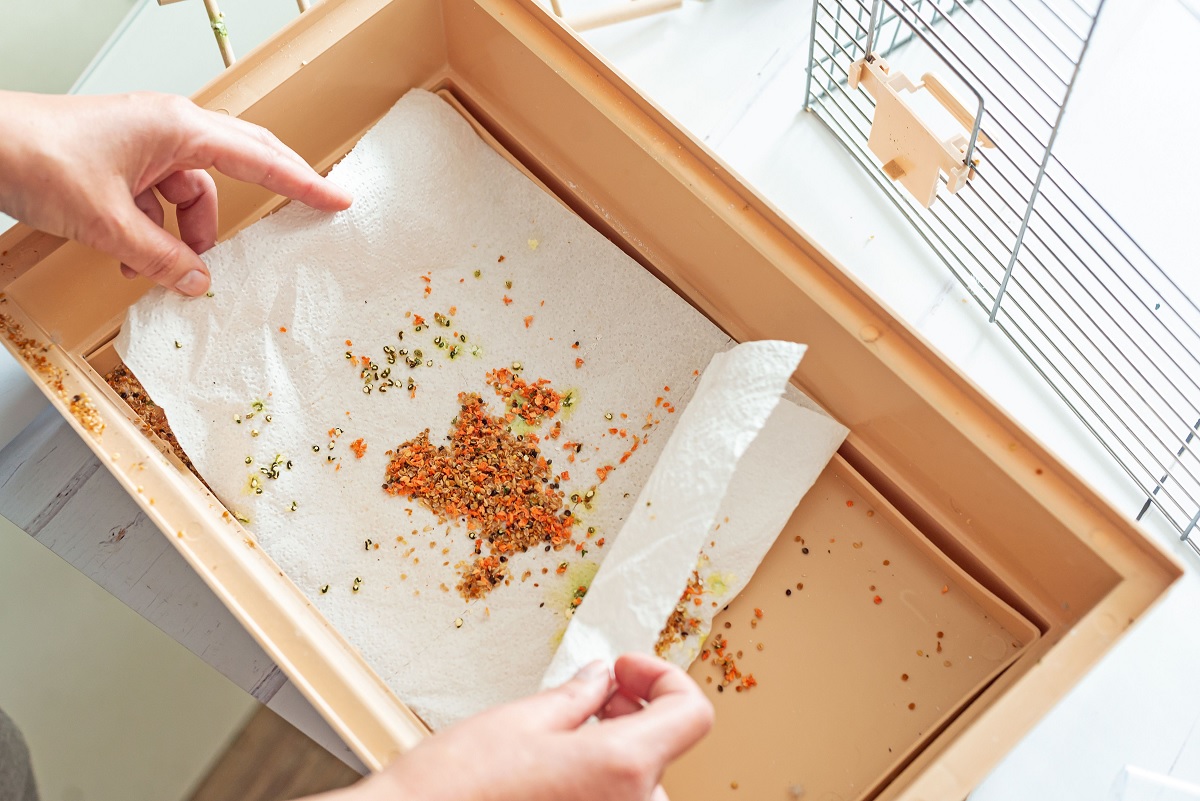
Keeping a bird healthy and happy starts from the ground up—literally. One of the most overlooked but important aspects of bird care is understanding what to put on the bottom of a bird cage. The cage liner or substrate you choose affects your bird’s comfort, hygiene, and even its respiratory health. While it might seem like a simple choice, using the right material makes daily cleaning easier and helps you monitor droppings for signs of illness.
Many bird owners use newspaper, paper towels, or specialized cage liners, while others consider natural options like aspen shavings or corn cob bedding. However, not all materials are safe. Some can create dust or hold moisture, leading to mold or respiratory issues. Being aware of the pros and cons of each type of cage liner helps you create a safe and clean space where your bird can thrive. Let’s take a closer look at the best choices for your bird’s wellbeing.
Why Cage Bottom Lining Matters
Keeping your bird’s cage clean isn’t just about appearance—it’s crucial for your bird’s overall health. One of the most important yet often overlooked aspects is what you choose to line the bottom of the cage. Selecting the right cage bottom lining can make daily cleaning easier, help monitor your bird’s health, and prevent the growth of harmful bacteria. The bottom lining plays a direct role in maintaining hygiene and comfort inside the bird’s living space.
Promotes Cleanliness and Easy Maintenance
A proper cage liner helps absorb moisture from droppings and spilled water, reducing odors and the chance of mold. This makes routine cleaning more efficient and helps maintain a fresher environment for both you and your bird. Newspaper, butcher paper, and plain paper towels are among the most recommended options because they’re safe, disposable, and allow you to see changes in droppings, which can indicate early health concerns.
Prevents Health Issues and Discomfort
Using the wrong material—such as dusty bedding, corn cob, or scented liners—can cause respiratory problems and skin irritation. These materials can also harbor bacteria and make it harder to detect illness. On the other hand, clean, flat, non-toxic liners keep your bird’s feet dry and prevent contact with waste, reducing the risk of infections and other complications. A simple change in the cage bottom lining can significantly improve your bird’s daily well-being.
Best Materials to Put on the Bottom of a Bird Cage
Choosing the right material to line the bottom of your bird cage is essential for maintaining a clean, healthy environment for your feathered friend. The best cage liners are those that are safe, easy to change, and effective at controlling moisture and odor. Not all materials are created equal—some can even be harmful to birds—so it’s important to know your options and make the right choice based on both practicality and your bird’s well-being.
Newspaper and Paper Towels Are Reliable and Safe
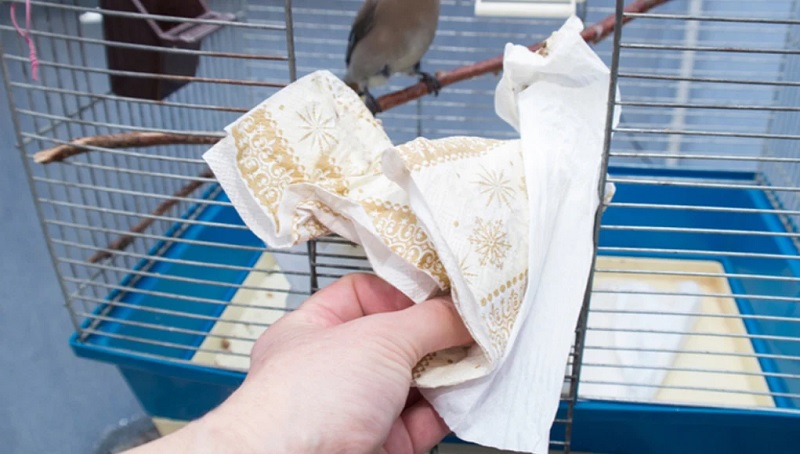
Plain newspaper is a widely recommended cage liner because it’s affordable, easy to change daily, and allows you to monitor your bird’s droppings for signs of illness. Paper towels serve a similar purpose and are especially helpful in smaller cages. Both are non-toxic, lie flat, and don’t pose a risk of your bird ingesting dangerous particles.
Butcher Paper and Cage Liner Rolls Offer Convenience
Butcher paper is another excellent option, especially for larger cages. It comes in large rolls, so you can cut it to fit your cage perfectly. It’s thick, absorbent, and free from inks or chemicals. Commercial cage liner rolls designed specifically for birds also work well, offering high absorption and easy cleanup with minimal mess.
Avoid Wood Shavings, Corn Cob, and Scented Liners
While some bedding materials may seem soft or natural, products like wood shavings, corn cob, and scented cage liners are not safe for birds. These can harbor bacteria, trap moisture, and release harmful dust or fumes. They also make it harder to see waste clearly, which can delay identifying potential health issues. Sticking with flat, disposable paper-based materials is a much safer and more hygienic choice for the bottom of your bird cage.
Materials to Avoid Using in Bird Cages
When setting up a bird cage, the materials you choose can have a direct impact on your bird’s health and comfort. While some cage liners or bedding options might seem convenient or attractive, they can actually be dangerous or unsuitable for birds. Knowing what not to use is just as important as selecting the right materials.
Wood Shavings Can Be Harmful to Birds
Although often marketed for small animals, wood shavings—especially cedar or pine—are not ideal for bird cages. These shavings release aromatic oils and fine dust that can irritate a bird’s respiratory system. Long-term exposure may lead to breathing problems or even liver issues in more sensitive species. Birds also tend to peck at or ingest these shavings, posing an additional health risk.
Corn Cob Bedding Holds Moisture and Mold
Corn cob bedding is another material that should be avoided. It might appear absorbent, but it retains moisture for long periods, creating an ideal breeding ground for bacteria and mold. This can lead to fungal infections or digestive issues if birds accidentally consume moldy particles. Corn cob can also harden over time, making cleaning difficult and unhygienic.
Scented and Treated Liners May Release Toxic Fumes
Some commercial cage liners come scented or chemically treated to mask odors. While these might seem like a way to keep the cage smelling fresh, they can emit volatile compounds that harm your bird’s sensitive respiratory tract. Birds are highly sensitive to scents and fumes, making any form of artificial fragrance dangerous in confined spaces.
Cat Litter and Clumping Substances Pose Serious Risks
Cat litter, especially clumping varieties, should never be used in bird cages. Birds may ingest the small particles out of curiosity, leading to blockages or toxic reactions. Additionally, the dust from cat litter can irritate eyes and lungs, making it an unsafe choice in any avian setup.
How Often Should You Change the Cage Liner?
Maintaining a clean bird cage isn’t just about aesthetics—it plays a critical role in your bird’s health and happiness. One of the most important aspects of cage hygiene is knowing how often to change the cage liner. While the frequency may vary based on the bird species, cage size, and number of birds, regular changes are essential to prevent bacteria build-up and unpleasant odors.
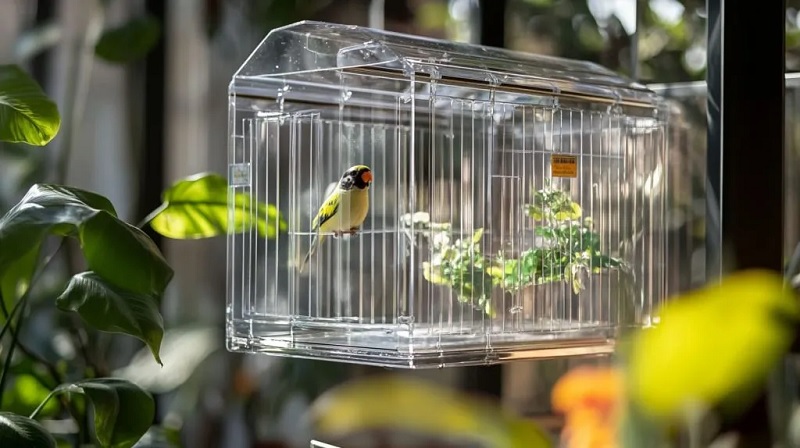
Daily Changes Keep the Environment Safe
For most pet birds, it’s ideal to change the cage liner at least once a day. Birds produce waste frequently, and droppings that sit too long can lead to unsanitary conditions. A dirty liner also attracts pests like flies and mites, which can harm your bird. Daily changes help you monitor your bird’s health too—abnormal droppings are often the first sign of illness.
Consider Spot Cleaning Throughout the Day
While a full liner change once daily is the general rule, it’s a good habit to spot-clean high-waste areas as needed. If your bird tends to perch in one area, clean that section more frequently to prevent buildup. During hot weather or molting periods, when droppings and feathers increase, changing the liner twice a day may be necessary.
Frequently Asked Questions
What Is The Best Material To Put On The Bottom Of A Bird Cage?
The best material for lining the bottom of a bird cage is something safe, absorbent, and easy to clean. Plain newspaper or paper towels are excellent choices because they are inexpensive, disposable, and allow you to monitor your bird’s droppings for signs of illness. Butcher paper or specialized cage liner rolls also work well. Avoid materials that create dust or hold moisture, as these can cause health problems.
Can I Use Wood Shavings As Cage Lining?
It’s best to avoid wood shavings, especially cedar or pine, because they release aromatic oils and dust that can irritate your bird’s respiratory system. Birds are very sensitive to airborne particles, and long-term exposure can cause breathing difficulties or other health issues. Instead, opt for non-toxic, dust-free paper liners for a safer environment.
How Often Should I Change The Cage Liner?
You should change the cage liner at least once a day to maintain cleanliness and prevent bacteria buildup. Daily changes reduce odors and keep the cage hygienic. If your bird produces a lot of waste or during warmer months, you might need to change it more frequently or spot clean during the day.
Are There Any Materials I Should Avoid For Bird Cage Bottoms?
Avoid scented or chemically treated liners, corn cob bedding, cat litter, and dusty materials. These can produce harmful fumes, cause respiratory irritation, or be toxic if ingested. Safe, plain paper-based liners are the best option to protect your bird’s health.
Can I Use Fabric Or Towels As Cage Bottom Lining?
Using fabric or towels isn’t recommended because they absorb moisture but are difficult to clean thoroughly. They can harbor bacteria and odors, increasing the risk of infections. Paper liners are more hygienic since they’re disposable and make cleaning simple.
Does The Type Of Bird Affect The Choice Of Cage Liner?
Yes, the type and size of your bird can influence your choice. Larger birds that produce more waste may need thicker, more absorbent liners. Smaller birds benefit from smooth, flat liners that won’t trap dust or fibers. Always choose materials that are safe, non-toxic, and easy to change based on your bird’s specific needs.
Final Words
Choosing the right material to put on the bottom of a bird cage is essential for maintaining a clean, healthy, and comfortable environment for your bird. Safe, disposable options like plain newspaper, paper towels, or butcher paper make daily cleaning easier and help you monitor your bird’s health by clearly showing droppings.
Avoid materials like wood shavings, scented liners, or dusty bedding, as these can cause respiratory issues or other health problems. Regularly changing the cage liner keeps odors and bacteria at bay, promoting your bird’s well-being. By selecting the right cage bottom lining and maintaining it properly, you create a safe and hygienic space where your bird can thrive happily and comfortably.