
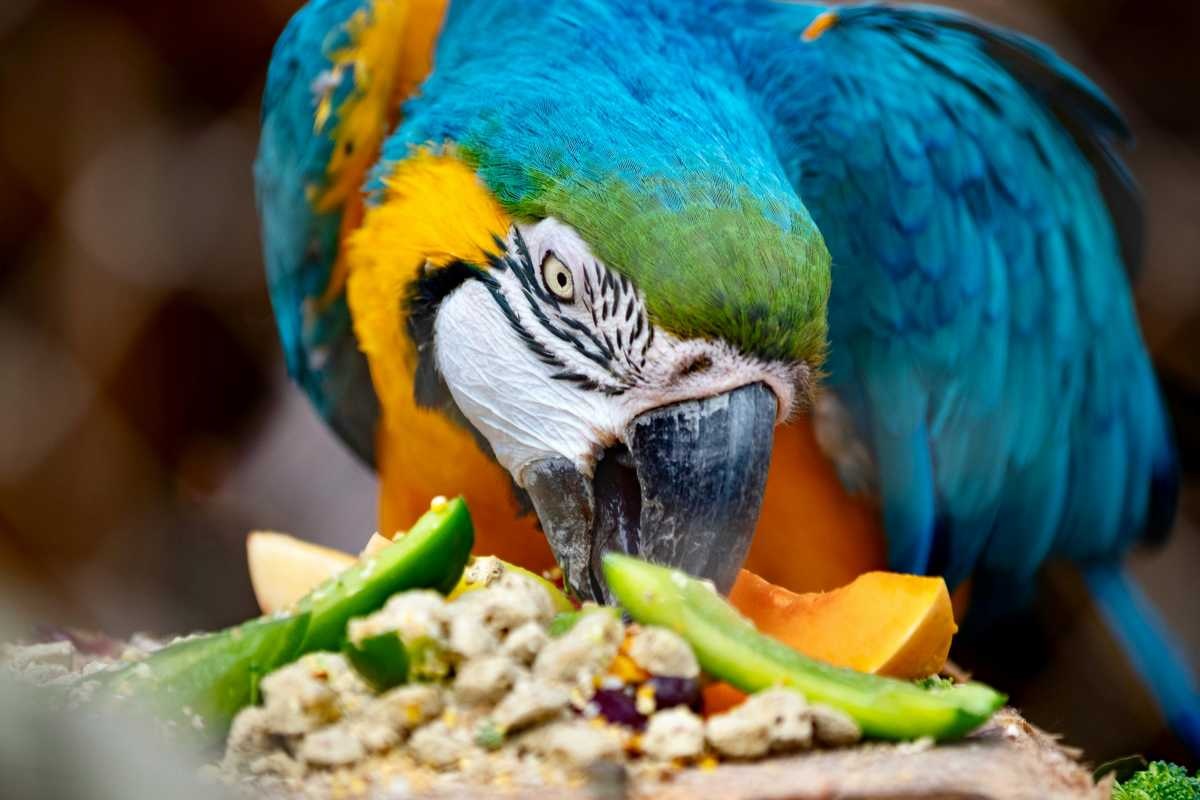
When it comes to feeding our feathered friends, it’s important to know what vegetables can birds eat safely and healthily. Birds, whether they’re backyard visitors or beloved pets, benefit greatly from a balanced diet that includes a variety of vegetables. These natural treats not only add essential nutrients to their meals but also help keep their beaks and digestive systems in top shape. However, not all vegetables are suitable for birds — some can even be harmful.
That’s why understanding what vegetables can birds eat is crucial for anyone who wants to support their health and well-being. From leafy greens to crunchy carrots, the right vegetables can offer flavor, hydration, and nutritional value. In this guide, we’ll explore bird-friendly vegetables you can safely offer, as well as those you should avoid. Whether you’re a bird owner or someone who loves feeding wild birds, knowing the right choices makes all the difference.
Safe Vegetables for Birds
Introducing vegetables into a bird’s diet is a great way to ensure they get a variety of essential vitamins and minerals. However, not all veggies are created equal when it comes to avian nutrition. Below, we break down the categories of vegetables that are not only safe but beneficial for birds.
Leafy Greens
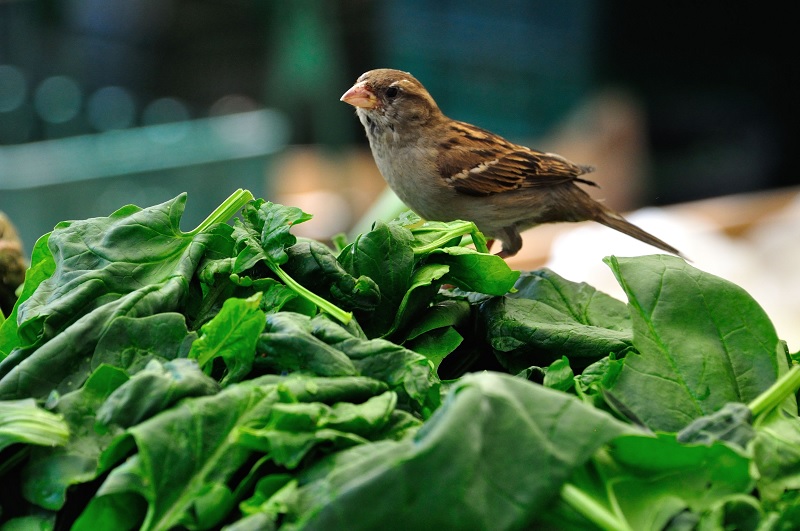
Leafy greens are some of the healthiest vegetables you can offer birds. Options like kale, spinach (in moderation), romaine lettuce, collard greens, Swiss chard, and dandelion greens are packed with nutrients like calcium, vitamin A, and antioxidants. These help support strong bones, vibrant feathers, and a healthy immune system. Always wash greens thoroughly and chop them into manageable pieces to prevent choking.
Root Vegetables
Root vegetables such as carrots, sweet potatoes, beets, and parsnips are bird-safe and provide a good source of fiber, vitamin A, and complex carbohydrates. Birds often enjoy the crunch of raw carrots or the softness of cooked sweet potatoes. Just be sure to serve them plain—avoid adding butter, salt, or spices.
Cruciferous Vegetables
Cruciferous vegetables like broccoli, cauliflower, Brussels sprouts, and cabbage are safe in moderation. These are high in fiber and contain powerful antioxidants, but they can also cause gas if overfed. Light steaming can make these veggies easier for birds to digest, though they can also be offered raw in small, chopped portions.
Squash and Gourds
Birds generally love squash and other gourds like zucchini and pumpkin. These vegetables are rich in vitamin A and potassium and are safe to serve raw or cooked (without seasoning). Even the seeds from pumpkins and squashes are safe for birds, offering an extra crunch and nutrition boost. Just remember to remove any spoiled parts before feeding.
Other Bird-Safe Vegetables
In addition to the categories above, other bird-safe vegetables include bell peppers (any color), peas, green beans, and corn (fresh or cooked). These veggies provide hydration and key nutrients like vitamin C and folate. As with all produce, ensure they’re clean, fresh, and cut into bird-appropriate sizes.
Vegetables to Avoid
While many vegetables are safe and nutritious for birds, some can pose serious health risks. Whether you’re caring for a pet parrot or feeding backyard visitors, it’s important to recognize which vegetables should not be part of their diet. From toxic compounds to digestive challenges, avoiding certain vegetables can prevent illness and ensure your bird stays healthy and thriving.
Toxic or Harmful Vegetables
Some vegetables contain natural toxins that are dangerous—or even deadly—to birds. One major culprit is avocado. This fruit contains a substance called persin, which is highly toxic to birds and can cause heart failure, respiratory distress, and sudden death, even in small amounts.
Onions and garlic are also on the no-go list. These members of the allium family can damage a bird’s red blood cells, leading to anemia. Symptoms of toxicity might include weakness, vomiting, or breathing issues.
Another danger is raw potatoes, especially green or sprouted ones. They contain solanine, a toxic compound that can negatively affect a bird’s nervous system. Mushrooms, particularly wild varieties, are risky too, as they can cause digestive upset and potentially toxic reactions.
Vegetables That Can Cause Digestive Issues
Even some otherwise safe vegetables can cause problems if not prepared properly or fed in excess. Spinach and chard, for example, contain oxalates, which can bind calcium and potentially lead to deficiencies if fed too often. It’s fine to include these greens occasionally, but they shouldn’t be a daily staple.
Cabbage, Brussels sprouts, and cauliflower—though not toxic—can cause gas and bloating if overfed. These cruciferous veggies are best offered in moderation and may be easier on the stomach when lightly steamed.
Corn is another one to be cautious with. While not harmful in itself, it’s high in sugar and starch, so too much can contribute to weight gain or imbalance in the diet. It’s best used as an occasional treat rather than a regular food source.
Birds also struggle with canned or pickled vegetables, which often contain added salt and preservatives that their systems can’t handle. Always stick to fresh, raw, or gently cooked vegetables without any added seasoning or oil.
Preparation Tips for Feeding Birds Vegetables
Feeding vegetables to birds is a great way to boost their diet with essential nutrients, but how you prepare those veggies can make a big difference in their safety and enjoyment. Proper preparation ensures your bird gets the most benefit while minimizing the risk of digestive issues or exposure to harmful substances. Below are some key tips to keep in mind when preparing vegetables for your feathered friends.

Raw vs Cooked
Both raw and cooked vegetables can be suitable for birds, but there are a few important considerations. Raw vegetables retain more nutrients and can help keep birds’ beaks trimmed due to their natural crunch. However, not all raw veggies are easily digestible. In contrast, lightly steamed or boiled vegetables (without salt or seasoning) can be easier on a bird’s digestive system, especially for tougher varieties like carrots, broccoli, or squash.
Avoid frying or cooking vegetables in oil or butter, as birds cannot process these fats well. The best cooking method is light steaming or boiling, which softens the texture without stripping too many nutrients.
Washing and Cutting
Before feeding any vegetable to a bird, it’s crucial to wash thoroughly under running water to remove pesticides, dirt, or bacteria—especially for non-organic produce. Even home-grown vegetables should be cleaned, as soil or insects can still pose health risks.
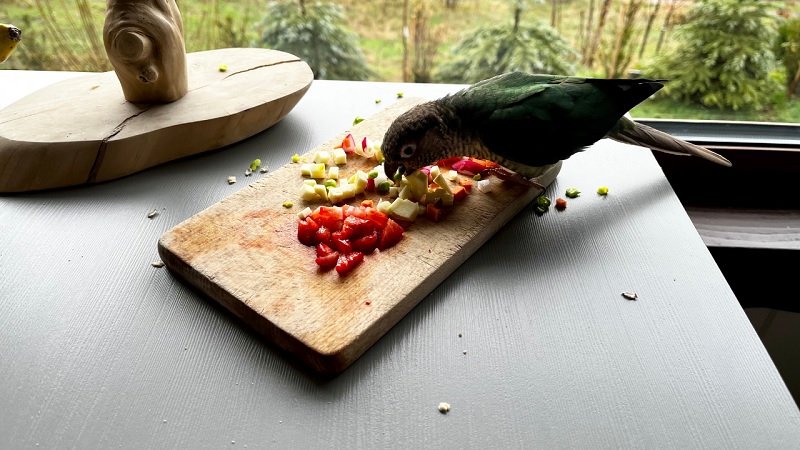
Cut vegetables into small, manageable pieces that match the size of your bird. For parrots and larger birds, bite-sized chunks or strips work well, while smaller birds may need finely chopped or shredded pieces. Cutting vegetables not only prevents choking but also encourages birds to explore and enjoy their food more easily.
Serving Size and Frequency
Even healthy vegetables should be fed in moderation. Birds thrive on a balanced diet, so vegetables should complement—not replace—their primary food source. For most pet birds, vegetables can make up 15% to 30% of their overall diet.
Start by offering a small portion—about a tablespoon for small birds or a couple of tablespoons for larger ones—and adjust based on their interest and appetite. Overfeeding vegetables, especially those high in oxalates or sugars, can cause nutritional imbalances.
Nutritional Benefits of Vegetables for Birds
Incorporating vegetables into a bird’s diet offers more than just variety—it provides a powerhouse of essential nutrients that support overall health and longevity. Birds, whether they’re pets or wild visitors, benefit significantly from the vitamins, minerals, and fiber found in many vegetables. Understanding these nutritional benefits can help you make smarter choices when preparing meals for your feathered friends.
Vitamins and Minerals
Vegetables are an excellent source of key vitamins and minerals that birds need to thrive. Many leafy greens and brightly colored vegetables are rich in vitamin A, which is crucial for maintaining healthy skin, feathers, eyesight, and immune function. Deficiencies in vitamin A are common in birds fed a seed-only diet, making vegetables a valuable dietary addition.
Other important nutrients found in vegetables include vitamin C, which supports the immune system and tissue repair, and vitamin K, which aids in blood clotting. Minerals like calcium, found in dark leafy greens such as kale and collards, are essential for strong bones and eggshell production in laying females.
Iron, potassium, and magnesium are also found in various veggies like beets, sweet potatoes, and green beans, supporting everything from muscle function to nerve health. By offering a range of vegetables, you can help ensure your bird gets a well-rounded mix of these essential nutrients.
Fiber and Digestive Health
Another major benefit of feeding vegetables to birds is the dietary fiber they provide. Fiber plays a key role in maintaining a healthy digestive system. It helps regulate digestion, supports nutrient absorption, and can even prevent common issues like constipation or diarrhea.
Vegetables like carrots, broccoli, peas, and leafy greens are all good sources of fiber. Regular intake of fiber helps keep a bird’s gut flora balanced, which is vital for nutrient uptake and immune defense. In wild birds, fiber from plant matter also contributes to natural weight regulation and energy balance.
Including fiber-rich vegetables in a bird’s diet also provides mental stimulation. The texture and variety encourage foraging behavior and engagement with food, which is especially important for pet birds prone to boredom or stress.
Signs of Adverse Reactions in Birds
Even when offering bird-safe vegetables, it’s important to watch for signs of adverse reactions. Birds can occasionally have sensitivities or allergies to certain foods. Common symptoms include vomiting, diarrhea, lethargy, loss of appetite, or changes in droppings (such as unusual color or consistency). You might also notice feather plucking, difficulty breathing, or increased vocalization as signs of discomfort.
If your bird shows any of these symptoms after eating a new vegetable, remove it from their diet immediately and consult an avian veterinarian. Monitoring your bird’s behavior and physical condition closely after introducing new foods is key to ensuring their diet remains safe and beneficial. Always introduce new vegetables gradually to minimize risks.
Frequently Asked Questions
What Vegetables Can Birds Safely Eat?
You can safely feed your bird a variety of vegetables including leafy greens like kale, romaine lettuce, and collard greens; root vegetables like carrots and sweet potatoes; and other favorites like peas, green beans, bell peppers, and squash. These vegetables offer essential nutrients such as vitamin A, calcium, and fiber. Always make sure to wash them thoroughly and serve them raw or lightly steamed without added salt, oil, or seasoning.
Are There Any Vegetables That Are Toxic to Birds?
Yes, some vegetables are toxic and should never be given to birds. These include avocado (which contains persin), onions, garlic, and raw potatoes with green skin or sprouts. These can cause serious health issues such as respiratory problems, digestive upset, and even death. It’s important to know which vegetables to avoid to keep your bird safe and healthy.
Can Birds Eat Raw or Cooked Vegetables?
Birds can eat both raw and cooked vegetables, but there are some differences to consider. Raw vegetables retain more nutrients and provide crunchy textures that help with beak health. Cooked vegetables—when lightly steamed or boiled without seasoning—can be easier to digest, especially for tougher varieties like carrots or squash. Avoid frying or adding any oils, salt, or spices.
How Often Should You Feed Vegetables to Your Bird?
Vegetables should make up about 15% to 30% of a bird’s overall diet, depending on their species and specific needs. Offering a small, fresh portion daily is ideal. Rotate different vegetables throughout the week to provide variety and balanced nutrition. Always remove uneaten vegetables after a few hours to prevent spoilage or bacterial growth.
What Are the Nutritional Benefits of Vegetables for Birds?
Vegetables provide a wide range of essential nutrients including vitamins A, C, and K, as well as minerals like calcium and potassium. These nutrients help support healthy feathers, a strong immune system, good digestion, and overall vitality. Fiber from vegetables also promotes gut health and helps regulate digestion. Including vegetables in your bird’s diet contributes to long-term wellness.
How Can You Tell If a Vegetable Is Causing a Bad Reaction in Your Bird?
If a vegetable is causing a negative reaction, your bird may show signs like vomiting, diarrhea, unusual droppings, feather plucking, or lack of energy. In some cases, you might notice a sudden loss of appetite or behavioral changes. If this happens, stop feeding the suspected vegetable and consult an avian vet. Always introduce new vegetables slowly and in small amounts to monitor your bird’s response.
Conclusion
Knowing what vegetables can birds eat is essential for providing a balanced and nutritious diet. Vegetables offer valuable vitamins, minerals, and fiber that support a bird’s overall health, from stronger immunity to better digestion. By choosing safe options like leafy greens, root vegetables, and squash—and avoiding toxic ones like avocado and onions—you can ensure your bird stays healthy and happy.
Always wash, cut, and serve veggies properly, and introduce new foods gradually to monitor for any adverse reactions. Whether you’re feeding a pet bird or wild visitors, adding vegetables is a simple yet impactful way to enhance their diet. With the right knowledge, you can confidently make vegetables a beneficial part of your bird’s daily routine.