
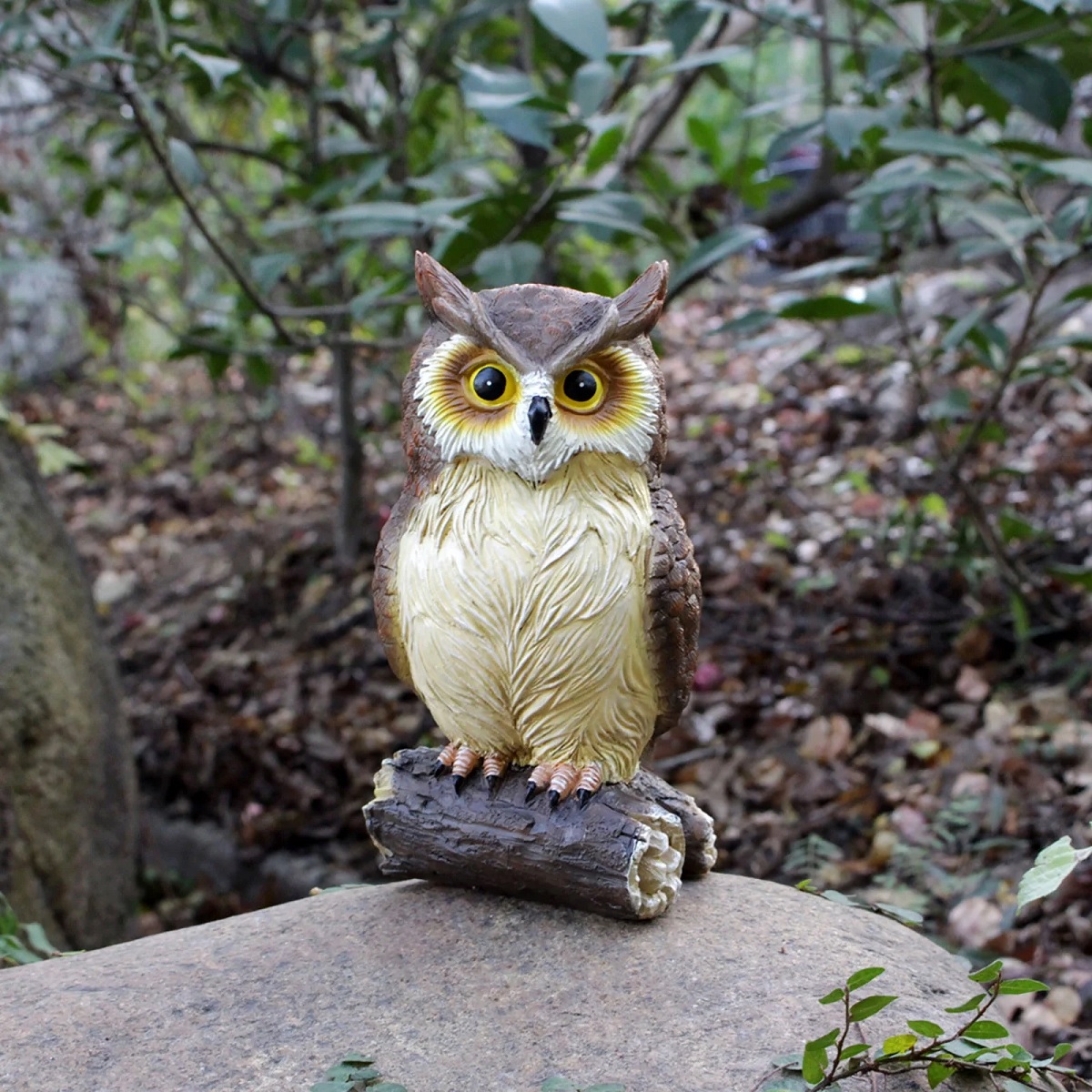
Knowing exactly where to place fake owl to scare birds can make all the difference in protecting your garden, balcony, or outdoor space from pesky birds. Fake owls are a popular and humane way to deter birds because they trigger a natural fear response. However, just having a fake owl isn’t enough—you need to position it strategically to maximize its effectiveness. Birds are clever and can quickly realize if the owl is not a real threat, so understanding the best spots to place the decoy is crucial.
Whether you want to keep birds away from your fruit trees, flower beds, or outdoor seating areas, choosing the right location and height plays a big role in fooling birds. This guide will help you discover where to place fake owl to scare birds so you can enjoy your outdoor space without constant interruptions from unwanted feathered visitors.
Understanding Why Fake Owls Work
Fake owls work primarily because they tap into the natural instincts of many bird species. Birds perceive owls as predators, so the presence of a realistic owl figure can create a sense of danger, encouraging them to avoid the area. This instinctual fear helps protect gardens, crops, and outdoor spaces without harming the birds.
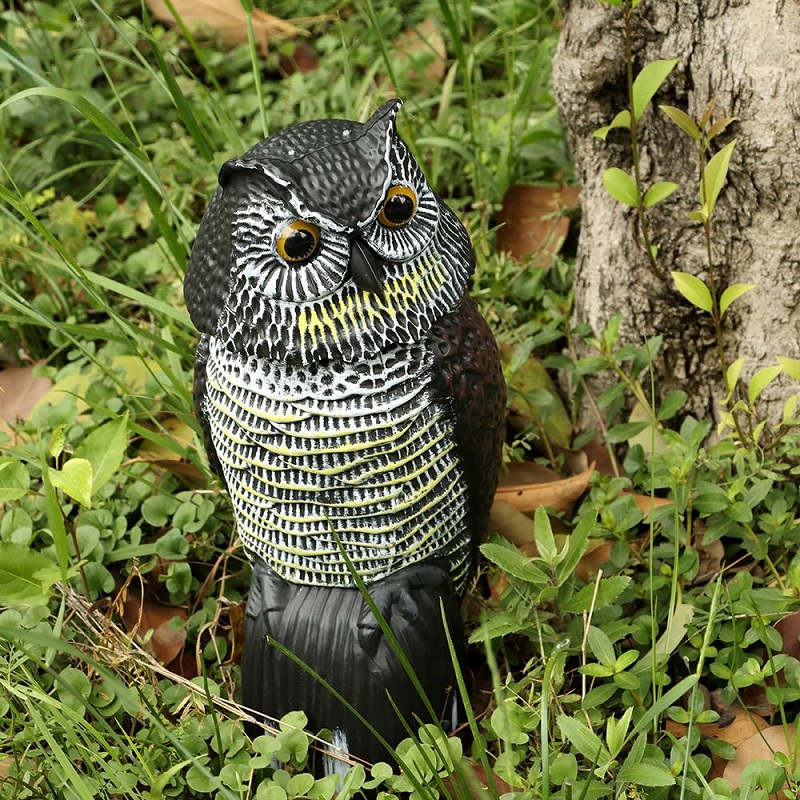
However, the effectiveness of fake owls depends on how convincing they appear and whether they are placed in a way that birds can easily notice them. Over time, birds may become accustomed to stationary decoys, which is why some fake owls come with features like moving heads or reflective eyes to maintain the illusion of a real predator. Understanding why fake owls work helps you use them more effectively, ensuring they remain a reliable tool for bird control.
Best Locations to Place a Fake Owl
Placing a fake owl in the right spots can significantly boost its effectiveness in keeping birds away. The key is to position the decoy where birds are most likely to feel threatened or where they frequently gather. Below are some of the best locations to place a fake owl for maximum bird deterrence.
Gardens and Flower Beds
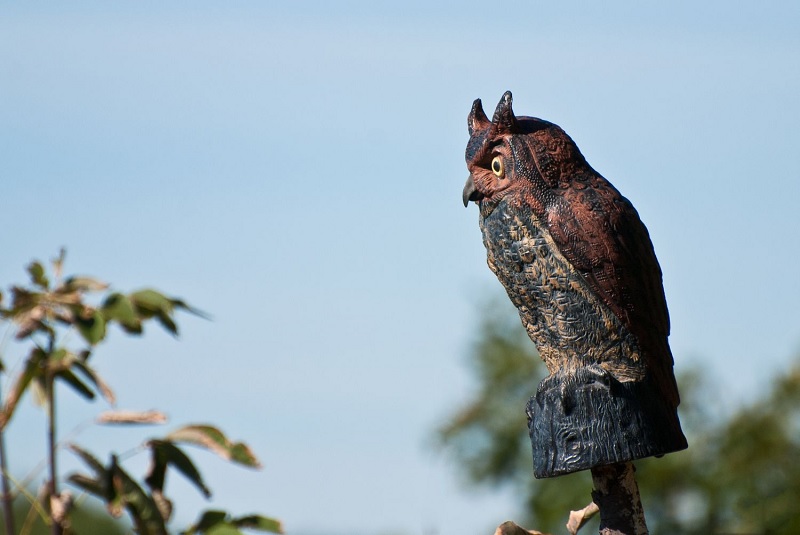
Gardens and flower beds are prime targets for birds searching for food or nesting spots. Positioning a fake owl near these areas helps create an immediate sense of danger for birds, discouraging them from landing or digging through the soil. Place the owl so it has a clear view of the garden and can be easily seen from multiple angles. This visibility increases the chance birds will spot the decoy before settling in.
Near Fruit Trees
Fruit trees attract many bird species eager to feast on ripe fruits. To protect your harvest, place the fake owl near the branches or on a sturdy limb where it can be clearly seen. Elevating the owl at a height similar to where birds typically perch will maximize its intimidating effect. Moving the owl occasionally or choosing a model with a swiveling head will help maintain its realism and prevent birds from getting too comfortable.
On Roofs and Gutters
Roofs and gutters are popular resting spots for birds, especially pigeons and sparrows. Installing a fake owl in these locations helps keep birds from roosting or nesting on your property. Secure the owl near chimneys, roof edges, or on gutters where birds tend to gather. Since these spots are often out of direct sight from the ground, placing the owl where it catches sunlight or stands out against the background will improve visibility.
Around Vegetable Patches
Vegetable patches are often under attack by birds looking for tender leaves and fruits. Positioning a fake owl nearby creates a protective barrier that discourages birds from entering the area. For best results, place the owl at the edge of the patch or near pathways where birds commonly approach. Changing the owl’s position regularly keeps birds guessing and reinforces the illusion of a real threat.
On Window Sills and Balconies
Birds may also cause damage or nuisance by perching on window sills and balconies. Placing a fake owl in these areas can reduce noise, droppings, and potential damage. Make sure the owl is positioned so it faces outward, making it visible to incoming birds. This can be especially effective in urban environments where birds look for safe spots to rest or nest close to human activity.
Optimal Height and Positioning of the Fake Owl
Placing a fake owl at the optimal height and position is essential for maximizing its effectiveness in deterring birds. Ideally, the owl should be positioned at a height similar to where birds typically perch or frequent, such as near tree branches, rooftops, or garden plants. This placement ensures the decoy is easily visible and perceived as a genuine threat. Position the owl so it faces the area you want to protect, creating a direct line of sight for approaching birds.
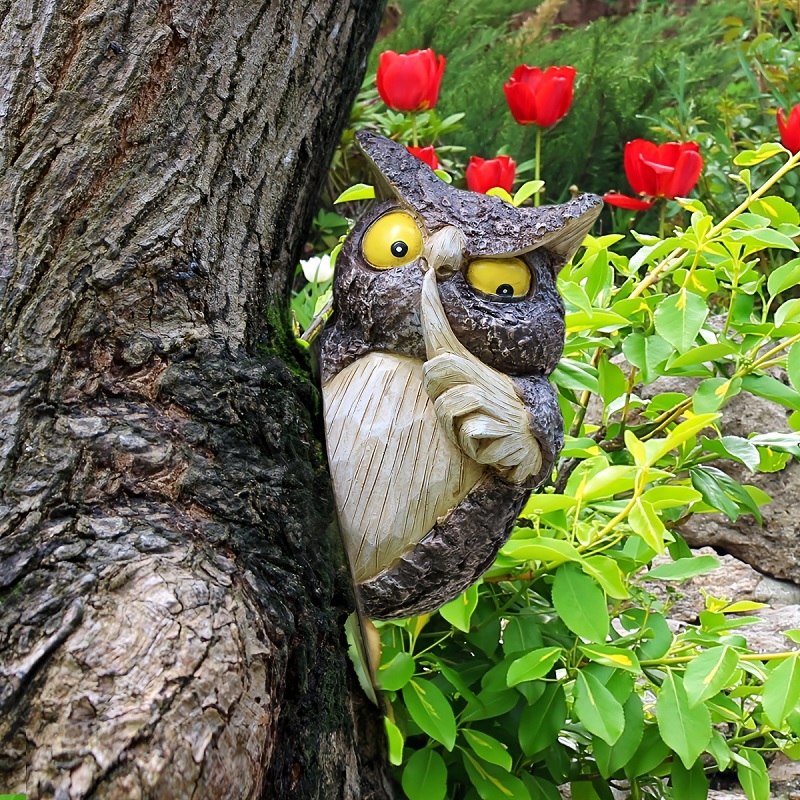
Avoid placing the owl too low or hidden behind objects, as birds may quickly realize it’s not a real predator. Changing the owl’s location periodically or selecting one with a swiveling head helps maintain its realism, preventing birds from becoming accustomed to its presence. Proper height and positioning significantly increase the chance the fake owl will successfully scare away unwanted birds.
Tips for Increasing the Effectiveness of Fake Owls
While fake owls can be a great tool for keeping birds away, their effectiveness depends on how you use them. Birds are smart and can quickly learn to ignore stationary objects that don’t pose a real threat. To keep your fake owl working at its best, here are some practical tips to boost its impact.
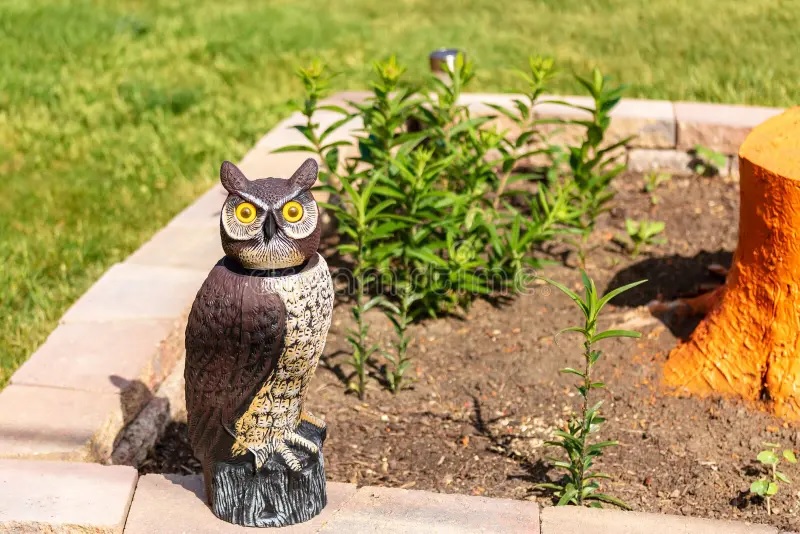
Moving the Owl Regularly
One of the simplest but most important strategies is to move your fake owl regularly. Birds quickly become familiar with static decoys, realizing they are harmless if they never move. Changing the owl’s position every few days or once a week helps maintain the illusion of a live predator. Try placing it in different spots around your garden, roof, or balcony to keep birds guessing. Some models come with movable heads or even motorized parts that simulate natural movement, which can greatly improve the owl’s realism and scare factor.
Using Multiple Owls
Using more than one fake owl in your outdoor space can increase the sense of danger for birds. Multiple owls placed at strategic points—such as near fruit trees, garden beds, and rooftops—create a wider coverage area and make it harder for birds to find safe spots. When birds see several “predators” nearby, they are less likely to take risks. Just be sure to space them out so the owls don’t appear clustered together, which might lessen their intimidating presence.
Combining with Other Bird Deterrents
For best results, combine fake owls with other bird deterrents to create a multi-layered defense. Reflective objects like shiny tapes, moving wind spinners, or even sound devices can amplify the sense of threat and discomfort for birds. Netting or wire barriers provide physical obstacles that prevent birds from accessing specific areas. Using a variety of deterrents reduces the chances birds will become accustomed to any one method, increasing your overall success in keeping them away.
Common Mistakes to Avoid When Placing Fake Owls
Placing a fake owl might seem straightforward, but certain mistakes can reduce its effectiveness in scaring birds away. One common error is leaving the owl in a fixed position for too long, allowing birds to realize it poses no real threat. Another mistake is positioning the owl where it isn’t easily visible, such as too low to the ground or hidden behind plants and structures. Without clear visibility, birds won’t notice the decoy and will continue to frequent the area.
Some also place the owl in unrealistic spots, like directly on the ground, which diminishes its credibility as a predator. Additionally, relying solely on one owl in a large area limits coverage and effectiveness. Avoiding these pitfalls by regularly moving the owl, choosing prominent locations, and using multiple decoys can help keep birds genuinely wary of the fake predator.
Seasonal Considerations for Owl Placement
Seasonal changes play an important role in how and where you should place a fake owl to deter birds effectively. During spring and summer, birds are most active, nesting, and feeding, so placing the owl near nesting sites, gardens, and fruit trees is crucial. In fall, when birds are preparing for migration or foraging heavily, positioning the owl near vegetable patches and berry bushes can help protect your crops.
Winter often brings fewer birds, but some species still seek shelter on roofs or balconies, so placing the owl in these spots remains helpful. Additionally, seasonal wind and weather conditions may affect the owl’s stability, so ensure it’s securely fixed during stormy or snowy periods. Adjusting your owl placement according to the seasons maximizes its impact by targeting birds where they are most likely to be present.
How Long Does a Fake Owl Remain Effective?
A fake owl’s effectiveness typically decreases over time as birds become accustomed to its presence. Initially, the decoy triggers a strong fear response because birds perceive it as a real predator. However, if the owl remains stationary in the same spot for weeks or months, birds may eventually realize it poses no actual threat and start ignoring it.
To prolong its effectiveness, regularly moving the owl or choosing models with features like rotating heads or reflective eyes can help maintain the illusion of life. In general, a stationary fake owl might remain effective for a few weeks, but with proper adjustments and repositioning, you can extend its deterrent power for several months or even throughout the bird season. Regular monitoring and changes are key to keeping birds wary and your outdoor spaces protected.
Alternatives to Fake Owls for Bird Control
If a fake owl doesn’t fully meet your bird control needs, several effective alternatives are available. Reflective deterrents, such as shiny tape, mirrors, or moving spinners, create flashes of light that startle birds and discourage them from settling. Sound devices emitting predator calls or distress signals can also be effective in scaring birds away, especially when used intermittently.
Physical barriers like bird netting and wire mesh provide direct protection for gardens and fruit trees by preventing birds from accessing vulnerable areas. Additionally, natural repellents, including certain plants or homemade sprays, can help deter birds without causing harm. Combining these alternatives with or instead of fake owls offers a well-rounded approach to managing bird problems in various outdoor spaces.
Frequently Asked Questions
Where Is The Best Place To Position A Fake Owl In My Garden?
You should place your fake owl in a spot where birds frequently gather, such as near flower beds, vegetable patches, or fruit trees. Position it at a height similar to where birds usually perch, like on tree branches or garden stakes. Make sure the owl is clearly visible from multiple angles so birds can spot it easily and feel threatened. Moving the owl occasionally helps maintain its effectiveness by preventing birds from getting used to its presence.
How High Should I Place A Fake Owl To Scare Birds Effectively?
The ideal height for placing a fake owl is usually between 5 to 10 feet off the ground, roughly at the same level where birds tend to land or perch. This height makes the owl more believable as a predator. Avoid placing it too low, where it might not be noticed, or too high, where birds won’t see it clearly. Adjusting the height based on the specific area you want to protect increases the chances that birds will be deterred.
Can I Place A Fake Owl On My Roof Or Gutters To Keep Birds Away?
Yes, roofs and gutters are excellent places to position a fake owl, especially since many birds use these spots for roosting or nesting. Placing the owl near chimneys, roof edges, or gutters can discourage birds from settling there. Ensure the owl is secured firmly and visible from different angles to maximize its impact. Regularly changing the owl’s position on the roof helps prevent birds from becoming accustomed to it.
Should I Use More Than One Fake Owl Around My Property?
Using multiple fake owls can increase coverage and create a stronger sense of danger for birds. Placing several decoys around your garden, near fruit trees, and on balconies or roofs makes it harder for birds to find safe spots. Just be sure to space them out evenly and avoid clustering the owls too closely, as this can reduce their realism and effectiveness.
How Often Should I Move My Fake Owl To Keep Birds From Getting Used To It?
You should move your fake owl every few days or at least once a week to maintain its deterrent effect. Birds quickly learn if a predator doesn’t move or pose a real threat, so changing the owl’s location keeps them uncertain and wary. If your owl has a swiveling head or other movement features, use them regularly to simulate natural behavior and boost the illusion of a live predator.
Conclusion
Placing a fake owl thoughtfully can make a big difference in keeping birds away from your outdoor spaces. Understanding where to place fake owl to scare birds helps you protect gardens, fruit trees, rooftops, and balconies effectively. Positioning the owl at the right height and in visible locations increases its ability to mimic a real predator, triggering birds’ natural fear.
Regularly moving the decoy and using multiple owls further boost its impact, preventing birds from becoming accustomed to it. Combining fake owls with other deterrents also enhances your overall bird control strategy. With these tips, you can enjoy a bird-free garden or outdoor area while using a humane and eco-friendly method to discourage unwanted feathered visitors.