
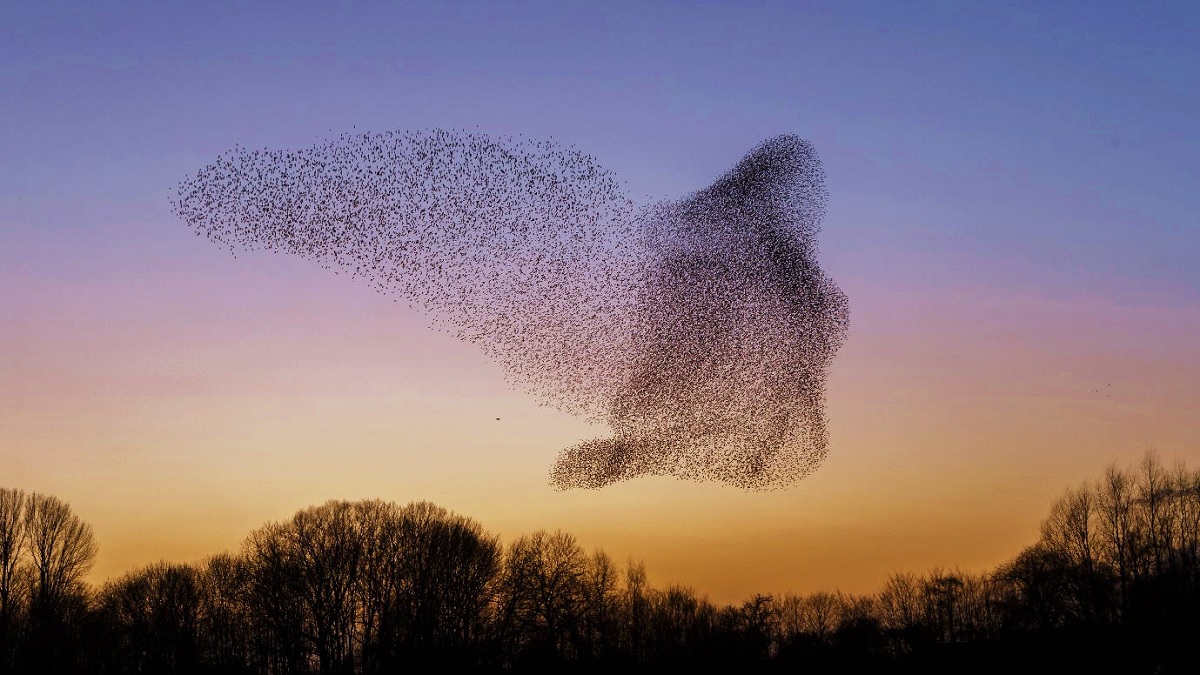
When we see clouds of birds twisting and turning across the sky in perfect harmony, it’s natural to stop and wonder which birds murmurate and why they do it. These awe-inspiring displays aren’t random—they’re a behavior seen in specific species, often during certain times of year. Murmuration is most famously associated with starlings, but they’re not the only ones. Other birds also engage in this mesmerizing group flight, each for their own reasons, usually linked to safety, warmth, or communication.
Understanding which birds murmurate helps us appreciate the complexity and intelligence behind these flocks. It’s not just about beauty—there’s strategy, instinct, and survival at play. This behavior offers a rare glimpse into the social lives of birds and how they respond to their environment as a collective. Whether seen at dusk over open fields or near urban parks, murmurations continue to fascinate birdwatchers, scientists, and anyone lucky enough to witness them.
Why Birds Murmurate?
Birds murmurate primarily as a survival strategy. One of the main reasons is protection from predators—flying in large, shifting flocks makes it difficult for hawks or falcons to target a single bird. The swirling patterns confuse predators and reduce the chance of any one bird being caught. Murmuration also helps birds communicate and stay connected, especially as daylight fades and they prepare to roost for the night.
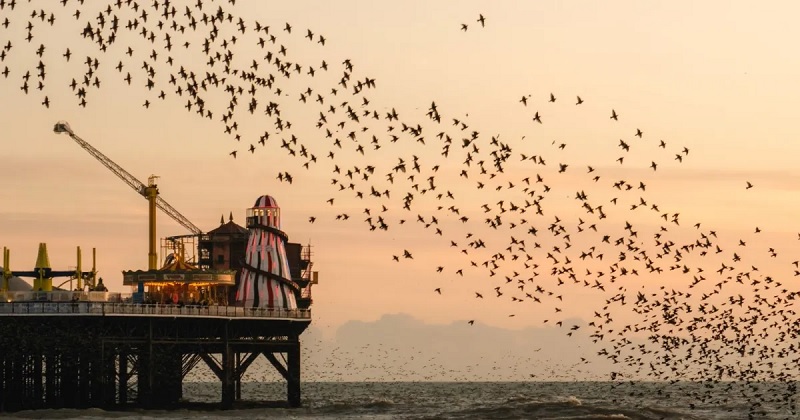
The movement of the flock allows them to share information quickly, like where to find food or safe resting spots. Additionally, the warmth generated by flying closely together benefits birds in colder months. While the sight may appear like a spontaneous dance in the sky, it’s actually a highly coordinated and purposeful act driven by instinct and necessity. Murmuration is a perfect example of how birds rely on group behavior not only for beauty but also for survival.
Birds Known to Murmurate
Murmuration is one of nature’s most captivating phenomena, with thousands of birds moving as one fluid, shifting shape in the sky. While most people immediately think of starlings, they are far from the only birds capable of such displays.
Several bird species across the globe exhibit murmuration-like behaviors, especially during migration or while preparing to roost. Below is a look at some of the most commonly known birds that murmurate, their habits, and what makes each species unique in the way they form these aerial ballets.
European Starling
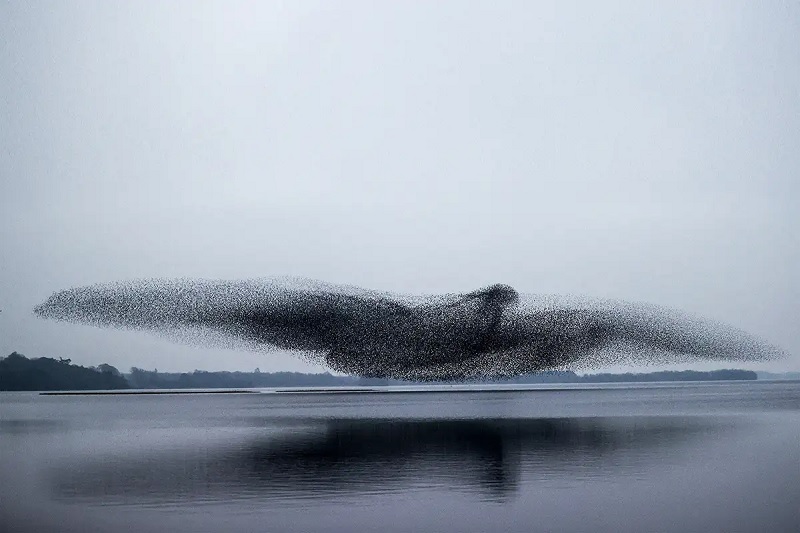
Perhaps the most iconic bird associated with murmuration, the European starling is known for forming massive, swirling flocks at dusk. These birds, native to Europe and western Asia, have also spread to North America, Australia, and other regions. Starlings gather in murmurations particularly in autumn and winter as they prepare to roost in large communal sites. A single murmuration can include tens of thousands of individuals, all moving in coordinated flight that appears choreographed.
Their ability to react in split seconds to the movement of neighbors—without a central leader—allows them to create dense, flowing shapes that serve both defensive and social purposes. Predators such as falcons find it difficult to isolate one bird in such dynamic formations. For onlookers, European starlings’ murmurations offer an unforgettable experience and are a major draw for birdwatchers across the Northern Hemisphere.
Common Starling Species Worldwide
While the European starling is the most recognized, other starling species around the world also display murmurating behaviors. For example, the Asian pied starling and rosy starling form sizable pre-roosting flocks that exhibit similar aerial movements. In Africa, the splendid starling and superb starling sometimes display coordinated group flights, though usually on a smaller scale than their European cousins.
In many of these cases, murmuration is tied to seasonal changes, food availability, or predation threats. Starlings across the globe share a strong tendency to gather in social groups, which under the right conditions, translate into full murmurations.
Red-winged Blackbirds
Red-winged blackbirds, common across North America, are known for their bold red-and-yellow shoulder patches and musical calls. During the colder months, especially in late fall and winter, they often form large communal roosts. Before settling in for the night, these flocks sometimes engage in murmuration-like flight, especially when disturbed or evading predators.
Although not as tight or fluid as starling murmurations, the behavior of red-winged blackbirds still fits the core definition: synchronized group flight that shifts shape and direction rapidly. These flocks can include other species too, such as grackles and cowbirds, creating mixed-species gatherings that are both noisy and visually impressive.
American Robins
American robins are more often recognized for their solitary behavior in spring and summer when they’re nesting, but in the non-breeding season, they become surprisingly social. As fall approaches and food sources shift, robins begin forming large flocks that can number in the thousands. These birds may engage in murmuration-like behavior as they move to nighttime roosting sites.
Though their movements aren’t as synchronized or dramatic as starling displays, large groups of robins flying together in wide, flowing formations can still mimic the overall effect. The transition from solitary summer behavior to flocking in winter is a fascinating shift that many backyard birdwatchers may not expect from such a familiar species.
Swallows and Martins
Swallows and martins are agile fliers known for their graceful movements and social behavior. During late summer and early fall, species like barn swallows and purple martins gather in large flocks before migration. These birds often perform murmuration-like displays at dusk, swirling through the sky in tight, coordinated patterns. These aerial gatherings help them communicate, avoid predators, and prepare for long migratory journeys. Their synchronized flight adds a stunning visual to the seasonal transitions in nature.
Barn Swallows
Barn swallows are among the most widespread swallows in the world and are known for their forked tails and graceful flight. In late summer and early autumn, barn swallows begin gathering in massive pre-migratory roosts. These gatherings can include thousands of individuals, and before settling for the night, they often perform what can be described as murmuration.
The birds fly in swirling patterns above fields, marshes, or reed beds, often just before sunset. These group flights help the birds stay safe from predators and strengthen social bonds as they prepare for their long migratory journey. Their flight is less dense and slightly more erratic than starlings, but still stunning to watch.
Purple Martins
Purple martins, the largest swallows in North America, also exhibit murmuration-like behavior during their migration periods. By late summer, large flocks begin to gather near traditional roosting sites, such as urban bridges or lakeside reed beds. At dusk, these birds take to the skies in swirling masses, communicating and preparing for the night.
Purple martins are particularly famous in the southern U.S., especially in Texas and Louisiana, where massive pre-migratory flocks draw crowds of people. Their group movements are slightly more leisurely than starlings but share the same hypnotic, cohesive flow.
Shorebirds
Shorebirds, such as dunlins and knots, often engage in murmuration-like flights, especially during migration or when evading predators. These birds gather in large flocks along coastal areas, estuaries, and mudflats, creating dynamic, shifting patterns in the sky. Their synchronized movements not only confuse predators but also help maintain group cohesion. The sight of thousands of shorebirds twisting and flashing in unison is both a survival tactic and a breathtaking natural display.
Dunlins
Dunlins are small, sandpiper-like shorebirds that are commonly seen in coastal regions during migration. When threatened by predators—especially peregrine falcons—they often respond by taking to the air in flocks that twist and turn in tight synchrony. These flight patterns are both beautiful and strategic, helping to confuse the predator and increase individual birds’ chances of survival.
Their murmuration behavior is particularly noticeable in tidal mudflats and estuaries during the winter months. The silver flash of their bellies as they twist in unison can resemble waves in the sky, creating a spectacular natural display.
Knots
Knots, particularly the red knot, are long-distance migratory shorebirds that also demonstrate murmuration when in large flocks. They gather in immense numbers during their migrations, especially along coastlines in Europe and North America. As with dunlins, their group flight serves as a defense mechanism and a way to coordinate movements between feeding and roosting areas.
Red knots are especially known for their coordinated takeoffs and directional shifts that mimic classic murmuration patterns. These displays are a common sight during peak migration seasons and serve as a reminder of how even distant, seemingly isolated shorebirds rely on group dynamics for survival.
Regional Variations in Murmuration Behavior
Murmuration behavior varies widely depending on geographic region, influenced by species distribution, climate, migration patterns, and local environmental factors. While the basic purpose of murmuration—safety in numbers, communication, and preparation for roosting—remains consistent, the birds involved and the scale of these displays differ across continents. Below is a closer look at how murmuration appears in different regions around the world.
Europe
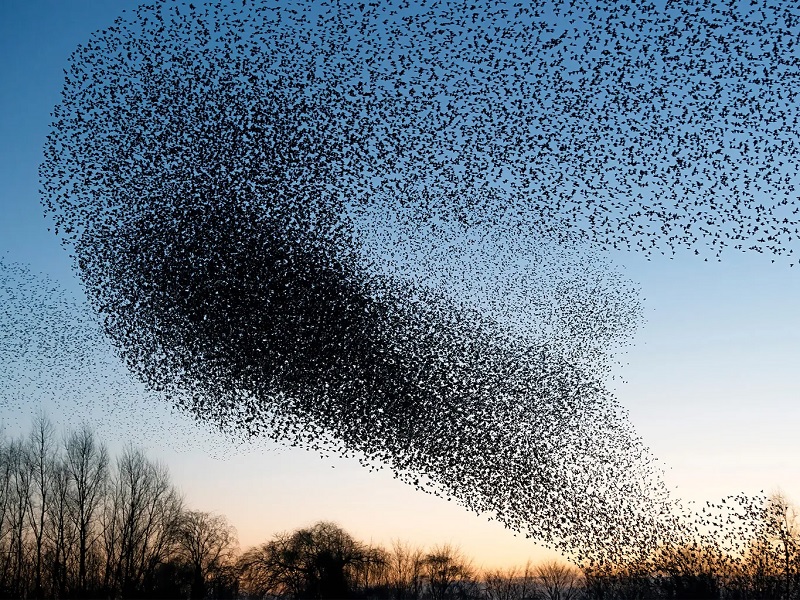
Europe is perhaps the most well-known region for large-scale murmurations, particularly due to the presence of the European starling (Sturnus vulgaris). These birds form massive, dense flocks in the autumn and winter months, often performing their aerial displays over open countryside, urban rooftops, or reed beds.
The UK, Denmark, and the Netherlands are especially popular for witnessing these events, with places like Somerset Levels and Brighton Pier drawing thousands of spectators each year. The cold European winters drive starlings to gather in large numbers, creating one of the most dramatic and reliable murmuration displays globally.
North America
In North America, murmuration behavior is seen in a more diverse array of species. While European starlings—introduced to the continent in the 19th century—are still major contributors to murmuration events, other native birds such as red-winged blackbirds, grackles, and even American robins form large flocks with similar behavior.
The displays tend to be more dispersed and less predictable compared to Europe, but they are equally fascinating. Areas in the southern United States, such as Texas and Louisiana, are especially known for purple martin roosts and their pre-migratory flights that resemble murmurations. Additionally, the vast agricultural landscapes and wetlands of North America provide ideal staging areas for such gatherings.
Africa and Asia
Murmuration behavior in Africa and Asia is less documented but no less impressive. In parts of East Africa, starling species like the superb and wattled starlings can be seen forming smaller murmurations, often influenced by the movement of rain patterns and food availability. In Asia, especially in India and Southeast Asia, rosy starlings gather in large pre-roosting flocks that display coordinated aerial maneuvers.
These events are more seasonal and often tied to specific migratory stopovers. While the scale may not always match that of European displays, the behavior is driven by the same core instincts—safety, communication, and roosting efficiency.
Conditions That Promote Murmuration
Murmuration is not a random occurrence—it’s driven by a combination of natural conditions that prompt birds to gather and move in unison. These swirling displays are responses to environmental cues and survival instincts. Key factors such as changing seasons, predator threats, and roosting behavior all play a role in triggering these impressive group flights. Below is a breakdown of the main conditions that promote murmuration.
Seasonal Factors
One of the strongest drivers of murmuration is the change in seasons. As temperatures drop in autumn and winter, many birds begin to form large flocks to conserve warmth and increase their chances of survival. During these months, food sources become scarcer, and birds are more likely to travel long distances, roost communally, and share information about feeding grounds. This seasonal shift creates the perfect environment for murmuration, particularly in species like starlings, blackbirds, and swallows.
Migration also plays a role. Birds such as barn swallows and purple martins engage in murmuration-like behavior before embarking on long journeys. These displays help reinforce social bonds and improve coordination within the group. Seasonal timing ensures that murmuration aligns with broader patterns of movement and environmental change.
Predation and Safety
Safety in numbers is a key evolutionary advantage, and murmuration serves as a powerful defense mechanism. When predators such as hawks or falcons appear, a tightly moving flock makes it nearly impossible for them to single out an individual target. The constant shifting of shapes and speeds in murmuration disorients predators and reduces the risk of a successful attack.
This type of flight isn’t just beautiful—it’s strategic. The responsiveness of each bird to its neighbors allows the entire flock to change direction almost instantaneously, creating a unified front that appears unpredictable to threats. This instinctual behavior is particularly common in species that roost in open areas or are frequently exposed to raptors.
Roosting Needs
As daylight fades, many birds begin to search for communal roosting spots where they can settle for the night. Murmuration often occurs just before this period, serving as both a navigational aid and a way to signal other birds to join the group. These pre-roosting displays allow birds to communicate, assess safety, and follow others to established resting sites.
Roosting together offers several benefits: warmth, protection, and shared awareness of food sources. Murmuration, then, becomes not only a spectacle but also a practical means of ending the day in safety and numbers.
Similar Behaviors in Non-Murmurating Birds
While murmuration is a specific type of coordinated flight seen in certain bird species, many non-murmurating birds exhibit similar flocking behaviors for comparable reasons. Birds like Canada geese, pigeons, and sparrows often fly in groups, especially during migration or when traveling to feeding sites. Though their movements may not have the same fluid, swirling patterns, these flocks still rely on social coordination, communication, and collective awareness to stay safe and efficient.
V-formations in geese, for example, reduce wind resistance and conserve energy during long flights. Mixed-species flocks, common in tropical forests, allow birds to benefit from shared vigilance and diverse foraging tactics. These behaviors demonstrate that while not all birds murmurate, many engage in structured group movements that serve similar evolutionary purposes—enhancing survival through unity, cooperation, and shared information. The natural world is full of such fascinating adaptations, each tailored to the specific needs of the species involved.
Frequently Asked Questions
Which Birds Are Most Famous For Murmuration?
You’re most likely thinking of the European starling when it comes to murmuration. These birds create the spectacular swirling flocks that fill the sky in late autumn and winter. However, other species like red-winged blackbirds, barn swallows, and purple martins also engage in similar group flight behaviors. Even some shorebirds like dunlins and knots participate in coordinated aerial displays, although their murmurations might be less dense or dramatic than starlings.
Why Do Certain Birds Murmurate?
Birds murmurate primarily for protection and communication. When you see a murmuration, it’s usually a survival tactic—flying in large, shifting flocks makes it harder for predators to target any one individual. Murmuration also helps birds stay connected, share information about food sources or safe roosting spots, and conserve warmth during colder months. This behavior combines instinct and social cooperation, creating both a beautiful and functional spectacle.
Are Murmurations Only Seen In Starlings?
While European starlings are the most famous for murmurations, this behavior isn’t exclusive to them. You’ll find murmuration-like patterns in other bird species as well, such as blackbirds, swallows, and certain shorebirds. The exact size and style of the murmuration may differ, but the core idea—coordinated, synchronized flight—is shared among several birds, especially when they gather in large groups during migration or before roosting.
When Is The Best Time To See Birds Murmurate?
The best time to witness murmuration is typically in the late afternoon or early evening, especially during autumn and winter months. This is when birds like starlings gather before settling down to roost for the night. Seasonal changes and colder temperatures encourage larger gatherings, which result in more dramatic and noticeable murmurations. Locations near open fields, wetlands, or urban roosting sites often offer the best viewing opportunities.
How Do Birds Coordinate Their Movements During Murmuration?
Birds in a murmuration coordinate their movements through rapid, instinctual responses to the flight of their closest neighbors. Each bird watches and reacts almost instantly to changes in speed and direction, allowing the whole flock to move as one fluid unit without a single leader. This decentralized communication helps the flock avoid predators and navigate safely, creating those mesmerizing patterns that appear both chaotic and perfectly synchronized at the same time.
Conclusion
Murmuration is a breathtaking natural phenomenon, most famously displayed by European starlings, but it’s not limited to them. Various birds—including red-winged blackbirds, swallows, martins, and even some shorebirds—engage in this remarkable group flight behavior. Murmuration serves important purposes like protection from predators, communication, and preparation for roosting, all driven by instinct and environmental conditions.
Understanding which birds murmurate deepens our appreciation for the complexity and intelligence of these creatures. Whether you’re a casual observer or an avid birdwatcher, witnessing a murmuration offers a rare glimpse into the beauty of nature’s coordinated dance—a reminder of how birds thrive through social connection and cooperation in the wild.