
In the bird world, vibrant colors are often associated with males. They typically display brilliant feathers to attract mates or defend territories. However, there are fascinating exceptions worth exploring—which female birds are more colorful than their male counterparts? While nature usually favors male birds with brighter hues, several female species challenge that expectation with strikingly bold patterns and vivid shades.
These colorful females often serve important ecological roles or reflect unique evolutionary pressures, such as reversed gender roles in mating or environments that demand camouflage and flair. Observing these birds offers a refreshing look into how complex and diverse bird coloration can be beyond general assumptions. Whether it’s for nesting dominance, environmental blending, or social signaling, their beauty is anything but subtle. Discovering which female birds are more colorful opens up a new window into the complexity of avian life and the brilliant adaptability of nature.
Understanding Bird Coloration
Bird coloration is one of nature’s most dazzling displays. The variety of hues, patterns, and shades found in feathers is not just for show—it plays essential roles in survival, communication, and reproduction. From deep blues and vibrant reds to subtle browns and greens, bird colors result from complex biological and environmental factors. For many species, coloration is more than just appearance; it’s a tool for thriving in the wild.
How Pigmentation Creates Color
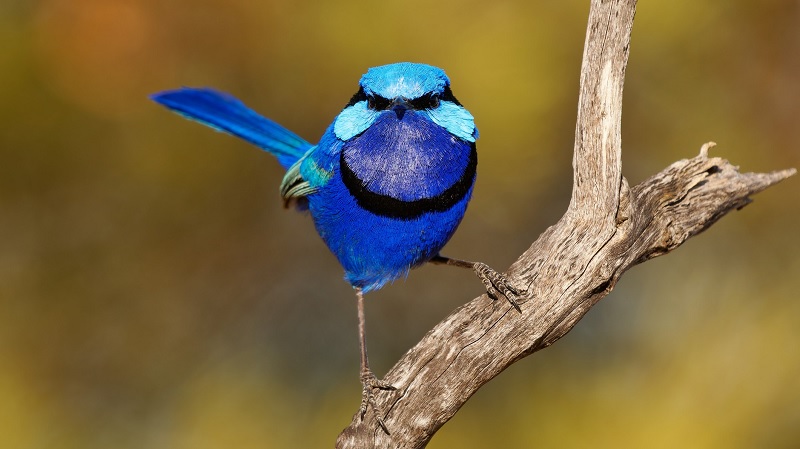
Bird feathers get their color from two main sources: pigments and structural coloration. Pigments such as melanin produce blacks and browns, while carotenoids—obtained from food—create reds, oranges, and yellows. In contrast, structural coloration is caused by the microscopic structure of feathers, reflecting light to produce blues and iridescent effects. This combination gives birds their rich and sometimes shimmering colors.
The Role of Color in Mating and Camouflage
Coloration often reflects a bird’s health and vitality, which is why it’s commonly linked to mating displays. In many species, brighter feathers attract mates and signify strong genetics. However, for others, especially ground-nesting birds, duller colors help with camouflage to protect against predators. This balance between standing out and blending in is key to each bird’s survival strategy.
Why Some Females Are Colorful Too
While males are typically more vibrant, there are species where female birds are equally or even more colorful. In these cases, female coloration may aid in territory defense, mate competition, or social ranking. Understanding why certain female birds are more colorful than males adds another layer of depth to avian biology, showing that evolution shapes both genders uniquely based on lifestyle, habitat, and behavior.
List of Colorful Female Birds
While most people associate bright plumage with male birds, there are several fascinating species where the females rival or even surpass the males in vibrant color. These colorful female birds challenge the common idea that males are always the showiest in the avian world. Their striking appearances serve purposes ranging from mate attraction to territory defense or even camouflage within lush habitats.
Eclectus Parrot
The female Eclectus parrot is one of the few examples in the bird world where the female is more colorful than the male. While males are bright green, the females are a stunning red and blue combination. This reversal in coloration plays a vital role in their nesting and territorial behaviors, making them more visible to potential mates and rivals.
Fairywren
In some species of fairywrens, especially the Red-backed Fairywren, breeding females can show rich reddish or orange hues. This coloration often signals dominance and readiness to breed, helping females assert their status within a group.
Turquoise Parrot
Female Turquoise Parrots are nearly as vivid as their male counterparts, sporting blue faces and green backs. Their vibrant feathers blend well in their woodland environments, offering both attraction and camouflage.
Gouldian Finch
Female Gouldian finches wear pastel versions of the males’ bright plumage, with shades of green, yellow, and purple. Though slightly duller, they still display a rich palette that sets them apart from most other female birds.
Purple Honeycreeper
Though not as neon as the males, female Purple Honeycreepers wear a beautiful blend of green and turquoise. This coloration allows them to remain attractive while also staying relatively hidden among forest foliage.
Why Some Female Birds Evolve Bright Colors
Not all bright feathers are reserved for males. In many bird species, female birds also develop vibrant colors over time due to environmental pressures, social behaviors, and evolutionary advantages. While traditional bird studies often focus on males for their showy looks, researchers are now uncovering why female birds might also need to stand out.
Environmental Adaptation
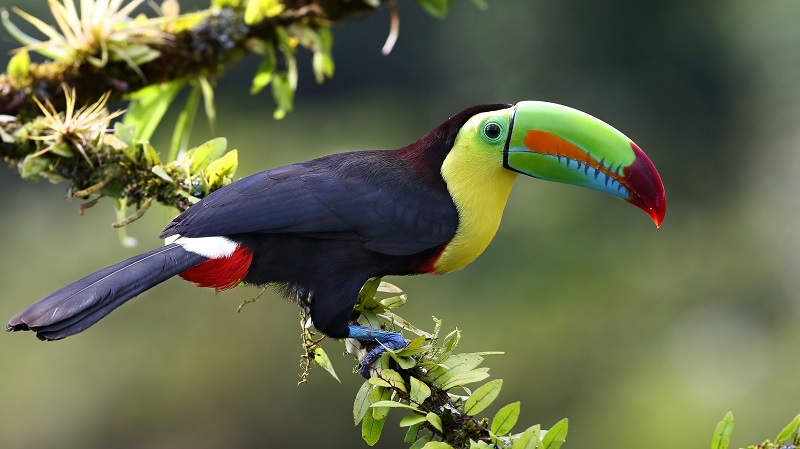
In certain habitats, being bright isn’t always a disadvantage. For example, in dense tropical forests or flower-rich areas, brighter plumage helps females blend into their colorful surroundings. Camouflage in such cases doesn’t mean dull colors but rather matching the vivid landscape. This allows females to stay safe from predators while foraging or nesting.
Social Signaling and Mate Choice
Bright plumage in female birds can be a form of social signaling. In species where females compete for mates or territory, vibrant colors help display health and status. A well-colored female may attract higher-quality mates or show her dominance to rival females. This is especially common in socially complex species like parrots or wrens.
Shared Parental Roles
In species where both sexes raise the young, females may evolve bright colors similar to males. This equal visual display can help reinforce pair bonding or confuse predators about who is guarding the nest. Bright colors in both parents may also reflect shared investment in reproduction and chick survival.
Genetic Inheritance
Sometimes, females inherit bright colors simply because the same genes control coloration in both sexes. If a trait evolves in males and isn’t harmful to females, natural selection may not remove it. Over generations, both sexes can end up with equally striking features, even if the evolutionary path started with male ornamentation.
How to Spot Colorful Female Birds
Spotting colorful female birds requires a bit more attention and knowledge, as they often display subtler hues compared to their male counterparts. However, in many species, females can be just as eye-catching. With patience and observation, you can learn to identify them in various habitats.

Learn Species Where Females Are Bright
Start by familiarizing yourself with bird species where females are known for vibrant colors. In species like the Eclectus parrot, both males and females are vividly colored—but in completely different shades. While the male is green, the female sports bright red and purple. Similarly, female painted buntings and certain hummingbirds can show surprisingly colorful feathers. Field guides or birding apps are useful tools for learning about these species.
Observe Behavior Along With Color
Female birds may not always perch in the open, especially during nesting seasons. Watch for subtle movements in shrubs, tall grasses, or flowering plants where females often forage or nest. A flash of color or a glimpse of patterned feathers can help you distinguish them.
Use the Right Gear and Time
A good pair of binoculars makes a big difference. Early mornings or late afternoons are ideal for birdwatching, as birds are most active during these times. Lighting also helps bring out the true colors of plumage, especially in shaded or forested areas where many colorful female birds live.
FAQs
Are There Any Bird Species Where Females Are More Colorful Than Males?
Yes, some bird species have females that are more colorful than males. One striking example is the Eclectus Parrot. The female has bright red and blue plumage, while the male is green. This color reversal happens due to unique mating and nesting roles where the female needs to stand out for territorial purposes.
Why Are Most Female Birds Less Colorful Than Males?
Most female birds are less colorful to help them stay hidden from predators, especially while nesting. Their duller colors provide camouflage, increasing the chances of survival for both the female and her eggs. Males, on the other hand, are often colorful to attract mates.
What Is Special About The Female Eclectus Parrot’s Color?
The female Eclectus Parrot is brightly colored with red and blue feathers, unlike the green male. This unusual pattern exists because females are territorial and visible near nesting sites. Their vibrant color signals to other birds that the nest is occupied and guarded.
Which Other Birds Have Colorful Females?
Several other birds have colorful females, such as Phalaropes, Crimson Rosellas, and some Fairy-wrens. In Phalarope species, females are more vivid and compete for mates, while the males take on nesting duties. These role reversals lead to more colorful females.
Can A Female Bird’s Bright Colors Help With Identification?
Yes, bright coloration in female birds can make identification easier. Species like the Turquoise Parrot or African Paradise Flycatcher show distinctive color differences between males and females. This helps birdwatchers and researchers tell them apart more easily.
Do Colorful Female Birds Face More Risk From Predators?
Colorful female birds may face slightly higher visibility, but in the species where this occurs, their behavior and environment help reduce risk. For example, they might nest in secure areas or live in regions with fewer natural predators.
How Can You Spot Colorful Female Birds In The Wild?
To spot colorful female birds, explore tropical habitats or breeding grounds during spring or summer. These are times when colors are brightest. Using a field guide or birding app can also help you identify female birds that are more vibrant than usual.
Conclusion
Understanding which female birds are more colorful helps challenge the common belief that only males are vibrant. While many female birds have muted tones for camouflage and nesting safety, several species display brilliant colors that serve purposes like mate attraction, territory defense, or signaling health. From the striking red of the Eclectus parrot to the rich hues of certain hummingbirds and tanagers, these females show that beauty in the avian world isn’t one-sided.
As birdwatchers or nature lovers, you gain a deeper appreciation for bird diversity when you notice these colorful females. Their unique adaptations and bold appearances remind us that evolution shapes both form and function in fascinating ways across all bird species.