
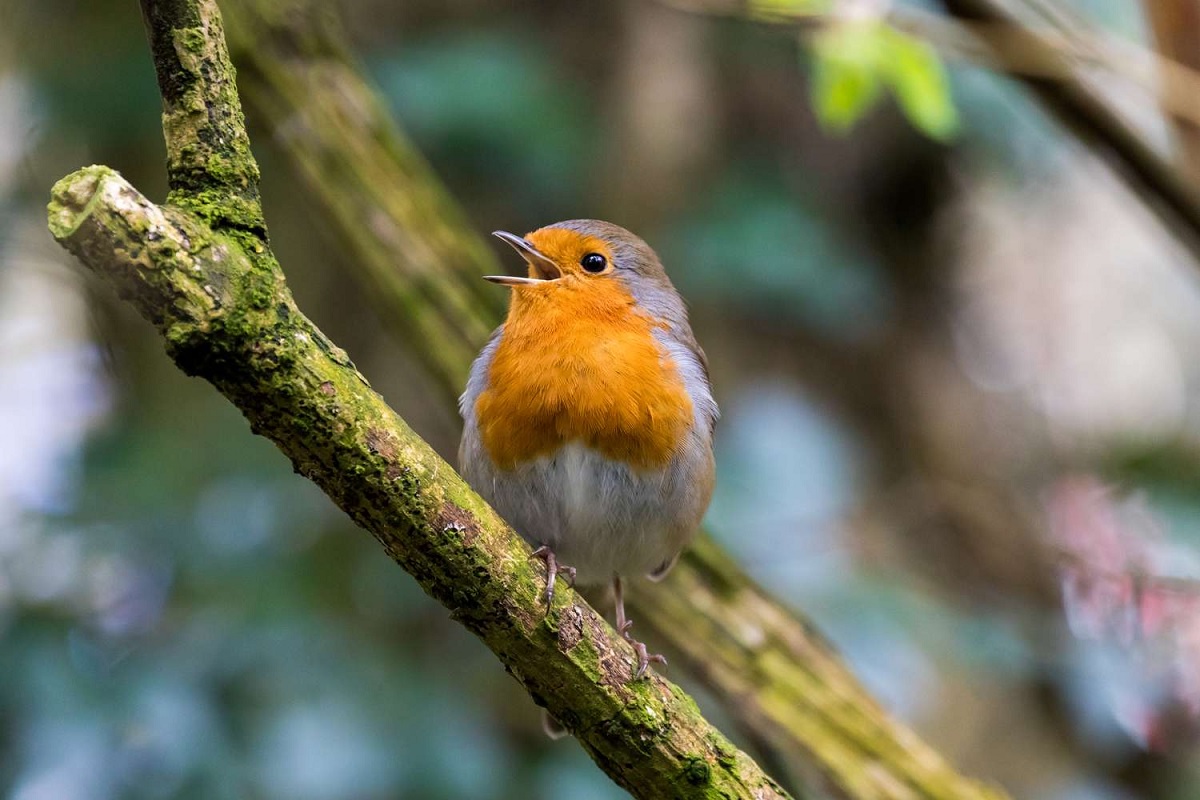
Hearing birds chirping long after sunset can be both surprising and confusing. You may find yourself lying in bed, wondering, why am I hearing birds at night when it’s supposed to be quiet. While most birds are known for their daytime songs, some break the norm for various reasons. It could be due to artificial lighting, weather changes, or even mating behaviors. Urban environments in particular can trick birds into thinking it’s still daytime, leading them to sing at odd hours.
In some cases, it’s not even about the time of day—it’s about stress, disorientation, or natural instincts. Understanding what’s behind these nighttime sounds can help you make sense of what’s happening in your environment. This isn’t just a random occurrence; there’s usually a pattern or cause behind it. Let’s explore what’s really going on and get to the bottom of the question: why am I hearing birds at night.
Common Reasons Birds Sing at Night
Birds singing at night can often be traced back to artificial lighting, mating instincts, or disrupted sleep patterns. Bright city lights can confuse birds into thinking it’s still daytime, leading to unexpected nighttime songs. During mating season, some species sing after dark to attract mates or defend territory. Environmental factors like noise or weather changes can also disturb their natural rhythms. These behaviors make nighttime chirping more common than many people realize.
Urban Lighting and Artificial Light
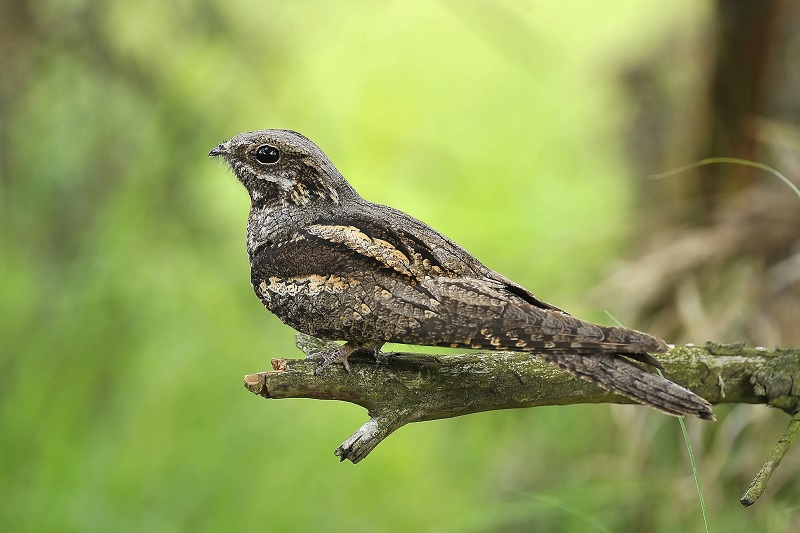
Streetlights, illuminated signs, and constant city glow have a bigger impact on wildlife than many people realize. Birds that would normally go quiet after dusk often continue singing because artificial lights trick their internal clocks. In heavily lit areas, birds may perceive the night as an extended twilight or early morning, leading them to behave as if it’s time to be active.
This is especially common in cities, where the sky never fully darkens. Species like the Northern Mockingbird and European Robin are often heard singing in the middle of the night near lamp posts or buildings with bright exterior lights. For these birds, light pollution disrupts natural sleep patterns and encourages nighttime vocal activity.
Mating and Territorial Behavior
Another common reason birds sing at night is to attract a mate or defend their territory. During mating season, some male birds increase their singing frequency, even after dark, to stand out from their competition. Nighttime can offer a quieter environment, allowing their calls to carry further and reach more potential mates.
Territorial calls can also be triggered by the presence of predators, rival birds, or even unfamiliar sounds. Some birds simply don’t stop defending their space, regardless of the hour. Mockingbirds are especially notorious for singing all night during the spring and summer when they’re seeking a mate or warning others to stay away.
Disrupted Circadian Rhythms
Just like humans, birds rely on circadian rhythms—natural, internal cycles tied to light and darkness—to regulate their behavior. However, these rhythms can be thrown off by a number of environmental factors. Artificial lighting is a big culprit, but so are loud noises, habitat loss, or changes in weather.
For example, a sudden heatwave or a storm can disorient birds, leading them to become active at odd hours. Inconsistent light and noise levels may confuse their sense of time, causing nighttime singing that seems out of place. In many cases, birds aren’t intentionally singing at night—they’re simply reacting to a world that no longer follows natural patterns.
Nocturnal Bird Species
Nocturnal bird species like nightingales, mockingbirds, owls, and whip-poor-wills are often responsible for the sounds heard after dark. Nightingales and mockingbirds sing at night to attract mates or defend territory, especially during breeding season.
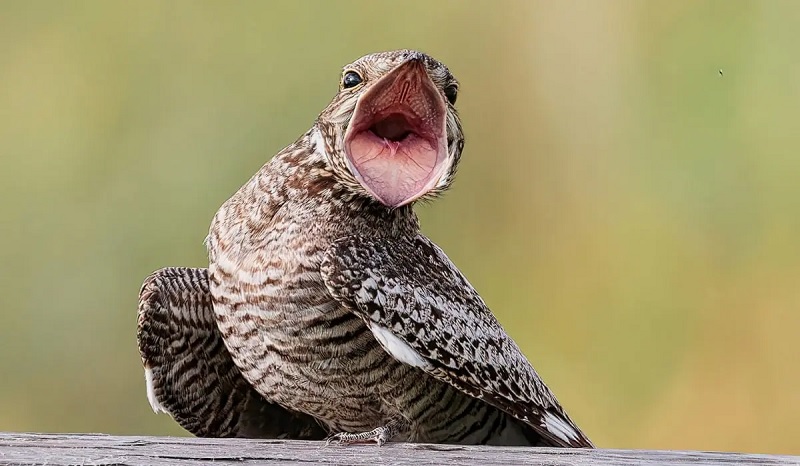
Owls, known for their haunting hoots, are active hunters and use vocal calls to communicate. Whip-poor-wills, with their repetitive songs, are most vocal in wooded areas at night. These species naturally contribute to the nighttime chorus many people hear.
Nightingales
Nightingales are famous for their powerful and beautiful songs, often delivered at night. These small, brown birds are most vocal during the breeding season, particularly in spring and early summer. Male nightingales sing loudly and consistently in the dark to attract mates and mark their territory. Unlike many other birds, they use the stillness of nighttime to ensure their calls carry further. Their song is a rich, melodic mix of whistles, trills, and gurgles, making them one of the most recognized nighttime singers in Europe and parts of Asia.
Mockingbirds
Mockingbirds are among the most common birds heard singing through the night, especially in urban and suburban areas. Known for their ability to mimic the calls of other birds and sounds in their environment, mockingbirds often sing long and varied songs that can go on for hours.
During mating season, an unmated male may sing throughout the night to attract a female. They’re especially vocal in areas with bright artificial lighting, which keeps them active longer than usual. Their relentless nighttime singing can be charming—or frustrating—depending on how close they are to your bedroom window.
Owls
Unlike songbirds, owls are true nocturnal predators. Their vocalizations are not melodic but are just as iconic. From the deep hoots of the Great Horned Owl to the eerie screeches of the Barn Owl, these birds use their calls for communication, territory defense, and mating.
Owls are adapted to life in the dark, with excellent night vision and silent flight, making them highly effective nighttime hunters. You’re unlikely to hear them singing, but their hoots and cries are a familiar part of the nighttime soundscape in forests, fields, and even urban parks.
Whip-poor-wills
Whip-poor-wills are elusive, night-active birds known for their repetitive and distinctive “whip-poor-will” calls. These birds are found in wooded areas across North and Central America and are most vocal during spring and summer nights. Their camouflage makes them hard to spot during the day, but at night, their constant calling can fill the air for hours. Whip-poor-wills sing to establish territory and attract mates, and their calls can travel long distances in quiet nighttime environments.
Seasonal and Environmental Factors
Seasonal and environmental factors often play a big role in why birds sing at night. During breeding season, many species become more vocal to attract mates or defend their territory. Some birds migrate at night and use soft calls for navigation or communication. Sudden weather changes, such as storms or shifts in temperature, can also disrupt normal patterns and trigger unexpected vocal activity. These natural influences make nighttime bird sounds more common during certain times of the year.
Breeding Season Activity
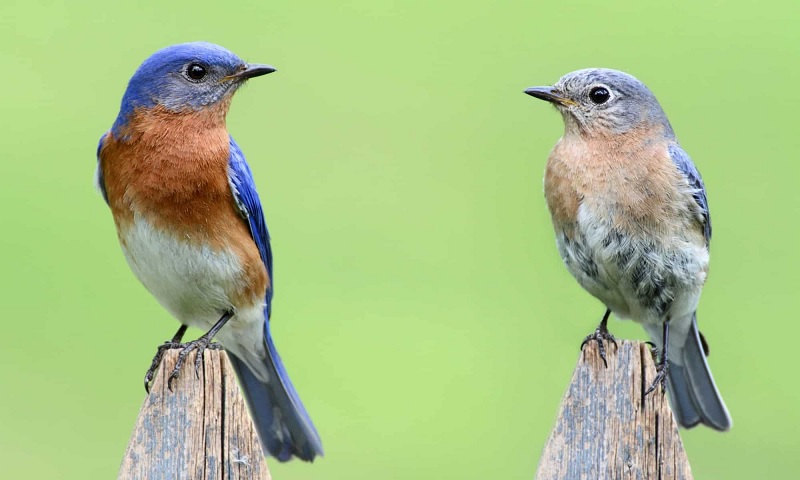
One of the most common reasons for hearing birds at night is increased activity during the breeding season. In spring and early summer, many bird species become more vocal to attract mates or defend their nesting territory. Some birds, especially males, take advantage of the quiet nighttime hours to ensure their songs are heard more clearly.
Species like mockingbirds and nightingales are particularly active during these times. The competition for mates can be fierce, and singing at night provides an edge by standing out when fewer birds are calling. This heightened vocal behavior usually peaks during the warm months when breeding is most successful.
Migration and Navigation
During migration seasons—typically in spring and fall—many birds travel long distances at night. Nocturnal migration allows them to avoid daytime predators and take advantage of cooler temperatures. While flying, some birds use soft vocalizations to stay in contact with their flock or to navigate using the stars and earth’s magnetic fields.
These quiet night calls can sometimes be heard from the ground, especially in rural or quiet suburban areas. It’s not unusual to hear faint peeping or chirping high above during peak migration nights. These brief but purposeful sounds are part of the birds’ instinctual navigation tools.
Weather Changes and Storm Signals
Environmental conditions like sudden weather changes or approaching storms can also trigger birds to sing at unusual times. For example, a shift in barometric pressure or strong winds may unsettle roosting birds, prompting them to become more vocal. Some birds may also use vocal cues to warn others of incoming danger or to adjust their positioning.
In certain cases, birds sing or call more frequently after a storm has passed, as a way to reestablish territory or locate others from their flock. Extreme weather patterns, especially in regions affected by climate change, can throw off natural rhythms and lead to irregular behavior—including nighttime singing.
How to Identify the Bird You’re Hearing
Using Birdsong Apps or Tools
Identifying a bird by its nighttime song can be much easier with the help of modern technology. Birdsong apps like Merlin, Song Sleuth, or Audubon Bird Guide allow you to record the sound and receive real-time suggestions on which bird it might be.
These tools use sound recognition software to match your recording to a database of known bird calls. They’re especially useful for those unfamiliar with bird species or those living in urban areas where multiple birds may be singing at once. Many of these apps also include location-based filters, narrowing down possible species based on your region and season.
Recognizing Common Night Bird Calls
Familiarizing yourself with the common birds that sing at night can help you identify them more easily. For example, mockingbirds have a wide variety of sounds and tend to repeat phrases several times, often mimicking other birds.
Nightingales produce rich, melodic songs with trills and whistles, especially in spring. Owls have very distinctive hoots or screeches, depending on the species. Whip-poor-wills repeat their name in a rhythmic, clear tone. By listening for unique rhythms, pitch, and repetition, you can start to associate certain sounds with specific birds. Practice and comparison are key to improving your ear for bird identification.
Observing Patterns and Timing
Another helpful method is to observe when and how often the bird sings. Timing can provide important clues. For instance, some birds sing consistently throughout the night during breeding season, while others may call only briefly at dusk or dawn.
Noting patterns like repetition, volume, or even pauses between songs can narrow down your options. Also, consider the location—birds in city areas may behave differently due to artificial lighting, while rural birds may follow more natural rhythms. Keeping a journal of bird sounds you hear, along with the time and conditions, can help you track and identify recurring singers.
Should You Be Concerned?
Hearing birds at night isn’t always a reason for concern, but it can sometimes signal stress or disorientation caused by artificial lights or noise pollution. Birds may sing at odd hours when their natural rhythms are disrupted, especially in urban areas.
Constant nighttime vocalizations could reflect environmental imbalance. While the sounds themselves aren’t harmful to humans, they may indicate conditions that are affecting local wildlife—and understanding these cues can help promote a healthier, more natural environment.
When Night Birds Indicate Stress or Disorientation
Hearing birds at night isn’t always a cause for alarm, but in some cases, it can be a sign that something is off in their environment. Birds are generally diurnal, meaning they’re active during the day and rest at night. When they break from this pattern, it may be due to stress, confusion, or disorientation. This behavior is often seen in areas with excessive artificial lighting, where birds mistake night for early morning.
Such disruption can interfere with their natural cycles, leading to fatigue, missed feeding opportunities, and even difficulty finding mates. In some urban areas, young or migratory birds may become confused by lights on buildings or roads, leading to abnormal vocalizations or dangerous behavior like flying in circles. Repeated nighttime activity could suggest that local conditions are stressing or confusing bird populations—and that may point to larger environmental concerns.
Noise Pollution and Wildlife Behavior
Noise pollution also plays a major role in changing bird behavior, especially at night. In noisy cities or near highways, birds may shift their singing schedules to quieter hours in order to be heard. This often means singing late into the night or starting before dawn. While this adjustment helps them communicate, it also exposes them to unnatural levels of activity that may impact their health over time.
Chronic exposure to human-generated sounds—cars, construction, loud music—can increase stress levels in birds, causing them to alter both their behavior and vocal patterns. Over time, these disruptions may affect breeding success, territory defense, and overall survival.
For residents, frequent nighttime bird calls are rarely harmful, but they can be a signal that something in the environment needs attention. Consider checking local lighting levels or whether new construction might be affecting nearby habitats. Supporting bird-friendly practices, like turning off unnecessary lights at night or using shielded outdoor fixtures, can help reduce confusion and allow birds to return to more natural behaviors.
Ways to Reduce Night Bird Disruption
Reducing night bird disruption starts with minimizing outdoor lighting by using motion-activated or downward-facing lights and turning off unnecessary bulbs after dark. Creating a balanced yard habitat with native plants and quiet spaces helps birds rest naturally. Avoiding pesticides and providing clean water supports their well-being. If unusual nighttime bird activity persists, contacting local wildlife experts can offer guidance tailored to your area. These steps help protect birds’ natural rhythms and promote a peaceful environment for everyone.
Minimizing Outdoor Lighting
One of the most effective ways to reduce nighttime bird disruption is by minimizing unnecessary outdoor lighting. Bright lights from homes, gardens, and streetlamps can confuse birds, leading them to believe it’s still daytime. This often results in excessive nighttime singing, disorientation, and even exhaustion. Switching to motion-activated or downward-facing lights can help reduce light pollution without sacrificing security.
You can also use warmer-colored bulbs, which are less likely to disturb wildlife. For even greater impact, turn off decorative or landscape lighting after a certain hour, especially during breeding and migration seasons. These small changes can help birds maintain their natural rhythms and rest properly at night.
Creating a Balanced Yard Habitat
Another way to support healthy bird behavior is by creating a yard that mimics natural habitats. Planting native shrubs, trees, and flowers offers shelter, food, and safe resting places for birds. Reducing noise at night—such as keeping windows closed or turning off outdoor music—can also encourage birds to rest instead of sing.
Avoid using pesticides or chemicals that may harm insects, which are a food source for many night-active birds. Providing a birdbath or small water source can be beneficial, but keep it clean to prevent disease. A well-balanced habitat encourages birds to follow their natural patterns, reducing the likelihood of nighttime vocal activity caused by stress or discomfort.
Contacting Local Wildlife Experts
If you notice frequent or unusual bird activity at night and you’re unsure what’s causing it, consider reaching out to local wildlife experts or bird conservation groups. Organizations such as local Audubon societies or nature centers can offer advice specific to your region. They may also be aware of ongoing environmental issues—like habitat destruction, new developments, or pollution—that could be affecting bird behavior in your area. Wildlife professionals can help assess whether the birds you’re hearing are part of a normal pattern or a symptom of something more concerning. In some cases, they can even guide you on how to report disrupted or injured birds to the proper authorities.
Frequently Asked Questions
Why Am I Hearing Birds At Night Instead Of During The Day?
You might hear birds singing at night due to factors like artificial lighting or seasonal behaviors. Bright city lights can confuse birds’ internal clocks, making them think it’s still daytime. During breeding season, some birds sing at night to attract mates or defend territory. Also, certain species are naturally nocturnal or more active at night, so hearing birds after dark isn’t always unusual.
Which Birds Are Most Likely To Sing At Night?
Birds like mockingbirds, nightingales, owls, and whip-poor-wills are commonly heard singing or calling at night. Mockingbirds mimic various sounds and often sing through the night, especially in urban areas. Nightingales produce melodic songs during spring nights. Owls are active nighttime hunters with distinctive hoots, while whip-poor-wills repeat their names in rhythmic calls. Knowing these species helps you identify what you’re hearing.
Can Artificial Lights Cause Birds To Sing At Night?
Yes, artificial lights play a major role in nighttime bird songs. Streetlights, porch lights, and other sources of illumination can disrupt birds’ natural sleep-wake cycles. This confusion tricks them into thinking it’s daytime, prompting them to sing or call at unusual hours. Reducing outdoor lighting or using bird-friendly lighting options can help minimize this disruption.
Is Nighttime Bird Singing A Sign Of Environmental Stress?
Sometimes it can be. Birds singing at night may indicate stress or disorientation caused by factors like noise pollution, habitat changes, or artificial lighting. Such disruptions can affect their natural rhythms, leading to exhaustion or difficulty finding food and mates. If you notice consistent nighttime singing in your area, it could signal an environmental imbalance affecting local wildlife.
How Can I Identify The Birds Singing At Night?
You can use smartphone apps like Merlin or Audubon Bird Guide to record and identify bird calls. Listening for unique patterns, repetition, and tone also helps. Observing the time and location of the calls gives additional clues since some birds sing only during certain seasons or in specific habitats. Over time, practice and observation make it easier to recognize nighttime bird species around you.
Conclusion
Hearing birds at night can be surprising, but it often has natural explanations tied to behavior, environment, and human influence. Factors like artificial lighting, breeding season activity, and certain nocturnal species contribute to these nighttime sounds. While occasional singing after dark is normal, consistent or unusual bird calls may signal environmental disruptions such as light pollution or noise stress.
Understanding why birds sing at night helps you appreciate these fascinating behaviors and recognize when your local environment might need protection. By paying attention and making small changes—like reducing outdoor lighting—you can support healthier bird habits and enjoy a peaceful night. Ultimately, the nighttime chorus reveals a complex interaction between wildlife and their surroundings worth noticing and respecting.