
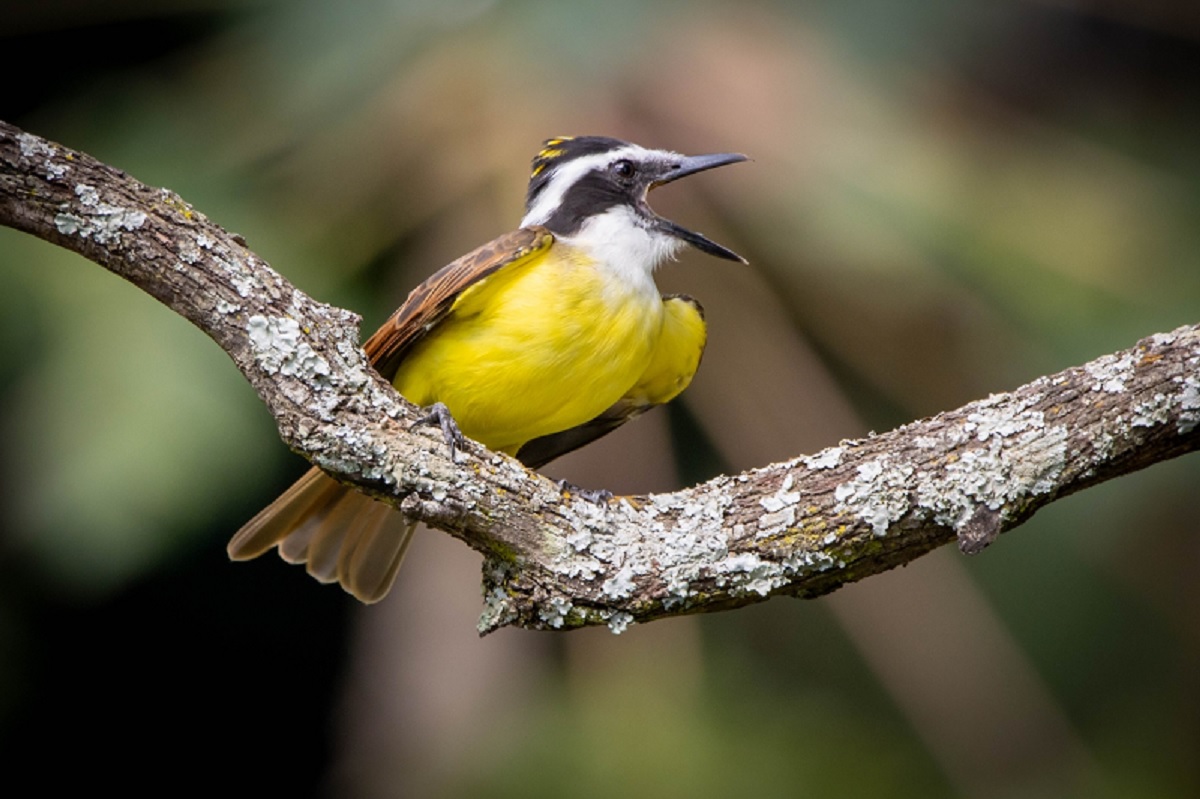
Why are all the birds going crazy? This question has caught the attention of many nature lovers and curious minds alike. Recently, unusual bird behavior has become noticeable in various places, sparking concern and fascination. Birds that usually stay calm and quiet are suddenly acting erratically—chirping loudly, flying in chaotic patterns, or gathering in unexpected numbers.
Understanding why all the birds are going crazy involves looking at changes in their environment, weather conditions, and even the impact of human activity. Sometimes, factors like seasonal shifts, food scarcity, or disturbances in their habitats can trigger such behaviors. Exploring this phenomenon not only helps us appreciate the delicate balance of nature but also highlights how sensitive birds are to the world around them. This introduction dives into the reasons behind this strange bird activity and what it might mean for both the birds and us.
Common Reasons Birds Exhibit Crazy Behavior
Birds sometimes display behaviors that seem wild or erratic to us. Understanding these actions helps us connect with nature and better protect these creatures. Here are some of the most common reasons birds act “crazy” in their natural surroundings.

Environmental Changes
Sudden shifts in the environment often trigger unusual bird behavior. Changes like extreme weather, storms, or habitat destruction can cause birds to become restless or disoriented. For example, strong winds or heavy rains may force birds to seek new shelter or alter their usual flight paths, resulting in chaotic flying patterns. Pollution and chemical exposure can also impact their nervous systems, causing agitation or confusion. When their natural surroundings are disrupted, birds tend to respond instinctively to ensure their survival.
Seasonal Mating and Breeding
One of the most well-known reasons for erratic bird behavior is the mating and breeding season. During this time, birds become highly active, vocal, and territorial. Males often sing loudly to attract females and defend their territory from rivals, which can look like frantic or aggressive behavior. Nest-building and feeding young also add to their busy schedules, making them more visible and energetic. This seasonal frenzy is a natural part of their life cycle, essential for reproduction and species continuation.
Food Scarcity and Competition
Food availability plays a major role in how birds behave. When food is scarce, birds compete more fiercely, leading to aggressive or frantic actions. Crowds of birds may gather in unusual places searching for meals, and disputes over resources can look like chaotic fighting or chasing. During droughts or cold seasons, when natural food is limited, birds often change their habits and foraging areas, sometimes venturing closer to humans or urban zones. This competition-driven stress often explains sudden changes in their usual calm demeanor.
Predators and Threats
The presence of predators or other dangers nearby can cause birds to act unpredictably. Birds rely heavily on vigilance, and spotting a threat triggers alarm calls, rapid flight, or defensive behaviors. Some species engage in mobbing, where a group of birds aggressively harasses a predator to drive it away. This noisy and frantic behavior might seem like “going crazy,” but it is a survival tactic designed to protect themselves and their young.
Human Disturbance and Urbanization
As human populations grow and expand into natural habitats, birds face increasing disturbances. Construction, loud noises, and light pollution interfere with their daily routines, causing stress and disorientation. Urbanization reduces natural nesting sites and food sources, forcing birds to adapt in sometimes unusual ways. Some species become more aggressive or restless due to these pressures, while others might flock to human areas in search of food. These changes reflect the ongoing challenge birds face living alongside humans.
Specific Bird Behaviors Explained
Birds often display behaviors that might seem puzzling or “crazy” at first glance. These actions usually serve important purposes related to survival, communication, or reproduction. Here’s a closer look at some specific bird behaviors and what they mean.

Aggressive Territorial Displays
Many bird species fiercely protect their territory, especially during breeding season. Aggressive territorial displays include chasing away intruders, loud calls, and physical posturing. These behaviors help birds establish dominance and secure resources like food and nesting sites.
For example, a male bird might puff up its feathers, spread its wings, or engage in rapid movements to intimidate rivals. These displays can appear intense or erratic but are essential for maintaining boundaries and attracting mates. Territorial aggression ensures that a bird’s offspring have the best chance to thrive without competition from outsiders.
Noisy and Erratic Flight Patterns
Erratic flight and loud calls often confuse or alarm observers, but these behaviors usually have clear reasons. Birds may fly unpredictably to avoid predators or to communicate with their flock. Sudden changes in speed or direction can make it harder for predators to catch them.
During migratory periods, large groups of birds might take off or land together in seemingly chaotic ways, coordinating their movements through visual and auditory signals. This noisy, energetic flying helps keep the flock together and increases safety in numbers.
Flocking and Swarming Behavior
Flocking is a common behavior where birds gather in large groups, often moving in tight, coordinated formations. This behavior helps protect them from predators by confusing attackers and increasing vigilance—many eyes spot danger faster.
Swarming can also be related to feeding, as groups of birds may flock to areas rich in food. In some cases, large flocks create spectacular aerial displays, with fluid, synchronized movements that look like a single living organism. Flocking is a social behavior that strengthens group bonds and improves survival chances.
Unusual Vocalizations
Birds communicate through a wide variety of sounds, ranging from melodious songs to harsh squawks. Unusual vocalizations might be confusing but often serve specific functions. Some calls warn of predators, signal distress, or establish territory.
Others are mating calls designed to attract partners or synchronize breeding activities. Some birds mimic sounds from their environment or other species, adding complexity to their communication. Changes in vocal patterns can also indicate stress, illness, or changes in their surroundings. Listening closely to these sounds can reveal a lot about what’s happening in a bird’s life.
Impact of Climate Change on Bird Behavior
Climate change is reshaping the natural world in profound ways, and birds are among the most affected creatures. Shifts in temperature, weather patterns, and ecosystems influence how birds behave, often causing unexpected or “crazy” actions. Understanding these changes sheds light on the challenges birds face as the climate continues to evolve.
Altered Migration Patterns
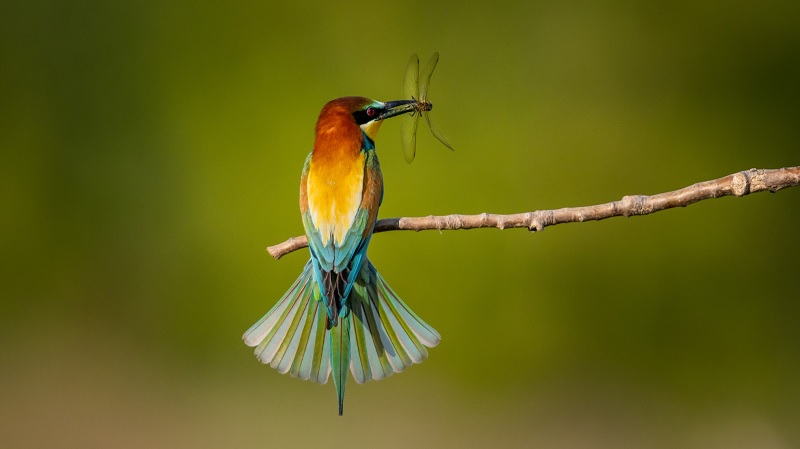
One of the most noticeable impacts of climate change on birds is the alteration of their migration habits. Warmer temperatures and changing seasons disrupt the traditional timing and routes birds use to travel between breeding and wintering grounds. Some species are arriving earlier in spring or delaying their departure in fall.
These shifts can create mismatches with food availability and suitable habitats, putting birds at risk. Additionally, new migration routes may expose birds to unfamiliar dangers, such as increased predation or habitat loss. Altered migration patterns affect not only individual birds but also entire ecosystems that depend on their regular movements.
Changes in Food Availability
Climate change also affects the availability and timing of food sources for birds. Rising temperatures can cause insects, plants, and other prey to emerge earlier or later than usual, disrupting the delicate balance birds rely on. For example, some insect populations may peak before migratory birds arrive, leaving them with less nourishment.
Similarly, changes in rainfall patterns can impact fruit and seed production, forcing birds to search harder for food. These fluctuations can lead to increased competition and stress among bird populations, often triggering unusual or frantic behavior as they struggle to find enough resources.
Increased Stress and Anxiety
The combination of disrupted migration, habitat changes, and food scarcity contributes to heightened stress and anxiety in birds. These pressures can cause birds to behave more aggressively or erratically than usual. Stress may weaken their immune systems, making them more susceptible to illness and reducing reproductive success.
Prolonged exposure to stressful conditions can also affect their ability to communicate and care for their young. As climate change intensifies, the mental and physical well-being of birds faces serious threats, emphasizing the urgent need for conservation efforts.
How to Observe and Interpret Bird Behavior
Observing birds in their natural environment can be a rewarding experience that helps deepen your understanding of their lives. Knowing how to interpret what you see makes birdwatching more meaningful and allows you to spot signs of stress or unusual activity. Here’s a guide on how to observe and interpret bird behavior effectively.

Identifying Normal vs. Stress Behaviors
Birds have a wide range of behaviors that indicate their health, mood, and environment. Normal behaviors include foraging, preening, singing, and social interactions like flocking or mating displays. These actions usually follow predictable patterns and show that birds are comfortable and thriving.
Stress behaviors, on the other hand, often appear as unusual restlessness, excessive vocalization, aggressive displays, or erratic flight. Birds under stress might fluff up their feathers, freeze in place, or attempt to flee rapidly. These signs often signal disturbances such as predators nearby, habitat disruption, or food shortages. By learning to distinguish between normal and stress behaviors, you can better understand the challenges birds face and when they might need a calmer environment.
Tips for Bird Watching During Active Periods
To get the most out of birdwatching, timing and approach matter. Birds tend to be most active during early mornings and late afternoons when temperatures are cooler, and feeding activity peaks. Plan your observations around these active periods to witness a variety of behaviors.
Use binoculars or a spotting scope to observe from a distance without disturbing the birds. Wear neutral-colored clothing to blend into your surroundings and move slowly to avoid startling them. Keep noise to a minimum and avoid sudden movements.
Take notes or use a birdwatching app to record behaviors, locations, and times. Over time, this information will help you recognize patterns and better interpret what different behaviors mean. Remember, patience is key—spending quiet moments watching birds often reveals the most fascinating and natural actions.
What You Can Do to Help Calm or Support Local Birds
Birds face many challenges in today’s changing world, from habitat loss to climate pressures. Supporting local birds in simple, practical ways can make a big difference in helping them stay calm and healthy. Here are some effective steps you can take to create a safe and welcoming environment for your feathered neighbors.
Providing Food and Water
Supplying fresh food and clean water is one of the easiest ways to support local birds. During times of food scarcity, such as harsh winters or dry seasons, bird feeders stocked with seeds, nuts, or suet can offer vital nutrition. Be sure to use appropriate foods for the bird species in your area to avoid harm. Fresh water sources, like shallow birdbaths or small ponds, also attract birds and help them stay hydrated. Regularly cleaning feeders and water stations prevents the spread of disease, ensuring your support is safe and beneficial.
Minimizing Disturbances
Reducing disturbances around bird habitats helps birds stay calm and lowers stress levels. Avoid loud noises, sudden movements, or frequent human presence near nesting sites, especially during breeding seasons. If you enjoy watching birds, observe quietly from a distance using binoculars or spotting scopes to avoid scaring them away. Limiting the use of pesticides and chemicals in your garden also protects birds from harmful toxins. By respecting their space, you encourage natural behaviors and create a peaceful environment for birds to thrive.
Creating Bird-Friendly Habitats
Creating or enhancing habitats in your yard or community encourages birds to settle and flourish. Plant native trees, shrubs, and flowers that provide shelter, nesting spots, and natural food sources like berries and insects. Leaving leaf litter or brush piles offers additional hiding places and supports insect populations birds feed on.
Installing birdhouses tailored to local species helps provide safe nesting options, especially in urban areas where natural cavities are limited. Avoiding excessive lawn mowing and maintaining a variety of vegetation layers adds to habitat diversity. These small efforts collectively build a welcoming space that supports birds’ survival and well-being.
Frequently Asked Questions
Why Are All The Birds Going Crazy Suddenly?
Birds may suddenly act crazy due to changes in their environment or internal biological cycles. Factors like sudden weather shifts, loud noises, or disturbances in their habitat can trigger frantic or erratic behavior. Additionally, seasonal events such as mating or migration often cause birds to become more active and vocal. You might notice these changes because birds are responding instinctively to protect themselves or adapt to new conditions.
How Do Environmental Changes Affect Bird Behavior?
Environmental changes such as storms, habitat loss, or pollution can cause birds to behave unpredictably. When their surroundings are disrupted, birds may become stressed, disoriented, or forced to move to new locations. This can result in loud vocalizations, erratic flights, or unusual gatherings. You may observe these behaviors especially after extreme weather events or human activities that disturb their natural habitats.
Can Food Scarcity Make Birds Act Crazy?
Yes, scarcity of food often leads to increased competition and aggressive behavior among birds. When natural food sources are limited, birds may flock together in larger numbers and display frantic foraging or fighting. This competition can make their actions appear chaotic or “crazy.” You might also see birds venturing into urban areas more frequently in search of food during tough times.
Does Mating Season Cause Birds To Act Erratically?
Mating season significantly influences bird behavior, making many species more vocal, territorial, and active. Males may sing loudly and perform dramatic displays to attract mates and defend territories, which can look like crazy or aggressive behavior. If you observe birds behaving unusually energetic or noisy, it is often linked to their natural breeding cycles.
How Does Human Activity Impact Bird Behavior?
Human disturbances such as construction, loud noises, and urbanization disrupt bird habitats and routines. These disturbances increase stress and can lead to erratic or restless behavior in birds. When you live near busy roads or growing cities, you might notice birds appearing more agitated or gathering in unusual spots as they adapt to these pressures.
Are Predators Responsible For Sudden Bird Frenzies?
Yes, the presence of predators often causes birds to act frantically to protect themselves. Alarm calls, sudden flights, and mobbing behavior—where groups harass a predator—are common responses. If you witness birds suddenly taking flight or making loud noises, it could be because they detected a nearby threat and are trying to warn each other or drive the danger away.
Conclusion
Birds exhibiting crazy or unusual behavior can be traced to several natural and environmental factors. Changes in weather, seasonal mating activities, food shortages, predators, and human disturbances all play significant roles in how birds act. Understanding these behaviors helps you appreciate the complex ways birds adapt and survive in their surroundings.
Rather than random chaos, their actions are often survival strategies responding to stress, competition, or the need to reproduce. By observing birds carefully and recognizing the causes behind their behavior, you gain deeper insight into their world. This awareness not only enriches your connection with nature but also highlights the importance of protecting bird habitats for their continued health and balance in the ecosystem.