
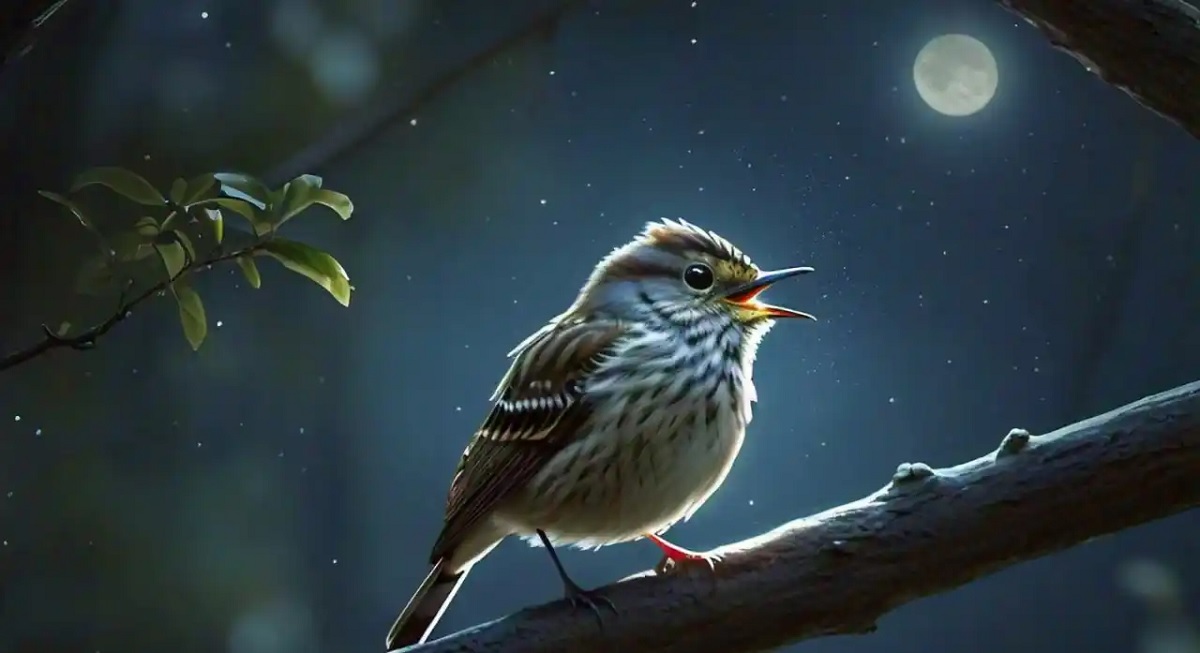
Ever found yourself lying awake in the middle of the night, wondering, why are birds chirping at 1am? You’re not alone. It can be surprising — even unsettling — to hear birdsong when the world is otherwise quiet and still. Most people associate chirping with sunrise or early morning, not the dark hours of the night. But lately, more and more people have noticed birds singing at odd times, especially around 1am.
This unexpected behavior raises questions about what’s really going on. Are they confused by city lights? Are they reacting to something in the environment? Or could it be a natural pattern we just haven’t paid attention to before? Understanding why birds break their usual rhythm can reveal a lot about the impact of modern life on wildlife. In this article, we’ll explore the possible reasons behind this nighttime chirping and what it might mean — both for the birds and for us.
Understanding Bird Behavior
Birdsong is one of nature’s most recognizable sounds, but there’s a lot more to it than just pleasant background noise. To truly understand why are birds chirping at 1am, it’s important to first look at how and why birds usually vocalize — and what might cause them to break from their typical patterns.
Normal Bird Chirping Patterns
Under normal circumstances, birds are most vocal during dawn and dusk. This period, especially early in the morning, is known as the dawn chorus, when male birds sing loudly to mark territory and attract mates. These patterns are usually predictable and follow a routine aligned with daylight. Chirping is often reduced during the middle of the day when birds are more focused on feeding or resting. Nighttime, in contrast, is typically silent for most bird species — which is why hearing them chirp in the early hours of the morning can seem unusual.
Diurnal vs. Nocturnal Birds
Bird species are generally classified as diurnal (active during the day) or nocturnal (active at night). Most birds people encounter regularly — robins, sparrows, finches — are diurnal and settle in by nightfall. However, there are exceptions. Owls, nightjars, and whip-poor-wills are naturally nocturnal and can often be heard calling during the night. Their nighttime sounds are normal and expected.
What’s more intriguing is when diurnal birds begin to vocalize at night. This behavior might signal something out of the ordinary — like environmental disruptions or artificial light — rather than natural nighttime activity.
Circadian Rhythms in Birds
Like humans, birds have circadian rhythms — internal biological clocks that regulate their sleep and wake cycles. These rhythms are closely tied to natural light and darkness. When birds experience disruptions in their environment, such as excessive artificial lighting (a phenomenon known as light pollution), their internal clocks can become confused.
This confusion can lead to unexpected behavior, such as singing or chirping at unusual times like 1am. Birds might perceive artificial light as an early sunrise and begin their vocal routines far earlier than they should. Other stressors, such as loud urban noise, unseasonal weather, or hormonal imbalances during mating season, can also throw off these rhythms.
Reasons Birds Chirp at Night
Hearing birds chirping in the middle of the night — especially around 1am — can be puzzling. While birds are generally known for their daytime songs, there are several factors that can cause them to break their usual routine and sing when it’s dark. Understanding the reasons behind this behavior helps explain why some birds seem to be wide awake and vocal when the rest of the world is asleep.

Artificial Light Sources
Artificial light sources are one of the main reasons birds chirp at night. Bright lights from streetlamps, buildings, and homes can disrupt birds’ natural sleep cycles by mimicking daylight. This confusion often leads birds to sing at inappropriate times, such as 1am, thinking dawn is approaching. In urban areas especially, constant exposure to artificial lighting alters their internal rhythms, causing increased nighttime vocal activity that wouldn’t typically occur in darker, more natural environments.
Streetlights and Urban Lighting
One of the most common reasons birds chirp at night is artificial lighting. Streetlights, traffic signals, illuminated billboards, and other sources of constant urban lighting can interfere with birds’ natural light cues. When the sky never fully darkens due to city glow, some birds mistake this for early dawn and begin their morning routine prematurely — often chirping as if the sun is about to rise.
Residential and Commercial Light Pollution
It’s not just public infrastructure contributing to the problem. Bright porch lights, decorative landscape lighting, and floodlights from residential or commercial buildings can also trick birds into thinking it’s time to sing. Birds living near well-lit areas may become desensitized to night and start chirping throughout it. This confusion disrupts their circadian rhythms and leads to seemingly erratic nighttime vocalizations.
Mating Calls and Breeding Season
During breeding season, typically in spring and early summer, birds become more vocal in an effort to attract mates. In highly competitive environments, some birds — especially males — will sing persistently, even into the night. This happens more frequently when daytime conditions are noisy or crowded, leading birds to choose quieter nighttime hours for their courtship songs. Hormonal changes during this period also heighten their responsiveness to mating cues, which can result in late-night chirping.
Territorial Behavior
Birds are highly territorial, especially during nesting season. A chirp at night may be a warning signal to other birds to stay away from claimed territory. Even at 1am, a bird might sense another nearby and respond vocally to maintain dominance. In densely populated urban areas, where territories overlap and space is limited, these vocal boundaries can become especially active — day or night.
Disturbances or Threats
Disturbances or threats can cause birds to chirp unexpectedly during the night. Sudden noises like sirens, fireworks, or loud vehicles may startle them awake, prompting alarm calls or communication to nearby birds. The presence of predators, such as cats or owls, can also trigger defensive chirping as a warning signal. These vocalizations are part of their natural survival instincts, helping alert others and re-establish safety after a perceived danger or disruption.
Predators
Birds are always alert to danger. A sudden rustle, the approach of a predator, or even the presence of a domestic cat can trigger alarm calls. These calls may sound like chirping to a casual listener, but they are actually signals of distress meant to warn other birds or deter predators. These calls can occur at any hour, including in the dead of night.
Sudden Noises
Unexpected loud sounds — fireworks, sirens, car alarms, or thunder — can startle birds out of sleep and provoke a vocal response. These sounds disrupt their resting patterns, and chirping may be an instinctive reaction to perceived danger or confusion. Birds often communicate to regroup or re-establish contact after being startled, which is why you might hear a flurry of noise after a sudden disturbance.
Weather and Environmental Conditions
Unusual weather — such as a warm front, heavy winds, or an impending storm — can affect birds’ activity. Changes in temperature or air pressure may cause birds to wake and vocalize. Birds are sensitive to atmospheric changes, and in some cases, increased night chirping can be a sign that they’re reacting to a shift in weather patterns, especially if these are associated with migration timing or feeding behavior.
Species-Specific Behavior
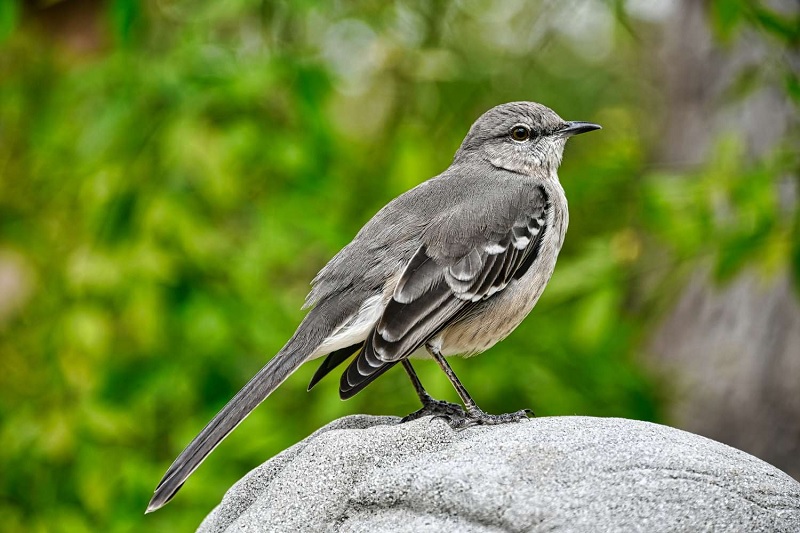
Some birds are naturally more inclined to chirp at night due to species-specific behavior. Mockingbirds, for example, are known for singing loudly through the night, especially during mating season. Robins may also sing after dark, particularly in well-lit urban areas where artificial lighting disrupts their internal clocks. True nocturnal birds like nightjars and whip-poor-wills are active and vocal by nature, so their nighttime chirping is completely normal and part of their natural behavior.
Mockingbirds
Mockingbirds are notorious for singing at night, especially during mating season. Males can sing for hours without pause, often in the middle of the night, as a way to attract a mate or assert territory. Their ability to mimic other birds and sounds makes them particularly noticeable.
Robins
Though robins are considered diurnal, they are also known to sing in well-lit urban areas at night. Their internal clocks are more easily influenced by artificial light, making them one of the more common culprits when it comes to late-night chirping.
Nightjars and Other Nocturnal Species
Some birds, like nightjars, owls, and whip-poor-wills, are naturally nocturnal. Their nighttime calls are completely normal, and hearing them doesn’t indicate a problem. These species are active after sunset and rely on vocal communication for feeding, mating, and territorial defense.
Impacts of Nighttime Chirping
Birds chirping at 1am might seem like a small annoyance, but the effects of this unexpected behavior go beyond a few sleepless nights. Nighttime chirping has real consequences, both for humans and the environment. From disrupted sleep patterns to potential changes in bird behavior over generations, the impacts are more complex than they first appear.
Effects on Human Sleep and Health
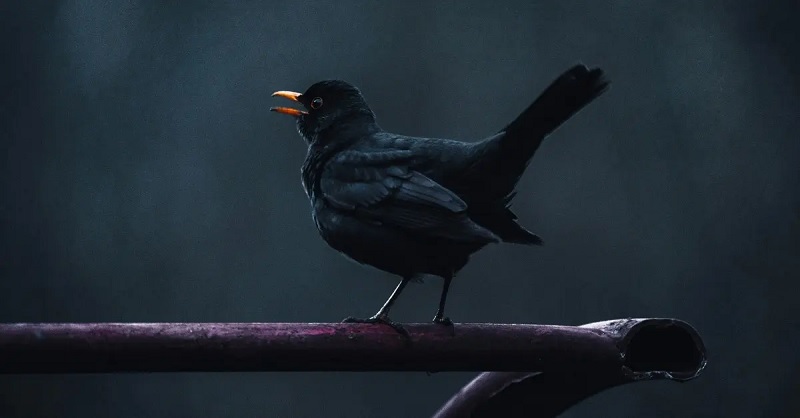
One of the most immediate and noticeable effects of nighttime bird chirping is on human sleep. In urban or suburban areas, where artificial lighting is common and birds may be more active at night, consistent late-night chirping can interfere with people’s ability to fall or stay asleep. Light sleepers, in particular, may find the repetitive sound distracting or even stressful, especially when it occurs in the early morning hours when rest is most critical.
Over time, disturbed sleep can lead to increased fatigue, reduced concentration, irritability, and even long-term health issues such as elevated stress levels and weakened immunity. People living in noisy bird habitats may also experience a decline in sleep quality, contributing to broader public health concerns. As urban environments grow and light pollution expands, this issue is likely to become even more common, especially during spring and summer months when birds are most active.
Ecological and Evolutionary Implications
Nighttime chirping doesn’t just affect humans—it can also have deeper ecological and evolutionary consequences for birds themselves. Birds that are regularly exposed to artificial light may gradually shift their natural behavior, leading to altered feeding, mating, and migration patterns. These shifts can create mismatches with environmental cues such as food availability or predator activity, putting certain species at a disadvantage.
Additionally, the energy birds expend chirping at night could reduce their daytime efficiency. If they’re more active at night, they may be more vulnerable to predators or less alert when foraging the next day. Over the long term, these behavioral changes can affect survival rates and reproductive success, potentially influencing how species evolve in urban environments.
How to Reduce Nighttime Chirping
While birds chirping at 1am can be fascinating from a behavioral perspective, it can also be disruptive — especially for those trying to sleep. Fortunately, there are practical steps individuals and communities can take to reduce nighttime bird activity in residential areas. By addressing environmental factors that influence bird behavior, we can help restore more natural patterns and create a healthier space for both humans and wildlife.
Minimizing Light Pollution
One of the most effective ways to reduce nighttime chirping is by minimizing artificial light, especially during late hours. Birds rely heavily on natural light cues to regulate their internal clocks. Excessive outdoor lighting — including porch lights, landscape lighting, and floodlights — can confuse birds into thinking it’s dawn. Simple changes like using motion-sensor lights, installing dimmers, or turning off unnecessary lights after dark can make a big difference.
For larger properties or apartment complexes, switching to downward-facing, shielded fixtures and using warm-colored bulbs can reduce the glow that contributes to light pollution. On a community level, supporting local ordinances that promote “dark sky” practices helps protect not only birds but also nocturnal animals and human health.
Creating Bird-Friendly Environments
Creating a more bird-friendly environment during the day can also help limit unnecessary nighttime activity. Providing proper shelter, food, and water sources encourages birds to stay active during daylight hours and settle down at night. Native trees and shrubs offer natural roosting spots, while bird feeders and baths placed in shaded, quiet areas help birds establish routine daytime habits.
Avoiding excessive use of reflective or glass surfaces can also reduce the confusion birds experience from distorted light and reflections. By promoting a more natural daytime rhythm, birds are less likely to remain alert or vocal after dark.
Managing Noise and Other Disturbances
Noise pollution and sudden disturbances can also prompt birds to chirp at night. Loud music, late-night yard work, fireworks, or other unexpected sounds may startle birds and trigger alarm calls. Reducing nighttime noise around your home can create a calmer environment that encourages birds to rest instead of vocalizing.
Installing noise-dampening landscaping, like hedges or fences, can help buffer residential noise, while keeping windows closed during sleeping hours may lessen the impact of unexpected sounds. Even pet activity, like cats prowling near roosting spots, can stress birds and prompt nighttime chirping. Keeping pets indoors overnight reduces this type of disturbance.
Frequently Asked Questions
Does Artificial Light Cause Birds To Chirp At Night?
Yes, artificial light is one of the main reasons birds chirp at night. Bright urban lighting interferes with birds’ internal clocks, confusing them about when it’s day or night. This can lead to premature singing or increased nighttime activity. Minimizing outdoor lighting, especially during late hours, can help reduce this effect and encourage birds to follow their natural daytime rhythms.
Are Certain Bird Species More Likely To Chirp At Night?
Some bird species naturally sing at night more than others. For example, mockingbirds and robins often vocalize after dark, especially in urban areas with artificial lighting. Nocturnal birds like nightjars and owls are also active and vocal at night as part of their normal behavior. If you hear birds chirping late, it might be one of these species or diurnal birds affected by environmental factors.
Can Weather Influence Nighttime Bird Chirping?
Weather can influence bird behavior, including nighttime chirping. Changes in temperature, air pressure, or approaching storms can cause birds to become more active or vocal. These environmental cues sometimes disrupt their usual patterns, leading to unexpected chirping during the night or early morning hours.
Is Nighttime Chirping A Sign Of Stress In Birds?
Nighttime chirping can be a sign of stress or disturbance. Loud noises, predators nearby, or sudden changes in the environment can cause birds to call out as an alarm or communication signal. This behavior helps warn other birds of potential danger but can result in increased noise during hours when birds normally rest.
How Does Breeding Season Affect Birds’ Nighttime Chirping?
During breeding season, birds are more vocal as they try to attract mates or defend territory. This heightened activity can extend into nighttime hours, especially in noisy or crowded areas where daytime singing might be less effective. Hormonal changes during this period also increase birds’ drive to sing, sometimes causing them to chirp well after dark.
What Can I Do To Reduce Birds Chirping At Night Near My Home?
To reduce nighttime chirping, start by minimizing outdoor lighting to limit light pollution, which confuses birds’ natural rhythms. Creating a quiet, calm environment by reducing late-night noise and avoiding sudden disturbances can also help. Planting native trees and shrubs provides birds with proper daytime shelter and encourages them to settle at night. Taking these steps can help restore peaceful nights for you and the local bird population.
Conclusion
Hearing birds chirping at 1am can be surprising, but it often reflects changes in their natural environment. Artificial light, especially in urban areas, disrupts their internal clocks and confuses their sense of day and night. Breeding season, territorial instincts, and disturbances like noise or predators also contribute to this unusual behavior.
While nighttime chirping may seem harmless, it can affect both birds and humans by disrupting sleep patterns and altering natural behaviors. Understanding why birds sing at night helps us appreciate the delicate balance between wildlife and urban life. By reducing light pollution and minimizing disturbances, we can create a healthier environment that supports both peaceful nights for people and natural rhythms for birds.