
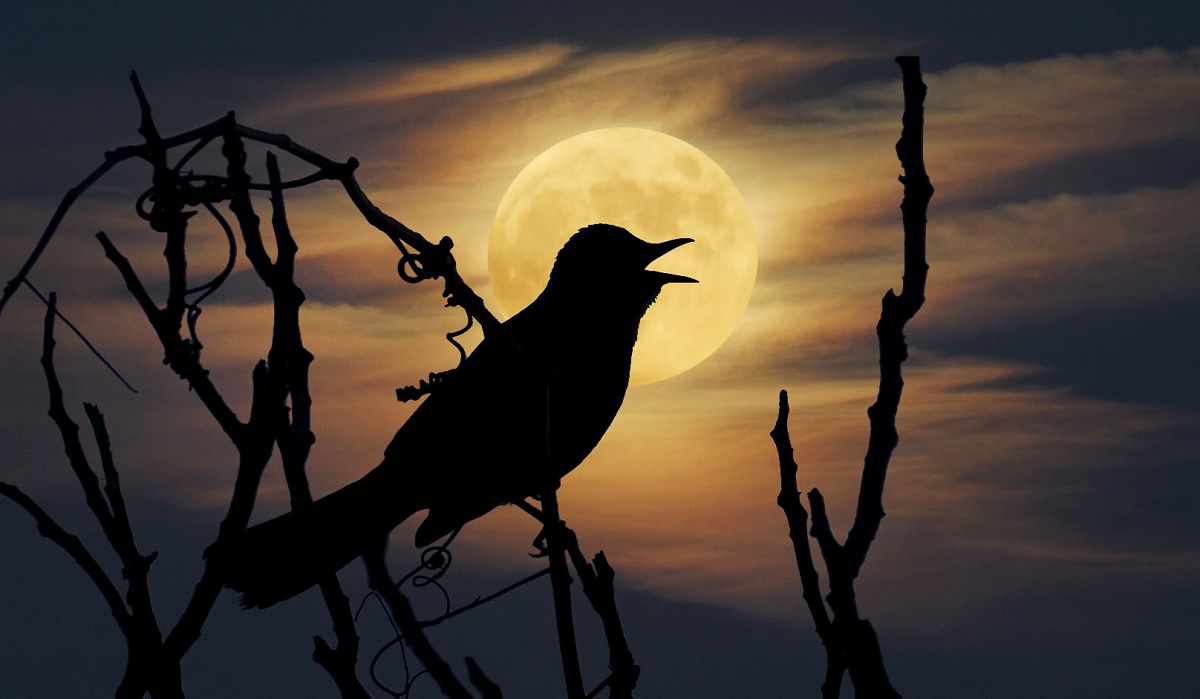
It’s the middle of the night, the world is quiet, and suddenly—chirping. Not just one bird, but several, their songs cutting through the stillness. You glance at the clock. It’s 2 a.m. and your first thought is probably: why are the birds chirping at 2am? You’re not alone in wondering. Many people have been startled or even confused by the sudden burst of bird calls in the dead of night, especially when those sounds are normally associated with sunrise.
While it’s easy to assume it’s just a fluke or a one-time event, there are actually several real reasons birds break their usual rhythms. Light pollution, mating behaviors, and even environmental stress can throw off their internal clocks. This strange nighttime chorus isn’t just noise—it’s nature reacting to a rapidly changing world. So before you reach for the earplugs or brush it off, it’s worth understanding what’s really going on.
Understanding Bird Behavior
Birds are among the most vocal and noticeable wildlife around us, and their behavior—especially their singing—often seems timed to the rhythm of the day. To truly understand why birds might be chirping at unexpected hours, it helps to first explore how their biological clocks and instincts guide their actions.
The Circadian Rhythm of Birds
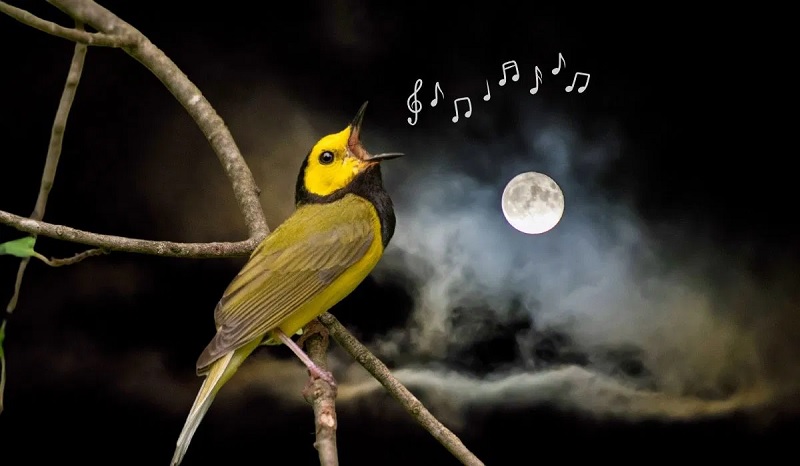
Just like humans, birds have an internal clock known as the circadian rhythm. This natural cycle helps regulate their daily activities, including feeding, sleeping, and singing. Typically synced with the rising and setting of the sun, a bird’s circadian rhythm is sensitive to changes in light and temperature.
However, in urban environments, artificial lighting can interfere with this cycle. Streetlights, porch lights, and illuminated buildings can trick birds into thinking dawn has arrived early—or that night never truly comes. This confusion can prompt nighttime vocalizations, making it seem like birds are chirping at odd hours, such as 2 a.m.
Typical Times for Birdsong
Under normal conditions, most birds begin singing just before sunrise, during what’s known as the “dawn chorus.” This period, often between 4:00 and 6:00 a.m., is when bird calls are at their peak. They may also sing around sunset, although this tends to be less intense. These times are ideal for song because the air is usually still and cooler, allowing their calls to travel farther. It’s also a time when predators are less active, making it safer for birds to be vocal.
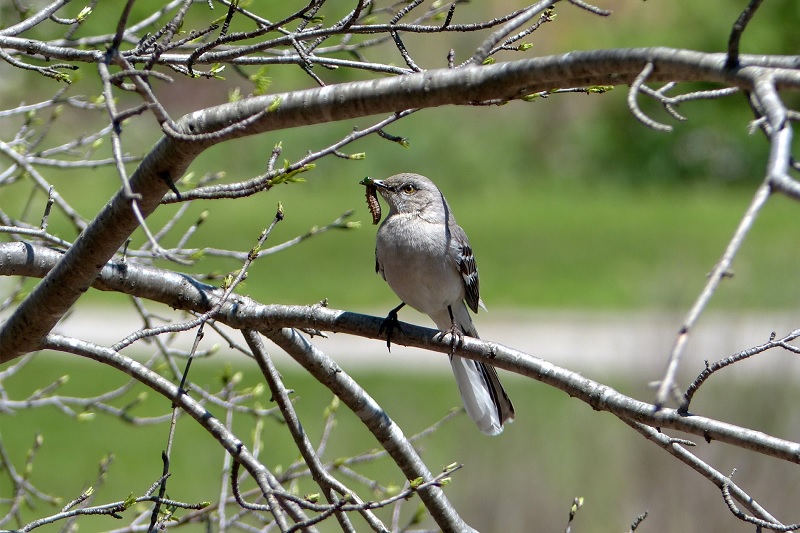
But not all birds stick strictly to daytime singing. Some species, such as robins and mockingbirds, are known to sing at night—especially when triggered by bright lights or during mating season. These exceptions can often be the ones waking you up in the middle of the night.
Functions of Birdsong
Birdsong isn’t random noise—it serves very specific purposes. Primarily, birds sing to establish and defend territory or to attract mates. A loud, persistent song lets other birds know that a particular area is already claimed. For potential mates, a complex and confident song signals health, vitality, and good genetics.
Sometimes, stress or environmental disruption can cause birds to sing more frequently or at unusual times. Urban noise during the day may force them to shift their singing to quieter nighttime hours just to be heard. Understanding these motivations helps explain why your quiet nights might occasionally turn into impromptu bird concerts.
Reasons Birds Chirp at Night
Hearing birds chirping in the middle of the night can be surprising, even puzzling. While we often associate bird calls with early mornings, there are actually several reasons why birds might be active and vocal after dark. From artificial lights to changing weather, a variety of environmental and biological factors can influence nighttime bird behavior. Let’s break down the most common reasons birds chirp at night and what it tells us about their world.
Artificial Light Pollution
Artificial light pollution is one of the leading causes of nighttime bird chirping, especially in urban areas. Streetlights, car headlights, and brightly lit buildings can confuse birds into thinking it’s dawn, triggering them to sing when they normally wouldn’t. This disruption affects their internal clocks and can interfere with sleep and mating behaviors. Over time, constant exposure to artificial light may even lead birds to permanently alter their natural activity patterns to adapt to their illuminated environment.
Streetlights and Urban Illumination
In cities and suburban neighborhoods, artificial lighting is one of the most common triggers for nighttime bird song. Birds rely heavily on natural light to regulate their daily cycles. However, streetlights, headlights, and the glow from buildings can mimic the first light of dawn, confusing birds into thinking it’s morning. Species like robins, blackbirds, and mockingbirds are especially sensitive to artificial lighting and may begin singing under these false cues.
Urban areas often stay lit through the night, and birds living in these environments are more likely to adapt—or struggle—with altered sleep and activity patterns. The constant exposure to artificial light may lead to disrupted sleep cycles, ultimately causing birds to be more active and vocal during what should be their rest period.
Impact of Light on Bird Sleep Cycles
Birds need darkness to properly regulate melatonin, the hormone that governs their sleep. Prolonged exposure to light can reduce melatonin levels, disturbing their circadian rhythm and making them restless. A restless or confused bird may chirp as a form of stress response or as part of its instinctual activity, even when it’s not the right time of day. In areas where bright lights are the norm, birds may permanently adjust their behavior, which explains why nighttime chirping is more common in urban environments.
Noise Pollution
Noise pollution, particularly in busy urban areas, can significantly impact bird behavior. During the day, traffic, construction, and human activity often drown out birdsong, making it difficult for birds to communicate. As a result, some birds shift their vocal activity to nighttime hours when the environment is quieter. This adaptation helps them compete for mates or mark territory more effectively, but it also contributes to the unexpected chorus of chirping heard in the middle of the night.
Traffic and City Noise Patterns
During the day, traffic, construction, and general city noise can drown out birdsong. In response, some birds have adapted by shifting their singing schedules to the quieter hours of the night. For birds competing for mates or territory, being heard is critical. When daytime conditions are too noisy, nighttime becomes a quieter, more effective window for communication.
This behavior isn’t limited to just one or two species. In many densely populated areas, an increasing number of birds are adopting this nocturnal singing habit. It’s a survival strategy in a noisy world, though it can create quite a disruption for people trying to sleep nearby.
Weather Conditions
Weather conditions like wind, rain, and temperature changes can influence birds to chirp at night. Sudden shifts in the weather may make birds restless or prompt them to communicate warnings to others in their flock. Calm moments between storms or during mild nighttime temperatures can also encourage birds to become more active and vocal. These natural environmental factors often cause birds to adjust their usual routines, leading to unexpected nighttime chirping.
Wind, Rain, and Temperature Shifts
Weather can also influence nighttime bird activity. Sudden shifts in temperature, light rain, or strong winds can make birds restless. For example, when a storm is approaching, birds may sing or call to alert others, find shelter, or re-establish their flock’s cohesion. During calm periods between rain or wind bursts, birds might vocalize as a form of environmental monitoring—checking if the area is safe.
Unusual warmth during night hours can also extend the active period for some species. If it’s too hot during the day, birds might shift their movement and vocalization to cooler nighttime hours, especially in warmer climates.
Breeding Season and Mating Calls
One of the most common reasons for nighttime chirping is the breeding season. During this period, males become more vocal as they try to attract mates or defend nesting territory. In some species, nighttime calling intensifies if there’s a high density of competitors or if a male hasn’t found a mate during the day.
Mockingbirds, in particular, are known for their prolonged and repetitive singing—often throughout the night—during mating season. They may sing for hours, cycling through dozens of song patterns in an effort to stand out. The urge to reproduce can override typical sleep-wake cycles, leading to near-constant activity during peak breeding months.
Predator Alerts or Disturbance
Birds don’t only sing for joy—they also chirp as a form of alarm. If a predator such as a cat, owl, or raccoon is nearby, birds may make sudden loud calls to warn others. This form of communication can happen any time of day or night. In residential areas, even human activity like a car starting or a door slamming can startle birds into a flurry of alarm calls.
Disturbances at night can briefly awaken flocks and lead to minutes of noisy communication as birds re-orient themselves and reassure one another. It’s not uncommon to hear these sudden bursts of noise following a nearby disturbance, especially if birds are roosting in trees close to houses or roads.
Species-Specific Nocturnal Behavior
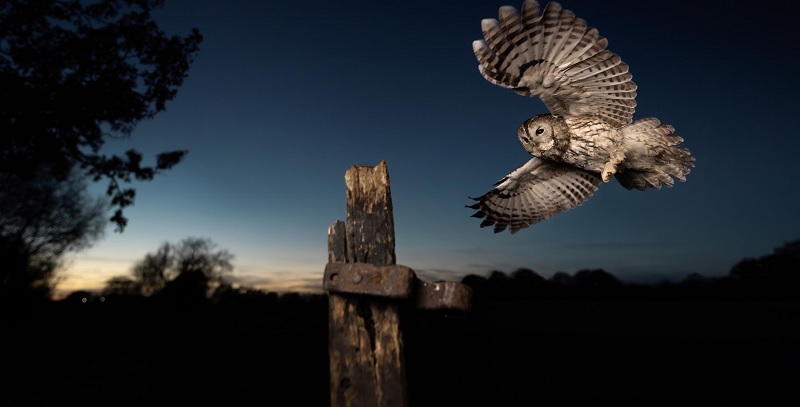
Some bird species naturally exhibit nocturnal or crepuscular behavior, making nighttime chirping a normal part of their routine. Owls, nightjars, and nighthawks are active after dark, hunting and communicating under the cover of night. Even typically daytime birds like mockingbirds and robins may sing at night, especially in well-lit urban areas. These species have adapted their behavior to take advantage of quieter, cooler hours or respond to environmental cues, explaining why some birds are vocal well past sunset.
Examples of Nocturnal or Crepuscular Birds
Not all birds are strictly diurnal (active during the day). Some species are nocturnal or crepuscular (active during twilight hours), and for them, nighttime activity is perfectly normal. Owls are the most famous nocturnal birds, but others include nightjars, nighthawks, and some species of herons. These birds hunt, feed, and communicate during the night as part of their natural behavior.
Even some typically diurnal species, like the Northern Mockingbird and the European Robin, are known to sing at night, especially in urban settings. Their songs often seem more pronounced because the world around them is so quiet. For these birds, chirping at 2 a.m. isn’t odd—it’s just another part of their rhythm, shaped by evolution and adaptation.
Human Perceptions and Misinterpretations
Birdsong at night, especially when heard around unusual hours like 2 a.m., often catches people off guard. Because it is so unexpected, many listeners may misinterpret or misunderstand these natural sounds. Our brains are wired to react strongly to sudden noises in the quiet of night, which can lead to a range of perceptions that don’t always reflect what’s really happening outside.
Mistaking Birdsong for Other Sounds
When birds chirp at night, their sounds can sometimes be mistaken for something else entirely. For instance, the high-pitched, repetitive nature of certain bird calls may be confused with insects like crickets or cicadas, or even small animals rustling through leaves.
In urban areas, bird calls might blend with mechanical noises such as distant alarms, sirens, or even electronic beeps, making it hard for people to pinpoint the source. The unfamiliarity of hearing birds at night also makes these sounds feel more mysterious or eerie, causing people to imagine all sorts of explanations rather than recognizing the natural behavior of local wildlife.
Psychological Effects of Unexpected Sounds at Night
Unexpected noises during nighttime hours often trigger heightened alertness or even mild anxiety. Humans are evolutionarily programmed to be cautious of unfamiliar sounds in the dark because they could signal danger. This instinct can make the chirping of birds feel more intrusive or alarming than it really is. What might be a simple bird call during the day becomes amplified in our minds when heard at night, potentially disrupting sleep and causing stress.
Additionally, the silence of night tends to amplify sounds, making every chirp or call seem louder and more persistent. This can lead to frustration, especially for those sensitive to noise or trying to rest. Sometimes, people may even perceive the bird sounds as intentional disturbances or nuisances, when in reality, the birds are simply responding to environmental cues.
What You Can Do About Nocturnal Birdsong
Hearing birds chirping late into the night can be charming for some but disruptive for others. While it’s important to respect wildlife and their natural behaviors, there are practical steps you can take to minimize nighttime bird noise around your home. By addressing factors like light pollution and creating a peaceful environment, you can encourage birds to stick to their daytime routines and enjoy more restful nights.

Reducing Light Pollution Around Your Home
Artificial lighting is a major contributor to nocturnal bird activity. Reducing unnecessary light sources can help reset birds’ internal clocks and discourage nighttime singing. Start by turning off outdoor lights when they aren’t needed, especially during the late evening and overnight hours.
Consider installing motion-activated or shielded lighting that directs light downward instead of scattering it broadly. Using bulbs with warmer colors instead of harsh white or blue tones can also reduce the impact on birds. By creating darker surroundings, you signal to birds that it’s truly night and encourage them to rest.
Creating a Bird-Friendly, Quiet Environment
Noise pollution is another factor that can drive birds to sing at night, often as a way to compete for attention in a loud environment. Reducing noise pollution around your home can help birds feel less pressured to vocalize after dark.
If you live near busy roads or noisy neighbors, adding vegetation like shrubs and trees can act as natural sound barriers. Plants also provide safe, sheltered spots for birds to roost and feel secure, which may reduce their need for nighttime calls. Minimizing sudden disturbances like loud music or barking dogs during nighttime hours can further encourage birds to settle down.
When to Seek Help from Wildlife Experts
In most cases, nighttime bird chirping is a natural behavior that doesn’t require intervention. However, if you notice birds appearing disoriented, injured, or if the noise becomes extreme and persistent despite your efforts, it may be time to consult wildlife experts.
Local bird conservation groups or animal control agencies can offer advice tailored to your region and situation. They might also help identify if certain species are behaving abnormally due to illness or environmental stress. Professional guidance ensures that both you and the birds are supported without causing harm.
Frequently Asked Questions
Why Are Birds Chirping At 2am Instead Of During The Day?
Birds typically sing during dawn and dusk, but hearing them chirp at 2 a.m. can be surprising. This unusual behavior is often caused by artificial light pollution that tricks their internal clocks into thinking it’s morning. Bright streetlights or nearby buildings can disrupt their natural circadian rhythm, causing them to be active and vocal at night. Additionally, some bird species naturally sing at night, especially during mating season or in noisy urban environments.
Does Artificial Light Pollution Really Affect Bird Behavior?
Yes, artificial light pollution has a significant impact on birds. Many birds rely on natural light cues to regulate their sleep and activity patterns. When exposed to excessive artificial light at night, birds may become confused about the time of day, disrupting their normal rest and prompting them to sing or become active when they should be asleep. This can lead to increased stress, altered breeding cycles, and changes in migration patterns.
Can Noise Pollution Cause Birds To Chirp At Night?
Noise pollution can indirectly cause birds to chirp at night. In busy urban areas, daytime noise from traffic, construction, and people often drowns out bird songs. To communicate effectively, some birds shift their singing to quieter nighttime hours. This behavior helps them establish territory or attract mates without competing with loud daytime sounds, resulting in unexpected nocturnal chirping.
Are Certain Bird Species More Likely To Chirp At Night?
Yes, some bird species are naturally more active or vocal at night. Owls, nightjars, and nighthawks are examples of nocturnal or crepuscular birds that hunt and communicate after dark. Even normally daytime singers like mockingbirds and robins can sometimes sing at night, especially in urban areas with bright lights. These species adapt their behaviors based on environmental conditions and biological needs.
Is Bird Chirping At Night Harmful To The Birds?
Occasional nighttime chirping is usually not harmful. However, chronic disruption of their natural sleep patterns due to artificial light or noise pollution can negatively affect birds. Prolonged disturbance can lead to increased stress, fatigue, reduced reproductive success, and weakened immune systems. Helping reduce environmental stressors like light and noise pollution can improve their health and well-being.
What Can I Do To Reduce Nighttime Bird Chirping Near My Home?
You can help minimize nighttime bird chirping by reducing light and noise pollution around your home. Turn off unnecessary outdoor lights or use motion-activated, shielded fixtures that limit light pollution. Opt for warmer, less intense bulbs to lessen the impact on birds. Creating a quieter environment by adding plants to buffer noise and avoiding late-night disturbances can also encourage birds to follow their natural daytime activity patterns. If problems persist, consulting local wildlife experts may provide additional solutions.
Conclusion
Birds chirping at 2 a.m. might seem unusual, but it’s a natural response to several environmental factors. Artificial light pollution, noise disturbances, weather changes, and breeding behaviors all play a role in disrupting their usual routines. While this nocturnal singing can be surprising or even bothersome, it reflects birds’ incredible adaptability to changing surroundings—especially in urban areas.
Understanding why birds sing at night helps us appreciate their behavior rather than simply dismiss it as a nuisance. By reducing light and noise pollution around our homes, we can support healthier bird habits and enjoy quieter nights. Ultimately, these early-morning or late-night songs are reminders of the complex relationship between wildlife and the environments we share.