

Why do birds chirp at 2am? It’s a question that many people who wake up in the middle of the night have probably asked themselves. While we usually associate bird songs with the early morning light, some birds seem to be active and vocal during the late-night hours too. This curious behavior might seem odd or even unsettling, but there are actually several natural reasons behind it.
Birds don’t just chirp randomly — their calls serve important purposes like communication, territory marking, or attracting mates. At 2am, environmental factors such as artificial lighting, temperature changes, or even disturbances can influence why birds decide to sing. Understanding why birds chirp at such an unusual hour gives us insight into their habits and the subtle ways they interact with their environment, even when most of the world is fast asleep. Let’s explore the fascinating reasons behind this nighttime serenade.
Understanding Bird Chirping Behavior
Bird chirping is one of nature’s most familiar and soothing sounds. But have you ever wondered why birds chirp in the first place? Understanding their chirping behavior can reveal a lot about their communication, survival strategies, and daily rhythms.
Purpose of Bird Chirping
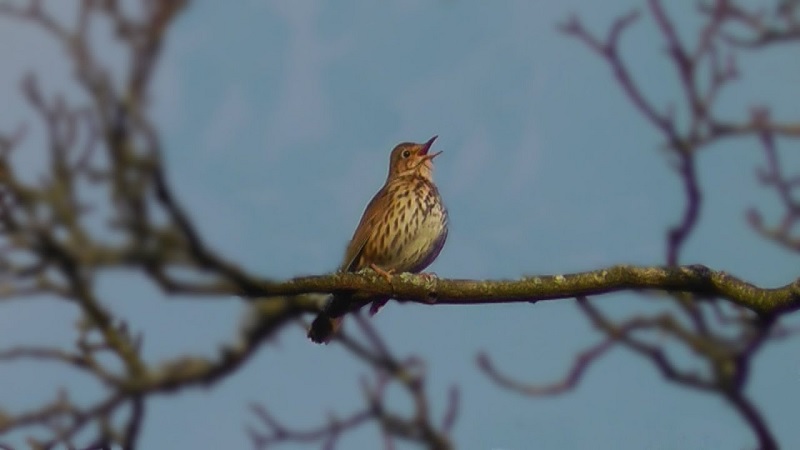
Birds don’t chirp simply to fill the silence; their songs and calls serve important purposes. Primarily, chirping is a form of communication. Birds use it to establish territory, letting other birds know that a particular area is claimed and to ward off potential intruders. This is especially common during breeding season, when competition for nesting sites is high.
Another key purpose is attracting mates. Male birds often sing to showcase their health and vitality, hoping to catch the attention of females. The complexity and frequency of their songs can indicate the strength and suitability of a potential partner.
Besides these, chirping can also function as a warning signal. When a bird spots danger, such as predators or human disturbances, it may emit specific calls to alert others in the vicinity. Additionally, some birds use chirps to stay in contact with their flock or family group, helping them coordinate movements and find food sources.
Common Times Birds Chirp
Birds are most active in the early morning and late afternoon, which is why the dawn chorus is such a well-known phenomenon. At dawn, birds take advantage of the quiet and calm to communicate effectively before the day’s activities begin. This early singing helps reinforce territory and attracts mates after the long night.
While dawn and dusk are the most common times for bird chirping, birds may also sing during other parts of the day, depending on the species and environmental factors. For example, some birds become vocal during mid-morning or late afternoon breaks.
Interestingly, some birds even chirp at night, which is less common but not unheard of. Nocturnal species like owls communicate through hoots rather than chirps, but other birds might sing at night if disturbed or influenced by artificial lighting, weather conditions, or mating behaviors.
Reasons Birds Chirp at 2 AM
Hearing birds chirp at 2 AM can be surprising since we usually associate their songs with daylight hours, especially early mornings. Yet, this late-night singing isn’t as unusual as it seems. Several environmental, biological, and behavioral factors contribute to why birds might chirp in the middle of the night.
Environmental Factors
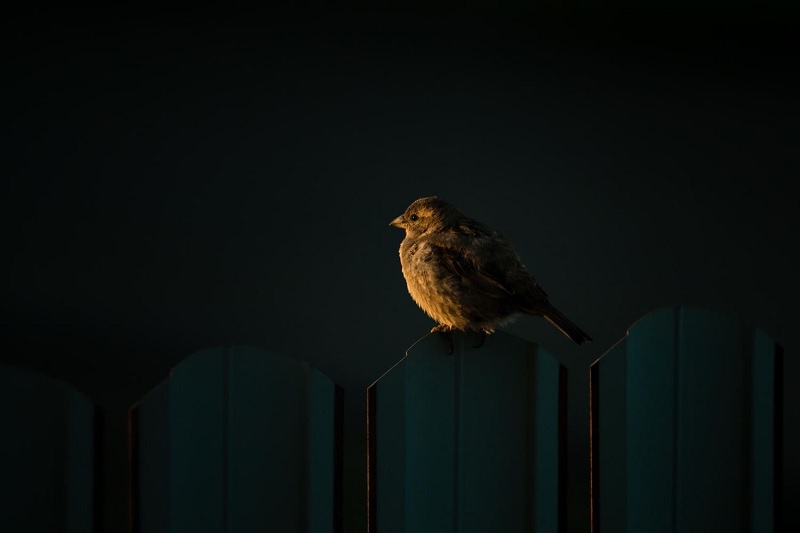
Environmental factors play a significant role in why birds might chirp at 2 AM. One major influence is artificial light from street lamps, buildings, and other urban sources, which can confuse birds’ internal clocks and make them active during nighttime hours. Additionally, weather conditions such as calm, clear nights with mild temperatures can encourage birds to vocalize more, as sound travels farther and energy expenditure is lower. Together, these environmental elements create conditions that prompt birds to sing when we least expect it.
Artificial Light and Urbanization
One of the biggest reasons birds chirp at odd hours like 2 AM is the impact of artificial lighting in urban areas. Streetlights, billboards, and illuminated buildings can confuse birds, making them think it’s still daytime. This extended “daylight” can disrupt their natural internal clocks, causing them to become active and vocal at times they normally wouldn’t be. Urban environments often create this effect, leading to increased nocturnal chirping among city-dwelling birds.
Weather Conditions
Weather also plays a role in nighttime bird vocalization. On calm, clear nights, sound travels further, which can encourage birds to call out more. Mild temperatures and low wind make it easier for birds to sing without much energy expenditure. Conversely, sudden weather changes or storms might trigger alarm calls or restless behavior, prompting chirping even in the dead of night.
Biological and Behavioral Reasons
Birds chirping at 2 AM can also be explained by their biological and behavioral instincts. Territorial calls help them defend their space even during the night, while mating and courtship songs may occur to attract partners when it’s quieter. Additionally, alarm calls are common if birds sense predators or disturbances nearby, helping to warn others and protect the group. These natural behaviors ensure survival and communication beyond typical daytime hours.
Territorial Calls
Birds use chirping to mark and defend their territories. Even at night, some species remain vigilant, especially during breeding seasons. Chirping at 2 AM could be a way for birds to remind rivals that the territory is taken, reducing the chances of conflicts when daylight returns. This persistent guarding behavior ensures they maintain control over food sources and nesting sites.
Mating and Courtship
Late-night chirping can also be linked to mating rituals. Male birds may sing during unusual hours to attract females or compete with other males. In some cases, the quiet of the night allows their calls to carry farther, increasing their chances of being heard. This nocturnal serenade might give them an advantage in the competition for mates, especially in dense habitats where daytime noise is overwhelming.
Alarm Calls and Predator Awareness
Another biological reason for 2 AM chirping is alarm or distress calls. Birds are highly alert creatures and will call out if they sense danger nearby—even at night. Predators such as owls, raccoons, or cats active during nighttime can provoke alarm calls to warn other birds or to try to scare off the threat. This heightened awareness ensures the safety of the flock or family group.
Species That Chirp at Night
While most birds are known for their daytime songs, there are several species that are active and vocal during the night. These nocturnal or crepuscular birds have adapted unique behaviors to communicate effectively in the darkness. Understanding which birds chirp at night and why sheds light on the diversity of avian communication.
Common Night Chirping Birds
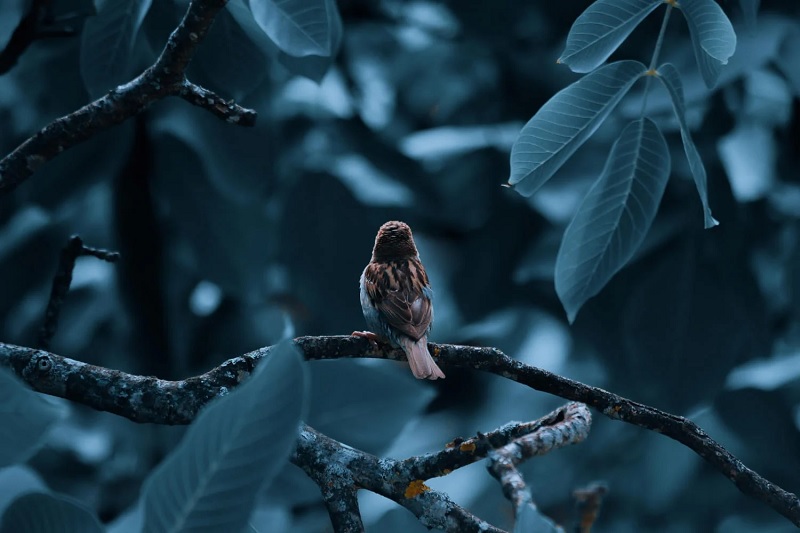
Several bird species are well-known for their nighttime vocalizations. One of the most familiar is the Nightingale, famous for its rich and melodious song, often heard during the late evening and throughout the night, especially during breeding season. Similarly, the Common Nightjar produces a repetitive churring sound after dusk, which serves to mark territory and attract mates.
Owls, although typically known for their hoots rather than chirps, also communicate extensively at night. Species like the Eastern Screech Owl and Barn Owl use a variety of calls to maintain contact with mates, signal alarm, or establish territory. Their vocalizations can be surprisingly complex, even if they don’t sound like traditional chirps.
Other birds such as Mockingbirds and some species of Thrushes have been reported to sing at night, particularly in urban areas where artificial lighting extends their active hours. This behavior is often linked to their adaptability and the influence of city environments.
Unique Behaviors of Nocturnal Birds
Nocturnal birds have evolved special adaptations to communicate in low-light conditions. For instance, nightjars rely heavily on their distinctive calls because visual signals are less effective in darkness. Their repetitive churring is loud and persistent, helping them stake out territories over large areas.
Nightingales take advantage of the quieter nighttime environment to sing more complex and prolonged songs. This not only reduces competition from other daytime singers but also allows their calls to travel farther without interference. Their nighttime melodies are thought to play a crucial role in attracting mates and signaling fitness.
Owls, on the other hand, use a variety of hoots, screeches, and trills, each serving different functions such as courtship or warning of danger. Unlike many songbirds, their vocalizations are less about melody and more about specific messages that help maintain social bonds and defend territory.
How Human Activity Influences Bird Chirping at Night
Human activity has significantly altered the natural behaviors of many wildlife species, including birds. Two major factors—light pollution and noise pollution—play key roles in influencing why and how birds chirp at night. These changes can disrupt their natural rhythms and communication patterns, leading to increased nighttime vocalizations in urban and suburban environments.
Light Pollution Effects
Artificial lighting from street lamps, buildings, and other urban sources creates what is known as light pollution. This constant glow can confuse birds’ internal biological clocks, which rely heavily on natural light cues to regulate their daily activities. When birds perceive extended daylight due to artificial lighting, they may become active and start chirping at unusual hours, such as 2 AM.
Light pollution can extend the singing period of some species, causing males to sing later into the night to attract mates or defend their territory. This prolonged vocal activity may disrupt their normal sleep patterns and increase stress, ultimately impacting their health and reproductive success. In some cases, birds might even begin their dawn chorus earlier than usual because of the artificial light, further altering their natural behaviors.
Noise Pollution and Bird Communication
Noise pollution is another byproduct of human activity that affects birds’ vocal behavior. Constant urban noise from traffic, construction, and nightlife can interfere with how birds communicate during the day. To compensate, some birds shift their singing to quieter nighttime hours when background noise is lower.
Singing at night allows birds to make their calls more clearly and reach potential mates or rivals without competing with daytime sounds. However, this adjustment can also have downsides. Nighttime singing may expose birds to predators or disrupt their rest. Additionally, the increased vocal effort needed to be heard in noisy environments can be energetically costly.
Impacts of Nighttime Chirping
Birds chirping at night can have wide-ranging impacts, affecting both the birds themselves and the people living nearby. While these vocalizations serve important purposes for birds, their occurrence during unusual hours can lead to various challenges in health, behavior, and human well-being.
Effects on Bird Health and Behavior
Chirping at night often means birds are active outside their normal schedule, which can disrupt their natural sleep cycles. Just like humans, birds need rest to maintain optimal health, and irregular activity patterns may lead to increased stress and fatigue. Over time, this can affect their immune systems, making them more vulnerable to diseases.
Nighttime vocalizations can also indicate heightened territorial or mating activity, which increases energy expenditure. Birds that sing at night may be using up valuable energy reserves needed for foraging and other survival tasks during the day. This imbalance could impact their overall fitness, breeding success, and lifespan.
Furthermore, nighttime chirping might expose birds to higher risks from nocturnal predators. Birds that vocalize in the dark can inadvertently draw attention to themselves, increasing their chances of being hunted. On the other hand, some species have adapted well to this behavior, balancing the risks and benefits based on their environment.
Effects on Human Residents
For people living near areas where birds chirp at night, the sounds can be a source of disturbance. Nighttime bird songs, especially if loud or persistent, can interrupt sleep and contribute to fatigue and irritability. Unlike natural sounds during the day, nighttime noise can be harder to ignore because it breaks the expected silence of the night.
In urban areas, where artificial lighting and noise already affect residents, bird chirping at night adds another layer of disturbance. Sleep disruption caused by these sounds may affect productivity, mood, and overall health. For some, it can be particularly challenging to cope with if they are sensitive sleepers or if bird songs are continuous through the night.
FAQs
Are Birds Chirping At Night A Sign Of Stress Or Danger?
Sometimes, yes. Birds may chirp at night to alert others about potential threats, such as predators like owls or cats. These alarm calls serve as warnings to keep the flock safe. However, nighttime chirping can also be a natural behavior related to mating or territorial claims, so it’s not always a sign of distress. If you notice consistent or frantic nighttime chirping, it could indicate increased stress in their environment.
Does Artificial Light Cause Birds To Chirp At Night?
Absolutely. Artificial light from urban areas disrupts the natural day-night cycle birds rely on. When exposed to constant or bright lighting, birds’ internal clocks get thrown off, causing them to sing at times they normally wouldn’t, such as 2 AM. This phenomenon is common in cities where streetlights and illuminated buildings create a brighter environment even during late hours.
Which Bird Species Are Known To Chirp At Night?
Several bird species are known for nighttime vocalizations. The nightingale is famous for its melodic songs after dark, while the common nightjar produces a repetitive churring sound. Owls communicate with hoots, which are also a form of vocalization during the night. Additionally, some urban birds like mockingbirds may extend their singing into nighttime due to artificial lighting and reduced noise.
Can Nighttime Chirping Affect Bird Health?
Yes, it can. Chirping at night disrupts birds’ natural sleep patterns, which may lead to increased stress and fatigue over time. This lack of rest can weaken their immune system, reduce energy levels, and affect their ability to forage or care for their young. Prolonged nighttime activity may also increase their exposure to nocturnal predators, adding another risk factor.
How Can Human Activity Reduce Nighttime Bird Chirping?
Reducing light and noise pollution can help minimize nighttime bird chirping. Using downward-facing, shielded lighting and lowering brightness levels can reduce confusion for birds. Minimizing unnecessary outdoor lighting at night helps maintain their natural cycles. Additionally, controlling noise pollution by limiting loud activities during late hours can prevent birds from shifting their vocalizations to the night, promoting healthier patterns for both birds and humans.
Conclusion
Birds chirping at 2 AM is a fascinating behavior influenced by a mix of natural instincts and environmental changes. Factors like artificial lighting and urban noise can disrupt their internal clocks, causing them to sing during unusual hours. Biologically, nighttime chirping serves important roles such as territory defense, mating calls, and alarm signals.
While this behavior helps birds communicate and survive, it can also impact their health and affect human residents nearby. Understanding why birds chirp at 2 AM allows us to appreciate the complexities of their world and highlights the ways human activity shapes wildlife behavior. By creating more bird-friendly environments, we can help preserve their natural rhythms and enjoy their songs at the right times.