
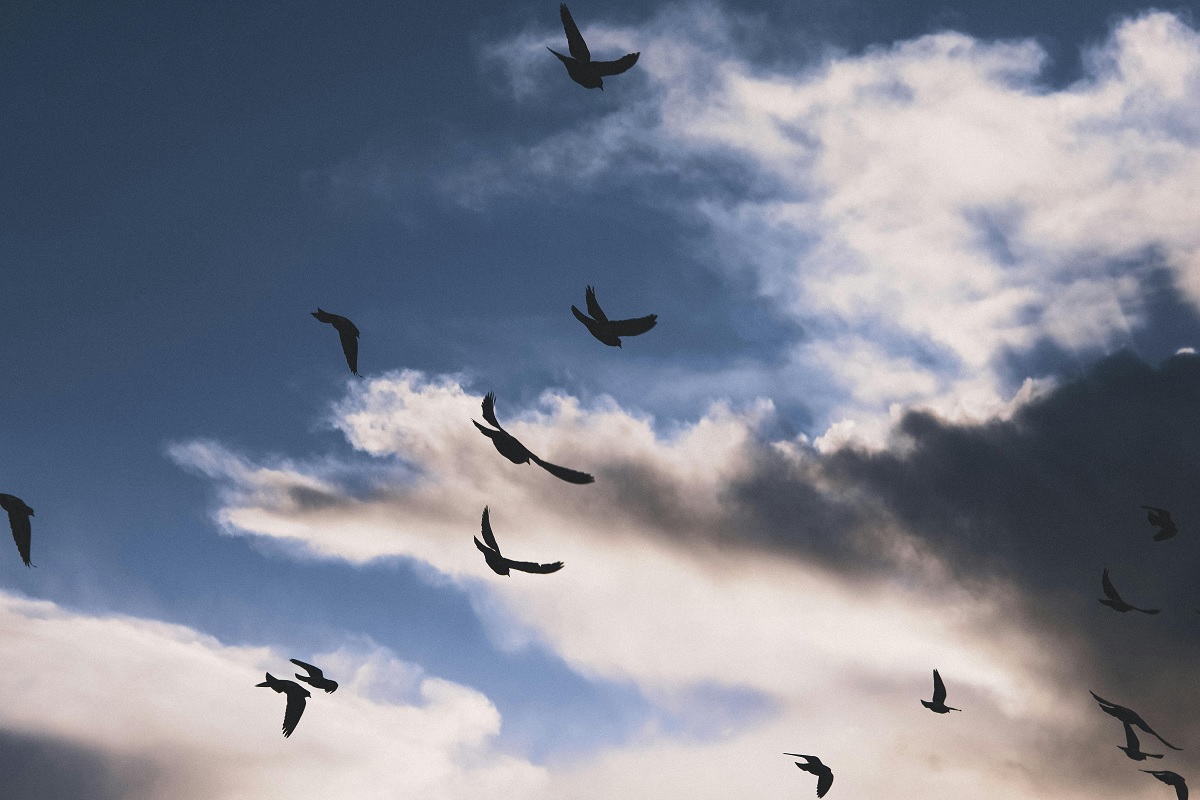
Why do birds fly in circles in large groups? It’s a question many people ask while gazing up at a swirling flock in the sky. This behavior, both mesmerizing and mysterious, is more than just a random flight pattern. Birds often fly in circles in large groups for practical reasons tied to survival, communication, and migration. It helps them conserve energy by riding thermal currents, stay organized during long-distance flights, or signal roosting behavior as daylight fades.
You might notice this swirling motion near fields, urban buildings, or open skies during specific times of the day. While it may appear chaotic, these aerial movements are usually highly coordinated and purposeful. The next time you see a cloud of birds soaring in wide loops, know that there’s strategy behind the display. Exploring why birds fly in circles in large groups can give you a new appreciation for their instinctive intelligence and group dynamics.
Understanding Bird Flocking Behavior
Bird flocking behavior is one of the most fascinating sights in nature. When birds gather and move as a unit, especially in synchronized patterns like circles, they aren’t just performing a show — they’re following deeply ingrained instincts. Flocking offers safety, communication, and efficiency, especially during flight.
Why Birds Form Flocks
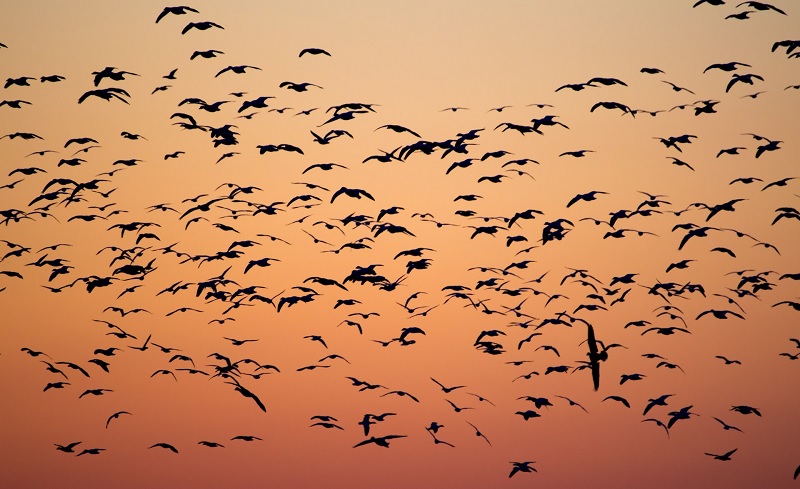
Birds form flocks primarily for protection. A large group makes it harder for predators to single out and target one bird. When flying in circles or patterns, the movement confuses predators and creates strength in numbers. This is especially common in starlings, pigeons, and gulls.
Flocking also improves navigation. Birds often communicate mid-flight, signaling changes in direction or identifying thermals and wind currents that make travel easier. This is crucial during seasonal migration, where long distances require group coordination.
How Flocking Helps Birds Survive
Flying in flocks allows birds to conserve energy. They take advantage of air currents and updrafts, particularly when circling, which reduces the physical strain of flying. This is seen in birds like vultures and hawks that ride thermals high into the sky. Flocking also plays a role in social bonding. Birds may circle and gather near feeding sites or communal roosting areas.
These gatherings create chances for birds to interact, mate, and find safety before resting. Understanding bird flocking behavior gives insight into how intelligent and adaptive these creatures really are. It’s a highly developed survival strategy, rooted in instinct and perfected by evolution.
Reasons Birds Fly in Circles in Large Groups
Watching birds fly in wide, graceful circles as a group is a common yet captivating experience. This behavior is not random—it’s a purposeful action rooted in survival, energy efficiency, and communication. Birds that engage in circular flight patterns, like starlings, gulls, hawks, and pigeons, often do so as part of their daily or seasonal routines.
Taking Advantage of Thermal Uplifts
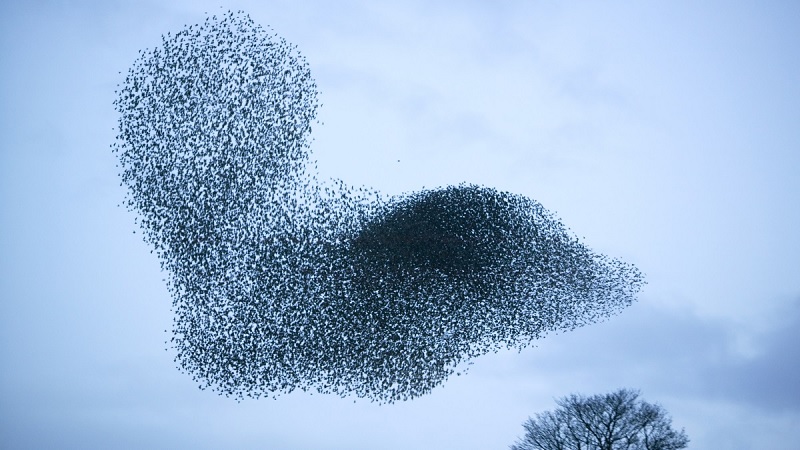
One major reason birds fly in circles is to catch rising warm air currents called thermals. These invisible columns of air lift birds higher into the sky without the need for constant flapping. Birds like hawks, vultures, and eagles use this technique to conserve energy while scanning the ground for prey or preparing for long-distance migration. Circling helps them stay within the thermal and gain altitude efficiently.
Group Coordination and Safety
Flying in circles allows birds to communicate and coordinate their movement as a flock. It gives them time to adjust their direction, avoid obstacles, and regroup. This is especially helpful during migration or when preparing to roost at night. The circular motion helps the group stay organized and maintain awareness of one another’s positions. It also reduces the risk of predator attacks, as circling can confuse and deter threats.
Surveying the Environment
Some birds circle in large groups to observe their surroundings. This behavior helps them locate food sources, water, or suitable resting spots. Aerial views offer a wide perspective, allowing birds to assess the safety and availability of resources below. When they find what they’re looking for, the flock can descend together in a more coordinated manner.
Myths and Misconceptions About Circling Birds
The sight of birds flying in circles often sparks curiosity and sometimes superstition. While this behavior has scientific explanations, it has also given rise to many myths and misconceptions over time. Understanding the truth behind these beliefs helps separate fact from fiction.
Circling Birds Are a Sign of Death
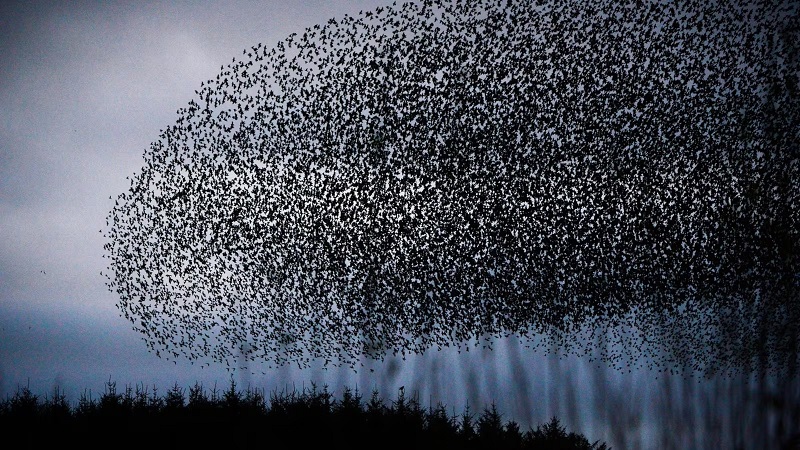
One of the most common myths is that circling birds, especially crows or vultures, are an omen of death. While it’s true that vultures may circle above dying animals, they’re not predicting death—they’re simply using their excellent vision and sense of smell to locate food. Their circling is more about survival than symbolism.
Birds Fly in Circles to Confuse Humans
Some believe birds fly in patterns to signal natural disasters or confuse people. In reality, birds are more concerned with environmental factors like wind, temperature, and safety. Their movements often reflect instinctive behavior rather than intentional messages.
Only Certain Birds Circle
While vultures and hawks are famous for circling, many birds—including starlings, gulls, and pigeons—also exhibit this behavior. It’s not limited to one species or purpose. Whether for migration, rest, or feeding, circling is a natural and practical behavior used by a wide variety of birds.
When and Where You’re Most Likely to See This Behavior
Birds flying in circles is a fascinating behavior you can observe at certain times and in specific locations. While it may seem random, there are clear patterns tied to both the time of day and environment that increase your chances of witnessing this aerial display.
Common Times for Circling Behavior
You’re most likely to see birds circling during the late morning to mid-afternoon hours. This is when the sun heats the ground, creating thermal updrafts that birds use to glide effortlessly. Raptors like hawks and vultures take advantage of these thermals to rise without flapping their wings, conserving energy for hunting or migrating. Around sunset, birds such as starlings may circle as they prepare to roost in large flocks for the night.
Locations Where It Happens Most Often
Open areas such as fields, coastlines, hillsides, and even urban parks are ideal spots to observe birds flying in circles. These spaces tend to have fewer obstacles and provide good visibility for spotting thermals or regrouping. Birds that migrate long distances also circle over ridges or valleys before continuing their journey. In cities, you may notice pigeons or gulls doing the same near rooftops or bridges.
Frequently Asked Questions
Why Do Birds Fly in Circles in Large Groups?
Birds often fly in circles in large groups to take advantage of rising warm air currents called thermals. This helps them conserve energy while flying, especially during migration. Circling also helps birds stay together as a flock, communicate, and avoid predators. It’s a natural behavior that’s both practical and social.
What Types Of Birds Commonly Fly In Circles Together?
You’ll frequently see birds like vultures, hawks, gulls, starlings, and pigeons engaging in this behavior. Raptors use thermals to soar while conserving energy. Starlings and pigeons may circle in groups before roosting. These types of birds often form flocks for safety, efficiency, or social interaction.
Is Circling Behavior A Sign That Birds Are Getting Ready To Migrate?
Yes, in many cases, circling behavior signals that birds are preparing for migration. Large flocks often gather and circle to gain altitude with minimal effort using thermals. This behavior helps them organize into formation and get a better sense of direction before flying long distances.
Do Birds Circle Before Going To Sleep?
Some birds do circle before settling down for the night, especially flocking birds like starlings or pigeons. This circling can serve as a final safety check, helping the group assess the area for predators before selecting a secure roosting spot.
Can Weather Influence Why Birds Fly In Circles?
Absolutely. Birds rely on warm air thermals to soar, and these are more common on sunny days. Wind patterns, air temperature, and atmospheric pressure all play roles in influencing how and where birds fly, especially when they’re gliding in circles.
Are Birds Circling Overhead A Sign Of Danger?
Not necessarily. While vultures might circle over a food source like a carcass, most circling bird behavior is harmless. It’s usually linked to navigation, thermals, or social movement—not danger. So, seeing birds circling overhead is a common part of their routine, not a warning.
Final Thoughts
Birds flying in circles in large groups is a natural and purposeful behavior rooted in survival and communication. Whether it’s conserving energy through thermal currents, coordinating group movement, or staying safe from predators, this circling action plays a vital role in their daily lives.
Larger birds like hawks and vultures use it to glide efficiently, while smaller birds use the pattern to organize and protect their flock. What may look like a random display is actually a well-coordinated survival strategy. Observing this behavior offers insight into how birds interact with their environment and each other. It’s a reminder of nature’s intelligence, showing that even the simplest patterns in the sky have a deeper meaning.