

Birds are fascinating creatures with an incredible variety of beak shapes and sizes, each perfectly suited to their way of life. When people wonder about the keyword “why do birds have different types of beaks,” they are really asking how evolution has shaped these features to help birds survive and thrive. Beaks are essential tools used for feeding, grooming, building nests, and even defending themselves.
The diversity in beak design reflects the wide range of diets and behaviors among bird species—from cracking seeds to catching fish or sipping nectar. Understanding why birds have different types of beaks reveals how closely form follows function in nature, showing how birds adapt to their environments with remarkable precision. Exploring this topic offers insight into the complex relationships between birds and their habitats, as well as the amazing ways they use their beaks every day.
Introduction of Why Do Birds Have Different Types of Beaks
Birds have evolved a remarkable variety of beak shapes and sizes that perfectly match their feeding habits and lifestyles. These differences are not random but are shaped by the specific needs of each species. From cracking seeds to catching insects or sipping nectar, the beak design is a direct reflection of how birds survive and thrive in their environments.
The Importance of Beak Diversity in Birds
Birds display a stunning variety of beak shapes and sizes, and this diversity plays a crucial role in their survival. Each type of beak is specially adapted to suit a bird’s diet, lifestyle, and environment. From the sharp, hooked beak of a hawk to the long, slender beak of a hummingbird, these differences allow birds to exploit different food sources and habitats successfully. The question, why do birds have different types of beaks, goes beyond simple curiosity—it uncovers how evolution has fine-tuned each species for its unique ecological niche.
How Beaks Reflect Function and Adaptation
A bird’s beak isn’t just a feeding tool; it serves many purposes like grooming, nest building, and even defense. The shape and size of a beak directly influence how a bird interacts with its surroundings. For example, seed-eating birds often have strong, thick beaks for cracking shells, while nectar feeders have long, slender beaks to reach deep into flowers. These adaptations demonstrate the close relationship between form and function in nature. Understanding why birds have different types of beaks provides valuable insights into how species evolve to meet the challenges of their environment, shaping their behavior and survival strategies.
The Role of Beaks in Bird Survival
A bird’s beak is much more than just a facial feature—it is an essential tool that plays a vital role in its survival. Beaks are highly specialized and adapted to meet the demands of each bird’s lifestyle, helping them obtain food, protect themselves, and even communicate. The shape, size, and strength of a beak are finely tuned by evolution to give birds the best chance to thrive in their environment.
Beaks as Tools for Feeding
Feeding is the primary function of a bird’s beak, and its design directly reflects the bird’s diet. Birds that eat seeds often have short, thick, and powerful beaks to crack open tough shells. On the other hand, birds that catch insects may have slender, pointed beaks ideal for picking prey out of crevices or mid-air. Nectar-feeding birds possess long, curved beaks that help them reach deep into flowers. This diversity in beak shapes enables birds to exploit different food sources and reduces competition among species.
Beyond Feeding: Other Survival Functions
Beaks also assist birds in grooming, keeping their feathers clean and free of parasites, which is critical for flight and insulation. Many species use their beaks to build nests, manipulating twigs and other materials with precision. Additionally, beaks serve as defensive weapons against predators or rivals. Some birds even use their beaks in courtship displays and communication, showcasing their strength or color to attract mates. The multifunctional role of beaks highlights how essential these structures are to a bird’s daily survival and reproductive success.
Common Types of Bird Beaks and Their Functions
Bird beaks come in a fascinating variety of shapes and sizes, each perfectly suited to the specific needs and diets of different species. These adaptations are key to how birds interact with their environments and find food. Understanding common types of bird beaks and their functions helps reveal the incredible diversity in the bird world and how form matches function in nature.
Conical Beaks for Seed Eating
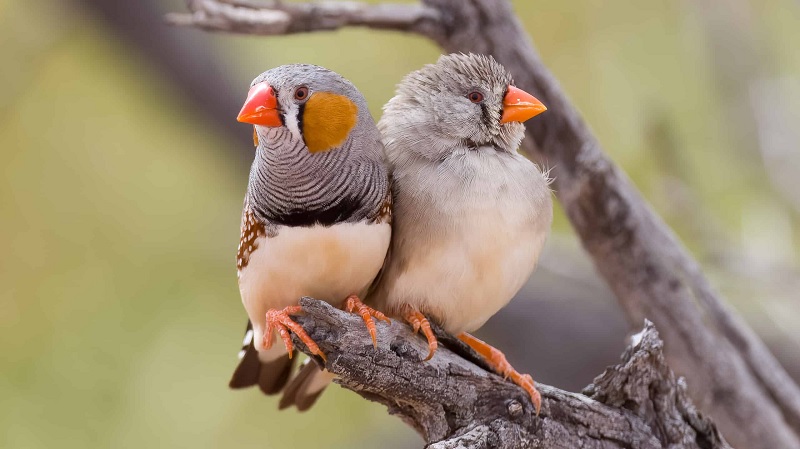
One of the most common beak types is the conical beak, which is short, stout, and cone-shaped. Birds like finches and sparrows have this kind of beak, perfectly designed for cracking open hard seeds and nuts. The strong, pointed tip allows them to exert pressure and break tough shells, making seeds accessible. This beak type is essential for birds that rely heavily on seeds as their primary food source.
Hooked Beaks for Hunting and Tearing
Birds of prey, such as hawks, eagles, and owls, have hooked beaks that curve sharply at the tip. This powerful, sharp beak helps them catch, kill, and tear apart their prey. The hooked shape is ideal for gripping slippery or struggling animals and ripping flesh, allowing these birds to feed efficiently on mammals, reptiles, and other birds.
Long, Thin Beaks for Nectar Feeding
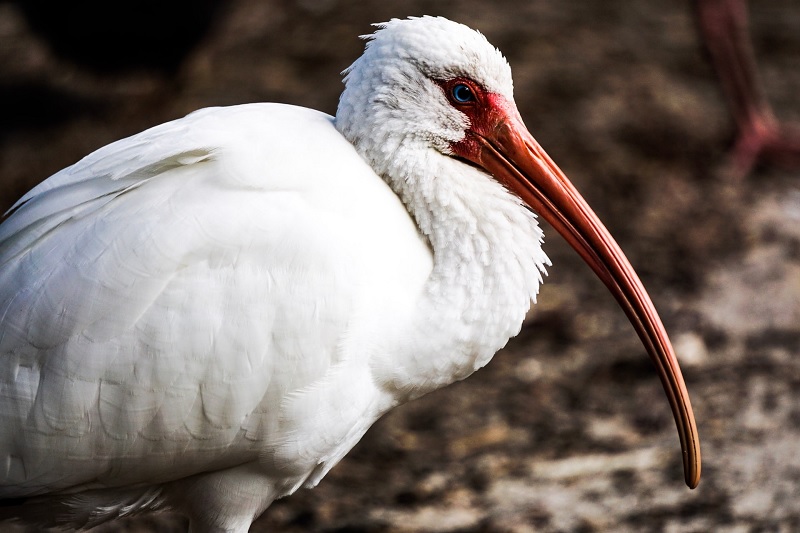
Hummingbirds and some shorebirds feature long, slender beaks designed to reach deep into flowers or mudflats. These beaks allow them to access nectar or small invertebrates hidden where other birds cannot reach. In hummingbirds, the beak works alongside a specialized tongue to extract nectar efficiently, making this adaptation vital for their energy-rich diet.
Flat, Broad Beaks for Filtering
Ducks and other waterfowl often have flat, broad beaks that function like filters. These beaks help them strain small plants, insects, and other food particles from water. The edges of the beak contain comb-like structures called lamellae that trap food while allowing water to escape.
Evolutionary Factors Behind Beak Diversity
Beak diversity among birds is a remarkable example of how evolution shapes physical traits to fit ecological roles. Over millions of years, natural selection has driven the adaptation of beak shapes and sizes based on environmental pressures, food availability, and survival needs. This evolutionary process explains why birds today show such a wide range of beak forms.
Natural Selection and Adaptation
Natural selection plays a central role in beak diversity. Birds with beak shapes better suited to their food sources and habitats tend to survive and reproduce more successfully. For example, finches on the Galápagos Islands have evolved different beak sizes and shapes depending on the types of seeds or insects they eat. These variations give each species a competitive advantage in their specific niche, reducing competition and allowing multiple species to coexist.
Environmental Influences on Beak Evolution
Environmental factors such as climate, vegetation, and food availability heavily influence beak evolution. In areas where hard seeds dominate, birds tend to develop strong, thick beaks for cracking. Conversely, regions rich in flowers encourage the evolution of long, slender beaks for nectar feeding. Seasonal changes and migration patterns can also impact beak adaptations as birds adjust to different habitats throughout the year.
Role of Genetic Variation
Genetic variation within bird populations provides the raw material for evolution to act upon. Mutations and gene combinations result in slight differences in beak shape and size, which can become advantageous traits over time. Through successive generations, these beneficial traits become more common, leading to the rich diversity of beaks observed today.
Famous Examples and Case Studies
Studying famous examples of bird beak diversity offers clear insights into how evolution shapes these remarkable adaptations. These well-documented cases reveal how different species have developed specialized beaks to thrive in their unique environments, making them popular subjects for research and education.
Darwin’s Finches: A Classic Example
Perhaps the most famous case study is Darwin’s finches from the Galápagos Islands. These finches display a variety of beak shapes and sizes, each adapted to different diets such as seeds, insects, or even cactus nectar. Charles Darwin’s observations of these finches helped him develop his theory of natural selection, illustrating how environmental pressures can drive evolutionary change in beak morphology within a relatively short time.
The Crossbill’s Unique Beak
The crossbill, native to coniferous forests, has a distinctive crossed tip on its beak. This unique shape allows it to pry open tightly closed pine cones to access seeds hidden inside. The crossbill’s specialized beak is an excellent example of how birds can evolve highly specific adaptations to exploit particular food sources that others cannot reach.
Hummingbirds’ Precision Tools
Hummingbirds are famous for their long, slender beaks designed for feeding on nectar deep inside flowers. Their beaks, combined with their specialized tongues, enable them to extract nectar efficiently, supporting their high-energy lifestyle. This adaptation showcases the close relationship between beak shape and feeding strategy.
Frequently Asked Questions
Why Do Birds Have Different Types of Beaks?
Birds have different types of beaks because each species has adapted to its environment and food sources over time. A bird’s beak shape reflects how it feeds, survives, and interacts with its habitat. For example, a hummingbird has a long, slender beak for sipping nectar, while a hawk has a sharp, hooked beak for tearing meat. These differences are results of evolution, allowing birds to thrive in specific ecological niches and reduce competition for food.
How Does A Bird’s Diet Affect Its Beak Shape?
A bird’s diet plays a major role in determining the shape and structure of its beak. Birds that eat seeds often have short, thick beaks to crack shells easily, while insectivores have slender beaks for catching bugs. Water birds may have broad beaks to filter food from water, and birds of prey need strong, curved beaks to tear into flesh. The type of food a bird eats shapes the way its beak evolves over time.
Are Beak Shapes Inherited Or Do They Change During A Bird’s Life?
Beak shapes are inherited and do not change during a bird’s life. Each bird is born with a beak structure suited to its species’ needs. However, over many generations, slight genetic variations in beak shape can become more common if they help a bird survive better. This long-term process is called natural selection and leads to the wide range of beak types seen in birds today.
What Is The Most Common Type Of Bird Beak?
One of the most common types of bird beaks is the conical beak, often found in songbirds like finches and sparrows. This type of beak is short and thick, perfect for cracking seeds. However, “common” can vary by region and bird population. Each beak type is common within specific bird groups based on their feeding habits and environments.
How Do Beaks Help Birds Besides Eating?
While beaks are mainly used for feeding, they serve many other purposes too. Birds use their beaks for grooming, building nests, feeding their young, and even defending themselves. Some birds also use their beaks to communicate or display during mating rituals. The shape of the beak can impact how effectively a bird can perform these tasks in its daily life.
Can Beak Shape Help Scientists Identify Bird Species?
Yes, scientists often use beak shape as one of the key features to identify bird species. Since each bird species has a unique beak adapted to its diet and habitat, the beak can reveal a lot about the bird’s behavior, ecology, and evolutionary background. Field guides and birdwatchers also rely on beak characteristics to distinguish between similar-looking birds.
Do Birds With Similar Beaks Always Eat The Same Things?
Not always, but birds with similar beaks often eat similar types of food. For instance, two birds with strong, thick beaks might both eat seeds, but they may live in different regions or specialize in different types of plants. While beak shape gives clues about diet, there are always exceptions based on behavior, location, and available food sources.
Final Thoughts
Understanding why birds have different types of beaks gives you a deeper appreciation for how nature shapes each species for survival. Beaks are more than just feeding tools—they reflect a bird’s lifestyle, diet, environment, and evolutionary history.
From the slender beak of a hummingbird to the powerful hook of an eagle, every shape serves a unique purpose. These adaptations not only help birds thrive in specific habitats but also reduce competition among species. By observing a bird’s beak, you can often tell how it lives and what it eats. In the end, beak diversity is a remarkable example of nature’s ability to design for function, showing how life continues to adapt in fascinating ways.