
Understanding bird behavior can sometimes be unsettling, especially when it involves actions that seem cruel or unnatural to us. One question that often shocks people is why do birds kill their babies. This harsh reality does occur in the natural world, and while it may seem heartless, it’s usually driven by instinct, survival pressures, or environmental stress. Birds don’t think like humans; their actions are often based on what increases the chances of survival for themselves or the rest of the brood.
Whether it’s due to limited food, perceived deformities, or environmental threats, such behavior has biological reasoning behind it. Instead of labeling it as cruelty, it’s important to explore the underlying factors that lead to such extreme decisions in the wild. In this article, you’ll learn the main reasons why birds might reject or even kill their young, and what it reveals about life and survival in nature.
Understanding Avian Infanticide
Avian infanticide, the act of birds killing their own or others’ chicks, may appear shocking but is often a survival strategy shaped by nature. Birds may resort to this behavior due to food shortages, illness in chicks, environmental stress, or threats to the nest. While it seems cruel, it’s driven by instinct and the need to protect the stronger offspring or ensure the survival of the species under harsh conditions. Understanding this behavior reveals the complex dynamics of avian life.
Definition and Overview
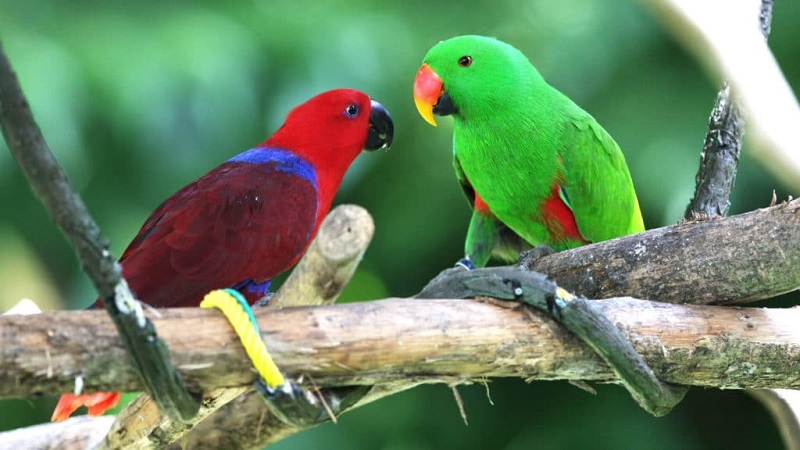
Avian infanticide refers to the act of parent birds killing their own chicks or, in some cases, other birds’ offspring. While it may seem brutal from a human perspective, this behavior is not uncommon in the bird world. In biological terms, infanticide can be a response to environmental pressures, evolutionary instincts, or reproductive strategy. It’s a behavior seen across various bird species, from songbirds to raptors, and it often serves a purpose related to survival or fitness.
There are multiple triggers behind this action. Resource scarcity is one of the most common reasons—when food is limited, parent birds may reduce the number of chicks to ensure the strongest survive. In some cases, birds may eliminate sick, deformed, or weak offspring that are unlikely to survive or become a drain on resources.
Infanticide may also occur in response to stress, nest disturbances, or the presence of predators. Even hormonal changes and territorial disputes among birds can lead to this behavior. Understanding this phenomenon helps birdwatchers, researchers, and nature enthusiasts gain deeper insights into the complexity of avian survival strategies.
Historical Observations in Bird Behavior
Historical records of avian infanticide date back over a century. Naturalists and ornithologists have long noted this behavior during field observations. In early studies, such actions were often misunderstood or dismissed as rare anomalies. However, with the advancement of behavioral science and technology such as nest cameras and long-term tracking, it became evident that infanticide is a recurring part of bird life under certain conditions.
One of the earliest detailed accounts was observed in colonial seabirds, where overcrowding and competition led to higher rates of chick mortality—including cases where adult birds actively removed or killed chicks from neighboring nests. In raptors like eagles and hawks, the phenomenon of “siblicide” is well-documented. Here, the older or stronger chick may push its sibling out of the nest, often with no interference from the parents. This brutal hierarchy ensures that at least one chick survives when food is unpredictable.
Main Reasons Birds Kill Their Babies
Birds may kill their babies for several instinct-driven reasons, often tied to survival. Weak or sick chicks are sometimes eliminated to conserve energy for healthier siblings. Limited food or harsh conditions can force difficult choices, while environmental stress or frequent disturbances may trigger abandonment or infanticide. Inexperienced parents may also misinterpret chick behavior or needs. Additionally, mistaken identity or nest parasitism can lead birds to reject or kill chicks they don’t recognize as their own.
Weak or Sick Chicks
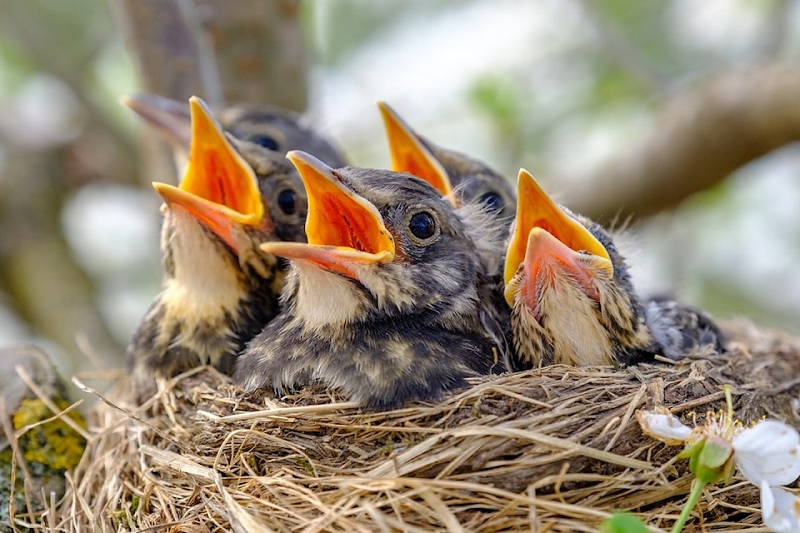
One of the most common reasons birds kill their babies is the presence of weakness, illness, or deformity in the chicks. Birds rely heavily on instinct to identify which offspring are strong enough to survive. If a chick appears lethargic, underdeveloped, or shows signs of disease, the parent may instinctively reject or eliminate it. This harsh decision helps conserve energy and resources for the healthier siblings, ultimately increasing the chances of reproductive success.
Lack of Resources or Food Scarcity
When food is scarce, birds often face the difficult choice of prioritizing which chicks to feed. In such situations, they may kill or abandon the chicks they believe are least likely to survive. This behavior ensures that the limited food available is used most efficiently, typically for the strongest or most vocal offspring. It’s a survival mechanism that becomes more common in extreme weather conditions or habitats affected by human encroachment and environmental changes.
Stress and Environmental Pressure
Stress plays a major role in abnormal avian behavior, including infanticide. Frequent human disturbances, loud noises, habitat destruction, or the presence of predators near the nest can overwhelm a parent bird. In high-stress situations, birds may abandon the nest altogether or, in extreme cases, kill their chicks. This may be an instinctual response to perceived danger, as stressed parents might believe the nest is no longer safe for raising their young.
Parental Inexperience
In some species, first-time bird parents are more likely to show unusual or harmful behaviors toward their chicks. They may not recognize proper feeding cues, fail to keep the chicks warm, or accidentally harm them. In rare instances, inexperienced parents may reject their chicks entirely, especially if the young do not behave as expected. Over time, with repeated nesting attempts, many birds grow into more competent and attentive caregivers.
Nest Parasitism or Mistaken Identity
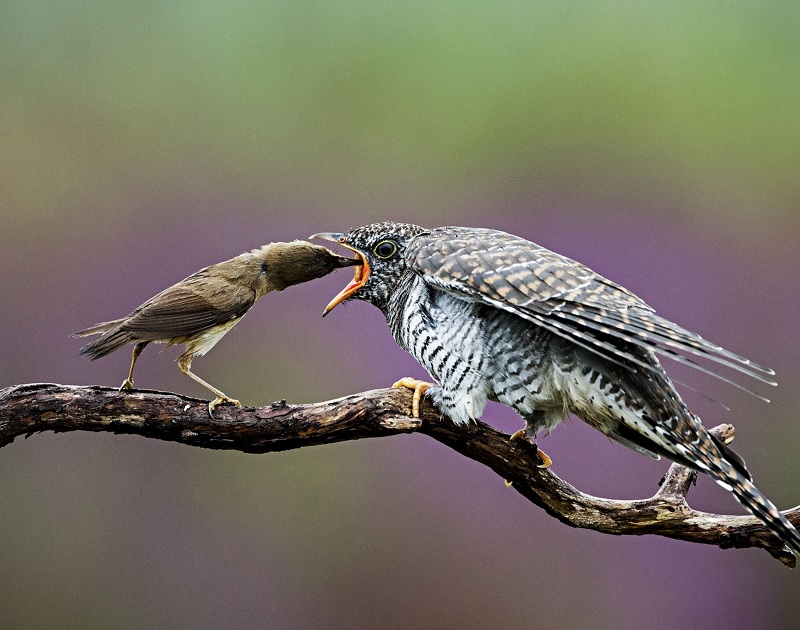
Birds may also kill chicks that they believe do not belong to them. Nest parasitism, where species like the cuckoo lay their eggs in other birds’ nests, can trigger this behavior. When a bird recognizes a chick as foreign—either due to appearance or scent—it might eject it from the nest or kill it. Mistaken identity can also occur in densely packed colonies or during nest disruptions, leading a parent to wrongly assume a chick is not their own.
Species Known for Infanticide
Certain bird species are more prone to infanticide due to their survival strategies and environmental challenges. Raptors like eagles and hawks often experience siblicide, where the stronger chick kills its sibling. Seabirds such as the Nazca booby also display similar behavior. In colony-nesting birds like gulls or pelicans, overcrowding can lead to aggressive responses toward intruding chicks. Even brood parasites like cuckoos indirectly cause infanticide by outcompeting or ejecting host offspring to ensure their own survival.
Common Examples in the Wild
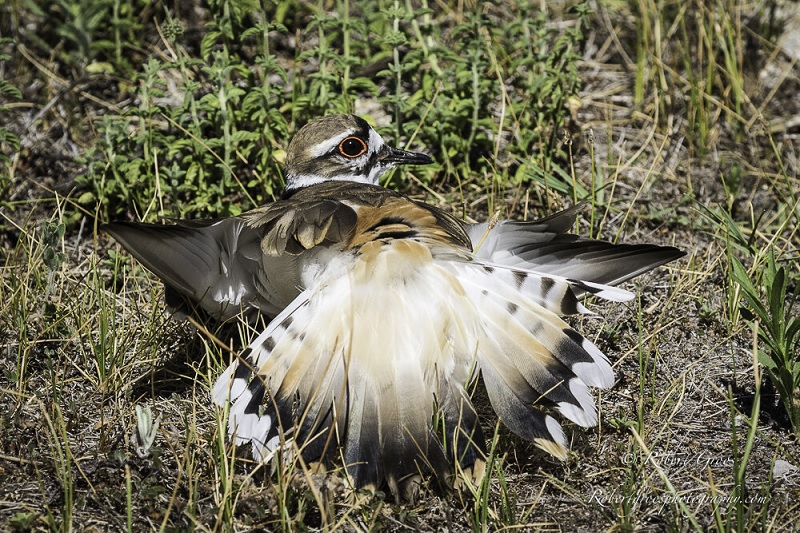
While infanticide is relatively rare in the animal kingdom, certain bird species display this behavior more frequently, often as a survival strategy. One of the most well-known examples is the Nazca booby, a seabird species where older chicks commonly push younger siblings out of the nest to eliminate competition for food. This type of “siblicide” is not only tolerated but often goes unchallenged by the parents.
Eagles and hawks, particularly the African black eagle and golden eagle, are also known for such behavior. These birds often raise two chicks, but the older, stronger one usually dominates and may kill the younger chick without parental interference. This strategy ensures that at least one offspring survives, especially in food-scarce environments.
Another well-documented case is the cattle egret, where overcrowding and food competition can lead to aggressive chick interactions. Parents may also remove weaker chicks from the nest to preserve resources for stronger ones. Even in songbirds like the house sparrow, rare cases of parental infanticide have been recorded—often linked to stress or poor nesting conditions.
Differences Between Species
Different bird species exhibit infanticide for varying reasons, often based on their ecological niches, breeding habits, and survival strategies. In raptors such as eagles and hawks, infanticide typically results from intense sibling rivalry where stronger chicks overpower weaker ones. In these species, the parents often do not intervene, accepting the loss as a natural outcome of survival competition.
On the other hand, in colonial nesting birds like gulls and pelicans, infanticide may arise due to territory invasions, nest overcrowding, or mistaken identity. Here, adults sometimes kill chicks from neighboring nests that wander too close, especially in densely populated breeding areas.
Brood parasitic birds, such as the common cuckoo, show a different form of infanticide altogether. These birds lay their eggs in the nests of other species. Once hatched, the cuckoo chick may push out the host’s eggs or chicks to monopolize parental care—an indirect form of infanticide that still serves a selfish evolutionary goal.
Role of Evolution and Survival Strategy
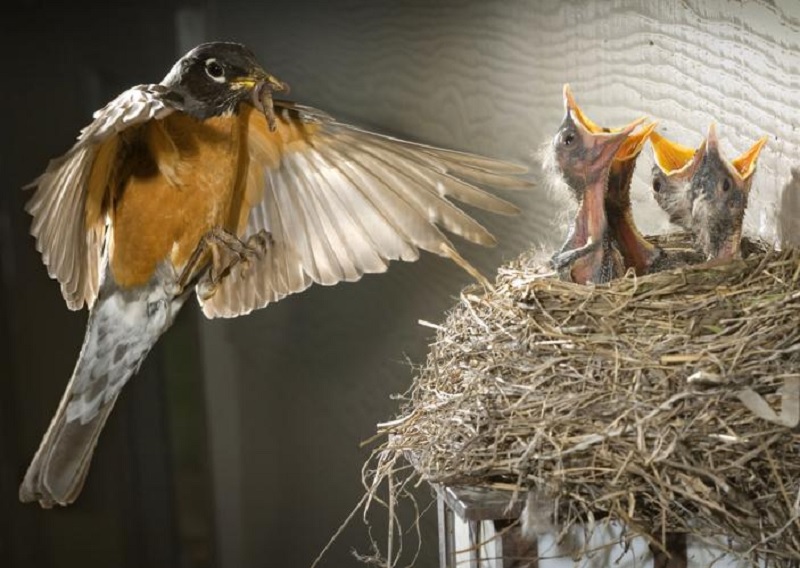
Avian infanticide is closely tied to evolution and survival strategies. Natural selection favors parents who optimize their brood by focusing resources on the strongest offspring, increasing chances of survival. This brood reduction helps conserve energy, especially during food shortages or harsh conditions, allowing parents to recover and reproduce again. While harsh, this behavior enhances overall reproductive success by ensuring only the fittest chicks survive, reflecting nature’s drive for efficiency and the continuation of strong genetic lines.
Natural Selection and Brood Optimization
Infanticide in birds may appear brutal, but it’s deeply rooted in evolutionary biology. One of the key concepts that explain this behavior is natural selection. In nature, survival is rarely guaranteed, and only the fittest individuals tend to pass on their genes. When birds kill or abandon weak, sick, or underdeveloped chicks, they are effectively optimizing their brood for survival. This process, known as brood reduction, ensures that limited resources—such as food, warmth, and protection—are invested in the offspring with the highest chances of survival.
Species like the black eagle, Nazca booby, and even some herons naturally lay multiple eggs but often end up raising only one or two chicks. The parents may allow or ignore aggression between siblings, knowing that the stronger chick will likely outcompete the weaker one. By tolerating or even facilitating siblicide, these birds are unknowingly following an evolutionary strategy that prioritizes the quality of offspring over quantity. In environments where survival is unpredictable, this behavior can give a species a significant advantage.
Energy Conservation and Reproductive Success
Another evolutionary driver behind avian infanticide is the need for energy conservation. Raising chicks demands a tremendous amount of effort—from incubating eggs and guarding nests to hunting or foraging for food. When resources are low or conditions become unfavorable, some birds may choose to kill or abandon their chicks to conserve energy for future breeding opportunities.
For example, in extreme weather conditions or during food shortages, continuing to care for a full brood may endanger not only the chicks but also the parent bird. By reducing the number of dependents, the parent can recover, survive, and reproduce again under better circumstances. This strategy enhances reproductive success over the bird’s lifetime rather than focusing solely on the success of a single brood.
Parental infanticide may also serve as a reset mechanism. In cases of failed nests or environmental threats, some birds will destroy their own eggs or chicks and seek a new nesting site to start fresh. This may appear cold, but from an evolutionary standpoint, it increases the likelihood of producing viable offspring in the long run.
Human Impact and Disturbance
Human activities can significantly disturb bird nesting behaviors, sometimes causing parents to abandon or even kill their chicks due to stress and perceived threats. Frequent human presence near nests, handling of eggs, or loud noises can lead to confusion and defensive actions. Additionally, habitat destruction from urbanization and deforestation forces birds into crowded spaces with limited resources, increasing competition and stress. These disturbances often trigger survival behaviors like infanticide, highlighting the need to protect natural habitats and minimize human interference.
Human Interaction with Nests
Human activities can unintentionally disrupt bird behavior, sometimes leading to infanticide or nest abandonment. Frequent visits near nesting sites—whether by researchers, birdwatchers, or casual observers—can cause stress to parent birds. When birds perceive constant disturbance, they may abandon their nests or even harm their chicks out of confusion or fear. For example, parents might mistakenly kill or reject their offspring if they sense danger or believe the nest is no longer safe. This heightened stress can trigger defensive or survival-driven behaviors that wouldn’t occur in undisturbed environments.
Additionally, some human interventions, like handling eggs or chicks, can confuse birds or cause them to abandon their nests. Even well-meaning efforts such as nest monitoring can have unintended consequences if done too frequently or without proper care. These interactions highlight the delicate balance between studying wildlife and protecting it, emphasizing the importance of minimizing human presence near sensitive nesting areas.
Habitat Destruction and Its Effects
Habitat destruction is one of the most significant threats to birds and a major driver behind behaviors like infanticide. Urbanization, deforestation, agriculture, and pollution drastically reduce available nesting sites and food sources. When birds lose their natural habitats, they are forced into smaller, overcrowded areas where competition for resources intensifies. This can increase stress levels and trigger aggressive or infanticidal behaviors as parents struggle to raise chicks under challenging conditions.
Loss of habitat also affects the availability of adequate food, making it harder for parents to feed all their offspring. In such situations, parents may kill weaker chicks to ensure the survival of stronger ones. Environmental changes like climate shifts and pollution further exacerbate these pressures, disrupting breeding cycles and food availability.
Myths and Misconceptions
Many myths and misconceptions surround the topic of birds killing their babies, often leading to misunderstandings about avian behavior. One common myth is that birds commit infanticide out of cruelty or malice, when in reality, these actions are instinctual survival strategies rather than emotional decisions. Another misconception is that all bird species engage in this behavior, but infanticide is actually limited to specific species and situations, usually driven by environmental pressures such as food scarcity or stress.
Some people also believe that parents kill chicks due to neglect, but often it’s a calculated response to maximize reproductive success by focusing on the strongest offspring. Understanding these myths helps shift the perspective from seeing infanticide as cruel to recognizing it as part of the complex and sometimes harsh realities of nature’s survival mechanisms. Dispelling these misunderstandings is important for appreciating how birds adapt to challenging environments.
Frequently Asked Questions
Is Infanticide Common Among All Bird Species?
Infanticide is not common among all birds but occurs in specific species and under particular circumstances. Birds that face intense competition for food or live in harsh environments are more likely to exhibit this behavior. For example, raptors like eagles and some seabirds are known for siblicide, where the stronger chick kills its sibling. Many songbirds rarely display such behavior unless stressed or disturbed.
How Does Food Scarcity Influence Birds To Kill Their Young?
When food is limited, parent birds often must make tough choices to ensure survival. They may kill or abandon weaker chicks to allocate resources to those with better chances of survival. This is a natural form of brood reduction that helps maintain the health and strength of the remaining chicks, especially during droughts or poor feeding seasons.
Can Stress Or Human Disturbance Cause Birds To Kill Their Babies?
Yes, stress from predators, environmental changes, or frequent human disturbance can trigger infanticide in birds. When parent birds feel threatened or stressed, they may abandon the nest or even kill their chicks, mistaking danger to their offspring or themselves. Minimizing disturbance near nesting sites can help reduce this behavior.
Does Parental Inexperience Lead To Infanticide In Birds?
Inexperienced bird parents sometimes struggle to care for their chicks properly. This can lead to accidental harm or rejection of offspring. While not common, young or first-time parents might kill or abandon chicks due to confusion, lack of skills, or stress. With experience, most birds become better caregivers.
What Role Does Evolution Play In Birds Killing Their Babies?
Evolution plays a significant role in this behavior. Infanticide can increase reproductive success by ensuring that only the strongest chicks survive, optimizing the use of limited resources. Natural selection favors parents who invest in offspring most likely to thrive, making infanticide a survival strategy rather than a random act.
Conclusion
Birds killing their babies may seem harsh and unsettling, but it is a natural behavior deeply rooted in survival and evolutionary strategy. This act often results from factors like food scarcity, environmental stress, parental inexperience, or the need to optimize the chances of raising strong offspring. While it might feel cruel from a human perspective, birds rely on instinct to make difficult decisions that maximize their reproductive success.
Understanding why birds kill their babies helps us appreciate the complex challenges they face in the wild and the tough choices nature demands. By learning more about these behaviors, we can better support bird conservation and minimize human disturbances that exacerbate stress on nesting birds.