
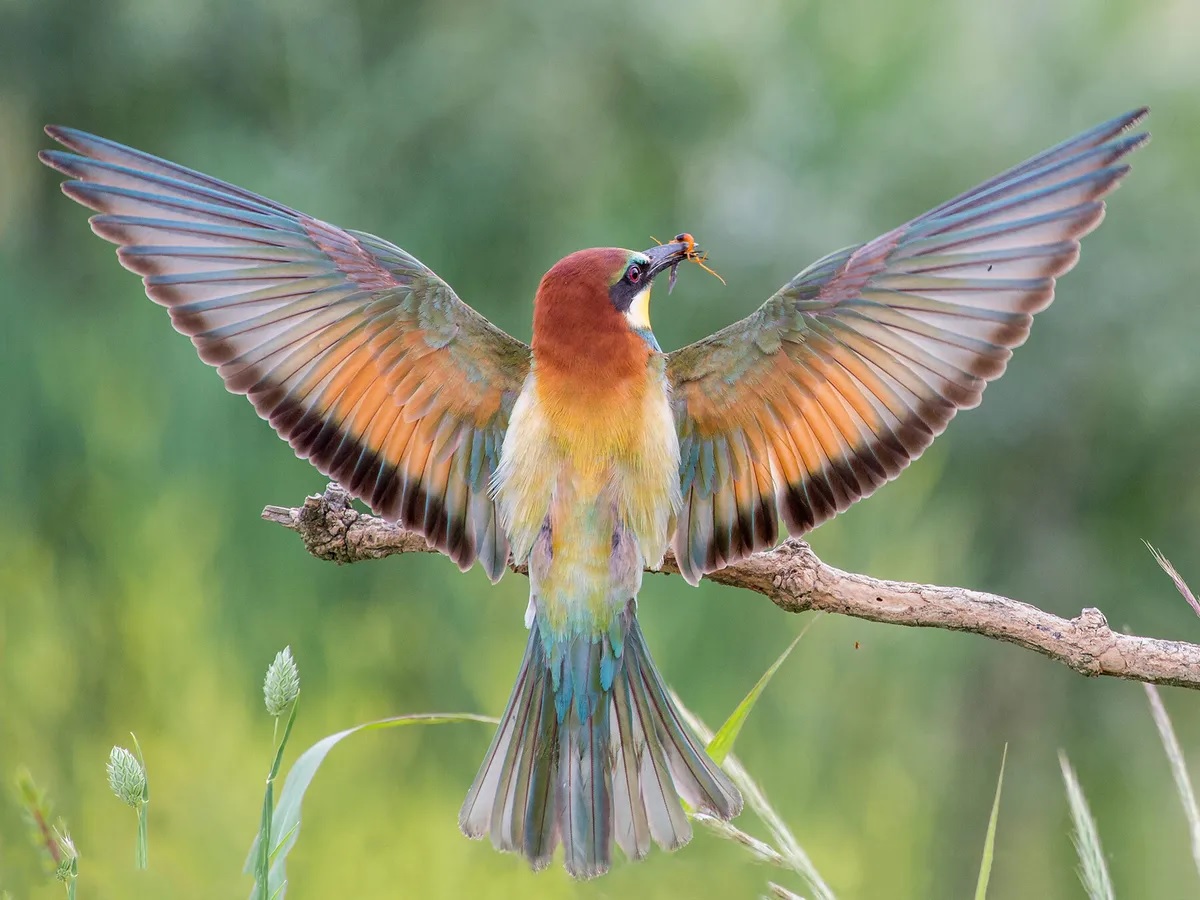
Why do birds lay down and spread their wings? This curious behavior often catches the eye of bird watchers and nature lovers alike. At first glance, it might seem unusual or even puzzling, but it’s actually a natural and important part of a bird’s life. Birds use this posture for several practical reasons—ranging from regulating their body temperature to protecting themselves from parasites. By spreading their wings while lying down, birds can soak up sunlight, which helps warm them on cooler days or dry off after a rain.
This position also allows them to access hard-to-reach spots on their bodies for preening and maintaining their feathers. Understanding why birds lay down and spread their wings offers fascinating insight into how they stay healthy and comfortable in their environment. This simple act reveals a lot about the delicate balance birds maintain between survival and comfort in the wild.
Common Behaviors of Birds Laying Down and Spreading Wings
Birds display a variety of behaviors when they lay down and spread their wings, each serving important functions in their daily lives. These behaviors help birds stay comfortable, healthy, and protected in their environments. Understanding these common actions provides insight into the adaptive strategies birds use to thrive.
Resting and Relaxation
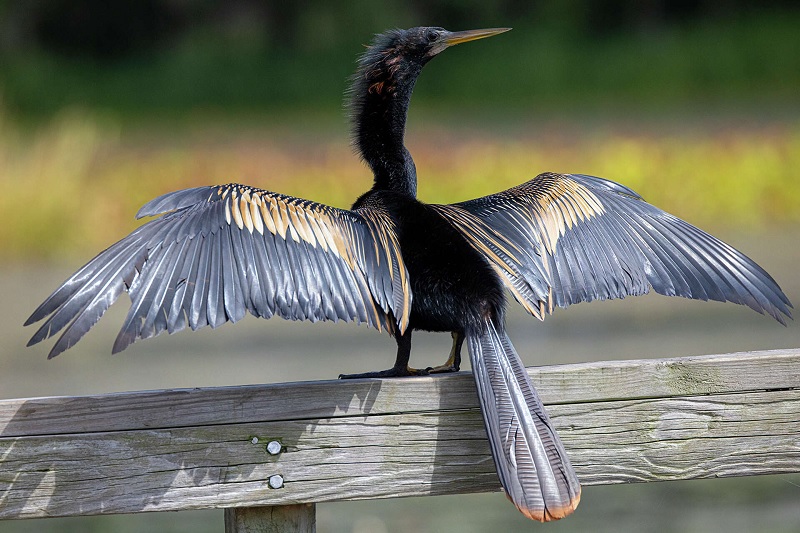
One of the simplest reasons birds lay down and spread their wings is to rest. This position allows them to relax their muscles after flying or foraging. When birds feel safe, they often stretch out their wings on the ground or a perch, helping to relieve tension and prepare their bodies for the next activity. This restful posture also conserves energy by minimizing movement and promoting relaxation.
Thermoregulation
Birds use wing spreading as an effective way to regulate their body temperature, balancing heat absorption and dissipation depending on the weather conditions.
Sunbathing for Heat Absorption
On cooler days, birds will lay down and spread their wings to soak up the sun’s warmth. This sunbathing behavior helps raise their body temperature, especially in the early morning or after cold nights. The feathers spread out in this posture allow sunlight to reach more of the bird’s skin and body, making it easier to absorb heat.
Cooling Down in Hot Weather
Conversely, when the weather gets too hot, birds spread their wings while lying down to cool off. Exposing more surface area to a breeze or shade helps heat escape from their bodies. Some birds also pant or flutter their wings slightly to increase airflow, aiding in cooling.
Preening and Feather Maintenance
Another important behavior associated with laying down and spreading wings is preening. Birds use this posture to access difficult areas on their bodies, ensuring their feathers stay clean and in good condition. Preening removes dirt, parasites, and aligns feathers for optimal insulation and flight efficiency. Spreading the wings makes it easier to reach every feather, promoting overall feather health.
Protection and Camouflage
In some cases, laying down with wings spread serves as a form of protection or camouflage. Birds might flatten themselves to blend in with their surroundings, making it harder for predators to spot them. This behavior is especially common in ground-nesting species or birds resting in open areas. The wing spread can break up the bird’s outline, helping it remain hidden from threats.
Biological and Environmental Factors
Birds’ behavior of laying down and spreading their wings is influenced by a variety of biological and environmental factors. These factors not only affect how and when birds adopt this posture but also reflect important aspects of their survival and well-being. Exploring these influences sheds light on the deeper reasons behind this common yet fascinating behavior.
Health and Injury Indicators
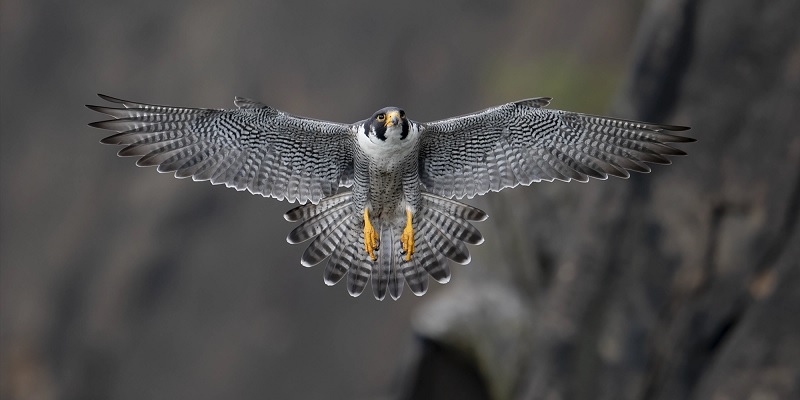
One significant biological factor behind birds laying down and spreading their wings relates to their health. Birds often display this posture when recovering from illness or injury. Lying down with wings spread can help reduce strain on their bodies while allowing them to rest and heal. In some cases, this position makes it easier for birds to regulate their body temperature when they are weak or feverish.
Observing how a bird behaves when spreading its wings can also be an important indicator for researchers and bird watchers assessing its health. Birds that appear lethargic or hold their wings awkwardly might be suffering from injuries such as broken bones, sprains, or muscle strains. Additionally, spreading wings while lying down may indicate the presence of parasites or skin irritations, as birds try to expose affected areas for grooming or relief.
This posture is often a silent signal of vulnerability but also a natural mechanism to aid recovery. By spreading their wings while resting, birds minimize energy expenditure and improve blood circulation to injured areas, which can accelerate healing.
Nesting and Incubation Behavior
Another key environmental factor influencing this wing-spreading behavior is nesting and incubation. Birds that lay eggs need to maintain a stable environment to ensure successful hatching. Some species spread their wings while lying down over their nests to provide maximum coverage and warmth to their eggs or young chicks.
This wing-spreading behavior during incubation serves multiple purposes. It helps regulate the temperature around the eggs, preventing them from getting too cold or overheated. Birds also use their wings to shield their nests from rain, direct sunlight, or potential threats, creating a protective barrier.
Additionally, spreading wings while incubating allows the parent bird to adjust its posture without leaving the nest, minimizing exposure of eggs to predators. This behavior shows a delicate balance between self-care and attentive parenting, highlighting the importance of environmental conditions in shaping bird actions.
Predator Avoidance Strategies
Predator avoidance is a crucial survival strategy for birds, and spreading wings while lying down can play a subtle but important role. This behavior is sometimes used as a form of camouflage or deceptive display.
When a bird lies down with its wings spread out flat, it can break up its outline and blend more effectively into its surroundings. This makes it less visible to predators hunting from the air or on the ground. Ground-nesting birds and those that rest in open spaces often use this tactic to avoid detection.
In other cases, birds may spread their wings as a distraction or threat display to appear larger and more intimidating to potential predators. While this posture is usually more active, lying down with wings partly spread can serve as a preparatory stance, ready to spring into flight if danger approaches.
Furthermore, spreading wings while lying down can help birds monitor their environment more carefully. With wings extended, they may quickly push off or take flight at the first sign of trouble. This readiness is especially important in habitats where predators are common.
Species-Specific Behaviors
The behavior of birds laying down and spreading their wings varies widely across different species. This variation reflects the unique lifestyles, habitats, and survival strategies of various bird groups. Examining species-specific behaviors helps us understand how different types of birds adapt this posture for their own needs, whether for comfort, protection, or environmental interaction.
Waterfowl and Aquatic Birds
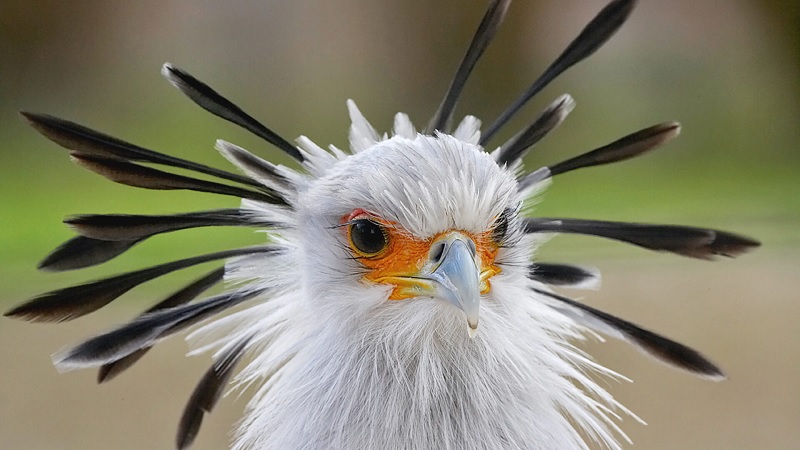
Waterfowl such as ducks, geese, and swans, along with other aquatic birds like herons and cormorants, often display distinctive behaviors when laying down and spreading their wings. For these birds, this posture serves several important functions related to their watery habitats.
One common behavior seen in waterfowl is spreading wings while resting on land or floating on water. This action helps them dry their feathers after swimming or diving. Because their feathers need to remain waterproof, drying is essential to maintain buoyancy and insulation. Laying down with wings spread out in the sun allows water to evaporate more quickly, keeping the feathers in optimal condition.
Aquatic birds also use this wing-spreading posture as part of their thermoregulation. Floating in cool water can lower their body temperature, so spreading wings and lying down in the sun helps absorb warmth. Conversely, when exposed to hot weather, aquatic birds might spread their wings to allow cooling air to circulate, particularly when resting on shaded banks or rocks.
Additionally, many waterfowl use wing spreading as a social or territorial signal. For example, during mating season, male ducks often spread their wings dramatically to display strength and attract mates. When laying down and spreading wings in these cases, it may be part of a courtship ritual or a way to assert dominance over rivals.
Raptors and Birds of Prey
Raptors, including hawks, eagles, falcons, and owls, show different patterns in their wing-spreading behavior when laying down. These birds of prey rely heavily on sharp vision, swift flight, and stealth, so their wing behaviors are closely tied to these needs.
One of the most recognized behaviors in raptors is sunning, where they spread their wings wide while perched or lying down. Sunning helps maintain the condition of their feathers by drying out moisture and controlling parasites like mites or lice that could impair their ability to hunt effectively.
Raptors also spread their wings while resting to keep muscles loose and ready for sudden flight. Unlike waterfowl, these birds often remain alert even while laying down, ready to take off quickly if prey or threats appear. The wing-spreading posture increases their surface area, which aids in rapid warming of muscles necessary for powerful flight.
In addition to maintenance and thermoregulation, some raptors use wing spreading as a defensive posture. When threatened, spreading wings can make the bird look larger and more intimidating to potential predators or rivals. For owls, spreading wings while lying low can also serve as camouflage by mimicking tree branches or shadows.
Songbirds and Small Birds
Songbirds and smaller birds exhibit a variety of wing-spreading behaviors that often reflect their delicate size and active lifestyles. These birds rely on agility, speed, and vocal communication, so their wing postures serve slightly different purposes.
Small birds commonly spread their wings while sunbathing to regulate body temperature and promote feather health. Because their smaller size makes them more vulnerable to temperature changes, sunning helps them maintain energy levels, especially during colder seasons or early mornings.
Laying down and spreading wings also supports preening behavior among songbirds. Preening is critical for maintaining feather condition, which affects flight efficiency and insulation. By spreading wings, small birds gain access to hard-to-reach feathers, allowing them to remove parasites and align each feather precisely.
Some small birds use wing spreading as a subtle communication tool. During courtship or territorial disputes, spreading wings can signal readiness to mate or warn rivals. When combined with vocal calls and displays, this posture becomes part of complex social interactions.
Observing Bird Behavior Safely
Observing bird behavior safely is essential both for the well-being of the birds and for an enjoyable experience. When watching birds, it’s important to maintain a respectful distance to avoid causing them stress or disrupting their natural activities, especially when they are resting or spreading their wings. Using binoculars or zoom lenses allows you to get a closer look without intruding on their space.
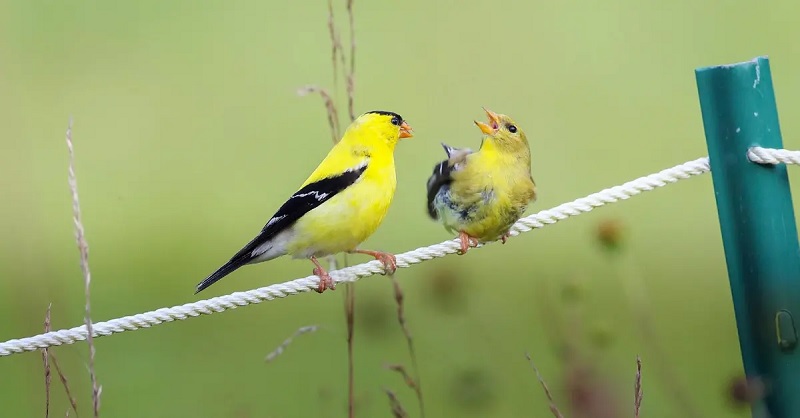
Move slowly and quietly to prevent startling them, and avoid sudden movements or loud noises. If you come across nesting birds or those caring for young, extra caution is needed to minimize disturbance. Additionally, always observe birds in their natural habitats without attempting to touch or feed them, as human interaction can negatively impact their health and behavior. Following these guidelines ensures that both you and the birds remain safe while you enjoy the fascinating world of avian behavior.
Frequently Asked Questions
Is Spreading Wings While Lying Down A Sign Of Illness In Birds?
Not necessarily. While birds may spread their wings when they feel unwell or injured to reduce strain or promote healing, this behavior is often part of normal activities like sunbathing or preening. However, if you notice lethargy, awkward wing positioning, or other unusual signs along with wing spreading, it might indicate health issues requiring closer observation.
How Does Wing Spreading Help Birds With Thermoregulation?
Spreading wings increases a bird’s body surface area, allowing them to control their temperature more effectively. In cooler weather, birds spread their wings to soak up sunlight and warm their bodies. Conversely, in hot weather, spreading wings helps release excess heat by exposing skin to cooling breezes, preventing overheating.
Do All Bird Species Lay Down And Spread Their Wings?
No, this behavior varies depending on the species and their specific needs. Waterfowl, raptors, and songbirds all display wing spreading but for different reasons. For example, aquatic birds often spread wings to dry feathers, while raptors use the posture for sunning and muscle warming, and songbirds primarily for preening and temperature regulation.
Can Spreading Wings Be A Defensive Behavior?
Yes, some birds spread their wings to appear larger and deter predators or rivals. This defensive posture can intimidate threats by making the bird look more imposing. Ground-nesting birds may also spread wings while lying low to camouflage themselves, blending into their surroundings to avoid detection.
Why Do Birds Spread Their Wings While Preening?
Spreading wings helps birds reach feathers that are otherwise difficult to access. Preening keeps feathers clean, aligned, and free from parasites. This maintenance is crucial for flight efficiency, insulation, and waterproofing, so wing spreading during preening is an essential part of feather care.
Is It Safe To Approach A Bird That Is Lying Down With Spread Wings?
Approaching a bird in this posture requires caution. While it might simply be resting or sunbathing, the bird could also be injured or stressed. Maintaining a respectful distance and observing quietly ensures you don’t disturb or frighten the bird. Using binoculars or zoom lenses is a good way to watch without causing harm.
How Can Understanding This Behavior Help Birdwatchers?
Knowing why birds lay down and spread their wings enhances birdwatching by providing insights into their health, comfort, and environmental needs. Recognizing normal versus unusual behaviors helps you better appreciate bird habits and detect signs of stress or illness. This understanding promotes respectful and informed wildlife observation.
Conclusion
Birds lay down and spread their wings for a variety of important reasons that go beyond simple rest. This behavior plays a vital role in thermoregulation, helping birds warm up in the sun or cool down in hot weather. It also aids in feather maintenance through preening, ensuring their plumage stays healthy and functional. Additionally, spreading wings can serve as a protective strategy—whether for camouflage, signaling, or injury recovery.
Understanding why birds adopt this posture offers valuable insight into their daily lives and survival strategies. By observing these behaviors thoughtfully and respectfully, you gain a deeper appreciation for the complexity and adaptability of birds in their natural environments. This simple act reflects the intricate balance birds maintain between comfort, health, and safety.