
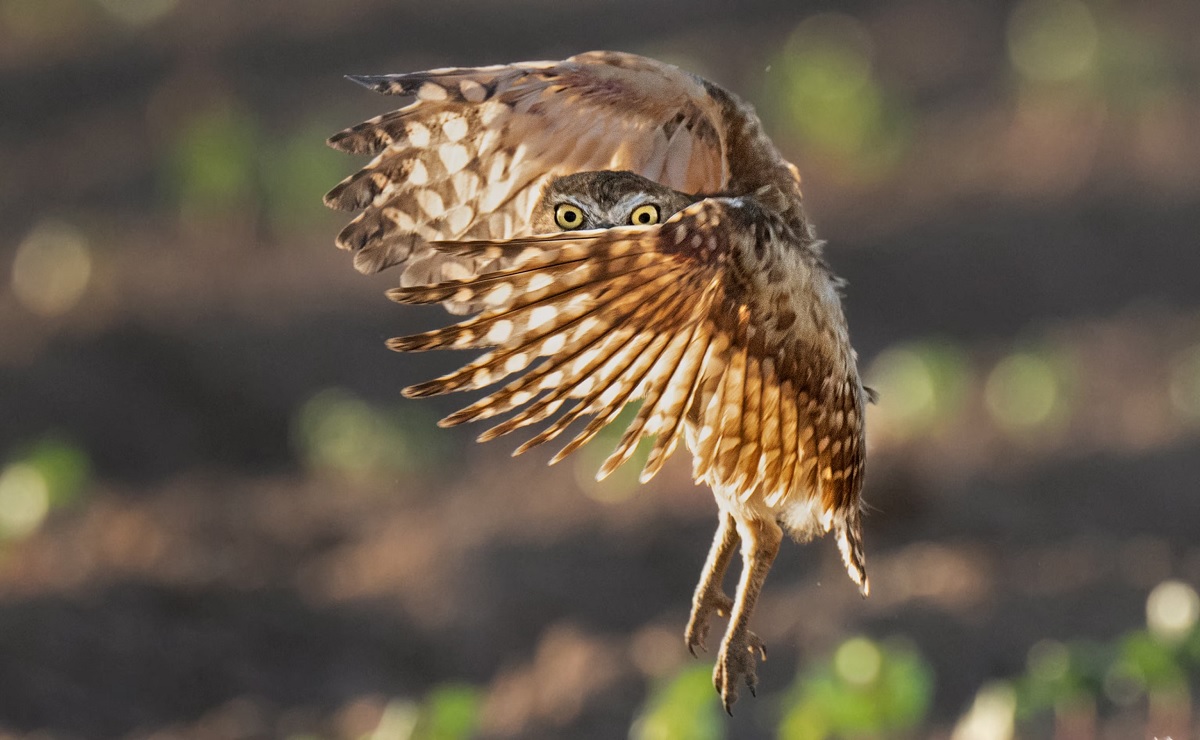
Birds spreading their wings on the ground is a fascinating behavior that often catches the attention of bird watchers and nature lovers. Understanding why birds spread their wings on the ground reveals a lot about their natural instincts and survival strategies. This behavior can serve multiple purposes such as regulating body temperature, deterring predators, or even taking care of their feathers.
When you see a bird spread its wings flat against the earth, it’s not just random movement; it’s a purposeful action driven by instinct. This keyword helps us explore these behaviors in detail, shedding light on how birds communicate, maintain their health, and interact with their environment. Observing this behavior can deepen your appreciation for birds and offer insights into their daily lives beyond just flying and singing. Knowing why birds spread their wings on the ground enriches our connection to the natural world around us.
Common Reasons Birds Spread Their Wings on the Ground
Birds often display unique behaviors that can seem curious or mysterious to observers. One such behavior is spreading their wings while on the ground. This action serves several important functions related to their health, safety, and communication. Understanding these common reasons helps explain why birds engage in this behavior and what it means in their daily lives.
Thermoregulation and Cooling Down
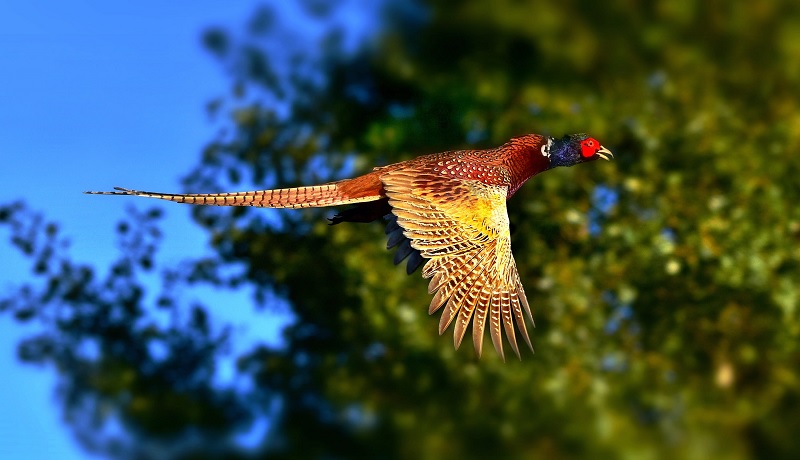
One of the primary reasons birds spread their wings on the ground is to regulate their body temperature. Birds do not sweat like humans, so they use other methods to cool down or warm up. By spreading their wings wide, birds expose more surface area to the sun or a cool breeze. On hot days, this posture helps them release excess heat by allowing air to flow freely over their skin and feathers. Conversely, during cooler weather, they may spread their wings to absorb warmth from sunlight, helping maintain their body temperature efficiently.
Dust Bathing and Feather Maintenance
Another important reason birds spread their wings while on the ground is to take dust baths. Dust bathing is a natural behavior that helps birds keep their feathers clean and free from parasites such as mites and lice. When a bird spreads its wings and rolls or flaps in loose soil or dust, the fine particles absorb excess oil and dirt from the feathers. This behavior is essential for feather health because clean feathers maintain insulation and flight efficiency. Dust bathing also reduces the risk of infections and keeps the bird comfortable.
Display and Communication
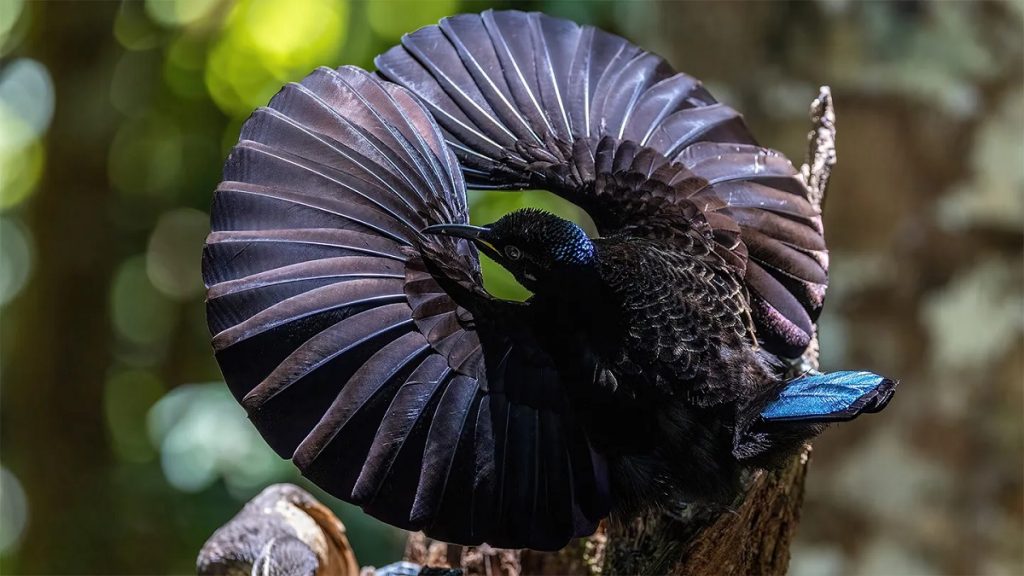
Spreading wings on the ground can be a form of display or communication between birds. For example, some birds spread their wings to appear larger and more intimidating to potential predators or rivals. This visual signal can deter threats and protect the bird without engaging in physical conflict. Additionally, during courtship or territorial displays, birds might spread their wings to attract mates or warn other birds to stay away. This body language is a key part of their social interactions and survival strategies.
Parasite Relief and Itch Relief
Birds sometimes spread their wings on the ground to relieve itching caused by parasites or skin irritation. The movement and rubbing against the ground help scratch hard-to-reach areas under the wings and around the body. This behavior can be combined with flapping or shaking to dislodge parasites or debris trapped in the feathers.
Stretching and Muscle Exercise
Just like humans stretch their limbs, birds spread their wings on the ground to stretch and exercise their muscles. This helps keep their wings flexible and strong, preparing them for flight. Stretching also improves blood circulation and relieves muscle stiffness, especially after long periods of rest or inactivity.
Species Known for This Behavior
Certain bird species are particularly known for spreading their wings on the ground, displaying this behavior more frequently or prominently than others. This action serves different purposes depending on the species, their environment, and their unique habits.
Turkey Vultures and Sunbathing
Turkey vultures are famous for their wing-spreading behavior, often seen standing with wings fully extended. They do this primarily for sunbathing, which helps warm their bodies after cool nights. The sun’s heat also aids in drying out their wings and killing bacteria or parasites that might be present. This behavior is common in open fields or perches where they can catch maximum sunlight.
Black Vultures and Thermoregulation
Similar to turkey vultures, black vultures frequently spread their wings while perched or on the ground. They use this posture to regulate their body temperature, especially in the early morning hours. By absorbing heat from the sun, they prepare their muscles for flight and improve digestion after feeding.
Pigeons and Dust Bathing
Pigeons are well-known for spreading their wings during dust bathing. This behavior is essential for maintaining feather health and controlling parasites. Pigeons will find a dry, dusty patch on the ground, spread their wings, and flap or roll around to coat their feathers in dust, which absorbs oils and removes dirt.
Crows and Ravens Stretching
Crows and ravens sometimes spread their wings while standing on the ground as part of stretching exercises. This helps maintain flexibility and muscle tone in their wings, especially after resting. It also plays a role in social displays, where a wing spread can signal confidence or assertiveness.
Ground-Dwelling Birds Like Quails and Grouse
Birds such as quails and grouse often spread their wings on the ground as part of dust or sand bathing. This behavior cleans their feathers and helps reduce parasites. Because these birds spend much time on the ground, this wing-spreading action is a critical part of their daily routine for maintaining feather condition and health.
How to Observe This Behavior Responsibly
Watching birds spread their wings on the ground can be a fascinating experience, but it’s important to observe this behavior with care and respect. Responsible birdwatching ensures the safety and well-being of the birds while allowing you to enjoy their natural habits.
Maintain a Safe Distance
Always keep a respectful distance when observing birds. Getting too close can startle them, causing stress or forcing them to flee. Use binoculars or a camera with a zoom lens to get a closer look without disturbing their natural behavior. Staying quiet and still helps birds feel safe and more likely to continue their wing-spreading or other activities.
Avoid Interrupting Their Routine
Birds spread their wings on the ground for specific reasons like thermoregulation or dust bathing. Avoid interfering by not stepping too close or making sudden movements. Interrupting their behavior can disrupt important processes such as feather maintenance or cooling down, which can affect their health.
Observe in Appropriate Settings
Choose locations where birds are naturally found, such as parks, nature reserves, or backyards where feeders are placed. Avoid entering nesting areas or restricted habitats, as these can be sensitive zones. Observing birds in their natural environment allows you to witness authentic behavior without causing harm.
Use Ethical Photography Practices
If photographing birds during wing-spreading behavior, avoid using flash or loud shutter sounds that can frighten them. Capture images from a distance and minimize time spent near the birds. This approach respects their space and reduces stress while allowing you to document their fascinating actions.
When to Be Concerned About Bird Behavior
While many bird behaviors, including spreading their wings on the ground, are natural and harmless, there are times when such actions may indicate a problem. Recognizing when to be concerned helps protect the health and safety of birds.
Signs of Injury or Illness
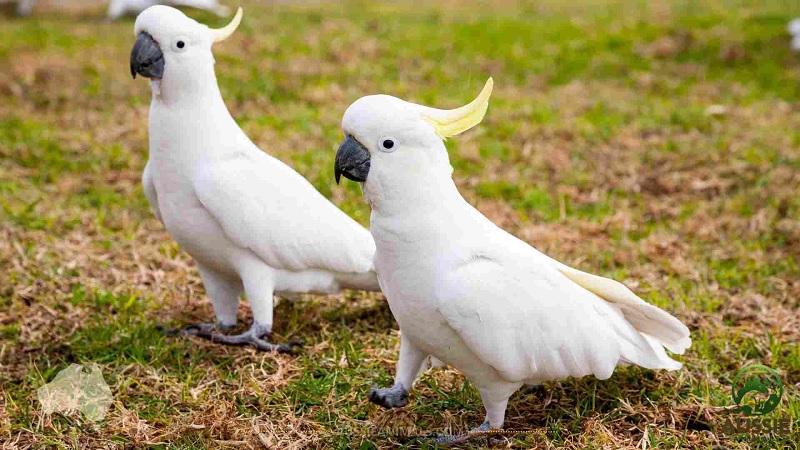
If a bird is spreading its wings on the ground but appears weak, lethargic, or unable to fly, it may be injured or sick. Look for other symptoms such as labored breathing, visible wounds, or unusual posture. Birds exhibiting these signs need help, and contacting a local wildlife rehabilitator or bird rescue organization is recommended.
Unusual or Repetitive Behavior
Birds may spread their wings frequently or remain on the ground for extended periods if they are stressed or unwell. Repetitive wing spreading without obvious reason or refusal to fly could suggest underlying issues like parasites, infections, or environmental hazards affecting the bird’s well-being.
Environmental Hazards
If you notice birds displaying wing-spreading behavior near areas with pollution, chemical spills, or heavy human disturbance, their behavior could be a response to stress or exposure to harmful substances. These situations require attention to prevent harm to local wildlife populations.
FAQs
Why Do Birds Spread Their Wings On The Ground?
Birds spread their wings on the ground for several reasons including thermoregulation, feather maintenance, and communication. By spreading their wings, they can absorb sunlight to warm up, cool down by exposing skin to air, or dust bathe to remove parasites. This behavior helps keep their feathers healthy and supports their survival.
Is Wing Spreading A Way For Birds To Cool Down?
Yes, wing spreading helps birds cool down by increasing airflow over their bodies. Since birds don’t sweat, exposing more skin surface to the breeze allows heat to dissipate. You’ll often see birds spreading their wings on hot days to regulate body temperature naturally.
Do Birds Spread Their Wings On The Ground To Sunbathe?
Absolutely. Sunbathing is a common reason for birds to spread their wings while on the ground or perched. The sun’s warmth helps dry their feathers, control parasites, and boost vitamin D production. This behavior improves feather condition and overall health.
Can Birds Spread Their Wings To Get Rid Of Parasites?
Yes, birds often spread their wings to dust bathe or sunbathe, both of which help control parasites like mites and lice. Dust particles absorb excess oils and remove dirt, while sun exposure can kill some parasites. These natural grooming behaviors keep birds comfortable and healthy.
Is Wing Spreading A Form Of Communication Among Birds?
Sometimes. Birds may spread their wings to appear larger and more intimidating to predators or rivals. During courtship or territorial displays, wing spreading can signal strength or attract mates. It’s an important part of bird social behavior.
Do All Birds Spread Their Wings On The Ground?
Not all birds do this frequently, but many species like vultures, pigeons, crows, and ground-dwelling birds such as quail often exhibit this behavior. The reasons vary based on the species’ environment, habits, and needs.
Should You Be Concerned If A Bird Spreads Its Wings On The Ground?
Usually, wing spreading is normal behavior. However, if a bird seems unable to fly, appears injured, or repeats wing spreading without flying away, it might be sick or hurt. In such cases, contacting a wildlife expert or rehabilitator is advisable.
Final Words
Birds spread their wings on the ground for a variety of important reasons, including regulating body temperature, maintaining feather health, and communicating with other birds. This behavior helps them cool down, warm up, remove parasites, and display signals during social interactions. While it might seem unusual at first, wing spreading is a natural and essential part of many birds’ daily routines.
Observing this behavior offers valuable insight into their survival strategies and overall well-being. Understanding why birds spread their wings on the ground deepens our appreciation for their adaptability and the many ways they interact with their environment. Recognizing these behaviors also helps us support bird health and enjoy more meaningful wildlife experiences.