
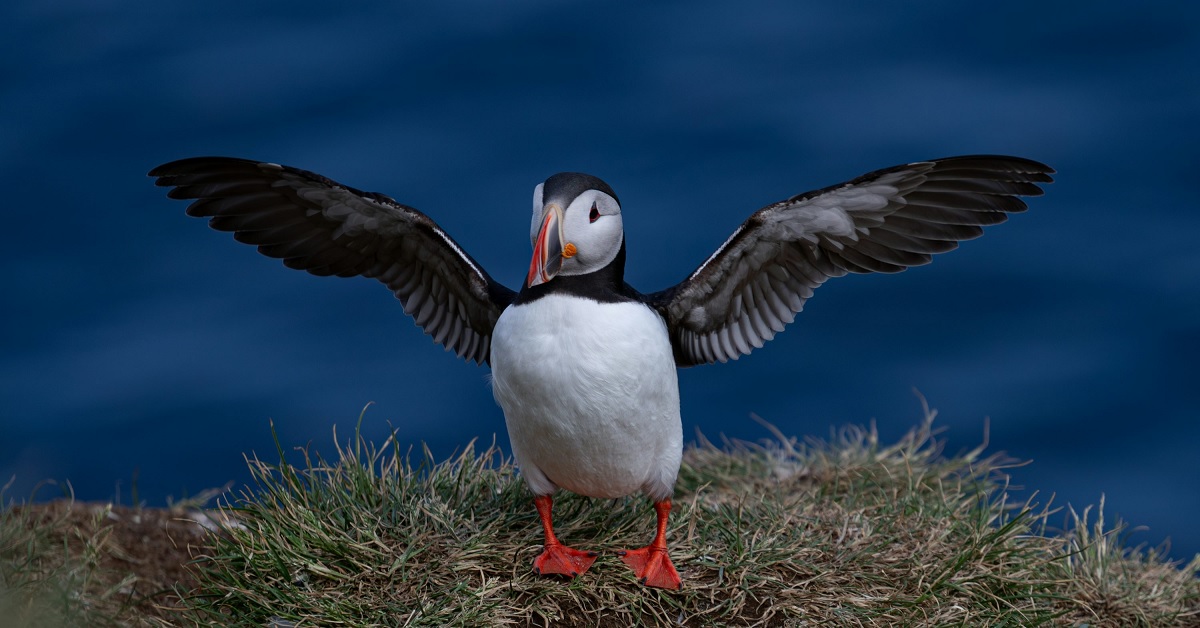
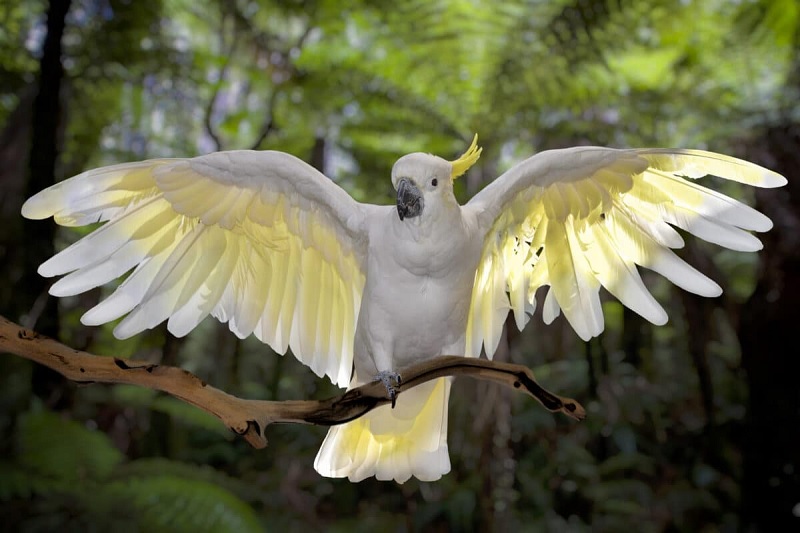
Why do birds stand with their wings spread? This curious behavior often catches the eye of anyone observing birds closely. Birds don’t just stretch their wings randomly; there are several practical reasons behind this posture. Sometimes, spreading their wings helps them regulate body temperature, allowing heat to escape on hot days or soak up sunlight when it’s chilly. Other times, birds might spread their wings to dry them after a bath or rain.
This position can also play a role in communication or territorial displays, signaling to other birds nearby. Understanding why birds stand with their wings spread gives us a glimpse into their natural habits and survival strategies. It’s a simple yet fascinating behavior that shows how birds adapt to their environment while staying comfortable and alert. Whether in a backyard or deep in the wild, spotting a bird with wings spread is a reminder of nature’s intricate balance.
Introduction to Wing-Spreading Behavior
Wing-spreading is a common behavior in many bird species, serving multiple purposes such as regulating body temperature, drying feathers, and communicating with others. Birds spread their wings to absorb sunlight for warmth or to cool down, and after getting wet, they use this posture to dry off efficiently. This behavior also plays a role in displays of dominance or courtship, making wing-spreading an essential and versatile part of avian life.
Overview of Wing-Spreading in Birds
Wing-spreading is a fascinating behavior commonly observed in many bird species. This action, where birds stand or perch with their wings partially or fully extended away from their bodies, serves several important purposes. It is not merely a random or decorative gesture but a vital part of how birds manage their physical needs and interact with their environment.
One primary reason birds spread their wings is thermoregulation. By opening their wings, birds can either absorb warmth from the sun or release excess heat, helping to maintain an ideal body temperature. This is especially helpful on cooler mornings or after exertion. Additionally, wing-spreading aids in drying feathers after bathing or rainfall, preventing the feathers from becoming waterlogged, which could interfere with flight and insulation.
Another key function of this behavior lies in communication and display. Some birds use wing-spreading to appear larger and more intimidating, signaling dominance or warding off potential predators or rivals. In courtship rituals, wing displays can attract mates by showcasing the bird’s health and vitality. Overall, wing-spreading is a multifunctional behavior that supports survival and social interaction.
Common Species Exhibiting This Behavior
Many bird species around the world are known for their wing-spreading habits, each using it for slightly different reasons based on their lifestyle and habitat. Raptors like hawks and eagles often spread their wings to dry them after hunting in wet conditions or to soak up the sun’s rays while resting. These majestic birds use the behavior both for practical needs and as a way to display strength and territory.
Waterfowl and wading birds, including herons and cormorants, frequently spread their wings after diving into water. Cormorants, in particular, are famous for their dramatic wing-spreading posture, standing on rocks or branches with wings stretched wide to dry their feathers efficiently. This is crucial because their feathers are less waterproof compared to other birds, making drying essential to their flight ability.
Smaller birds such as sunbirds or bee-eaters might spread their wings during courtship or territorial displays. Even some songbirds use partial wing-spreading as part of their body language to communicate with others in their flock.
Reasons Birds Spread Their Wings
Birds spreading their wings is a behavior rich with purpose, far beyond simple movement or flight preparation. This fascinating action serves several important functions essential for their survival and communication. Understanding these reasons gives deeper insight into bird behavior and helps appreciate how adaptable and intelligent these creatures are in managing their environment.
Thermoregulation
One of the primary reasons birds spread their wings involves regulating their body temperature, a process known as thermoregulation. Birds need to maintain an optimal temperature for their metabolism and overall health, and wing-spreading plays a crucial role in this.
Cooling Down on Hot Days
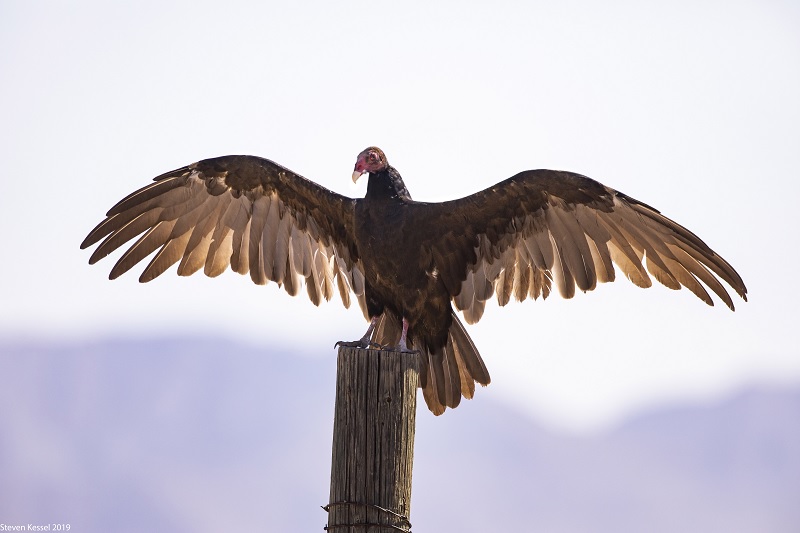
On warm or sunny days, birds often spread their wings to cool down. By extending their wings away from their bodies, they increase the surface area exposed to the air, allowing heat to dissipate more effectively. This behavior helps prevent overheating, especially during intense heat or after vigorous activity. The airflow between the feathers cools the bird’s skin and blood vessels, providing a natural cooling system. You might see birds in open areas or perching in the shade using this method to beat the heat.
Warming Up in the Sun
Conversely, on cooler days or early mornings, birds spread their wings to absorb sunlight and warm their bodies. The sun’s rays heat the exposed feathers and skin, helping to raise their body temperature after a cold night or before they become active. This sunbathing behavior is common in many species and helps conserve energy that would otherwise be spent shivering or generating internal heat. The wings act like solar panels, capturing warmth efficiently.
Drying Their Feathers
After a bath, rainfall, or diving into water, many birds need to dry their feathers quickly to maintain their ability to fly and insulate properly. Waterlogged feathers can become heavy and reduce a bird’s buoyancy and agility. Spreading wings wide allows air to circulate through the feathers, speeding up evaporation. This drying posture is especially prominent in species like cormorants and herons, which frequently enter water. You might often spot these birds perched with wings stretched out, patiently drying off under the sun or breeze.
Display and Communication
Wing-spreading also plays a vital role in how birds communicate with each other and express social signals. It is a visual tool used in different contexts such as establishing territory or attracting a mate.
Territorial Displays
Many birds spread their wings to appear larger and more imposing when defending territory. This display can deter rivals or predators by signaling strength and dominance. By showcasing their wingspan, birds visually claim their space without resorting to physical fights. This behavior is common among raptors, crows, and other territorial species.
Mating and Courtship Signals
In courtship rituals, wing-spreading is often used to impress potential mates. Birds may combine this behavior with vibrant feather displays, calls, and dances to demonstrate their fitness and attractiveness. Spreading wings highlights colorful or patterned feathers that catch the eye, playing a crucial role in mate selection. Peacocks, birds of paradise, and many songbirds use wing displays to enhance their chances of reproduction.
Stretching and Exercise
Apart from practical and social reasons, wing-spreading is also a simple way for birds to stretch their muscles and maintain flexibility. Just like humans stretch after sitting or resting, birds extend their wings to keep muscles supple and ready for flight. This movement helps prevent stiffness and supports overall wing health. It’s a natural exercise that birds perform regularly, especially after long periods of inactivity or sleep.
Environmental and Situational Factors
Birds’ wing-spreading behavior is strongly influenced by environmental and situational factors. Weather conditions like heat, sunlight, rain, and wind determine when birds spread their wings to cool down, warm up, or dry off. Habitat also plays a role—birds in open, sunny areas spread their wings more for thermoregulation, while water birds use this behavior to dry after diving. Even urban settings and migratory stopovers affect how and when wing-spreading occurs, showcasing birds’ adaptability.
Weather Conditions Influencing Wing-Spreading
Weather plays a significant role in shaping when and why birds spread their wings. Temperature, sunlight, humidity, and precipitation all influence this behavior, prompting birds to adjust their wing positions accordingly.
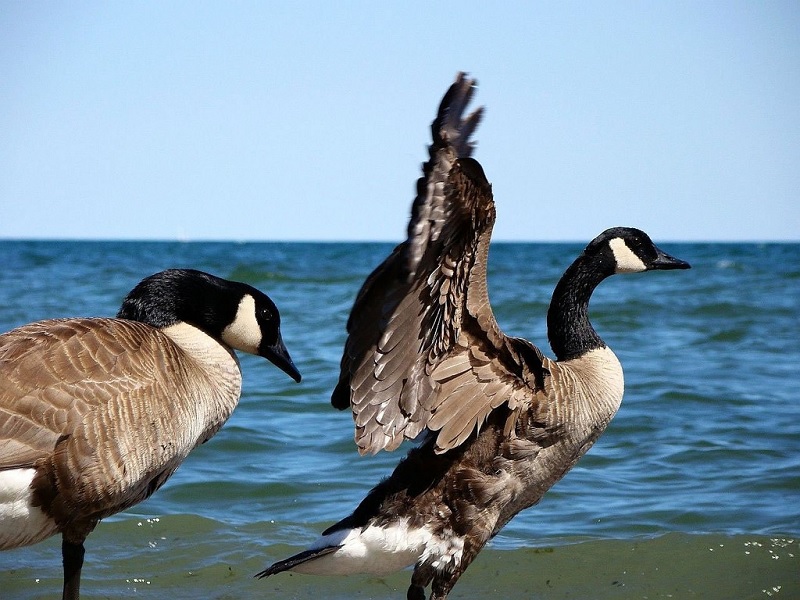
On hot, sunny days, wing-spreading helps birds cool down by allowing air to circulate through their feathers and dissipate heat. Conversely, during chilly or overcast conditions, birds often spread their wings to absorb whatever sunlight is available, raising their body temperature and maintaining warmth.
Rain and humidity also impact wing-spreading. After rain or a bath, many birds will extend their wings wide to dry their feathers quickly. Damp feathers can become heavy and reduce flight efficiency, so drying is crucial for maintaining agility and insulation. Windy conditions can further assist this drying process by increasing airflow through the feathers. However, during extremely cold or windy weather, birds may avoid wing-spreading to conserve heat and protect their feathers from damage.
Habitat and Location Impact
The environment where a bird lives also affects how often and why it spreads its wings. Birds in open, sunny habitats such as grasslands or deserts might spread their wings frequently to regulate temperature and sunbathe. Species living near water, like cormorants and herons, often spread their wings to dry after diving or wading, making wing-spreading an essential daily ritual.
In dense forests or shaded areas, wing-spreading may be less common or take on different roles, such as communication within flocks or territorial displays. Urban birds might also adapt their wing-spreading habits based on available sun exposure and human activity. For example, city pigeons often use building ledges to perch and sunbathe, spreading their wings during quiet moments.
How to Observe and Interpret Wing-Spreading Behavior
To understand why a bird spreads its wings, observe the context carefully. Weather, location, and accompanying actions like vocalizing or posture provide important clues. For instance, wing-spreading after rain likely means drying feathers, while on a sunny day it may indicate sunbathing.
Different species also use wing-spreading differently—raptors may display dominance, while water birds dry off. Noticing these details helps interpret this behavior accurately and enhances your birdwatching experience.
Identifying the Cause Based on Context
Observing wing-spreading behavior can offer valuable clues about a bird’s current needs or intentions, but correctly interpreting it requires paying attention to the surrounding context. For example, if you see a bird spreading its wings on a hot day, it’s likely trying to cool off by increasing airflow over its body. Similarly, if a bird extends its wings after coming out of water or rain, it’s probably drying its feathers to maintain flight efficiency.
Wing-spreading during early mornings or in shaded areas can indicate sunbathing for warmth. Additionally, wing-spreading accompanied by vocalizations or specific postures may signal communication, such as territorial defense or courtship. Understanding the environmental conditions and the bird’s behavior before and after wing-spreading is key to interpreting the reason behind it accurately.
Differences Among Bird Species
Different bird species use wing-spreading for varying purposes depending on their ecological niche and physical characteristics. Raptors like hawks and eagles often spread their wings to dry off after hunting or to display dominance within their territory. Water birds such as cormorants and herons are well-known for their dramatic wing-spreading after dives, helping them dry waterlogged feathers. Smaller songbirds might spread their wings subtly as part of mating displays or social communication within flocks.
Some species have unique adaptations—for example, the peacock’s wing-spreading is an elaborate part of its courtship ritual, showcasing vivid plumage to attract mates. Recognizing these species-specific differences will enrich your birdwatching experience and deepen your understanding of avian behavior. By combining knowledge of context and species traits, you can better appreciate the complexity behind wing-spreading and what it reveals about bird life.
Frequently Asked Questions
How Does Wing-Spreading Help Birds Cool Down?
When the temperature rises, birds spread their wings to increase airflow around their bodies. This allows heat to escape more efficiently, preventing overheating. By exposing more surface area, the circulating air helps cool the bird’s skin and blood vessels. You’ll often see this behavior during hot weather or after physical exertion when birds need to lower their body temperature.
Why Do Birds Spread Their Wings to Dry?
After rain or a bath, birds’ feathers become wet and heavy, making flight difficult and reducing insulation. By standing with wings spread, they expose their feathers to sunlight and wind, speeding up the drying process. This is crucial for maintaining feather condition and flight readiness. Birds like cormorants are especially known for this drying behavior.
Can Wing-Spreading Be a Form of Communication?
Yes, birds use wing-spreading as a visual signal to communicate with others. This behavior can serve as a territorial display to warn rivals or predators by making the bird appear larger and more intimidating. It also plays a role in mating rituals, where spreading wings highlights colorful feathers and attracts potential mates.
Do All Bird Species Spread Their Wings for the Same Reasons?
Not exactly. While thermoregulation, drying, and communication are common reasons, different species may emphasize certain functions more. For example, water birds frequently spread wings to dry off, while raptors may use wing-spreading primarily for territorial displays. Understanding the species’ habits and habitat helps explain variations in wing-spreading behavior.
Is Wing-Spreading Also a Form of Exercise for Birds?
Absolutely. Birds often spread their wings to stretch their muscles and keep them flexible. This stretching helps maintain wing strength and mobility, especially after resting or sleeping. Regular stretching ensures that birds remain ready for flight and prevents muscle stiffness, making wing-spreading a vital part of their physical health.
Conclusion
Birds standing with their wings spread is a fascinating behavior that serves multiple important purposes. Whether they are regulating their body temperature, drying their feathers after getting wet, or communicating through displays of dominance and courtship, this simple action reflects the bird’s adaptability and survival instincts. Observing wing-spreading provides insight into how birds interact with their environment and each other.
Different species use this behavior in unique ways, highlighting the diversity of avian life. Next time you see a bird with its wings spread, you’ll understand that it’s doing much more than just stretching—it’s performing a vital function that helps it stay healthy, comfortable, and connected within its natural world. This behavior is a small but remarkable example of nature’s complexity.