
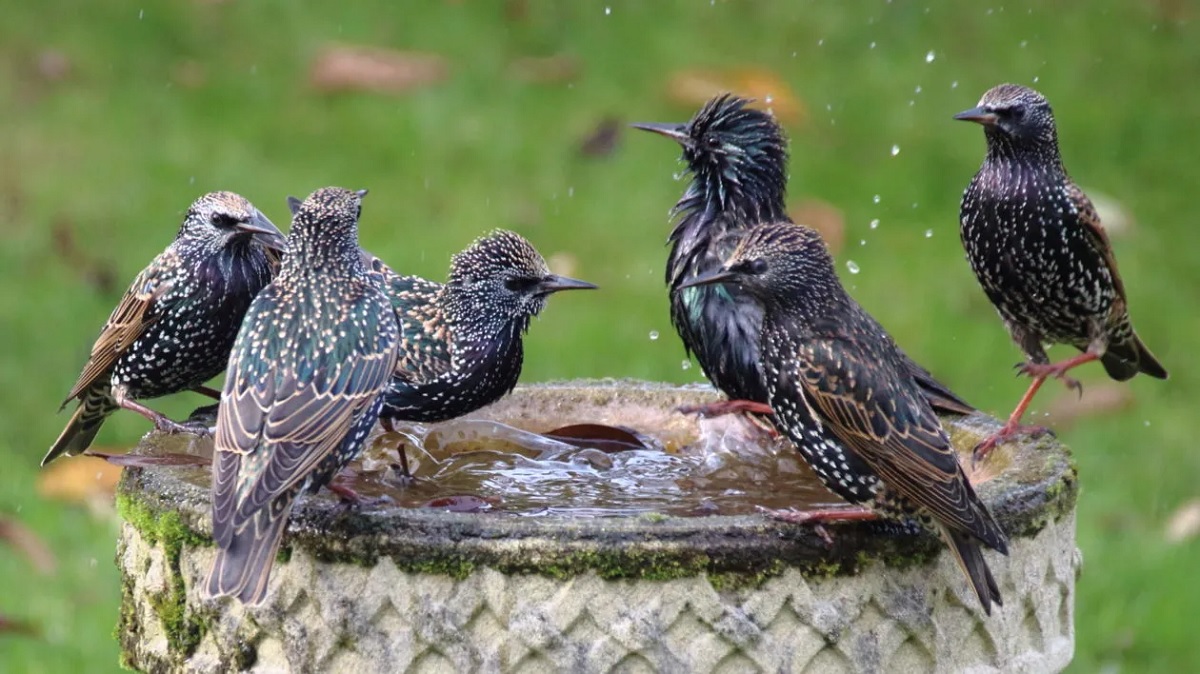
Have you ever watched a bird fluttering in a puddle or splashing in a birdbath and wondered, why do birds take baths? It’s a curious and charming sight—tiny wings flapping, droplets flying everywhere, and for a moment, it feels like you’re witnessing a private little ritual. But beyond the cuteness, there’s a real reason birds bathe, and it’s more practical than you might think. Birds take baths not just to cool off or play, but to keep their feathers in top condition.
Clean feathers help them fly better, regulate their body temperature, and stay healthy by removing dust, parasites, and excess oil. For birds, a good bath can be the difference between survival and struggle. In this article, we’ll explore the fascinating science and behavior behind this natural habit and answer the simple but important question: why do birds take baths? Whether you’re a bird lover or just curious, this everyday mystery might surprise you.
The Purpose of Bird Baths
Birds may seem like they’re just playing around when they splash in water, but there’s actually a lot going on beneath the surface. Bird baths serve several critical purposes that directly impact a bird’s health and survival. From feather care to staying cool, here’s why bird baths are more than just nature’s tiny spas.
Feather Maintenance and Preening
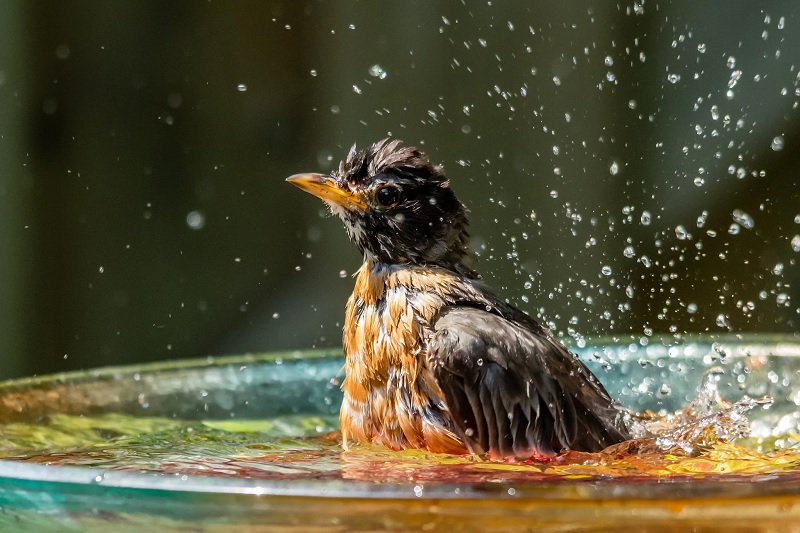
One of the main reasons birds use bird baths is to keep their feathers in prime condition. Clean feathers are essential for flying efficiently and maintaining insulation. When birds bathe, water loosens dirt and debris that gets trapped in their plumage. After bathing, birds will spend time preening—using their beaks to align feathers, remove remaining particles, and spread natural oils from a gland near their tail.
This oil is key to keeping feathers waterproof and flexible. Without regular bathing and preening, a bird’s feathers can become dry, damaged, or misaligned, making flight harder and leaving them vulnerable to the elements.
Parasite Control
Birds are often hosts to a variety of parasites such as mites, lice, and fleas. A good soak in a bird bath can help dislodge these pests from feathers and skin. While water alone may not eliminate all parasites, it makes it easier for birds to spot and remove them during preening.
Regular bathing also supports the bird’s immune system. By reducing external parasites and maintaining clean plumage, birds lower their risk of infection and disease, especially in warmer months when parasites thrive.
Temperature Regulation
In hot weather, bird baths offer a vital way for birds to regulate their body temperature. Unlike mammals, birds don’t sweat. Instead, they rely on panting and evaporative cooling through their skin and feathers. Taking a quick dip in water helps them cool down, especially during heatwaves when shade and hydration become even more critical.
In colder climates, birds may also bathe—just less frequently. Clean, well-aligned feathers trap air and keep birds warm. A dirty or matted feather coat loses its insulating properties, making it harder for birds to retain heat.
How Birds Bathe
Birds are surprisingly resourceful when it comes to staying clean. While we often picture them splashing in a puddle or birdbath, their bathing habits are far more diverse and fascinating. Depending on the species, environment, and season, birds use several methods to keep their feathers clean, healthy, and functioning at their best.

Different Bathing Methods
Not all birds bathe the same way. Some prefer water, others use dust, and a few even turn to ants! These methods may seem strange, but each plays a specific role in feather care, pest control, or comfort. Understanding how birds bathe gives us a closer look into their natural instincts and the clever ways they maintain their bodies.
Water Bathing
The most familiar method is water bathing. Birds often seek out shallow water sources—like puddles, streams, or backyard birdbaths—to wet their feathers. They’ll dip their bodies, flutter their wings, and splash water over themselves. This helps loosen dirt, remove parasites, and cool their bodies.
After the bath, birds will perch nearby to shake off excess water and begin preening. This process realigns their feathers and spreads protective oils, keeping their plumage functional and weather-resistant.
Dust Bathing
In drier environments or when water is scarce, many birds—like sparrows, quail, and larks—rely on dust bathing. These birds find dry, loose soil and dig small depressions to toss fine dust over their bodies. The dust absorbs excess oils and helps dislodge parasites and dead skin.
Afterward, birds will shake off the dust and preen, just like they would after a water bath. Dust bathing may look unusual, but it’s an effective and essential part of many birds’ grooming routines.
Anting
Perhaps the most curious bathing method is anting. Birds like crows, jays, and robins sometimes allow ants to crawl over their bodies or actively rub crushed ants into their feathers. The ants release formic acid, which is believed to help kill parasites and soothe skin.
Though it’s not a bath in the traditional sense, anting is a unique behavior that serves a similar purpose—controlling pests and maintaining feather health.
Frequency of Bathing
How often birds bathe depends on the species, climate, and time of year. Some birds may bathe daily in warm weather, while others clean themselves less frequently. During molting or breeding seasons, birds often increase their bathing habits to support feather regeneration and overall health.
Bird Species and Bathing Habits
Birds may share the need to stay clean, but their bathing habits can vary widely depending on species, habitat, and lifestyle. From your backyard to remote rainforests, birds have adapted different ways to keep their feathers in top condition. Whether they live in wet, dry, cold, or tropical environments, each species has developed unique bathing behaviors suited to their surroundings.

Common Backyard Birds
Many of the birds you see in gardens or neighborhood parks are regular bathers. Species like robins, sparrows, chickadees, and finches love to visit birdbaths, puddles, or shallow streams. These birds often bathe daily, especially during warmer months. You might see them flapping, splashing, and dipping repeatedly before flying off to preen.
Backyard birds are generally quick bathers. They spend just a minute or two in the water, but the routine is vital. It helps keep their feathers clean and flexible, which supports everything from flight to temperature control. Providing a birdbath can attract these birds and give you a close-up view of their fascinating hygiene habits.
Tropical vs. Temperate Species
Bathing behaviors also differ between birds in tropical and temperate climates. Tropical birds—such as toucans, parrots, and tanagers—often have access to abundant rain and humidity. Many take advantage of rain showers, perching with wings outstretched to enjoy a natural rinse. In rainforest environments, birds may bathe using wet leaves, rain-soaked branches, or dew.
Temperate species, on the other hand, deal with more seasonal shifts. During summer, birds bathe frequently to stay cool and clean. In colder months, they may reduce bathing, choosing only brief water contact or turning to dry methods like dust bathing. Some hardy birds still manage to bathe in icy puddles or snowmelt, demonstrating just how essential clean feathers are—even in winter.
Aquatic Birds vs. Land Birds
You might assume aquatic birds don’t need separate bathing rituals, but they do! Ducks, swans, and herons spend a lot of time in water, but they still take deliberate baths. They often dip their heads, splash water over their backs, and engage in extended preening sessions to manage waterproofing and parasite control.
Land birds, by contrast, must seek out specific water or dust sources to bathe. Their bathing may be shorter or more opportunistic, depending on the environment. Regardless of where they live or how often they bathe, all birds share the instinct to care for their feathers. It’s a behavior that goes far beyond beauty—it’s critical for health, survival, and even social interaction.
Environmental Factors Affecting Bathing
Birds rely heavily on their environment to meet their grooming needs, and bathing is no exception. Where a bird lives—and what resources are available—can greatly influence how, when, and even if it bathes. From the presence of clean water to the changing seasons and habitat type, many external factors play a role in shaping bathing behavior.
Availability of Clean Water
The single most important factor influencing a bird’s ability to bathe is access to clean water. Birds prefer shallow, fresh water sources where they can safely splash and dip without risk of drowning or contamination. Streams, puddles, birdbaths, and ponds are all popular bathing spots, but if clean water is scarce, birds may go longer without bathing or turn to alternative methods like dust or even dew-soaked leaves.
In areas affected by drought or pollution, natural water sources can dry up or become unsafe. This not only affects bathing habits but also compromises a bird’s ability to maintain healthy feathers and avoid overheating. Providing clean water in backyards, especially during dry spells, can make a huge difference for local bird populations.
Seasonal Variations
Bathing habits often shift with the seasons. In warmer months, birds bathe more frequently to remove sweat-like oils, cool off, and dislodge parasites that thrive in heat and humidity. You’ll likely see more birds using birdbaths or puddles during summer, sometimes even lining up to take their turn.
In colder seasons, bathing becomes trickier. Many water sources freeze over, and birds must be more cautious about getting wet since damp feathers can reduce insulation and lead to hypothermia. Some birds switch to dust bathing or reduce their bathing frequency altogether in winter. Others, especially those in milder climates, continue to bathe but do so quickly and in more sheltered spots.
Urban vs. Rural Habitats
Birds living in urban areas often have fewer natural water sources but may take advantage of human-made ones—like fountains, sprinklers, or birdbaths. However, urban environments also come with challenges, including polluted water, noise, and increased predation risk from pets or people. Cleanliness and safety are key concerns for city birds when choosing where to bathe.
In contrast, birds in rural or wild habitats may have more access to natural water sources like rivers, ponds, and streams. These environments typically offer a wider variety of bathing spots, but they can still be affected by seasonal changes or environmental degradation.
Benefits of Bathing for Birds
Bathing isn’t just a refreshing activity for birds—it’s a vital part of their daily routine that directly supports their health, mobility, and even social life. Whether they’re dipping into a birdbath or rolling in the dust, the benefits of bathing go far beyond cleanliness. This simple act impacts everything from feather function to flight performance and social interactions.
Improved Feather Condition
Feathers are one of a bird’s most important tools, used for everything from flying and insulating to signaling and camouflage. Bathing helps keep feathers in top condition by removing dirt, dust, old oils, and parasites. Clean feathers are more flexible and less likely to become brittle or matted.
After a bath, birds typically preen—using their beaks to realign feathers and spread protective oils from their uropygial gland (located near the tail). This oil maintains feather softness and water resistance. Without regular bathing and preening, feathers can become disorganized and ineffective, making daily survival much harder.
Enhanced Flight Efficiency
A well-maintained feather structure is critical for smooth, controlled flight. Dirty, tangled, or parasite-infested feathers can reduce lift, increase drag, and throw off balance in the air. By bathing and preening regularly, birds ensure their feathers are properly aligned and free from debris.
This directly enhances flight efficiency, making it easier to evade predators, hunt for food, or migrate long distances. For smaller birds especially, every ounce of energy counts, and well-kept feathers help conserve that energy during flight. Clean feathers can be the difference between catching a meal—or becoming one.
Social and Mating Behavior
Beyond the physical benefits, bathing also plays a role in social bonding and mating rituals. In some species, group bathing is a form of social interaction, helping birds build trust and establish a sense of flock cohesion. Birds often bathe in groups at communal water sources, taking turns and mimicking each other’s movements.
Bathing can also enhance a bird’s appearance. Bright, well-groomed plumage is an important visual cue during courtship. In many species, potential mates look for healthy, vibrant feathers as a sign of fitness and good genetics. Regular bathing helps birds present their best selves when it matters most.
How to Support Bathing Birds in Your Yard
If you enjoy watching birds and want to support their health and natural behaviors, providing a space for them to bathe is one of the best things you can do. Bathing is essential for birds, and by offering safe, clean water and a welcoming environment, you can help them stay healthy while attracting a variety of species to your yard.
Providing Bird Baths
A bird bath is the simplest and most effective way to support bathing birds in your yard. It gives them access to clean water for both drinking and bathing. Unlike feeders, which only attract certain birds, a bird bath can draw in a much wider variety—especially on hot or dry days when water sources are limited.
Whether you live in a city, suburb, or rural area, adding a bird bath can turn your space into a small sanctuary for local wildlife.
Types of Bird Baths
There are many bird bath styles available, ranging from classic pedestal types to ground-level dishes and hanging basins. The best option for your yard depends on the types of birds in your area as well as the layout and space you have available. Shallow bird baths, ideally 1 to 2 inches deep, are preferred by most birds because they like just enough water to splash and dip without feeling overwhelmed.
Bird baths with textured surfaces or gently sloped basins provide better footing, helping birds grip the surface securely and feel safe while bathing. For those living in colder climates, heated bird baths can be a great investment, as they prevent the water from freezing and provide birds with access to fresh water all year round. Even a simple dish or plant saucer filled with clean water can be surprisingly effective as a bird bath, especially for smaller birds, making it an easy and affordable way to support local wildlife.
Placement and Maintenance
Where you place your bird bath matters. Choose a quiet, partially shaded spot where birds can feel safe from predators. Ideally, place it near shrubs or trees that offer quick cover, but not so close that predators can hide in them.
Clean your bird bath regularly—ideally every few days—to prevent algae buildup, mosquitoes, or the spread of disease. Rinse it with fresh water and scrub with a brush if needed. Refill it with clean water daily, especially during hot weather.
Creating a Bird-Friendly Habitat
A good bird bath is even more effective when combined with a bird-friendly yard. Native plants provide food, shelter, and nesting sites. Avoid using pesticides or herbicides, which can harm birds and their food sources.
Consider adding features like a small fountain or dripper—birds are often drawn to the sound of moving water. By creating a safe, inviting space, you’ll not only support bathing birds but also help local ecosystems thrive right in your backyard.
Frequently Asked Questions
Why Do Birds Take Baths Regularly?
Birds take baths regularly to keep their feathers clean and in good condition. Bathing helps remove dirt, dust, and parasites that can accumulate on their feathers and skin. Clean feathers are essential for insulation, waterproofing, and flight efficiency. When you see a bird splashing in water, it’s not just for fun—it’s actively maintaining its health and survival abilities.
How Does Bathing Help Birds Control Parasites?
Bathing is a natural way birds control parasites like mites, lice, and fleas. When birds splash in water or roll in dust, it loosens or removes these tiny pests from their feathers and skin. After bathing, birds preen to pick off any remaining parasites. This behavior reduces irritation and prevents infections, helping birds stay healthy.
Can All Birds Take Water Baths?
Not all birds prefer water baths; some may use other methods like dust bathing or anting. Birds in dry areas or those without access to water often take dust baths, where they roll in dry soil or sand to remove oils and parasites. Some species even use ants to apply formic acid to their feathers, which acts as a natural pest control. So, bathing habits vary depending on the bird’s environment and species.
How Often Do Birds Need to Bathe?
The frequency of bathing depends on the species, weather, and habitat. Birds living in hot or humid climates tend to bathe more often to cool down and manage parasites, sometimes daily. In colder months or dry conditions, they may bathe less frequently or switch to dust bathing. Overall, birds bathe as often as needed to keep their feathers clean and healthy.
Does Bathing Affect a Bird’s Flight Ability?
Yes, bathing directly impacts a bird’s flight ability. Clean and well-aligned feathers reduce drag and help birds fly smoothly and efficiently. If feathers are dirty, matted, or infested with parasites, it can hinder flight by making feathers heavier or disrupting aerodynamics. Bathing followed by preening keeps feathers in optimal shape, allowing birds to escape predators, hunt, and migrate successfully.
How Can I Help Birds Bathe Safely in My Yard?
You can support birds by providing a clean, shallow bird bath in your yard. Place it in a safe, quiet area near shrubs or trees for cover. Keep the water fresh and change it regularly to prevent mosquitoes and bacteria. During winter, consider using a heated bird bath to prevent freezing. By offering a reliable bathing spot, you help birds maintain their health and encourage them to visit your yard regularly.
Final Words
Birds take baths for essential reasons that go far beyond simple cleanliness. Bathing helps them maintain healthy feathers, control parasites, regulate body temperature, and even enhance their flight performance. Whether it’s a quick splash in a birdbath, a roll in the dust, or anting with ants, these natural behaviors are vital to a bird’s survival and well-being.
Understanding why birds take baths not only deepens our appreciation for these creatures but also encourages us to support them by providing safe, clean bathing spots. Next time you see a bird enjoying a splash or a dust bath, you’ll know it’s more than just play—it’s an important part of their daily care and health maintenance.