
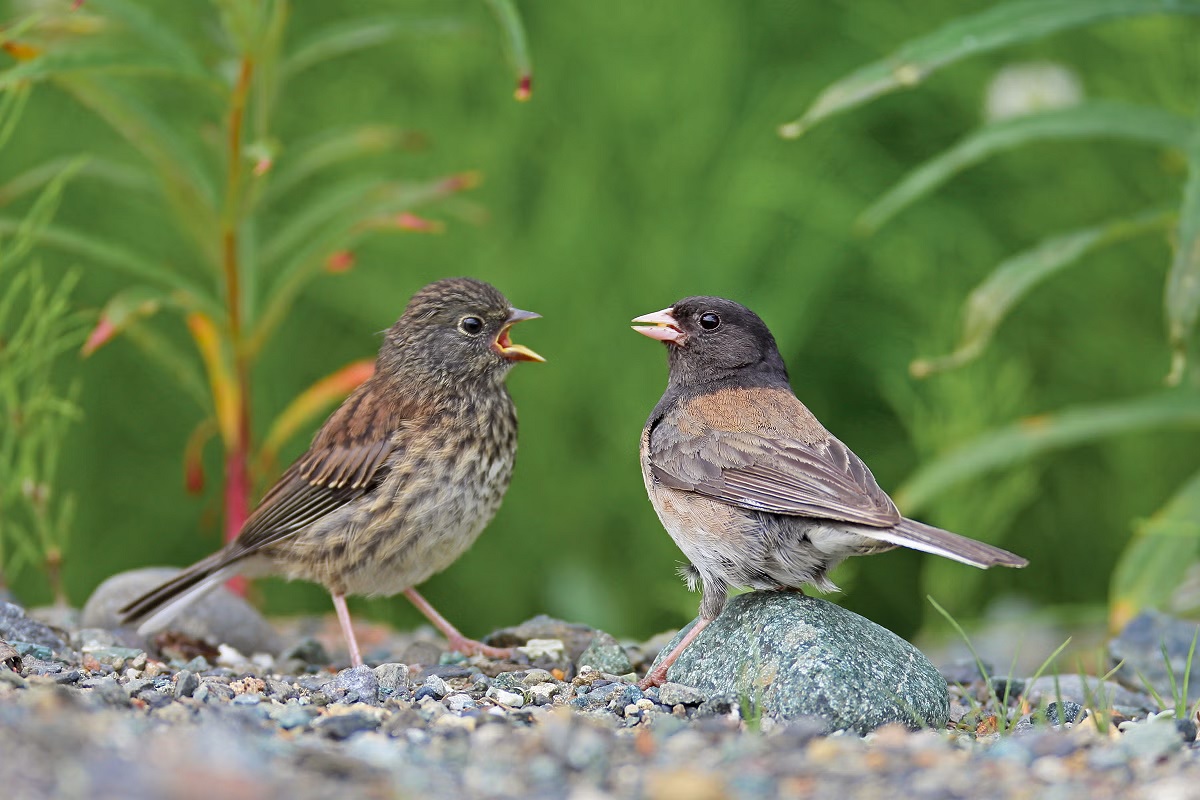
Why do birds throw babies out of the nest? This question often surprises and puzzles many people who observe birds closely. It’s natural to assume that birds would always protect their young, but sometimes their behavior seems harsh or even cruel. In reality, there are several reasons behind this unusual action, rooted in survival and instinct. Birds face many challenges when raising their chicks, from limited food supply to space constraints.
Sometimes, parents have to make tough decisions to ensure the survival of the fittest offspring. Understanding why birds throw babies out of the nest helps us see the complex balance between nature’s harshness and its drive to sustain life. Exploring these reasons not only sheds light on bird behavior but also gives us insight into the natural world’s delicate and sometimes difficult realities.
Understanding Bird Behavior
Bird behavior, especially when it comes to parenting, can sometimes seem puzzling or even harsh to us. However, these behaviors are shaped by millions of years of evolution and are crucial for the survival of the species. To truly grasp why birds sometimes throw babies out of the nest, it’s important to first understand the basics of bird parenting and the dynamics that happen within the nest.
Basic Parenting in Birds
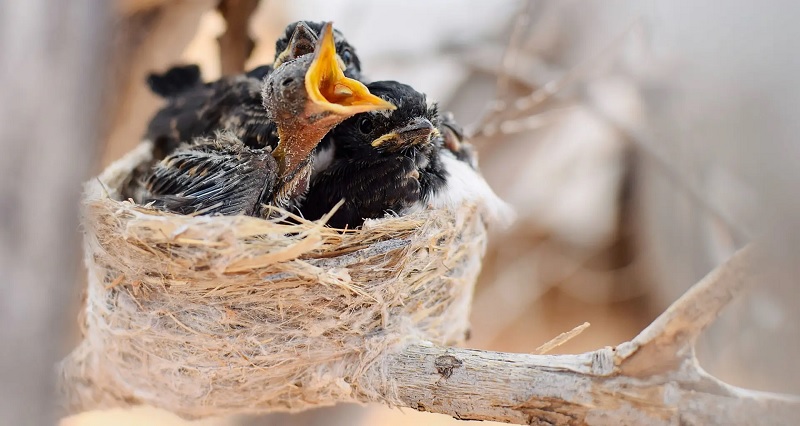
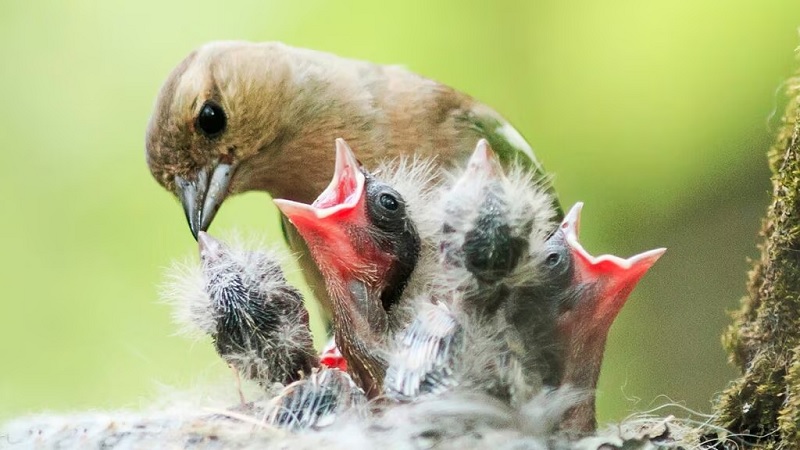
Birds are attentive and dedicated parents in many ways. Most species build nests to protect their eggs and chicks from predators and harsh weather. Once the eggs hatch, parent birds invest a lot of time and energy in feeding, warming, and protecting their young. They use their beaks to bring food, regulate the temperature of the nestlings by brooding, and defend the nest from intruders.
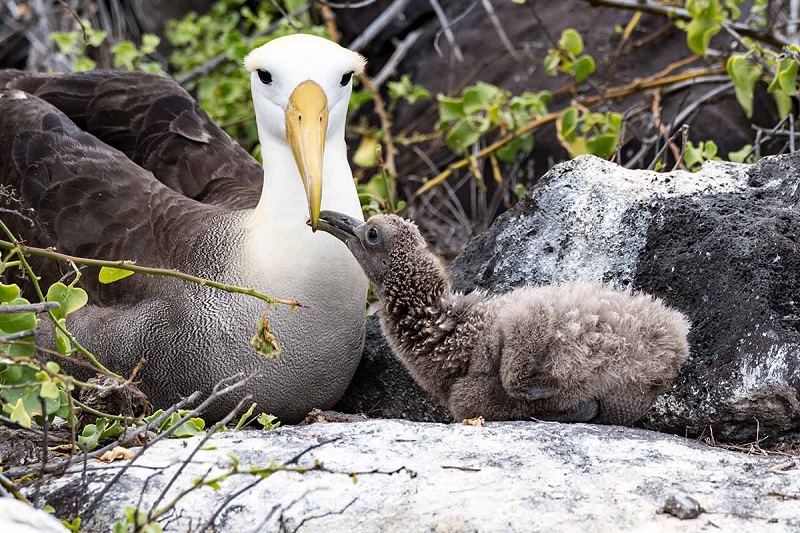
Parenting strategies can vary widely across bird species. Some birds, like albatrosses or eagles, invest heavily in raising just one or two chicks, ensuring they get the best care possible. Others, like many songbirds, may have several chicks at once and must divide their attention and resources among all their offspring. This variation in care influences how parents respond to challenges within the nest.
Nest Dynamics and Sibling Rivalry
Inside the nest, life is competitive. Chicks compete for food, warmth, and parental attention. This competition can sometimes be fierce, especially when resources are scarce. Sibling rivalry is common, where stronger chicks might push or even harm their weaker siblings in an effort to secure more food or space.
Nest dynamics can influence parental decisions, including the drastic act of throwing a chick out of the nest. When food is limited, parents may prioritize feeding the strongest chicks to maximize the chances of survival for at least some offspring. Weak or sickly chicks might be rejected or pushed out, a behavior that seems cruel but is a survival strategy in the wild.
In some species, parents might even deliberately remove weaker chicks to ensure the health and survival of the stronger ones. This natural selection process helps maintain a healthy population by focusing resources on the offspring with the best chances of thriving.
Reasons Birds Throw Babies Out of the Nest
The behavior of birds throwing their babies out of the nest might seem shocking at first, but there are several natural reasons behind this surprising action. These reasons often revolve around survival, competition, and the challenges birds face in raising their young. Understanding why this happens sheds light on the tough decisions parent birds make to ensure the best chances for their offspring.
Competition for Resources
One of the main reasons birds throw babies out of the nest is competition for limited resources. Food supply in the wild is often unpredictable, and when there isn’t enough to go around, parents might focus their efforts on feeding the strongest chicks. Weaker or smaller chicks may be pushed out to reduce competition and improve the survival chances of the others. This harsh reality is a natural way to prioritize the offspring that have the best chance to thrive.
Parental Strategy and Survival
Parental birds sometimes adopt this behavior as a deliberate survival strategy. By removing weaker chicks, parents can conserve their energy and resources for the healthier babies, increasing the likelihood that at least some will survive to adulthood. This selective care helps maintain the species’ strength and viability. While it can seem cruel from a human perspective, it’s an instinctual decision shaped by evolution.
Overcrowding in the Nest
Nests have limited space, and overcrowding can become a serious problem. When too many chicks hatch at once, the parents might find it difficult to manage all of them properly. Overcrowding can lead to increased competition and stress for the chicks. In some cases, parents may push out one or more babies to reduce overcrowding and create a safer environment for the remaining nestlings.
Health and Weakness of the Chick
Chicks that are sick, weak, or fail to develop properly are more vulnerable to being thrown out of the nest. Parents tend to invest in offspring with the best chance of survival, so weaker chicks may be abandoned or ejected. This natural selection process helps ensure that the stronger, healthier birds survive and carry on the species.
Mistaken or Accidental Ejections
Not all cases of babies being thrown from the nest are intentional. Sometimes, parents may accidentally knock chicks out during feeding or nest maintenance. Additionally, chicks may fall or be pushed out by siblings during intense competition. These accidental ejections are part of the chaotic environment within a crowded nest but can sadly result in harm or death to the displaced chicks.
Species-Specific Examples
Bird behavior varies widely across species, especially when it comes to nest dynamics and how parents manage their young. Some birds are particularly known for aggressive or unusual behaviors related to their chicks, which can include throwing babies out of the nest. Exploring specific examples helps us understand how different survival strategies play out in nature.
Birds Known for Aggressive Nest Behavior
Certain bird species display aggressive behavior toward their chicks or nestmates as a way to cope with environmental pressures. This aggression often comes from competition for limited resources like food and space within the nest. For instance, many raptors and seabirds exhibit behaviors where the stronger chick may push or even kill weaker siblings—a phenomenon known as siblicide. This ensures that the most viable offspring survive when resources are tight.
Case Study: Eagles and Other Raptors
Eagles and other birds of prey are well-documented for their intense sibling rivalry. In many eagle species, the first-hatched chick is larger and stronger and often pushes its smaller sibling out of the nest. This behavior, called “cainism,” is an adaptive strategy to maximize the survival chances of the strongest chick, especially when food is scarce. While it may seem brutal, this selective behavior allows the parents to invest their energy and resources in the chick most likely to survive and thrive.
Raptors also tend to have smaller broods compared to songbirds, so the competition is fierce. The parents provide ample food when possible, but when resources dwindle, the survival of the fittest principle takes over. The aggressive nest behavior seen in these birds is an evolutionary adaptation to harsh conditions.
Case Study: Cuckoos and Brood Parasitism
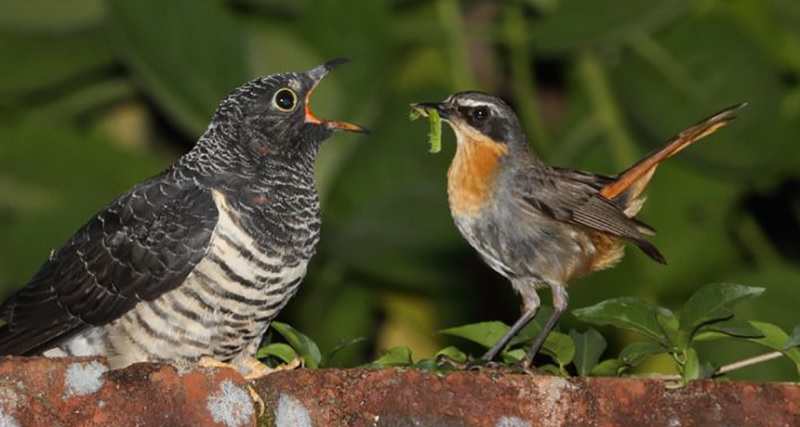
Cuckoos offer a very different but fascinating example of nest behavior involving chick ejection. Cuckoo mothers lay their eggs in the nests of other bird species—a behavior called brood parasitism. When the cuckoo chick hatches, it instinctively pushes the host’s eggs or chicks out of the nest, eliminating competition for food and parental care.
This behavior is not about parental aggression but rather an inherited survival tactic that ensures the cuckoo chick receives all the attention and nourishment from its unsuspecting foster parents. The host birds, unaware of the switch, continue to care for the cuckoo chick as their own, often at the cost of their biological offspring.
These species-specific examples reveal how varied and complex bird behaviors can be, especially when it comes to raising young. From fierce sibling rivalry in raptors to parasitic strategies in cuckoos, each approach reflects unique adaptations shaped by survival needs and environmental pressures.
Evolutionary Perspective
Understanding why birds throw babies out of the nest requires looking at the behavior through the lens of evolution. Many seemingly harsh behaviors are actually adaptations that have developed over time to maximize survival and reproductive success. From natural selection to resource management, these evolutionary factors shape how birds care for their young.
Natural Selection and Chick Survival
Natural selection plays a major role in shaping bird parenting behaviors. In the wild, resources like food and shelter are often limited, creating intense competition among siblings. Parents face the challenge of investing their time and energy where it counts the most—on chicks with the best chances of survival. Birds that successfully raise healthy offspring pass on their genes, while those that don’t often see their chicks fail to thrive.
Throwing weaker or sickly chicks out of the nest may seem cruel, but it’s a direct consequence of natural selection. By reducing the number of nestlings, parents focus their care on those who are strongest and most likely to survive. This selective investment ensures the continuation of healthy genes and improves the overall fitness of the species.
Benefits of Reducing Nestling Numbers
Reducing the number of nestlings in a brood offers several advantages from an evolutionary standpoint. First, it lessens the competition for limited food and parental care, allowing the surviving chicks to grow stronger and faster. When parents concentrate their resources on fewer offspring, those chicks have a better chance of reaching maturity.
Second, fewer chicks mean the nest is less crowded, which reduces stress and the spread of diseases among siblings. A less crowded environment can also minimize aggressive behavior, such as sibling rivalry and siblicide, leading to healthier young birds.
Additionally, when parents remove weaker chicks, they reduce the risk of wasting resources on offspring unlikely to survive. This efficient use of energy supports the parents’ ability to reproduce successfully in future breeding seasons, contributing to the species’ long-term survival.
Human Misinterpretations of Bird Behavior
Bird behavior, especially actions like chicks being thrown out of the nest, can often be misunderstood by humans. What might look like cruel or careless behavior is sometimes a misinterpretation based on limited observation or lack of context. To truly appreciate these natural behaviors, it’s important to recognize common misunderstandings and the reasons behind them.
When It’s Not Actually Throwing
One common misinterpretation is assuming that parents deliberately throw their chicks out of the nest. In many cases, what observers see as “throwing” may actually be accidental. Parent birds frequently move around the nest to feed, rearrange nesting material, or protect their young, and during these activities, chicks might accidentally fall out.
Chicks themselves are also active within the nest. They sometimes push or jostle each other in their struggle for food or better positioning, which can result in a chick tumbling out. This is not necessarily parental aggression but part of the natural chaos inside a crowded nest.
Sometimes, when a chick falls from the nest, it’s because it is weaker or less coordinated, not because it was intentionally ejected. These accidental falls can be misinterpreted as deliberate removal when the reality is more about survival challenges and natural nest dynamics.
Observational Bias
Humans tend to interpret animal behavior through an emotional or anthropomorphic lens, attributing human feelings or intentions to birds. This bias can lead to misunderstanding behaviors that are purely instinctual and survival-driven. For example, seeing a parent bird seemingly ignore or push a chick might be interpreted as neglect or cruelty, but in nature, it’s often about resource allocation and survival efficiency.
Observational bias also comes from the limited perspective humans have when watching birds. Most of the time, we only see brief moments or isolated incidents, not the full story of what’s happening in the nest. Without understanding the larger context, it’s easy to jump to conclusions about parental cruelty or negligence.
Additionally, the emotional response to seeing a chick fall can cloud objective interpretation. While it’s natural to feel sympathy for vulnerable young birds, recognizing that these behaviors serve an evolutionary purpose helps provide a more balanced view.
Frequently Asked Questions
Why Do Birds Throw Babies Out Of The Nest?
Birds may throw babies out of the nest primarily due to survival strategies. When resources like food are limited, parents focus on the strongest chicks to ensure that at least some survive. Weaker or sickly chicks may be pushed out or abandoned to reduce competition. This behavior, while seeming harsh, is an evolutionary adaptation shaped by natural selection to maximize the survival chances of the fittest offspring.
Is It Always The Parent Bird That Throws The Baby Out?
Not always. Sometimes chicks fall out accidentally during feeding or nest rearrangement. Siblings can also push weaker chicks out during intense competition inside the nest. So, what looks like deliberate ejection may actually be accidental or a result of sibling rivalry rather than intentional parental behavior.
How Does Sibling Rivalry Influence Birds Throwing Babies Out?
Sibling rivalry is common in many bird species and plays a big role in chicks being thrown from the nest. Stronger chicks compete aggressively for food and space, often pushing weaker siblings out. This rivalry ensures that the limited resources provided by the parents go to the offspring most likely to survive, which is critical when food is scarce.
Do All Bird Species Throw Their Babies Out Of The Nest?
No, not all birds exhibit this behavior. It’s more common in species where resources are unpredictable or limited, such as raptors and some seabirds. Birds that raise fewer chicks at a time or have abundant food supplies typically show less aggressive nest behavior. Different species have evolved different parenting strategies based on their environment and survival needs.
Can Throwing Babies Out Of The Nest Affect Bird Populations?
While it may seem harmful, this behavior actually helps maintain healthy bird populations by ensuring that only the strongest offspring survive. It prevents parents from wasting resources on chicks unlikely to thrive. Over time, this natural selection process contributes to the resilience and strength of bird populations in changing environments.
Conclusion
Birds throwing babies out of the nest may seem harsh, but it’s a natural behavior rooted in survival and evolutionary strategy. Limited resources, sibling rivalry, and the health of the chicks all influence this tough decision made by parent birds. While it can be difficult to witness, this behavior helps ensure that the strongest offspring receive the care they need to thrive.
Understanding these actions from an evolutionary perspective reveals how birds adapt to challenging environments and balance the demands of raising their young. By seeing beyond human emotions and recognizing these survival tactics, we gain a deeper appreciation for the complex and sometimes difficult realities of life in the wild.