
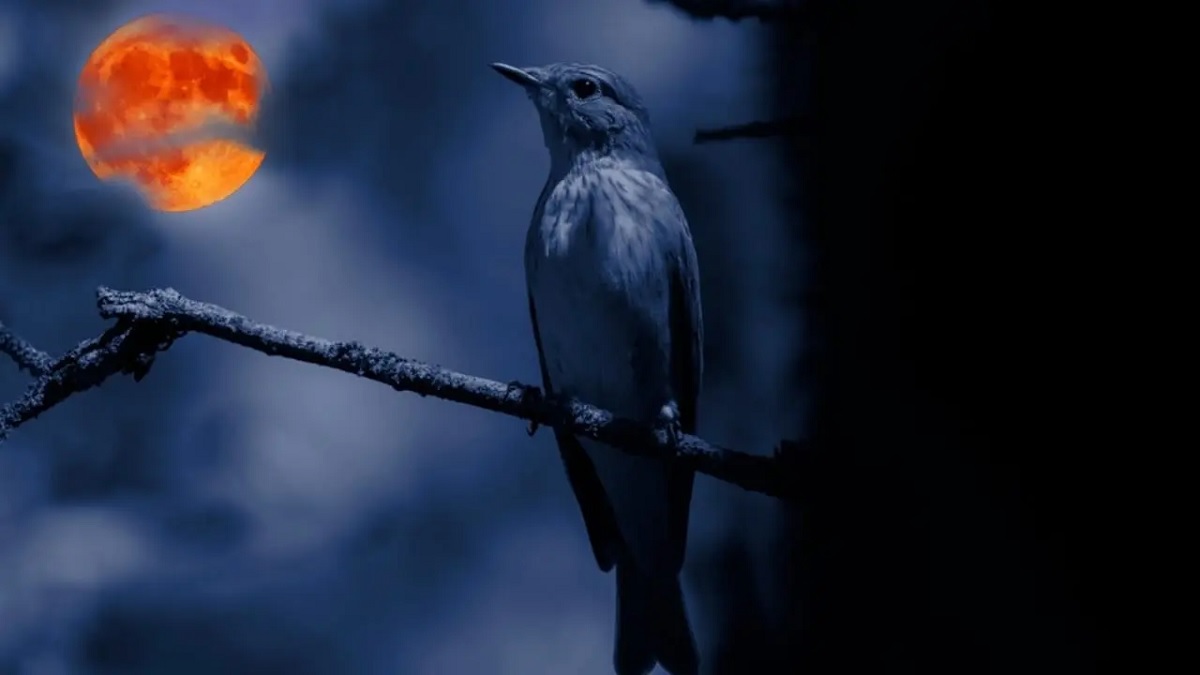
Hearing birds sing at night can feel both peaceful and puzzling, especially when you’re trying to sleep. Many people wonder why do birds tweet at night, assuming it’s a behavior reserved for daylight. While daytime chirping is common, nighttime tweeting happens for a variety of reasons that make perfect sense once you understand bird behavior. Some birds are naturally nocturnal, meaning they’re active after dark.
Others may respond to artificial lights, confusion in seasonal patterns, or even disruptions in their environment. In urban areas, bright streetlights and traffic noise can shift a bird’s usual rhythm, causing them to sing when they’d typically be silent. Night tweeting can also be tied to mating calls, territory defense, or warning signals. Once you start to notice which birds are active at night, the behavior becomes easier to understand. Learning why do birds tweet at night opens a fascinating window into their world and rhythms.
Introduction of Why Do Birds Tweet at Night
Birdsong is typically linked with the break of dawn, but hearing it at night can feel unexpected and even confusing. This behavior, though unusual for many species, is not entirely uncommon and reveals a lot about how birds adapt to their surroundings—both natural and man-made.
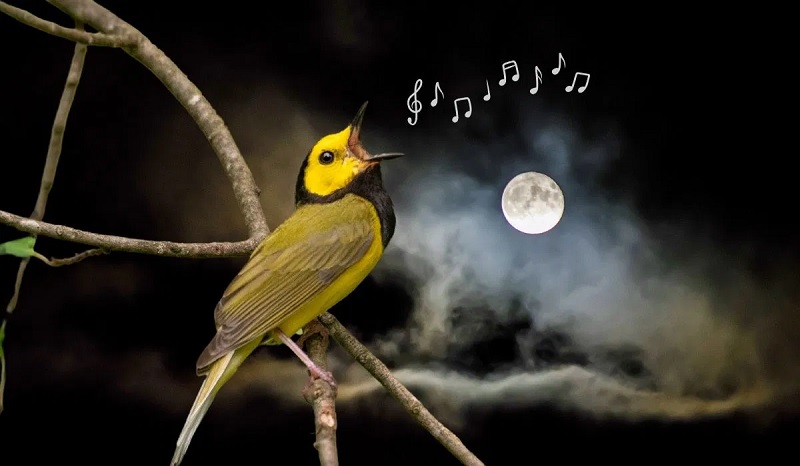
Some Birds Are Naturally Nocturnal Singers
Certain bird species are known for their nighttime songs. Birds like the nightingale, mockingbird, and whip-poor-will are naturally active during twilight or nighttime hours. For them, singing at night helps attract mates and mark territory in the absence of daytime noise. Their voices can travel farther and face less competition, making nighttime an ideal time to vocalize.
Artificial Lights and Urban Noise Play a Role
In urban areas, artificial lighting and constant noise can throw off a bird’s normal rhythm. Streetlights may simulate daylight, while traffic and human activity drown out daytime calls. As a result, some birds shift their communication to quieter nighttime hours, using the silence to their advantage. These environmental changes encourage birds to adapt in ways that may seem unusual but are rooted in survival and necessity.
Main Reasons Birds Tweet at Night
While birds are known for their cheerful morning songs, hearing chirping after dark can feel unexpected. Still, there are several practical reasons why birds might be active at night. These reasons range from natural biological behaviors to changes caused by human environments.
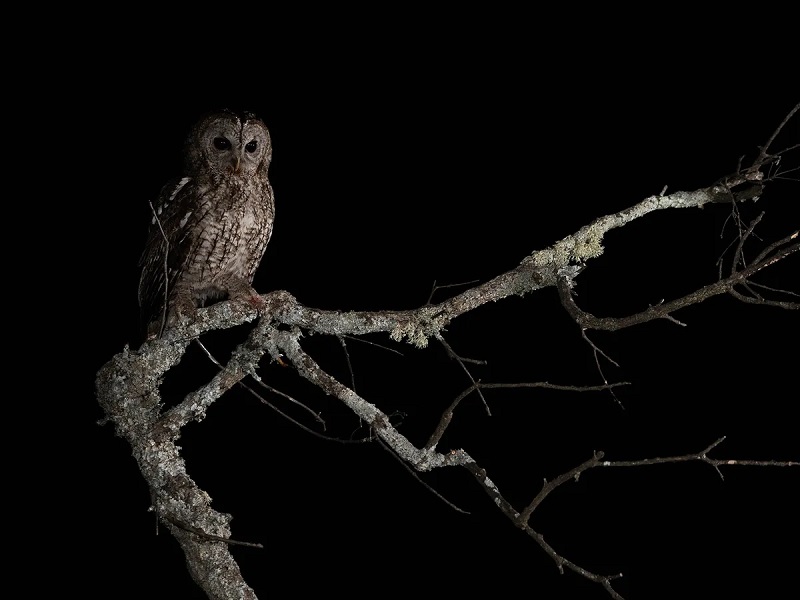
Nocturnal and Crepuscular Bird Species
Some birds are simply built for the night. Species like nightjars, owls, and nightingales are either nocturnal (active at night) or crepuscular (active at dawn and dusk). For these birds, tweeting in the darkness is completely normal. Their calls are used to attract mates, mark territory, or signal other members of their species. The quiet of the night actually helps their sounds travel farther without the competition of daytime noise.
Influence of Artificial Light
In urban areas, artificial light from streetlamps, buildings, and vehicles can disrupt a bird’s natural sleep cycle. These lights often simulate daylight conditions, tricking birds into thinking it’s still daytime or that dawn is arriving early. As a result, they may begin singing or foraging when they should be resting. This light pollution can especially affect younger or migratory birds that rely heavily on natural cues.
Urban Noise and Environmental Stress
Loud daytime environments full of traffic, construction, and human activity can interfere with a bird’s ability to communicate. To overcome this, birds may shift their singing to nighttime hours when things are quieter. It’s a survival tactic that helps them communicate effectively without being drowned out. In some cases, birds under stress from habitat loss, predators, or extreme weather may also chirp more frequently, including during nighttime hours.
Common Birds Known for Night Tweeting
While most birds rest after sunset, a surprising number are known for their nighttime songs. Some species are naturally adapted to the dark, while others have adjusted to urban environments and artificial light. Recognizing these common nighttime singers can help you understand who’s behind the late-night chirping you hear.
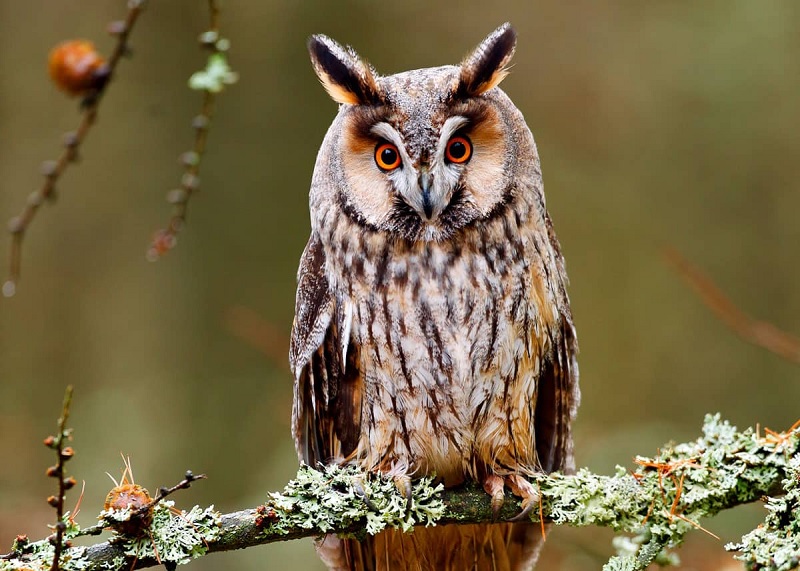
Northern Mockingbird
The Northern Mockingbird is one of the most well-known nighttime vocalists. Males, especially young or unmated ones, sing loudly and persistently through the night during the breeding season. Known for mimicking other birds and even mechanical sounds, their calls can carry across neighborhoods, often under the glow of streetlights.
European Robin
In urban areas, the European Robin often sings well past dusk. Artificial lighting and reduced nighttime noise encourage them to continue their melodic songs. Unlike many other species, the robin doesn’t limit its activity to daylight, making it a familiar voice during quiet nights in cities and towns.
Nightingale
The Nightingale is famous for its powerful, beautiful song that rings out during the late evening and nighttime hours. This bird’s singing is not just soothing but also serves an important function during the breeding season, helping males attract mates from afar.
Other Noisy Night Birds
Other birds like the Whip-poor-will, Common Loon, and some owls also make noise at night. While they may not “tweet” in the traditional sense, their distinct calls and cries are part of the nocturnal soundscape and often mistaken for songbirds by untrained ears.
How Seasonal Changes Influence Night Calling
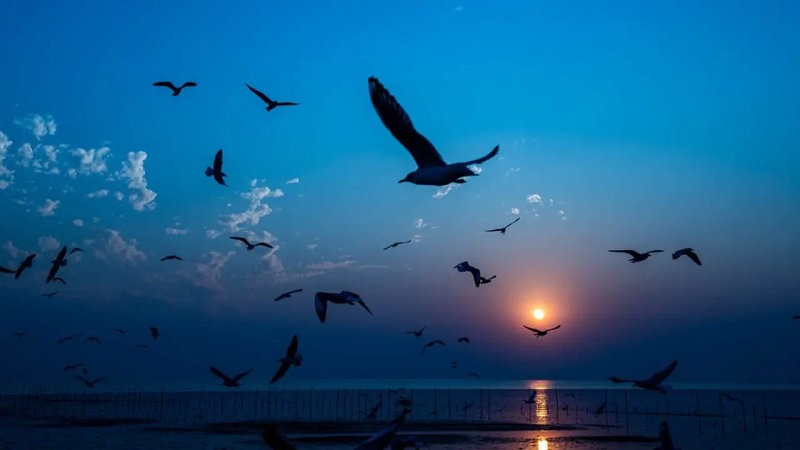
Seasonal shifts in weather, daylight, and food availability play a major role in bird behavior, including their tendency to sing at night. During certain times of the year, especially spring and summer, birds are far more likely to chirp or call after dark. These changes often align with biological and environmental needs that trigger nighttime vocalizations.
Mating Season and Territorial Claims
Spring is the prime breeding season for most bird species. During this time, male birds increase their vocal activity to attract mates and mark their territories. In densely populated areas or bird-rich habitats, singing at night can give them a competitive edge. With fewer birds active and less ambient noise, their calls travel more clearly, increasing their chances of being noticed.
Changes in Daylight and Temperature
As the days grow longer and temperatures rise, birds adjust their routines accordingly. Longer twilight hours in spring and early summer extend the time available for foraging, communication, and singing. In contrast, cooler temperatures at night in fall and winter reduce overall activity, making night calls less frequent. However, in tropical regions or areas with mild winters, some species may continue their vocal habits well into the night year-round.
Should You Be Concerned About Birds Tweeting at Night?
Hearing birds tweeting at night might seem strange, especially when the world is supposed to be quiet. But in most cases, nighttime bird calls are completely natural and not something to worry about. However, it’s still helpful to understand what their songs might mean for both the birds and your environment.
Natural Behavior and Environmental Response
Some birds are naturally nocturnal or crepuscular and are simply following their instincts. Others are reacting to human-made changes like artificial lighting or noise pollution. Their nighttime tweeting could be a sign that the environment around them has shifted in ways that affect their daily rhythms. It’s not usually harmful to the birds, but it can be a sign that nature is adapting to an increasingly urban world.
When It May Indicate Stress
In rare cases, persistent nighttime tweeting could signal that birds are under stress. Habitat loss, extreme weather, or constant light exposure may disrupt their sleep patterns and cause unusual vocal behavior. If you’re noticing frequent or excessive chirping at night, especially in areas with heavy artificial lighting, it might be worth examining whether your outdoor lighting or noise could be minimized.
Frequently Asked Questions
Why Do Some Birds Tweet at Night?
Some birds tweet at night because they are naturally nocturnal or crepuscular species, meaning they are active during nighttime or twilight hours. Birds like nightingales and mockingbirds sing after dark to attract mates or defend their territory when there’s less competition and background noise. Their nighttime songs can travel farther, making it easier to communicate in the quiet hours.
Does Artificial Light Cause Birds to Tweet at Night?
Yes, artificial lighting from street lamps, buildings, and other urban sources can confuse birds and disrupt their natural sleep cycles. These lights simulate daylight, encouraging birds to stay active and sing longer than usual. This phenomenon is especially common in cities where light pollution tricks birds into thinking it’s still daytime or dawn, causing them to tweet well into the night.
Is Nighttime Tweeting a Sign of Stress in Birds?
Sometimes, nighttime tweeting can indicate stress. Birds affected by habitat loss, noise pollution, or environmental disturbances may vocalize at night due to disrupted sleep or anxiety. However, not all night tweeting signals stress—it’s important to observe other behaviors and environmental factors to determine if a bird is struggling.
Which Birds Are Known for Tweeting at Night?
Common birds known for tweeting at night include the Northern Mockingbird, European Robin, and Nightingale. These species have adapted to sing during the evening or night hours for mating and territorial reasons. Other nocturnal birds like owls and nightjars also call at night, but their sounds differ from typical “tweets.”
Can Noise Pollution Affect When Birds Tweet?
Absolutely. In noisy urban environments, birds may shift their singing to quieter nighttime hours to avoid being drowned out by daytime traffic and human activity. This adaptation helps them communicate more effectively, ensuring their calls reach potential mates or rivals without interference.
Does Season Affect Why Birds Tweet at Night?
Yes, seasonal changes impact nighttime tweeting. During breeding seasons in spring and early summer, birds are more likely to sing at night to attract mates and defend territory. Longer daylight hours and warmer temperatures also encourage extended activity. Conversely, in colder months, night tweeting usually decreases as birds conserve energy and rest more.
Final Words
Birds tweeting at night is a fascinating behavior shaped by both natural instincts and environmental influences. Whether it’s species that are naturally active after dark or birds responding to artificial lights and urban noise, nighttime singing serves important functions like attracting mates and defending territory.
While occasional night tweeting is normal, persistent or excessive vocalizations can sometimes indicate stress or disruption in a bird’s habitat. Understanding why birds tweet at night helps you appreciate their adaptability and the challenges they face living alongside humans. Overall, these nighttime songs are part of the complex ways birds communicate and survive, reminding us of the delicate balance between nature and our modern world.