
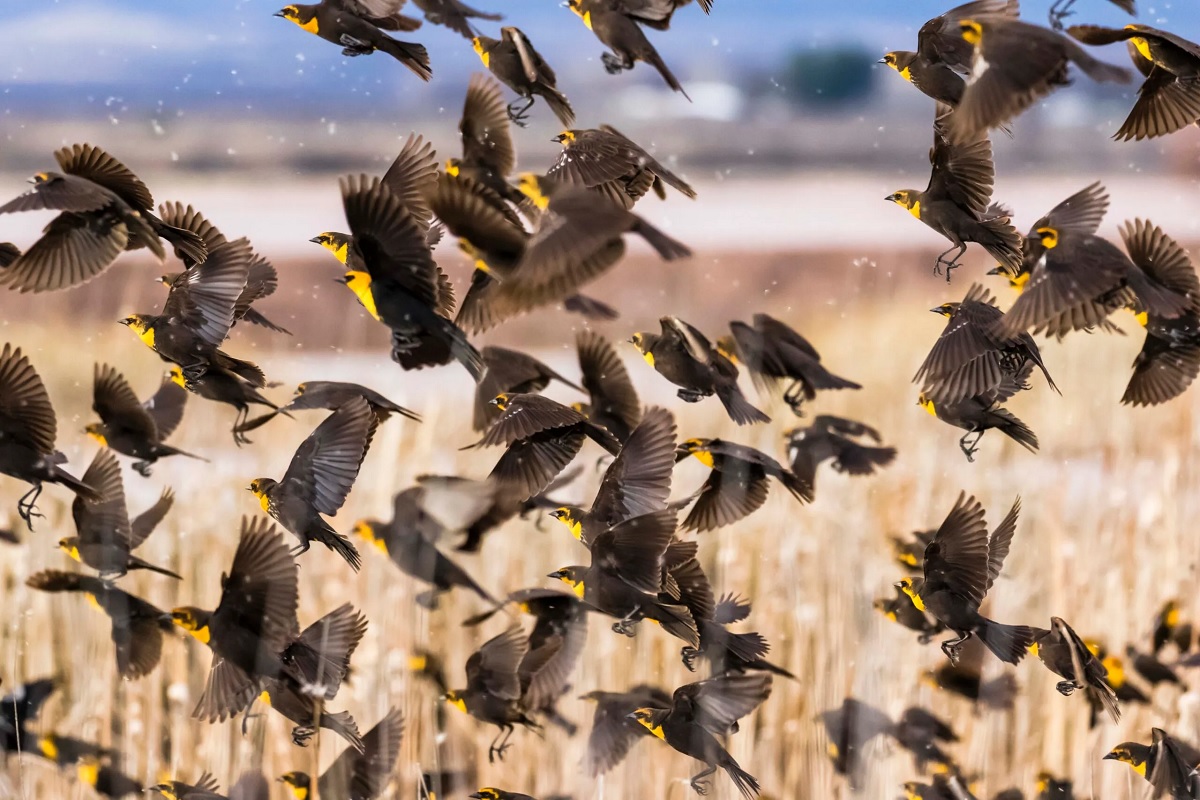
Why do black birds gather in large groups? It’s a question that has intrigued many nature enthusiasts and curious minds alike. When you see flocks of black birds, such as crows or grackles, coming together, it might seem mysterious or even eerie. But there are natural reasons behind this behavior. Black birds often gather for social interaction, protection, and efficient foraging. Grouping together helps them watch out for predators and communicate important information.
Additionally, these gatherings can be linked to seasonal changes, breeding habits, or food availability. Understanding why black birds gather not only satisfies curiosity but also offers insight into their survival strategies and complex social structures. In this article, we will explore the fascinating reasons behind this common yet captivating natural phenomenon and uncover what motivates black birds to come together in such striking numbers.
Common Species of Black Birds That Gather
When it comes to black birds gathering in flocks, several species are commonly seen displaying this behavior. These birds are often spotted in urban parks, farmlands, and woodlands, where they come together for various reasons such as safety, social interaction, and feeding. Let’s take a closer look at some of the most common black bird species known for gathering in groups.
American Crow
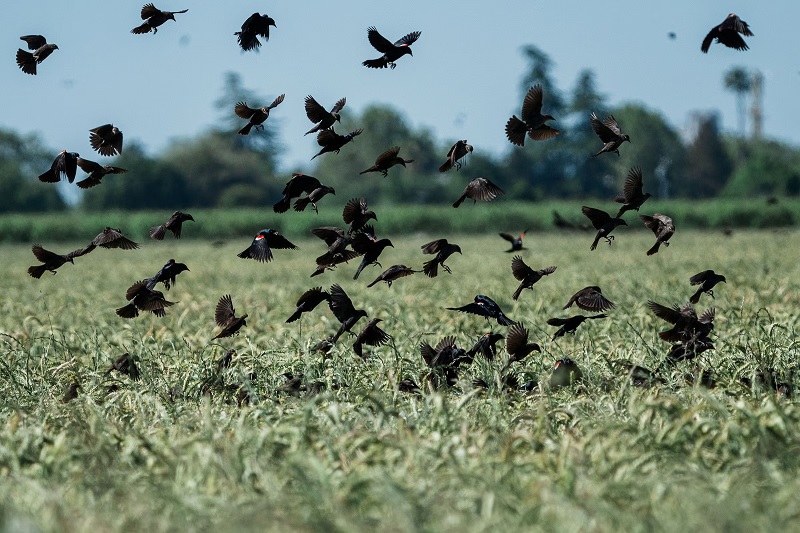
The American Crow is one of the most familiar black birds in North America. Easily recognizable by its all-black plumage, loud cawing, and intelligent behavior, the American Crow is highly social. These birds often gather in large communal roosts, especially during the fall and winter months. The reason behind these gatherings is largely for protection and warmth during colder seasons. Crows also use these group settings to share information about food sources and to reinforce social bonds within their community.
Common Grackle
Another frequently seen black bird that gathers in large flocks is the Common Grackle. Although their feathers have an iridescent sheen, they appear predominantly black, especially from a distance. Grackles are notorious for their noisy and bold nature, often gathering in huge flocks called “grackles’ parties.” These gatherings help them find food more effectively and avoid predators. Grackles often roost in dense trees, sometimes mixing with other blackbird species, creating spectacular and sometimes intimidating displays.
European Starling
European Starlings are also known for their dramatic flocking behavior. While they are not completely black—having speckled plumage—their dark appearance makes them fit into this group. Starlings form massive flocks called murmurations, where thousands of birds move in synchronized, flowing patterns across the sky. These gatherings serve multiple purposes, including confusing predators and optimizing the search for food. Murmurations are a breathtaking sight and a remarkable example of collective behavior in birds.
Blackbird (Turdus merula)
The Blackbird, or Turdus merula, is a common species in Europe and parts of Asia. The males are known for their striking all-black feathers and bright yellow beaks. Unlike the larger flocks seen in crows or starlings, blackbirds usually gather in smaller groups, especially outside the breeding season. These groups help the birds stay alert to danger and increase their chances of finding food in woodlands and gardens. Their social behavior may not be as dramatic as murmurations, but it plays a crucial role in their survival.
Reasons Why Black Birds Gather
Black birds gathering in groups is a common sight in many environments, from city parks to rural fields. But why exactly do these birds come together in such numbers? The reasons are varied and often interconnected, reflecting the complex behaviors and survival strategies of these intelligent creatures. Here, we explore some of the main reasons why black birds gather.
Social Behavior and Communication
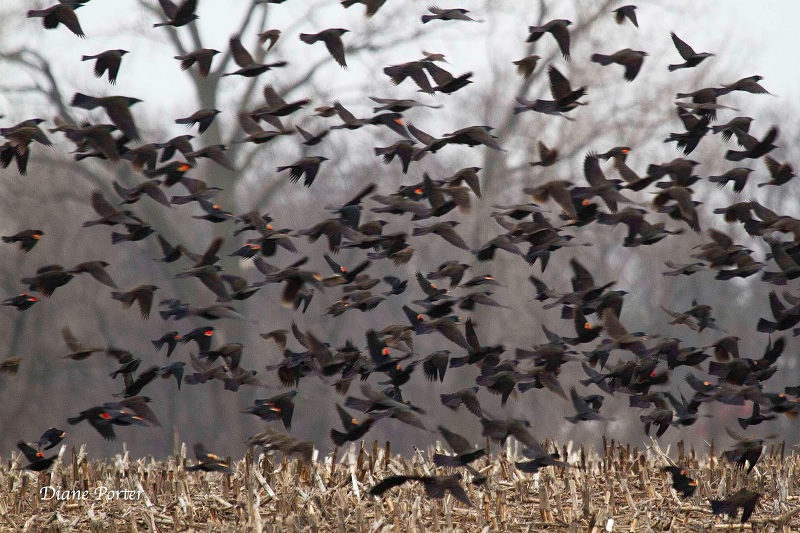
One of the primary reasons black birds gather is social interaction. Many black bird species, such as crows and grackles, are highly social animals that rely on communication within their groups to thrive. Gathering in flocks allows them to exchange information about food sources, alert each other to dangers, and maintain social bonds. This interaction strengthens their community structure and ensures cooperative behavior.
For example, American Crows are known to hold “meetings” in large groups where they vocalize and communicate complex messages. These social gatherings help the birds stay connected and coordinate activities like foraging and roosting. Through these interactions, black birds can also teach younger members important survival skills.
Foraging and Food Sources
Another important reason for flocking is the efficiency of finding food. When black birds gather, they increase their chances of locating and exploiting food sources. Birds like the Common Grackle and European Starling often forage together, covering large areas more effectively than a solitary bird could.
In a group, birds can share information about where food is abundant, whether it’s insects, seeds, or human leftovers. This collective searching behavior saves time and energy. Additionally, foraging in groups helps birds take advantage of scattered or seasonal food supplies more successfully. The safety in numbers also allows them to focus more on feeding, knowing others are keeping watch.
Roosting Habits
Roosting is another critical reason black birds gather. Many species come together at dusk to rest overnight in communal roosts, which can number in the thousands. These roosts provide warmth and protection during cold weather, making it easier for birds to conserve energy.
Large roosts also serve as information hubs. Birds arriving at the roost can share news about local conditions, such as the availability of food or the presence of predators. For example, American Crows and European Starlings are famous for their massive roosting gatherings, which create noisy, lively scenes as birds settle in for the night.
Mating and Breeding Purposes
Gathering is also linked to mating and breeding behaviors. During certain seasons, black birds may come together to find mates or establish territories. These social gatherings increase opportunities for courtship and reproduction.
For instance, some blackbird species form loose colonies or aggregations where males compete for the attention of females through calls, displays, or flight patterns. Group gatherings help synchronize breeding activities, which can be advantageous for the survival of offspring by creating safer environments or improving resource sharing during nesting.
Protection from Predators
Perhaps one of the most critical reasons black birds gather is safety in numbers. Grouping together makes it harder for predators to single out an individual bird. Flocking can confuse and intimidate predators, reducing the risk of attacks.
In addition, many black birds use communal vigilance to watch for threats. While some members of the flock feed or rest, others stay alert and issue alarm calls if danger approaches. This cooperative defense strategy significantly improves each bird’s chances of survival.
Seasonal Patterns in Black Bird Gatherings
Black birds don’t gather randomly throughout the year; their flocking behaviors often follow clear seasonal patterns. Understanding these cycles helps explain when and why these birds come together, revealing important insights into their survival strategies and life cycles.

Winter Roosting
One of the most noticeable seasonal patterns in black bird gatherings is winter roosting. During the colder months, many black bird species, such as American Crows and European Starlings, form large communal roosts. These roosts can include thousands of birds huddling together in trees, providing warmth and protection against the harsh winter chill.
Winter roosting serves multiple purposes. The collective body heat generated by the flock helps individual birds conserve energy during freezing nights. Additionally, roosting in large groups reduces the risk of predation, as there are more eyes to spot danger and confuse potential predators. These gatherings often become quite noisy and active at dusk and dawn, signaling the start and end of their rest period.
Migration-Related Gatherings
Migration is another major factor influencing black bird gatherings. Many species use the change of seasons as a cue to move between breeding and wintering grounds. Before and during migration, black birds often gather in flocks to prepare for long journeys.
For example, European Starlings and Common Grackles form sizable pre-migration groups to feed intensively and build up energy reserves. Flocking during migration also provides safety in numbers as the birds travel together, helping reduce the risk of predation en route. In some cases, stopover sites along migration routes become temporary gathering hotspots, where birds rest and refuel before continuing their journey.
Spring and Summer Behavior
In contrast to the large winter roosts, spring and summer bring changes in black bird behavior. During these warmer months, many black birds become more territorial as they focus on mating and raising their young. Consequently, their gatherings tend to be smaller or more scattered compared to winter.
However, some social behavior continues, especially among younger birds or non-breeding individuals. For example, juvenile crows might form loose groups to learn survival skills. Additionally, certain species may still gather in moderate-sized flocks for foraging or resting.
Spring and summer also mark the peak breeding season, during which birds engage in courtship displays and establish nesting territories. These seasonal shifts reflect the dynamic nature of black bird social behavior throughout the year.
Environmental and Ecological Factors
The behavior of black birds gathering in groups is not only driven by their natural instincts but also significantly influenced by environmental and ecological factors. Changes in their surroundings can affect when, where, and how these birds come together, shaping their social patterns in various ways.
Impact of Urbanization
Urbanization has a profound impact on black bird gatherings. Cities and suburban areas provide abundant food sources such as discarded human food, insects attracted to lights, and ornamental plants. This easy access encourages black birds like crows and grackles to form large flocks in urban settings where resources are plentiful.
However, urban environments also introduce challenges, such as noise pollution, increased human activity, and habitat fragmentation. Despite these, many black birds have adapted well, often using buildings, streetlights, and parks as roosting and gathering spots. The concentration of food and shelter in cities can lead to unusually large and dense flocks compared to rural areas.
Influence of Climate and Weather
Climate and weather patterns play a crucial role in black bird gatherings. Seasonal changes in temperature, rainfall, and wind influence food availability, migration timing, and roosting behavior. For instance, harsh winters often trigger large communal roosts as birds seek warmth and protection from the cold.
On the other hand, mild weather conditions can reduce the size and frequency of gatherings, as birds can forage alone or in smaller groups more easily. Storms or sudden weather changes may also cause black birds to flock together temporarily for shelter or to navigate safely. Overall, the local climate shapes the rhythm of their social behaviors throughout the year.
Availability of Habitat
The availability and quality of habitat are essential factors affecting black bird flocking behavior. Natural habitats like forests, wetlands, and grasslands provide food, nesting sites, and safe roosting areas. When these habitats are abundant and healthy, black birds can spread out in smaller groups or pairs.
Conversely, habitat loss or degradation due to agriculture, deforestation, or development forces birds to concentrate in fewer suitable areas. This scarcity can increase flock sizes as birds compete for limited resources. Additionally, the type of habitat influences which black bird species gather together and how large their groups become.
Interesting Facts About Black Bird Gatherings
Black bird gatherings are more than just a visual spectacle—they reveal fascinating behaviors and social structures that have intrigued scientists and bird watchers alike. From mesmerizing flight patterns to complex group interactions, here are some interesting facts about these communal bird behaviors.
Murmuration Phenomenon
One of the most captivating sights involving black birds is the murmuration, especially seen in European Starlings. Murmurations occur when thousands of birds fly together in swirling, fluid patterns that seem almost choreographed. This breathtaking aerial display isn’t just beautiful—it serves practical purposes too.
The rapid, coordinated movements help protect the flock from predators by confusing and overwhelming them. Each bird reacts quickly to its nearest neighbors, creating a ripple effect that keeps the group in sync. This collective intelligence allows the flock to move as one, dodging threats and navigating efficiently. Murmurations highlight the incredible communication and responsiveness within black bird gatherings.
Group Dynamics and Leadership
Contrary to what one might think, black bird flocks are not chaotic crowds but rather organized groups with subtle leadership and social hierarchies. Within these gatherings, certain birds often take on leadership roles, guiding the group during foraging, roosting, or migration.
For example, experienced individuals may lead a flock to reliable food sources or safe roosting spots. Meanwhile, younger or less dominant birds learn by following these leaders. Communication within the flock is complex, involving vocal calls, body language, and coordinated movements. This system of leadership and cooperation enhances the survival chances of the entire group.
Interaction with Other Bird Species
Black bird gatherings don’t always happen in isolation. Many species often mingle and interact with other birds, creating mixed-species flocks. For instance, Common Grackles sometimes join forces with other blackbirds or even different bird species to increase foraging efficiency and predator awareness.
These interactions can be mutually beneficial. Different species bring unique skills or alertness levels, improving the group’s overall success. At the same time, mixed flocks can lead to competition for resources, so black birds balance cooperation with rivalry. Observing these interactions provides insight into the adaptable and social nature of black birds in their ecosystems.
Frequently Asked Questions
Why Do Black Birds Gather In Large Flocks?
Black birds often gather in large flocks for several important reasons, including safety, social interaction, and foraging efficiency. When they group together, they reduce the risk of being targeted by predators because a large number of birds can watch out for danger and confuse attackers. Additionally, gathering helps them share information about food sources and reinforces social bonds within their community. Whether it’s to keep warm during colder months or to prepare for migration, flocking behavior benefits their survival in many ways.
What Are The Common Black Bird Species That Gather?
You’ll notice several black bird species that frequently gather in groups. American Crows, Common Grackles, European Starlings, and the Blackbird (Turdus merula) are some of the most common. Each species has unique flocking behaviors—from the synchronized murmurations of starlings to the noisy roosts of crows. Recognizing these species helps you understand the different reasons behind their gatherings, whether it’s for protection, feeding, or breeding.
How Does Seasonality Affect Black Bird Gatherings?
Seasonal changes significantly influence black bird gatherings. In winter, many species form large communal roosts to stay warm and protect themselves from predators. During migration periods, black birds gather to prepare for long journeys, often stopping in large groups to rest and refuel. In spring and summer, flock sizes tend to shrink as birds focus on breeding and establishing territories. These seasonal patterns reflect how black birds adapt their social behavior to environmental conditions.
Do Black Birds Gather For Mating Purposes?
Yes, black birds often gather for mating and breeding activities. During the breeding season, males may form groups or display in colonies to attract females. These gatherings help synchronize mating and increase the chances of finding a suitable partner. While some species become more territorial and less social during this time, others maintain loose groups to share resources and watch out for predators, ensuring a safer environment for raising their young.
How Does Urbanization Influence Black Bird Gatherings?
Urban environments have a strong impact on black bird flocking behavior. Cities offer abundant food sources like garbage, insects, and plants, attracting large numbers of black birds. Urban areas also provide safe roosting spots on buildings and streetlights. While urbanization can introduce challenges such as noise and habitat loss, many black birds adapt well, forming bigger and denser flocks compared to rural areas. This adaptation highlights their flexibility and ability to thrive alongside humans.
What Role Does Communication Play In Black Bird Gatherings?
Communication is vital to the success of black bird gatherings. These birds use a variety of vocalizations, body language, and coordinated movements to share information within the flock. For example, alarm calls alert others to predators, while specific calls can indicate food sources. This communication helps maintain group cohesion and coordination, especially during complex behaviors like murmurations or group foraging. Without effective communication, the benefits of gathering in flocks would be much harder to achieve.
Conclusion
Black birds gather for a variety of important reasons that help them survive and thrive in their environments. Whether it’s for safety in numbers, effective foraging, social communication, or seasonal behaviors like roosting and migration, these gatherings serve multiple essential purposes. Different species have unique flocking habits, but all benefit from the collective strength and intelligence found in groups.
Environmental factors such as urbanization, climate, and habitat availability also influence when and where these birds come together. Understanding why black birds gather not only satisfies curiosity but also highlights the fascinating complexity of their behavior and adaptability. Next time you see a flock of black birds, you’ll appreciate the intricate reasons behind their impressive gatherings.