

Keeping birds in cages may seem harmless or even decorative, but the reality is far from that. The keyword here is freedom—something birds are meant to experience every day. Birds are naturally born to fly, explore, and live in social environments with their kind. Confining them to small cages takes away their ability to perform these essential behaviors. Their wings, built for soaring through open skies, become restricted, and their mental health often suffers from boredom, stress, and isolation.
While some people keep birds as pets with good intentions, many fail to understand the deep emotional and physical needs of these intelligent creatures. Bright feathers and cheerful chirping don’t always mean a bird is happy. This blog explores the reasons why we should not keep birds in cages, focusing on their natural instincts, emotional well-being, and the ethical considerations that come with turning free spirits into living decorations.
The Natural Life of Birds in the Wild
Birds are among the most fascinating and free-spirited animals in the natural world. In the wild, they lead rich and active lives, filled with movement, communication, and exploration. Their behavior, survival skills, and interactions with their environment all play a critical role in maintaining the health of ecosystems. From soaring high above treetops to diving into lakes for food, birds are perfectly adapted for a life of freedom and flight.
Freedom to Fly and Explore
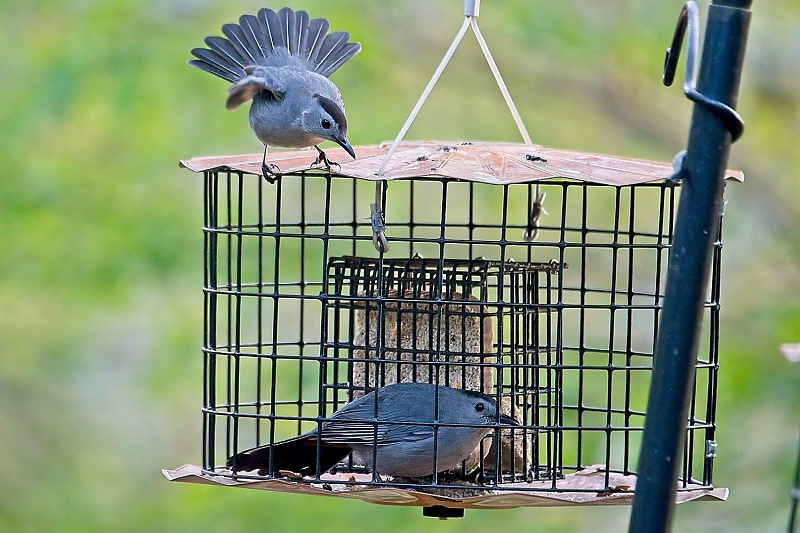
Flight is one of the most important aspects of a bird’s life. In their natural habitats, birds can travel vast distances each day in search of food, mates, and nesting areas. Many species migrate thousands of miles across continents, guided by instinct and seasonal changes. This ability to fly freely is essential to their health and survival.
Social Life and Natural Behaviors
Birds are highly social and intelligent creatures. In the wild, they live in flocks, form bonds, build nests, and engage in complex behaviors like singing, playing, and problem-solving. These activities are not just instinctual—they’re emotionally fulfilling. In their natural environment, birds can choose their companions, care for their young, and defend their territory. All of these experiences are stripped away when birds are confined to cages, where natural behaviors are severely limited or completely impossible.
Negative Effects of Caging Birds
Caging birds may appear harmless on the surface, but the impact on their physical and emotional well-being is often severe. Birds are meant to live in environments that allow them to move freely, express natural behaviors, and interact with their surroundings. When confined to cages, many of these essential aspects of life are taken away, leading to a range of negative effects.

Physical Health Problems
Lack of space and limited movement in cages can lead to serious physical issues. Birds kept in small enclosures often suffer from weakened muscles, joint stiffness, and poor feather condition due to their inability to fly and exercise. Obesity, respiratory issues, and foot disorders can also develop when birds are restricted to confined spaces without proper stimulation or diet.
Mental and Emotional Distress
Birds are intelligent, social animals that require mental engagement and social interaction. In cages, they may experience chronic boredom, stress, anxiety, and even depression. This often leads to self-destructive behaviors such as feather plucking, excessive screaming, and repetitive pacing. The lack of social bonds and environmental variety takes a toll on their mental health, making life in a cage feel more like imprisonment than safety.
Shortened Lifespan
Birds kept in poor conditions or without proper care may experience a shortened lifespan compared to those living in the wild or in enriched environments. Their quality of life declines significantly when their natural instincts are suppressed.
Ethical and Moral Considerations
Keeping birds in cages raises important ethical and moral questions about how we treat sentient, living beings. Birds are not objects or decorations—they are intelligent creatures capable of feeling stress, loneliness, and even grief. Understanding the moral implications of caging birds helps us reflect on our responsibilities as caretakers of animals and the natural world.
Respecting Animal Autonomy
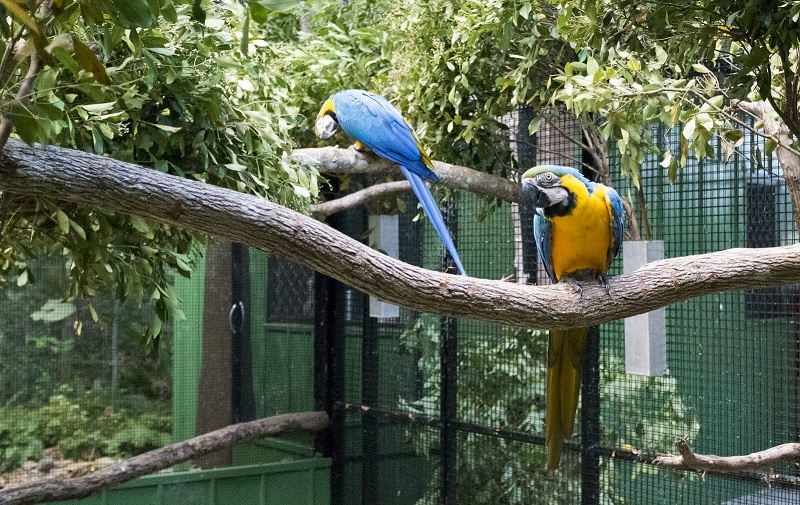
Birds are born with the natural right to fly, forage, and socialize freely. Caging them takes away this autonomy and replaces it with confinement for human convenience or entertainment. Ethically, this raises the question: is it right to deny a creature its basic freedom for our own pleasure? Treating animals with respect means allowing them to live in environments that support their natural behaviors, not restricting them for aesthetic purposes.
Compassion Over Convenience
Choosing compassion over convenience means thinking beyond ownership and focusing on the well-being of the bird. Many people keep birds without fully understanding their complex needs, which often results in emotional and physical harm to the animal. Ethical care involves more than just food and water—it requires space, stimulation, and a life that mirrors what the bird would experience in the wild.
Encouraging Responsible Choices
By rethinking the way we view birds—as wild creatures rather than pets—we take a step toward more humane and respectful relationships with animals. Ethical awareness encourages adoption from sanctuaries, support for conservation, and a greater appreciation for birds in their natural habitat rather than behind bars.
Legal and Environmental Concerns
Caging birds is not just a personal or ethical issue—it also brings up serious legal and environmental concerns. Across many countries, there are laws in place to protect wild birds from being captured, traded, or kept in captivity without proper permits. In addition to violating wildlife protection laws, keeping birds in cages can also have long-lasting effects on ecosystems and native bird populations.
Wildlife Protection Laws
Many wild bird species are protected under national and international laws such as the Migratory Bird Treaty Act, CITES (Convention on International Trade in Endangered Species), and other local regulations. These laws prohibit capturing, trading, or owning certain birds, especially those threatened or endangered. People who keep wild birds without legal documentation can face fines, confiscation, or even criminal charges.
Impact on Ecosystems
Capturing birds from the wild for the pet trade can lead to population decline and disrupt natural ecosystems. Removing even a few birds from their natural habitat can affect breeding patterns, insect control, seed dispersion, and overall biodiversity. Invasive bird species released into the wild after being kept in captivity can also upset the balance of local ecosystems, leading to competition with native species and habitat damage.
Illegal Pet Trade and Cruelty
Bird trafficking is a global issue, often involving inhumane conditions and high mortality rates. Supporting this trade—intentionally or unknowingly—contributes to environmental damage and animal suffering. Being aware of these concerns encourages more responsible and informed decisions.
Alternative Ways to Enjoy Birds
There are many meaningful and cruelty-free ways to appreciate birds without keeping them in cages. Birds are beautiful, fascinating creatures, and observing them in their natural environment can be far more rewarding than seeing them confined. These alternatives allow you to connect with birds while respecting their freedom and well-being.
Birdwatching in Nature
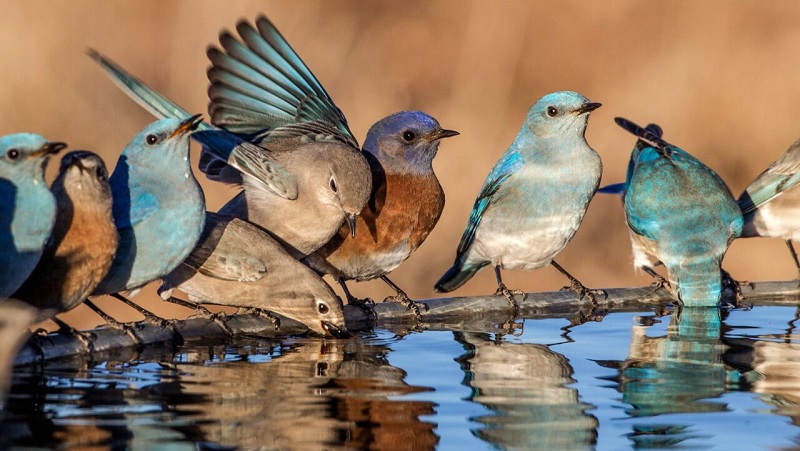
Birdwatching is a peaceful and educational activity that can be done in your backyard, at local parks, or nature reserves. With a pair of binoculars and a field guide, you can observe birds’ natural behaviors, songs, and flight patterns. It encourages patience, attention to detail, and a deeper understanding of the natural world.
Creating Bird-Friendly Spaces
Transforming your outdoor space into a bird-friendly habitat is another excellent way to enjoy birds ethically. You can install bird feeders, birdbaths, and native plants that attract a variety of species. These elements provide food, water, and shelter, helping birds thrive while giving you the chance to observe them up close without disturbing their freedom.
Supporting Sanctuaries and Conservation
Instead of purchasing caged birds, support bird sanctuaries or wildlife rescue centers that care for injured or rescued birds. Donations, volunteer work, or simply spreading awareness can make a positive impact. These organizations provide safe, open environments where birds can heal or live with dignity, offering a respectful way to enjoy their beauty and presence.
What to Do If You Already Have a Caged Bird
For those who already have a caged bird, it’s important to focus on improving the bird’s quality of life while making compassionate and informed decisions. Birds that have spent most of their lives in captivity often cannot be released into the wild, but there are still steps you can take to ensure their well-being and happiness.
Enrich the Bird’s Environment
Make your bird’s environment as stimulating and natural as possible. Provide a spacious cage that allows free movement and flight within its limits. Include toys, mirrors, natural perches, and opportunities for mental engagement. Allow supervised time outside the cage daily in a safe, bird-proofed area to let the bird stretch its wings and explore.
Encourage Social Interaction
Birds are social creatures and thrive on attention. Spend time talking to and interacting with your bird. If possible, consider getting a companion bird of the same species, but only after careful introduction and compatibility checks.
Consider Rehoming or Sanctuaries
If you’re unable to provide the care your bird needs, look into reputable bird sanctuaries or experienced adopters. These places can offer more freedom and a natural environment, especially for birds that need space, socialization, and lifelong care. Prioritizing your bird’s well-being is a thoughtful and responsible step.
FAQs
What are the main reasons not to keep birds in cages?
Keeping birds in cages restricts their natural behavior like flying and socializing, leading to physical and psychological harm. Birds need freedom to thrive and be healthy.
How does caging affect a bird’s physical health?
Birds in cages often suffer from muscle weakness, poor feather condition, and injuries from limited space and lack of exercise, which can shorten their lifespan.
Can birds become mentally stressed or depressed in cages?
Yes, confinement causes boredom, loneliness, and stress, which may lead to behaviors like feather plucking, aggression, or lethargy.
Are there ethical concerns about keeping birds in cages?
Absolutely. Birds are sentient beings that deserve freedom and respect. Keeping them confined for human entertainment raises serious moral questions.
Does keeping birds in cages impact wild bird populations?
Yes, the demand for pet birds fuels illegal capture and trafficking, which threatens wild bird species and disrupts ecosystems.
What are humane alternatives to keeping birds in cages?
Enjoy birds through birdwatching, creating bird-friendly outdoor spaces, supporting sanctuaries, and promoting their protection in the wild rather than captivity.
Conclusion
Keeping birds in cages confines them to a life far removed from their natural instincts and needs. Birds are meant to fly freely, socialize, and explore their environments—experiences that cages simply cannot provide. Restricting their movement leads to physical health problems and emotional suffering, while also raising serious ethical and legal concerns.
Choosing to respect birds’ freedom honors their nature and promotes their well-being. Embracing alternatives like birdwatching, creating bird-friendly habitats, or supporting sanctuaries allows us to appreciate these incredible creatures without causing harm. Ultimately, letting birds live free is the most compassionate and responsible choice we can make.