
Cheap or improper lubricants can cause air guns to malfunction quickly, leading to leaks, rust, or sluggish performance. The best air gun oil prevents these issues by offering the right balance of viscosity and protection, ensuring smooth operation over many shots without gumming up the internal parts.
Quality air gun oil is usually made from non-petroleum-based oils that won’t damage seals or plastics, and it typically has a thin consistency to penetrate tight spaces. It should resist evaporation and remain stable across a temperature range to maintain protection between cleanings.
A small bottle, often around 10 to 20 ml, is practical for controlled application without waste or mess.
Need a Quick Check?
| Image | Product | Price |
|---|---|---|
Our Top Picks 1  | Freeman Air Tool Oil | Check Price |
Our Top Picks 2  | Crosman Pellgunoil | Check Price |
Our Top Picks 3 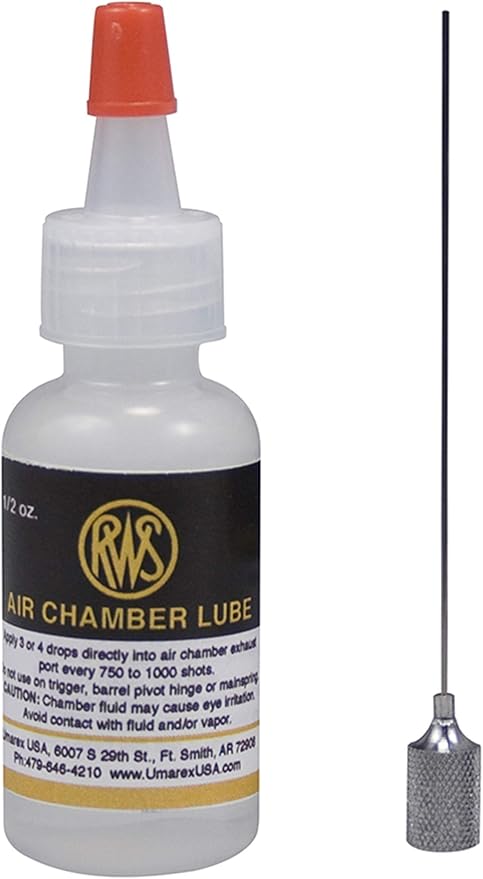 | Umarex RWS Chamber Lube | Check Price |
Our Selected Top 15 Air Gun Oil Worth Considering
This list features carefully chosen air gun oils that improve performance and protect your equipment. Each product is reviewed for effectiveness, suitability for different air gun types, and their advantages and disadvantages, helping you make an informed decision based on your specific needs.
1. Freeman PTTO Air Tool Oil
Designed specifically for daily lubrication of pneumatic tools, Freeman PTTO Air Tool Oil helps keep air compressors running smoothly. Best suited for those wanting to reduce friction and clean inside parts regularly, its biggest strength lies in prolonging the life of air tools through effective anti-gumming and rust-inhibiting additives.
Applying the oil takes just a few drops directly into the pneumatic tool’s air inlet or in-line lubricator. The non-synthetic formula avoids foam buildup while breaking down deposits to reduce maintenance needs. This straightforward process fits well into daily routines, maintaining consistent lubrication without complex steps or special equipment.
Built for durability and reliable performance, the oil efficiently fights friction and corrosion inside air tools. Many appreciate how it keeps their compressors running longer and prevents sticky buildup. On the downside, some mention occasional drip mess during application or the need to reapply more often with heavy use.
The product is praised for reducing friction and preventing corrosion, which significantly extends tool life. Common complaints include occasional messiness when applying and needing to top up more often if the tools are used heavily.
Those using pneumatic tools daily and looking for easy maintenance will appreciate this oil’s formula and application. People seeking less frequent reapplication or a mess-free solution may prefer alternatives with different consistencies or delivery methods.
Pros
- Prevents gumming and corrosion inside tools
- Non-foaming formula keeps tools running smoothly
- Simple application directly onto tool air inlet
- Extends tool life with regular use
Cons
- Can drip and create slight mess during application
- Requires frequent reapplication for heavy tool use
| Specification | Details |
|---|---|
| Container Type | Bottle |
| Type | Non-synthetic air tool oil |
| Use | Daily lubrication of air compressor tools |
| Additives | Anti-gumming, anti-foaming, rust inhibitor |
| Application | Several drops to pneumatic tool air inlet or in-line lubricator |
2. Crosman Pellgunoil
People who often clean and maintain metal air guns will like Crosman Pellgunoil for its straightforward, reliable use. It stands out by being specifically designed for metal parts, which helps keep your air gun in good shape without complicated application.
Using it day to day is simple thanks to its tube container that controls how much oil you apply. You can easily target metal parts during maintenance without making a mess.
It fits well into routine care, keeping your gun smooth without the risk of over-oiling that comes from bulkier bottles.
It does exactly what you want from an air gun oil by protecting metal components and aiding cleaning. The tube packaging is durable and keeps the oil fresh. Most users appreciate how easy it is to apply, but some mention it could be tricky to squeeze out more oil towards the end of the tube.
Crosman Pellgunoil is praised for its precise and practical application on metal parts, fitting daily maintenance needs well. However, many find squeezing out the last bit of oil from the tube can require extra effort, which can be frustrating during use.
Those regularly working on metal air guns or who want straightforward maintenance oil will be satisfied with this product. Anyone needing oil for plastic or other materials should look elsewhere, as this is tailored exclusively for metal parts.
Pros
- Designed specifically for metal parts
- Easy to apply with tube container
- Keeps air guns well-oiled and clean
Cons
- Tube can be difficult to squeeze near empty
- Not suitable for non-metal materials
| Specification | Details |
|---|---|
| Container Type | Tube |
| Compatible Material | Metal |
3. Umarex RWS Air Gun Chamber Lube
Umarex RWS Air Gun Chamber Lube stands out by being safe to use on all types of airgun powerplants, including PCPs, thanks to its high-viscosity silicone formula. Ideal for anyone wanting reliable lubrication that won’t damage their equipment, it excels at keeping the chamber smooth and protected during operation.
Applying lubricant is straightforward with the included applicator needle, which reaches tight spots easily. The small 0.5-ounce bottle fits comfortably in a toolbox or shooting kit. Its silicone base means it won’t attract dirt or degrade rubber seals, making daily maintenance less messy and more effective compared to some traditional oils.
This lube performs consistently in keeping the chamber from drying out or sticking. Its high viscosity ensures it stays in place rather than dripping away. The bottle design is functional and durable, though some users mention the small amount may run out faster than expected.
Most praise its safety and ease of application as key benefits.
The strongest praised feature is the safety and suitability for any airgun powerplant, especially PCP types, which makes it versatile. The most common complaint revolves around the bottle size being limited, causing it to run out quicker than expected for heavy users.
Anyone needing a reliable chamber lube that won’t harm seals or powerplants will appreciate this product’s compatibility and precision. Those requiring large volumes or a lighter viscosity oil might look for different options better suited to heavy or speedy application needs.
Pros
- Safe for all airgun powerplants, including PCPs
- Includes applicator needle for precise application
- High viscosity keeps lubrication effective longer
- Does not damage seals or attract dirt
Cons
- Small bottle size means frequent repurchasing
- High viscosity can make spreading slower initially
| Specification | Details |
|---|---|
| Container Type | Bottle |
| Viscosity | High Viscosity |
| Compatible Material | Airgun |
| Viscosity Level | High |
| Volume | 0.5 ounces |
4. 3-IN-ONE Pneumatic Tool Oil

3-IN-ONE Pneumatic Tool Oil is designed specifically for pneumatic tools, excelling at dissolving gum and sludge while providing reliable rust prevention. It suits those who need consistent maintenance for air-powered equipment, especially in environments prone to moisture and calcium build-up.
Using the squeeze bottle with the Marksman Twist Spout makes applying the right amount of oil easy and precise. Its size fits well in automotive, marine, construction, or shop settings, allowing straightforward daily upkeep. The waterproof formula ensures protection even during demanding conditions, so you spend less time dealing with rust or sticky tools.
Performance is solid at breaking down deposits and preventing rust, helping tools run smoother over time. The bottle design offers good control, which users appreciate for targeting hard-to-reach spots. Common praise highlights its effectiveness against calcium build-up, while some mention that the viscosity may not suit all types of pneumatic tools equally well.
The oil effectively clears calcium build-up and moisture, significantly improving pneumatic tool performance. On occasion, users find the oil’s thickness a bit off for certain tools, which can affect how it spreads inside delicate mechanisms.
Those working regularly in harsh, moist conditions will benefit from its rust prevention and water resistance. For users with specialized pneumatic tools requiring lighter oils, looking for alternatives might be prudent.
Pros
- Dissolves gum and sludge effectively
- Waterproof formula reduces rust formation
- Marksman Twist Spout for precise application
- Sized well for various work environments
Cons
- Viscosity not ideal for every pneumatic tool
- Squeeze bottle may be tricky to control initially
| Specification | Details |
|---|---|
| Container Type | Bottle |
| Viscosity | Appropriate for pneumatic tools |
| Flash Point | 302 °F |
| Compatible Material | Pneumatic Tools |
5. Airsoft Silicone Chamber Lube

Feels lightweight and glides on smoothly, perfect for anyone keeping gas-powered airguns or airsoft gear in good shape. Its biggest strength lies in the precise application with a needle oiler, making tricky parts easy to reach without mess.
Setup is straightforward with a screw-top cap that keeps the lubricant fresh. Using it daily means you can target valves, O-rings, and even trigger mechanisms with accuracy thanks to the needle oiler. It’s safe on rubber, plastic, and metal, so no worries about damaging components over time during routine maintenance.
It excels at reducing wear and tear on sensitive parts inside airguns and airsoft equipment. The 100% silicone-based formula handles both internal and external components without breaking down. Most users find it keeps their gear running smoothly, although some mention the viscosity might feel thin for heavier-duty lubrication needs.
The lubricant’s precision and material safety are often praised, allowing easy access to delicate airgun parts without damage. A common issue noted is the thin viscosity, which some users feel isn’t thick enough for all lubrication jobs.
People who need a silicone-based oil for light and precise airgun maintenance will find this suitable. Those who want a thicker lubricant for tougher gear might want to explore heavier oils instead.
Pros
- Precise application with needle oiler
- Safe on rubber, plastic, and metal parts
- Lightweight 0w viscosity formula
- High flash point supports safe use
Cons
- Viscosity may be too thin for some uses
- Small bottle size limits quantity
| Specification | Details |
|---|---|
| Viscosity | 0w |
| Flash Point | 190 °C |
| Compatible Material | Rubber, Plastic, Metal |
| Container Type | Bottle |
| SAE J300 Viscosity Grade | 0W |
6. Silicone Airsoft Oil with Oiler

Excellent for anyone wanting a reliable lubricant that keeps airsoft and airgun components in good condition. Its low-viscosity silicone oil excels at lubricating delicate seals and moving parts, ensuring smooth operation without buildup. Perfect for regular maintenance on various airgun types including gas blowback pistols and PCP models.
Applying the oil is straightforward thanks to the included oiler bottle, allowing precise control over how much you use. The thin silicone formula spreads quickly into tight spots around O-rings, valves, and nozzles.
Routine use prevents dryness and helps maintain a smooth trigger pull and consistent performance across metal, rubber, and plastic parts.
It delivers dependable lubrication, reducing friction on critical sealing points without leaving a heavy residue. The bottle’s design makes it easy to apply small amounts accurately, though some mention it can be tricky to get just the right drop. The ingredient list is simple, focusing on pure silicone to avoid damaging seals or plastics.
The strongest praise highlights how well the oil conditions rubber and plastic parts, keeping seals flexible and preventing leaks. Common complaints revolve around the oiler’s dispensing tip, which some find hard to manage for exact drops, leading to occasional minor over-application.
People focused on routine airgun maintenance, especially with delicate components, will appreciate how this keeps parts moving smoothly. Those needing oil for thicker lubrication or bulkier applications might want a higher-viscosity option instead.
Pros
- Spreads quickly into small contact points
- Compatible with multiple materials
- Reduces dryness around seals and O-rings
- Low-viscosity prevents over-application
Cons
- Oiler tip can be tricky to control precisely
- Limited to low-viscosity applications only
| Specification | Details |
|---|---|
| Container Type | Bottle |
| Viscosity Level | Low |
| Upper Temperature Rating | 500 °F |
| Compatible Material | Metal, Plastic & Polymer, Rubber |
7. Nicalas Silicone Airsoft Oil

High-purity silicone forms the base of this oil, designed specifically for lubricating airsoft guns and gas blowback devices. Suited for anyone looking to protect rubber, plastic, and metal parts without causing damage to O-rings or seals, its biggest strength lies in its safe composition and versatile application options.
Included are two bottles: a 3.4 oz squeeze bottle for general lubrication and a 1 oz precision needle oiler for targeted areas. This setup makes it easy to maintain everything from airsoft pistols to air rifles.
Daily use involves applying a small amount to moving parts or seals, where the low-viscosity formula ensures it spreads evenly without excess residue.
Its low viscosity (100 centistokes) allows for smooth, efficient lubrication without build-up. Durable enough for metal components but gentle on rubber and plastic, it fulfills its job reliably.
Praise often centers on its non-damaging silicone base and the precision oiler’s convenience. A noted downside is the relatively small quantity in the syringe for some users requiring heavy maintenance.
Reviews highlight the oil’s safe silicone formula that protects delicate seals without causing damage, making it a reliable choice for airsoft gun upkeep. Some users find the smaller syringe limiting when extensive lubrication is needed and wish for a larger precision applicator.
Anyone regularly maintaining airsoft or gas blowback guns will appreciate the dual applicators and material safety. Those looking for larger volumes or less frequent top-ups might consider oils with bigger containers or thicker viscosity for longer-lasting lubrication.
Pros
- Safe for O-rings and seals
- Two types of applicators for versatility
- Suitable for multiple materials
- Low viscosity for smooth lubrication
Cons
- Small quantity in precision needle bottle
- May require frequent reapplication in heavy use
| Specification | Details |
|---|---|
| Container Type | Bottle, Syringe |
| Viscosity | 100 centistokes |
| Compatible Material | Rubber, Plastic, Metal |
| Viscosity Level | Low |
| Sizes Included | 3.4 oz (100ml) bottle and 1 oz (30ml) needle oiler |
8. Ingersoll Rand 10P Edge Air Tool Oil

Quickly recognizable by its premium quality, Ingersoll Rand 10P Edge Air Tool Oil is tailored for anyone needing reliable lubrication to keep air tools running smoothly. Its biggest strength is staying light enough to prevent clogs while protecting internal parts well.
Handling the oil is straightforward thanks to its bottle container, which fits nicely in hand and controls pouring without spillages. The 0w viscosity means it spreads easily through air tools, so daily maintenance goes smoothly without thick residues or build-up, helping to extend tool life and reduce wear.
Performance-wise, the oil lubricates effectively to ensure smooth operation and less friction within air tools. The build quality of the oil itself is consistent, offering a clean finish that doesn’t gum up.
Most often praised for its light viscosity and protective qualities, a common complaint is that the bottle size is small, meaning more frequent refills are needed.
Strong praise focuses on the oil’s light viscosity keeping tools well lubricated without buildup. The most common downside is the small bottle size, which requires topping up more often than desired.
This oil suits anyone looking for reliable day-to-day lubrication in smaller quantities. Those who use air tools heavily or prefer larger containers might want to consider alternatives with bigger packaging.
Pros
- Light viscosity prevents tool clogging
- Premium grade protects internal parts well
- Easy-to-handle bottle container
- Consistent lubrication for smooth operation
Cons
- Small bottle means frequent refilling
- Package size may not suit heavy users
| Specification | Details |
|---|---|
| Viscosity | 0w |
| SAE J300 Viscosity Grade | 0W |
| Container Type | Bottle |
| Item Package Dimension | 3.25″ L x 2.0″ W x 8.75″ H |
| Item Package Weight | 1.0 lb |
9. Coilhose Pneumatics Air Tool Lubricant

Coilhose Pneumatics Air Tool Lubricant is designed to keep air tools running smoothly and prevent rust, which is a big deal if you want your tools to last longer. It suits anyone who uses pneumatic tools regularly and values maintaining them without frequent breakdowns.
Applying the lubricant is straightforward thanks to the flip-top cap, allowing precise control whether directly adding it into the tool’s in-port or using an air line lubricator. The oil’s stable formula means it stays effective over time without breaking down, and it works well with various air tools and cylinders, making daily maintenance less of a chore.
It does well at protecting against rust and extends the lifespan of pneumatic equipment. The lubricant’s non-corrosive and non-reactive nature means it won’t harm your tools internally.
One standout praise is how it stops rust formation effectively. Common feedback mentions some wish the bottle had a larger size for frequent use.
Many users highlight its strong ability to inhibit rust, keeping tools in good shape over time. However, some find the bottle size too small for frequent applications, which can make refilling or reordering necessary sooner than expected.
This lubricant fits well for those needing reliable protection for pneumatic tools in normal workshop conditions. It may not be ideal for environments consistently below 40 °F or users looking for larger quantities in a single purchase.
Pros
- Prevents rust formation effectively
- Non-corrosive and stable formula
- Precise application with flip-top cap
- Works with conventional air lubricators
Cons
- Smaller bottle size for heavy use
- Limited temperature range below 40 °F
| Specification | Details |
|---|---|
| Container Type | Bottle |
| Viscosity | ISO 22 |
| Lower Temperature Rating | 40 °F |
| Upper Temperature Rating | 250 °F |
10. Clenzoil Airsoft & Air Gun Oil

Keeping air rifles and airsoft pistols running smoothly calls for reliable lubrication that doesn’t damage delicate parts. Clenzoil Airsoft & Air Gun Oil is made to work well on rubber, metal, and plastic, making it a solid choice for anyone looking to maintain their gear without harsh chemicals.
Its biggest strength lies in being petroleum free and safe for all air gun components.
Using the oil is straightforward thanks to the 2 oz bottle with a twist top and a refillable 0.5 oz needle oiler that lets you apply lubricant precisely where it’s needed. The silicone-based formula handles lubrication without harming rubber seals or plastic parts, and it spreads easily to keep chambers functioning smoothly.
Regular application is simple and clean, which helps keep your equipment in good condition during regular airsoft sessions or shooting practice.
Performance-wise, the pure silicone oil keeps moving parts well-lubricated and maintains smooth operation without gumming up. The bottle’s design for precise oiling is practical and reduces waste. Some appreciate that it avoids damage by excluding harsh chemicals, but a few mention the amount of oil provided may not last very long for heavy users.
It balances safety and effectiveness in a user-friendly package.
The oil’s safety on rubber and plastic gets a lot of praise, especially for users concerned about damaging seals. Most find the size of the bottle and the refillable needle oiler very handy for exact application, though some mention the supply runs low quickly when used often.
Anyone needing a basic, gentle silicone lubricant for airsoft and air rifles will be pleased. Those who want a thicker or longer-lasting lubricant might look for options with larger quantities or different viscosities.
Pros
- Petroleum free, safe on all air gun materials
- Comes with needle oiler for precise application
- Non-toxic and gentle on rubber and plastic parts
- Silicone-based for smooth lubrication
Cons
- Small oil quantity may require frequent refills
- Not ideal for users needing heavier lubricant viscosity
| Specification | Details |
|---|---|
| Container Type | Bottle |
| Viscosity | 0w |
| Compatible Material | Rubber, Metal, and Plastic |
| SAE J300 Viscosity Grade | 0W |
11. Lucas Oil Air Tool Lubricant

Lucas Oil Air Tool Lubricant comes in a pint-size bottle with a viscosity grade of 10W, making it a solid choice for anyone looking to keep their air tools well-lubricated and running smoothly. Its biggest strength lies in its balanced viscosity that protects air tools without causing buildup.
Applying the lubricant is straightforward thanks to the bottle design. It’s easy to squeeze out the right amount for daily use, ensuring tools stay in good working condition without becoming greasy or clogged.
The 10W viscosity means it flows well under pressure but stays put on moving parts, making maintenance simple and effective.
Performance-wise, it does a good job reducing wear on air tools and minimizing rust. The oil’s formula is dependable for standard air tool lubrication, coming from a trusted brand known for utility lubricants.
Most people appreciate how well it protects internal components, though a few note the bottle can be a bit heavy to handle for delicate tasks.
Most users find the lubricant reliable for protecting air tools from rust and wear, appreciating how well it maintains tool performance. The most frequent complaint is the relatively heavy, bulky bottle that can make precise application a bit awkward, especially in tight spaces.
People who want durable, consistent oil for everyday air tool maintenance will be satisfied with this lubricant. Those needing a lighter, more specialized oil for delicate or very small air tools might want to explore other options better suited to those needs.
Pros
- Balanced 10W viscosity for efficient lubrication
- Pint-size bottle easy to control for application
- Protects against rust and wear effectively
Cons
- Heavier bottle can be cumbersome during precise use
- May not suit air tools requiring thinner oils
| Specification | Details |
|---|---|
| Container Type | Bottle |
| Viscosity | 10w |
| SAE J300 Viscosity Grade | 10W |
| Weight | 13 lbs |
| Description | Utility Lubricants, Air Tool Lubricant and Tool Box Buddy |
12. Keze Gun Cleaning Kit Oil and Cleaner

Anyone looking for a no-fuss, all-in-one option to clean and protect their firearms will appreciate this kit. It’s especially handy for those who want an easy way to maintain metal, wood, or polymer parts without switching products.
The standout feature is the dual application tools, making it simple to reach tight spots and cover larger surfaces effectively.
Using the kit daily feels straightforward thanks to the pump sprayer and needle oiler. Spraying over broad areas and targeting small, tricky parts like rails and triggers is easy without mess or waste.
The scent-free formula means it can be stored safely at home, and works well across different finishes including camo. It’s practical for bore cleaning, lubrication, and rust prevention all in one.
The primary job of cleaning, lubricating, and protecting gets done reliably. The oil has a light 0W viscosity that keeps metal parts slick without being sticky or heavy.
The packaging in a box helps keep everything organized. Many highlight its odorless and safe formula, though some mention the sprayer can occasionally clog if not properly maintained, which is a minor annoyance.
It gets solid praise for being odorless and safe for home storage, along with the convenience of the two application tools covering broad and narrow areas. A common complaint centers around the sprayer nozzle clogging if it isn’t cleaned thoroughly after use, which can interrupt the workflow unexpectedly.
People who want a straightforward, versatile oil and cleaner that handles different firearm materials should find this a good fit. Those needing a specialized product for ultra-tight spaces or without any sprayer issues at all could explore other options better suited to those demands.
Pros
- Cleans, lubricates, and protects in one step
- Pump sprayer plus needle oiler for precision
- Safe and odorless for home storage
- Works well on various materials and finishes
Cons
- Sprayer can clog without proper care
- Occasional difficulty reaching extremely tight spaces
| Specification | Details |
|---|---|
| Container Type | Box |
| Viscosity | 0w |
| Upper Temperature Rating | 400 °F |
| Compatible Material | Metal, Wood, Polymer, and Camo Finishes |
| SAE J300 Viscosity Grade | 0W |
13. Umarex RWS Air Gun Spring Cylinder Oil

Made especially for spring-powered airguns, this oil stands out by focusing solely on lubricating main springs and hinge points effectively. Ideal for anyone who wants to keep their airgun running smoothly without fussing over complex maintenance routines. Its low viscosity supports frequent application without gumming up parts.
Using it involves applying the oil every 1000 shots, which fits nicely into regular airgun upkeep without taking too much time. The small 1-ounce bottle fits easily in your maintenance kit and dispenses smoothly, so you only use what you need on the spring and pivot areas.
Light viscosity means it spreads easily, preventing stiffness during use.
It delivers consistent lubrication that reduces friction and wear on metal parts, keeping the spring and hinges functional longer. The bottle is straightforward and practical, built for simple handling. Praise notes how well it keeps the mechanism quiet and smooth, while the main complaint revolves around the small quantity needing more frequent buying.
This oil is praised for keeping the spring and hinges quiet and smooth during operation, making the airgun more pleasant to use. The common downside is the relatively small size, which means needing to restock it regularly if you shoot often.
Perfect for anyone who owns spring-powered airguns and follows a regular maintenance schedule. Those with other airgun types or who prefer larger quantities might look for alternative lubricants designed for broader uses or bigger volumes.
Pros
- Lubricates main spring and hinge points effectively
- Low viscosity prevents build-up
- Small bottle ideal for controlled application
- Recommended use every 1000 shots simplifies maintenance
Cons
- Only 1-ounce bottle may require frequent repurchasing
- Limited to spring-powered airguns only
| Specification | Details |
|---|---|
| Viscosity | Low |
| Compatible Material | Metal |
| Container Type | Bottle |
| Viscosity Level | Low |
| Volume | 1 ounce |
14. CRAFTSMAN Air Tool Oil

CRAFTSMAN Air Tool Oil works great to lubricate air tools and keep them running smoothly. It suits anyone needing reliable lubrication to prevent rust and extend tool life.
Its biggest strength is protecting metal parts under frequent use without any fuss.
Pouring from the bottle is straightforward thanks to its compact 5 x 1.5 inch size, which fits easily in a toolbox or workbench drawer. Regular drops on your air tools keep them from drying out and rusting.
The oil targets all moving parts, so you don’t have to wonder if every piece is covered. Using it daily or weekly helps maintain smooth operation with less noise and wear.
Performance-wise, the oil does a solid job preventing rust and extending tool lifespan. The bottle design is simple but sturdy, making dispensing easy without spills.
Positive points include its effectiveness and convenient size. A noted downside is the bottle’s basic cap, which some may find less secure compared to flip-top designs.
This oil is praised for reliably preventing rust and keeping air tools in good working order. Some find the bottle cap less secure, which calls for careful handling during application. Its compact size is handy, but the oil runs out faster with constant use.
Anyone regularly maintaining several air tools will appreciate the protection and easy handling. Those needing larger quantities or more advanced dispensing features may want to look at different options.
Pros
- Protects against rust effectively
- Compact bottle fits well in toolbox
- Easy to apply drops precisely
- Extends life of air tools
Cons
- Basic bottle cap less secure than some types
- Small bottle might require frequent refills
| Specification | Details |
|---|---|
| Container Type | Bottle |
| Dimensions | 5 x 1.5 in. |
15. Ingersoll Rand 10Z4 Air Tool Lubricant

Using air tool oil that feels right makes a noticeable difference, and this lubricant suits anyone who needs reliable machine lubrication specifically for Ingersoll Rand tools. Its standout feature is the perfect fit and formulation designed for those power tools, ensuring consistent lubrication without guesswork.
Pouring from the bottle is straightforward thanks to its well-sized container, making it easy to apply the right amount without mess. The 10W viscosity keeps it flowing smoothly during regular use, especially when tools heat up to moderate temperatures. You get a lightweight option that’s practical for daily application to keep your air tools running smoothly.
The oil handles its job well, maintaining tool performance under heat up to 150 °C without breaking down. Built as a genuine Ingersoll Rand part, it fits perfectly and avoids compatibility issues.
The best feedback points to its reliability and proper viscosity, while some users note the bottle size feels small for extended use.
Most users appreciate its perfect match for Ingersoll Rand air tools and consistent lubrication, but some feel the small bottle isn’t enough for regular, larger-scale use. It performs well within its intended limits, keeping tools lubricated and running smoothly up to high heat tolerances.
Anyone using Ingersoll Rand pneumatic power tools will benefit from this genuine lubricant, especially for maintenance routines at home or light workshops. Those needing larger volumes or compatibility with a wider range of brands might want to look for alternative oils.
Pros
- Specifically designed for Ingersoll Rand tools
- Maintains viscosity up to 150 °C
- Compact bottle for controlled dispensing
- Lightweight container for easy handling
Cons
- Small bottle size may require frequent refills
- Only suitable for compatible Ingersoll Rand tools
| Specification | Details |
|---|---|
| Viscosity | 10W |
| Upper Temperature Rating | 150 °C |
| SAE J300 Viscosity Grade | 10W |
| Container Type | Bottle |
| Item Package Weight | 0.27 Pounds |
Best Air Gun Oils Comparison Table
| Product | Container Type | Viscosity | Compatible Material | Temperature Rating |
|---|---|---|---|---|
| Freeman Air Tool Oil | Bottle | – | – | – |
| Crosman Pellgunoil | Tube | – | Metal | – |
| Umarex RWS Chamber Lube | Bottle | High | Airgun | – |
| 3-IN-ONE Pneumatic Oil | Bottle | Pneumatic tools | Pneumatic tools | 302 °F |
| Airsoft Silicone Lube | Bottle | 0w | Rubber, Plastic, Metal | 190 °C |
| Silicone Airsoft Oil | Bottle | Low | Metal, Plastic, Rubber | 500 °F |
| Nicalas Airsoft Oil | Bottle, Syringe | 100 cSt | Rubber, Plastic, Metal | – |
| Ingersoll Rand 10P Oil | Bottle | 0w | – | – |
| Coilhose Pneumatics Oil | Bottle | ISO 22 | – | 40 °F to 250 °F |
| Clenzoil Airsoft Oil | Bottle | 0w | Rubber, Metal, Plastic | – |
| Lucas Oil Air Tool | Bottle | 10w | – | – |
| Keze Gun Cleaning Oil | Box | 0w | Metal, Wood, Polymer | 400 °F |
| Umarex RWS Spring Oil | Bottle | Low | Metal | – |
| CRAFTSMAN Air Tool Oil | Bottle | – | – | – |
| Ingersoll Rand 10Z4 Oil | Bottle | 10W | – | 150 °C |
- Container TypeBottle
- Viscosity–
- Compatible Material–
- Temperature Rating–
- Container TypeTube
- Viscosity–
- Compatible MaterialMetal
- Temperature Rating–
- Container TypeBottle
- ViscosityHigh
- Compatible MaterialAirgun
- Temperature Rating–
- Container TypeBottle
- ViscosityPneumatic tools
- Compatible MaterialPneumatic tools
- Temperature Rating302 °F
- Container TypeBottle
- Viscosity0w
- Compatible MaterialRubber, Plastic, Metal
- Temperature Rating190 °C
- Container TypeBottle
- ViscosityLow
- Compatible MaterialMetal, Plastic, Rubber
- Temperature Rating500 °F
- Container TypeBottle, Syringe
- Viscosity100 cSt
- Compatible MaterialRubber, Plastic, Metal
- Temperature Rating–
- Container TypeBottle
- Viscosity0w
- Compatible Material–
- Temperature Rating–
- Container TypeBottle
- ViscosityISO 22
- Compatible Material–
- Temperature Rating40 °F to 250 °F
- Container TypeBottle
- Viscosity0w
- Compatible MaterialRubber, Metal, Plastic
- Temperature Rating–
- Container TypeBottle
- Viscosity10w
- Compatible Material–
- Temperature Rating–
- Container TypeBox
- Viscosity0w
- Compatible MaterialMetal, Wood, Polymer
- Temperature Rating400 °F
- Container TypeBottle
- ViscosityLow
- Compatible MaterialMetal
- Temperature Rating–
- Container TypeBottle
- Viscosity–
- Compatible Material–
- Temperature Rating–
- Container TypeBottle
- Viscosity10W
- Compatible Material–
- Temperature Rating150 °C
How to Choose the Right Air Gun Oil
Choosing the right air gun oil depends on factors like viscosity, compatibility with materials, and resistance to temperature changes. Selecting a quality oil that matches your air gun’s needs helps maintain performance, reduces wear, and prevents costly repairs or malfunctions over time.
Viscosity and Lubrication Quality
Some oils feel too thick, making the spring mechanisms sluggish, while others are so thin they don’t stick around long enough to keep parts moving smoothly. The right oil needs to reduce friction effectively without gumming up or washing away too quickly. For spring-piston air guns, an oil with moderate viscosity keeps the spring and piston assembly lubricated without causing drag.
Pneumatic systems, on the other hand, benefit from lighter oils that can penetrate seals and moving components without pressure buildup.
Temperature swings also influence performance. Oils that maintain consistent lubrication whether it’s cold or warm avoid stiff mechanisms or drying out prematurely. Look for products specifying temperature range performance or viscosity ratings that suit your climate.
This ensures the oil delivers steady friction reduction and wear protection throughout seasonal changes.
Compatibility with Materials
Some oils cause rubber seals to swell or plastic parts to become brittle, which leads to leaks or cracks down the line. Choosing an oil that’s safe on a mix of materials reduces maintenance headaches. Metals like steel or aluminum need protection from corrosion but won’t tolerate oils with harsh chemicals that degrade synthetic components.
Residue buildup is another problem to watch for. Thick, sticky oils can attract dirt and dust, impairing smooth operation. A good product leaves little to no residue, preserving the clean operation of moving parts.
Checking labels for compatibility with rubbers and plastics and opting for oils free from harmful additives helps maintain all materials without damage or sticky clogs.
Ease of Application
Applying oil precisely is tricky when parts are small or awkwardly shaped. Bottles with fine needle tips or spray nozzles make it easier to target spots without flooding the mechanism. Oil that spreads evenly without running off or creating slick puddles reduces mess and waste.
Drying time matters too. Oils that set fairly quickly prevent dust and debris from sticking during use and storage. Avoid oils that stay wet long after application, as this can draw contaminants into sensitive parts, leading to accelerated wear.
The right packaging and formula help keep maintenance clean and neat.
Durability and Protection
Some oils evaporate or break down after a short time, leaving moving parts exposed and prone to rust or friction. An oil that resists evaporation and chemical breakdown provides longer-lasting coverage and protection.
This minimizes the need for constant reapplication, saving effort and ensuring smooth operation.
Look for products that mention rust inhibition and moisture resistance. These features keep bore and metal components dry and free from corrosion even if stored in humid conditions.
A durable oil reduces maintenance frequency and keeps your air gun performing reliably over time.
Safety and Environmental Impact
Many oils contain solvents or additives that can irritate skin, require gloves, or generate harmful fumes. Choosing a nontoxic formula avoids the need for special precautions, making hand-cleaning and casual use simple.
Safe handling also means fewer risks around kids or pets.
Biodegradable oils reduce environmental impact when disposed of, avoiding long-term contamination. Oils without aggressive chemicals won’t harm seals or surfaces, preserving your air gun and surrounding workspace.
Checking for labels that highlight eco-friendly and nonhazardous ingredients ensures a safer and greener maintenance routine.
Proper Techniques for Applying Air Gun Oil to Maximize Performance
Applying air gun oil correctly keeps your gun functioning smoothly and extends its lifespan. Use a small drop of oil on pivotal moving parts such as the piston seal, cocking lever, and trigger mechanism.
Avoid over-oiling; a thin, even film on metal components is enough to reduce friction. Wipe away excess oil because too much can attract dirt and grime, which may cause wear over time. Applying oil after cleaning the gun ensures contaminants don’t get sealed in.
A clean, dry surface helps the oil spread evenly and work effectively.
Consistent maintenance intervals matter as well. Repeating the oiling process at regular times based on usage prevents parts from drying out.
Lightly operating the gun after oiling works the lubricant into the internal components and ensures even coverage.
- Use minimal oil to avoid buildup
- Focus on moving and metal-to-metal contact points
- Apply oil after cleaning and drying the gun
- Operate the gun gently after oiling for better distribution
Common Mistakes to Avoid When Oiling Your Air Gun
Applying too much oil is a frequent mistake that can harm an air gun’s performance. Excess lubricant attracts dust and dirt, turning into abrasive sludge inside the mechanism. Another common error is neglecting to clean the gun thoroughly before oiling.
Dirt and debris trapped by oil compromise the function of seals and springs.
Some people use oil meant for other machines without checking compatibility. Not all oils suit the materials in air guns, and the wrong type can degrade rubber seals or cause corrosion. Skipping regular oiling allows parts to dry out and wear faster, especially in high-friction areas.
Over-oiling seals can also lead to swelling and loss of air compression, reducing power.
- Do not pour oil directly; use drops
- Avoid oils that are not specified for air guns
- Clean thoroughly before lubricating
- Maintain a lubrication schedule to avoid dry parts
Comparing Air Gun Oils vs. Alternative Lubricants for Optimal Care
Air gun oils are formulated to protect specific materials in air guns like metal parts and synthetic seals. They provide lubrication without damaging rubber or plastic components commonly found in air rifles. In contrast, general-purpose oils such as motor oil or household lubricants tend to be too thick or contain additives that cause rubber to swell or degrade over time.
Penetrating oils might clean stuck parts but don’t offer lasting lubrication suited to air guns. Silicone-based sprays can lubricate but sometimes leave a residue that traps dirt.
Air gun oils are typically thicker than light machine oils but thin enough to seep into small crevices without pooling.
- Use air gun oil to avoid seal damage
- General lubricants may harm seals and coatings
- Penetrating oils are for freeing parts, not regular lubrication
- Silicone sprays provide short-term lubrication but can attract dirt
People Also Asked
How Often Should I Oil My Air Gun for Proper Maintenance?
Oil your air gun after every few hundred shots or when the manufacturer recommends. Over-oiling can attract dust, so only use a small amount each time.
What Type of Oil Is Safe to Use in a Spring Air Gun?
Use a light silicone-based oil for spring air guns to keep seals flexible without causing damage. Avoid petroleum oils unless specified by the manufacturer.
Can Using the Wrong Air Gun Oil Damage My Rifle?
Using the wrong oil can cause seals to swell, shrink, or degrade, which may lead to leaks or loss of power. Stick to oils made for air guns only.
How Do I Apply Air Gun Oil Without Over-Lubricating the Seals?
Apply a small drop of oil on a clean cloth or brush and lightly coat moving parts and seals. Wipe off any excess immediately to prevent buildup.
How Long Does Air Gun Oil Typically Last Before Needing Reapplication?
Oil generally lasts for several hundred shots or a few weeks in moderate use. Check seals regularly and reapply if you notice increased friction or noises.
Conclusion
Choosing the right air gun oil mainly depends on how well it protects your gun from rust and wear, its compatibility with your airgun’s materials, and how easy it is to apply. The oil should keep seals and moving parts in good condition without causing buildup or damage over time.
Match the oil to your usage habits and budget to avoid buying more than you need. Store it in a cool, dry place to maintain its effectiveness. Check the comparison table and earlier picks to find one that fits your air gun and shooting routine best.