
Carrying a cheap rain jacket on a backpacking trip often leads to soaking wet clothes and gear, plus a jacket that rips or fails within days. The best backpacking rain jacket stands up to hours of rain without leaking while fitting comfortably over a layered outfit and your backpack.
It keeps you dry without making you sweat or slowing you down.
Key features that set a good backpacking rain jacket apart are waterproof material rated to at least 10,000 mm, breathable fabrics to prevent overheating, and an adjustable fit that works over bulky layers yet won’t flap in the wind. Lightweight construction around 12 to 16 ounces keeps your pack manageable, and simple designs make washing quick and drying easier during trips. Durable seams and reliable waterproof zippers also matter for long-lasting protection.
Need a Quick Check?
| Image | Product | Price |
|---|---|---|
Our Top Picks 1  | Columbia Glennaker Lake | Check Price |
Our Top Picks 2  | North Face Antora Jacket | Check Price |
Our Top Picks 3  | 33,000ft Packable Jacket | Check Price |
Our Selected Top 15 Backpacking Rain Jacket for Every Budget
This list includes waterproof jackets designed for backpacking, covering various budgets and styles. Each review explains how a jacket holds up in different weather, who it fits best, and its key advantages and drawbacks for practical use.
1. Columbia Glennaker Lake II Rain Jacket
Stone Green color and a regular fit make this rain jacket a solid choice for fall backpackers who want reliable waterproof protection. Its hooded design stands out for keeping you dry without being bulky, which suits those who value easy layering and lightweight gear on the trail.
Setting it up means a quick pull over your pack and a fast zip to seal out the damp. The long sleeves and hood offer good coverage in sudden showers.
It feels straightforward to move around in thanks to its regular fit, and the solid pattern won’t draw extra attention when worn day after day on hikes.
Water resistance holds up well on drizzles and light rain, maintaining dryness during typical fall weather. The jacket’s construction looks sturdy enough for regular outdoor use without extra frills.
Some find the fit too loose for high-intensity activity, which can leave a bit of wind getting in around the arms, but most appreciate the balance between comfort and protection.
The waterproof feature works reliably in light rains but does not hold up under prolonged or intense wet conditions. The jacket’s fit and hood design suit everyday fall hikes well, though some notice wind seeps in through the sleeves when moving vigorously. Durability is generally good for regular use without obvious wear issues.
Those who want a straightforward, moderately protective jacket for cool, damp weather will appreciate the balance of coverage and comfort here. People expecting heavy rainproof layers or tight athletic fits might prefer to explore other options with more specialized materials or cuts tailored to active backpacking needs.
Pros
- Hood provides solid head coverage
- Regular fit allows comfortable layering
- Stone Green color blends well outdoors
- Long sleeves protect arms effectively
Cons
- Fit can feel loose for active movement
- Not designed for heavy rain or extended storms
| Specification | Details |
|---|---|
| Color | Stone Green |
| Style | Glennaker Lake II Rain Jacket |
| Sleeve Type | Long Sleeve |
| Fit Type | Regular |
| Collar Style | Hooded |
| Seasons | Fall |
2. The North Face Antora Waterproof Jacket
Backpackers who need protection in mild weather will find a reliable option in The North Face Antora Waterproof Jacket. It suits people prioritizing waterproofing and windproofing without bulky layers.
The biggest strength lies in its adjustable 3-piece hood that keeps rain and wind off your face during fall hikes.
Putting on this rain coat is straightforward with a regular fit and flat collar that doesn’t interfere with layering. The long sleeves add coverage.
The jacket feels light enough for packability but solid enough to wear all day. Adjusting the hood is simple and holds its shape well, which matters when you’re moving rapidly on trail and want stays dry and visibility clear.
It handles mild fall weather with effective waterproof and windproof fabric. Customers report it keeps out rain for hours without soaking through. The construction feels durable, though some mention occasional tightness at the cuffs and restricted arm movement.
That tradeoff may arise from the fit or waterproof fabric choice. The jacket balances protection and comfort well.
Strong praise centers on the adjustable hood, which secures well and provides notable protection against rain and wind. A common complaint highlights tightness around the cuffs, leading to some discomfort during extended wear or active movement. The jacket performs well when staying dry is a priority, though the fit can feel restrictive for some on longer treks.
Ideal for hikers in mild fall climates who need windproof and waterproof protection without heavy insulation. Those expecting heavy rain or seeking full freedom of movement might prefer a lighter jacket with looser cuffs or more advanced weatherproofing features. This coat works well for steady rainy days but not intense storms.
Pros
- Adjustable 3-piece hood stays put in wind
- Regular fit allows layering underneath
- Effective waterproof and windproof fabric
- Long sleeves for full arm coverage
Cons
- Cuffs can feel tight and limit movement
- Best for mild weather, may not suit heavy rain
| Specification | Details |
|---|---|
| Color | Tnf Black-npf |
| Style | Antora Waterproof Jacket (Standard & Big Size) |
| Season | Fall |
| Hood | Adjustable 3-piece |
| Fit | Regular |
| Climate Suitability | Mild Weather |
3. 33,000ft Packable Rain Jacket
For someone looking for a light, packable raincoat for mild weather hikes and casual outdoor use, the 33,000ft Packable Rain Jacket works well. Its strongest feature is the ease of packing without bulk, making it convenient for unpredictable weather during spring, summer, or fall outings.
Setting it up requires just unfolding from a compact size, and the regular fit allows layering underneath without feeling tight. The hooded collar keeps rain off your head, while the long sleeves provide full coverage. Army Green color blends well with outdoor sports gear.
Wearing it daily means not worrying about overheating thanks to its suitability for mild climates.
When it rains, the jacket shields from moisture adequately for light to moderate showers but isn’t intended for heavy downpours. The solid pattern and fabric feel durable over time, though breathability can be limited on warmer days.
The packability is praised, while some find the fit a bit loose for active running or windy conditions.
Compact packability stands out as the jacket’s best feature, making it useful for carrying on spontaneous trips. On the downside, some find the regular fit too loose, which may reduce comfort during active or windy conditions. The material handles light rain well but is not suited for harsh weather.
Hikers and outdoor enthusiasts who want a light rain layer for mild conditions will appreciate this jacket. Those planning activities in heavy rain or cold temperatures might prefer a jacket with better waterproofing and a tighter fit for wind resistance.
Pros
- Easily packs into a small size for travel
- Hooded design protects head and neck
- Regular fit allows comfortable layering
- Lightweight for mild weather conditions
Cons
- Not ideal for heavy rain or strong wind
- Can feel loose during vigorous movement
| Specification | Details |
|---|---|
| Color | Army Green |
| Sleeve Type | Long Sleeve |
| Climate Suitability | Mild Weather |
| Season Suitability | Fall, Spring, Summer |
| Fit Type | Regular |
| Style | Outdoor Sports |
4. Outdoor Ventures Men’s Rain Jacket

Outdoor Ventures Men’s Rain Jacket is a solid pick for someone who needs reliable rain protection during mild weather backpacking trips. It stands out for its simple, hooded design and an olive color that blends well with natural surroundings.
The jacket fits comfortably without being too tight or baggy, making it easy to wear over layers.
Putting on the jacket feels straightforward, thanks to its regular fit and cuff sleeves that keep water from sneaking in. The hooded collar offers good coverage without bulky adjustments. The solid pattern and all-season rating suggest you can pack it away for a variety of trips, especially those with unpredictable weather.
It works well on day hikes or short overnight backpacking since it balances protection with comfort.
Protection from rain holds up well in steady, mild wet conditions. The jacket comes with a straightforward rain coat silhouette that doesn’t get in the way of movement. Olive color is practical for outdoor use.
A few notes from feedback show it keeps water out reliably, but some find it less breathable when active for long periods. Another point is the fit suits a range of builds but can feel a bit boxy on slimmer frames.
Reliable water resistance is the jacket’s strongest point, working well in mild rainy conditions. The most common issue is breathability, which can become noticeable on longer, active hikes. The design stays true to basic rain protection without fancy ventilation systems or adjustable features.
People who need straightforward rain protection for short backpacking trips or day hikes in mild weather will find this jacket practical. Those planning more strenuous activity or hotter climates may want to consider jackets with better ventilation or a closer fit.
Pros
- Regular fit works well over light layers
- Hood covers head comfortably without extra bulk
- Olive color blends well outdoors
- Cuff sleeves prevent water entry
Cons
- Less breathable during intense activity
- Fit can feel boxy on slimmer body types
| Specification | Details |
|---|---|
| Color | Olive |
| Style | Men’s Rain Jacket |
| Climate Suitability | Mild Weather |
| Sleeve Type | Cuff Sleeve |
| Fit Type | Regular |
| Collar Style | Hooded |
5. ANYOO Waterproof Hooded Rain Poncho
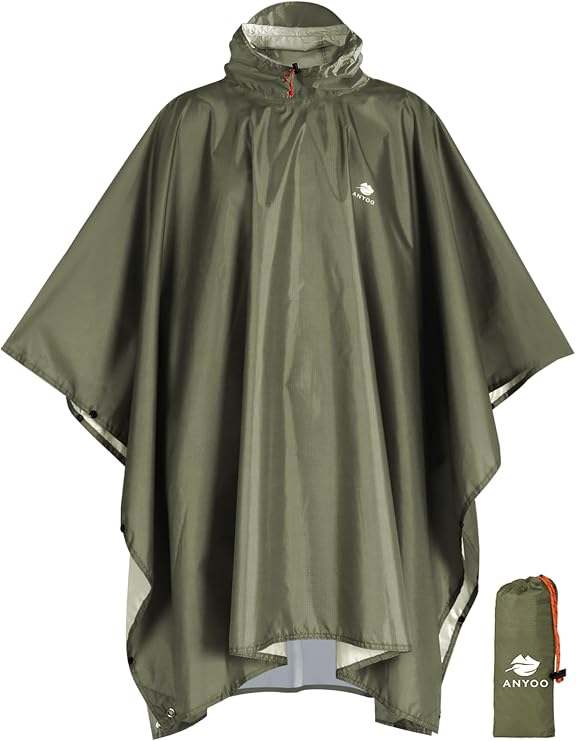
Lightweight and loose-fitting, the ANYOO Waterproof Hooded Rain Poncho suits hikers and travelers who want reliable rain coverage without bulk. Its biggest strength lies in covering both the wearer and a backpack, keeping gear dry during sudden downpours.
Putting it on is straightforward thanks to the adjustable drawstring hood and side hook-and-loop fasteners that tailor the fit. The wide armholes and roomy bottom provide airflow to avoid overheating and reduce clamminess on the trail. Folding into a compact size, it fits easily into daypacks or emergency pouches, useful for unpredictable weather.
Made from 210T ripstop polyester with a TPU coating, this poncho offers solid waterproof protection rated at PU 8000MM. Sealed seams block rain from sneaking through stitches. It is durable enough for outdoor use but has a loose structure that may flap in strong winds.
Many find it comfortable and roomy while noting side snaps can be fiddly to use without practice.
Strong waterproofing and breathability make it practical in rain and mild weather. The ability to cover a backpack and convert into shelter options adds value for outdoor activities. Common frustrations include fiddly snap fasteners and some billowing in wind due to the loose cut.
Anyone wanting a compact, versatile rain poncho to protect themselves and gear will appreciate this design. Those regularly facing heavy winds might want a closer-fitting rain jacket for better wind resistance and fewer flaps in strong breezes.
Pros
- Covers wearer and backpack effectively
- Lightweight and packs down small
- Ventilated design with loose armholes
- Multiple uses: poncho, shelter, or ground sheet
Cons
- Side snaps can be difficult to fasten
- Loose fit may catch wind in gusty conditions
| Specification | Details |
|---|---|
| Material | 210T ripstop polyester with TPU coating |
| Waterproof Rating | PU 8000MM |
| Weight | 11 oz |
| Fit Type | Loose, unisex |
| Features | Drawstring hood, side hook-and-loop fasteners, snap adjustments |
| Color | Army Green |
6. FROGG TOGGS Ultra-Lite2 Rain Suit

Lightweight and practical, the FROGG TOGGS Ultra-Lite2 Rain Suit suits hikers and campers who need a basic, easy-to-carry rain protection layer. Its standout feature is being ultra-light while still blocking water effectively, making it ideal for unpredictable weather on the trail.
Putting on the suit is straightforward, and it packs down small enough to tuck into a backpack without adding much weight. The solid carbon color avoids showing dirt easily during fishing or hiking trips. Breathability helps reduce sweat buildup, but expect some dampness during intense activity.
The simple design focuses on quick, effective rain protection rather than extra features like ventilation zippers or pockets.
The rain suit keeps water out well during moderate rain and light storms. Its material handles wet conditions with minimal wear after repeated use.
The main praise comes from its lightweight and compact nature. Some mention the fit can feel a bit loose, which might let in wind or cause fabric flapping in strong gusts. The build is protective but straightforward, lacking reinforced seams or added toughness to handle rough brush.
The rain suit excels at being lightweight and easy to pack, which is its biggest advantage on extended hikes. It reliably keeps rain off during moderate showers but the loose fit sometimes allows wind to get underneath the fabric. The design favors simplicity over extra features like vents or reinforced areas, which can be a downside for very active or.
Expect to appreciate this rain suit on casual camping or fishing trips where weight and pack size matter most. Those needing a tougher fit with more durability and wind protection for challenging terrain may want a more substantial option. The breathable fabric offers decent comfort but is best for low to moderate intensity activity in wet weather.
Pros
- Extremely lightweight for easy carrying
- Effective at blocking water in most conditions
- Simple design reduces bulk and complexity
- Packs down small for convenient storage
Cons
- Fit can be loose, causing some wind flap
- Material not reinforced for rugged terrain
| Specification | Details |
|---|---|
| Color | Carbon |
| Style | Ultra-lite2 Waterproof Breathable Protective Rain Suit |
| Occasion | Camping, Fishing, Hiking |
| Pattern | Solid |
7. COOFANDY Packable Rain Jacket

Nylon fabric shapes this raincoat, tailored for mild weather and summer use. Its relaxed fit with a hooded collar serves anyone needing lightweight protection for outdoor activities.
The biggest advantage lies in its packable nature, making it easy to carry without bulk during backpacking trips.
Setting it up means pulling the lightweight fabric over your head and adjusting the hood. Long sleeves help keep arms dry. The solid blue pattern remains consistent without flashy logos or designs.
The relaxed fit gives room for layering clothes underneath when temperatures dip slightly or weather changes quickly.
Water beads on the surface during light rain. The jacket holds up well in mild to moderate showers but is not suited for heavy downpours or severe storms. Stitching feels adequate but not reinforced for rugged conditions.
Positive remarks focus on its convenience and compactness. The main complaint involves limited breathability during warmer days.
Packability and ease of carrying come up as the strongest points, ideal for saving space in a backpack. Complaints around breathability indicate it can feel stuffy when temperatures rise under rain. The raincoat performs best in moderate weather without heavy wind or constant downpour.
Good fit for hikers and campers moving through mild weather zones with occasional showers. Not a strong choice for those anticipating prolonged exposure in heavy rain or intense physical activity requiring high ventilation. Shoppers seeking heavy-duty protection should explore other options.
Pros
- Lightweight and packable for easy transport
- Relaxed fit accommodates layering
- Hood provides good head coverage
- Simple solid color resists dirt visibility
Cons
- Not breathable enough in hot conditions
- Less durable stitching for rough use
| Specification | Details |
|---|---|
| Color | Blue |
| Style | Raincoat |
| Sleeve Type | Long Sleeve |
| Coat Silhouette Type | Rain Coat |
| Seasons | All, Summer |
| Climate Suitability | Mild Weather |
8. MARMOT Precip Eco Waterproof Rain Jacket
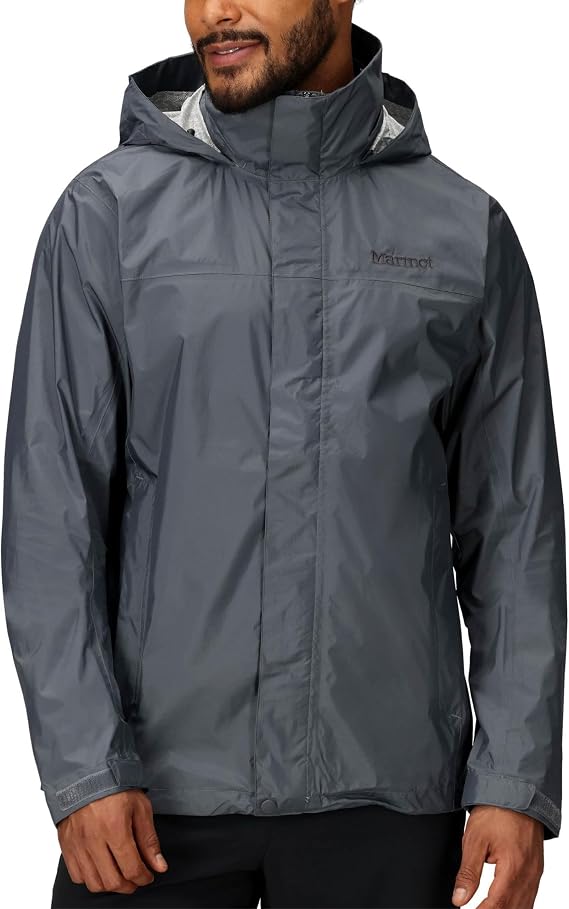
Lightweight and made from recycled materials, the MARMOT Precip Eco Waterproof Rain Jacket suits hikers and outdoor enthusiasts seeking reliable weather protection with an eco-friendly edge. Its biggest strength lies in combining breathability with sturdy waterproofing designed to keep you dry on unpredictable trails.
Setup involves adjusting the drawcord hem and Velcro cuffs to block wind and rain efficiently. Pit zips play a big role in daily comfort by allowing ventilation when activity heats you up. The jacket packs neatly into its own hand pocket, making it easy to store and carry without bulk when the weather clears or you move indoors.
Water resistance relies on Marmot NanoPro fabric combined with PFC-free DWR treatment, providing strong waterproof performance through 100% seam-taped construction. The recycled nylon ripstop shell feels durable without weighing you down.
Some find the fit a bit loose for layering, but the airflow control and protection stand out for mild weather conditions.
The rain jacket scores high marks for keeping water out thanks to fully taped seams and Marmot’s NanoPro membrane, while customers note its breathability is a major plus during brisk activity. The loose fit offers comfort but might not suit everyone, especially when layering thick garments underneath.
People looking for a lightweight, environmentally conscious rain jacket for hiking and mild fall or winter conditions will find a dependable choice here. Those facing heavy snow or extremely cold weather should consider heavier options specialized for severe climates.
Pros
- Packs into its own pocket for easy storage
- Eco-friendly recycled fabric and lining
- DriClime chin guard reduces neck irritation
- Adjustable cuffs and hem seal out cold air
Cons
- Regular fit may feel roomy for some users
- Designed mainly for mild weather, not heavy winter storms
| Specification | Details |
|---|---|
| Material Shell | 100% Pre-Consumer Recycled Nylon Ripstop |
| Lining | 100% Post-Consumer Recycled Polyester Mesh |
| Waterproof Fabric | Marmot NanoPro membrane |
| DWR Treatment | PFC-Free Durable Water Repellency |
| Seam Construction | 100% seam-taped |
| Ventilation | Pit zips |
9. Columbia Watertight II Rain Jacket

A solid choice for those who need reliable rain protection on fall backpacking trips, this jacket stands out by balancing water resistance with a comfortable fit. It suits hikers who want a dependable layer without extra bulk or complexity.
Putting the jacket on and adjusting it is straightforward thanks to its hooded collar and regular fit. It moves easily with the body, so it’s not restrictive while hiking uphill or scrambling over rocks.
The Columbia Grey color hides dirt well, which helps during multi-day treks. Stashing it in your pack is simple since it’s lightweight and folds down without taking up much space.
Water runs off smoothly, keeping you dry during sudden showers. The fabric handles consistent wet weather well, making it suitable for cold fall conditions.
Material durability is good; stitching holds up through wear. A notable benefit is the breathability preventing too much moisture buildup inside. Some mention the jacket could feel a bit stiff at first, but it loosens after a few uses.
Drying performance and reliable weather protection earn strong praise, especially for fall hikes. The most mentioned downside is stiffness in the fabric early on, which requires wearing a few times to soften. Breathability keeps the comfort level balanced, but the jacket is not designed for warmer weather or heavier layering.
Those spending time outdoors in cool, wet conditions during autumn will find this jacket meets their needs well. People wanting a jacket for winter or summer camping should consider other options that offer more insulation or ventilation. Its straightforward design works particularly well for hikers prioritizing weight and packability over extra features.
Pros
- Effective water resistance in cold, wet weather
- Lightweight and easy to pack for backpacking
- Regular fit allows comfortable layering underneath
- Hood provides reliable head coverage
Cons
- Material can feel stiff until broken in
- Limited season use mainly suited for fall
| Specification | Details |
|---|---|
| Color | Columbia Grey |
| Style | Watertight II Jacket |
| Sleeve Type | Long Sleeve |
| Fit Type | Regular |
| Collar Style | Hooded |
| Seasons | Fall |
10. The North Face Alta Vista Jacket

Rain can spoil a good hike fast. Designed for mild fall weather, this rain jacket suits outdoor enthusiasts who need reliable protection without bulky layers. Its main strength lies in offering waterproof, breathable coverage with a practical hood for sudden showers.
Putting on the jacket is straightforward thanks to its regular fit and long sleeves, which keep enough room for layering. The waterproof fabric handles drizzles and light rain, while the chest pocket offers easy access to small essentials on the trail.
The solid estate blue color blends well with outdoor gear and dirt alike. The hood adjusts well to protect the head from wet wind without limiting vision.
Water resistance holds up well during typical fall rain, keeping you dry without trapping sweat due to decent breathability. The build quality feels solid with neat seams and a weather-ready hood that fits snugly.
Some find the fit a bit boxy, making it less flattering but more practical over layers. The jacket holds up through repeated use but may show wear faster than heavier coats.
Waterproof performance and breathability receive consistent praise, making it suitable for typical fall conditions. The boxy fit appears often as a point of criticism, causing some to seek a slimmer cut. The weather-ready hood works well for rain protection without restricting movement on trails.
Those hiking in mild, rainy weather with moderate activity levels will appreciate the jacket. It may not suit harsher climates or anyone wanting a tight, fashion-forward fit. For heavier rain or cold, a thicker or insulated jacket might be necessary.
Pros
- Waterproof and breathable fabric
- Adjustable hood with good coverage
- Functional zip chest pocket for essentials
- Regular fit allows layering underneath
Cons
- Fit feels boxy to some
- Less durable than heavier rain jackets
| Specification | Details |
|---|---|
| Color | Estate Blue |
| Style | Alta Vista Rain Jacket – Waterproof, Breathable, Weather Ready Hood, Zip Chest Pocket |
| Sleeve Type | Long Sleeve |
| Coat Silhouette Type | Rain Coat |
| Seasons | Fall |
| Climate Suitability | Mild Weather |
11. Rab Phantom Mountain Waterproof Jacket

Sage color and classic style mark a rain jacket good for mild weather and outdoor activities. It suits hikers and backpackers who want protection without fuss.
The regular fit and anorak silhouette focus on comfort and simplicity for active use.
Putting on the jacket is straightforward with its long sleeves and no complicated closures to manage while moving. Its solid pattern and all-season design mean it blends easily into any setting. Daily wear involves minimal adjustment, making it a reliable choice for unpredictable light weather or quick showers.
Waterproofing meets the basic needs for mild weather, guarding well against drizzle and damp conditions. The material holds up under wet conditions but is less suitable for heavy rain or cold, wet environments. The regular fit balances ventilation and protection, though some feedback points out limited warmth and occasional fit issues around the shoulders.
The key praise notes waterproofing that holds well in light to moderate moisture and a fit that doesn’t restrict movement too much. Common complaints focus on limited warmth and occasional shoulder tightness, which can affect comfort during extended wear. This suggests the jacket works best as a lightweight barrier rather than a full cold-weather shell.
Outdoor enthusiasts seeking a lightweight rain layer for mild weather will find this jacket suitable. Those expecting protection in colder, wet climates or needing more insulation should consider alternatives designed for harsher conditions or more adjustable fits.
Pros
- Simple design suits active outdoor use
- Regular fit offers comfortable layering
- Effective waterproofing in mild rain
- Neutral sage color blends with nature
Cons
- Not ideal for heavy rain or cold weather
- Fit can feel tight around shoulders for some
| Specification | Details |
|---|---|
| Color | Sage |
| Style | Classic |
| Sleeve Type | Long Sleeve |
| Fit Type | Regular |
| Climate Suitability | Mild Weather |
| Coat Silhouette Type | Anorak |
12. Baleaf Waterproof Hooded Rain Jacket

Ideal for hikers and casual backpackers facing mild weather, the baleaf Waterproof Hooded Rain Jacket offers reliable wind and rain protection. Its lightweight design and built-in hood make it a solid choice for day trips and unpredictable conditions, especially when staying dry without bulk is a priority.
Setting up the rain jacket is straightforward thanks to its regular fit and hooded collar that quickly adjusts over your head. The striped pattern adds visibility, and reflective elements help in low light.
Long sleeves cover arms well, and the windbreaker style means it packs down easily for storage without taking up much space in your backpack.
The jacket performs well against mild rain and wind, keeping water out and wind at bay with its waterproof and windproof fabric. The material feels light but still durable enough for repeated use.
Some note that it suits better for mild rather than heavy rain, which aligns with its climate suitability. The main praise highlights effective weather protection; however, a common complaint is that it could be more breathable during intense activity.
The strongest praise lies in its capability to block out wind and keep dry during mild rain conditions. The jacket handles light wet weather well and fits comfortably without feeling bulky. Most often, complaints mention limited breathability that can cause discomfort when worn during intense activities or warmer conditions.
Those who spend time in variable but not extreme weather will appreciate the balance between protection and packability here. People who need something for heavy downpours or high-intensity hiking might look toward more technical, breathable options. This jacket suits well for day hikes, commutes, or casual walks where weight and basic waterproofing matter most.
Pros
- Lightweight and easy to pack
- Reflective details aid visibility
- Effective wind and rain protection
- Comfortable regular fit with hood
Cons
- Less breathable during heavy exertion
- Best for mild, not severe, weather
| Specification | Details |
|---|---|
| Color | A-steel Gray |
| Style | Windbreaker |
| Fit Type | Regular |
| Sleeve Type | Long Sleeve |
| Climate Suitability | Mild Weather |
| Features | Waterproof, windproof, lightweight, reflective, hooded |
13. Adult Waterproof Hooded Rain Poncho

Loose-fitting with a camouflage pattern, the Adult Waterproof Hooded Rain Poncho suits backpackers who prioritize quick protection over fitted gear. It stands out for its wide coverage and hood design, making it easy to throw on during mild weather hikes without worrying about packing a tight, restrictive jacket.
Setting up the poncho takes moments since it slips over the head without fiddling with zippers or buttons. Half sleeves prevent arm heat buildup while still allowing freedom of movement in outdoor activities.
The loose fit means you can wear it over a backpack without constant adjustment. Its black camouflage pattern keeps a low profile amid natural settings.
Waterproof material and a roomy hood shield you well from rain, maintaining dryness during typical mild-weather showers. The poncho’s overall loose silhouette helps shed water quickly off the sides.
Most praise centers on its reliable water resistance and ease of use. The commonly noted drawback is the half sleeves, which offer less arm coverage than full sleeves in heavier storms.
Reliable water resistance and ease of use stand out as key positives. Complaints mainly mention the half sleeves leaving arms partially exposed during heavier weather. The poncho’s loose design means it keeps you dry but sacrifices a snug fit that some might expect from a jacket.
The poncho suits hikers needing a quick, lightweight rain barrier in mild conditions and who carry backpacks underneath. It may not satisfy those facing long exposure to heavy rain or cooler climates where full arm coverage and insulation are necessary. For those, a conventional rain jacket might offer better protection and warmth.
Pros
- Quick to put on and take off
- Roomy fit fits over backpacks
- Effective water resistance in light rain
- Camouflage pattern fits outdoor settings
Cons
- Sleeves cover only half the arms
- Less suitable for heavy rain or cold
| Specification | Details |
|---|---|
| Color | Black-pro |
| Style | Raincoat (Poncho) |
| Sleeve Type | Half Sleeve |
| Fit Type | Loose |
| Collar Style | Hooded |
| Climate Suitability | Mild Weather |
14. 33,000ft Lightweight Packable Rain Jacket

33,000ft Lightweight Packable Rain Jacket fits well for men who need a rain coat that is easy to carry and good for mild weather. The biggest advantage lies in its light weight and packability, making it handy for travelers or hikers who want to avoid bulky rain gear.
Setting up the jacket involves putting on the hooded coat with cuff sleeves that fit loosely, allowing movement without feeling tight. The olive color makes it a practical choice for outdoor activities like golf or light rain walks. Its packable nature means you can fold it small for your backpack, saving space on the trail or in a bag.
Performance in mild weather is reliable since it keeps off light rain well without overheating. The material feels thin but resists water effectively.
A common praise is how easy it is to carry around throughout the day. Some complaints mention it may not hold up in heavy rain or very cold conditions, showing clear limits with strong weather.
Many users appreciate how compact and lightweight the jacket is, making it simple to carry all day. It performs well during light rain but shows weakness when rain gets heavier or temperatures drop, which limits its use in more challenging weather.
Those needing a rain jacket for casual outings or mild rain conditions will find it meets expectations. People planning to face harsh rain or cold should look for more robust options with thicker, insulated materials. This jacket works best as a secondary or backup layer in a hiking pack.
Pros
- Lightweight and easy to pack
- Loose fit allows good arm movement
- Suitable for mild weather conditions
- Hood adds extra rain protection
Cons
- Not ideal for heavy rain or cold
- Material feels thin, less durable
| Specification | Details |
|---|---|
| Color | Olive |
| Style | Men’s Rain Jacket |
| Fit Type | Loose |
| Climate Suitability | Mild Weather |
| Collar Style | Hooded |
| Occasion | Golf, light rain, packable |
15. Columbia Switchback IV Jacket

Lightweight and practical, the Columbia Switchback IV Jacket works well for mild fall weather during backpacking trips. It suits someone who needs straightforward rain protection without complicated features or heavy insulation. Its main strength is reliable coverage in drizzly or lightly rainy conditions while staying comfortable and breathable.
Putting on the jacket feels simple thanks to its regular fit and long sleeves, which provide good arm coverage without restricting movement. The solid antique mauve color hides dirt fairly well on trails. It’s suited for mild climates, so you won’t overheat quickly but can expect some breathability.
The rain coat silhouette sheds light rain, and the construction appears sturdy enough for consistent packing and unpacking.
It handles occasional rain as expected without saturation but is not designed for heavy downpours or harsh winter weather. The build is straightforward, focusing on regular fit over technical adjustments. The main praise highlights comfort and decent protection for fall conditions, while the common critique points out it lacks advanced weatherproofing features like sealed seams or extra ventilation.
The jacket offers reliable comfort and light rain protection during mild fall conditions. It handles packing and trail use well without feeling restrictive. Many find it adequate for drizzles but note the jacket struggles with longer, heavier rains and is missing features like taped seams for full waterproofing.
Anyone hiking in mild, less rainy fall weather will find it a simple, effective rain layer. Those expecting wet, cold, or variable conditions should consider a more technical option with better waterproofing and ventilation to stay dry and comfortable.
Pros
- Comfortable regular fit for layering
- Long sleeves provide good arm protection
- Lightweight enough for backpacking
- Simple solid color masks dirt
Cons
- Not suitable for heavy or prolonged rain
- Lacks advanced weatherproofing features
| Specification | Details |
|---|---|
| Color | Antique Mauve |
| Style | Switchback IV Jacket |
| Sleeve Type | Long Sleeve |
| Coat Silhouette Type | Rain Coat |
| Seasons | Fall |
| Climate Suitability | Mild Weather |
Best Backpacking Rain Jackets Comparison Table
| Product | Season | Fit Type | Collar Style | Climate Suitability |
|---|---|---|---|---|
| Columbia Glennaker Lake | Fall | Regular | Hooded | – |
| North Face Antora Jacket | Fall | Regular | Flat | Mild Weather |
| 33,000ft Packable Jacket | All, Fall, Spring, Summer | Regular | Hooded | Mild Weather |
| Outdoor Ventures Rain Jacket | All | Regular | Hooded | Mild Weather |
| ANYOO Waterproof Poncho | All | Loose | Hooded | Mild Weather |
| FROGG TOGGS Ultra-Lite2 | – | – | – | – |
| COOFANDY Packable Jacket | All, Summer | Relaxed | Hooded | Mild Weather |
| Marmot Precip Eco Jacket | Fall/Winter | Regular | Round | Mild Weather |
| Columbia Watertight II | Fall | Regular | Hooded | – |
| North Face Alta Vista | Fall | Regular | Hooded | Mild Weather |
| Rab Phantom Mountain | All | Regular | – | Mild Weather |
| baleaf Hooded Rain Jacket | All | Regular | Hooded | Mild Weather |
| Adult Waterproof Poncho | All | Loose | Hooded | Mild Weather |
| 33,000ft Lightweight Jacket | All | Loose | Hooded | Mild Weather |
| Columbia Switchback IV | Fall | Regular | – | Mild Weather |
- SeasonFall
- Fit TypeRegular
- Collar StyleHooded
- Climate Suitability–
- SeasonFall
- Fit TypeRegular
- Collar StyleFlat
- Climate SuitabilityMild Weather
- SeasonAll, Fall, Spring, Summer
- Fit TypeRegular
- Collar StyleHooded
- Climate SuitabilityMild Weather
- SeasonAll
- Fit TypeRegular
- Collar StyleHooded
- Climate SuitabilityMild Weather
- SeasonAll
- Fit TypeLoose
- Collar StyleHooded
- Climate SuitabilityMild Weather
- Season–
- Fit Type–
- Collar Style–
- Climate Suitability–
- SeasonAll, Summer
- Fit TypeRelaxed
- Collar StyleHooded
- Climate SuitabilityMild Weather
- SeasonFall/Winter
- Fit TypeRegular
- Collar StyleRound
- Climate SuitabilityMild Weather
- SeasonFall
- Fit TypeRegular
- Collar StyleHooded
- Climate Suitability–
- SeasonFall
- Fit TypeRegular
- Collar StyleHooded
- Climate SuitabilityMild Weather
- SeasonAll
- Fit TypeRegular
- Collar Style–
- Climate SuitabilityMild Weather
- SeasonAll
- Fit TypeRegular
- Collar StyleHooded
- Climate SuitabilityMild Weather
- SeasonAll
- Fit TypeLoose
- Collar StyleHooded
- Climate SuitabilityMild Weather
- SeasonAll
- Fit TypeLoose
- Collar StyleHooded
- Climate SuitabilityMild Weather
- SeasonFall
- Fit TypeRegular
- Collar Style–
- Climate SuitabilityMild Weather
How to Choose the Right Backpacking Rain Jacket
Look for a rain jacket that balances waterproofing, breathability, and weight to suit your outdoor activities. Choosing the right fit and durable materials prevents replacements and keeps you comfortable during long hikes, saving money and avoiding wet gear troubles.
Waterproofness and Breathability
After hours of hiking uphill, sweating inside a jacket that doesn’t breathe is a quick way to feel clammy and uncomfortable. A jacket rated with a waterproof membrane like Gore-Tex or eVent typically offers around 10,000 to 20,000 mm on the waterproof scale, meaning it withstands heavy rain or snow without soaking through. However, the less breathable the fabric, the more moisture builds up inside, which leads to chills once you stop moving.
The balance between waterproofness and breathability determines real-world comfort on the trail. Look for jackets with breathability ratings around 10,000-20,000 g/m²/24hr, which allow sweat vapor to escape but still block external water.
Features like pit zips or mesh-lined pockets help vent excess heat. On windy, wet days, a jacket with high waterproof rating but poor breathability can trap sweat, making you cold. Conversely, a breathable jacket with low waterproofing risks getting soaked.
Finding gear that performs well in both categories keeps you dry and comfortable over long periods of physical effort.
Weight and Packability
Carrying an extra pound or two on a multi-day trek adds up quickly, especially when you already have a heavy pack filled with essentials. A jacket weighing under 10 ounces can make a noticeable difference, easing shoulder strain and allowing more room for food or gear.
Some models compress down to the size of a soda can, slipping easily into the side pocket or even a hip belt pouch. This means no awkward bulk when the weather clears but unpredictability remains a concern.
Materials like 40D nylon with a silicone or polyurethane coating balance lightness and durability better than ultrathin fabrics, which may tear after a few uses. Jackets made from 20D or less often save grams but at the cost of abrasion resistance.
Long hikes through brush or rough terrain expose the jacket to scrapes, so expect tradeoffs between a lightweight design that stows small and one that lasts several treks. Compression sacks with an adjustable bulk also help manage space, keeping the jacket accessible yet out of the way.
Fit and Mobility
Trying to squeeze into a rain jacket that doesn’t allow for an insulating layer underneath can ruin a whole day outside. A jacket needs some extra room, not so loose that it flaps in the wind, but enough to fit a fleece or synthetic mid-layer comfortably. Without this space, movement feels restricted and the jacket can gap open, letting water in.
Around 1 or 2 sizes up from a snug fit often works, or jackets labeled with “athletic fit” that still have stretch. The difference during a hike or climb shows right away: a proper fit keeps warmth in and water out without feeling boxy or bulky.
Strong focus goes to sleeve and shoulder design. Articulated sleeves or gusseted underarms let you reach and swing your arms without pulling the jacket out of place.
Flat seams and stretch panels help avoid chafing when carrying a pack. Adjustable features offer a tailored fit: cuffs with hook-and-loop tabs shut out rain and wind, while drawcord hems prevent drafts at the waist. Hoods with toggles or a cord lock should fit snugly around your head and helmet, not slip over your eyes or fall off easily.
Little adjustments like these keep your gear comfortable through changing weather and different activity levels.
Durability and Material Quality
After a few trips, the outer shell of a jacket often shows signs of wear, especially when brushing against rocks or branches. Thin fabrics can tear easily, turning a simple snag into a leak point. A jacket made from ripstop nylon or polyester with a denser weave usually lasts longer under rough conditions.
Look for fabrics with a minimum of 20 denier; anything lighter tends to sacrifice durability for weight. Reinforced areas, like the shoulders and elbows, add extra protection in spots that get the most friction from backpack straps or frequent movement.
Zippers and seams often determine how long a jacket holds out. Cheap zippers can jam or break, and poorly taped seams may start leaking after a few rainy days.
High-quality waterproof zippers and fully sealed seams create a reliable barrier against water. Jackets with reinforcements at stress points prevent stitching from coming loose over time. Durable water repellent (DWR) coatings also need reapplying after several wash cycles to keep the fabric shedding water instead of soaking through.
This maintenance is crucial to maintain the jacket’s original performance over multiple seasons.
Ventilation and Temperature Regulation
Hiking uphill on a humid day quickly turns a rain shell into a sweaty, uncomfortable layer. Jackets with well-designed ventilation like pit zips make a noticeable difference. These vents let trapped heat and moisture escape, reducing internal dampness that often leads to chills when stopping.
Without them, sweat builds up, causing that clammy feeling and sometimes dropping body temperature once movement slows.
Effective ventilation often includes side zippers or mesh-lined openings sized around 6 to 10 inches for good airflow. The best designs can be opened or closed easily while wearing gloves, letting you adapt quickly as conditions shift.
Materials around vents usually blend breathable fabrics with waterproof membranes, preserving dryness without sacrificing breathability. Having these ventilation options gives the flexibility to stay cool climbing steep sections, then lock it down when rain picks up, rather than overheating or getting drenched from the inside out.
Maximizing Waterproof Performance Through Layering Techniques
Waterproof jackets work best when combined with appropriate layering to manage moisture and temperature effectively. For tough rain conditions, start with a moisture-wicking base layer made of synthetic materials or merino wool to keep sweat away from the skin. Avoid cotton as it retains moisture and can lead to discomfort.
Over this, add an insulating mid-layer if the temperature is low. Fleece or lightweight down works well here.
The rain jacket on top functions as the shell, protecting from wind and rain while allowing sweat to escape.
Key points to consider when layering for waterproofing:
- Choose a rain jacket with breathable fabric, such as Gore-Tex or similar membrane, to help vent moisture.
- Ensure enough room in the jacket to accommodate mid-layers without restricting movement.
- Use adjustable cuffs and a hood that fits well to prevent water from entering at openings.
- Test for noise and bulk, some jackets get noisy when layered, which can be distracting during hikes.
This approach keeps you dry and more comfortable, even during prolonged exposure to rain and wind.
Essential Care and Maintenance Tips for Longevity
Water-repellent coatings on rain jackets tend to lose effectiveness after multiple washes. Use a gentle, non-detergent soap specifically made for waterproof gear to clean the fabric without stripping its protective layer. Avoid fabric softeners as they clog the pores and reduce breathability.
Dry jackets by hanging them in a well-ventilated area out of direct sunlight. High heat from dryers or sunlight can damage the waterproof membrane and cause it to crack or peel.
When a jacket has a durable water repellent (DWR) finish, occasional reapplication is necessary. Spray-on DWR treatments designed for technical outerwear work best and should be evenly applied to a clean, dry jacket.
- Store the jacket loosely folded or hung to prevent creasing and membrane damage.
- Close zippers and fasten Velcro before washing to protect them and avoid snags.
- Address small tears or seam issues promptly with repair tape or patches built for waterproof fabrics.
Following these care steps extends both the waterproof performance and lifespan of your rain jacket. Proper maintenance ensures it stays reliable on rough trails and unpredictable weather conditions.
Comparing Rain Jackets with Ponchos and Shells for Different Backpacking Needs
Rain jackets, ponchos, and shells each serve different purposes depending on the kind of backpacking trip planned. Rain jackets usually combine waterproof materials with breathability, making them suitable for active hiking where ventilation reduces sweat buildup. They often include adjustable hoods and cuffs to keep the rain out without restricting movement.
Ponchos offer more coverage, protecting both the wearer and their backpack. They are typically lighter and can double as ground tarps or shelter but lack the close fit of jackets, which can make them flappy in the wind and less effective in heavy rain or strong winds.
Shells are designed as durable waterproof layers without insulation. They’re ideal for layering in colder conditions or when you already have a warm base but require a reliable barrier against rain.
Shells often have fewer comfort features compared to rain jackets but are better for long-term exposure in wet conditions.
- Choose a rain jacket for a balance of comfort and protection.
- Opt for a poncho if you prioritize weight savings and multi-use gear.
- Pick a shell when layering is key and durability is a focus.
People Also Asked
How Do I Choose the Right Size Backpacking Rain Jacket?
Choose a size that allows layering underneath without restricting movement. Try the jacket on with a fleece or light insulated layer to make sure the fit stays comfortable on the trail. Check that sleeves cover your wrists and the hood fits over your helmet or hat.
What Is the Best Way to Care for a Rain Jacket Fabric?
Wash jackets only when dirty using a detergent made for technical fabrics. Avoid fabric softeners and bleach, which can damage waterproof coatings. Air dry or tumble dry on low to reactivate durable water repellent treatments.
Can a Rain Jacket Protect Me During Severe Weather Conditions?
A good rain jacket provides solid protection in heavy rain and wind but may not withstand extreme conditions like ice storms or prolonged exposure to freezing rain. Look for jackets with taped seams and high waterproof ratings for the best defense.
How Long Does a Typical Backpacking Rain Jacket Last with Regular Use?
A well-maintained backpacking rain jacket typically lasts around 3 to 5 years with regular use. Longevity depends on how often it’s worn, how it’s stored, and care routines. Repair small tears or replace worn waterproof coatings to extend life.
What Common Problems Should I Expect with Waterproof Rain Jackets?
Expect issues like loss of water repellency, seam leaks, and zippers or Velcro that get clogged with dirt. Some jackets also trap sweat inside, causing dampness. Regular cleaning and reapplying DWR treatments help minimize these problems.
Conclusion
Choosing a backpacking rain jacket boils down to a few key things: durability against rough trails, breathability to avoid overheating, and a weight that doesn’t add too much bulk to your pack. These factors help ensure the jacket performs well in changing weather without slowing you down.
Consider how much room you have in your pack, your budget, and how often you’ll wear the jacket before making a decision. Check the comparison table and the detailed reviews above to find the jacket that fits your specific needs and gear setup best.