
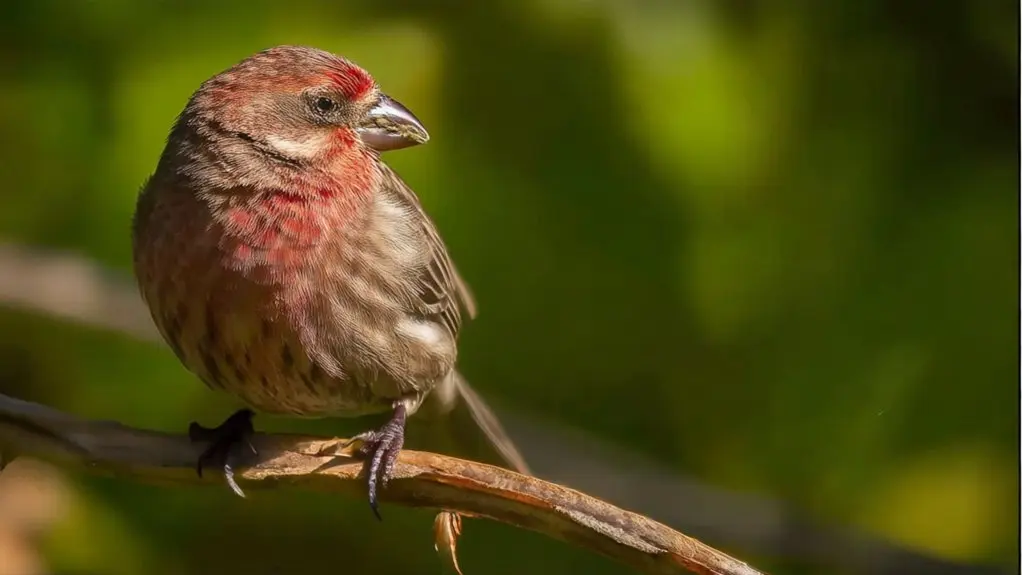
Yes, many birds can naturally recover from House Finch Eye Disease as their immune systems gradually heal the infected eye tissues over several weeks. You’ll notice swelling and inflammation reduce, and normal behaviors like flying and foraging resume.
While some birds may show residual scarring or minor lasting effects, full recovery is common. Understanding the disease’s transmission, prevention, and when to seek help can further support healthy bird populations and control its spread.
What Is House Finch Eye Disease?
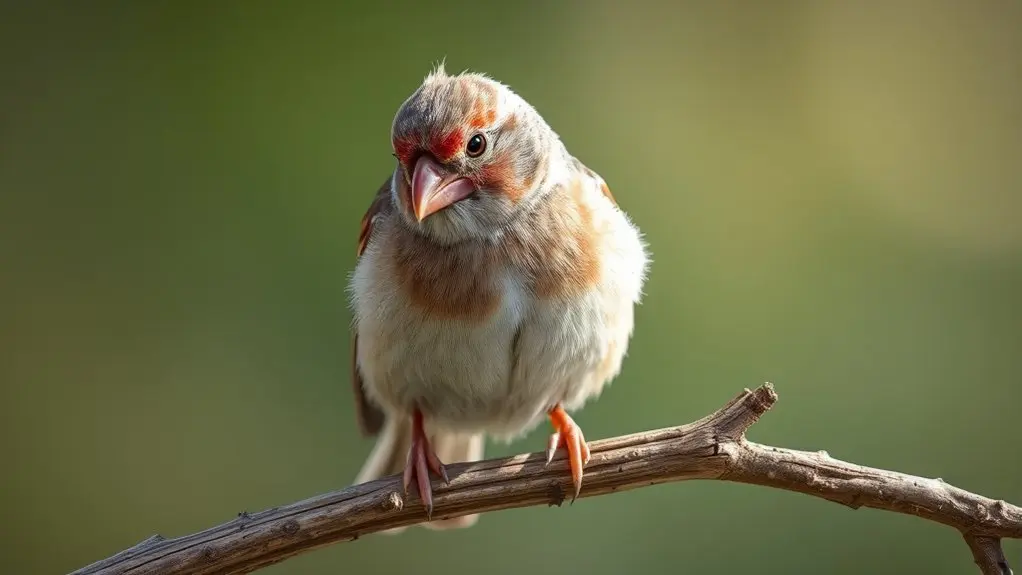
What causes House Finch Eye Disease, and how does it affect birds? This condition is caused by the bacterium Mycoplasma gallisepticum, which primarily infects the eyes of House Finches. It was first identified in North America in 1994.
The disease leads to symptoms like swollen, crusted eyes and conjunctivitis.
If it goes untreated, the infection can impair vision or even cause blindness, which really impacts the bird’s chances of survival. When birds are migrating or nesting, having compromised eyesight makes things even tougher. They might struggle to find food, avoid predators, or take care of their chicks.
The disease spreads through direct contact or by touching contaminated feeders and environments. So, social interactions and communal nesting spots become key places where the infection can spread.
While many birds get better with supportive care, some end up with lasting eye damage that changes their overall fitness and behavior.
How Does Avian Pox Differ From House Finch Eye Disease?
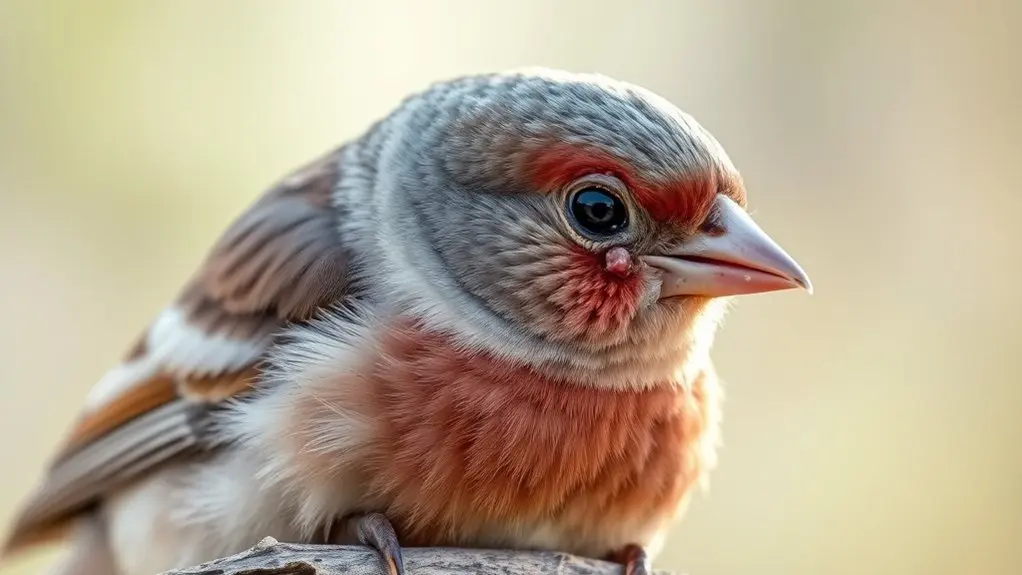
Although both diseases affect birds, Avian Pox and House Finch Eye Disease differ markedly in their causes, symptoms, and impacts.
Avian Pox results from a viral infection causing wart-like growths on the skin and mucous membranes. These growths often lead to disfigurement and respiratory issues.
In contrast, House Finch Eye Disease comes from the bacterial pathogen Mycoplasma gallisepticum. It primarily causes conjunctivitis and eye swelling without skin lesions.
You should note that Avian Pox’s severe systemic effects, which might be linked to genetic mutations in viral strains, can trigger significant behavioral changes such as reduced feeding or flight.
On the other hand, House Finch Eye Disease usually causes localized symptoms with less pronounced behavioral impact and often clears up naturally.
Understanding these distinctions helps clarify their different ecological and health consequences in affected bird populations.
It’s important to recognize how these diseases affect birds differently to better address their management and care.
How Does House Finch Eye Disease Affect Birds?
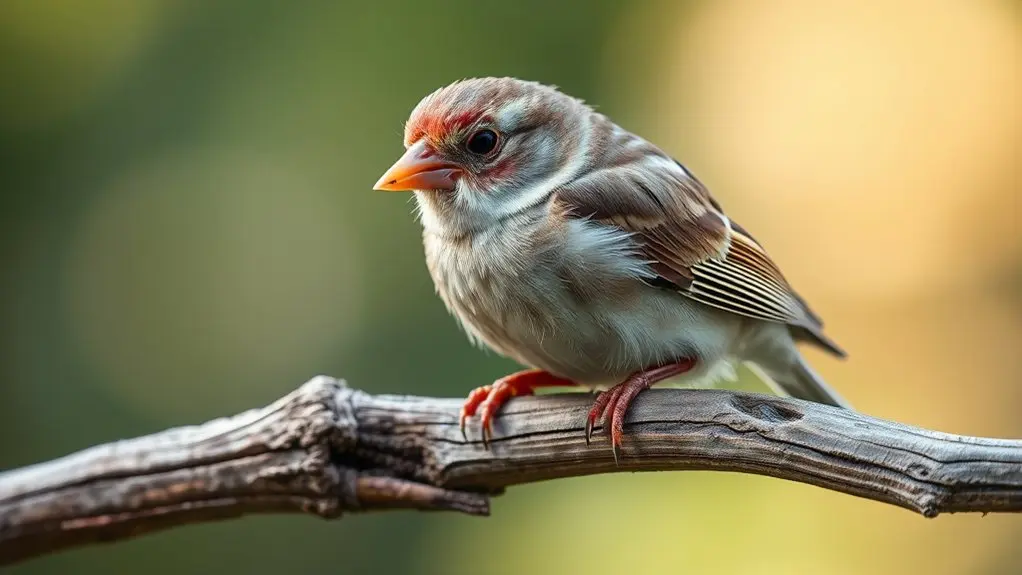
You’ll notice that House Finch Eye Disease mainly causes symptoms like swollen, inflamed eyes. But interestingly, some birds don’t show any signs at all.
The disease spreads through direct contact and also through the environment, which is why it can move pretty quickly among bird populations.
Recovery can be quite different from bird to bird. In severe cases, the infection might cause lasting vision problems, which can make it harder for them to find food or avoid predators.
Symptoms And Recovery
When house finches contract eye disease, they often develop swollen, discolored, or crusted eyes that can really affect their vision. This vision problem temporarily messes with important behaviors like migration and nesting because poor eyesight makes it hard for them to navigate and pick good nest sites.
The disease can lead to partial or complete blindness, and it’s uncomfortable for the birds. But the good news is, many finches recover as their immune system fights off the infection. Recovery means the damaged eye tissue has to heal, though in severe cases, some birds might lose an eye.
Once they’ve healed, these birds usually get back to their normal routines like flying and foraging. Knowing these symptoms and how recovery works is key to understanding how this disease impacts house finch populations and their roles during migration and breeding seasons.
Transmission And Spread
Since house finch eye disease spreads mainly through direct contact with infected birds or contaminated surfaces like feeders, understanding these pathways is really important for managing the disease. You should know that bacteria like Mycoplasma gallisepticum can mutate, which means they can start infecting birds beyond the usual feeder species, like the Wood Thrush.
This shows there are multiple ways the disease can spread, including through the environment and social interactions.
Bird behaviors like communal feeding and flocking actually increase the risk because they promote close contact. Plus, different species have varying genetic susceptibility, which affects how often they get infected and how severe the disease is.
So, by keeping these factors in mind, you can get a better idea of how the disease moves through different bird populations.
Keeping feeders clean and watching how birds behave are super important steps to help reduce transmission and keep birds healthy. It’s all about staying proactive to protect avian health effectively.
Long-Term Health Effects
Although House Finch Eye Disease can cause noticeable symptoms during infection, most birds recover fully without lasting health effects. You’ll find that genetic resilience plays a key role in their ability to heal, especially as seasonal variations influence disease severity and recovery rates.
Here’s what you should know about the long-term health effects: Temporary vision impairment or eye discomfort is common during infection. Most birds regain full ocular function after symptoms subside.
Chronic or persistent conjunctivitis is rare but possible due to bacterial mutation. Studies show no significant ongoing illness in recovered birds.
Seasonal factors can affect disease prevalence but not long-term outcomes.
What Symptoms Indicate Recovery or Complications in House Finch Eye Disease?
Recognizing recovery or complications in house finch eye disease requires careful observation of both physical signs and behavior. You can identify recovery when eye growth resolves, swelling subsides, and the eye area appears healed without discharge. Additionally, intact feather coloration and normal nesting behavior signal improved health.
On the other hand, complications arise if swelling persists or secondary infections develop. This can potentially alter feather coloration and disrupt nesting activities.
Even if the bird loses an eye, as seen in avian pox cases, sustained activity and stable behavior usually indicate positive adaptation rather than decline.
It’s important to monitor the finch’s ability to eat, fly, and engage in typical behaviors. Keeping a close eye on these signs ensures you catch either full recovery or any ongoing health issues that might need intervention.
Can Birds Naturally Recover From House Finch Eye Disease?
When birds like the house finch encounter eye disease caused by avian pox, they can sometimes recover naturally by shedding growths such as tumors or lesions. This recovery depends on factors like the bird’s overall health and the infection’s severity.
You should note that natural healing may include shedding of pox-related lesions around the eyes, gradual reduction in swelling and inflammation, possible loss of an eye with residual scarring, ability to resume normal activities such as bird migration, and restoration of feather coloration signaling improved health.
While birds can regain vision, the healing process may take weeks. Successful recovery supports survival in the wild, but complications can sometimes get in the way. Understanding these dynamics helps you appreciate how nature manages eye disease in house finches.
Can Bird Feeders Spread House Finch Eye Disease?
While bird feeders can facilitate bacterial transmission among visiting house finches, research shows they are not the primary route for spreading House Finch Eye Disease. Feeder contamination does contribute to disease spread, but environmental transmission and social interactions among birds also play significant roles.
Evidence shows bacteria exist in species that rarely use feeders, indicating multiple infection pathways. Understanding these routes is vital for managing outbreaks effectively.
| Concern | Reality |
|---|---|
| Feeder contamination | Present but not sole transmission method |
| Environmental transmission | Significant factor beyond feeders |
| Disease control | Requires multi-route understanding |
How Can You Help Prevent House Finch Eye Disease in Backyard Birds?
Because House Finch Eye Disease spreads through multiple pathways, you can play an essential role in reducing infection risks by maintaining clean feeding environments and practicing proper hygiene.
Bird migration and nesting habits influence disease dynamics, so minimizing contact points during these periods is critical.
To help prevent the disease in backyard birds, consider these steps:
- Regularly clean and disinfect bird feeders and birdbaths to interrupt bacterial transmission.
- Remove and thoroughly sanitize feeders if you observe sick or dying birds nearby.
- Avoid overcrowding feeders to reduce stress and limit pathogen spread among migrating and nesting birds.
- Wash your hands after handling birds or cleaning feeders to prevent cross-contamination.
- Engage in citizen science projects monitoring bird health to enhance early detection and response efforts.
These measures collectively lower the risk of infection and support healthy bird populations.
Taking just a little extra care can make a big difference for the birds visiting your yard.
When Should You Seek Expert Help for a Sick Bird?
If you notice a bird showing severe or persistent symptoms like swollen eyes, unusual discharges, or trouble flying, you should get expert help right away. These signs might mean the bird has House Finch Eye Disease or another serious condition that needs professional care.
Reach out to a wildlife rehabilitator or a vet who knows about bird health. This is especially important during critical times like bird migration and nesting when birds are more vulnerable.
If the bird can’t move, won’t eat, or seems really distressed, don’t wait to get help. It’s best not to try treating sick birds yourself because improper care can make things worse and spread the disease.
Getting advice early from experts improves the chances the bird will recover. It also helps stop the disease from spreading through wild bird populations, which supports overall bird health during sensitive times like migration and nesting.
Frequently Asked Questions
Can House Finches Transmit Eye Disease to Other Bird Species?
Yes, house finches can transmit eye disease through cross species transmission. You should focus on disease prevention by minimizing direct contact and shared feeding sites to reduce bacteria spread.
This helps protect diverse bird populations effectively. It’s all about keeping those interactions limited and clean. That way, everyone stays healthier and happier.
Does House Finch Eye Disease Affect a Bird’s Lifespan?
You’ll find that house finch eye disease rarely shortens a bird’s lifespan due to an effective bird immune response.
However, disease transmission mechanisms can lead to severe cases, potentially impacting longevity through secondary infections or eye damage.
Are There Any Home Remedies to Treat House Finch Eye Disease?
You won’t find scientifically proven natural remedies or dietary supplements that effectively treat house finch eye disease.
Instead, focus on hygiene and consult wildlife rehabilitators for proper care rather than relying on unverified home treatments. It’s really best to leave this to the experts who know how to handle it safely.
How Long Does It Take for a Bird to Fully Heal?
Like winter thawing into spring, eye healing in birds unfolds over weeks to months. You’ll see recovery timelines vary widely; some heal in two weeks, while others need over a month for full tissue regeneration and restored vision.
It really depends on the severity of the injury and the bird’s overall health. So, patience is key when waiting for a bird to fully heal. Just like us, their bodies take time to bounce back.
Can Indoor Birds Contract House Finch Eye Disease?
Yes, indoor birds can contract House Finch Eye Disease if they come into contact with contaminated surfaces or wild birds.
Keeping your aviary clean is super important. It really helps lower the chances of infection. Plus, making sure your bird gets proper nutrition supports their immune system against Mycoplasma gallisepticum.
Conclusion
You can help birds recover from House Finch Eye Disease by monitoring symptoms closely, much like a gardener tending fragile blooms. While many birds naturally heal, some face complications requiring expert care. Preventing spread through feeder hygiene is essential, as the disease transmits easily.
By understanding symptoms and acting promptly, you play a critical role in supporting backyard bird health. This helps reduce the impact of this contagious condition in your local avian community.