
Shaky images ruin many moments when using binoculars, especially for birdwatching or sports events. The need for steady vision is why the best binoculars with stabilization stand out, they keep the view stable despite hand tremors or movement. Without stabilization, even the clearest optics can’t save you from frustrating blurs and fatigue.
Quality binoculars with stabilization combine a strong optical zoom, usually between 8x and 12x, with a reliable gyro or electronic system to counteract shake. Construction matters too; lightweight materials like magnesium alloy help with all-day comfort.
Eye relief of 15mm or more ensures safety and comfort for eyeglass wearers. Easy-to-clean, waterproof lenses make a big difference outdoors, maintaining clarity in varied conditions.
Need a Quick Check?
| Image | Product | Price |
|---|---|---|
Our Top Picks 1 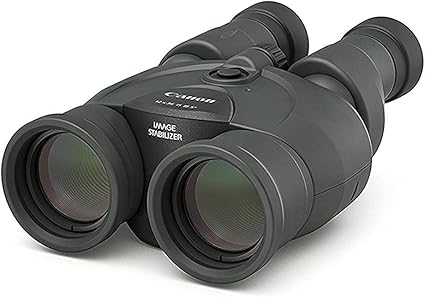 | Canon 12×36 IS III | Check Price |
Our Top Picks 2  | Canon 10×20 Binoculars | Check Price |
Our Top Picks 3  | Canon 12×36 IS III Alt | Check Price |
Our Selected Top 15 Binoculars with Stabilization for Different Needs
This list covers a variety of binoculars with stabilization, each tested for performance in different settings like birdwatching, sports, or marine use. Detailed information on their features, strengths, limitations, and ideal users helps pinpoint the best choice for specific needs.
1. Canon 12×36 Image Stabilization III Binoculars
Image stabilization stands out immediately, making these binoculars great for birdwatchers and hunters who need steady views at high magnification. The 12x zoom power paired with a compact design makes them truly portable without losing clarity.
Setting them up involves adjusting the center focus and diopter manually, which feels straightforward. They run on batteries that last longer than many similar models, so you won’t need constant replacements.
The 14.5mm eye relief works well for people who wear glasses, adding comfort during extended use. The low-reflective exterior reduces glare, helping while tracking wildlife.
Image quality remains sharp from edge to edge thanks to the doublet field-flattener lens and Porro II prisms. Light transmission is strong for clear, bright sights even in low light. The body is water resistant rather than fully waterproof, so caution is needed in heavy rain.
Some note the weight makes long carries noticeable but manageable.
Image stabilization delivers remarkably steady views under various conditions, praised for clarity and smooth tracking. The most frequent drawback mentioned involves the binoculars’ weight, which can become tiring over long periods of handheld use.
Those seeking precise, stabilized viewing in low light or at long distances will appreciate these binoculars. For users needing ultralight gear or full waterproof protection, alternative options may suit better depending on specific outdoor activities.
Pros
- Strong image stabilization technology from Canon EF lenses
- Compact and easy to carry for outdoor activities
- Long battery life with efficient power use
- Clear, distortion-free images across the entire field
Cons
- Heavier than some other stabilized binoculars
- Water resistant but not fully waterproof
| Specification | Details |
|---|---|
| Magnification | 12x |
| Objective Lens Diameter | 36 millimeters |
| Eye Relief | 14 millimeters |
| Prism Type | Porro Prism |
| Water Resistance Level | Water Resistant |
| Focus Type | Manual Focus |
2. Canon 10×20 Binoculars
Compact and lightweight binoculars with a 10x magnification and image stabilization make these a strong choice for bird watchers who need clear views without bulky gear. The stabilizer system reduces hand shake effectively, offering steady visual experiences during longer observation sessions.
Setting up feels simple thanks to the manual focus and diopter adjustment, which let you tailor the view to your eyesight quickly. Despite being powered for image stabilization, these binoculars maintain a compact form, fitting easily in one hand or a small bag.
A tripod mount adds extra stability options for hours of use out in the field.
Optical performance remains sharp with the field flattener lens and super spectra coating, reducing glare and color distortions. The build is solid but not water resistant, which limits use in damp conditions.
Praise often focuses on the stabilization feature working well, while complaints mainly mention the lack of water resistance as a downside.
Image recovery from hand shake ranks highly as a major advantage, making spotting and tracking small birds easier. Complaints focus on vulnerability to moisture, so using the binoculars in light rain or humid settings requires caution. The manual focus offers precision but isn’t as quick to adjust as autofocus.
Ideal for casual to serious bird watchers who value portability and clear images on the move. Users needing all-weather gear or fast autofocus might look for alternatives with water resistance and more automated features. The tripod mount suits those planning longer observation sessions where steady views are key.
Pros
- Effective image stabilization for steady viewing
- Compact size and lightweight design
- Manual focus dial is precise and responsive
- Tripod mount for extended use stability
Cons
- Not water resistant, limiting use in wet conditions
- Manual focus requires some practice to use quickly
| Specification | Details |
|---|---|
| Magnification Maximum | 20x |
| Objective Lens Diameter | 20 mm |
| Field of View | 5.3 degrees |
| Focus Type | manual |
| Water Resistance Level | not water resistant |
| Mount Type | tripod mount |
3. Canon 12×36 IS III Binoculars
Watching birds or following sports action through a shaky handheld lens often makes the view frustrating. Designed for outdoor enthusiasts who want steadier images on the move, these binoculars stabilize the image at 12x magnification, letting you see distant details without the common wobbly view of typical handheld optics.
Setting the binoculars for a day out involves inserting two AA batteries, a type easy to find almost anywhere, which power the stabilization for around nine hours. The compact 6.9-inch body and included harness strap make carrying comfortable during long walks.
Adjusting the center focus wheel and ±3 diopter ensures clear vision, and the 14.5mm eye relief works well even with glasses on, making them usable for extended periods.
Image quality stays bright and sharp across the entire field, thanks to Porro prisms and coatings that reduce glare and distortion. The stabilization system uses internal gyros for smooth panning, which handles hand movements in two directions.
A noted downside is the lack of water resistance, so they need protecting in rainy or wet conditions. The sturdy build feels solid, but the maintenance includes charging and handling the electronics carefully.
The main benefit lies in the steady, clear view even at high magnification, helping to track moving subjects without the usual shake. Users note that the lack of water resistance limits use in bad weather. The unit’s reliability in image stabilization along with comfortable eye adjustment makes it suitable for hours of observation.
People who spend time in dry, stable conditions watching wildlife or sports will find these binoculars meet their needs well. Those who require waterproofing or simpler, battery-free optics might prefer alternative products designed with more rugged environments in mind.
Pros
- Strong 12x magnification with image stabilization
- Compact and lightweight design for extended use
- Long battery life with easy-to-find AA batteries
- Comfortable eye relief with diopter adjustment
Cons
- Not water resistant; needs careful use in wet conditions
- Requires regular battery charging and handling
| Specification | Details |
|---|---|
| Magnification Maximum | 12 x |
| Objective Lens Diameter | 36 mm |
| Eye Relief | 14.5 millimeters |
| Prism Type | Porro Prism |
| Battery | AA (two) |
| Field of View | 60 degrees apparent angle |
4. Canon 18×50 Image Stabilization Binoculars

18x magnification combined with built-in optical stabilization makes these binoculars suited for bird watchers and outdoor enthusiasts needing steady views at distance. The stabilization powered by 2 AA batteries is the biggest advantage, reducing handshake on long viewing sessions.
Setup involves inserting AA batteries to activate image stabilization, which significantly smooths the image. Carrying or mounting on a monopod is easy thanks to the design. Multi-coated 50 mm lenses provide a bright, clear view even in low light.
Manual focus and diopter adjustment help fine-tune the view, while the water-resistant and shock-resistant build handles rough weather on long trips.
The binoculars deliver sharp images with good color fidelity and clarity at 18x zoom. The optical stabilization works well, making distant subjects easier to follow without blur.
The body feels rugged and solid, coping with outdoor use. A common drawback is the relatively short 15 mm eye relief, which might be tight for users with glasses. Also, the exit pupil size means they require steady hands or support for best clarity.
Optical stabilization is the strongest feature, significantly reducing shake and making the 18x zoom practical for long sessions. The 15 mm eye relief often feels restrictive for glasses wearers, limiting comfort during prolonged use. Handling requires care to avoid blurred images due to the small exit pupil.
Those wanting high magnification with stabilization for bird watching or outdoor viewing will find these binoculars suitable. Users needing longer eye relief or larger exit pupil for easier handheld use should consider alternatives with those specs. The rugged build supports active all-weather use comfortably.
Pros
- Strong image stabilization with common AA batteries
- Wide and bright 7.5-degree field of view
- Durable shock and water-resistant design
- Multi-coated lenses for clear and colorful images
Cons
- Short eye relief may not fit all glasses
- Exit pupil size demands steady use or support
| Specification | Details |
|---|---|
| Magnification Maximum | 18 x |
| Objective Lens Diameter | 50 millimeters |
| Field of View | 7.5 degrees |
| Eye Relief | 15 millimeters |
| Battery Type | 2 AA batteries |
| Water Resistance Level | Water Resistant |
5. Canon 10×30 IS II Binoculars

Binoculars with stabilization are perfect for birdwatchers, sports fans, and nature observers who want steady views without a tripod. These Canon 10×30 IS II binoculars stand out for their effective image stabilization, making them a good fit for anyone facing hand shake during long viewing sessions or at higher magnifications.
Setup involves charging included AA batteries and attaching the binocular harness strap for comfortable carrying. The center focus wheel is smooth and easy to adjust, even while wearing glasses thanks to the 14.5mm eye relief. The travel bag helps keep them safe outdoors, while the waterproof build adds durability during wet conditions.
Using the image stabilization involves just turning on the power, which lasts about nine hours per charge at room temperature, allowing for uninterrupted observation.
Optical performance is sharp with clear images from edge to edge thanks to multicoated lenses and a doublet field flattener, while the Porro prism offers good depth perception. The body is compact and lightweight at just over 21 ounces, making prolonged use less tiring.
Positive notes focus on the steady stabilized view, but some find the binoculars slightly bulky in one hand over time.
Image stabilization provides a noticeably steadier view even when panning or using high magnification, making it easier to track moving subjects. The most frequent complaint centers on the size and weight feeling a bit heavy for one-handed holding during extended use.
Birdwatchers and sports spectators wanting clear, stable views will appreciate these binoculars. Those who prioritize ultra-lightweight models for hiking or prefer built-in rechargeable batteries might consider alternatives better suited for those specific needs.
Pros
- Effective image stabilization for steady viewing
- Compact and lightweight for comfortable all-day use
- Long battery life of about nine hours at room temperature
- Waterproof design suitable for outdoor conditions
Cons
- Slightly bulky to hold with one hand for long periods
- Uses AA batteries instead of rechargeable built-in battery
| Specification | Details |
|---|---|
| Magnification | 10x |
| Objective Lens Diameter | 30mm |
| Eye Relief | 14.5 millimeters |
| Weight | 21+ ounces |
| Field of View | 60 degrees |
| Power Source | AA Batteries (included) |
6. SIG SAUER ZULU6 HDX Marine Binoculars

SIG SAUER ZULU6 HDX Marine Binoculars focus on reducing shake and vibration during marine use, ideal for boaters or anyone needing steady views on water. Their standout feature is optical image stabilization, which keeps images steady even when waves toss the vessel or hands move subtly.
Setting up is straightforward since it features autofocus and a diopter adjustment range of +/-5 diopters for sharp vision without fuss. The binoculars are built with IPX7 waterproof and fogproof construction, letting you use them in rain or spray with confidence. The floating neck strap and bright orange armor improve handling and make them easier to find or keep hold of on busy decks.
Stabilization clearly shows in performance, especially in Target Mode that tightens image clarity for detailed observation. The HDX lens system proves effective at cutting glare in bright or reflective environments. The roof prism design keeps the units compact and ergonomic.
Some users note the 30 mm objective lens feels a bit small for low-light conditions, but most praise the durability and image sharpness.
Stabilization works well even in rough water, making viewing comfortable during offshore trips. The most common issue relates to the relatively small 30 mm objective lens, which may not gather enough light for dawn or dusk sightings. The sturdy build and waterproof rating build confidence in challenging marine conditions.
Boaters and coastal observers who prioritize stable viewing in bright, reflective environments will appreciate these binoculars. Anyone needing strong low-light performance might consider models with larger objective lenses or specialized optics instead. The balance between stabilization and durability suits active water use better than casual land-based observation.
Pros
- Effective stabilization reduces hands and vessel motion
- Waterproof and fogproof for wet marine conditions
- Floating neck strap prevents loss overboard
- HDX lenses cut glare and improve clarity
Cons
- 30 mm objective lens limits low-light performance
- Some find the size slightly bulky for long handheld use
| Specification | Details |
|---|---|
| Magnification Maximum | 10 x |
| Objective Lens Diameter | 30 millimeters |
| Focus Type | Autofocus with Optical Image Stabilization |
| Water Resistance Level | Waterproof IPX7 |
| Diopter Adjustment Range | +/-5 diopters |
| Coating | Multi-Coated |
7. SIG SAUER ZULU6 HDX PRO 42mm Binoculars

SIG SAUER ZULU6 HDX PRO 42mm binoculars deliver steady, high-magnification views suited for hunters and outdoor enthusiasts who demand sharp, stable images without a tripod. Their standout feature is the advanced 4th generation Optical Image Stabilization that keeps images vibration-free even at 14x magnification.
Setting up these binoculars requires inserting two standard AA batteries, which last up to 40 hours, so they are ready for long sessions. They hold up well in tough weather with IPX7 waterproof and fogproof protection.
The lens coatings repel water and oil, helping maintain clarity during use in rain or mud. Their size and grip feel secure in hand for extended spotting.
Optically, the combination of ED glass and premium prisms produces bright, clear images with reduced glare and better color resolution. The expanded field of view helps spot targets faster. The Body is rugged and resists scratches thanks to LensArmor.
Some users find they need to hold them fairly steady despite stabilization to avoid blur under intense movement.
Steady views at high magnification earn praise, making them reliable for long outdoor use. The main complaint involves some blur during rapid movement, showing the stabilization helps but does not eliminate all shakes. Battery dependence means service interruptions if spares are not handy.
Hunters and watchers needing sharp, stable images during slow to moderate movement will appreciate the ZULU6 HDX PRO. Those expecting perfect shake elimination or using binoculars mostly for fast, active tracking may want a model with different stabilization options or purely mechanical steadiness methods.
Pros
- Powerful 14x magnification without tripod use
- 40-hour battery life with standard AA cells
- Waterproof and fogproof for harsh environments
- Wide field of view for quick target acquisition
Cons
- Requires steady hold despite stabilization
- Relies on batteries for stabilization function
| Specification | Details |
|---|---|
| Objective Lens Diameter | 42 millimeters |
| Magnification | 14x |
| Water Resistance | IPX7 Waterproof |
| Battery Type | Two standard AA cells |
| Runtime | Up to 40 hours |
| Coating | Multi-Coated, SpectraCoat |
8. SIG SAUER Zulu6 FDE HDX OIS 16×42 Binoculars

Using stabilized binoculars like these feels much steadier compared to standard models, especially at 16x magnification. Hunters and outdoor observers who need steady, clear views while on the move benefit the most.
Its biggest strength lies in the optical image stabilization that compensates for shakiness without requiring a tripod.
Setting up these binoculars involves manual focusing and adjusting diopters to match your eyesight, which is straightforward. The automatic focus is complemented by OIS Scan and Target modes that adapt to different observation needs.
At 42mm objective lens diameter and 16mm eye relief, it handles bright and low light conditions well. Its waterproof rating ensures durability in wet environments.
Performance delivers sharp, stabilized images that greatly reduce hand tremor effects, making it easier to spot game or targets. The build feels lightweight and portable for its size, with reliable waterproofing. Strong praise centers on the clarity and stability, while a frequent downside mentioned is that the manual focus can feel tricky at times and the exit pupil size limits low-light brightness compared to bigger lenses.
Steady views with optical image stabilization get praised for reducing vibration and shaking when handheld, especially at high magnification. Challenges with manual focus and less brightness in very dim conditions appear often in feedback, pointing to some tradeoffs for the stabilization technology and compact design.
People seeking clear, steady images during active hunting or observation without tripods will appreciate these binoculars. They are less suitable for those who prefer fully automatic focus or need more light gathering for low-light use, where larger lenses or different designs might be a better fit.
Pros
- Optical image stabilization with two modes
- Enhanced light transmission with HDX lenses
- Waterproof to IPX-7 standard
- Lightweight and portable design
Cons
- manual focus can be tricky to dial in precisely
- Small exit pupil limits brightness in very low light
| Specification | Details |
|---|---|
| Magnification Maximum | 16 x |
| Objective Lens Diameter | 42 millimeters |
| Eye Relief | 16 millimeters |
| Water Resistance Level | Waterproof (IPX-7) |
| Focus Type | manual |
| Field of View | 164.06 degrees |
9. Canon 10×42 L IS WP Binoculars

Canon 10×42 L IS WP Binoculars suit bird watchers and outdoor enthusiasts needing steady views. Its biggest strength lies in image stabilization that reduces shake significantly during prolonged use or at 10x magnification.
Setting up involves inserting two AA batteries and attaching the neoprene strap which is comfortable for long wears. The large center focusing knob makes quick adjustments simple.
Waterproof construction and an eyepiece rainguard mean it handles damp or foggy conditions well outdoors.
Image clarity stays sharp across the wide 65-degree angle of view thanks to fully super spectra coatings and ultralow-dispersion glass. The build feels solid with a rugged, waterproof body. Stabilization works very smoothly but some users find the binoculars heavier than expected for handheld use over several hours.
Stabilization delivers noticeably steadier images, especially helpful at 10x magnification. The waterproof body makes these comfortable to take out on wet mornings or near water. Heaviness emerged as a frequent comment, limiting comfort for some during long sessions or hiking.
Bird watchers using glasses find the long eye relief useful and benefit from focus precision outdoors. Those seeking lighter optics for backpacking might prefer simpler models without stabilization, while anyone needing clear, stable views in variable weather conditions will find these binoculars suitable.
Pros
- Effective image stabilization reduces hand shake
- Waterproof and fog proof for harsh weather
- Long 16 millimeter eye relief comfortable with glasses
- Includes padded case and neoprene strap
Cons
- Heavier than typical binoculars for extended handheld use
- Requires two AA batteries that add weight
| Specification | Details |
|---|---|
| Magnification Maximum | 10x |
| Objective Lens Diameter | 42 millimeters |
| Eye Relief | 16 millimeters |
| Prism Type | Porro Prism |
| Water Resistance Level | Waterproof |
| Field of View | 341.2 feet at 1000 yards |
10. Nikon 12×25 Stabilized Binoculars

Lightweight, compact roof prism design suits anyone needing steady views on the go. Ideal for outdoor activities like sports or birdwatching, its main advantage lies in the electronic image stabilization that clearly reduces hand tremors for sharper images at 12x magnification.
Smooth center focus wheel lets you quickly sharpen images, even during fast-paced events. Adjustable eyecups easily slide for comfort with or without glasses. The slim body fits well in the hand and slips into pockets or bags without adding bulk.
Power management includes an automatic shutoff after 60 minutes, preventing battery drain during breaks in use.
Image stability works well, keeping views steady through small hand shakes, especially useful during extended periods of handheld viewing. Build quality feels solid with a textured grip and waterproof housing.
Lens clarity remains sharp with bright, true-to-life colors, though some mention the short 2.1 millimeter eye relief can feel tight for eyeglass wearers.
Stabilization technology receives praise for delivering steady, sharp images during handheld use in outdoor environments. The most frequent complaint involves eye relief being too short for comfortable viewing with glasses, limiting comfort for some viewers. The textured focus wheel offers precise adjustments, though quick changes can be challenging.
Anyone engaged in outdoor activities like birdwatching, sports, or travel who wants clear, stabilized views will find these handy and reliable. Those needing longer eye relief or faster autofocusing may want to consider other models better suited to eyeglass wearers or action-focused users.
Pros
- Effective electronic stabilization reduces image shake
- Compact and lightweight for easy travel
- Long battery life with automatic power shutoff
- Multicoated lenses for bright, clear images
Cons
- Short eye relief uncomfortable for some eyeglass users
- Manual focus can be less convenient in quick-focus situations
| Specification | Details |
|---|---|
| Magnification | 12x |
| Objective Lens Diameter | 25 millimeters |
| Eye Relief | 2.1 millimeters |
| Field of View | 236 feet |
| Power | Up to 12 hours on AA batteries |
| Water Resistance | Waterproof |
11. Canon 18×50 IS Binoculars

Powerful 18x magnification stands out first with these binoculars, paired with image stabilization that suits long-distance viewers. Ideal for spotting details at sports events, on the water, or during wildlife observations.
Most people appreciate the steady view despite high zoom, which makes focusing easier without extra support.
Setting up feels straightforward with included AA batteries, charger, and a harness strap for carrying comfort. The autofocus mechanism combined with image stabilization cuts down on hand shake, so holding them steady isn’t exhausting over long periods.
Weather-resistant design and portability let you use them outdoors without extra gear, while the tripod socket adds flexibility when steadiness needs an upgrade.
Optical clarity is sharp thanks to ultralow dispersion glass and field flattening lenses, reducing edge distortion and color fringing. The build is solid but not too heavy considering the powerful zoom and stabilization tech.
Frequently mentioned praise highlights the stable, clear images even without a tripod. Some users find the weight to be tiring for extended handheld use.
Magnification and stabilization combine to deliver detailed views without much shake, a feature highly appreciated in various outdoor settings. Heavier weight can make the binoculars tiring to hold over longer sessions, limiting comfort despite the image stabilizer’s help. The bundled travel bag and charging kit simplify preparation but don’t reduce the load.
Ideal for people who want detailed clear views at distance without relying on a tripod often. Not the best choice if light-weight gear is more important or if a wider field of view is needed. Those needing maximum sharpness and comfort during extended handheld use should consider these strengths and limits carefully.
Pros
- Strong 18x power with image stabilization
- Good close focus for detailed near subjects
- Water-resistant design for outdoor use
- Includes accessories like strap and cleaning kit
Cons
- Heavier than typical binoculars for handheld use
- Limited field of view at 3 degrees
| Specification | Details |
|---|---|
| Magnification Maximum | 18 x |
| Objective Lens Diameter | 50 millimeters |
| Image Stabilization Correction | ±0.7° in all directions |
| Eye Relief | 15 millimeters |
| Close Focus Distance | 19.7 feet |
| Water Resistance | Water Resistant |
12. Canon 15×50 IS All-Weather Binoculars

Optical clarity combined with powerful stabilization suits anyone needing steady, detailed views at long distances. These binoculars provide 15x magnification with image stabilization that keeps shaky hands from ruining the picture.
Ideal for bird watchers, marine observers, and amateur astronomers who want clear detail without a tripod.
Setting up is straightforward with the center focus and easy diopter adjustment. The image stabilization activates with a button under your right forefinger, so you don’t have to relearn hand positions.
You get a harness strap and travel bag included, which makes them easier to carry on longer trips. The eyecups twist up for comfort and the body resists water, so they handle outdoor use well.
The 15x zoom and 50mm lenses deliver a bright view across a wide 236-foot field at 1000 yards. The stabilized image means less strain and more detail over long sessions. The body feels solid and durable with grip-friendly armor.
The main complaint involves battery life, where frequent charging can interrupt extended outings.
Clear praise highlights the reliable image stabilization and bright, sharp images even at 15x zoom. The biggest drawback is the battery life, which forces interruptions for recharging during extended viewing. Handheld use feels stable, but for very long use, battery management is necessary.
Ideal for serious birders, marine watchers, and casual astronomers who want high power without a tripod. Those looking for lighter gear or longer battery endurance might consider alternate models but will sacrifice the stabilization feature unique here.
Pros
- Strong 15x magnification with large apertures
- Effective image stabilization for hand-held use
- Water-resistant, durable all-weather body
- Wide 67-degree apparent angle for scanning
Cons
- Battery life requires frequent recharging
- Heavier than many standard binoculars
| Specification | Details |
|---|---|
| Magnification | 15x |
| Objective Lens Diameter | 50 mm |
| Field of View | 236 feet at 1000 yards |
| Image Stabilization | Proprietary Vari Angle prism |
| Water Resistance | Water Resistant |
| Focus Type | Manual Center Focus |
13. Canon 15×50 IS Binoculars

Viewing distant birds or objects clearly often means battling handshakes and blur at high magnification. Canon 15×50 IS Binoculars suit anyone needing steady, sharp images at 15x zoom thanks to built-in image stabilization. This feature stands out for keeping views steady without a tripod during handheld use.
Setting up involves unfolding the rubber eyecups for comfort and adjusting the large center focusing knob quickly. You can hold it firmly thanks to slip-resistant armor, even in damp conditions since they are water resistant. The fold-down eyecups help those wearing glasses, and the tripod mount offers stability if needed for longer observation sessions.
These binoculars deliver crisp images with bright colors and good contrast due to ultralow-dispersion glass and super spectra coatings. Optical stabilization reduces shake noticeably, though it works best at 15x and can drain battery if overused.
The solid build with Porro prism optics feels durable but adds some bulk compared to roof prism models.
Image stabilization stands out for reducing blur from hand movements, making detailed views easier to hold steady at high zoom. Most users find the construction solid and durable, though some mention that the weight and size make carrying them for long times tiring. Battery drain when using stabilization also draws attention as a limitation.
People who want clear, stable images on the go or in the field will appreciate these binoculars, especially bird watchers using glasses. Those needing a lightweight pair for extended trips might prefer more compact, tripod-only options. Anyone okay with carrying extra gear for image clarity will find these fit their needs well.
Pros
- Effective image stabilization reduces hand shake
- Bright, clear view with ultra-low dispersion glass
- Comfortable 15mm eye relief for glasses wearers
- Slip-resistant, weatherproof armor
Cons
- Bulkier Porro prism design adds weight
- Battery use for stabilization limits long sessions
| Specification | Details |
|---|---|
| Magnification | 15x |
| Objective Lens Diameter | 50 millimeters |
| Image Stabilizer | Yes, Optical Stabilizer |
| Eye Relief | 15 millimeters |
| Field of View | 236.2 feet |
| Coating | Fully Super Spectra Coatings |
14. Fujinon Techno-STABI TS-L2040 20×40 Binoculars

Image stabilization with ±3° correction sets these binoculars apart for anyone who needs steady views without a tripod. Designed for activities like bird watching, hiking, and marine use, they offer 20x magnification with bright 40mm lenses.
Charging up is straightforward with 2 AAA batteries providing up to 30 hours of use. The binoculars weigh 30 ounces and measure about 7.3 inches long, making them easy to hold or carry for extended periods.
Manual focusing and diopter adjustment allow you to dial in sharpness quickly, even in low light conditions. Waterproof construction means they handle outdoor use without worries.
The image stabilization technology noticeably cuts down shake during handheld viewing. ED glass with multi-coatings and phase-corrected prisms deliver a bright and detailed image. The main drawback mentioned is the manual focus, which some find less convenient when tracking fast-moving subjects.
Build quality feels solid for handheld use and repeated outdoor exposure.
Image stabilization with ±3° correction earns clear praise for steady handheld viewing without a tripod. The manual focus system draws some criticism as it slows down quick refocusing on moving targets. Users appreciate the lightweight design and battery longevity, which suits all-day outdoor use.
Those needing stable, high-power magnification during boating, birding, or hiking will find these binoculars fitting well. People who prefer quick autofocus or require larger exit pupil size for very dim conditions might want to consider alternatives.
Pros
- Effective image stabilization reduces shake
- Compact and lightweight for a 20x binocular
- Bright view from ED glass and multi-coated lenses
- Long battery life from standard AAA batteries
Cons
- Manual focus can be tricky on fast-moving subjects
- Exit pupil diameter of 2mm limits low-light brightness
| Specification | Details |
|---|---|
| Magnification Maximum | 20 |
| Objective Lens Diameter | 40 millimeters |
| Battery | 2 AAA Batteries, up to 30 hours |
| Weight | 30 oz (850 g) |
| Water Resistance | Waterproof |
| Focus Type | Manual Focus |
15. Canon 18×50 Image Stabilization Binoculars

People passionate about astronomy, distant wildlife observation, or far-off sports events find the Canon 18×50 Image Stabilization Binoculars fit for their needs. Its major strength lies in image stabilization that cancels out hand tremors, making viewing steady at high magnifications.
Setting up involves attaching the included neck strap or the flexible tripod for hands-free use. Weatherproof housing means brief exposure to mist or light rain won’t affect function.
Operation relies on center focus control, while batteries provide power for stabilization. The wide angle of view and close focus distance let you take in detailed scenes both near and far without frequent adjustments.
Performance centers on steady, sharp images even at 18x magnification thanks to the image stabilizer counteracting movements up to 0.7°. Construction combines a lightweight design with Porro prisms known for better depth perception. A common positive note is the crisp view over extended periods; the usual drawback comes from the water resistance being good but not full waterproofing.
Steady viewing at high power impresses most since the image stabilizer handles movement well. The water resistance keeps out rain splashes but doesn’t allow submersion or heavy weather use. Some users have found the field of view limited for scanning large areas quickly.
Astronomy enthusiasts and distant wildlife watchers get clear images with less shaking. Those needing fully waterproof binoculars or wider views for fast action scenes might want to look for other models better suited to those environments.
Pros
- Image stabilization reduces hand tremors effectively
- Close focus distance is good for an 18x binocular
- Includes useful accessories like filters and tripod
- Weatherproof housing tolerates light outdoor conditions
Cons
- Water resistance is not full waterproof protection
- Field of view narrows at high 18x magnification
| Specification | Details |
|---|---|
| Magnification | 18x |
| Objective Lens Diameter | 50 millimeters |
| Field of View | 3.7 degrees |
| Close Focus Distance | 19.7 feet |
| Prism Type | Porro Prism |
| Water Resistance Level | Water Resistant |
Comparison of Top Stabilized Binoculars Reviewed
| Product | Magnification | Objective Lens Diameter | Water Resistance | Focus Type |
|---|---|---|---|---|
| Canon 12×36 IS III | 12x | 36 mm | Water Resistant | Center Focus |
| Canon 10×20 Binoculars | 20x | 20 mm | Not Water Resistant | Manual |
| Canon 12×36 IS III Alt | 12x | 36 mm | Not Water Resistant | Center Focus |
| Canon 18×50 IS | 18x | 50 mm | Water Resistant | Fixed, Individual |
| Canon 10×30 IS II | 10x | 30 mm | Waterproof | Center Focus |
| SIG SAUER ZULU6 Marine | 10x | 30 mm | Waterproof | Autofocus |
| SIG SAUER ZULU6 PRO 42mm | 1x | 42 mm | Water Resistant | – |
| SIG SAUER Zulu6 FDE 16×42 | 16x | 42 mm | Waterproof | Automatic |
| Canon 10×42 L IS WP | 10x | 42 mm | Waterproof | Center Focus |
| Nikon 12×25 Stabilized | 12x | 25 mm | Waterproof | Center Focus |
| Canon 18×50 IS Basic | 18x | 50 mm | Water Resistant | Autofocus |
| Canon 15×50 IS Weatherproof | 15x | 50 mm | Water Resistant | Center Focus |
| Canon 15×50 IS Standard | 15x | 50 mm | Water Resistant | Center Focus |
| Fujinon Techno-STABI 20×40 | 20x | 40 mm | Waterproof | Manual Focus |
| Canon 18×50 IS Alt | 18x | 50 mm | Water Resistant | Center, Fixed |
- Magnification12x
- Objective Lens Diameter36 mm
- Water ResistanceWater Resistant
- Focus TypeCenter Focus
- Magnification20x
- Objective Lens Diameter20 mm
- Water ResistanceNot Water Resistant
- Focus TypeManual
- Magnification12x
- Objective Lens Diameter36 mm
- Water ResistanceNot Water Resistant
- Focus TypeCenter Focus
- Magnification18x
- Objective Lens Diameter50 mm
- Water ResistanceWater Resistant
- Focus TypeFixed, Individual
- Magnification10x
- Objective Lens Diameter30 mm
- Water ResistanceWaterproof
- Focus TypeCenter Focus
- Magnification10x
- Objective Lens Diameter30 mm
- Water ResistanceWaterproof
- Focus TypeAutofocus
- Magnification1x
- Objective Lens Diameter42 mm
- Water ResistanceWater Resistant
- Focus Type–
- Magnification16x
- Objective Lens Diameter42 mm
- Water ResistanceWaterproof
- Focus TypeAutomatic
- Magnification10x
- Objective Lens Diameter42 mm
- Water ResistanceWaterproof
- Focus TypeCenter Focus
- Magnification12x
- Objective Lens Diameter25 mm
- Water ResistanceWaterproof
- Focus TypeCenter Focus
- Magnification18x
- Objective Lens Diameter50 mm
- Water ResistanceWater Resistant
- Focus TypeAutofocus
- Magnification15x
- Objective Lens Diameter50 mm
- Water ResistanceWater Resistant
- Focus TypeCenter Focus
- Magnification15x
- Objective Lens Diameter50 mm
- Water ResistanceWater Resistant
- Focus TypeCenter Focus
- Magnification20x
- Objective Lens Diameter40 mm
- Water ResistanceWaterproof
- Focus TypeManual Focus
- Magnification18x
- Objective Lens Diameter50 mm
- Water ResistanceWater Resistant
- Focus TypeCenter, Fixed
How to Choose the Right Stabilized Binoculars
Focus on weight, image stabilization quality, and battery life since these affect comfort, clarity, and usage duration. Choosing the right magnification and lens size ensures clear views without unnecessary bulk. Matching features to your needs prevents overspending on extras you might not use.
Image Stabilization Quality
Watching birds or distant landscapes feels frustrating when the image jitters with every slight hand movement. The difference between a stable and shaky view becomes obvious in binoculars that cut down on vibrations quickly and effectively.
A good system noticeably reduces blur caused by hand tremors, making it easier to spot details at higher magnifications like 10x or above. For reference, models with responsive stabilization typically activate within 0.1 to 0.2 seconds, smoothing out even sudden shakes without delay.
Extended use reveals how much less strain a proper stabilization system puts on your arms and eyes. Without that steady image, focusing requires constant readjustment and causes fatigue after 10 to 20 minutes.
Quality versions maintain clear and comfortable viewing through longer sessions, letting you enjoy nature or sports without losing track. Look for binoculars featuring gyroscopic sensors or electronic stabilization rated for 20+ shakes per second to ensure steady hands-free clarity.
Magnification and Optical Clarity
Trying to watch a distant bird or an athlete in motion can quickly turn frustrating with too much magnification. High zoom levels often magnify hand shake and make the image jittery. A balanced zoom around 8x to 10x offers a stable view without excessive image shivering.
Anything above that without effective stabilization often feels like watching on a shaky camera. The field of view shrinks noticeably as magnification increases, so spotting and following moving targets becomes trickier.
Coatings on the lenses have a surprisingly big impact on clarity and brightness. Fully multi-coated optics reduce glare and improve light transmission, resulting in crisp, vivid images even in low light conditions like dawn or dusk. Watching through a pair with poor coatings feels dull and hazy.
A larger objective lens diameter, typically 40mm to 50mm, helps gather more light too, brightening the scene. The trade-off is weight; bigger glass means a heavier setup to carry around.
Battery Life and Power Source
Running out of power in the middle of a field or a hike is one of the most frustrating experiences with this type of optical gear. The duration you get on a single charge or set of batteries can vary widely, but typically 5 to 10 hours is common for models powered by rechargeable lithium-ion packs.
Some older or more basic models still run on AA or AAA batteries, which can be convenient since replacements are easy to find, but they usually don’t last as long and add extra weight if you carry spares.
The ease of replacing batteries shouldn’t be overlooked. Brands that offer a simple compartment with a secure latch save time and avoid fumbling with tiny screws. Look for power-saving features like auto-shutdown after a few minutes of inactivity or battery level indicators built into the display.
These help avoid surprises and extend use in the field. A clear battery indicator that shows remaining power allows you to better plan recharges or swaps, making long outings less stressful.
Build Quality and Durability
Some binoculars quickly become frustrating when exposed to unexpected rain or fog during outdoor trips. Models built with high-quality materials such as magnesium alloy or reinforced polycarbonate frames tend to withstand rough handling and wet conditions much better. A durable casing combined with rubber armor not only adds grip but also protects against accidental drops.
Look for devices rated with an IPX7 or higher for water resistance, this means they can handle being submerged briefly without damage.
Fogging inside the lenses can ruin moments of clear viewing. Devices that feature internal nitrogen or argon purging prevent moisture buildup, maintaining crisp visibility even in cold or humid environments. Impact resistance varies, but a product tested to survive falls from around 1.5 meters offers confidence for outdoor adventures.
These features translate into fewer worries about damaging your gear and more time actually using it under challenging conditions.
Ergonomics and Usability
Holding a pair for hours during outdoor observation quickly reveals the difference in weight and balance. A model tipping the scales around 20 ounces can become tiring, especially if you want to keep your hands steady.
Light units under 18 ounces tend to cause less arm shake, which is crucial for seeing clear details. Comfortable grips made from rubber or similar materials help maintain control without fatigue. The shape and contour of the binoculars also matter; oversized or awkward frames make quick adjustments harder during use.
Controls need to be straightforward, with buttons or dials you can find in low light or without looking away from your target. Complex or stiff mechanisms shorten observation time because fumbling reduces stability. Focus knobs should be smooth but precise.
Eye cups with multiple adjustment steps let you customize distance for glasses wearers or those who prefer direct contact, avoiding stray light and blurriness. Typical adjustments include twist-up or fold-down options, and grips should allow secure handling across various hand sizes.
How to Properly Maintain and Care for Stabilized Binoculars
Stabilized binoculars contain delicate internal mechanisms, so keeping them clean and protected is essential for long-term performance. Always use a soft brush or air blower to remove dust from the lenses before wiping.
Avoid using your shirt or rough cloths, which can scratch the glass.
When cleaning the lenses, follow these steps:
- Apply a small amount of lens cleaner or distilled water to a microfiber cloth.
- Wipe gently in a circular motion, avoiding pressure on the stabilized elements.
- Never spray liquids directly on the lenses or inside the binoculars.
Store your binoculars in their protective case when not in use to protect against bumps and moisture. Even models that are waterproof need to be dried thoroughly after exposure to rain or dew to prevent mold. Battery-powered stabilization requires occasional checks to ensure contacts stay clean and corrosion-free.
Regular maintenance like this not only preserves optical clarity but also extends the life of the stabilization system, keeping your viewing experience steady and sharp.
Common Mistakes to Avoid When Using Image Stabilization in Binoculars
Image stabilization in binoculars helps reduce the shakiness that usually comes with hand-held viewing, but there are some pitfalls to watch out for. One common mistake is holding the binoculars too tightly. Gripping them firmly causes muscle fatigue, which ironically increases hand tremors instead of reducing them.
Another issue involves over-reliance on stabilization when observing moving objects. Stabilization systems work best when the primary movement is hand shake, not fast motions of the target. Trying to follow fast birds or sports action without additional panning techniques can make the image jittery.
Power management is also important:
- Forgetting to turn off the stabilization feature when not in use drains batteries quickly.
- Using weak or incompatible batteries can reduce effectiveness and sometimes create flickering in the image.
Lastly, avoid abrupt or excessive movements after stabilization activates. Smooth, controlled handling ensures the system performs optimally and delivers clearer views.
Comparing Electronic vs. Mechanical Image Stabilization Technologies
Image stabilization in binoculars reduces the jitters caused by hand movements, making it easier to observe distant objects clearly. There are two primary technologies for this: electronic and mechanical stabilization.
Electronic stabilization uses sensors and microprocessors to detect motion and adjust the displayed image digitally. This method offers smooth correction and can be found in compact, lightweight binocular models. It often requires a battery or rechargeable power source, which adds some weight and demands regular charging or battery replacement.
Mechanical stabilization relies on physical components like gyroscopes or spring mechanisms to counteract shaking. This type usually involves a steadier image without delay, as the correction is done through direct movement of lenses or prisms. Mechanical systems tend to make binoculars bulkier and heavier but provide reliable stabilization without needing power.
Choosing between these depends on your priorities: carry comfort and battery dependency versus immediate steady viewing and device heft.
People Also Asked
How Do I Properly Care for Binoculars with Stabilization?
Clean lenses only with a microfiber cloth to avoid scratches and keep the stabilization unit dry to prevent damage. Store the binoculars in a padded case after use to protect complex internal mechanics from shocks and dust.
What Size Binoculars with Stabilization Should I Choose for Birdwatching?
A compact size around 8×30 or 10×32 is best for birdwatching since it balances magnification and portability. Lighter binoculars with stabilization reduce arm fatigue during long observation sessions.
Are Stabilized Binoculars Safe to Use for Extended Periods?
Stabilized binoculars are safe for extended use but can be a bit bulkier and heavier than regular ones. Taking short breaks during long viewing can help avoid hand and wrist strain.
Can Stabilization Features Work with Other Optical Attachments?
Stabilization features may interfere with some optical attachments like smartphone adapters or filters, depending on the model design. Check manufacturer compatibility to ensure added gear won’t affect stabilization performance.
How Long Do Image-Stabilized Binoculars Typically Last with Regular Use?
Image-stabilized binoculars generally last 5 to 10 years with regular moderate use, depending on build quality and care. Keeping them dry and avoiding drops extends the life of the electronic components controlling stabilization.
Conclusion
Stability, optical clarity, and battery life stand out as the most crucial factors for binoculars with stabilization. A steady view reduces eye strain and helps keep details sharp, especially during extended use.
Clear optics make a noticeable difference when watching distant objects, and long battery life means less interruption on longer outings.
Choosing binoculars to match your usual environment and how often you plan to carry them can save frustration later. Cost also plays a big role in balancing features and convenience.
Revisit the comparison table and the detailed reviews above to find the right fit for your specific needs and budget.