
Hiking with poorly made boots can quickly turn an adventure into a painful ordeal. Blisters, weak ankle support, and soles that wear out far too fast are all signs that you didn’t pick the best hiking boots made for your needs.
The right pair holds up over long treks and unfamiliar terrain without causing foot fatigue or discomfort. This difference becomes clear after just a few kilometers on rough trails.
The best hiking boots made typically have sturdy uppers constructed from full-grain leather or breathable synthetic fabrics that resist water yet allow ventilation. Outsoles must offer solid grip and use deep lugs in durable rubber compounds, often with a Rocker or Vibram-style design for stability. Proper fit means room to wiggle toes combined with firm heel lock to prevent slipping, usually with half a size variation from street shoes.
These features protect your feet in different trail conditions and keep your boots reliable over time.
Need a Quick Check?
| Image | Product | Price |
|---|---|---|
Our Top Picks 1  | NORTIV 8 Ankle Boots | Check Price |
Our Top Picks 2  | Merrell Moab 3 Mid | Check Price |
Our Top Picks 3  | KEEN Targhee 4 Mid | Check Price |
Our Selected Top 15 Hiking Boots Made You Can Trust
This list features reliable hiking boots suitable for various terrains and conditions. Each review covers how the boots perform on trails, who they fit best, and their main advantages and drawbacks to help you decide which pair matches your hiking needs.
1. NORTIV 8 Mens Ankle Waterproof Hiking Boots
NORTIV 8 Mens Ankle Waterproof Hiking Boots suit hikers needing reliable all-season protection and support. Their biggest strength lies in keeping feet dry without sacrificing comfort, making them ideal for trail explorers facing wet and muddy conditions.
Breaking these boots in takes a standard amount of time, with the mid-top design offering ankle support without restricting movement. The round toe shape provides ample room, and waterproof materials help manage moisture during daily hikes. The brown, black, and tan color mix works well for outdoor use while hiding dirt.
You lace them up firmly to ensure a secure fit.
Durability stands out as the main feature, with tough construction designed to handle rough terrain. The waterproofing performs well, protecting feet in damp environments. Feedback indicates the boots feel sturdy and reliable over time, but some find them a bit stiff at first, requiring a breaking-in period.
The boots offer solid waterproof protection to keep feet dry during hikes. Stiffness on initial wear appears frequently, which may affect comfort until fully broken in. The mid-top construction balances ankle support with mobility effectively.
Hikers wanting dependable waterproof footwear and ankle support will find these boots a good match. Those preferring an immediately soft, flexible fit should explore options that prioritize instant comfort over durability at first use.
Pros
- Waterproof design effective in wet conditions
- Good ankle support with mid-top height
- Roomy round toe for comfort
- Suitable for all seasons
Cons
- Requires time to break in comfortably
- Stiffness can feel restrictive at first
| Specification | Details |
|---|---|
| Color | Brown/Black/Tan |
| Toe Style | Round Toe |
| Boot Form Type | Hiking Boot |
| Heel Type | No Heel |
| Seasons | All |
| Style Name | Mid-top |
2. Merrell Mens Moab 3 Mid Waterproof Hiking Boots
Handling rough trails and wet conditions requires footwear that can keep up with the demands of hiking. Merrell Mens Moab 3 Mid Waterproof Hiking Boots suit hikers who want reliable waterproof protection without sacrificing comfort. Their main strength lies in the balance between sturdy construction and breathable materials.
Putting them on feels straightforward thanks to the mid-height design, which offers ankle support suitable for uneven terrain. The closed toe and block heel provide stability, while the waterproof feature ensures dry feet during spring hikes. Daily use involves walking on mud, rocks, and damp paths without worrying about leaks or discomfort, making these boots practical for moderate hikes.
These boots provide solid grip and protect well against wet environments. The build uses strong materials with a waterproof membrane, making them tough and reliable. Positive feedback highlights their all-day comfort and water resistance.
Some mention the fit can feel narrow at first, requiring a break-in period before full comfort is reached.
Waterproofing and comfort stand out as the biggest strengths, providing dry feet and cushioning over varied terrain. The break-in period for the fit causes initial stiffness, leading to discomfort until the boots soften. The block heel offers stability but adds some weight and bulk.
Hikers aiming for reliable waterproof boots with ankle support for spring hikes will find these suitable. Those needing wider boots or lighter designs might want to consider other options for a better fit or less weight.
Pros
- Waterproof for wet and muddy trails
- Good ankle support with mid-height design
- Closed toe protects feet from rocks
- Comfortable for long day hikes
Cons
- Initial narrow fit requires break-in
- Block heel may feel bulky to some
| Specification | Details |
|---|---|
| Color | Boulder |
| Toe Style | Closed Toe |
| Boot Form Type | Hiking Boot |
| Heel Type | Block Heel |
| Seasons | Spring |
| Style Name | Moab 3 Mid Waterproof |
3. KEEN Mens Targhee 4 Mid Waterproof Hiking Boots
Offering waterproof protection and mid-height ankle support, the KEEN Mens Targhee 4 Mid Waterproof Hiking Boots suit hikers tackling all-season trails. Their most notable strength is durable construction designed to keep feet dry and comfortable on wet and uneven terrain.
Putting these boots on feels secure thanks to the bump toe design and solid lacing system. The waterproof membrane handles wet conditions during daily hikes, while the mid boot height protects ankles without restricting movement.
The solid color pattern resists showing dirt, making them practical for regular use across various outdoor settings.
Durability stands out as the key feature, with the boots holding up well against rough trails and water exposure. The construction uses tough materials that resist wear.
Some feedback highlights the boots feel heavy to some wearers, and a few found the fit narrower than expected.
Waterproofing receives strong praise for keeping feet dry in wet conditions. Longevity of the materials is also admired. On the downside, the boot’s bulk and narrower fit make it less suitable for hikers looking for lightweight or wide footwear options.
Anyone needing tough, waterproof boots with ankle protection for trekking in varied weather will find these meet those needs. Those preferring lighter or roomier boots for longer or faster hikes might want to consider alternatives better suited for those specifics.
Pros
- Waterproof material keeps feet dry
- Mid-height supports ankles well
- Durable build resists trail wear
- Neutral colors mask dirt effectively
Cons
- Feels heavy to some hikers
- Narrow fit can be uncomfortable
| Specification | Details |
|---|---|
| Color | Brindle/Canteen |
| Toe Style | Bump Toe |
| Boot Form Type | Hiking Boot |
| Heel Type | No Heel |
| Seasons | All |
4. KEEN Mens Durand 2 Mid Waterproof Hiking Boots

Hikers who value waterproof protection in spring and summer will find well-rounded support in these boots. They stand out by combining mid-height ankle coverage with a waterproof design, making them suitable for wet trails without adding extra weight from a heel.
The boots feel sturdy right out of the box, with a secure fit thanks to the bump toe and solid construction. Daily wear on hiking paths involves manageable lacing and decent breathability for the warmer seasons. The lack of a heel simplifies walking rhythms, and their solid pattern in brown and gray tones helps hide dirt after long hikes.
Designed specifically for hiking, these boots hold up well against water and trail debris. Construction appears durable, built for repeated use in spring and summer conditions.
One clear strength is the waterproofing, which keeps feet dry on damp routes. A common drawback is the absence of heel support, which some might find less stable during steep climbs or descents.
Waterproofing gets strong praise for keeping feet dry even on wet paths. The absence of a heel receives common critique, as it reduces stability on uneven or steep routes. Hikers mention solid construction but note the boots feel less supportive when tackling aggressive downhill sections.
Walkers who stick to mild to moderate trails during warm seasons will appreciate these boots. Those needing extra ankle and heel stability or planning hikes in colder, snowier conditions should consider other options with added support or insulation.
Pros
- Waterproof design suitable for wet trails
- Mid-height for ankle support without heel
- Durable build for spring and summer use
- Easy to clean solid color pattern
Cons
- Less heel support for steep terrain
- Not ideal for colder seasons
| Specification | Details |
|---|---|
| Color | Cascade Brown/Gargoyle |
| Toe Style | Bump Toe |
| Boot Form Type | Hiking Boot |
| Heel Type | No Heel |
| Seasons | Spring/Summer |
| Style Name | Durand 2 Mid Height Waterproof |
5. Timberland Mens White Ledge Mid Waterproof Hiking Boots

Built for hikers who want solid waterproof protection without extra weight, these boots stand out by balancing durability and all-season use. Brown coloring keeps them looking natural on trails and casual daily wear. The biggest strength lies in their reliable waterproof design paired with mid-height ankle support.
Lacing up is straightforward thanks to the closed toe and mid-height form that offers good ankle coverage. Water and mud do not easily penetrate the surface, making them suitable for wet or mixed terrain.
They work well on casual hikes or daily activities requiring sturdy protection. Cleaning off dirt after use is simple due to the solid color and material.
Constructed with waterproof materials, they handle rain and puddles well without feeling bulky. The no-heel design keeps the boots stable and comfortable on uneven ground.
A common positive note is the boot’s reliable waterproofing during hikes, while some find the fit slightly narrower than expected, causing tightness in wider feet.
Waterproofing stands out as the best feature, keeping feet dry and comfortable over different terrains. A frequent issue is the narrow fit, which creates discomfort for those with wider feet or different foot shapes. These details make a tangible difference in prolonged use outdoors.
Those who prioritize waterproof protection and moderate ankle support without extra bulk will appreciate these boots. People needing extra width or aggressive heel traction might want to explore other options better suited to those needs.
Pros
- Waterproof design keeps feet dry on wet trails
- Mid-height ankle support offers stability
- Simple to clean after muddy hikes
- Suitable for casual and hiking use
Cons
- Fit runs narrow, tight for wider feet
- No distinct heel may reduce some traction options
| Specification | Details |
|---|---|
| Color | Brown-2024 New |
| Toe Style | Closed Toe |
| Boot Form Type | Hiking Boot |
| Heel Type | No Heel |
| Seasons | All |
| Style Name | White Ledge Waterproof Hiking Boot |
6. Timberland Mens Mt. Maddsen Waterproof Hiking Boots

Timberland Mens Mt. Maddsen Waterproof Hiking Boots deliver solid protection for hikers tackling wet trails. Designed with full-grain leather and a waterproof build, they suit someone who often faces damp conditions and rough terrain.
Their biggest strength lies in combining durability with weather resistance without feeling bulky.
Putting them on feels straightforward thanks to their mid-height design and plain toe style. The block heel adds stability while hiking over rocks or uneven ground. Dark brown full-grain leather holds up against mud and water while maintaining breathability enough for all-season use.
Breaking them in requires some time but the protection makes it worth the effort.
Built for outdoor durability, these boots handle wet environments well thanks to waterproof materials. They offer good ankle support and grip on a variety of surfaces.
Strong wear resistance comes from the full-grain leather. Some mention a break-in period that can cause discomfort before softening. Others point out the block heel might not suit those needing lighter boots for long-distance hikes.
Waterproofing and durable leather construction receive clear praise for handling wet trail conditions. Some experience discomfort early on due to stiff leather that softens only after repeated wear. The block heel, while stable, may feel heavy over extended distances.
Those spending time on damp, rocky trails with moderate distance hikes will appreciate these boots. People needing extremely lightweight or minimal footgear for fast, ultra-long treks should consider lighter alternatives. The boot suits hikers prioritizing protection and support in all seasons.
Pros
- Waterproof full-grain leather resists wet conditions
- Block heel provides reliable stability on uneven ground
- All-season design works well across different weather
- Mid-height secures ankle without restricting movement
Cons
- Needs break-in period that some find uncomfortable
- Block heel adds weight, not ideal for ultra-long hikes
| Specification | Details |
|---|---|
| Color | Dark Brown Full Grain |
| Toe Style | Plain Toe |
| Boot Form Type | Hiking Boot |
| Heel Type | Block Heel |
| Seasons | All |
| Style Name | Mt. Maddsen Mid Waterproof Hiking Boot |
7. Columbia Mens Transverse Hike Waterproof Boots
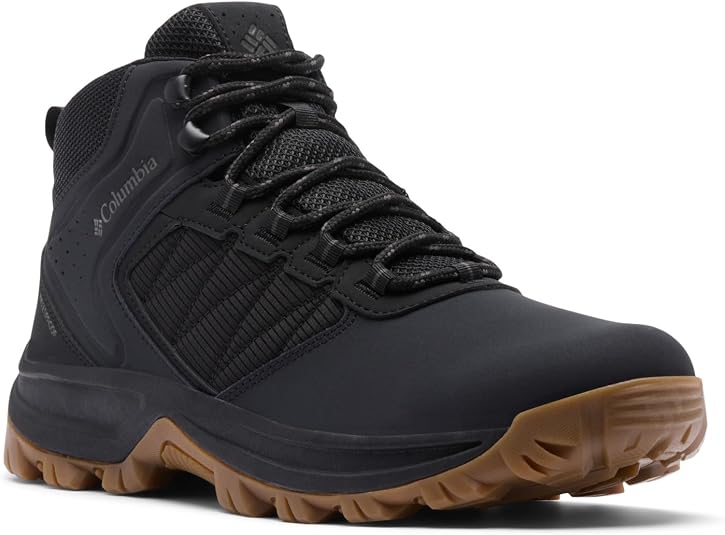
Comfort sits right at the center with these hiking boots, designed for all-season wear and waterproof protection. Best for people who spend long hours on trails that might be wet or rugged without needing extra heel support.
Black color keeps them low-key and versatile for different outdoor outfits.
Breaking them in requires standard lacing and some patience to get the fit just right. The closed toe and waterproof material hold up well against mud and shallow water. No heel means you feel stable on flat rocks or uneven ground, though it might lack a bit of elevation for steep hikes.
These boots handle storage and cleanup easily, the black surface hides dirt and cleans neatly with a damp cloth.
Durability shows through the sturdy build, supporting long hikes without breaking down quickly. Waterproofing works well in rainy or muddy conditions. Some praise the secure fit and solid sole grip when walking on damp terrain.
A common complaint focuses on the lack of heel height, making steep descents a bit less cushioned and more tiring on ankles.
Waterproof feature keeps feet dry and comfortable on damp trails, appreciated by people moving through wet areas. The lack of heel support can make long descents harder on the ankles, which several reviews highlight as a drawback. These boots hold up well to rough, wet use but may feel tight in early wear.
Those who tackle mostly level or gently inclined terrain and need waterproofing will find these boots practical and reliable. Gentle hikers or trail walkers looking for cushioning on steep declines might want boots with a built-in heel or more padding for extra support.
Pros
- Effective waterproofing for wet trail conditions
- Stable flat sole supports uneven surfaces
- Closed toe offers good protection
- Simple black design hides dirt well
Cons
- Absence of heel may cause discomfort downhill
- Fit requires breaking in to avoid initial stiffness
| Specification | Details |
|---|---|
| Color | Black/Black |
| Toe Style | Closed Toe |
| Boot Form Type | Hiking Boot |
| Heel Type | No Heel |
| Seasons | All |
| Style Name | Transverse Hike Waterproof |
8. KEEN Mens Targhee 2 Mid Waterproof Hiking Boots
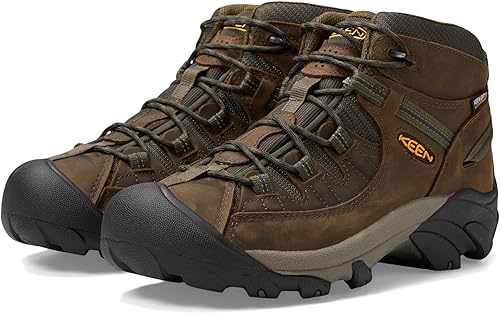
Built for hiking in fall conditions, these mid-height boots suit hikers needing waterproof protection combined with flat heel stability. Their standout feature is reliable water resistance, making them a solid choice for wet trails.
Lacing up involves the straightforward closed toe design giving solid foot coverage. The mid-height form supports your ankles over uneven ground.
Waterproof materials keep feet dry through damp grass or shallow streams. The solid pattern and flat heel provide steady grip without extra height, which some prefer for more control on slippery terrain.
The boots deliver consistent waterproofing and good durability on trails. Sturdy construction balances protection with flexibility. Many praise how well the waterproof shell holds up on wet routes, but some report break-in time causing initial discomfort.
The flat sole works well on firm surfaces but doesn’t provide extra traction for very loose or rocky paths.
Waterproofing receives strong praise for maintaining dryness across wet and muddy hikes, producing confidence in tricky, wet conditions. The break-in period causes discomfort at first, as feet adjust to the firm materials and ankle fit. Consistent water resistance and moderate durability appear throughout trails with different conditions.
Sought by those who hike in wet fall weather and prefer ankle support without bulky soles. Not ideal for hikers tackling rugged, loose scree or needing aggressive traction on steep hills. Those aiming for heavier boots or winter use might consider other models designed specifically for harsher climates.
Pros
- Waterproof keeps feet dry in wet conditions
- Mid-height ankle support stabilizes on uneven trails
- Flat heel offers steady footing on solid ground
- Closed toe protects against rocks and debris
Cons
- Requires break-in period before full comfort
- Flat sole limits traction on loose, rocky terrain
| Specification | Details |
|---|---|
| Color | Canteen/Dark Olive |
| Toe Style | Closed Toe |
| Boot Form Type | Hiking Boot |
| Heel Type | Flat |
| Seasons | Fall |
| Style Name | Targhee 2 Mid Height Waterproof |
9. KEEN Womens Targhee 4 Mid Waterproof Hiking Boots

Waterproof construction and a mid-height design define these boots, built primarily for hikers seeking dependable protection and comfort on variable trails. Their standout feature is durability under wet conditions, making them ideal for all-season outdoor trekking without sacrificing stability.
Putting the boots on is straightforward thanks to a design that supports quick adjustments and secure fit, important for daily hiking routines. The bump toe shape provides extra protection against trail obstacles. Waterproofing keeps feet dry during river crossings or rain, while the absence of a heel focuses on ground contact and balance on uneven terrain.
The boots handle muddy and rocky paths well, offering solid grip and foot support over long distances. High-quality materials show in their resilience, although some mention the break-in period can feel stiff initially. Built for durability and weather resistance, a frequent note is they run a touch narrow for some foot shapes.
Waterproofing and material durability receive strong praise for keeping feet dry and comfortable throughout varied trail conditions. Some find the initial stiffness during break-in uncomfortable, suggesting a gradual wear-in process is needed before longer hikes. The boot balances toughness with weather resistance, though the fit may challenge those with wider feet.
Hikers tackling wet, uneven terrain daily will find these boots reliable and protective. Those with wider feet or who prefer a looser, more immediately comfortable fit might look for other options. Their all-season suitability adds value but comfort adjustments might be necessary before extensive use.
Pros
- Waterproof for wet and muddy conditions
- Mid-height supports ankle stability
- Bump toe protects against trail impacts
- Durable materials last through rugged hikes
Cons
- Runs narrow for some foot shapes
- Requires break-in time to soften up
| Specification | Details |
|---|---|
| Color | Brindle/Nostalgia Rose |
| Toe Style | Bump Toe |
| Boot Form Type | Hiking Boot |
| Heel Type | No Heel |
| Seasons | All |
| Style Name | Targhee 4 Mid Height Durable Comfortable Waterproof |
10. Danner 453 5.5 Waterproof Hiking Boots

Noticed first by its solid build and classic loam brown shade, this hiking boot suits anyone who needs reliable footwear for all seasons. Its key strength is waterproofing combined with a flat heel for stable footing, making it practical for long treks over varied terrain.
Putting on the boots is straightforward thanks to the round toe design offering enough room to avoid pinching. Daily use holds up well in damp or muddy environments because they keep water out effectively without feeling too heavy.
Breathability and support balance nicely for all-day comfort on trails.
Built with durable materials intended for hiking, the boots maintain shape and function through normal wear. Their waterproof feature performs well in wet outdoor conditions, but a handful find the fit a bit narrow, causing discomfort on wide feet.
Grip stays firm on uneven ground, though extra break-in time is sometimes needed for full comfort.
Waterproofing stands out as the strongest feature, effectively blocking moisture during hikes without sacrificing breathability. The most common complaint involves the initial tightness that can cause discomfort until the boots are well broken in, especially noticeable for wider foot shapes.
Those who hike frequently on wet or varied terrain will find these boots reliable and supportive. People with wider feet or who dislike a break-in phase might prefer looking at wider-fitting boots or models designed for immediate comfort.
Pros
- Waterproof construction keeps feet dry on wet trails
- Flat heel provides stability on uneven surfaces
- Round toe offers room to prevent toe discomfort
- All-season use suitable for variable weather
Cons
- Fit can feel narrow for wider feet
- Requires break-in period for comfortable use
| Specification | Details |
|---|---|
| Color | Loam Brown/Chocolate Chip |
| Toe Style | Round Toe |
| Boot Form Type | Hiking Boot |
| Heel Type | Flat |
| Seasons | All |
| Pattern | Solid |
11. Mens Waterproof Mid Top Hiking Boots

Men seeking solid, waterproof hiking boots for summer trails will appreciate the Mens Waterproof Mid Top Hiking Boots. The biggest strength lies in their ability to keep feet dry while offering mid-top ankle support without adding bulk or weight.
Setting up these boots involves a typical lace-up system with the benefit of a round toe for natural toe movement. Their flat heel suits steady walking on uneven terrain. Wearing them daily on summer hikes is comfortable due to breathable materials and firm ankle coverage, which helps prevent twists.
The black and red color adds a practical yet stylish look without showing much dirt.
The boots perform well in wet conditions thanks to effective waterproofing, while the round toe shape improves comfort during long walks. Build quality feels good with sturdy materials, though some notice the mid-top can feel a bit restrictive at times. Solid grip comes from the flat heel sole design, but a few find the tread less aggressive on very slippery surfaces.
Waterproofing in these boots reliably keeps feet dry during summer hikes. The round toe adds to comfort, supporting longer walks without pinching. Some find the mid-top ankle area restrictive, which may limit flexibility in uneven or rugged conditions. The flat heel provides decent grip but may fall short where more aggressive traction is needed.
Hikers in need of good ankle support with reliable waterproofing for summer conditions will find these boots suitable. Those tackling technical routes requiring flexible, grippy footwear on slippery ground might prefer boots with lower cuts or specialized soles with deeper treads.
Pros
- Waterproof design keeps feet dry
- Mid-top support for ankle stability
- Comfortable round toe shape
- Flat heel for steady footing
Cons
- Mid-top can feel tight around ankles
- Tread not ideal for very slippery terrain
| Specification | Details |
|---|---|
| Color | Black/Red |
| Toe Style | Round Toe |
| Boot Form Type | Hiking Boot |
| Heel Type | Flat |
| Seasons | Summer |
| Style Name | Hiking |
12. Columbia Mens Fairbanks Mid Hiking Boots
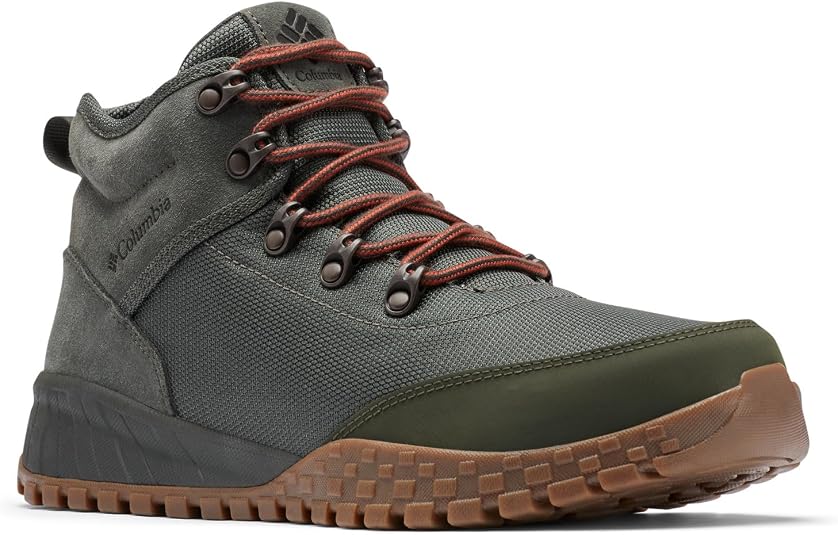
Hiking on unstable trails and varying weather calls for dependable footwear that can handle it all. Fairbanks Mid boots target outdoor enthusiasts needing solid support and all-season readiness.
Their strongest feature lies in combining durability with versatile protection for different terrains.
Putting on these boots is straightforward because they lace up securely around the mid-calf, giving ankle support without feeling bulky. The closed toe guards against rocks and roots on rough paths.
Dark moss and gravel colors help hide dirt and wear. Using them daily means dealing with changing ground conditions across seasons while maintaining comfort and footing confidence.
They hold up well during long hikes thanks to sturdy materials and solid construction. The sole grips varied surfaces, though some mention the grip could improve on wet rocks.
The build relies on no heel, so it feels stable on flat ground but might lack some traction on steep descents. Most report that the fabric and stitching stay intact after heavy use, while a common gripe is the break-in period that takes some time to soften the fit.
The boot excels at providing ankle support and durability during extended walks, but requires some time to soften for comfort. Its grip performs well in general but may slip slightly in wet conditions, which hikers should consider for challenging terrain. The no-heel design contributes to stable footing on level ground yet may limit downhill traction.
Those trekking year-round across mixed trails will appreciate the boot’s all-season durability and protection. Someone frequently crossing wet or steep terrain might find a different boot with enhanced sole traction more suitable. Casual hikers favoring lightweight options could also look elsewhere for less break-in effort and weight.
Pros
- Good ankle support without heavy bulk
- All-season use with protective toe design
- Earth-tone colors minimize visible dirt
- Durable stitching and material hold up well
Cons
- Grip can be slippery on wet rocks
- Break-in period needed for comfortable wear
| Specification | Details |
|---|---|
| Color | Gravel/Dark Moss |
| Toe Style | Closed Toe |
| Boot Form Type | Hiking Boot |
| Heel Type | No Heel |
| Seasons | All |
| Style Name | Fairbanks Mid |
13. Columbia Womens Newton Ridge Plus Waterproof Boots
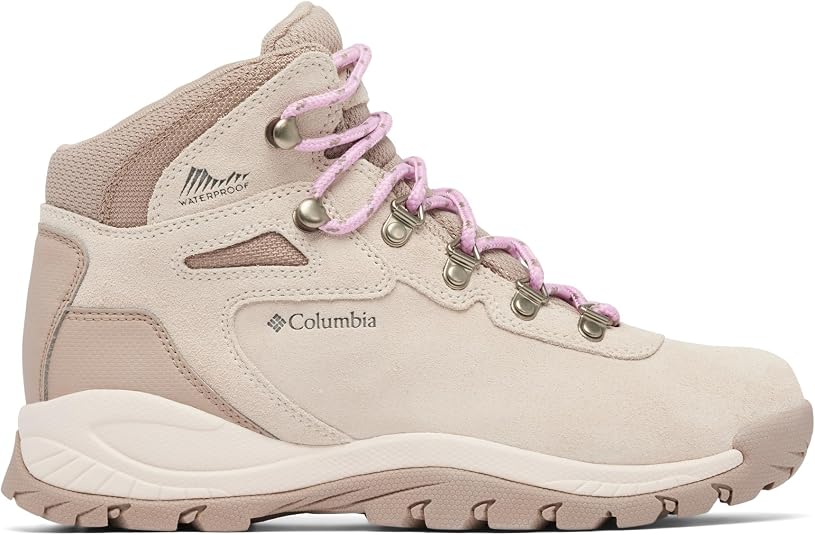
Dark Stone and Cosmos colors define these hiking boots designed for anyone tackling fall trails with wet or uneven terrain. The biggest strength lies in their waterproof construction, keeping your feet dry during damp hikes without weighing you down.
Wearing the boots daily involves a straightforward lacing system for a snug fit and a closed toe design for protection on rocky paths. No heel means a flat sole that feels stable but may not provide an elevated stride. They perform well in casual outdoor activities, particularly during the fall when wet leaves and mud are common.
Durability stands out since the boots hold up well against rough ground, though water resistance is the main selling point. Many praise the waterproof feature while a common complaint concerns limited breathability in warmer conditions, making feet feel hot after extended use.
Solid build quality supports varied casual outdoor occasions.
Waterproofing receives strong praise, with consistent dry feet even during wet outings. However, the boots tend to retain heat, which leads to discomfort on longer hikes in warmer weather. The closed toe and no-heel design make the boots sturdy but limit flexibility.
Those hiking mainly in wet fall conditions and casual outdoor settings will appreciate these boots. People who want boots for high summer or steep climbs might prefer models with better ventilation or heel support.
Pros
- Effective waterproofing keeps feet dry
- Closed toe protects from rocks and debris
- Flat sole offers stability on uneven trails
- Dark color hides dirt well
Cons
- Limited breathability in warm weather
- No heel may reduce stride support
| Specification | Details |
|---|---|
| Color | Dark Stone/Cosmos |
| Toe Style | Closed Toe |
| Boot Form Type | Hiking Boot |
| Heel Type | No Heel |
| Seasons | Fall |
| Style Name | Newton Ridge Plus Waterproof Amped |
14. NORTIV 8 Mens Waterproof Lightweight Hiking Boots

Hikers needing waterproof, lightweight boots for all seasons find a solid choice with NORTIV 8 Mens Waterproof Lightweight Hiking Boots. Perfect for day hikes or varied trails, its main strength lies in balancing protection and comfort without weighing you down.
Putting these boots on is straightforward due to the mid-top design, which offers ankle support without feeling rigid. The round toe gives enough room to move your toes naturally during climbs or descents. Waterproof materials keep feet dry during wet conditions, while the lightweight build ensures you don’t feel bogged down during longer walks.
Solid color in sand blends well with outdoor settings.
Built for durability, these boots effectively protect feet against moisture and rough terrain. The waterproofing works well in rain or damp paths. They handle regular trail use without breaking down quickly.
A common note is how comfortable the boots remain even after extended wear. The most frequent issue mentioned involves sizing needing a closer look, as fit can be tricky for some.
Waterproofing and lightweight design receive strong praise for effective moisture blocking and long-wear comfort. The most common drawback is the sizing variability, which requires careful attention before choosing a pair to avoid a poor fit.
Those who spend time on mixed trails and need waterproof footwear appreciate these boots. Hikers requiring more ankle protection or precise fit options might want to consider alternatives designed for rugged terrain or wider fitting systems.
Pros
- Waterproof protection on wet trails
- Lightweight for comfortable long wear
- Mid-top supports ankles without stiffness
- Simple to clean after muddy hikes
Cons
- Sizing can be inconsistent, try before buying
- Mid-top height less ankle coverage for rough terrain
| Specification | Details |
|---|---|
| Color | Sand |
| Toe Style | Round Toe |
| Boot Form Type | Hiking Boot |
| Heel Type | No Heel |
| Seasons | All |
| Style Name | Mid-top |
15. Under Armour Mens Charged Valsetz Mid Boots

Work boots made for tough conditions benefit from a simple, solid design that provides comfort and durability. The Under Armour Mens Charged Valsetz Mid Boots target those needing reliable, mid-height boots without heel elevation.
The main draw is comfort during extended periods of wear.
Putting these boots on feels straightforward thanks to their mid-rise fit providing ankle support. Daily use involves walking and standing on hard surfaces with little foot fatigue.
The solid plain toe design avoids extra bulk, and the solid color keeps them low-profile in work settings. The boots suit fall temperatures well, balancing coverage and breathability.
Built with no heel and a plain toe style, these boots prioritize comfort and protection. They handle regular outdoor work without wearing down quickly. The key praise is for comfort during long shifts, while the main critique notes that lack of a heel might reduce traction on certain slippery surfaces.
Comfort stands out as the strongest attribute, especially for those on their feet for hours. The mid-rise design helps with ankle stability while the plain toe keeps things uncomplicated. Some notice the absence of a heel affects grip on wet or uneven patches. The boots do well in durability but may slip in moisture.
Anyone needing reliable, comfortable boots for fall work environments will appreciate these. They fit well in jobs that require support and basic protection but not specialized traction features. People frequently on slippery or icy ground may want more aggressive soles elsewhere.
Pros
- Comfortable over long hours
- Good ankle support with mid height
- Simple, durable plain toe
- Solid fall-appropriate coverage
Cons
- No heel reduces traction on slick surfaces
- Color limits versatility beyond work settings
| Specification | Details |
|---|---|
| Color | (200) Coyote/Coyote/Coyote |
| Heel Type | No Heel |
| Toe Style | Plain Toe |
| Style Name | Charged Valsetz Mid |
| Season | Fall |
| Occasion Type | Work |
Best Hiking Boots Comparison Table
| Product | Color | Toe Style | Heel Type | Seasons |
|---|---|---|---|---|
| NORTIV 8 Ankle Boots | Brown/Black/Tan | Round Toe | No Heel | All |
| Merrell Moab 3 Mid | Boulder | Closed Toe | Block Heel | Spring |
| KEEN Targhee 4 Mid | Brindle/Canteen | Bump Toe | No Heel | All |
| KEEN Durand 2 Mid | Cascade Brown/Gargoyle | Bump Toe | No Heel | Spring/Summer |
| Timberland White Ledge | Brown-2024 New | Closed Toe | No Heel | All |
| Timberland Mt. Maddsen | Dark Brown Full Grain | Plain Toe | Block Heel | All |
| Columbia Transverse Hike | Black/Black | Closed Toe | No Heel | All |
| KEEN Targhee 2 Mid | Canteen/Dark Olive | Closed Toe | Flat | Fall |
| KEEN Womens Targhee 4 | Brindle/Nostalgia Rose | Bump Toe | No Heel | All |
| Danner 453 5.5 | Loam Brown/Chocolate Chip | Round Toe | Flat | All |
| Mens Mid Waterproof Boots | Black/Red | Round Toe | Flat | Summer |
| Columbia Fairbanks Mid | Gravel/Dark Moss | Closed Toe | No Heel | All |
| Columbia Newton Ridge Plus | Dark Stone/Cosmos | Closed Toe | No Heel | Fall |
| NORTIV 8 Lightweight Boots | Sand | Round Toe | No Heel | All |
| Under Armour Valsetz Mid | Coyote/Coyote/Coyote | Plain Toe | No Heel | Fall |
- ColorBrown/Black/Tan
- Toe StyleRound Toe
- Heel TypeNo Heel
- SeasonsAll
- ColorBoulder
- Toe StyleClosed Toe
- Heel TypeBlock Heel
- SeasonsSpring
- ColorBrindle/Canteen
- Toe StyleBump Toe
- Heel TypeNo Heel
- SeasonsAll
- ColorCascade Brown/Gargoyle
- Toe StyleBump Toe
- Heel TypeNo Heel
- SeasonsSpring/Summer
- ColorBrown-2024 New
- Toe StyleClosed Toe
- Heel TypeNo Heel
- SeasonsAll
- ColorDark Brown Full Grain
- Toe StylePlain Toe
- Heel TypeBlock Heel
- SeasonsAll
- ColorBlack/Black
- Toe StyleClosed Toe
- Heel TypeNo Heel
- SeasonsAll
- ColorCanteen/Dark Olive
- Toe StyleClosed Toe
- Heel TypeFlat
- SeasonsFall
- ColorBrindle/Nostalgia Rose
- Toe StyleBump Toe
- Heel TypeNo Heel
- SeasonsAll
- ColorLoam Brown/Chocolate Chip
- Toe StyleRound Toe
- Heel TypeFlat
- SeasonsAll
- ColorBlack/Red
- Toe StyleRound Toe
- Heel TypeFlat
- SeasonsSummer
- ColorGravel/Dark Moss
- Toe StyleClosed Toe
- Heel TypeNo Heel
- SeasonsAll
- ColorDark Stone/Cosmos
- Toe StyleClosed Toe
- Heel TypeNo Heel
- SeasonsFall
- ColorSand
- Toe StyleRound Toe
- Heel TypeNo Heel
- SeasonsAll
- ColorCoyote/Coyote/Coyote
- Toe StylePlain Toe
- Heel TypeNo Heel
- SeasonsFall
How to Choose the Best Hiking Boots
Comfort, fit, and durability are the key factors when selecting hiking boots, as they directly affect your foot support and protection on trails. Choosing boots that suit the terrain and weather conditions reduces the risk of injury and wear, preventing the need for frequent replacements and saving money over time.
Fit and Comfort
Long hikes can quickly turn miserable when boots don’t fit right. A size too tight often causes painful blisters, while too loose lets the foot slide, leading to chafing and instability. Feet tend to swell during multi-hour walks, so choosing boots with a bit of extra room, about a half size larger than regular shoes, helps avoid discomfort.
Look for models featuring precise sizing options and consider trying them on late in the day when feet are naturally larger. Materials that stretch or adapt, like soft leather or mesh panels, improve comfort after break-in.
Arch support and cushioning make a noticeable difference on long trails. Boots with molded footbeds and midsoles that absorb shock reduce foot fatigue drastically. EVA foam is a common midsole material for cushioning; thickness around 20 to 30 mm works well for absorbing impacts without adding excess weight.
Strong ankle support comes from a high-cut design and firm collar padding that prevent ankle rolls on uneven ground. This stability is crucial on rocky or root-covered paths, helping maintain balance and reducing the risk of injury.
Waterproofing and Breathability
Hiking through damp trails or sudden rain showers quickly reveals the value of boots designed to keep water out. Waterproof membranes like Gore-Tex or eVent prevent wet feet, which not only cause discomfort but can lead to blisters and cold feet on longer hikes. Boots with a reliable waterproof layer maintain dryness by blocking moisture while still allowing some vapor to escape, making muddy or wet terrains manageable.
Breathability directly affects how much sweat your feet generate during a hike and how well that moisture escapes. Poor ventilation traps sweat, causing damp, warm conditions inside the boot that feel uncomfortable and can promote blisters. Materials rated around 20,000 g/m²/24hrs for moisture vapor transmission typically manage heat and dampness well.
However, increasing waterproofing levels often reduces breathability, creating a tradeoff. A balance depends on your hiking environment.
For dry or warm climates, lighter, more breathable boots might win out, while wet or alpine locations justify heavier waterproof setups.
Durability and Materials
After hiking a few dozen miles on varied trails, the difference between boots made with full-grain leather and those using synthetic uppers becomes clear. Leather tends to hold up better against rough brush and rocks, resisting tears and abrasions that can quickly wear out synthetics. However, leather requires periodic conditioning to prevent drying and cracking.
Boots with synthetic uppers dry faster and weigh less but often sacrifice some durability, especially in harsh conditions.
The sole is another critical component that defines how long the boot lasts on rugged terrain. Soles made from Vibram rubber or other high-abrasion rubber compounds tend to provide reliable grip and resist wear for hundreds of miles. Construction using direct injection or stitched welts improves the bond between the sole and upper, reducing the chance of sole separation under stress.
Look for soles over 5 mm thick with deep, aggressive lugs for trail traction and durability. Neglecting these details can lead to quick sole wear and painful slipping on uneven ground.
Traction and Sole Design
Walking on a slippery, muddy trail with worn-out soles quickly shows the difference a good tread pattern makes. Boots with deep lugs arranged in a multidirectional pattern grip better on loose gravel, wet rocks, and packed dirt. Flat or shallow treads tend to slip, especially going downhill or crossing streams.
Look for lugs that are at least 4 to 5 millimeters deep, this size tends to shed mud without losing traction. Rubber compounds also affect grip: softer rubber clings well on wet surfaces but wears faster, while harder rubber lasts longer on rocky trails but can feel slick when wet.
Sole stiffness determines how well the boots protect your feet on rocky or uneven ground. Too flexible, and your feet fatigue from constant bending; too stiff, and walking feels awkward and uncomfortable on flatter sections. Many hiking boots balance this with a midsole plate of TPU or nylon that offers support but allows some flexibility.
Sole thickness plays a role as well. Thicker soles absorb shocks from rough terrain better and protect against sharp rocks beneath thin layers, extending boot durability.
A sole thickness around 10 to 15 millimeters is common for trail boots designed for mixed terrain.
Weight and Packability
During long hikes, the weight of your boots can quickly become a source of fatigue. Carrying an extra pound or two per foot may not sound like much, but after several miles, it adds up and can make your legs feel heavier and more tired than they should.
Boots that weigh around 2 to 3 pounds per pair feel noticeably lighter, allowing for quicker, more comfortable steps. The trick lies in finding a balance between weight and protection; some lightweight boots sacrifice durability or ankle support, which can lead to discomfort or injury on rough trails.
Lightweight materials such as synthetic fabrics or thin yet tough leather can reduce the pack weight significantly without giving up much on protection or stability. Another practical consideration is how bulky boots become when not worn. Models that pack down more easily fit better in backpacks, reducing overall load and space usage.
Look for boots with a flexible structure rather than rigid soles that resist bending, this usually means easier packing and less cramped gear.
Proper Hiking Boot Break-In Techniques for Enhanced Comfort
New hiking boots often feel stiff and tight because of the dense materials used for durability and support. Breaking them in properly reduces discomfort and prevents blisters during longer hikes.
Begin by wearing the boots around the house for short periods. Start with 30 minutes to an hour to let your feet adjust without causing sore spots. Gradually increase the wore time over several days.
Next, take a few short walks on easy trails. Terrain with some variation helps the boots conform to your foot’s shape and flex points. Avoid rough or rocky trails initially to limit abrasion.
- Apply a boot-specific conditioner or waterproofing product if the materials require it; this softens leather and maintains water resistance.
- Tighten the laces progressively, starting looser to prevent pinching, then snug them as the boots break in.
- When hot spots develop, use moleskin pads or adjust lacing patterns to alleviate pressure.
Patience during the break-in period pays off with more comfortable feet and boots that perform better on demanding hikes.
Essential Maintenance Tips to Prolong the Life of Your Hiking Boots
Cleaning your hiking boots right after each trip prevents dirt and grime from breaking down the materials. Use a soft brush to remove mud and dirt, then wipe the boots with a damp cloth. Avoid submerging them in water because it can damage the leather or glue.
Drying your boots properly is crucial. Let them air dry at room temperature. Avoid placing them near direct heat sources like radiators or fireplaces, which can cause the leather to crack and the soles to warp. Stuffing the boots with newspaper helps absorb moisture faster.
Conditioning leather boots every few months keeps the material supple and prevents it from drying out. Use a product designed for hiking boots, not regular shoe polish.
Reapplying water-repellent treatments maintains the boot’s resistance to moisture, especially after cleaning.
- Remove insoles and laces before cleaning for a thorough job.
- Check stitching and soles for early signs of wear and tear.
- Store boots in a cool, dry place away from sunlight.
Comparing Hiking Boots to Trail Runners: Which Is Right for Your Adventure?
Hiking boots provide solid ankle support and a sturdy sole designed to protect feet from rocks and uneven terrain. They typically weigh more than trail runners, which can lead to fatigue over long distances but add durability and water resistance, especially beneficial in rough environments or wet conditions.
Trail runners are lighter and more flexible, allowing for quicker movement and less foot fatigue on well-maintained trails. They offer better breathability but generally have less protection around the ankles and may wear out faster on abrasive surfaces.
Choosing between the two depends on your planned activity and terrain:
- For rugged trails with steep climbs or loose rocks, hiking boots reduce the risk of ankle injuries and keep your feet dry.
- For smoother, shorter routes or fast-paced hikes, trail runners deliver comfort and speed without extra weight.
- Consider weather too: waterproof hiking boots handle rain better, while trail runners dry quickly if they get wet.
People Also Asked
How Do I Properly Break in New Hiking Boots?
Start breaking in new hiking boots by wearing them around the house or on short, easy hikes for a few days. This gradually softens the materials and molds the boots to your feet, reducing chances of blisters. Adding moisture-wicking socks helps minimize friction during this period.
What Size Hiking Boots Should I Buy for Wide Feet?
Choose hiking boots labeled as wide (such as “EE” width) or try brands known for fitting wider feet well. Measure your feet at the end of the day when they are largest, and try boots on with hiking socks to get the most accurate fit. Avoid boots that feel tight across the toes or instep.
How Long Do Hiking Boots Typically Last with Regular Use?
Hiking boots last about 500-1,000 miles or around 3 to 5 years with regular moderate use. Soles typically wear out first, but upper material and stitching also degrade depending on terrain and maintenance. Rotating between two pairs can extend the lifespan.
Can Hiking Boots Be Waterproofed After Purchase?
Applying a waterproof treatment spray or wax after purchase can improve water resistance, especially on leather boots. Clean and dry the boots thoroughly before applying, and reapply the treatment periodically to maintain protection. Avoid using sprays designed only for synthetic materials on leather.
What Are Common Issues with Hiking Boots and How to Fix Them?
Common issues include blisters from poor fit, worn soles, and leaking seams. Blisters can be prevented with proper socks and boot fit adjustments. Replace worn out insoles or resole boots to extend life. For leaks, seam sealants or professional repair shops can help restore waterproofing.
Conclusion
Choosing the right hiking boots comes down to fit, durability, and the type of terrain you’ll tackle. Boots that feel comfortable from the start reduce the chance of blisters and sore feet. Durable materials and good construction help boots last through rough trails and bad weather.
The right sole and ankle support provide stability on uneven ground.
Match your boots to how often you hike and the trails you take. Hiking just a few times a year on easy paths calls for lighter, less expensive boots.
For frequent hikes on rugged trails, invest in tougher models with more support. Check the comparison table and detailed picks above to find options that suit your needs and budget. This way, you’ll get boots that fit well and hold up for your time outdoors.