
Carrying essentials during a long hike often means relying on a vest that either sags under weight or lacks enough pockets in practical places. The best hiking vest manages to keep your gear balanced and accessible without irritation or constant adjustment, something cheap or ill-fitting vests rarely accomplish. A poorly chosen vest can leave you frustrated as straps dig in or items shift uncomfortably mid-trail.
A good hiking vest should have a durable yet breathable material, typically ripstop nylon or polyester with mesh panels, to handle rough use and maintain comfort over hours. Fit is critical, look for adjustable features and sizes that allow layering but keep the vest snug, avoiding excess movement. Ample storage designed for quick access, often involving multiple zippered or stretch pockets between 5 and 10 liters total capacity, matters just as much as weight distribution and moisture management.
Need a Quick Check?
| Image | Product | Price |
|---|---|---|
Our Top Picks 1 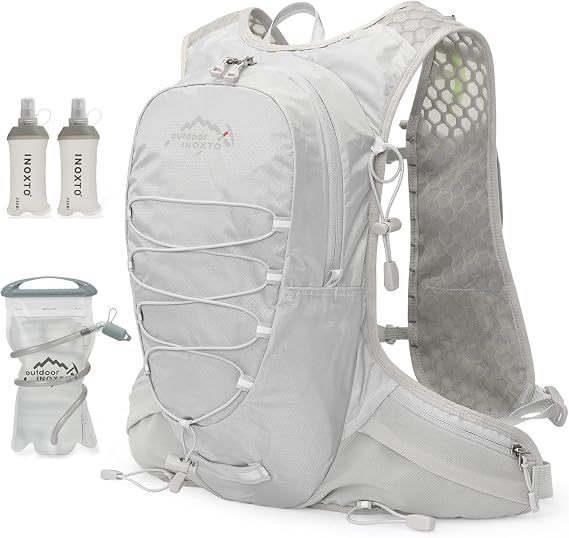 | IX INOXTO Hydration Vest | Check Price |
Our Top Picks 2  | Running Phone Hydration Vest | Check Price |
Our Top Picks 3  | KVE Mens Softshell Vest | Check Price |
Our Selected Top 15 Hiking Vest Worth Considering
This list includes hiking vests suitable for varied weather and activity levels. Each review covers how the vest performs outdoors, identifies the type of hiker it fits best, and points out key advantages and potential drawbacks to help you find the right match for your needs.
1. IX INOXTO Running Hydration Vest
Lightweight and designed for runners, the IX INOXTO Running Hydration Vest fits closely to the body and keeps bounce to a minimum. Its biggest strength lies in the adjustable straps and breathable materials that make it comfortable enough for long runs and trail running.
Setting up the vest means adjusting the waist and chest straps for a tight fit that stays put during fast movement. The small size holds enough water and essentials without weighing you down.
Two 250 ml soft flasks fit into shoulder pockets for easy access, while an internal compartment stores a 1.5L water bladder. A phone pocket keeps music close during jogging.
Performance-wise, the vest delivers steady hydration with a 40 long water tube allowing hands-free drinking. The nylon fabric is light at just 190 grams and the stretch mesh helps with ventilation.
Many find the straps soft and non-irritating, but some mention the storage space is limited for longer adventures.
Straps are widely praised for comfort and keeping the vest stable during workouts. The main complaint involves limited storage, which some find restrictive for carrying extra gear beyond hydration and small items. Cleaning the water tube is possible but not very straightforward, requiring thorough rinsing to avoid buildup.
Runners and trail enthusiasts who want a lightweight and secure hydration option will appreciate this vest. Those needing more storage room or carrying capacity might prefer a larger pack or one with additional compartments. The design fits various body types due to adjustable straps, making it a solid choice for men and women who prioritize lightness over volume.
Pros
- Adjustable straps reduce bounce while running
- Lightweight at 190 grams for less fatigue
- Stretch mesh lets the back stay cool
- Includes 1.5L water bladder and two soft flasks
Cons
- Storage space is tight for longer outings
- Water tube cleaning requires care
| Specification | Details |
|---|---|
| Weight | 190 grams |
| Dimensions | 12(H) x 2(W) x 8(L) inches |
| Main compartment capacity | 3 liters |
| Water bladder capacity | 1.5 liters |
| Soft flask size | 250 ml each (2 included) |
2. Running Phone Holder Hydration Vest
Lightweight, water-resistant fabric shapes this vest built for runners who need convenient storage and hydration on the move. Its secure pockets and snug fit suit anyone tackling short to long-distance runs, with the biggest strength being easy access to essentials like phones and gels without slowing down.
Setting up involves adjusting front and side straps to fit comfortably and minimize bounce. Six pockets place items within reach without shifting. The main waterproof phone pouch fits most smartphones up to 18cm by 10cm, protecting devices from sweat and rain.
The included 500ml soft flask compresses as you drink, removing bulk and keeping hydration accessible. Reflective elements add visibility for early or late runs.
The vest stays snug through vigorous movement thanks to neoprene padding and adjustable straps. Breathable zones help manage heat and moisture during longer sessions.
Customers highlight the secure phone pocket as a standout feature, keeping devices dry even in unexpected showers. A common complaint involves limited overall water capacity if needing more than 500ml for extended outings.
Phone stays dry and secure during wet runs, making it reliable in unpredictable weather. People appreciate the snug fit that prevents bouncing but sometimes wish for more water storage capacity for longer distances or hotter conditions.
Runners covering distances up to marathons will find the vest suits well enough storage and comfort needs. Those planning ultra or multi-hour runs requiring large water volumes might want to consider packs with bigger reservoirs or extra bottle holders. Fans of a lightweight, adjustable vest will like this model.
Pros
- Compression flask reduces bulk as you drink
- Waterproof phone pouch protects electronics in rain
- Adjustable straps ensure a secure, chafe-free fit
- Reflective elements improve visibility for low light
Cons
- Limited hydration capacity for very long runs
- Phone pouch may not fit oversized devices
| Specification | Details |
|---|---|
| Included Components | Running Vest x 500ml/17oz Running Water Bottle |
| Number of Pockets | 6 |
| Phone Pouch Size | Up to 18cm x 10cm |
| Sizes Available | XS-S, M-L, L-XL |
| Reflective Details | Front and back |
| Warranty | 1 Year Manufacturing Defect Warranty |
3. KVE Mens Hooded Softshell Vest
Black softshell material and a hood stand out as the main features of this sleeveless vest made for cold weather outdoor activities. It suits anyone who needs a modern-looking layer that works in chilly conditions without sleeves getting in the way. Its biggest strength lies in keeping core warmth while allowing full arm movement.
Putting on and taking off the vest is simple thanks to the lack of sleeves and fitted style. The black color hides dirt well during longer treks. The hood provides extra protection against wind and cold, useful during early morning hikes or sudden weather drops.
Its solid pattern and modern cut make it easy to pair with other gear.
Performance-wise, the vest holds warmth well around the torso, appropriate for cold climates without overheating. It is made to be worn as a middle layer or outer shell depending on conditions. The main praise centers on its effective warmth with good breathability.
A frequent complaint mentions limited pockets or storage space, which some hikers find inconvenient on longer treks.
The vest is praised for maintaining warmth around the torso effectively while being breathable enough for physical outdoor activities. Most find the hood useful for sudden changes in temperature or wind. Limited storage options through pockets are a common drawback, making it less ideal for hikes where carrying small items on the vest is needed.
Ideal for hikers who want a lightweight, warm layering option that doesn’t restrict arm movement. Those needing more storage or waterproof protection should consider another vest designed with additional pockets or water-resistant fabric. Suitable for cold but dry environments and outdoor pursuits requiring a good heat layer.
Pros
- Keeps core warm during cold weather
- Lightweight without sleeves for arm mobility
- Hood adds extra wind protection
- Modern style fits well with outdoor gear
Cons
- Lacks sufficient pockets for storage
- Not suitable for wet weather protection
| Specification | Details |
|---|---|
| Color | Black |
| Style | Modern |
| Sleeve Type | Sleeveless |
| Seasons | All |
| Climate Suitability | Cold Weather |
| Occasion | Outdoor Activities |
4. Hydration Running Vest with Soft Flask

Hydration Running Vest with Soft Flask suits runners prioritizing stable hands-free hydration and smart storage. Its standout feature is a soft flask designed to shrink as you drink, preventing bouncing and making it comfortable for long-distance runs or races.
Setting up the vest involves adjusting three chest straps for a snug fit based on your chest measurement, not clothing size. The vest includes seven small front pockets and two large back ones, plus a zippered phone pocket for convenience. Breathable neoprene with ventilation holes keeps air flowing, and reflective strips add safety during low-light runs.
Performance holds up well with the soft flask minimizing sloshing noises and staying secure while running. Neoprene fabric is light at 7.5 ounces and wicks moisture efficiently. The most common praise focuses on the balance between hydration accessibility and storage capacity.
Some users find sizing tricky since it requires precise chest measurement rather than usual clothing size.
Stable hydration during runs stands out due to the shrinking soft flask that eliminates sloshing and rattling. Storage is ample but front pockets can feel tight when fully packed. The lightweight, breathable fabric keeps heat manageable, and the adjustable straps help maintain comfort throughout varied activities.
Runners who focus on hydration balance and need quick access to essentials will appreciate the vest. Those wanting oversized storage or preferring standard clothing sizes for fit might want to explore other options. It works well for marathon, trail, and casual runs where minimal weight and hydration stability matter most.
Pros
- Soft flask shrinks as you drink, reducing bounce
- Multiple pockets for organizing essentials
- Lightweight and moisture-wicking neoprene
- Adjustable chest straps for secure fit
Cons
- Sizing requires accurate chest measurement, not clothes size
- Some find front pocket access tight with full load
| Specification | Details |
|---|---|
| Flask Capacity | 500ml Soft Flask |
| Material | Breathable Neoprene with Ventilation Holes |
| Weight | 7.5 ounces |
| Chest Sizing Range | XS/S 27″-34″; M/L 30″-40″; L/XL 38″-46″; XL/XXL 45″-52″ |
| Storage Pockets | 9 (7 front, 2 back, plus zippered phone pocket) |
| Warranty | 2 Years |
5. Mens Lightweight Outdoor Vest

Carrying essentials during warm weather hikes calls for a vest that balances lightness and functionality. Ideal for easygoing outdoor activities, this vest stands out by staying breathable while keeping your arms free. Its straightforward design suits people who want simple coverage without bulk.
Putting the vest on is quick with its band collar and sleeveless cut. The straight fit means it doesn’t cling too tight or get in the way during movement.
Its khaki color hides dirt well, which helps when hiking through trails. Wearing it feels light, reducing heat buildup on warmer days.
This vest breathes well in warm weather and offers moderate wind protection with its anorak silhouette. The material holds together through routine use but feels plain without extra reinforcements.
The most frequent positive note praises its comfort and lightweight nature. Some mention the lack of pockets limits storage on longer trips.
Comfort and lightness come through as key strengths, making it easy to wear for hours without overheating. The absence of pockets is a common drawback, reducing convenience for carrying items like maps or snacks during outdoor activities. Material durability is average, handling casual hiking well but not heavy use.
People wanting a simple, light vest for warm weather hikes will appreciate its design and comfort. Those needing storage for gear or tougher fabrics for rugged trails should consider other options with more features and reinforcements.
Pros
- Lightweight for warm climate comfort
- Sleeveless for unrestricted arm movement
- Sturdy khaki color for dirt concealment
- Straight fit avoids tightness or bulk
Cons
- No pockets limits carry options
- Material lacks reinforced durability
| Specification | Details |
|---|---|
| Color | Khaki |
| Sleeve Type | Sleeveless |
| Coat Silhouette Type | Anorak |
| Climate Suitability | Warm Weather |
| Fit Type | Straight |
| Occasion | Outdoor activities |
6. Lightweight Reflective Running Vest

Weighing almost nothing due to its honeycomb breathable mesh, the Lightweight Reflective Running Vest suits active runners and hikers who want a snug, no-bounce fit with plenty of storage. Its biggest strength lies in providing secure chest strap adjustment that keeps the vest stable during intense activity.
Setting up involves adjusting the chest straps for a tight, stable fit that doesn’t shift during movement. The vest features dual front pockets designed for 500ml soft flasks, making hydration accessible while on the move. Multiple storage spaces, including a large rear compartment, hold essentials like phones, gels, and keys, allowing you to carry everything needed for longer runs or hikes without extra bulk.
The vest performs well in keeping you cool and dry thanks to the ventilated fabric promoting airflow. It stays firmly in place even on rough trails or fast climbs. Durability is solid for high-intensity use, but some find the hydration compartments less compatible without the specific bladders.
The lack of included flasks or bladders means buying them separately to complete the setup is necessary.
Many praise how well the vest holds steady even during high-intensity runs or cycling while allowing excellent airflow to stay cool. The most noted drawback is the need to find compatible hydration flasks or bladders, as none come with the vest, which can complicate setup for some users.
Runners and hikers seeking lightweight gear with strong storage options and a secure fit will appreciate this vest. Those looking for an all-in-one hydration solution or expecting included water bottles might want to consider other options that package these accessories together.
Pros
- Ultra-lightweight mesh improves cooling and comfort
- Adjustable chest straps prevent bounce during movement
- Multiple pockets for essentials and hydration gear
- Unisex design fits most body types
Cons
- No hydration flasks or bladders included
- Rear compartment may not fit all bladder brands perfectly
| Specification | Details |
|---|---|
| Material | Premium honeycomb breathable mesh |
| Model Number | RihanYol-Vrun-0001 |
| Unit Count | 1 Count |
| Compatibility | Front pockets fit 500ml soft flasks (not included) |
| Manufacturer | RihanYol |
7. USA Patent Running Hydration Vest

People who engage in long-distance running, hiking, or cycling and need consistent hydration during their activities will benefit from this hydration vest. Its key strength lies in the adjustable fit and water bladder system that keeps hydration accessible without interrupting movement. It suits anyone focused on endurance sports requiring hands-free water access and secure gear storage.
Setting up the vest is straightforward thanks to adjustable chest straps that customize the fit and reduce bouncing during intense movement. The wide mesh shoulder pads improve comfort, reducing shoulder strain over long periods.
The integrated 2.0L water bladder fits inside and connects to a sip tube, allowing quick hydration without stopping. Multiple pockets provide easy access to essentials like phone, keys, and snacks while keeping everything organized.
The vest performs well in maintaining hydration during extended outdoor sessions. It is lightweight, with water-resistant fabric helping to protect gear in damp conditions.
A common praise highlights how stable the vest stays on the body during vigorous activity. The main complaint points to limited capacity in the pockets for larger items, which can restrict what you can carry beyond essentials.
The vest is praised for staying stable and comfortable during high-intensity activities. Users appreciate the easy access to water without interruptions. Some find the storage pockets limited in size, making it challenging to carry anything larger than keys or snacks. The sip tube’s positioning requires adjustment to avoid awkwardness while moving.
This vest fits well for endurance athletes needing reliable hydration and minimal movement of their gear. People requiring larger storage spaces or a more flexible sip tube setup might seek other options. It excels in providing a close, comfortable fit and keeping hydration easily accessible on the go.
Pros
- Adjustable chest straps for custom fit
- Wide mesh shoulder pads reduce pressure
- 2.0L hydration bladder included
- Multiple pockets for organizing essentials
Cons
- Pockets too small for larger items
- Sip tube can be awkward to position
| Specification | Details |
|---|---|
| Water bladder capacity | 2.0L |
| Adjustable straps | Chest straps for secure fit |
| Material | Lightweight, water-resistant fabric |
| Included components | Hydration bladder |
| Manufacturer | CRIUAGE |
| Warranty | 2 year |
8. Running Vest with Water Bladder

Hydration and storage come together in a running vest designed for people who need easy access to water and gear during outdoor activities. It suits trail runners, hikers, or cyclists wanting a reliable vest that carries a 2L water bladder and multiple secure pockets. Its biggest strength is the combination of spacious storage and hands-free hydration in one pack.
Setting it up involves filling the 2L water bladder through a wide opening that makes cleaning and refilling quick. Adjustable shoulder straps and a waist belt let you get a snug fit, reducing bounce during movement.
Three waterproof front pockets keep essentials dry and in reach. A special holder for a small or mid-sized pistol and a tactical pen slot add practical storage for emergency or personal gear.
Hydration is simple with a bite valve that allows drinking without stopping, and the bladder works well in temperatures from -20°C to 40°C. The vest’s 900D Oxford fabric is scratch-resistant and waterproof, shielding your gear from the elements. Breathable mesh prevents overheating but some find the vest adds slight pressure on the chest after long runs.
The reflective strips help visibility but could be larger for more safety.
The reservoir delivers hydration efficiently with a high-flow bite valve, making it easy to drink on the move without pausing. Waterproof pockets hold items securely but the fit can feel restrictive around the chest if worn too tight during extended sessions. Durability and usability balance well.
People seeking organized storage and steady hydration during active outdoor use will find this vest helpful. Those who prefer a looser fit or require larger reflective areas for night activities might want to explore other models with more padding or bigger visibility features.
Pros
- Large waterproof front pockets for secure storage
- Adjustable straps and waist belt for comfortable fit
- Food-grade 2L bladder with easy-clean wide opening
- Reflective logo and strip for low-light visibility
Cons
- Can cause pressure on chest during long runs
- Reflective elements smaller than preferred for safety
| Specification | Details |
|---|---|
| Water Bladder Capacity | 2L |
| Chest Adjustability | XS/S: 25″-35″, M/L: 29″-41″ |
| Material | Waterproof 900D Oxford fabric, breathable mesh |
| Temperature Range | -20°C to 40°C (-4°F to 104°F) |
| Included Components | 2L Water Bladder, Running Vest |
| Warranty | 2 Years |
9. Mens Lightweight Sleeveless Jacket

Mens Lightweight Sleeveless Jacket works well for warm weather hiking and outdoor activities. It suits someone who wants a simple, no-frills vest that stays light and breathable. The biggest strength is how it manages to keep you comfortable in the heat without adding bulk or weight.
Setting it up involves just slipping it on since it fits regularly and doesn’t have complicated adjustments. The sleeveless design frees up arm movement while the khaki color blends well outdoors. It feels airy but also offers some coverage for your core, which helps on bright sunny days.
Taking it off and packing it down is quick because it’s so light.
The jacket performs solidly for warm weather conditions, blocking sun without trapping heat. Its construction uses lightweight materials that hold up well through hiking trails. Many find it well-ventilated while also sturdy enough for rougher outdoor use.
The main complaint revolves around limited pockets or storage, which impacts carrying small essentials safely.
The vest feels comfortable throughout summer hikes and keeps heat off your body well. The lack of pockets causes trouble when needing to carry keys or a phone without an extra bag. Light fabric holds up through daily outdoor use, although heavier fabrics might serve better for rougher weather.
Anyone seeking a slim, simple vest for warm weather activity will find this suitable. Those wanting more storage or adjustable fits might want to look elsewhere. It’s best for straightforward walking or light hiking rather than long expeditions requiring lots of gear.
Pros
- Lightweight and breathable for hot weather
- Sleeveless design allows full arm mobility
- Easy to pack and carry
- Simple, solid khaki color blends outdoors
Cons
- Lack of pockets for essentials
- Basic design without adjustable features
| Specification | Details |
|---|---|
| Color | Khaki |
| Style | Men’s Lightweight Vest |
| Sleeve Type | Sleeveless |
| Seasons | Summer |
| Fit Type | Regular |
| Climate Suitability | Warm Weather |
10. Mens Softshell Windproof Vest

Soft and lightweight fabric makes it easy to layer and carry during outdoor activities. Perfect for mild weather and casual outdoor use, it suits someone who needs a simple, dependable vest without bulky insulation.
Its greatest strength lies in blocking wind while maintaining breathability for comfort.
Putting it on and off is quick thanks to the band collar and sleeveless design. Wearing it throughout the day feels natural because the fit is regular and not restrictive. It moves well with your body, so it won’t get in the way during hikes or light outdoor work.
Storage is simple as the vest folds easily in a backpack.
The vest effectively blocks wind, keeping you comfortable in mild conditions. The fabric feels durable for everyday wear.
A common positive is how quietly it moves without rustling. The most noted downside is the lack of insulation, making it unsuitable for colder weather. Zipper smoothness or pocket placement did not receive significant attention.
Wind blocking capability stands out, making it useful on breezy days. The absence of insulation is often mentioned, indicating it is not ideal when temperatures drop significantly. Quiet fabric movement adds to comfort during active use. No complaints about size or durability came up frequently, pointing to straightforward performance.
People who want a lightweight layer to cut wind during spring or fall walks will find this vest suitable. Those needing warmth for winter or high-altitude hiking should consider another option with better insulation. It fits well for casual outdoor use rather than technical or extreme conditions.
Pros
- Windproof material blocks light winds effectively
- Regular fit allows unrestricted movement
- Lightweight for easy layering and packing
- Simple design suits casual outdoor wear
Cons
- No insulation limits cold weather use
- Lacks adjustable cuffs or hem for fit tuning
| Specification | Details |
|---|---|
| Color | Green |
| Style | Casual Outdoor Vest |
| Sleeve Type | No cuffs |
| Climate Suitability | Mild Weather |
| Fit Type | Regular |
| Collar Style | Band |
11. Marmot Mens Tempo Softshell Vest

Marmot Mens Tempo Softshell Vest suits hikers looking for a lightweight layer to handle mild weather. Its biggest strength lies in balancing warmth and breathability without bulk, making it practical for cooler trail sections or early morning starts.
Putting the vest on and adjusting it takes no effort, thanks to the simple sleeveless design and regular fit. The band collar gives neck coverage without restricting movement.
Quilted construction adds some insulation but keeps the vest flexible for hiking. Its solid black color hides dirt well between washes. Wearing it feels neither too warm nor too cold on mild days outdoors.
Performance mainly targets mild weather protection. The vest keeps the core warm while allowing arms free motion and air circulation. Materials feel durable enough to handle scrubby trails without damage.
Stitching looks solid on close inspection. Reviews say warmth meets expectations on cool days, but some note it’s not suitable for colder temps.
A few mention limited pocket space as a downside for carrying gear essentials.
Warmth stands out as the product’s strong point, keeping the core comfortable during mild temperatures. The quilted design and softshell fabric combine to offer decent weather protection while being quiet and breathable. The limited pocket availability causes some frustration, especially for those needing to carry multiple small hiking items.
People who hike or spend time outdoors in moderate climates will appreciate this vest as a practical mid-layer choice. Those requiring insulation for cold, windy conditions or wanting more pocket space should consider other options better suited for harsh elements or gear storage needs.
Pros
- Lightweight and easy to layer
- Flexible quilted fabric
- Band collar protects neck without bulk
- Neutral black hides dirt well
Cons
- Not warm enough for cold weather
- Pocket space is quite limited
| Specification | Details |
|---|---|
| Color | Black |
| Style | Tempo Softshell Vest |
| Sleeve Type | Sleeveless |
| Coat Silhouette Type | Quilted |
| Seasons | All |
| Climate Suitability | Mild Weather |
12. THE NORTH FACE Mens Apex Bionic Vest

Constructed mainly of recycled polyester with a wind-resistant softshell design, this vest suits people who need a durable, weather-resistant layer for cool weather. Its best strength lies in balancing wind protection while remaining stretchable and water-repellent, making it ideal for cold and breezy outdoor activities.
Setting up the vest is straightforward thanks to the full-length front zipper. The sleeveless cut allows for freedom of movement, especially over mid-layers. The internal hem cinch-cord helps adjust fit to block drafts.
Chest and hand pockets with zippers keep small items secure and dry during movement. The soft brushed lining adds warmth without bulk, helping when layering for different cold-weather conditions.
Wind- and water-resistant WINDWALL fabric effectively blocks light moisture and drafts while keeping perspiration manageable due to its breathability. The stretchable fabric works well for active motion, especially through the shoulders and chest. The most frequent complaint involves limited insulation for very cold days or heavy rain, as it mainly repels light moisture and wind.
The recycled polyester contributes to sustainability but might not match heavier-duty fabrics in abrasion resistance.
Reviews highlight wind resistance and breathability as strong benefits for active wear. Users mention the vest’s protection from wind and light moisture works well during hikes, but some find it falls short in heavier rain or very cold temperatures due to minimal insulation. The adjustable hem helps block drafts, a feature often appreciated during windy outings.
People who enjoy brisk fall activities or need a protective layer on windy days will find it useful. Those planning longer exposure in wet or cold environments should consider a fully insulated or waterproof alternative. Its lightweight and stretch fabric suit those valuing mobility without layering bulk.
Pros
- Wind-resistant with softshell fabric
- Stretchable for active movements
- Adjustable hem cinch-cord for fit
- Zippered pockets keep items safe and dry
Cons
- Not insulated enough for severe cold
- Light water resistance only, not heavy rain
| Specification | Details |
|---|---|
| Material | 96% recycled polyester, 4% elastane; 100% recycled polyester inner lining |
| Water Repellency | Non-PFC durable water-repellent finish |
| Fit | Regular fit with adjustable hem cinch-cord |
| Pockets | Zippered chest and hand pockets |
| Climate Suitability | Cold weather |
| Design | Sleeveless, band collar |
13. Fjällräven Abisko Padded Mens Vest

Lightweight insulation stands out on the Fjällräven Abisko Padded Mens Vest, designed for mild weather and cooler summer days. It fits like a regular sleeveless vest, serving hikers and outdoor enthusiasts who want warmth without bulk during fluctuating temperatures.
Setting it up involves a simple two-way front zipper that lets you adjust ventilation easily. Two zippered hand pockets keep essentials secure and accessible.
Elastic edging at the hem and arm openings helps trap heat while allowing for movement. The vest packs down small, making it handy to stash in your backpack when the temperature rises.
The vest performs well at providing an extra layer of warmth thanks to 40 g/sqm PrimaLoft Black Insulation, which balances insulation with breathability. The polyamide shell with four-way stretch adds flexibility and durability. Some find the sleeveless design limits warmth on windy days, but most appreciate the thin, packable profile.
The zipper functions smoothly and the pockets hold items securely, though the fit may feel slightly loose for some.
Warmth in cooler conditions is noticed as a strong point, allowing comfortable layering without overheating. The most frequent downside involves the arm openings feeling loose, which some find lets in cold air more than desired. The front zipper is praised for smooth operation, and the pockets reliably hold items on the trail.
Anyone seeking light insulation on summer hikes will find this vest practical and comfortable. Those needing more wind protection or tighter arm seals might prefer a long-sleeve insulated jacket or a vest with adjustable cuffs. It suits people who prioritize packability and flexible movement for mild weather excursions.
Pros
- Light and packable for easy carry
- Stretch fabric allows freedom of movement
- Effective insulation without bulk
- Secure zippered pockets
Cons
- Sleeveless design limits warmth in wind
- Fit runs a bit loose for some
| Specification | Details |
|---|---|
| Material | 100% recycled polyamide |
| Insulation | 40 g/sqm PrimaLoft Black with P.U.R.E. Technology |
| Zipper | Two-way front zipper |
| Pockets | Two zippered hand pockets |
| Fit | Regular |
| Season | Summer (mild weather) |
14. Marmot Mens Approach Vest

Ideal for cold weather hikes, the Marmot Mens Approach Vest offers a slim fit that suits those who prioritize warmth without bulk. Its biggest strength lies in balancing insulation and flexibility, making it practical for seasonal outdoor activities that need casual yet functional gear.
Setting up the vest requires minimal adjustment thanks to its regular or slim fit choices. The band collar keeps warmth close around the neck without restricting movement. Being sleeveless adds freedom for arm swings on steep climbs.
The slate grey color keeps it low key for casual wear, and it layers well under heavier coats when temperatures drop further.
It holds up well as an anorak-style vest built for fall hikes, offering reliable cold weather protection. Construction feels solid with materials chosen to keep out chill while not overheating. The most frequent praise highlights its warmth and comfortable fit.
A common complaint is the limited breathability during high exertion, which can make it less ideal for vigorous activity.
The vest excels at keeping warmth in while allowing comfortable arm movement thanks to its sleeveless, slim design. The band collar fits snugly to reduce drafts around the neck. However, it can trap heat during intense activity, making breathability an issue on hotter or highly aerobic hikes.
Anyone looking for a vest to layer during mild to chilly fall days will appreciate the Marmot Mens Approach Vest’s balance of warmth and fit. Those requiring airflow for strenuous or summer hiking might find it less suitable and should consider lighter, more ventilated options instead.
Pros
- Good warmth for cool fall conditions
- Band collar adds neck warmth
- Sleeveless design aids arm mobility
- Neutral slate grey color
Cons
- Limited breathability during heavy exertion
- Fit might feel tight for some builds
| Specification | Details |
|---|---|
| Color | Slate Grey |
| Style | Approach Vest |
| Sleeve Type | Sleeveless |
| Fit Type | Regular or Slim |
| Climate Suitability | Cold Weather |
| Collar Style | Band |
15. CROSSGEAR Hydration Running Vest

Carrying water and essentials during active outings feels easier with a vest that stays secure and ventilated. Lightweight and adjustable, this hydration vest fits people who run, hike, or bike and need quick access to hydration and gear.
Its biggest strength lies in managing both hydration and storage without weighing down the user.
Setting up the hydration bladder is simple thanks to its wide mouth for filling and adding ice. The vest stays close to the body through adjustable shoulder and dual chest straps, which limit bouncing during movement. Multiple pockets on the front and sides keep snacks, phones, and small items reachable.
The mesh back panel helps heat escape and moisture dry quickly after sweating.
Hydration works well with a 1.5L bladder, a smooth bite valve, and a U-shaped tube routing along the chest straps for convenience while moving. The nylon material is water-resistant and durable, handling light rain without trouble. A top complaint is the smaller size of the main compartment for people wanting very large storage.
The choke point on the hydration tube occasionally requires repositioning for personal comfort.
Many praise the vest for staying firmly in place without bouncing, even during fast running. The quick access to hydration and snacks keeps movement uninterrupted. Commonly noted is the main compartment’s size, which some find insufficient for longer outings or those needing extra gear.
People focused on hydration and lightweight storage will find this vest fits well and breathes nicely. Those needing large capacity or a more flexible tube setup might prefer a different model catering to extended trips or varying gear requirements. It suits anyone wanting a stable, efficient hydration system close to the body.
Pros
- Extensively adjustable for a secure fit
- Breathable honeycomb air-mesh back panel
- Large front pockets for quick access
- Leakproof hydration bladder with easy cleaning
Cons
- Main compartment smaller than some users expect
- Hydration tube position can feel awkward at times
| Specification | Details |
|---|---|
| Weight | 180g / 6.35 oz |
| Hydration Capacity | 1.5L TPU bladder |
| Storage Capacity | 10L main compartment |
| Material | 190D nylon with water-resistant finish |
| Adjustability | Shoulder straps 16–25″, chest straps vertical 2.4–9.0″ |
| Warranty | 5-year replacement and lifetime support |
Best Hiking Vests Compared Side by Side
| Product | Hydration Capacity | Warranty | Climate Suitability | Included Components |
|---|---|---|---|---|
| IX INOXTO Hydration Vest | 2L total (1.5L + 2x250ml) | 3 months | – | Hydration vest, bladder, flasks |
| Running Phone Hydration Vest | 500ml flask | 1 year | – | Running vest, water bottle |
| KVE Mens Softshell Vest | – | – | Cold Weather | – |
| Hydration Vest with Flask | 500ml flask | 2 years | – | Flask, running vest |
| Mens Lightweight Outdoor Vest | – | – | Warm Weather | – |
| Lightweight Reflective Vest | – | 1 year | – | 1 item |
| USA Patent Hydration Vest | Hydration bladder | 2 years | – | Hydration bladder |
| Running Vest with Bladder | 2L bladder | 2 years | – | Water bladder, running vest |
| Mens Lightweight Sleeveless Jacket | – | – | Warm Weather | – |
| Mens Softshell Windproof Vest | – | – | Mild Weather | – |
| Marmot Tempo Softshell Vest | – | – | Mild Weather | – |
| The North Face Apex Vest | – | – | Cold Weather | – |
| Fjällräven Abisko Padded Vest | – | – | Mild Weather | – |
| Marmot Approach Vest | – | – | Cold Weather | – |
| CROSSGEAR Hydration Vest | 1.5L bladder | 5 years | – | Water bladder, backpack |
- Hydration Capacity2L total (1.5L + 2x250ml)
- Warranty3 months
- Climate Suitability–
- Included ComponentsHydration vest, bladder, flasks
- Hydration Capacity500ml flask
- Warranty1 year
- Climate Suitability–
- Included ComponentsRunning vest, water bottle
- Hydration Capacity–
- Warranty–
- Climate SuitabilityCold Weather
- Included Components–
- Hydration Capacity500ml flask
- Warranty2 years
- Climate Suitability–
- Included ComponentsFlask, running vest
- Hydration Capacity–
- Warranty–
- Climate SuitabilityWarm Weather
- Included Components–
- Hydration Capacity–
- Warranty1 year
- Climate Suitability–
- Included Components1 item
- Hydration CapacityHydration bladder
- Warranty2 years
- Climate Suitability–
- Included ComponentsHydration bladder
- Hydration Capacity2L bladder
- Warranty2 years
- Climate Suitability–
- Included ComponentsWater bladder, running vest
- Hydration Capacity–
- Warranty–
- Climate SuitabilityWarm Weather
- Included Components–
- Hydration Capacity–
- Warranty–
- Climate SuitabilityMild Weather
- Included Components–
- Hydration Capacity–
- Warranty–
- Climate SuitabilityMild Weather
- Included Components–
- Hydration Capacity–
- Warranty–
- Climate SuitabilityCold Weather
- Included Components–
- Hydration Capacity–
- Warranty–
- Climate SuitabilityMild Weather
- Included Components–
- Hydration Capacity–
- Warranty–
- Climate SuitabilityCold Weather
- Included Components–
- Hydration Capacity1.5L bladder
- Warranty5 years
- Climate Suitability–
- Included ComponentsWater bladder, backpack
How to Choose the Right Hiking Vest
Choosing a hiking vest depends largely on fit, weight, and material breathability. Getting these right helps avoid discomfort and unnecessary buying down the road. A vest that fits well and uses durable, lightweight fabric will serve better and last longer during outdoor activities.
Fit and Comfort
Carrying gear for hours makes a big difference depending on how the vest fits and feels against your body. A vest without proper adjustment often shifts, causing pressure points on the shoulders or around the chest. Adjustable straps and closures allow for a snug fit tailored to your body shape, helping distribute weight evenly and prevent fatigue.
Look for vests with multiple adjustment points, shoulder, chest, and waist, to avoid constant re-tightening on the trail.
Breathability can be a deal breaker during long hikes. Materials with mesh panels or moisture-wicking fabrics reduce sweat buildup and skin irritation. Vests with lightweight padding provide cushioning without overheating.
Padding around the shoulders and back buffers load from heavy packs or hydration reservoirs. The combination of ventilation and padding keeps comfort consistent across different weather conditions and hiking intensity.
Storage and Capacity
Stuffing a map, snacks, phone, and keys into a single small pocket during a hike often results in a frustrating mess. Wearing a vest with multiple compartments of varying sizes simplifies carrying essentials and prevents unnecessary digging.
Ideally, aim for at least three exterior pockets, two side ones large enough for water bottles around 500ml, and a front zippered pocket for smaller items. Mesh pockets add ventilation and easy access while walking. Over time, pockets with secure closures like zippers or strong velcro keep gear from falling out during steep climbs or quick movements.
Many vests include a sleeve or a larger compartment designed specifically for a hydration reservoir. This means carrying water hands-free and refilling on the trail isn’t a hassle. Those without compatible hydration features often require carrying bulky bottles separately, adding weight on your back or limiting access while moving.
Checking the size and accessibility of these storage areas, as well as how closure systems handle repeated use, makes a big difference in comfort and convenience over extended days outdoors.
Material and Durability
The fabric’s weight and durability quickly become clear after a few hikes, especially through dense woods or rocky trails. Lighter materials usually mean less bulk and easier movement, but without enough toughness, the fabric can easily snag or tear on branches and rough rocks. Good options combine durability with a weight under 200 grams per square meter, often using ripstop nylon or polyester blends that resist abrasions without adding unnecessary bulk.
A vest that tears during a trip can ruin your day and force you to carry extra gear for emergency fixes.
Water resistance and quick-drying capabilities make a big difference once rain or sweat come into play. A vest made from fabrics with a durable water repellent (DWR) finish keeps you comfortable by shedding moisture instead of soaking in it. While full waterproofing is rare, fast drying times help prevent the vest from feeling heavy and cold.
Finally, don’t overlook the stitching quality. Seams in high-stress areas like shoulders and pockets should have double or reinforced stitching to avoid unraveling after repeated movement and load-bearing.
Ventilation and Moisture Management
After a few hours wearing a vest on a warm hike, the difference between standard fabric and well-ventilated mesh panels becomes obvious. Without proper airflow, sweat gathers, making clothes cling unpleasantly and causing cooling issues once you stop moving. Vests with large mesh sections or breathable fabrics allow air to circulate freely, cutting down sweat buildup and keeping skin drier.
Look for garments using materials that list moisture-wicking properties, such as polyester blends designed to pull sweat away from the body.
Design details matter too. A vest might have insulation, but if it traps heat without vents or breathable zones, overheating can ruin comfort.
Some models include side zippers or underarm openings that help air flow without losing warmth in cooler conditions. Finding the right balance means checking for breathable fabrics combined with strategic panel placement. A typical mesh coverage between 30% to 50% often suffices, depending on the intended climate and activity level, ensuring you stay dry and comfortable for longer periods.
Safety and Visibility
Hiking during early morning or late evening often means reduced visibility. Without reflective strips or patches, staying visible to other hikers, cyclists, or rescue teams becomes challenging.
A vest with reflective elements placed strategically across the shoulders and back can make a big difference. These usually cover around 10-15% of the vest’s surface, enough to catch headlights or flashlights clearly. Some vests use 3M Scotchlite material, known for its brightness.
Missing this feature can result in unsafe situations or wasted energy trying to make yourself seen by waving a flashlight.
Attachment points for safety gear add practical value. Small loops or D-rings allow clipping carabiners, whistles, or emergency mini-lights without crowding your pockets. Look for vests with at least 2 to 3 solid attachment spots, made from durable nylon or metal.
Inner pockets or secured compartments designed to hold emergency documents or ID cards protect these items from weather and prevent loss. A vest that easily fits flat cards or small laminated papers (like 3×5 inches) makes it simpler to carry identification consistently during tough hikes.
How to Properly Layer Your Hiking Vest for Different Weather Conditions
Choose your base layer carefully. Start with a moisture-wicking shirt made of synthetic fabric or merino wool to keep sweat away from your skin. This helps prevent chills during cooler temperatures or when you increase your pace.
Select the right mid-layer to trap heat. Fleece or lightweight insulated jackets work well underneath a hiking vest, providing warmth without bulk. On warmer days, skipping the mid-layer can work if the vest is insulated.
Use your vest as a versatile shell. A vest offers core warmth while leaving your arms free for movement. On mild days, simply wear it over the base layer. In colder weather, wear it over the mid-layer for added insulation.
Adjust layering based on conditions. For windy or damp conditions, a windproof or water-resistant vest helps protect your torso. A breathable vest works well on sunny and warm hikes to prevent overheating.
- Early spring or fall: base layer + mid-layer + vest
- Mild temperature: base layer + vest
- Cold weather: base layer + mid-layer + insulating vest + shell (if needed)
Essential Maintenance Tips to Extend the Life of Your Hiking Vest
Cleaning your hiking vest properly can make a big difference in how long it lasts. Use a gentle detergent designed for technical fabrics to avoid breaking down water-resistant coatings or synthetic fibers.
Avoid fabric softeners and bleach, as they can damage the material and reduce breathability.
Drying is equally important. Air dry your vest by laying it flat on a clean surface or hanging it up away from direct sunlight and heat sources. High heat from dryers or radiators can warp synthetic materials and ruin insulation.
Allow enough time for the vest to dry thoroughly to prevent mold and odor buildup.
- Store your vest in a cool, dry place, not compressed tightly, to keep the insulation loft intact.
- Regularly check for small tears or loose seams. Repair them promptly with suitable patches or stitching to avoid bigger damage.
- Avoid overloading pockets with heavy items to prevent strain and reduce wear on zippers.
Comparing Hiking Vests to Hydration Packs: Which Is Right for You?
Hiking vests and hydration packs serve different practical purposes on the trail. A hiking vest focuses on lightweight storage and easy access to essentials like snacks, maps, and small gear.
These vests often include multiple pockets and compartments designed for organizing items without weighing you down.
Hydration packs, on the other hand, prioritize liquid storage by incorporating a water reservoir with a drinking tube. This design allows for hands-free hydration during activities that require steady fluid intake, like long hikes or trail running.
Consider these factors when choosing between the two:
- Duration of activity: Hydration packs work better for longer hikes where frequent water access is critical.
- Storage needs: Hiking vests offer more space for non-liquid items, making them suitable for day hikes or cooler conditions needing extra layers.
- Comfort and fit: Vests typically provide better breathability and freedom of movement compared to the slightly bulkier hydration packs.
The right option depends on your typical trail conditions and what essentials you need to carry.
People Also Asked
How Do I Choose the Right Size Hiking Vest?
Choose a hiking vest that fits comfortably over your base and mid layers without restricting movement. Trying it on with all your typical hiking clothes and gear helps to ensure it won’t be too tight or loose during active use. Adjustable straps also aid in fine-tuning the fit.
What Is the Proper Way to Clean a Hiking Vest?
Machine washing a hiking vest on a gentle cycle with mild detergent works well, but always check the care label first. Avoid fabric softeners and high heat drying as they can damage the fabric or insulation. Hang drying helps maintain the vest’s shape.
Are Hiking Vests Compatible with Hydration Packs?
Most hiking vests are compatible with hydration packs, especially those designed with pockets or openings for tubing. Make sure the vest has enough room in the back or inside compartments to hold the reservoir comfortably. Check the size and placement of hydration pack sleeves.
How Long Does a Typical Hiking Vest Last?
A typical hiking vest lasts around 3 to 5 years with regular use, depending on material quality and how well it’s cared for. Frequent washing, exposure to rough terrain, and heavy gear can speed up wear and tear, especially around zippers and seams. Inspect it regularly for damage.
What Common Problems Should I Watch for with Hiking Vests?
Common problems include zipper failures, fabric pilling, and straps loosening over time. Zippers can jam or break if forced, so rinse off dirt and avoid overstuffing pockets. Regular adjustments of straps prevent sagging and uncomfortable chafing during long hikes.
Conclusion
Fit, pockets, and material are the key points to consider when choosing a hiking vest. A good fit lets you move naturally without chafing. Plenty of pockets are essential for easy access to snacks, maps, or small gear.
Durable, breathable fabric helps keep you comfortable in changing weather and holds up against rough trails.
Think about where you hike most and how often you’ll wear the vest before deciding on a price range or features. Check the comparison table and the detailed reviews above to find the vest that fits your trail needs and budget.
This way, you’ll get the right balance of function and value for your outdoor time.