
Watching the horizon through a cheap or ill-suited pair of marine binoculars can be frustrating. Blurry images, fogged lenses, or slipping straps often spoil the experience when clarity and stability are crucial. The best marine binoculars resolve these issues with clear, steady views and durable construction, making them essential for anyone spending time on the water.
Quality marine binoculars typically feature waterproof and fog-proof designs, often using nitrogen or argon gas to prevent internal condensation. Magnification around 7x or 8x strikes a practical balance between field of view and detail, while objective lenses near 40mm gather enough light for sharp images in varying conditions. Rubber armor improves grip and shock resistance, and adjustable eyecups help fit different users comfortably, even over sunglasses.
Need a Quick Check?
| Image | Product | Price |
|---|---|---|
Our Top Picks 1  | Steiner 7×50 Marine | Check Price |
Our Top Picks 2 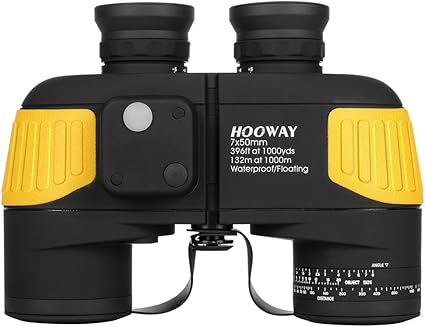 | Hooway 7×50 Rangefinder | Check Price |
Our Top Picks 3  | SIG SAUER ZULU6 18×50 | Check Price |
Our Selected Top 15 Marine Binoculars for Different Needs
This list covers a variety of marine binoculars designed for different activities and budgets. Each review explains how well the binocular works on water, who it fits best, and points out its strengths and any drawbacks to help choose the right match.
1. Steiner Marine 7×50 Binoculars
Tracking distant boats or shoreline landmarks requires clear vision and durability. Suited for active boaters or marine enthusiasts, these binoculars combine bright optics with a resilient design to handle rough water conditions.
Their key strength lies in providing sharp images without needing constant refocusing.
Setting up involves simply lifting them and looking through, thanks to the Sports Auto Focus that adjusts automatically from 20 yards to infinity. The rubber armored body offers a secure grip even when wet, and the floating prism system cushions shocks, making them suitable on bumpy rides.
Their size and weight balance allow comfortable handheld use without tiring quickly.
Optical performance delivers vivid, high-contrast images with accurate color thanks to multi-coated lenses and a 7x magnification. The construction holds up well against impact and water exposure due to the silicone lens mounts and waterproof build. The most common note of dissatisfaction is the relatively narrow field of view for scanning wide areas.
Bright imagery and shock resistance stand out in everyday rough conditions, ensuring consistent performance on water. The field of view is more limited than expected for marine applications needing wide scanning, which can slow locating objects. Handling is comfortable, but size impacts packability.
Those needing sharp, quick focusing and durability in a marine binocular will appreciate these. People requiring a wider panoramic view or smaller compact binoculars for travel might look for alternatives better suited to those preferences.
Pros
- Auto focus keeps images sharp without manual adjustments
- Strong grip thanks to rubber armored, ergonomic design
- Durable against shocks with floating prism protection
- Bright and clear images with true-to-life colors
Cons
- Field of view narrower than some competitors
- Relatively large size might be bulky for some users
| Specification | Details |
|---|---|
| Magnification | 7x |
| Objective Lens Diameter | 50 millimeters |
| Water Resistance Level | Waterproof |
| Focus Type | Auto Focus |
| Field of View | 7.2 degrees |
| Eye Relief | 20 millimeters |
2. Hooway 7×50 Marine Binoculars with Rangefinder and Compass
7x magnification combined with a 50mm objective lens makes these binoculars ideal for spotting distant objects clearly on open water. Designed with marine use in mind, they suit someone who needs clear views and reliable compass readings during boating or fishing trips.
Setting up takes little time thanks to manual focus and adjustable diopters, letting you fine-tune images to your eyesight. The 22mm eye relief helps when wearing sunglasses or glasses.
Waterproof construction and a floatable design provide confidence during wet conditions, while a built-in compass and rangefinder assist navigation without extra devices.
Image clarity benefits from the Porro prism system and fully multi-coated optics. The rubber armor delivers a sturdy, non-slip grip and shock absorption. Strong points include stable viewing even in rough waters and durable waterproofing.
A noted drawback is the overall size, which may feel bulky for prolonged handheld use.
Images remain sharp and bright in different light thanks to the coated optics and Porro prism system. Waterproofing and flotation protect against drops in water, which helps keep the binoculars safe during outings. The most frequent complaint concerns the size and weight making it harder to hold steady for long periods.
Ideal for boaters and anglers needing accurate distance reading and compass support combined with strong magnification. Those who prioritize compact or lightweight binoculars might seek a smaller, simpler alternative better suited for hiking or casual use. The durability and detailed measurement features keep it focused on marine environments.
Pros
- Bright and clear images with BAK4 prism
- Built-in compass and rangefinder
- Waterproof and floats on water
- Non-slip rubber armor for grip
Cons
- Bulky size can tire hands during extended use
- Manual focus requires frequent adjustments
| Specification | Details |
|---|---|
| Magnification | 7x |
| Objective Lens Diameter | 50 millimeters |
| Field of View | 396 feet at 1000 yards (132 meters at 1000 meters) |
| Eye Relief | 22 millimeters |
| Coating | Fully Multi-Coated |
| Water Resistance Level | Waterproof |
3. SIG SAUER ZULU6 HDX PRO 18×50 Marine Binoculars
People who spend time on boats and need sharp, stable views at long range will appreciate these binoculars. They suit serious marine observers wanting clear images even on rough seas. The strongest feature is the image stabilization that keeps things steady at powerful 18x magnification.
Setting up involves inserting AA batteries, either rechargeable or standard, which adds versatility. The built-in digital accelerometer detects motion and adjusts stabilization automatically, so you don’t have to fine-tune while on the water.
The polarized lens covers flip back easily and reduce glare from sun reflections. The bright orange armor helps you keep track of them on deck and provides a solid grip in wet conditions.
Performance is outstanding for spotting distant marine targets thanks to the HDX PRO ED glass and large 50mm lenses that bring in lots of light and reduce glare. The waterproof, fogproof nitrogen-filled housing holds up well in rough weather. One point of criticism is that the autofocus focus can be slow in certain low-light situations.
The image stays steady in motion but takes a moment to adjust after quick movement.
High praise centers on the image stabilization allowing clear views from moving boats, critical for offshore use. The most frequent drawback involves autofocus speed, which sometimes causes a short delay when switching focus in different lighting or movement conditions.
These binoculars suit experienced marine users needing long-range observation on rough seas or sunny days. Casual users or those wanting quicker manual focus might find them less convenient. Durability and glare reduction make them valuable for harsh maritime environments.
Pros
- Effective digital image stabilization system
- Polarized lens covers reduce harsh glare
- Waterproof and fogproof nitrogen-filled housing
- Flexible power options with rechargeable or standard AA batteries
Cons
- Autofocus can be slow in low-light
- Image stabilization adjusts slowly after quick movement
| Specification | Details |
|---|---|
| Magnification Maximum | 18 x |
| Objective Lens Diameter | 50 millimeters |
| Focus Type | Autofocus |
| Water Resistance Level | Waterproof (IPX7) |
| Coating | Optical Coating |
| Exit-Pupil Diameter | 2.78 millimeters |
4. Bushnell Marine 7×50 Binoculars with Compass

Marine optics designed specifically for ocean conditions stand out here. Suited for fishing and boating enthusiasts, these binoculars pair 7x magnification with a large 50mm lens and an integrated compass. Their main strength lies in combining bright, clear optics with practical navigational tools to aid precise measurements at sea.
Setting up involves familiar center focus adjustment and diopter correction for clear views. The binoculars come ready with fully multi-coated lenses for crisp images even in low light.
Rubber armoring offers a secure grip and cushions against impact. Nitrogen filling guarantees no fogging inside, important when humid sea air meets cool water. The built-in analog compass and illuminated rangefinder help read bearings and distances easily without extra gear.
With BaK-4 porro prisms, these provide sharp, bright images and good depth perception. Their 350-foot field of view at 1,000 yards balances detail and situational awareness.
Rubber coating resists saltwater corrosion and floats if dropped. Feedback often praises clear optics and reliable waterproofing. The most frequent complaint points to the relatively heavy 37-ounce weight, which can tire hands during extended use.
The brightness and clarity of the optics receive consistent praise, allowing clear views even in dim conditions. Users also value the precision of the built-in compass and rangefinder for marine navigation. The notable drawback comes from the weight, which can become tiring when holding the binoculars for long periods without support.
Anyone needing durable, clear marine binoculars with navigation aids will find this product well-suited to those tasks. Those who prioritize lightweight gear or want autofocus might want to explore other options. Normal use involves occasional manual focusing but benefits from rugged protection against the harsh marine environment.
Pros
- Bright, sharp images with fully multi-coated optics
- Integrated illuminated compass for easy navigation
- Floatable, shock-resistant rubber armor
- Reliable waterproof and anti-fog performance
Cons
- Relatively heavy at 37 ounces
- Manual focus requires some adjustment effort
| Specification | Details |
|---|---|
| Magnification Maximum | 7 x |
| Objective Lens Diameter | 50 mm |
| Field of View | 6.84 degrees / 350 feet @ 1,000 yards |
| Eye Relief | 18 millimeters |
| Weight | 37 ounces |
| Water Resistance Level | Waterproof, Fogproof, Saltwater Hermetically Sealed |
5. USCAMEL 10×50 Marine Binoculars

USCAMEL 10×50 Marine Binoculars suit those who want clear, detailed views for boating or fishing. It stands out for its combination of 10x magnification and a large 50mm objective lens. The built-in compass and rangefinder help with navigation and estimating distances on water.
Setup takes only a moment and focusing is manual but precise thanks to the smooth knob. Foldable eyecups make it easy to switch between using glasses or not. The built-in illuminated compass and rangefinder activate with included LR936 batteries, useful for trips in low light.
Waterproof design and nitrogen filling add durability for rough marine conditions.
Image clarity is high with the BAK4 prism and FMC coating, delivering bright, sharp views. The 396 feet field of view at 1000 yards helps spot objects far away.
Construction is solid and waterproof, with some feedback noting the manual focus needs careful adjustment. The diopter ring supports quick vision correction, though it may take time to dial in perfectly.
High praise highlights the bright, sharp image quality helped by the large 50mm lenses and anti-reflective coatings. The illuminated compass and rangefinder add real value for marine navigation. Common complaints mention that the manual focus knob does not always turn smoothly, requiring patience to get a crisp view.
A good choice for boaters and anglers prioritizing vision clarity and navigation features in wet conditions. Those wanting autofocus or simpler focusing might prefer another option. Anyone needing a waterproof, durable set with measurement tools built in will find these binoculars fit well.
Pros
- Clear images with FMC coating and BAK4 prism
- Built-in illuminated compass and rangefinder
- Waterproof and nitrogen-purged to prevent fogging
- Foldable eyecups suit users with or without glasses
Cons
- Manual focus can be tricky to adjust smoothly
- Diopter ring adjustment requires careful tuning
| Specification | Details |
|---|---|
| Magnification | 10x |
| Objective Lens Diameter | 50 millimeters |
| Field of View | 396 feet at 1000 yards |
| Prism Type | Porro Prism (BAK4) |
| Water Resistance Level | Waterproof, IPX7 |
| Eye Relief | 7.1 millimeters |
6. Steiner Military-Marine 7×50 Binoculars

Bright images and a solid feel define these binoculars for anyone serious about marine or outdoor activities. Ideal for rough conditions, they combine military-grade durability with exceptional low-light vision. Their strongest advantage lies in clear views without constant refocusing, even when spotting moving objects on water.
Setting up involves adjusting each eyepiece just once to match your vision, thanks to Sports-Auto-Focus technology. The grip stays firm in wet or oily conditions, letting you hold them securely without noise.
Waterproofing and the floating prism system give confidence when waves or rain come into play. Using them daily feels stable and straightforward, even on a rocking boat or during dawn hikes.
Performance holds steady with 7x magnification and a wide 387-foot field of view, making it easier to follow distant objects. The polycarbonate housing stands up to shocks, supported by shock-absorbing silicone mounts that keep alignment intact. Most praise the clear image in fog or low light.
A noted downside is their weight and size, which could tire hands during long use.
Clear image quality and reliable auto-focus receive consistent praise, especially in low-light and moving conditions. The non-slip grip and waterproof design hold up under rough treatment. Complaints mainly concern the binoculars’ weight and bulk, which can lead to fatigue after hours of use.
People engaged in marine navigation, hunting, or hiking where durability and clear, steady vision matter will appreciate these binoculars. Those needing lighter, more compact optics for casual or quick use might want to consider smaller models instead.
Pros
- Durable polycarbonate housing resists impacts up to 11 Gs
- Auto-focus keeps images sharp without constant adjustments
- Large 50mm lenses deliver bright views in low light
- Non-slip rubber grip quiets handling noise
Cons
- Relatively heavy for extended handheld use
- Size may feel bulky for small hands
| Specification | Details |
|---|---|
| Magnification Maximum | 7 x |
| Objective Lens Diameter | 50 millimeters |
| Field of View | 387 feet |
| Focus Type | Sports-Auto-Focus |
| Water Resistance Level | Waterproof |
| Exit-Pupil Diameter | 7.1 millimeters |
7. Bushnell H2O Xtreme 10×42 Binoculars

Ideal for boating and outdoor activities, these binoculars deliver bright, clear views with waterproof and fogproof reliability. Hobbyists and adventure seekers who need strong magnification and durability will appreciate their solid build and user-friendly design.
Their biggest strength is lasting performance in wet and challenging environments.
Setting up these binoculars is simple using the center focus wheel, which lets you quickly sharpen the image. They come with a strap and a protective case that makes carrying easy and safe from bumps. The rubber armor provides a good grip even when your hands are wet.
Covers for the lenses help keep dirt and scratches away, so you can store or transport them without worry.
Image quality stands out thanks to premium BaK-4 prisms and fully multi-coated lenses ensuring consistent brightness. The rugged rubber design resists shocks and falls, and the O-ring sealing along with nitrogen purging keeps internal fogging away.
The only common issue is that some find the field of view narrowed to 6.8 degrees, which limits scanning wide areas at once.
Performance in various weather holds strong with no internal fogging even after accidental drops into water. Brightness and clarity rank high among similar models. Some users note the field of view limits quick area surveys, and manual focusing can slow spotting fast-moving targets.
Anyone needing tough, waterproof optics for boating, hiking, or birdwatching will appreciate these binoculars. Those who want a wider view or faster autofocus might want to look for other options better suited for fast scanning or close distances.
Pros
- Fully multi-coated lenses for clear images
- Rubber armor provides secure, non-slip grip
- IPX7 waterproof rating protects against immersion
- Includes strap, case, and lens covers
Cons
- Field of view feels narrow for scanning
- Manual focus requires adjustments for different distances
| Specification | Details |
|---|---|
| Magnification | 10x |
| Objective Lens Diameter | 42 millimeters |
| Water Resistance | IPX7 Waterproof |
| Eye Relief | 17 millimeters |
| Field of View | 6.8 degrees |
| Focus Type | Manual Center Focus |
8. Athlon Optics Midas UHD 8×42 Binoculars

Built with ED glass and lightweight materials, these binoculars fit well for outdoor enthusiasts who want clear views without extra bulk. Suited for bird watching, hiking, or marine use, their main strength lies in delivering sharp images with good color accuracy thanks to advanced lens coatings.
Setup involves adjusting the manual focus and diopter, which feels smooth and precise. Eye relief is generous at 17.2 millimeters, making it comfortable for people wearing glasses.
The binoculars come waterproof with argon purging that handles damp or foggy conditions without affecting clarity. Field of view at 8.1 degrees lets you spot details over a wide area, useful in open outdoor settings.
Brightness and sharpness meet expectations for an 8×42 model, balancing magnification and stable viewing. The build is solid yet lightweight, making it easier to carry for longer periods.
Positive feedback highlights clear, bright images with minimal color fringing. A common downside involves the focus wheel, which some find a bit stiff during extended use.
Clear and bright images with very little color fringe stand out as the best feature. The focus dial stiffness can slow quick adjustments during fast-paced spotting or tracking outdoor subjects. The overall handling is solid but requires some effort when focusing closely or frequently.
Bird watchers and hikers who wear glasses will find comfort and clarity here. Scenarios needing rapid focus changes or very low light may call for a different model. Those prioritizing lightweight design and waterproof performance will appreciate these binoculars the most.
Pros
- Sharp images with minimal chromatic aberration
- Long eye relief comfortable for eyeglass wearers
- Bright, accurate color thanks to multi-coated lenses
- Lightweight and easy to carry in outdoor settings
Cons
- Focus wheel can feel stiff after prolonged use
- Not suitable for extreme low-light conditions
| Specification | Details |
|---|---|
| Magnification | 8x |
| Objective Lens Diameter | 42 mm |
| Eye Relief | 17.2 mm |
| Field of View @ 1000 m | 144 m |
| Water Resistance | Waterproof with Argon Purge |
| Prism Type | Roof Prism |
9. Bushnell Marine 7×50 Binoculars

Stunning HD clarity stands out immediately when using these marine binoculars. Designed for serious outdoor enthusiasts and maritime users, they offer 7x magnification paired with a large 50-millimeter objective lens, ideal for spotting details over water with solid brightness in varied light conditions.
The strong build suits rough, salty environments as much as calm waters.
Set up is simple with manual center focus and a diopter adjustment to sharpen the view according to your eyesight. The binoculars feature a Porro prism system, which opens up a wide field of view for tracking moving objects at sea. Rubber armor provides a secure grip, even when wet, and the hermetically sealed body ensures water and corrosion resistance, so handling them during a rainy day or after handling fish isn’t a hassle.
Optical performance is clear and sharp thanks to premium BaK-4 prisms and fully multi-coated lenses with UV protection. The wide 127-meter field of view at 1000 meters makes scanning the horizon easier.
Durable materials hold up against corrosion and harsh marine conditions over time. Praise often focuses on the clarity and solid construction, but some users find the weight a bit heavy for lengthy hand-held use. The non-slip grip helps but does not reduce overall heft.
Clarity and build quality receive strong praise as the binoculars handle marine environments well without fogging or corrosion. On the downside, the weight makes prolonged hand holding tiring for some, and precise focus requires adjusting manually more often than some would expect.
Those needing durable, bright optics for boating and fishing will find these effective. Users wanting lighter or simplified focusing systems might look at other options better suited for casual or all-day handheld use. These excel in rough, wet environments where toughness counts most.
Pros
- Clear, bright images with BaK-4 prisms
- Wide field of view for better tracking
- Waterproof and corrosion resistant
- Non-slip rubber armor for secure grip
Cons
- Heavier than some comparable models
- Fixed focus can require frequent adjustment
| Specification | Details |
|---|---|
| Magnification | 7x |
| Objective Lens Diameter | 50 millimeters |
| Prism Type | Porro Prism |
| Field of View | 127 meters at 1000 meters |
| Eye Relief | 18 millimeters |
| Water Resistance | Waterproof and corrosion resistant |
10. No Brand 20×50 Waterproof Binoculars

High magnification paired with a wide 50mm objective lens makes these binoculars fit for those who need sharp long-distance views on rough outdoor trips. Bird watchers, hunters, and travelers will like the high 20x zoom and waterproof design for clear images far away.
Setup is straightforward with a center focus wheel you adjust gently for clarity. The eyepieces are large and shaped for comfort, which helps reduce eye strain during long use. The rubber coating and non-slip handles give a sure grip, even in wet or shaky conditions, adding confidence on hikes or cruises.
Optics here deliver crisp images thanks to multi-layer-coated lenses and a BAK4 Porro prism that boosts light transmission close to 100%. The build feels solid and splash resistant but not fully submersible. The main complaint involves some shakiness seen at full 20x zoom, requiring steady hands or a tripod mount.
Sharp and bright visuals combine with a user-friendly focus wheel for steady long-distance viewing. Rubberized handles add stability, though the image can be shaky at maximum zoom without additional support. Waterproof coating works well against rain and splashes but does not allow full water immersion.
Those needing high-detail observation in dry or damp outdoor settings will find strong value here. Avoid these binoculars if steady handheld use at full zoom is essential or if underwater viewing is planned. A tripod setup can greatly improve image stability for extended wildlife or sports watching sessions.
Pros
- Clear, bright images with 20x high power zoom
- Comfortable eyepiece reduces eye fatigue
- Waterproof body with non-slip rubber grips
- Easy one-finger center focus adjustment
Cons
- Shake at full 20x magnification requires tripod
- Not suitable for underwater use
| Specification | Details |
|---|---|
| Magnification Maximum | 20 x |
| Objective Lens Diameter | 50 millimeters |
| Water Resistance Level | Waterproof |
| Focus Type | Center Focus |
| Eye Relief | 26 millimeters |
| Prism Type | Porro Prism |
11. Nikon OceanPro 7×50 Marine Binoculars

Spotting distant objects on open water requires clear optics and reliable navigation aids. Marine enthusiasts who need steady magnification and precise direction find the Nikon OceanPro 7×50 Marine Binoculars suitable. Their biggest strength lies in the built-in illuminated global compass, which adjusts automatically for location, helping track bearings accurately while at sea.
Setting up these binoculars is straightforward thanks to the smooth central focus knob, which lets you lock sharp images quickly. The long eye relief of 22.7 millimeters means they work well even if you wear glasses.
The rubber armored body offers a good grip and protects against the wet, salty marine environment. The floating nylon strap prevents loss by keeping the binoculars handy on deck.
Image clarity stands out, with multi-coated Eco-glass lenses producing bright, crisp views across the 7.2-degree field of view. The polycarbonate build feels sturdy and withstands splashes without fogging inside. The compass functions reliably during use but can be a little slow to stabilize when switching directions.
Some notes mention its weight making it less comfortable for long handheld use.
Bright optics deliver crisp views with minimal fogging thanks to quality coatings and waterproof construction. The compass stands out as a helpful navigation tool, yet its slow stabilization can frustrate users needing quick directional changes. Weight provides durability but may cause arm fatigue over hours on the water.
The binoculars suit boaters who value integrated compass assistance and clear images in varying light. Those prioritizing lightweight gear for all-day handheld use might prefer a smaller model without the compass feature. Ideal for casual marine spotting and navigation rather than extended wildlife observation.
Pros
- Built-in illuminated compass with automatic declination
- Rubber armored for marine durability and grip
- Multi-coated Eco-glass lenses for bright images
- Floating nylon strap included to prevent loss
Cons
- Compass can take time to stabilize when changing directions
- Heavier than some binoculars for extended handheld use
| Specification | Details |
|---|---|
| Magnification Maximum | 7 |
| Objective Lens Diameter | 50 millimeters |
| Eye Relief | 22.7 millimeters |
| Water Resistance Level | Waterproof |
| Focus Type | Center Focus |
| Field of View | 7.2 degrees |
12. No Brand 10×50 Marine Binoculars with Compass

10x magnification and a 50mm HD objective lens make these marine binoculars suitable for boating enthusiasts wanting solid reach and clear views. Their built-in compass and rangefinder cater mostly to people navigating waters who need direction and distance measurements.
Metal body and waterproofing add durability for rough outdoor use.
Setting up is straightforward with individual focus and two ±5 diopter rings to adjust for eyesight differences in each eye. The rubber armor provides a secure grip even when wet. Folding eye cups fit over glasses comfortably.
The floating strap and lens covers help keep everything accessible and protected during outings on the water.
Optics deliver sharp, wide views with FMC green film coating reducing glare. BAK4 Porro prisms help avoid image edge distortion.
The binoculars work well in low-light conditions but don’t turn night to day. The metal body feels tough, though some find the weight a bit much. The compass scale light button is handy but not very bright.
Bright and sharp image quality stands out, supported by the fully multi-coated lenses and BAK4 prisms. The compass and rangefinder add real value for water navigation. Common complaints focus on the dim compass backlight that is less helpful in very low light and the weight that can feel tiring during prolonged use.
People wanting a rugged, waterproof option with navigation features will find these binoculars suitable, especially for boating. Those who prioritize lightweight gear may want a different model without the metal body. Nighttime observers looking for bright illuminated scales might also consider alternatives.
Pros
- Built-in rangefinder and compass for navigation
- Waterproof up to IPX7, safe for drops in water
- Folding eye cups work with glasses
- Comes with floating strap and lens covers
Cons
- Compass illumination is dim in darker conditions
- Heavier metal body can feel bulky on long trips
| Specification | Details |
|---|---|
| Magnification Maximum | 10 x |
| Objective Lens Diameter | 50 millimeters |
| Water Resistance Level | Waterproof (IPX7) |
| Field of View | 327 feet |
| Diopter Adjustment Range | ±5 diopters |
13. Steiner Commander 7×50 Marine Binoculars

Suitable for serious boaters and marine navigators, these binoculars combine precise navigation tools with excellent optical clarity. Their standout feature is the integrated HD-stabilized compass, which offers reliable directional guidance even in rough water conditions. This makes them ideal for anyone frequently on the sea needing accurate bearings alongside strong magnification.
Setting up is straightforward with an auto-focus system and a diopter adjustment range of ±3 to suit different eyesight needs. The large 50mm objective lenses gather plenty of light for low-light use. You can wear them comfortably for extended periods thanks to 18mm eye relief.
Included accessories like the hard case, rain cover, and a neoprene strap add convenience during regular outings.
The binoculars deliver sharp images with 7x magnification and wide 140m field of view at 1000m, making it easy to scan the horizon while keeping a steady picture on moving boats. The shock-resistant Makrolon polycarbonate body withstands impacts, and the nitrogen fill keeps the optics fog-proof underwater up to 10 meters.
Some people find the compass tricky to read in extremely low light despite the illumination, but the overall durability and clarity receive high praise.
High praise goes to the crisp optical quality and reliable compass integration that holds up in rough sea conditions. The most common complaint concerns the compass illumination, which some find less visible under very dark conditions despite its brightness control. The construction is recognized as tough and ready for marine environments.
Those who spend significant time navigating waters and rely on accurate bearings will appreciate the combination of optics and compass here. People who prefer very lightweight binoculars or want stronger illumination on the compass might want to explore alternatives.
Pros
- Integrated HD-stabilized compass for accurate navigation
- Large exit pupil offers bright, clear views in low light
- Rugged Makrolon polycarbonate chassis resists shocks
- Comes with practical accessories including hard case and strap
Cons
- Compass illumination could be brighter in very low light
- Heavier weight may tire arms during long handheld use
| Specification | Details |
|---|---|
| Magnification | 7x |
| Objective Lens Diameter | 50 millimeters |
| Field of View | 140 meters at 1000 meters |
| Eye Relief | 18 millimeters |
| Waterproof Depth | 10 meters |
| Focus Type | Auto Focus |
14. Nikon OceanPro 7×50 Marine Binoculars

Designed for boaters, sailors, and anglers, these binoculars offer bright optics with a wide 7x magnification ideal for spotting distant objects on the water. Their biggest strength lies in a combination of clear image quality and durability built specifically for marine environments.
Setting up the binoculars involves adjusting the smooth central focus knob and eyecups, which accommodate eyeglass wearers well due to the generous 22.7mm eye relief. The 50mm objective lenses provide a wide field of view, and their lightweight design makes carrying them on a boat comfortable throughout the day. Waterproofing and fog proofing mean no worries about spray or sudden weather changes.
These binoculars deliver sharp images with excellent color accuracy thanks to multilayer-coated lenses and Porro prism optics. They feel solid in hand with rubber armor protecting against shocks and slips.
Common praise highlights the steady view and effective low-light performance, although some users find the size bulky compared to smaller models.
Sharp, high-contrast optics provide clear views and steady tracking in various conditions, praised for good low-light performance. The most common downside is the heavier and bulkier build which some find awkward for long handheld use.
The binoculars suit anyone needing reliable marine optics with protection against water and fog. Those preferring ultra-compact or lightweight models might want to look for a smaller option with less bulk.
Pros
- Bright optics with multi-coated lenses
- Wide 378 feet field of view
- Comfortable eye relief for eyeglass wearers
- Waterproof and fogproof design
Cons
- Relatively large and bulky size
- Smooth focus knob can be slippery when wet
| Specification | Details |
|---|---|
| Magnification | 7x |
| Objective Lens Diameter | 50 millimeters |
| Eye Relief | 22.7 millimeters |
| Water Resistance | Waterproof, fogproof, weather-sealed |
| Exit-Pupil Diameter | 7.1 millimeters |
| Focus Type | Center focus |
15. Steiner Navigator 7×50 Marine Binoculars

Steiner Navigator 7×50 Marine Binoculars offer strong waterproof performance and clear optics for serious boaters and coastal explorers. These binoculars excel in tough marine conditions with their durable build and 7x magnification, making distant objects easy to spot without strain.
Setup involves adjusting a simple center focus knob and using the twist-up eyecups to suit your vision. The 50mm objective lenses gather plenty of light, helping in low-light conditions like dawn or dusk on the water.
The sealed housing keeps salt spray and rain out, so no need to worry about moisture. The binoculars fit comfortably in hand with a non-slip rubber coating that works well even with wet hands.
Viewing clarity is sharp with a wide field of view, essential for scanning wide horizons. The build quality is tough, featuring a rubber armored shell to resist impacts.
The strongest praise centers on its waterproof and fogproof reliability, crucial for marine use. A common complaint involves the weight, which some find a bit heavy for longer wear during extended trips.
Durability and weather resistance stand out, keeping views clear through spray and rain. The weight often makes the binoculars tiring to hold for hours without a harness or tripod. Users appreciate how reliable the waterproof seals are, but some wish for a lighter alternative in rough sea conditions.
Ideal for boaters who prioritize clear optics and toughness over weight savings. A good match for coastal navigation and wildlife watching from vessels. Those needing a compact or ultra-light option may want to consider smaller or less sturdy models instead.
Pros
- Waterproof and fogproof for marine use
- Large 50 mm lenses improve vision in low light
- Rubber coating provides secure grip
- Wide 114 m field of view at 1000 m distance
Cons
- Relatively heavy at 1330 g for prolonged use
- Focus adjustment can feel stiff at first
| Specification | Details |
|---|---|
| Magnification | 7x |
| Objective Lens Diameter | 50 mm |
| Waterproof/Fogproof | Yes |
| Field of View | 114 m / 1000 m |
| Weight | 1330 g |
Best Marine Binoculars Comparison Table
| Product | Magnification | Objective Lens Diameter | Waterproof | Focus Type |
|---|---|---|---|---|
| Steiner 7×50 Marine | 7x | 50 mm | Waterproof | Auto Focus |
| Hooway 7×50 Rangefinder | 7x | 50 mm | Waterproof | Manual Focus |
| SIG SAUER ZULU6 18×50 | 18x | 50 mm | Waterproof | Auto Focus |
| Bushnell 7×50 Compass | 7x | 50 mm | Waterproof | Manual Focus |
| USCAMEL 10×50 Marine | 10x | 50 mm | Waterproof | Manual Focus |
| Steiner Military 7×50 | 7x | 50 mm | Waterproof | Auto Focus |
| Bushnell H2O Xtreme 10×42 | 10x | 42 mm | Waterproof | Manual Focus |
| Athlon Midas UHD 8×42 | 8x | 42 mm | Waterproof | Manual Focus |
| Bushnell 7×50 Marine | 8x | 50 mm | Waterproof | Manual Focus |
| Waterproof 20×50 Binoculars | 20x | 50 mm | Waterproof | Manual Focus |
| Nikon OceanPro 7×50 | 7x | 50 mm | Waterproof | Manual Focus |
| 10×50 Marine Compass | 10x | 50 mm | Waterproof | Manual Focus |
| Steiner Commander 7×50 | 7x | 50 mm | Waterproof | Auto Focus |
| Nikon OceanPro 7×50 Black | 7x | 50 mm | Waterproof | Manual Focus |
| Steiner Navigator 7×50 | – | – | – | – |
- Magnification7x
- Objective Lens Diameter50 mm
- WaterproofWaterproof
- Focus TypeAuto Focus
- Magnification7x
- Objective Lens Diameter50 mm
- WaterproofWaterproof
- Focus TypeManual Focus
- Magnification18x
- Objective Lens Diameter50 mm
- WaterproofWaterproof
- Focus TypeAuto Focus
- Magnification7x
- Objective Lens Diameter50 mm
- WaterproofWaterproof
- Focus TypeManual Focus
- Magnification10x
- Objective Lens Diameter50 mm
- WaterproofWaterproof
- Focus TypeManual Focus
- Magnification7x
- Objective Lens Diameter50 mm
- WaterproofWaterproof
- Focus TypeAuto Focus
- Magnification10x
- Objective Lens Diameter42 mm
- WaterproofWaterproof
- Focus TypeManual Focus
- Magnification8x
- Objective Lens Diameter42 mm
- WaterproofWaterproof
- Focus TypeManual Focus
- Magnification8x
- Objective Lens Diameter50 mm
- WaterproofWaterproof
- Focus TypeManual Focus
- Magnification20x
- Objective Lens Diameter50 mm
- WaterproofWaterproof
- Focus TypeManual Focus
- Magnification7x
- Objective Lens Diameter50 mm
- WaterproofWaterproof
- Focus TypeManual Focus
- Magnification10x
- Objective Lens Diameter50 mm
- WaterproofWaterproof
- Focus TypeManual Focus
- Magnification7x
- Objective Lens Diameter50 mm
- WaterproofWaterproof
- Focus TypeAuto Focus
- Magnification7x
- Objective Lens Diameter50 mm
- WaterproofWaterproof
- Focus TypeManual Focus
- Magnification–
- Objective Lens Diameter–
- Waterproof–
- Focus Type–
How to Choose the Best Marine Binoculars
Look for waterproof and fog-proof features to handle wet conditions on the water. A good magnification level and wide field of view make spotting easier, while durable materials prevent damage from drops or salt exposure. Choosing these basics avoids extra costs and frustration later.
Waterproofing and Durability
Salt spray and humid conditions often cause binoculars to fog up or corrode after only a few uses on the water. Fully sealed models filled with nitrogen gas stop moisture from entering the optics, which keeps vision clear throughout the day.
Just looking for a nitrogen-filled label does not guarantee quality, though. Check for an IPX7 or higher water resistance rating, meaning the binoculars can handle immersion without leaks. This feature makes a noticeable difference during long trips or sudden sea weather changes.
The build materials also affect how long the binoculars last. Metal housings made from marine-grade aluminum or titanium stand up better against rust from saltwater than plastic ones. Rubber armor around the body adds shock absorption, important for dropping equipment on a moving boat deck.
Some binoculars specify shock resistance measured by drop tests from about 1 to 2 meters. This durability keeps the optics aligned and functioning even after rough handling, saving money on repairs or replacements.
Size and Weight
Holding binoculars for hours during a long day on the water quickly becomes tiring if they are bulky or heavy. Models above 900 grams can cause noticeable arm fatigue, making it harder to keep a steady view on distant objects.
A compact pair, weighing between 500 and 700 grams, feels lighter and more manageable, especially with repeated use. Materials like magnesium alloys provide strength without the weight penalty typical of steel-bodied designs.
Ergonomics greatly influence stability when spotting buoys or wildlife from a moving boat. Well-balanced binoculars prevent awkward hand positions that lead to shaking.
Soft rubberized grips not only improve hold but also help reduce slippage in damp conditions common at sea. Space is another consideration onboard; fitting your optics into a small locker or bag keeps your cabin organized and protects the lenses from damage.
Field of View and Eye Relief
On open water, spotting distant boats, buoys, or wildlife quickly can make a huge difference. A wide field of view lets you scan a broad area without moving your head constantly, reducing missed details.
Practical models often offer around 300 feet at 1,000 yards, which means less panning to keep targets in sight. Narrower views feel like peeking through a tube and can fatigue your eyes during extended use.
Eye relief matters most for those wearing glasses. Insufficient eye relief leads to dark edges around the circular glass, blurring important details and forcing awkward positioning. Reliable equipment provides at least 15mm of eye relief, allowing you to see the full image clearly while wearing glasses.
Adjustable cups and diopter settings help dial in sharpness and comfort, so each trip feels less like a struggle to focus and more like a clear window to the horizon.
Additional Features and Maintenance
Trying to spot landmarks or determine direction on open water can quickly turn frustrating without a proper built-in compass or rangefinder. A compass integrated into the binoculars usually sits within easy view and offers constant orientation, helping to steer clear of drifting off course. Rangefinders that measure distance accurately to objects several hundred meters away add another layer of precision, whether navigating close to shore or identifying other vessels.
Look for compasses that provide clear, illuminated markings and rangefinders with a reliable accuracy within a few meters for the best results.
Cleaning lenses often turns into a daily chore in salty, humid marine environments. Smudges, salt spray, and dust degrade viewing clarity fast unless the lenses come with a hydrophobic or anti-reflective coating. Seals should meet at least IPX7 standards to prevent water ingress during splashy conditions.
Protecting these investments requires good covers designed from tough materials like neoprene or thick nylon and a strap that comfortably holds the weight but won’t snag. Loss is common without secure attachment points; choose straps with strong clips and adjustable lengths to keep everything stable during rough boat rides.
Maximizing Visibility: Tips for Using Marine Binoculars in Rough Waters
Marine binoculars with image stabilization can significantly reduce the impact of the boat’s movement on your view. This feature is especially helpful in choppy waters, where the constant rocking makes it difficult to keep objects in sight. Opt for binoculars with a wide field of view to spot distant landmarks or vessels quickly.
Here are some practical tips to improve visibility:
- Hold the binoculars firmly with both hands to minimize shake, and if possible, rest your elbows on a solid surface like the boat’s railing.
- Adjust the focus gradually instead of rapid shifts, which can cause eye strain during extended use.
- Use a neck strap or harness to reduce fatigue and prevent accidental drops.
- Clean the lenses before heading out, as salt spray and smudges become obvious in bright daylight.
Keeping these points in mind helps maintain a clear and stable image, even in rough conditions.
Proper Maintenance and Storage to Extend the Life of Marine Binoculars
Marine binoculars are exposed to saltwater, moisture, and rough handling, which can quickly degrade their performance if not properly maintained. Regularly rinsing them with fresh water after use on the water removes salt and prevents corrosion on metal parts. Avoid using harsh chemicals or abrasive cloths for cleaning; instead, a soft, damp cloth is best for wiping lenses and body.
Storage plays a crucial role in preserving their optics and mechanics:
- Keep binoculars in a dry, cool place away from direct sunlight to prevent seal damage and fading.
- Use the supplied protective case to guard against bumps and dust.
- Store them with lens caps on to avoid scratches from accidental contact.
- Periodically check and replace any worn neck straps or attachments that could fail during use.
Following these steps helps maintain clear vision and reliable focus for years out on the water.
Common Mistakes to Avoid When Choosing and Using Marine Binoculars
Many find that selecting marine binoculars with insufficient waterproofing leads to early damage. Look for models with a minimum of IPX7 rating, which withstands immersion up to one meter for 30 minutes. Another common error is ignoring fog resistance.
Binoculars filled with nitrogen or argon gas prevent internal fogging, crucial for sudden temperature changes at sea.
Magnification and lens size also need careful consideration. Too much magnification (above 10x) can cause shaky images and make focusing difficult on a moving boat.
Aim for 7x or 8x magnification combined with a lens diameter around 42mm for a good balance between brightness and steadiness.
Many overlook the importance of a comfortable grip and strap attachments. Marine environments mean wet hands and constant motion, so rubber-coated barrels and secure straps prevent accidental drops.
- Check for waterproof and fog-proof certifications
- Choose magnification suited to marine conditions
- Prioritize ergonomic design for extended use
People Also Asked
How Do I Care for Marine Binoculars to Prevent Fogging?
Keeping marine binoculars dry and storing them in a sealed case helps prevent fogging. Using anti-fog wipes or sprays designed for optics can protect the lenses during humid or cold weather on the water.
What Size Marine Binoculars Are Ideal for Boat Use?
7×50 binoculars are ideal for boat use because they offer a good balance of magnification and a wide field of view. The 50mm lens gathers enough light to work well in low-light conditions like early morning or dusk.
Are Marine Binoculars Safe to Use in Salty Ocean Water?
Marine binoculars with waterproof and nitrogen-filled features are safe in salty ocean water. Rinsing them with fresh water after exposure to salt helps avoid corrosion and salt buildup on the lenses and mechanical parts.
How Long Do Marine Binoculars Typically Last with Regular Use?
Marine binoculars can last 5 to 10 years with regular use and proper care. Periodic cleaning, lubricating moving parts, and storing them in a dry place extend their life significantly.
What Common Problems Should I Watch for with Marine Binoculars?
Common issues include fogging inside the lenses, loss of waterproof seals, and difficulty focusing smoothly. Checking seals before trips and cleaning lenses with proper cloths reduce these problems.
Conclusion
Look for binoculars that offer clear, sharp images with good light transmission, especially in low-light conditions. Waterproofing and fog resistance are crucial since marine environments are wet and humid. A comfortable, sturdy design makes a difference during long use, while a solid field of view helps you spot distant objects easily.
Choose binoculars that fit your usual boating conditions and how often you’ll take them out, balancing features with your budget. Check the comparison table and detailed picks above to find the right match for your needs and storage space on your boat or kayak.