
A poorly chosen mountaineering down jacket can result in damp insulation, bulk that restricts movement, or weak stitching that fails in cold, demanding conditions. The best mountaineering down jacket addresses these issues by combining reliable warmth with durability, fitting well enough to layer but not so tight that it limits mobility. Having the right jacket can make a significant difference during long ascents or sudden weather changes.
A quality jacket typically uses high fill power down, starting around 700 fill, which offers excellent warmth-to-weight ratio. It should feature a windproof, water-resistant outer shell, usually made from ripstop nylon or polyester with a DWR finish.
Proper fit matters too, enough room for layering without sagging, which helps retain heat and keeps the insulation in place. Features like adjustable hoods, reinforced seams, and easy-care fabrics also contribute to better performance and longevity in the field.
Need a Quick Check?
| Image | Product | Price |
|---|---|---|
Our Top Picks 1 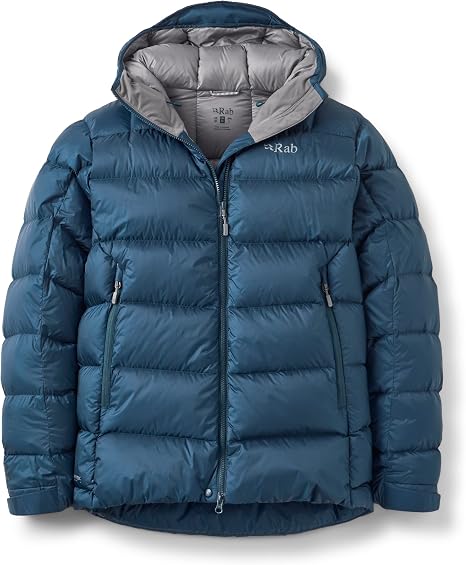 | Rab Neutrino Pro Hoody | Check Price |
Our Top Picks 2  | Rab Electron Pro Jacket | Check Price |
Our Top Picks 3  | Columbia Powder Lite II | Check Price |
Our Selected Top 15 Mountaineering Down Jacket Picks for Every Need
This list includes a variety of down jackets designed for serious climbing and cold weather conditions, suitable for different environments and activity levels. Each review covers how the jacket performs in real mountaineering situations, its best uses, strengths, and any drawbacks to consider.
1. Rab Neutrino Pro Down Hoody
Ideal for cold weather outdoor activities, the Rab Neutrino Pro Down Hoody offers reliable warmth with a casual, quilted design in Tempest Blue. Its main strength lies in balancing insulation and wearability, making it suitable for anyone needing dependable cold-weather protection without bulk.
Putting on the jacket comes with a comfortable regular fit and long sleeves that keep you covered during extended use. The quilted silhouette traps down effectively while staying stylish enough for casual outings. Wearing it daily involves minimal fuss thanks to its straightforward design, with no complicated adjustments needed for regular outdoor use.
It performs solidly in cold weather, maintaining insulation while remaining breathable. The down fill provides consistent warmth, and the shell’s material handles frequent movement well.
The jacket feels sturdy but not overly heavy. Some feedback highlights warmth retention as excellent, though a few mention the fit runs slightly large compared to other options in this style.
The jacket is praised for its ability to keep warmth steady during winter outings, making it a reliable layer. Some users note the sizing feels a bit roomy, which might affect layering choices. The simple construction means there are no advanced features like vents, focusing instead on straightforward insulation.
People who want solid, easy-to-wear warmth for casual or outdoor winter use will appreciate this jacket. Those needing a more fitted or technical design might prefer other options that provide adjustable ventilation or tailored cuts intended for high-intensity mountaineering.
Pros
- Keeps consistent warmth in cold conditions
- Regular fit balances comfort and mobility
- Simple, durable quilted design
- Casual look suitable for various outdoor activities
Cons
- Fit may run slightly larger than expected
- No specialized ventilation options
| Specification | Details |
|---|---|
| Color | Tempest Blue |
| Style | Casual |
| Sleeve Type | Long Sleeve |
| Coat Silhouette Type | Quilted |
| Seasons | Winter |
| Fit Type | Regular |
| Climate Suitability | Cold Weather |
2. Rab Electron Pro Down Jacket
Cold-weather outdoor activities demand reliable warmth and practical design. A person who spends time hiking or mountaineering in chilly conditions will appreciate a jacket that balances insulation and comfort. The Rab Electron Pro Down Jacket stands out for its ability to keep you warm without excess bulk.
Putting on the jacket is straightforward thanks to its regular fit and band collar, which stays close to the neck without restricting movement. The long sleeves cover well and the quilted design helps distribute the down insulation evenly.
The jacket’s black color and casual style suit both trekking and casual wear in cold weather. Storage is simple since the jacket compresses easily for packing after a day outdoors.
Its main job is to provide dependable cold-weather insulation during outdoor adventures. The quilted silhouette ensures the down stays in place, maintaining warmth without cold spots.
Durability holds up well on trails, though the fabric could be a bit more resistant to rough underbrush. Warmth achieves high marks, but some note it is not windproof, so layering may be necessary in strong winds.
Warmth and filling distribution receive strong praise due to the quilted design that prevents cold spots. A frequent complaint involves the outer fabric’s susceptibility to wear from rough contact, which may shorten the jacket’s appearance and protective qualities over time.
People who prioritize steady insulation and down comfort for casual outdoor use will find this jacket well suited to their needs. Those frequently facing high winds or rugged terrain requiring tougher outer fabric could consider alternatives with additional wind resistance or durability features.
Pros
- Even down distribution for consistent warmth
- Comfortable regular fit with band collar
- Compresses easily for travel and storage
- Simple black color blends into casual or outdoor wear
Cons
- Material less resistant to abrasion
- Not fully windproof in strong conditions
| Specification | Details |
|---|---|
| Color | Black |
| Style | Casual |
| Sleeve Type | Long Sleeve |
| Coat Silhouette Type | Quilted |
| Fit Type | Regular |
| Climate Suitability | Cold Weather |
3. Columbia Powder Lite II Hooded Jacket
Black Ripstop color gives this down jacket a tough appearance fit for cold weather enthusiasts. It suits people who want a durable, regular fit jacket with reliable warmth for fall mountaineering. The Powder Lite II Hooded Jacket’s best feature is its quilted design that balances insulation with mobility.
Putting on the jacket feels straightforward thanks to its long sleeves and regular fit, which neither restrict movement nor add bulk. The hood offers extra coverage on windy days.
Quilted stitching keeps the down evenly spread in cold weather, avoiding cold spots. The jacket’s solid pattern and ripstop fabric help resist tears from branches or gear during outdoor use.
It keeps warmth well during chilly conditions, making it a solid choice for fall mountaineering. The quilted construction holds the insulation in place, and the ripstop fabric stands up to rugged use. The strongest praise highlights the jacket’s balance between warmth and flexibility, but the most frequent complaint mentions the fit being a bit roomy for those who prefer a snug cut.
The jacket receives praise for combining warmth with enough flexibility for active movement. Users find the quilted structure very effective at preventing cold spots. Common dislike focuses on the fit being a bit generous, making it less ideal for those seeking a tight silhouette.
Buyers who want a durable, cold weather jacket suited to fall climbs will find this model practical and comfortable. People looking for a jacket that fits closely or provides insulation for winter conditions should explore other options.
Pros
- Quilted design keeps insulation evenly distributed
- Ripstop fabric resists tears during rugged use
- Regular fit allows comfortable layering underneath
- Long sleeves and hood give good cold weather coverage
Cons
- Fit may feel loose for those preferring snug jackets
- Only suitable for fall, less warmth for harsher cold
| Specification | Details |
|---|---|
| Color | Black Ripstop |
| Style | Powder Lite II Hooded Jacket |
| Sleeve Type | Long Sleeve |
| Coat Silhouette Type | Quilted |
| Seasons | Fall |
| Fit Type | Regular |
4. Rab Valiance Down Jacket

People facing cold winter climbs or casual winter wear will find the Rab Valiance Down Jacket fitting their needs. It excels at providing insulation, making it the key choice for those prioritizing warmth in subzero conditions.
Getting the jacket out and putting it on is straightforward thanks to the regular fit and anorak style that slides easily over layers. The long sleeves cover wrists fully, preventing cold drafts, while the solid black color keeps things versatile and low-maintenance.
The jacket suits daily trips outside or alpine activities where warmth and comfort matter most.
The jacket keeps heat locked in well, proving reliable in cold weather settings. It wears solid with an emphasis on functionality. High marks come from its effective insulation; some note the design is more casual and less technical, which might limit use in extreme mountaineering conditions.
A few find the fit a touch roomy compared to more tailored alternatives.
Effective thermal insulation stands out as the jacket’s strongest asset, making it reliable for cold winter days. Some find the fit less streamlined than expected, which could limit mobility in intense activities demanding precise movement. The black color and casual silhouette receive positive notes for everyday wear.
Those seeking a warm, straightforward jacket for cold weather outings will appreciate its qualities. People needing a highly technical layer for serious mountaineering might want to compare options that offer a more precise fit and advanced technical features.
Pros
- Warm insulation suitable for cold conditions
- Regular fit allows layering underneath
- Simple anorak design prevents heat loss
- Long sleeves fully cover wrists
Cons
- Less tailored fit may feel bulky to some
- Casual style not ideal for technical mountaineering
| Specification | Details |
|---|---|
| Color | Black |
| Style | Casual |
| Sleeve Type | Long Sleeve |
| Coat Silhouette | Anorak |
| Seasons | Winter |
| Fit Type | Regular |
| Climate Suitability | Cold Weather |
5. Rab Valiance Down Jacket

Lightweight warmth for cold fall days defines the Rab Valiance Down Jacket. Suited for people who want a casual style without giving up weather protection, it stands out with reliable insulation that works well during outdoor activities or everyday winter wear.
Putting it on is straightforward with a regular fit and band collar that keeps heat around your neck. The long sleeves and quilted silhouette add comfort and flexibility without feeling bulky.
Solid black color fits both casual and outdoor settings, making it easy to wear throughout the season while providing steady warmth.
Its down insulation performs well in cold conditions, maintaining heat without excessive weight. The jacket’s stitch pattern holds the down in place effectively. The main compliment mentions consistent warmth, especially with the snug band collar, while some note that it may not be ideal for very wet weather since water resistance isn’t specified.
The jacket receives strong praise for maintaining warmth throughout cold days without bulk, and the band collar helps trap heat effectively. Drawbacks include its limited weather resistance, as water protection is not a highlighted feature, causing concerns about use in wet environments.
People seeking a straightforward, warm jacket for casual outdoor activity in dry cold weather will appreciate this option. Those needing fully waterproof or all-season gear should consider alternative jackets with explicit rain protection and broader climate suitability.
Pros
- Warm down insulation suitable for cold fall weather
- Regular fit with a comfortable band collar
- Quilted pattern keeps insulation evenly distributed
- Simple black color fits casual and outdoor use
Cons
- Not designed for heavy rain or very wet conditions
- Limited seasonal use, mostly for fall cold
| Specification | Details |
|---|---|
| Color | Black/Black |
| Style | Casual |
| Sleeve Type | Long Sleeve |
| Coat Silhouette | Quilted |
| Season | Fall |
| Fit Type | Regular |
6. Rab Neutrino Pro Down Hoody

Rab Neutrino Pro Down Hoody excels at keeping you warm in cold weather with dependable insulation and a casual fit that suits winter outdoor activities. It suits mountaineers and cold-weather adventurers who value warmth and simplicity without extra bulk.
Getting ready for a day out with this jacket is straightforward thanks to its regular fit and quilted silhouette. The long sleeves and solid pattern keep things classic, while its tempest blue color stands out without being flashy.
It performs well as a layering piece or a standalone warm layer during cold winter hikes or climbs.
Its down fill traps heat effectively, making it reliable on frigid days. The casual style and color hold up well in various settings, from mountain trails to casual outings.
A common complaint is it feels a bit bulky compared to more compressible options. Stitching and overall construction appear solid, with no loose threads reported.
Warmth is praised as consistent and satisfying in cold settings, while the main drawback is its bulkiness, which can be inconvenient for packing or carrying as a spare layer. The material holds up well under regular use, showing good durability and stitching quality.
People who need reliable warmth and durability for winter hikes or climbs will find it suitable. Those prioritizing minimum weight and pack size during long expeditions might want to consider lighter, more compressible options instead.
Pros
- Warm down insulation for cold winter conditions
- Regular fit offers comfort and room for layering
- Durable quilted construction resists wear
- Long sleeves protect arms fully from cold
Cons
- Not very compressible for packing
- Bulkier than lightweight technical jackets
| Specification | Details |
|---|---|
| Color | Tempest Blue |
| Style | Casual |
| Sleeve Type | Long Sleeve |
| Coat Silhouette Type | Quilted |
| Seasons | Winter |
| Fit Type | Regular |
| Climate Suitability | Cold Weather |
7. Arcteryx Cerium Hoody

Wearing the Arcteryx Cerium Hoody feels like having a reliable shield against harsh cold. It suits someone who spends time outdoors in fall and winter and wants a down jacket that balances lightweight warmth with practical wearability. Its biggest strength lies in providing consistent insulation without bulk.
Putting it on is straightforward thanks to the regular fit and hooded collar, which adds extra protection from cold winds. The long sleeves and quilted silhouette keep warmth evenly distributed without restricting movement.
Black Sapphire color helps it blend with other gear during outdoor activities. The jacket handles layering well and fits comfortably under a shell jacket if needed.
The jacket keeps cold weather at bay effectively while feeling light and flexible. Its build shows attention to detail, with durable stitching around quilted sections.
Most praise focuses on how warm it feels without heavy layering. Some mention the fit can be a bit snug for wider body types, which may affect comfort during intense movement or layering.
Warmth without heaviness is the jacket’s standout feature, praised for effective insulation in cold weather. Complaints mainly focus on the fit being a little restrictive for some, which can reduce ease during active use or layering thicker garments.
Those who want a reliable, lightweight down jacket for typical cold-season hiking or city wear will find this suitable. Anyone needing a looser fit or more color choices may want to explore other models that offer more flexibility or variety in design.
Pros
- Lightweight but provides substantial warmth
- Regular fit allows comfortable layering underneath
- Hooded collar adds extra cold protection
- Durable quilted stitching holds insulation well
Cons
- Fit may feel tight for broader frames
- Limited color options beyond Black Sapphire
| Specification | Details |
|---|---|
| Color | Black Sapphire |
| Style | Cerium Hoody |
| Sleeve Type | Long Sleeve |
| Coat Silhouette Type | Quilted |
| Seasons | Fall, Winter |
| Fit Type | Regular |
8. Rab Batura Down Jacket

Rab Batura Down Jacket suits those who need reliable warmth and comfort in cold weather without extra fuss. It fits casually and stands out for holding heat effectively in winter conditions.
Putting on the jacket feels straightforward thanks to its regular fit and simple design. The solid black color stays versatile for different situations, while the casual style means it works well both for outdoor use and daily errands. Dressing it up or down is easy, and it packs without bulk when not in use.
Performance-wise, it keeps warmth consistent throughout the colder months. Construction feels durable enough for repeated wear over winter seasons. Its biggest strength lies in maintaining heat without being too heavy, but some users notice it can lack wind resistance when exposed to strong gusts.
Heat retention remains the strongest feature, providing steady warmth in winter. The most frequent downside relates to its limited protection against wind, which can be uncomfortable in very stormy conditions. The jacket excels in casual winter wear but may disappoint in more extreme, technical alpine environments.
People needing a warm, everyday winter jacket in a casual style find this a solid option. Those facing severe mountain weather or requiring extra windproofing should consider jackets specifically designed for harsher conditions.
Pros
- Maintains warmth effectively during cold weather
- Casual style fits versatile daily use
- Regular fit offers comfortable layering space
- Solid black color resists visible dirt
Cons
- Limited wind resistance in strong gusts
- Not designed for high-intensity mountaineering
| Specification | Details |
|---|---|
| Color | Black |
| Style | Casual |
| Seasons | Winter |
| Pattern | Solid |
| Fit Type | Regular |
9. Rab Glaceon Pro Down Jacket

Filled with down insulation and designed with a hooded, quilted silhouette, the Rab Glaceon Pro Down Jacket suits anyone tackling cold winter conditions in casual or outdoor settings. Its main strength lies in consistent warmth without bulk, making it practical for cold-weather activities that require both mobility and protection.
Putting on the jacket feels straightforward thanks to its regular fit and sturdy long sleeves that cover well. The hood adds extra coverage against wind and cold.
Using it day to day involves minimal fuss due to the solid pattern and simple style, which easily pairs with most winter gear. It packs down well for storage or carrying during activity breaks.
Performance shines in cold weather thanks to quality down that traps heat effectively. The jacket’s build balances warmth and weight, offering comfort without being too heavy or restrictive. An often noted drawback is the casual style might not satisfy those needing technical features like water resistance.
The jacket stays true to warmth and fit without complex add-ons.
Warmth stands out as the jacket’s strongest feature, praised for trapping heat effectively during cold days. The main complaint concerns the absence of water resistance, which reduces versatility in damp or snowy weather. The jacket handles dry cold well but does not serve as protection against moisture.
People planning winter walks or casual outdoor outings will find this jacket suits their needs. Those requiring waterproof or highly technical gear for mountaineering should seek jackets with added protective features. It fits best where cold and dryness dominate the weather conditions.
Pros
- Warm down fill keeps you comfortable in cold climates
- Hood provides full head coverage from elements
- Quilted design prevents down from shifting
- Regular fit allows layering without bulk
Cons
- Lacks water-resistant features for wet conditions
- Simple casual look may limit outdoor technical use
| Specification | Details |
|---|---|
| Color | Beluga |
| Style | Casual |
| Fit Type | Regular |
| Sleeve Type | Long Sleeve |
| Collar Style | Hooded |
| Climate Suitability | Cold Weather |
10. Pioneer Camp Goose Down Jacket

Navy blue stands out as a practical choice for cold-weather outdoor activities, matched well with the 800 fill power that promises reliable insulation. Ideal for mountaineers facing harsh winters, its biggest strength lies in how well it traps heat without feeling overly bulky.
Setting up requires little beyond layering it under a shell for extreme conditions. The cuff sleeve design helps keep warmth in and cold air out, which proves useful on windy mountain trails. Daily use involves easy mobility thanks to a quilted silhouette that balances warmth without heavy bulk, making pack storage more manageable.
It performs well under freezing temperatures, maintaining warmth through the high-quality goose down. The outer fabric resists wear from rough outdoor conditions but does not offer waterproof properties.
Praise highlights the excellent warmth-to-weight ratio. A common complaint notes limited breathability during intense physical exertion.
Warmth stands out as the strongest feature, keeping cold air out even in freezing weather. The jacket keeps its loft and comfort well but lacks ventilation during strenuous climbs, which can cause heat buildup inside. Its quilted pattern stays intact after multiple uses without noticeable down shift.
Those needing reliable insulation for winter mountaineering while carrying light should consider this jacket. It suits cold, dry conditions best and works well layered. People looking for water protection or significant moisture management will want to find alternatives designed for wetter or more active conditions.
Pros
- High warmth retention with 800 fill power down
- Cuff sleeves reduce heat loss effectively
- Quilted design balances insulation and mobility
- Navy blue color hides dirt well in outdoor use
Cons
- Limited breathability during high activity levels
- No waterproof or water-resistant outer fabric
| Specification | Details |
|---|---|
| Color | Navy Blue |
| Fill Power | 800 Fill Power Goose Down |
| Sleeve Type | Cuff Sleeve |
| Coat Silhouette | Quilted |
| Climate Suitability | Cold Weather |
| Season | Winter |
11. Puffinator 800-Fill Down Jacket

Extreme cold conditions demand reliable and effective insulation, making the Puffinator 800-Fill Down Jacket a solid choice. Its standout feature is the 800-fill down insulation that delivers exceptional warmth without a bulky feel. Ideal for mountaineers and winter explorers aiming to stay warm in harsh environments.
Putting it on takes no hassle thanks to its regular fit and long sleeves that offer good coverage without restricting movement. The jacket features pit zips for ventilation, which helps regulate temperature during physically demanding climbs or breaks.
Its quilted design keeps the down evenly distributed, preventing cold spots as you wear it throughout the day.
The jacket excels at retaining heat even in extreme cold, meeting the expectations for serious winter use. The outer fabric is durable enough for rugged conditions encountered during mountaineering trips. Pit zips provide extra breathability, but some find they can be fiddly to operate while wearing gloves.
The black solid color hides dirt well, but lacks reflective elements for low-light conditions.
Warmth stands out as the strongest point, capable of handling extreme cold situations without feeling too bulky. Pit zips receive mixed feedback because while they improve airflow, they can be difficult to manage on the move or in gloves. The jacket is built tough but could benefit from easier-to-use ventilation features.
Those tackling serious winter climbs or living in cold urban environments will find this jacket suits their needs well. People wanting lighter ventilation control or more safety features like reflectivity might prefer options that address those points more directly.
Pros
- Very warm 800-fill down insulation
- Pit zips allow adjustable ventilation
- Regular fit suits layering well
- Quilted pattern prevents down shifting
Cons
- Pit zips hard to use with gloves on
- No reflective details for night visibility
| Specification | Details |
|---|---|
| Fill Power | 800-fill Down |
| Color | Black |
| Fit Type | Regular |
| Climate Suitability | Extreme Cold |
| Features | Pit Zips, Quilted Silhouette |
| Sleeve Type | Long Sleeve |
12. Columbia Delta Ridge II Down Jacket

Mornings on chilly fall hikes demand reliable warmth without bulk. Columbia Delta Ridge II Down Jacket fits well for those needing solid insulation in cold weather with a hood for extra protection. Its single strongest point is keeping you comfortably warm with a well-balanced, regular fit.
Putting on the jacket feels straightforward thanks to its regular fit and hooded collar that blocks wind around the neck. The long sleeves and quilted pattern help trap heat during extended periods outdoors.
Everyday wear involves layering under or over depending on activity, and its solid black color keeps the look simple for both trail and town.
Warmth holds up well for fall conditions, handling cold air firmly without overheating. Construction feels durable, particularly in stitching that supports down filling across the jacket. Most praise comes from consistent insulation, yet some notes mention limited use mainly in fall, not deep winter.
The main gripe concerns that it can feel bulky for those seeking a lighter shell.
Consistent warmth stands out as the jacket’s best quality. The quilted construction holds the down filling securely and lasts through repeated use. At the same time, the jacket’s bulk limits mobility for some people who prefer lighter layers during more intense activity. It performs best in cooler fall temperatures rather than extreme cold.
Hikers and casual outdoor enthusiasts needing a solid cold-weather layer will appreciate the insulation and hood. Those requiring a minimal weight jacket for severe winter conditions or high-exertion sports might want to look at lighter or more specialized down jackets built for those demands.
Pros
- Effective insulation for cold fall weather
- Hooded collar adds extra neck warmth
- Durable quilted construction holds the down well
- Regular fit allows layering without bulk
Cons
- Feels bulky compared to thinner shells
- Not designed for deep winter conditions
| Specification | Details |
|---|---|
| Color | Black |
| Style | Delta Ridge II Down Jacket |
| Sleeve Type | Long Sleeve |
| Coat Silhouette Type | Quilted |
| Seasons | Fall |
| Fit Type | Regular |
13. Mammut Taiss Hooded Jacket

Black color with a regular fit makes the Mammut Taiss Hooded Jacket suited for cold winter outdoor activities while maintaining a casual style. Its quilted construction provides reliable insulation without bulk, appealing to those who want warmth and comfort on the trail or in town.
Putting it on feels straightforward thanks to the collarless design and long sleeves that don’t restrict movement. The jacket’s regular fit allows layering beneath without feeling tight.
Quilted pattern keeps the insulation evenly spread, so you don’t get cold spots. Wearing it for daily winter outings is simple because it stays warm and is easy to pair with other gear.
It performs well in cold weather by holding heat effectively due to the dense quilting. The solid black fabric absorbs heat, and stitching appears sturdy enough to withstand rough outdoor use. Some notes mention the jacket can feel a bit bulky for very active mountaineering, but warmth is consistent.
The main complaint relates to the absence of a collar, which some find leaves the neck slightly exposed to wind.
Warmth retention stands out as the jacket’s most praised feature, thanks to its quilted pattern and fit that traps heat well. The lack of collar causes neck exposure in windy conditions, leading to some discomfort. The build quality is solid, but this design choice affects protection.
Those doing casual outdoor winter walks or moderately active mountaineering would find this jacket a solid choice for warmth and comfort. Someone seeking minimal weight and full wind resistance around the neck should consider jackets with higher technical features or collars for added protection.
Pros
- Effective insulation for cold weather
- Regular fit allows comfortable layering
- Durable quilted stitching
- Casual black design fits many occasions
Cons
- No collar for full neck protection
- Can feel bulky during intense activities
| Specification | Details |
|---|---|
| Color | Black |
| Style | Casual |
| Sleeve Type | Long Sleeve |
| Coat Silhouette Type | Quilted |
| Seasons | Winter |
| Climate Suitability | Cold Weather |
14. Rab Microlight Alpine Down Jacket

Anyone needing reliable warmth during cold-weather climbs will find the Rab Microlight Alpine Down Jacket a solid choice. It suits mountaineers who want a slim fit and a lightweight, insulated layer with a hood to protect against the chill. Its biggest strength is keeping warmth without adding bulk.
Putting on the jacket feels straightforward thanks to its long sleeves and hood that cover well against cold wind. The slim fit ensures it sits close to the body, reducing excess fabric that can catch on gear. It works across all seasons by balancing insulation and breathability.
Being solid in color and casual in style, it’s easy to pair with other gear on and off the mountain.
The jacket retains heat effectively due to the down insulation, making it suitable for cold weather conditions. It is built with materials that emphasize durability while maintaining a lightweight feel. Strong points include its slim, comfortable fit and protection against harsh temperatures.
Some feedback points out that the slim design might limit layering options underneath.
Warmth retention stands out as the jacket’s main advantage, keeping cold air out while maintaining a comfortable fit. The most frequent drawback comes from its slim build, which can restrict wearing thicker layers underneath on very cold days. The balance between insulation and bulk seems well managed for active use.
The jacket will suit climbers who prioritize lightweight warmth and minimal bulk. Those needing more space for heavy layering or preferring a technical look might want to explore other options. It works well for cold weather activity where movement and comfort are key without extra padding getting in the way.
Pros
- Effective insulation for cold weather use
- Lightweight design aids mobility and layering
- Hood provides good head coverage
- Slim fit reduces bulk under outer layers
Cons
- Slim fit limits layering underneath
- Casual style may not appeal for technical uses
| Specification | Details |
|---|---|
| Color | Tempest Blue |
| Style | Casual |
| Sleeve Type | Long Sleeve |
| Seasons | All |
| Fit Type | Slim |
| Collar Style | Hood |
| Climate Suitability | Cold Weather |
15. Eddie Bauer CirrusLite Down Jacket

Lightweight warmth tailored for cold weather activities stands out in this jacket. It fits a regular build well, making it suitable for mountaineers needing reliable insulation without bulk. Its biggest advantage is staying warm across various cold conditions without compromising on mobility.
Getting ready involves slipping into a jacket that offers long sleeves and a band collar to guard against drafts. The quilted design keeps down evenly distributed, preventing cold spots.
Wearing it daily in cold weather is straightforward thanks to its solid black color, which hides wear, and regular fit that layers easily.
Performance matches the expectation for cold weather protection with consistent insulation throughout. The build focuses on simple yet effective quilting to keep the down in place.
One strong point is consistent warmth even in shifting weather. A frequent downside is the fit might feel slightly loose for those preferring a slimmer cut.
Consistent warmth is the jacket’s key strength, keeping heat close without heavy bulk. The main complaint concentrates on its regular fit, which may not suit those seeking a tighter silhouette; it leans more toward comfort and layering space. Quilted sections hold insulation well but restrict flexibility somewhat.
People wanting dependable cold weather protection alongside freedom to layer will appreciate this jacket. Those needing a more form-fitting cut or more stretch for extensive climbing movements may want to consider another option. It serves well in wide temperature ranges typical of mountaineering conditions.
Pros
- Lightweight yet warm insulation
- Regular fit supports layering underneath
- Band collar reduces neck exposure
- Black color conceals dirt well
Cons
- Fit may feel loose on slim frames
- Quilt pattern limits stretchiness
| Specification | Details |
|---|---|
| Color | Black |
| Fit Type | Regular |
| Coat Silhouette Type | Quilted |
| Sleeve Type | Long Sleeve |
| Climate Suitability | Cold Weather |
| Seasons | All |
Comparison of Top Mountaineering Down Jackets
| Product | Climate Suitability | Season | Fit Type | Style |
|---|---|---|---|---|
| Rab Neutrino Pro Hoody | Cold Weather | Winter | Regular | Casual |
| Rab Electron Pro Jacket | Cold Weather | – | Regular | Casual |
| Columbia Powder Lite II | Cold Weather | Fall | Regular | Powder Lite II Hooded |
| Rab Valiance Jacket | Cold Weather | Winter | Regular | Casual |
| Rab Valiance Down | Cold | Fall | Regular | Casual |
| Rab Neutrino Pro Jacket | Cold Weather | Winter | Regular | Casual |
| Arcteryx Cerium Hoody | Cold Weather | Fall, Winter | Regular | Cerium Hoody |
| Rab Batura Jacket | Cold Weather | Winter | Regular | Casual |
| Rab Glaceon Pro | Cold Weather | Winter | Regular | Casual |
| Pioneer Camp Goose | Cold Weather | Winter | – | 800 Fill Power Goose Down |
| Puffinator 800 Down | Extreme Cold | Winter | Regular | Ketl Puffinator |
| Columbia Delta Ridge II | Cold Weather | Fall | Regular | Delta Ridge II |
| Mammut Taiss Hoody | Cold Weather | Winter | Regular | Casual |
| Rab Microlight Alpine | Cold Weather | All | Slim | Casual |
| Eddie Bauer CirrusLite | Cold Weather | All | Regular | Cirruslite Down |
- Climate SuitabilityCold Weather
- SeasonWinter
- Fit TypeRegular
- StyleCasual
- Climate SuitabilityCold Weather
- Season–
- Fit TypeRegular
- StyleCasual
- Climate SuitabilityCold Weather
- SeasonFall
- Fit TypeRegular
- StylePowder Lite II Hooded
- Climate SuitabilityCold Weather
- SeasonWinter
- Fit TypeRegular
- StyleCasual
- Climate SuitabilityCold
- SeasonFall
- Fit TypeRegular
- StyleCasual
- Climate SuitabilityCold Weather
- SeasonWinter
- Fit TypeRegular
- StyleCasual
- Climate SuitabilityCold Weather
- SeasonFall, Winter
- Fit TypeRegular
- StyleCerium Hoody
- Climate SuitabilityCold Weather
- SeasonWinter
- Fit TypeRegular
- StyleCasual
- Climate SuitabilityCold Weather
- SeasonWinter
- Fit TypeRegular
- StyleCasual
- Climate SuitabilityCold Weather
- SeasonWinter
- Fit Type–
- Style800 Fill Power Goose Down
- Climate SuitabilityExtreme Cold
- SeasonWinter
- Fit TypeRegular
- StyleKetl Puffinator
- Climate SuitabilityCold Weather
- SeasonFall
- Fit TypeRegular
- StyleDelta Ridge II
- Climate SuitabilityCold Weather
- SeasonWinter
- Fit TypeRegular
- StyleCasual
- Climate SuitabilityCold Weather
- SeasonAll
- Fit TypeSlim
- StyleCasual
- Climate SuitabilityCold Weather
- SeasonAll
- Fit TypeRegular
- StyleCirruslite Down
How to Choose the Right Mountaineering Down Jacket
Focus on insulation quality, weight, and weather resistance to find a jacket that keeps you warm without adding bulk. Choosing the right fit and features reduces the risk of discomfort or overheating, saving money on replacements and ensuring reliable protection in harsh conditions.
Insulation Quality
On a chilly mountain morning, a jacket that doesn’t hold heat evenly can quickly turn an adventure into a discomfort zone. Jackets with poor insulation tend to have cold spots where down has shifted or clumped, especially after pack compression.
A fill power rating between 700 and 900 is a good sign, meaning the down traps more air and delivers warmth without bulk. Goose down is often preferred for its larger clusters, but quality duck down can perform well too. It’s the amount and careful distribution of the down inside the jacket that really ensures consistent warmth during long hikes or sudden freezes.
Exposure to moisture is another common issue. Down loses loft and warmth when damp, making water-resistant treatment critical.
Jackets treated with a durable water repellent (DWR) coating keep the insulation’s loft by causing moisture to bead up on the surface. Remember that the treatment can wear off over time, so regular care or reapplication helps maintain performance on rainy or snowy outings. Watching for these features can save you from being cold and soggy during demanding climbs.
Weight and Packability
Carrying a jacket that is too heavy can quickly wear you down during a climb, especially on long routes where every ounce matters. A typical down jacket for mountaineering weighs between 300 to 600 grams, offering a reasonable compromise between warmth and weight.
Jackets on the lighter end use high-loft down and thinner shells, which compress into a small stuff sack, sometimes as small as a grapefruit. This makes them easy to pack in your backpack without sacrificing essential warmth.
Compressibility affects how much space your gear occupies. Jackets that pack down well can fit into tight spaces, leaving room for other critical items like food, water, and climbing gear. Bulky jackets often limit mobility and complicate layering since heavy insulation can restrict arm movement needed for technical climbing.
A well-made jacket balances insulation and stretch, making it comfortable during activity while still warm enough during rest periods.
Durability and Materials
Scraping against rocks or brushing past tree branches can quickly wear down a jacket’s outer fabric. Jackets made from nylon ripstop or Cordura with a denier rating of 40 to 70 typically hold up better against snags and tears during climbs.
Without reinforced areas, especially around the shoulders, elbows, and cuffs, holes develop fast, exposing the down insulation to dirt and moisture, which ruins warmth and loft. Reinforcements are usually done with extra layers or stronger material patches, and they make a noticeable difference on longer trips.
Protection from wind and water defines how well the jacket keeps its insulation dry and effective. Fabrics with DWR (Durable Water Repellent) coatings stop light snow and drizzle from soaking through, though heavier rain needs some shelter or a separate shell. Breathability ratings of around 5,000 to 15,000 g/m²/24h balance moisture escape without letting cold air in.
A jacket that blocks wind and sheds moisture extends comfort hours on the trail and avoids the cold clammy feeling that ruins outdoor enjoyment.
Fit and Comfort
Trying to squeeze a jacket over multiple layers without enough space quickly leads to restricted movement and uncomfortable pressure points, especially when climbing steep sections. A jacket that allows for at least one full midlayer underneath keeps warmth consistent without cutting off circulation. Aim for a fit that balances snugness with enough room for layering, typically a trim cut labeled as athletic fit works well.
The ability to customize fit with adjustable elements like hoods, cuffs, and hems proves essential to prevent heat loss in windy conditions. Look for drawcord hems and Velcro or elastic cuffs that can seal tightly. Stretch panels or articulated sleeves make a big difference in letting your arms move freely during dynamic climbs.
Without these features, simple motions like reaching overhead or scrambling can feel restrictive and wear down the jacket faster.
Weather Protection Features
One morning on a windy ridge, a jacket with windproof treatment made the difference between feeling chilled and staying warm. Jackets without this feature let cold gusts penetrate, quickly sapping body heat. Look for materials labeled as windproof or with a tightly woven shell fabric, often listed as having a windproof membrane.
Water-repellent coatings are just as vital. Without them, light rain or snow soaks the outer layer, increasing weight and reducing insulation efficiency.
Durable water repellent (DWR) finishes are common; good jackets maintain this coating through several washes.
Storm flaps over zippers and a high collar add real comfort by blocking drafts and stopping rain from seeping in at vulnerable points, like the neck and chest. A collar height around 5 to 7 cm usually seals well without feeling restrictive. Breathability is key to prevent moisture build-up inside the jacket during climbs or hikes.
Look for a balance between waterproof/windproof and breathability, often measured by MVTR (moisture vapor transmission rate) ratings above 10,000 gm/m²/24h. Without this, sweat quickly dampens your insulation and makes you cold.
Optimizing Layering Techniques with Your Mountaineering Down Jacket
Down jackets work best as insulation layers, trapping body heat while remaining lightweight. When wearing a mountaineering down jacket, layering underneath with a moisture-wicking base layer helps keep sweat away from the skin and prevents the down from getting damp and losing its loft.
Avoid cotton as it holds moisture.
Adding a mid-layer like a fleece or thin synthetic jacket over the base layer provides extra warmth and can be adjusted based on activity level. The down jacket should fit comfortably over these layers without restricting movement.
- Base Layer: Thin, breathable, and moisture-wicking materials such as merino wool or synthetic fabrics.
- Mid Layer: Fleece or lightweight synthetic for added insulation.
- Outer Layer: The down jacket for warmth; consider a shell jacket over it if conditions are wet or windy.
Properly combining these layers ensures your jacket performs effectively during cold, high-altitude climbs or winter hikes.
Proper Care and Maintenance to Extend the Life of Your Down Jacket
Down jackets need careful washing to keep their insulation effective. Avoid regular detergents, as they can strip the natural oils from down feathers.
Instead, use a cleaner specifically designed for down products.
Drying is just as important. Toss the jacket in a dryer with clean tennis balls or dryer balls to help break up clumps of down and restore loft.
It usually takes several hours on low heat, so patience is key.
Storing the jacket properly also affects its lifespan. Store it loosely in a cool, dry place rather than compressed in a stuff sack, which can damage the feathers over time.
Quick tips for maintaining your down jacket:
- Spot clean minor stains promptly.
- Avoid frequent washing; clean only when necessary.
- Check for small tears and repair them to prevent down loss.
Comparing Down Jackets to Synthetic Insulation for High-Altitude Expeditions
Down jackets provide superior warmth-to-weight ratio compared to synthetic insulation, making them a popular choice for high-altitude expeditions. The natural loft of down traps more air, which improves insulation without adding bulk. This helps climbers move efficiently when every ounce counts.
However, down loses its insulating properties once it gets wet, requiring extra care to keep the jacket dry during snow or rain.
Synthetic insulation performs better in damp conditions, maintaining warmth even when wet. It dries faster than down and tends to be easier to clean and maintain after intense use. On the downside, synthetic jackets often weigh more and can feel bulkier, which might slow you down on steep ascents.
- Down is lightweight and compressible, ideal for cold, dry environments.
- Synthetics offer reliable warmth in wet climates and during strenuous activity.
- Drying time and ease of maintenance vary significantly between the two.
People Also Asked
How Do I Properly Care for a Mountaineering Down Jacket?
Machine wash your down jacket on a gentle cycle with a down-specific detergent, then tumble dry on low with clean tennis balls to restore loft. Avoid fabric softeners and ironing, as these damage insulation. Regular washing helps maintain warmth but limit it to a few times per season to preserve the feathers.
What Size Mountaineering Down Jacket Should I Buy for Layering?
Choose a size that allows room for a base and mid-layer without feeling tight, usually one size up from your normal fit. Trying on jackets with the layers you plan to wear underneath helps avoid restriction. Overly loose jackets can let cold air in, defeating the insulation’s purpose.
Are Mountaineering Down Jackets Safe to Use in Heavy Snow?
A mountaineering down jacket is safe in heavy snow but needs a good waterproof or water-resistant shell over it. Down loses insulation value when wet, so always pair the jacket with a reliable rain or snow shell. Keep the jacket as dry as possible during extended snow exposure.
How Long Does a High-Quality Mountaineering Down Jacket Typically Last?
High-quality down jackets generally last 5 to 10 years depending on use, care, and storage conditions. Storing it compressed for long periods can crush the down, so hang it in a closet or keep it loosely packed. Repair small tears promptly to prevent down loss.
What Are Common Problems with Mountaineering Down Jackets to Watch For?
Common problems include zipper failures, down leakage, and reduced loft from compression or moisture exposure. Inspect the jacket regularly for damage and keep the zippers clean. Storing in a dry place and gentle washing can prevent down clumping and fabric wear.
Conclusion
When choosing a mountaineering down jacket, focus on warmth, weight, and durability. The jacket should keep you insulated in low temperatures without adding too much bulk. Durability matters since you’ll be using it on rugged terrain where tears and abrasion are common.
Also, consider features like adjustable hoods, pockets, and ventilation options for better comfort during climbs.
Think about how often you’ll wear the jacket and where you’ll store it during trips. A bulky jacket may be warm but harder to pack. Balancing cost with performance is key.
Check the comparison table and detailed reviews above to find a jacket that fits your specific needs and budget.