
Shaky hands and blurry images are common frustrations for anyone using cheap or unsuitable binoculars, especially in outdoor settings like hiking or birdwatching. The best stabilized binoculars address these issues directly by integrating technology to reduce hand tremors and maintain a steady view.
This improvement makes a real difference when trying to observe distant wildlife or detailed views of the environment without a tripod.
What sets a good stabilized binocular apart includes the quality of the stabilization mechanism, typically optical or electronic, which must work smoothly to correct small movements instantly. The weight and size also matter; they should be balanced enough for comfortable handheld use, usually around 600 to 900 grams. Factors like lens coating for clearer images and ease of cleaning contribute to long-lasting performance in various weather conditions and terrains.
Need a Quick Check?
| Image | Product | Price |
|---|---|---|
Our Top Picks 1  | SIG SAUER Zulu6 HDX Pro | Check Price |
Our Top Picks 2 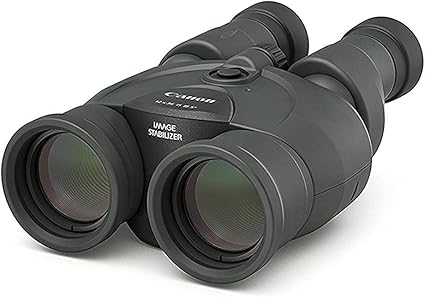 | Canon 12×36 IS | Check Price |
Our Top Picks 3  | SIG SAUER Zulu6 HDX OIS | Check Price |
Our Selected Top 15 Stabilized Binoculars for Every Budget
This list features a variety of stabilized binoculars designed for different uses and budgets. Each review explains how well the binocular performs, highlights key advantages and drawbacks, and suggests who might find it useful based on features and design.
1. SIG SAUER ZULU6 HDX PRO 18×50 Binoculars
Using high-power binoculars that remain steady and clear transforms long-distance viewing. Ideal for hunters and sports spectators craving fine detail at 18x magnification, these binoculars impress with strong stabilization. They keep the scene steady despite hand movements, making distant subjects easy to track.
Setup includes inserting 2 AA batteries, conveniently housed on either side for balanced weight. The main focus wheel and diopter ring are textured for better grip, letting you fine-tune focus quickly. The binoculars come with a foam case and neck strap that feel solid in outdoor conditions.
They also support tripod mounting for long observations.
Image stabilization compensates well for small vibrations, helping maintain sharpness during slow movements. The large 50mm lenses draw in plenty of light, making details clear even near dawn or dusk. The rubber armor protects from bumps and offers a steady hold.
The most frequent praise highlights the clarity and stabilization, while a common complaint points to the relatively narrow field of view at 6 degrees.
Stabilization stands out for handling hand shakes and slow movements, allowing steady views of distant targets. Longevity from 40 hours of battery life supports extended outdoor use without frequent changes. The tighter field of view and fixed focus are limitations some find during dynamic viewing situations.
Outdoor enthusiasts needing detailed, steady images at high magnification will appreciate this model. Those wanting wider panoramic views or frequent focus shifts might prefer alternatives with adjustable focus and broader fields of view.
Pros
- Strong image stabilization adjusts to movement speed
- Large lenses improve low-light visibility
- Durable, waterproof, and fog-proof design
- Separate battery compartments improve balance
Cons
- Field of view at 6 degrees feels tight for wide scenes
- Fixed focus limits quick refocus for varying distances
| Specification | Details |
|---|---|
| Magnification | 18x |
| Objective Lens Diameter | 50 millimeters |
| Field of View | 6 degrees |
| Water Resistance Level | Waterproof |
| Battery Runtime | Up to 40 hours on 2 AA batteries |
| Focus Type | Fixed Focus |
2. Canon 12×36 Image Stabilization Binoculars
Compact and lightweight, the Canon 12×36 Image Stabilization Binoculars suit birdwatchers and hunters seeking clear views at high magnification. Its standout feature is the image stabilization technology derived from Canon’s EF lenses, making steady viewing possible even at 12x magnification.
Setting up is straightforward thanks to the center focus and manual adjustment controls. The binoculars feel balanced in hand, aided by the lightweight build and compact size. Long eye relief means wearing glasses won’t reduce comfort during extended use.
Battery life stretches with power-efficient stabilization, and the low-reflective exterior helps keep distractions down during outdoor activities.
Image quality is sharp thanks to Porro II prisms and the doublet field-flattener, delivering consistent clarity from edge to edge. Construction feels solid and resistant to water, guarding against light rain or dew. Excellent image stabilization prevents shaking for smooth viewing.
Sturdiness gets praise, while some note the exit pupil diameter of 3mm can limit brightness in very low light.
Steady images at 12x magnification stand out as the main advantage, allowing users to spot fine detail without jitter. The low exit pupil size reduces brightness under dim conditions, which some find limiting for twilight viewing. The compact build fits well into backpacks but the manual focus can be slow to adjust on the move.
Ideal for those who prioritize strong stabilization and portability for day trips in well-lit environments. Users wanting wider exit pupils for dusk or dawn may look elsewhere. Those needing quick autofocus might prefer different models, but birdwatchers and hunters valuing stable, sharp visuals will find it highly functional.
Pros
- Strong image stabilization at high magnification
- Comfortable long eye relief for eyeglass wearers
- Compact and lightweight for easy portability
- Clear, distortion-free images across the field
Cons
- Exit pupil size limits low-light performance
- Manual focus requires steady handling outdoors
| Specification | Details |
|---|---|
| Magnification Maximum | 12 |
| Objective Lens Diameter | 36 millimeters |
| Eye Relief | 14 millimeters |
| Prism Type | Porro Prism |
| Field of View | 55.3 degrees |
| Water Resistance Level | Water Resistant |
3. SIG SAUER Zulu6 HDX OIS 16×42 Binoculars
Aluminum alloy construction and roof prism design make these binoculars durable yet lightweight, suited for hunters and sports watchers needing steady, clear views. The biggest advantage is the built-in optical image stabilization that reduces hand shake at 16x magnification.
Setting up mainly involves focusing manually with the diopter adjustment and using the OIS modes. The Scan Mode helps scan large areas, while Target Mode keeps the view locked on a particular spot, improving sighting stability off-hand.
The 42mm lenses deliver decent light intake for dawn or dusk conditions, and the waterproof rating means using them in rain or fog is worry-free.
Image stabilization works well for reducing jitter, making distant subjects easier to identify. The SpectraCoat HDX glass lens system provides sharp and bright views. The binoculars feel solid but remain portable, though some users find the automatic focus a bit slow in changing conditions.
The main complaint involves the smaller exit pupil, which can strain eyes in very low light.
Optical image stabilization significantly reduces hand shake, making the view clear at high magnification on the move. The HDX lenses contribute to detailed images with improved brightness. Some find the manual focus adjustment less responsive when scanning quickly or shifting targets, which slows usage during fast-paced activities.
Hunters and outdoor observers needing steady hand-held magnification will appreciate the image stabilization and bright optics. Users requiring rapid focus changes or better low-light performance might consider models with larger exit pupils or faster focus mechanisms better suited for those priorities.
Pros
- Effective optical image stabilization for steady viewing
- Enhanced light transmission with HDX lenses
- Two image stabilization modes tailored to needs
- Waterproof design handles wet outdoor conditions
Cons
- Manual focus can feel slow to adjust
- Exit pupil size limits low-light comfort
| Specification | Details |
|---|---|
| Magnification Maximum | 16 x |
| Objective Lens Diameter | 42 millimeters |
| Water Resistance Level | Waterproof (IPX-7) |
| Focus Type | manual |
| Eye Relief | 16 millimeters |
4. Canon 10×20 IS Binoculars

Compact and lightweight design makes these 10×20 binoculars suitable for bird watching and outdoor use. Image stabilization stands out as the biggest advantage, providing a clear view despite hand movement or shaking, which is key for steady observation at high magnification.
Setting up requires manual focus, which takes a bit of practice to keep the target sharp. The image stabilizer runs on a powered mode, which means occasional battery checks are needed, but it effectively reduces image shake. The 20 mm objective lenses are small, so these binoculars stay light, making them easy to carry during long outdoor sessions.
Performance is solid with a 10x magnification that remains stable thanks to the shift-system stabilization. The build is compact but feels somewhat delicate; the lack of water resistance means extra care is necessary in wet conditions.
The strongest praise is for steady images at high zoom, while the main complaint is sensitivity to rough handling and no water protection.
Clear, steady images are consistently praised, especially at higher magnifications where shake usually causes problems. Careful handling is necessary to avoid damage since the binoculars are not water resistant or very rugged. The manual focus can also slow down quick target acquisition at times.
Bird watchers who prioritize steady, sharp views in dry settings will appreciate these binoculars. Those needing durability for rough environments or wet weather should look for more rugged, water-resistant models with similar stabilization features.
Pros
- Effective image stabilization at 10x magnification
- Compact and lightweight for easy carrying
- Manual focus allows precise adjustments
- Super Spectra Coating improves image clarity
Cons
- Not water resistant, requires dry conditions
- Sensitive to rough handling and impacts
| Specification | Details |
|---|---|
| Magnification Maximum | 20 |
| Objective Lens Diameter | 20 mm |
| Image Stabilization | Yes, Powered IS mode |
| Focus Type | Manual |
| Field of View | 5.3 degrees |
| Water Resistance Level | Not Water Resistant |
5. SIG SAUER ZULU6 HDX PRO 42mm Binoculars

High-powered stabilization and sharp optics make these binoculars ideal for hunters and outdoor enthusiasts who need steady, clear images at long distances. Their standout feature is a next-generation image stabilization system that keeps things steady even during hand-held use with strong magnification.
Setting up is straightforward thanks to the use of two standard AA batteries, which last up to 40 hours and offer easy replacement. Waterproofing and fogproofing allow use in various weather conditions without worry. The design includes coatings to repel water, oil, and dirt, which helps maintain a clear view without constant cleaning.
Handling feels secure with rugged materials designed to resist abrasion.
Optical clarity is impressive, combining ED glass and advanced coatings to reduce glare and improve color accuracy. The 14x magnification delivers bright, detailed views without needing a tripod, assisted greatly by the advanced stabilization system.
The build holds up well to rough conditions, though some mention the device’s size can be slightly bulky for extended carry. The image stabilizer performs reliably, but a few notice it takes a moment to lock onto the target after activating.
Steady, sharp images stand out thanks to the advanced image stabilization and premium optical elements. The rifle-like stability at 14x magnification delivers sharper target views than typical binoculars. Common complaints focus on the binoculars’ size and weight, which can feel cumbersome during long periods of hiking or handheld use without rest.
Hunting and outdoor enthusiasts who prioritize image stability and optical clarity in challenging conditions will appreciate the balance of features here. People wanting something lightweight and compact for casual use or short walks might prefer options with less magnification and fewer stabilization features.
Pros
- Steady 14x image without tripod
- Waterproof and fogproof design
- Long battery life with standard AA cells
- Clear, bright images with reduced glare
Cons
- Bulky size for all-day carry
- Stabilizer takes moments to engage fully
| Specification | Details |
|---|---|
| Magnification | 14x |
| Objective Lens Diameter | 42 millimeters |
| Water Resistance Level | Water Resistant (IPX7) |
| Runtime | Up to 40 hours on two AA batteries |
| Coating | Multi-Coated with SpectraCoat and LenShield |
6. Canon 10×30 IS II Binoculars

Enjoying birdwatching or sports events often means dealing with shaky hands that blur your view. Canon 10×30 IS II Binoculars suit anyone who wants clear, stable images with 10x magnification. Their biggest strength lies in an image stabilization system that smooths out hand shake for steady viewing.
Setting up requires just installing two AA batteries which come with a charger. The binoculars are lightweight at a bit over 21 ounces and compact at 5.9 inches long, making them easy to carry on hikes or trips.
The included harness strap and travel bag help with comfort and storage. The center focus wheel adjusts smoothly, and 14.5mm eye relief accommodates glasses comfortably.
These binoculars deliver sharp and bright images thanks to multicoated optics and a Porro prism design. The 60-degree field of view of 315 feet at 1000 yards offers wide and detailed viewing.
Water resistance adds durability outdoors. The main complaint is the weight feels noticeable compared to non-stabilized models, though stabilization performance is consistently praised.
Image stabilization offers clear and stable views during extended observation, reducing fatigue from hand tremors. The device’s weight can feel cumbersome on longer outings, which may impact comfort despite its compact size. Users find the 14.5mm eye relief handy for viewing with glasses without sacrificing image quality. Battery runtime is reasonable but requires planning for day-long trips.
Anyone needing steady, detailed images for birding or sports will appreciate this model’s stabilization and optics. Those sensitive to extra weight or seeking ultra-light gear may prefer non-stabilized binoculars. Its waterproof construction and included accessories suit travelers and outdoor observers who want reliability in varied conditions.
Pros
- Smooth image stabilization corrects hand shake
- Comfortable eye relief for glasses wearers
- Compact and portable design
- Waterproof for outdoor use
Cons
- Heavier than standard binoculars
- Battery life limited to about nine hours
| Specification | Details |
|---|---|
| Magnification | 10x |
| Objective Lens Diameter | 30 mm |
| Eye Relief | 14.5 mm |
| Field of View | 60° (315 ft at 1000 yds) |
| Weight | 21 ounces |
| Power Source | 2 AA batteries (included) |
7. Canon 10×42 L IS WP Binoculars

Image stabilization sets these binoculars apart for anyone who needs steady views at 10x magnification. Designed for bird watching and outdoor use, they handle movement without the usual shake, making detailed observation easier. Their waterproof and fog-proof features mean they fit well in unpredictable weather.
Setting them up involves inserting two AA alkaline batteries, which power the image stabilization system. The large center focusing knob allows quick adjustment, even while wearing gloves.
A neoprene strap and padded case make carrying straightforward. The eyepiece rainguard helps keep lenses clear outdoors, and the one-piece objective lens cap snaps on easily.
Optics perform well under low light thanks to ultralow-dispersion, lead-free glass with super spectra coatings. The Porro prism design contributes to a 65-degree apparent angle of view.
Waterproofing works reliably, but some mention the binoculars feel bulkier than expected. Steady images stand out as the best feature.
Steady views from the image stabilization are a highlight, especially at 10x magnification, making detailed watching less tiring. The main drawback is weight and size, which can feel cumbersome during extended use or when packing light. Battery reliance is another practical consideration for longer trips.
Those prioritizing image clarity and shake reduction will find these binoculars suitable, especially in active outdoor settings. People seeking something lighter or without battery needs might prefer different models. The waterproof design fits bird watchers who face varied weather conditions regularly.
Pros
- Effective image stabilization reduces shake
- Waterproof and fog proof for outdoor use
- Long 16 mm eye relief for comfortable viewing
- Large center focusing knob for easy adjustment
Cons
- Feels heavier and bulkier than some alternatives
- Requires AA batteries to operate stabilization
| Specification | Details |
|---|---|
| Magnification | 10 x |
| Objective Lens Diameter | 42 millimeters |
| Eye Relief | 16 millimeters |
| Fog Proof | Yes |
| Water Resistance Level | Waterproof |
| Field of View | 341.2 degrees |
8. Nikon Stabilized 12×25 Binoculars

People who spend a lot of time at concerts, sports events, or exploring outdoors will appreciate the Nikon Stabilized 12×25 Binoculars. Compact and lightweight, they offer clear viewing with steady image stabilization that tackles hand shake. The main strength lies in keeping images smooth and sharp, even at 12x magnification without a tripod.
Setting up these binoculars is straightforward thanks to the center focus wheel, which turns smoothly and offers precise adjustments. The textured grip feels secure in hand, and the slip-resistant surface prevents accidental drops during use. You can adjust the eyecups to fit comfortably whether you wear glasses or not.
Battery management is smart with automatic shutoff after an hour of inactivity, preserving power for long days out.
The binoculars deliver sharp, bright images with true-to-life colors, thanks to multicoated lenses and high-quality prism coatings. They handle low light well, so views remain clear from daylight through dusk. The lightweight design is handy for carrying around, but the eye relief of 2.1 millimeters can feel tight for some spectacles wearers.
Some users note the image stabilization might drain batteries faster during extended use.
Bright images stay clear without blur thanks to real-time stabilization that counters hand movements. The automatic shutoff helps save power, but the 2.1 millimeter eye relief can limit comfort over long viewing sessions for those wearing glasses. Carrying them is easy thanks to a slim, lightweight build that fits well in hand or pockets.
People who prioritize clear, steady views in dynamic situations like concerts or sports will find these binoculars fitting. Those needing longer eye relief for glasses or very long viewing times might consider a model with larger eye relief or a tripod setup instead. Compact size and good battery life suit active users on the move.
Pros
- Effective electronic image stabilization keeps view steady
- Compact, lightweight, and easy to carry
- Multicoated lenses offer sharp contrast and brightness
- Adjustable eyecups fit users with and without glasses
Cons
- Eye relief is short, may be uncomfortable for some eyewear
- Batteries drain faster if stabilization runs continuously
| Specification | Details |
|---|---|
| Magnification | 12x |
| Objective Lens Diameter | 25 millimeters |
| Field of View | 236 feet |
| Eye Relief | 2.1 millimeters |
| Power Source | Standard AA batteries (up to 12 hours) |
| Water Resistance | Waterproof |
9. Canon 15×50 IS Binoculars

Canon 15×50 IS Binoculars stand out for their built-in Optical Image Stabilizer, perfect for anyone needing high magnification without shaky views. Bird watchers or nature observers who want stable, clear views during handheld use will appreciate this feature the most.
Setting up these binoculars involves adjusting the large center focusing knob and folding down the rubber eyecups for comfort. The water-resistant armor gives confidence outdoors, while the 15mm eye relief helps when wearing glasses.
Using the image stabilizer reduces hand tremors and subtle vibrations with a button press, making steady viewing easier without carrying a tripod constantly.
The 15x zoom brings distant subjects close with good clarity thanks to ultra-low dispersion glass and fully coated optics. The build feels solid, with a weatherproof design and slip-resistant surfaces.
The image stabilizer works well to reduce shake, but some find the 50mm lenses make the binoculars a bit bulky for extended handheld sessions. Tripod mounting is possible but not always convenient out in the field.
Stable viewing at 15x magnification is the strongest benefit, especially for bird watching and other outdoor activities. The most noted drawback is the size and weight caused by the large lenses and stabilizer components, making it tiring to hold for long periods without support.
Those needing clear, steady images at high zoom levels during handheld use will find these binoculars well suited. Anyone looking for a very lightweight or compact model should consider other options without built-in stabilization for easier portability during long hikes.
Pros
- Image Stabilizer reduces handshaking effectively
- 15mm eye relief comfortable for glasses wearers
- 50mm objective provides bright, wide field of view
- Slip-resistant, weatherproof armor adds durability
Cons
- Bulky design can get heavy for long handheld use
- Tripod mounting less practical in quick outdoor setups
| Specification | Details |
|---|---|
| Magnification Maximum | 15 x |
| Objective Lens Diameter | 50 millimeters |
| Eye Relief | 15 millimeters |
| Field of View | 236.2 feet |
| Focus Type | Center Focus |
| Water Resistance Level | Water Resistant |
10. Canon 15×50 IS Binoculars

Canon 15×50 IS Binoculars suit outdoor enthusiasts needing steady, high-magnification views for birding, marine observation, or stargazing. Its strongest feature is the built-in image stabilization, making it possible to see sharp details at 15 times magnification without a tripod.
Setting up involves simple steps: insert the included AA batteries and adjust the wide interpupillary distance to fit your eyes comfortably. The large 50mm lenses provide bright images in changing light conditions. Using the single-button stabilization control under the right forefinger lets you keep the image steady without shifting your focus.
The binoculars come with a harness strap and travel bag, making them easy to carry on long hikes or boat trips.
Optical performance excels with sharp, bright images free from chromatic and spherical distortions, thanks to ultralow dispersion glass and special coatings. The rugged, water-resistant body stands up to weather changes, and the twist-up eyecups add extra comfort.
One common complaint is the battery life, which can feel short during extended use on long trips. The most appreciated aspect is how steady the image remains at 15x magnification without extra support.
Strongest praise focuses on the image stabilization that keeps the view steady at 15x magnification, making spotting distant objects clearer. The most frequent complaint concerns battery life, which can require carrying extras or recharging for long outings.
Those wanting detailed views of birds, ships, or stars without extra gear will be satisfied. People looking for lightweight, compact binoculars or long battery endurance should consider other models.
Pros
- Clear, bright image with minimal chromatic aberration
- Effective image stabilization for handheld use
- Water-resistant and durable outdoor body
- Includes useful accessories like harness strap and cleaning kit
Cons
- Battery life may limit long sessions
- Heavier than some compact binoculars
| Specification | Details |
|---|---|
| Magnification Maximum | 15 x |
| Objective Lens Diameter | 50 mm |
| Field of View | 236 feet at 1000 yards |
| Image Stabilization | Proprietary Vari Angle prism |
| Water Resistance Level | Water Resistant |
| Focus Type | Center Focus |
11. Fujinon Techno Stabi TS1440 14×40 Binoculars

Holding steady views in bright or low light feels reliable with high magnification and image stabilization. Ideal for hiking enthusiasts who need a firm grip and stable image while moving. Its main strength lies in 5 degrees of optical stabilization that keeps the view steady during longer observations.
Setting up involves inserting 4 AA alkaline batteries which power the stabilization system. The rugged rubber-armored body makes it easy to hold, even with cold or wet hands.
Center focus and diopter adjustment allow quick manual tuning on trails or outdoor conditions. It fits tripod mounts for hands-free use during longer spotting sessions.
Image quality benefits from multi-layer coatings and phase-coated optics, keeping sights clear at 14x magnification. Being fogproof and waterproof suits moist or changing weather outdoors.
The fiberglass-reinforced plastic body contributes to long-term durability. Praise highlights steady images with stabilization, while common complaint centers on the short 13 mm eye relief which some find tight for eyeglasses.
Stable and clear images stand out as the biggest strength, especially while on the move in outdoor settings. The limited eye relief is a frequent issue for people wearing glasses, making focusing less comfortable. Battery replacement is straightforward but adds bulk given the need for four AA batteries.
Hikers and outdoor observers who prioritize image stabilization and weather resistance will find this binocular useful. Those who wear glasses and need longer eye relief or prefer lighter models might want to consider alternatives with better eyepiece comfort or fewer batteries.
Pros
- Stable 14x magnification with 5 degrees stabilization
- Rubber armored for secure grip in varied conditions
- Fully waterproof and fogproof for outdoor use
- Tripod mount included for extended viewing sessions
Cons
- Eye relief at 13 mm may be uncomfortable with glasses
- Requires 4 AA batteries, adding to carry weight
| Specification | Details |
|---|---|
| Magnification Maximum | 14 |
| Objective Lens Diameter | 40 millimeters |
| Stabilization Range | 5 degrees |
| Water Resistance Level | Waterproof |
| Power Source | 4 × AA type alkaline batteries |
| Eye Relief | 13 millimeters |
12. Fujinon Techno-STABI TS-L2040 20×40 Binoculars

Exceptional image stabilization combined with 20x magnification makes these binoculars perfect for detailed viewing during outdoor activities and events. They suit anyone needing steady, clear visuals without a tripod, especially for bird watching, boating, and sports. The core advantage lies in their electronic image stabilization giving precise shake correction.
Carrying these binoculars feels surprisingly light at 30 oz, and their compact 7.3-inch length fits comfortably in hand for hours of use. Manual focus and diopter adjustment allow you to dial in clarity easily.
Powered by two AAA batteries, they last up to 30 hours, which is handy on long outings. Waterproof construction means you don’t have to worry about rain or splashes.
The image stabilization effectively reduces shake by ±3°, making distant subjects clear and steady even when held by hand. ED glass with multi-coatings delivers bright and detailed views in varying light. A common praise is their ability to hold steady views without a tripod.
On the downside, some find the eyecups less comfortable during extended use, and the manual focus can feel slow for quick changes.
Strongest praise centers on the stabilization feature that delivers steady, shake-free images on the move, eliminating the usual blur found in high magnification binoculars. The most repeated complaint involves the eyecups, which some find uncomfortable after prolonged use, affecting comfort during extended periods of viewing.
Those seeking detailed, stable images for activities like birding or boating will appreciate the performance here. Users who often need quick refocusing or prefer cushioned eyecups should consider alternatives with faster focus mechanisms or more comfortable eye interfaces.
Pros
- Effective electronic image stabilization ±3° correction
- Bright view with extra-low dispersion (ED) glass
- Long battery life up to 30 hours
- Compact and lightweight design
Cons
- Eyecups can be uncomfortable for long sessions
- Manual focus slower for quick target changes
| Specification | Details |
|---|---|
| Magnification Maximum | 20 |
| Objective Lens Diameter | 40 millimeters |
| Image Stabilization | ±3° correction |
| Battery Life | Up to 30 hours (2 AAA batteries) |
| Weight | 30 oz (850 g) |
| Water Resistance | Waterproof |
13. Canon 10×30 IS II Binoculars

Rubber-armored, compact, and weighing just over 21 ounces, these binoculars suit anyone who values steady views on the go. Great for birdwatching, travel, or sports, their standout feature is the built-in image stabilization that keeps images clear without needing a tripod.
Setting them up is straightforward with a single AA battery powering up to 12 hours of use. The compact size fits comfortably in hand, aided by a contoured grip and water resistance that handles splashes and light rain.
Manual focus feels responsive, and you can quickly activate image stabilization with a single touch, making them easy to operate even during long outdoor sessions.
Optics deliver bright, sharp images thanks to fully multi-coated 30 mm lenses. The image stabilization does a solid job reducing shake, especially at 10x magnification, making details easier to spot.
The waterproof rubber body stands up well to daily wear, although some mention that manual focus can feel a bit stiff at times. Extra weight compared to standard compact binoculars is noticeable but expected given the stabilization feature.
Image stabilization remains the best feature, delivering steady views that let you track moving subjects or distant scenes without blur. Most common drawback involves the manual focus ring feeling stiff, which might slow quick adjustments during fast-paced use. The water-resistant rubber exterior protects well but adds some bulk compared to non-stabilized models.
Anyone needing steady views in outdoor activities like birdwatching or sports will appreciate these binoculars, especially when tripod use is impractical. Those wanting the lightest, simplest pair without image stabilization should look elsewhere. Battery-powered IS and solid optics make them a practical choice for frequent travel and varied weather.
Pros
- Effective image stabilization at 10x magnification
- Lightweight and compact for travel use
- Water resistant for outdoor conditions
- Up to 12 hours of battery life
Cons
- Manual focus can be stiff to adjust
- Heavier than standard compact binoculars
| Specification | Details |
|---|---|
| Magnification | 10x |
| Objective Lens Diameter | 30 millimeters |
| Image Stabilization | Yes |
| Water Resistance Level | Water Resistant (IPX4) |
| Eye Relief | 12.2 millimeters |
| Battery Type | Single AA rechargeable |
14. Canon 15×50 IS Binoculars

Powerful 15x magnification and image stabilization suit outdoor enthusiasts needing clear long-distance views. The Canon 15×50 IS Binoculars excel by reducing hand shake, making distant objects easier to observe steadily.
People who spend time hiking or birdwatching will find these particularly useful in rough or uneven terrain.
Setup involves adjusting the manual focus and slipping the neck strap on. The large 50mm lenses provide bright images, even in low light conditions. Their lightweight, portable design makes carrying comfortable during all-day outdoor activities.
The waterproof build offers protection during light rain or damp conditions, allowing use without worry about the weather.
The image stabilization works well, significantly cutting down on blur from hand movements. The binoculars feel solid and well-made.
The most common praise centers on how steady the view remains despite natural shakes. A frequent complaint is the relatively narrow 3.7 degrees field of view, which can limit scanning large areas quickly.
Image stabilization receives strong praise for making steady viewing possible at high 15x magnification. The narrow field of view appears as the most noticeable limitation, especially when scanning larger landscapes. Protective gear like the included case and neck strap add convenience to extended use.
People wanting sharp, stable images for long-distance viewing will benefit from the stabilized optics and bright lenses. Avoid if needing a wide field of view for quickly spotting targets at closer ranges or preferring automatic focusing features.
Pros
- Strong image stabilization reduces hand shake
- Bright view through 50mm objective lenses
- Lightweight and easy to carry
- Waterproof for outdoor use
Cons
- Narrow 3.7-degree field of view
- Manual focus requires careful adjustment
| Specification | Details |
|---|---|
| Magnification Maximum | 15 x |
| Objective Lens Diameter | 50 millimeters |
| Eye Relief | 15 millimeters |
| Field of View | 3.7 degrees |
| Water Resistance Level | Waterproof |
| Focus Type | manual |
15. Canon 18×50 IS Binoculars

Image stabilization stands out as the main advantage of these binoculars, making them ideal for hunters, astronomers, or anyone needing a steady long-distance view. Magnification is high at 18x, which suits detailed observation despite natural hand shakiness that usually blurs images at that power.
Setting up is straightforward thanks to the included tripod mount and wide-angle view. The kit includes a neck strap and a flexible tripod, which helps with extended use.
Daily handling feels solid and the weather-resistant housing adds confidence for outdoor use. Close focus at 19.7 feet allows observing nearby subjects without swapping optics.
The Porro prism design delivers a clear image with solid color and contrast. Image stabilization effectively reduces hand tremor effects within a 0.7° range, making it easier to track moving targets or scan the horizon.
The biggest complaint revolves around weight during handheld use, which can tire arms quickly. Included lens hoods and filters help protect lenses in varied light.
Image stabilization allows clear viewing even at high magnifications, praised for counteracting shakiness in all directions up to 0.7°. Weight makes extended handheld use tiring, but included tripod eases strain. The lens accessories add practical protection and versatility in different light conditions.
Anyone needing steady long-distance viewing outdoors will appreciate these binoculars, especially with a tripod. Those prioritizing lightweight gear or wider views should consider other models. The water resistance and solid build add reliability for varied environments.
Pros
- Effective image stabilization reduces hand tremors
- Strong 18x magnification for distant viewing
- Includes multiple filters and protective accessories
- Close focus at 19.7 feet for near objects
Cons
- Can become heavy during prolonged handheld use
- Field of view narrow at 3.7 degrees
| Specification | Details |
|---|---|
| Magnification Maximum | 18x |
| Objective Lens Diameter | 50 millimeters |
| Field of View | 3.7 degrees |
| Focus Type | Center Focus, Fixed Focus |
| Water Resistance Level | Water Resistant |
| Mount Type | Tripod Mount |
Best Stabilized Binoculars Comparison Table
| Product | Magnification Maximum | Objective Lens Diameter | Water Resistance Level | Specific Uses |
|---|---|---|---|---|
| SIG SAUER Zulu6 HDX Pro | 18x | 50mm | Waterproof | Hunting, Shooting, Sports |
| Canon 12×36 IS | 12x | 36mm | Water Resistant | Hunting |
| SIG SAUER Zulu6 HDX OIS | 16x | 42mm | Waterproof | Hunting, Shooting, Sports |
| Canon 10×20 IS | 20x | 20mm | Not Water Resistant | Bird Watching |
| SIG SAUER Zulu6 HDX Pro | 1x | 42mm | Water Resistant | – |
| Canon 10×30 IS II | 10x | 30mm | Waterproof | – |
| Canon 10×42 L IS WP | 10x | 42mm | Waterproof | Bird Watching |
| Nikon Stabilized 12×25 | 12x | 25mm | Waterproof | Outdoor Activities |
| Canon 15×50 IS | 15x | 50mm | Water Resistant | Bird Watching |
| Canon 15×50 IS Mk2 | 15x | 50mm | Water Resistant | Bird Watching, Hiking |
| Fujinon Techno Stabi TS1440 | 14x | 40mm | Waterproof | Hiking, Outdoors |
| Fujinon Techno-STABI TS-L2040 | 20x | 40mm | Waterproof | Bird Watching, Sport |
| Canon 10×30 IS II Alt | 10x | 30mm | Water Resistant | – |
| Canon 15×50 IS Plus | 15x | 50mm | Waterproof | Hiking, Outdoors |
| Canon 18×50 IS | 18x | 50mm | Water Resistant | – |
- Magnification Maximum18x
- Objective Lens Diameter50mm
- Water Resistance LevelWaterproof
- Specific UsesHunting, Shooting, Sports
- Magnification Maximum12x
- Objective Lens Diameter36mm
- Water Resistance LevelWater Resistant
- Specific UsesHunting
- Magnification Maximum16x
- Objective Lens Diameter42mm
- Water Resistance LevelWaterproof
- Specific UsesHunting, Shooting, Sports
- Magnification Maximum20x
- Objective Lens Diameter20mm
- Water Resistance LevelNot Water Resistant
- Specific UsesBird Watching
- Magnification Maximum1x
- Objective Lens Diameter42mm
- Water Resistance LevelWater Resistant
- Specific Uses–
- Magnification Maximum10x
- Objective Lens Diameter30mm
- Water Resistance LevelWaterproof
- Specific Uses–
- Magnification Maximum10x
- Objective Lens Diameter42mm
- Water Resistance LevelWaterproof
- Specific UsesBird Watching
- Magnification Maximum12x
- Objective Lens Diameter25mm
- Water Resistance LevelWaterproof
- Specific UsesOutdoor Activities
- Magnification Maximum15x
- Objective Lens Diameter50mm
- Water Resistance LevelWater Resistant
- Specific UsesBird Watching
- Magnification Maximum15x
- Objective Lens Diameter50mm
- Water Resistance LevelWater Resistant
- Specific UsesBird Watching, Hiking
- Magnification Maximum14x
- Objective Lens Diameter40mm
- Water Resistance LevelWaterproof
- Specific UsesHiking, Outdoors
- Magnification Maximum20x
- Objective Lens Diameter40mm
- Water Resistance LevelWaterproof
- Specific UsesBird Watching, Sport
- Magnification Maximum10x
- Objective Lens Diameter30mm
- Water Resistance LevelWater Resistant
- Specific Uses–
- Magnification Maximum15x
- Objective Lens Diameter50mm
- Water Resistance LevelWaterproof
- Specific UsesHiking, Outdoors
- Magnification Maximum18x
- Objective Lens Diameter50mm
- Water Resistance LevelWater Resistant
- Specific Uses–
How to Choose the Right Stabilized Binoculars
Choosing stabilized binoculars means focusing on image clarity, weight, and battery life because these affect comfort and usability during extended viewings. Prioritizing the right balance of these features prevents disappointment and avoids extra costs from frequent replacements or upgrades.
Image Stabilization Quality
Holding binoculars steady for long periods is a challenge, especially in windy conditions or when observing distant objects. Vibration and slight hand tremors can blur the image, causing eye strain and missed details. Devices with effective vibration reduction use gyroscopic sensors and advanced stabilization mechanisms to keep the view clear and sharp.
Without this, even minor shakes become magnified, turning a simple observation into an uncomfortable experience.
Response speed matters a lot. Some models take a few seconds to adjust when shifting focus or moving the binoculars quickly, resulting in brief blur periods. Faster systems lock onto the image almost instantly, providing a smoother and more natural viewing session.
For extended use, a stable image reduces fatigue, allowing longer and more comfortable observations. Choose versions with a stabilization rating or review numbers typically around 4-5 stops of shake reduction for noticeable improvement.
Optical Performance
Bright morning light or dim dusk can make a big difference in what you see through binoculars. Images often blur or lose detail if the optics aren’t up to par, especially on the edges of the field of view. The clarity and sharpness depend heavily on the quality of the lenses and how well the binoculars handle different lighting.
Glass made from extra-low dispersion (ED) elements usually delivers crisper, more accurate images with less color fringing, something you’ll notice walking through varied environments.
Magnification and field of view balance is another critical point. Higher magnification narrows what you see and can make the image shaky.
A moderate zoom around 8x to 10x tends to work best for most outdoor activities, offering a wide enough field to track movement easily without sacrificing detail. Quality coatings on the lenses also help bring out true colors and improve brightness, especially in low light, which means you spend less time adjusting and more time observing.
Ergonomics and Handling
Holding a device steady for long periods quickly becomes tiring if it’s too heavy or bulky. Models weighing around 20 to 30 ounces strike a good balance between sturdiness and comfort. Sizes that fit well in your hands, usually under 7 inches in length and 5 inches wide, prevent awkward gripping that causes hand cramps after just a few minutes.
A lighter product allows more extended observation sessions without needing a support like a tripod, which defeats the purpose of easy portability.
Grip design directly affects how secure the hold feels, especially under damp or cold conditions. Rubber coatings with textured patterns help avoid slips and make the device easier to manage wearing gloves. Controls like focus and zoom knobs should turn smoothly but resist accidental bumps, too loose and you lose your settings, too stiff and adjustment becomes a chore.
Balance plays a big role too: a well-centered weight distribution reduces wrist strain and improves stability, making handheld viewing less shaky and more enjoyable.
Battery Life and Power Source
Some models keep their stabilization running for about 8 to 12 hours on a full charge, which covers most day trips comfortably. Others may struggle to reach 5 or 6 hours, cutting your observation time short unexpectedly. Devices powered by common AA or AAA batteries offer the option to swap out dead cells quickly in the field.
Rechargeable lithium-ion batteries tend to hold a charge longer but require access to a power source for recharging. The real challenge is realizing mid-hike that the battery is dead and you’re left with shaky images or disabled features until you can recharge or replace the power source.
Convenience in changing batteries depends on the design. Some models provide easy access panels where batteries slide out without tools, while others are sealed tightly, demanding a screwdriver and careful handling.
USB charging ports are a practical bonus, especially if you carry portable battery packs. Look for devices that specify battery life ratings in hours of continuous stabilization use rather than vague standby times. Good practice includes carrying spare batteries or a power bank suited to your binocular’s charging method.
Durability and Weather Resistance
One of the first things that becomes clear after regular use is how much the build quality affects the lifespan of these devices. Models with aluminum or magnesium alloy bodies tend to hold up better against bumps and scrapes than those made of plastic.
The extra weight can feel noticeable during long sessions, but the trade-off is fewer cracks or loose parts over time. Regular drops and knocks are common outdoors, so sturdy construction prevents minor mishaps from turning into costly repairs.
Prolonged exposure to moisture and dust can ruin lenses and internal electronics if the unit is not properly sealed. Ratings like IPX4 for water resistance and fog-proofing with nitrogen or argon purging are crucial. Without these, morning dew or sudden rain can fog up lenses or let moisture inside, degrading the optics or stabilization system.
Shockproof features, often rubber armor or internal cushioning, keep the delicate components intact during sudden impacts, a must if the gear often rides on rough terrain or inside a backpack. Look for well-sealed eyecups and interchangeable objective lens covers as small but useful additions.
Tips for Maximizing Image Stability with Binoculars
Holding binoculars steadily makes a noticeable difference in image clarity. Even slight hand movements can cause the view to shake, straining your eyes.
Here are some practical tips to improve stability:
- Use a tripod or monopod if the binoculars have a tripod mount. This eliminates hand shake entirely and is especially helpful for longer observation sessions.
- When holding binoculars by hand, support your elbows against your body or rest them on a stable surface like a railing or tree branch. This reduces arm fatigue and tremors.
- Keep your grip firm but relaxed. Over-tightening can increase shaking.
- Breathe steadily and avoid sudden movements; exhaling slowly as you focus can calm slight jitters.
- Choose binoculars with built-in image stabilization features for scenes requiring extended, steady viewing without extra gear.
These adjustments can make a significant difference during bird watching, stargazing, or any activity where a clear, stable view is essential.
Proper Maintenance and Care for Long-Lasting Stabilized Binoculars
Stabilized binoculars contain delicate internal mechanisms that require careful handling to maintain their performance over time. Avoid exposing them to extreme temperatures or sudden shocks, as these conditions can damage the stabilization system. Always store the binoculars in their protective case when not in use to prevent dust buildup and accidental drops.
Cleaning should be done with appropriate materials. Use a soft, lint-free cloth or a microfiber lens brush to remove dust from the lenses. For smudges or fingerprints, apply a small amount of lens cleaning solution to the cloth instead of directly on the lenses.
This avoids moisture seeping into the internals.
Here’s a quick checklist for maintenance:
- Keep batteries fresh and replace them promptly to avoid leaks that can harm the electronics.
- Check and tighten any visible screws occasionally to maintain tight assembly.
- Do not forcibly adjust focus or other controls to prevent mechanical wear.
- Store in a cool, dry place to prevent mold growth inside the optics.
Comparing Stabilized Binoculars to Traditional Models: Pros and Cons
Stabilized binoculars use electronic or gyroscopic technology to reduce hand shake, providing a clearer, steadier image. This feature stands out when observing distant or moving objects, such as birds or boats from a rocking platform.
Advantages compared to traditional binoculars include:
- Sharper focus on distant targets without needing a tripod.
- Less eye strain during extended viewing sessions due to reduced image jitter.
- Improved performance in low-light conditions since image steadiness helps maintain clarity.
On the flip side, drawbacks to consider are:
- Higher cost, often doubling the price of comparable traditional models.
- Added weight and bulk because of the stabilization hardware and batteries.
- Battery dependence, requiring recharging or replacement for reliable use.
- Potential complexity in setup and occasional maintenance needs.
The choice depends on specific uses and priorities. Traditional binoculars remain a solid option for casual viewpoints or when simplicity and lightness are preferred.
People Also Asked
How Do I Properly Care for Stabilized Binoculars?
Store stabilized binoculars in a padded case and clean the lenses with a microfiber cloth after use. Avoid touching the lens surface directly and keep them dry to prevent mold or mechanical issues. Regularly check the battery compartment and replace batteries if you notice any corrosion.
What Size Stabilized Binoculars Are Ideal for Birdwatching?
A 10×42 size stabilized binocular is ideal for birdwatching because it balances magnification and light gathering well. The 42mm lens diameter provides a bright image without becoming too heavy or bulky during long field sessions. Compact enough to carry comfortably on hikes or trips stands out here.
Are Stabilized Binoculars Safe to Use Around Electronics?
Stabilized binoculars do not interfere with or harm most electronics around them. They typically use battery power for image stabilization and don’t emit strong electromagnetic fields. Still, keep them away from sensitive equipment in tight spaces to avoid accidental knocks or drops.
How Long Do Stabilized Binoculars Typically Last with Regular Use?
Stabilized binoculars typically last around 5 to 10 years with regular use and proper care. This depends on how often the stabilization motor runs and if batteries are replaced timely. Internal parts might need servicing or replacement after heavy use, especially if used outdoors frequently.
What Are Common Problems with Stabilized Binoculars and How to Fix?
Common problems include stabilization motor noise, shaky images if batteries are low, and lens fogging. Fix these by replacing batteries regularly, cleaning lenses with appropriate tools, and storing binoculars in a dry place. When the motor sounds unusual, professional servicing might be necessary to avoid further damage.
Conclusion
Choosing stabilized binoculars comes down to a few key points: optical clarity, how well the stabilization works, and the binoculars’ size and weight. Good stabilization cuts down on hand shake, making distant details easier to see.
It’s also important to pick binoculars that feel comfortable to hold for extended periods, especially if you plan to use them a lot while moving.
Match the binoculars to your intended use, consider where you’ll carry them, how often you’ll need the stabilization feature, and what fits your budget. Check the comparison table above for side-by-side specs and detailed features to help you decide. The picks listed will cover a range of needs and setups, so you can find the right fit for your viewing habits.