
Cold toes and soggy boots can ruin a day spent tracking game through snow and ice. The best winter hunting boots prevent that by offering insulation that keeps feet warm even in subzero temperatures, plus waterproofing that stops moisture from seeping in during long treks through marshes or slush. Poorly made boots often fail on one or both fronts, leaving hunters with numb feet and cold distractions.
Key factors that separate reliable winter hunting boots include insulation, typically rated in grams with 400 to 1000g being common for extended cold exposure. Waterproof membranes or treated leather keep water out while allowing sweat to escape, avoiding clammy interiors.
Fit is crucial for stability on uneven or slippery terrain, and boots need to accommodate thick socks without feeling loose. Durable soles with aggressive tread patterns improve grip on ice and snow, making each step more confident and less tiring.
Need a Quick Check?
| Image | Product | Price |
|---|---|---|
Our Top Picks 1  | MUCK Arctic Pro | Check Price |
Our Top Picks 2  | Hunthor Hunting Boots | Check Price |
Our Top Picks 3  | LaCrosse Cold Snap 9 | Check Price |
Our Selected Top 15 Winter Hunting Boots for Every Budget
This list covers a variety of winter hunting boots with different insulation levels, waterproofing, and traction suited to cold, wet environments. Each review explains how the boots perform in harsh conditions, who might benefit from them, and their main strengths and drawbacks.
1. MUCK Arctic Pro Insulated Boot
Rated for all seasons, these work-style boots suit anyone needing solid, reliable warmth in cold weather. Their main strength lies in insulation, making them a strong choice for winter conditions where staying warm matters most.
Putting them on involves a simple slip-on design with a round toe that fits comfortably without pinching. Daily walks on snowy or muddy trails pose little challenge due to their rugged construction and good fit around the foot. Casual enough for off-duty times, yet tough enough for outdoor use, they handle moisture well without soaking through quickly.
Built like a work boot with no heel, they focus on comfort and durability. The strong insulation keeps feet warm through long exposure to cold. One noted issue is the bulky feel some find less agile in deep snow.
However, the reliable waterproof pattern and solid build gain praise for lasting use.
Praise often highlights how well these boots keep feet warm and dry in cold conditions, making them a solid winter option. The common complaint centers on their bulkiness, which can make movement harder in heavy snow or on tricky terrain. The weight and lack of a heel can feel restrictive during long hikes.
Anyone needing a heavily insulated, water-resistant boot for casual or work use in cold weather will find these fit the bill. Those planning active hunting in deep snow or rough terrain might want to look for something lighter and with more ankle support for easier movement.
Pros
- Strong insulation for cold weather
- Water-resistant pattern prevents quick soaking
- Comfortable round toe shape
- Durable construction lasts through rough use
Cons
- Bulky feel limits agility in deep snow
- Lacks a heel for extra foot support
| Specification | Details |
|---|---|
| Color | Tan/Bark |
| Toe Style | Round Toe |
| Boot Form Type | Work Boot |
| Heel Type | No Heel |
| Seasons | All |
2. Hunthor Mens Hunting Boots
Hunthor Mens Hunting Boots suit hunters who move through wet, muddy terrain and need solid waterproof protection. Their biggest strength is the all-season rain boot design combined with a camouflage pattern that fits into natural surroundings without standing out.
Putting them on is straightforward thanks to their round toe shape and platform heel that offers balanced footing. Wearing them daily in damp areas proves useful because they keep water out and provide steady traction.
Their rain boot form means cleanup after a day in the field is simple, requiring just a wipe down to remove mud and debris.
Construction focuses on waterproofing suited for multiple seasons, which helps keep feet dry during wet conditions. The platform heel supports walking on uneven ground. Praise often mentions the effective camouflage print in natural settings, but some note the boots feel heavier than standard hunting boots, which can slow movement slightly.
The camouflage pattern stands out as effective for blending into woods, making these boots practical during hunting seasons spanning all weather. At the same time, the extra weight can cause fatigue when covering long distances or climbing steep trails, which reduces agility.
People engaging in wet or rainy hunting environments will appreciate the rain boot structure and waterproof qualities. Those regularly hunting in deep snow or very cold climates might want to find boots with more insulation and lighter weight options.
Pros
- Waterproof rain boot design keeps feet dry
- Next Camo color blends well in natural settings
- Platform heel offers stable footing on rough terrain
- Simple to clean after use in mud
Cons
- Feels heavier than other hunting boots
- Lack of specific insulation details for extreme cold
| Specification | Details |
|---|---|
| Color | Next Camo |
| Toe Style | Round Toe |
| Boot Form Type | Rain Boot |
| Heel Type | Platform Heel |
| Seasons | All |
| Style Name | Camouflage |
3. LaCrosse Cold Snap 9 Hunting Boots
Jet Black with a camouflage pattern, these hunting boots fit anyone spending long hours in cold, snowy outdoor conditions. Their main strength lies in keeping feet warm and dry without adding extra weight, making them practical for winter tracking and standing still without discomfort.
Putting them on involves a straightforward slip-on design typical of snow boots, with a flat heel for stable footing on rough terrain. The rugged outdoor style accommodates thick winter socks easily.
They feel solid but not overly bulky, allowing good mobility over snow and ice. Daily use doesn’t demand much break-in time, and cleanup after muddy trails stays simple thanks to the boot’s materials.
Cold Snap 9 boots perform well in extreme cold due to their insulation and waterproof build. They maintain warmth and keep moisture out effectively.
The most praised feature is their durable construction that withstands rough outdoor use. A common complaint centers on the fit, which some find tight around wider calves or ankles, limiting comfort on extended wear.
Durability stands out, making them reliable for rugged outdoor use, but the snug fit can cause discomfort over longer wearing periods. Many appreciate the warmth and waterproofing, though the weight sometimes limits agility on steep or uneven trails.
Hunters focused on cold, wet conditions with moderately sized calves will find these boots suitable. Those needing lighter boots or extra calf room may prefer another model better suited for long-distance hikes or broader fit requirements.
Pros
- Effective insulation for cold weather
- Waterproof design keeps feet dry
- Stable flat heel for slippery terrain
- Camouflage pattern suitable for hunting
Cons
- May feel tight for wider calves
- Relatively heavy for long treks
| Specification | Details |
|---|---|
| Color | Jet Black |
| Boot Form Type | Snow Boot |
| Heel Type | Flat |
| Seasons | All |
| Pattern | Camouflage |
| Style Name | Rugged Outdoor |
4. NORTIV 8 Mens Waterproof Winter Boots
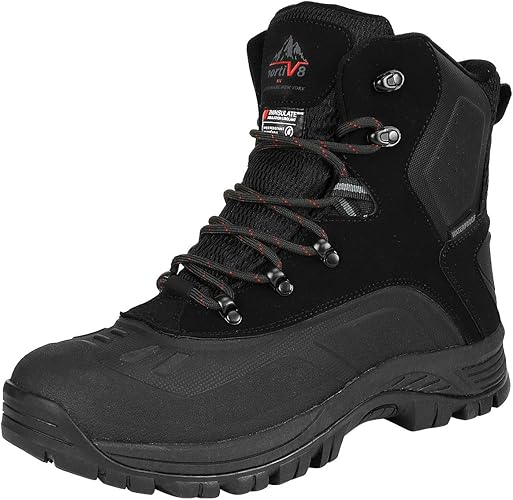
NORTIV 8 Mens Waterproof Winter Boots provide solid waterproof protection and warmth for winter hiking and hunting activities. They fit well for outdoor enthusiasts needing reliable low-top boots without heels, focusing on keeping feet dry and comfortable in cold conditions.
Putting these boots on is straightforward due to their low-top hiking form and closed-toe design. The waterproof construction suits wet, snowy terrain, and the solid black pattern helps minimize visual distractions. They work best in winter settings, offering steady footing without added arch or heel support, which fits hunters who need quiet, stable steps.
Waterproofing works well to keep moisture out during snowy hikes, yet they are not insulated heavily, so layering with warm socks is advisable in very cold weather. The boots have a durable build holding up well on rough trails.
Positive remarks focus on dryness and comfort, but a repeated downside involves limited ankle support due to the low-top style.
The boots keep feet dry reliably in wet, winter conditions, but many find the low-top design provides insufficient ankle support on uneven ground. They perform best with added thermal socks during colder days. The build is solid for hiking, though the lack of insulation may be noticeable during extended exposure to freezing temperatures.
Suitable for those prioritizing waterproofing and flexibility during winter hikes, especially where ankle movement is crucial. Avoid these boots if significant ankle protection or heavy insulation is needed for long stays in subzero weather or extremely rugged landscapes. They match well with moderate winter use and cautious trail conditions.
Pros
- Effective waterproof barrier
- Low-top offers flexible ankle movement
- Quiet on different surfaces
- Simple to put on and take off
Cons
- Limited ankle support for rough terrain
- Not heavily insulated for extreme cold
| Specification | Details |
|---|---|
| Color | Black/1 |
| Toe Style | Closed Toe |
| Boot Form Type | Hiking Boot |
| Heel Type | No Heel |
| Seasons | Winter |
| Style Name | Low-top |
5. ROCKY Retraction Waterproof Insulated Boot

Roomy with a Realtree Xtra pattern, the ROCKY Retraction Waterproof Insulated Boot suits hunters who need warmth and water protection in tough outdoor conditions. Its biggest strength lies in resisting water penetration while insulating your feet against cold weather.
Putting these boots on each morning feels solid thanks to the work boot form and round toe, providing enough space without feeling bulky. The waterproof design stands up well to wet terrain, keeping feet dry during muddy or snowy track sessions.
The western heel offers reliable traction on uneven surfaces, which helps when moving quietly or climbing.
Designed to handle all seasons, the boot offers durable waterproof insulation that performs well during extended hunts in cold weather. The Realtree pattern helps with camouflage, blending into woodland surroundings. A common praise is for the boot’s effective water resistance and insulation, but some find the western heel less stable on icy patches.
The waterproof insulation keeps feet dry under wet conditions while maintaining comfort in cold environments. The western heel design is praised for rugged trail use but sometimes causes instability when walking on slippery or icy surfaces. The Realtree camouflage helps hunters stay concealed in natural surroundings.
Hunters focused on wet, cold climates and needing warmth without sacrificing camouflage will find this boot fitting well. Those prioritizing lightness or more stable traction on ice could consider a boot with a different heel type. The build works best in rough outdoor settings rather than smooth trails.
Pros
- Effective waterproof insulation for cold weather
- Realtree camouflage suitable for various terrains
- Roomy round toe fits wide feet comfortably
- Durable work boot construction for rugged use
Cons
- Western heel can feel unstable on ice
- Heavier than typical lightweight hunting boots
| Specification | Details |
|---|---|
| Color | Realtree Xtra |
| Toe Style | Round Toe |
| Boot Form Type | Work Boot |
| Heel Type | Western Heel |
| Seasons | All |
| Pattern | Realtree Xtra |
6. TIDEWE Waterproof Rubber Hunting Boots

Heavy-duty hunting gear suits tough winter conditions demands, and these boots deliver solid waterproof protection and camouflage for blending into wintry woodlands. They suit hunters who need reliable, full-day foot coverage against snow, mud, and cold with a flat sole that stays stable on slippery terrain.
Putting these boots on requires adjusting to the fully rubber rain boot form and round toe, which feels roomy but snug. You’ll appreciate the 800g insulation weight that keeps feet warm without bulk.
Walking through snow or wet brush feels secure thanks to waterproof sealing and grip, though the flat heel offers limited traction for very uneven or slushy ground.
Waterproofing holds up well throughout long outdoor sessions, ensuring dry feet are maintained. The camo pattern helps with concealment in winter forests. Tough rubber construction prevents damage from sticks and rocks, but some mention the lack of breathability making feet sweat after extended use.
Weight and fit are generally well balanced for long hunts.
TIDEWE Waterproof Rubber Hunting Boots keep feet dry thanks to solid waterproof construction and smooth rubber surfaces that easily wipe clean after muddy hikes. The thick soles provide good traction and resist wear on rough terrain. Common complaints focus on sizing, some find the boots run a bit narrow or stiff initially, requiring a break-in period before they fit comfortably.
Hunters spending long hours in wet environments will appreciate the waterproof protection and sturdy build. Those with wide feet or seeking more insulation for extremely cold weather should consider boots with greater width options or added thermal lining to stay warm and comfortable in harsh winter conditions.
Pros
- Waterproof rubber keeps feet dry all day
- Camouflage blends well in snowy woods
- 800g insulation weight balances warmth and bulk
- Flat heel offers stable footing on wet surfaces
Cons
- Lack of breathability causes foot sweat build-up
- Flat sole limits traction on slippery or uneven ground
| Specification | Details |
|---|---|
| Color | 800g Next Camo G2 |
| Toe Style | Round Toe |
| Boot Form Type | Rain Boot |
| Heel Type | Flat |
| Seasons | Winter |
| Pattern | Camouflage |
7. TIDEWE Waterproof Rubber Work Boots

CR Flex-Foam construction makes these boots fully waterproof and flexible, fitting well for anyone needing durable winter footwear. Good heat retention stands out as their greatest asset, keeping feet warm in cold environments while staying lightweight enough to avoid fatigue over long days.
Putting these boots on is simple thanks to the heel protrusions designed for easy removal. The flexible material adapts to each step, and the 4-way stretch nylon adds comfort through a snug but not restrictive fit. They handle wet, snowy conditions without leaking, making them suited for active outdoor use during winter.
Waterproofing holds up well under heavy moisture, and heat-resistant insulation returns most of your body heat to keep toes warm down to -4°F. The reinforced toe gives extra guard against impacts, but some find sizing tricky and recommend checking the provided chart carefully. Lightweight design helps in reducing leg strain on long treks.
Heating performance gets strong praise for keeping feet warm down to subzero temperatures. A common drawback is the sizing inconsistency which requires attention before purchase to avoid poor fit. Users appreciate the combination of warmth and waterproofing on long winter days but note that fit issues can diminish comfort.
Anyone needing dependable winter boots that protect well against cold and moisture will find these suitable. People with wider feet or those uncertain about their exact size may look for options offering a more standard fit or more size variety to avoid discomfort during outdoor activities.
Pros
- Fully waterproof with flexible CR Flex-Foam rubber
- Heat insulation returns up to 90% of body warmth
- Lightweight and comfortable for extended wear
- Reinforced toe adds extra protection
Cons
- Sizing runs small; check size chart carefully
- Heel pull loops may feel fragile over time
| Specification | Details |
|---|---|
| Material | 100% waterproof CR Flex-Foam rubber |
| Insulation | Heat-resistant, returns up to 90% body warmth |
| Comfort rating | -4°F / -20°C to 50°F / 10°C |
| Toe style | Round toe with reinforcement |
| Boot form type | Snow boot |
| Color | Black |
8. XPETI Thermator Mid-Rise Hiking Boots

Camouflage stands out immediately on these mid-rise hiking boots, perfect for hunters who need to blend in during winter outings. They suit anyone who values warmth and a solid sole for trekking through snow and uneven terrain. Their biggest strength lies in combining winter readiness with a hiking boot’s support and protection.
Putting on the boots takes a moment because of the snug fit around the ankle and the block heel’s stability. The closed toe keeps out snow and debris, and daily hikes over frozen ground are comfortable thanks to the supportive mid-rise design. The camouflage pattern makes them useful for blending in on hunting trails during winter months.
Built to handle rough winter conditions, these boots offer solid traction and warmth. The block heel is low enough to feel secure on slippery spots.
Most praise focuses on the camouflage and toughness in cold weather. Some note the boots can feel stiff when breaking in, especially around the ankle.
The camouflage coloring is praised for helping stay unnoticed in woods during winter. The boot’s toughness and warmth suit cold conditions well. Some find the fit too stiff at first, which can make putting them on uncomfortable until they soften. The solid block heel is appreciated for its grip but doesn’t absorb much shock on hard ground.
Hunters spending long hours tracking in snowy terrain who want ankle support and concealment will find these boots suitable. Those needing immediate softness or waterproof assurance might want to consider other options. They work best for dry, cold weather where blending in with natural surroundings is a priority.
Pros
- Effective camouflage pattern for winter environments
- Low block heel adds stability on uneven ground
- Closed toe protects against snow and debris
- Mid-rise design supports ankles on long hikes
Cons
- Boots feel stiff during the break-in period
- Not specified if fully waterproof for wet snow
| Specification | Details |
|---|---|
| Color | Camouflage |
| Toe Style | Closed Toe |
| Boot Form Type | Hiking Boot |
| Heel Type | Block Heel, low-heel |
| Seasons | Winter |
| Pattern | Camouflage |
9. ROCKY Sport Utility Insulated Waterproof Boot

Rocky Sport Utility Insulated Waterproof Boot suits hunters who need reliable warmth and waterproof protection in cold, wet terrain. Its biggest strength lies in combining insulation with waterproofing, helping you stay comfortable and dry during long outdoor sessions in harsh conditions.
Putting these boots on is straightforward, and they feel sturdy right away. The round toe design gives enough room for toes to move, which is essential on long hikes or uneven ground.
Waterproof material ensures feet stay dry in snow or mud, and the hiking boot form supports your ankles. Wearing them daily means dealing with solid traction and decent heel support, important for all-day comfort.
These boots perform well in cold and wet weather, keeping feet warm without excessive sweating. The western heel style adds some raise without sacrificing balance.
Waterproof capabilities stand out, but some say the boots can be bulky and take time to break in. Material quality feels durable, but a few have mentioned stiffness during initial use.
Waterproofing and insulation receive consistent praise for performance in wet and cold environments. The main complaint about these boots is their stiffness when new, which can cause discomfort before they soften with use. The boots hold up well, but they require patience during the break-in period.
People spending extended hours outdoors in wet, cold conditions will benefit most from these boots’ protection and warmth. Those who require lightweight or quick-flex gear might prefer a lower-profile or less insulated option for easier movement and less bulk.
Pros
- Waterproof to keep feet dry in snow and wet conditions
- Insulated for warmth in cold weather
- Hiking boot form supports ankles well
- Round toe offers comfortable toe space
Cons
- Stiff out of the box, needs break-in time
- Heavier than some other insulated boots
| Specification | Details |
|---|---|
| Color | Mossy Oak Break Up |
| Toe Style | Round Toe |
| Boot Form Type | Hiking Boot |
| Heel Type | Western Heel |
| Seasons | All |
| Pattern | MOSSY OAK BREAK UP |
10. MUCK Edgewater Classic Mid Boot

Cold, wet conditions demand boots that keep feet dry and comfortable during long hunts. Suitable for hunters who need solid weather resistance and durability without the bulk of high heels. The biggest strength lies in reliable waterproofing paired with a practical mid-height design that balances protection and mobility.
Putting these boots on is straightforward thanks to the round toe and mid boot form that fit like a traditional work boot. The camouflage pattern blends well in wooded areas.
Daily use in wet and muddy terrain is manageable because the boots are designed for all seasons, so moisture and mud don’t soak through easily. Its casual style means the boots work outside of the hunt as well.
Constructed with waterproof materials, these boots perform well in rainy or snowy conditions. The no heel design offers stability on uneven ground.
Brown and Mossy Oak Country coloring helps with concealment. The main praise points are durability and waterproof protection. The common complaint revolves around lack of added insulation for very cold winter days.
The waterproof build consistently keeps feet dry through rain and snow but the absence of thick insulation makes it less suitable for extremely cold winter hunts. Some users find the boots stiff at first, which softens with use.
Hunters prioritizing dry feet and ankle support during moderate cold and wet weather will appreciate these boots. Those needing extra warmth in harsh winter climates should consider boots with heavier insulation.
Pros
- Effective waterproofing for wet terrains
- Mid-height for ankle protection and mobility
- Camo pattern aids in concealment
- Solid construction with no heel for stability
Cons
- Lacks extra insulation for very cold conditions
- Could feel stiff during initial break-in
| Specification | Details |
|---|---|
| Color | Brown/Mossy Oak Country |
| Toe Style | Round Toe |
| Boot Form Type | Work Boot |
| Heel Type | No Heel |
| Seasons | All |
| Pattern | MOSSY OAK BREAK UP COUNTRY |
11. Guide Gear Leather Waterproof Insulated Hunting Boots

Realtree Apx camouflage suits hunters needing quiet, reliable boots for outdoor adventures. Flat heel and round toe shape keep comfort steady on rough terrain.
Waterproof leather combined with insulation makes these boots a solid choice for cold, wet conditions where staying warm is critical.
Putting them on feels straightforward thanks to the flat heel, helping with stability during long hikes. Waterproofing keeps feet dry through snow or puddles, while insulation locks in warmth. The camo pattern fits natural outdoor settings and won’t stand out.
Wearing them daily in cold, damp environments feels practical rather than cumbersome.
Build quality matches expectations for hunting boots, with durable leather and waterproof treatment holding up against challenges outdoors. Insulation maintains warmth but some find the fit a bit tight on wider feet. The flat heel grips well but can pick up debris easily.
The boots perform well in preserving comfort and dryness, though fit varies by foot shape.
Quiet and warm are frequently noted. Waterproofing stands up well to wet conditions. The main complaint revolves around a tighter fit, which can make prolonged use uncomfortable for some. The flat heel picks up small sticks and leaves occasionally, requiring regular cleaning.
Hunters who want dependable warmth and dryness in a camouflage boot will appreciate these boots. People with wider feet or who dislike clearing debris often might prefer boots with a roomier fit or a different sole design. Suitable mostly for all-season outdoor use in moderate to cold weather.
Pros
- Waterproof leather keeps feet dry
- Insulated to retain warmth
- Flat heel supports rough terrain walking
- Camouflage pattern blends well outdoors
Cons
- Fit can feel tight on wide feet
- Flat heel traps debris easily
| Specification | Details |
|---|---|
| Color | Realtree Apx |
| Occasion Type | Hiking, Outdoor |
| Heel Type | Flat |
| Toe Style | Round Toe |
| Seasons | All |
12. Hunthor Mens Hunting Boots

Hunthor Mens Hunting Boots fit well for those spending long hours outdoors in cold, rough environments. Particularly suited for hunters and hikers needing sturdy, insulated footwear. Their greatest advantage lies in the camouflage pattern combined with a solid build, geared for winter conditions.
Putting them on involves a straightforward lacing system that holds the foot securely. The platform heel offers extra grip on uneven terrain.
Daily wear feels stable, and the round toe shape provides enough room for toe movement. Camo colors help blend into natural surroundings during farm work or hunting seasons without standing out.
Made as a hiking-style boot, they stand up well against the grind of winter hiking and hunting. The tough platform heel supports traction but may get slippery on wet rocks. The build quality is solid with a round toe form that doesn’t pinch.
The most frequent praise highlights durability and warmth, while the main downside noted is occasional stiffness during the break-in period.
Durability and warmth receive strong praise in reviews, making these boots dependable for cold weather. Stiffness during the first uses is common, requiring patience to loosen up properly. Some note that the platform heel does not offer enough grip on slippery or wet surfaces, which could be a consideration for varied outdoor conditions.
Those regularly working or hunting in cold, dry winter settings will appreciate these boots. They balance protection and camouflage well. Anyone expecting flawless traction in wet or icy areas might prefer boots with a specialized sole designed for those specific challenges.
Pros
- Effective camouflage for hunting environments
- Platform heel supports on uneven terrain
- Round toe allows natural toe movement
- Suitable for winter outdoor use
Cons
- Initial stiffness requires break-in time
- Heel traction can slip on wet surfaces
| Specification | Details |
|---|---|
| Color | Next Camo G2 |
| Toe Style | Round Toe |
| Boot Form Type | Hiking Boot |
| Heel Type | Platform Heel |
| Seasons | Winter |
| Pattern | Camouflage |
13. ROCKY Blizzard Stalker Waterproof Insulated Boot

Rocky Blizzard Stalker Waterproof Insulated Boot suits hunters who need reliable protection in wet, cold conditions. What stands out most is its steel toe and full waterproofing, making it strong enough for tough outdoor work while keeping feet dry and warm in snow.
Its block heel adds stability on uneven terrain.
Putting them on takes just a moment, and daily wear feels supportive due to the solid fit. These boots hold up well against snow and slush, thanks to waterproof materials. The steel toe adds safety during heavy-duty tasks, while the insulated lining keeps feet warm through long days.
Wearing them in casual or hunting situations works without any special break-in time.
The boots perform well in snow and wet conditions, with waterproofing preventing water entry, keeping feet dry. The build is sturdy with steel toes and a block heel designed for good balance. Strong points include warmth and protection; a frequent downside is the weight, which may feel heavy when worn for long hours on rugged trails.
The best feedback highlights how well the waterproofing and insulation keep feet dry and warm through long days in snow. The most repeated criticism points to the boot’s weight, which some find tiring after extended use walking across rough terrain.
Hunters needing sturdy protection and warmth for winter work or casual wear will be satisfied. Those seeking a lighter boot for extended hiking may prefer a lighter alternative that reduces foot fatigue during longer treks.
Pros
- Waterproof design keeps feet dry in snow and wet conditions
- Steel toe adds protection during heavy use
- Insulation maintains warmth in cold weather
- Block heel provides stable footing on uneven ground
Cons
- Can feel heavy over long periods walking
- Limited color options, only brown available
| Specification | Details |
|---|---|
| Color | Brown |
| Toe Style | Steel Toe |
| Boot Form Type | Snow Boot |
| Heel Type | Block Heel |
| Seasons | All |
| Occasion | Casual |
14. Hunthor Insulated Waterproof Hunting Boots

Hunthor Insulated Waterproof Hunting Boots in Next Camo G2 are designed for hunters facing cold and wet winter conditions. Their main strength lies in keeping feet dry and warm through effective insulation and solid waterproofing.
Ideal for those moving quietly through snowy or muddy terrain.
Putting on the boots each morning is straightforward, thanks to the rain boot form that slips on easily. The camouflage pattern blends well in forested winter environments. They handle wet snow and slush effectively, with the platform heel offering added stability on uneven ground.
The closed toe design protects against debris without sacrificing comfort. These boots feel solid without being overly heavy for all-day wear.
Performance matches the needs of winter hunting, with reliable waterproofing that prevents cold moisture from seeping in. The build focuses on durability in rugged terrain, using materials suited to outdoor winter use.
Most praise highlights the warmth maintained during long hours outside. The most common issue raised concerns occasional slipping on icy surfaces, which may require extra caution or traction aids.
These boots are praised for maintaining warmth and dryness during extended outdoor use. The waterproofing stands up well against winter moisture. A recurring complaint involves slipping on icy patches, which suggests extra care or traction accessories might be necessary when walking on frozen surfaces.
Hunthor Insulated Waterproof Hunting Boots suit hunters who need dependable protection and warmth in wet winter conditions. Those spending time in icy or steep areas might want boots with more specialized traction. For quiet forest stalking and moderate terrain, this model offers a solid balance of comfort and weather resistance.
Pros
- Effective insulation for cold weather
- Waterproof design keeps feet dry
- Easy to put on and take off
- Camouflage blends well in woodland
Cons
- Can be slippery on ice
- Platform heel may not suit all terrain
| Specification | Details |
|---|---|
| Color | Next Camo G2 |
| Toe Style | Closed Toe |
| Boot Form Type | Rain Boot |
| Heel Type | Platform Heel |
| Seasons | Winter |
| Pattern | Camouflage |
15. MUCK Mossy Oak Woody Max Boot

Slipping into these boots feels solid and secure, designed for those who work or hunt in wet, cool conditions. The biggest strength lies in their ability to keep feet dry and protected without any heel, which suits someone who prefers stable footing over added lift or style.
Setting up the boots is straightforward since they come in a classic work boot shape with a round toe providing enough room. Daily wear in fall weather keeps you comfortable thanks to the waterproof build suggested by the lack of heel and durable materials, even though they are listed for fall rather than harsher winter months.
Performance focuses on strong water resistance and rugged durability. The boots handle muddy or damp ground well, and the Mossy Oak color blends into natural environments effectively. The round toe gives good space for toes while standing or walking long hours.
Some wearers note the boots can feel stiff initially and take time to break in.
Strong points include keeping feet dry and stable in wet fall environments, with the camouflage pattern blending well outdoors. The most common complaint is the stiffness on first wear, requiring some time to soften up and become comfortable.
Anyone spending long hours hiking or working in damp, cool fall conditions will find these boots reliable. Those needing something for colder, snowy winter outings should look for boots with more insulation and a heel for better traction on ice.
Pros
- Waterproof design suitable for wet conditions
- Wide round toe prevents pinching
- No heel for stability on uneven terrain
- Mossy Oak color helps with camouflage
Cons
- Boots feel stiff and need breaking in
- Specified for fall, may lack insulation for winter
| Specification | Details |
|---|---|
| Color | Mossy Oak |
| Toe Style | Round Toe |
| Boot Form Type | Work Boot |
| Heel Type | No Heel |
| Seasons | Fall |
| Pattern | BROWN |
Best Winter Hunting Boots Comparison Table
| Product | Seasons | Boot Form Type | Toe Style | Pattern |
|---|---|---|---|---|
| MUCK Arctic Pro | All | Work Boot | Round Toe | BROWN |
| Hunthor Hunting Boots | All | Rain Boot | Round Toe | Camouflage |
| LaCrosse Cold Snap 9 | All | Snow Boot | – | Camouflage |
| NORTIV 8 Winter Boots | Winter | Hiking Boot | Closed Toe | Solid |
| ROCKY Retraction Insulated | All | Work Boot | Round Toe | REALTREE XTRA |
| TIDEWE Rubber Hunting | Winter | Rain Boot | Round Toe | Camouflage |
| TIDEWE Rubber Work | All | Snow Boot | Round Toe | Solid |
| XPETI Thermator Hiking | Winter | Hiking Boot | Closed Toe | Camouflage |
| ROCKY Sport Utility | All | Hiking Boot | Round Toe | MOSSY OAK BREAK UP |
| MUCK Edgewater Classic | All | Work Boot | Round Toe | MOSSY OAK BREAK UP COUNTRY |
| Guide Gear Leather Insulated | All | – | Round Toe | Camouflage |
| Hunthor Men’s Boots | Winter | Hiking Boot | Round Toe | Camouflage |
| ROCKY Blizzard Stalker | All | Snow Boot | Steel Toe | BROWN |
| Hunthor Insulated Hunting | Winter | Rain Boot | Closed Toe | Camouflage |
| MUCK Mossy Oak Max | Fall | Work Boot | Round Toe | BROWN |
- SeasonsAll
- Boot Form TypeWork Boot
- Toe StyleRound Toe
- PatternBROWN
- SeasonsAll
- Boot Form TypeRain Boot
- Toe StyleRound Toe
- PatternCamouflage
- SeasonsAll
- Boot Form TypeSnow Boot
- Toe Style–
- PatternCamouflage
- SeasonsWinter
- Boot Form TypeHiking Boot
- Toe StyleClosed Toe
- PatternSolid
- SeasonsAll
- Boot Form TypeWork Boot
- Toe StyleRound Toe
- PatternREALTREE XTRA
- SeasonsWinter
- Boot Form TypeRain Boot
- Toe StyleRound Toe
- PatternCamouflage
- SeasonsAll
- Boot Form TypeSnow Boot
- Toe StyleRound Toe
- PatternSolid
- SeasonsWinter
- Boot Form TypeHiking Boot
- Toe StyleClosed Toe
- PatternCamouflage
- SeasonsAll
- Boot Form TypeHiking Boot
- Toe StyleRound Toe
- PatternMOSSY OAK BREAK UP
- SeasonsAll
- Boot Form TypeWork Boot
- Toe StyleRound Toe
- PatternMOSSY OAK BREAK UP COUNTRY
- SeasonsAll
- Boot Form Type–
- Toe StyleRound Toe
- PatternCamouflage
- SeasonsWinter
- Boot Form TypeHiking Boot
- Toe StyleRound Toe
- PatternCamouflage
- SeasonsAll
- Boot Form TypeSnow Boot
- Toe StyleSteel Toe
- PatternBROWN
- SeasonsWinter
- Boot Form TypeRain Boot
- Toe StyleClosed Toe
- PatternCamouflage
- SeasonsFall
- Boot Form TypeWork Boot
- Toe StyleRound Toe
- PatternBROWN
How to Choose the Right Winter Hunting Boots
Choosing winter hunting boots depends largely on insulation, waterproofing, fit, and durability. Proper insulation keeps feet warm without overheating, while good waterproofing prevents moisture buildup. A snug fit avoids blisters and fatigue, helping avoid costly replacements and discomfort during extended trips.
Insulation and Warmth
Walking through snow and ice in subzero temperatures makes the quality of insulation one of the most critical factors. Some boots use foam layers between 400 to 1000 grams in thickness, often made from synthetic materials like Thinsulate, which traps body heat efficiently without adding too much bulk. Boots with less than 400 grams of insulation can leave feet cold in harsh conditions, while 800 to 1000 grams are better suited for extended exposure below -20°F. The thickness directly impacts how long your feet stay warm through cold mornings and long treks.
Heat retention isn’t the only important detail. Proper breathability prevents moisture from building up inside, which can otherwise freeze and cause discomfort or even frostbite.
Materials layered with waterproof membranes and ventilation fabrics keep sweat out while allowing moisture to escape. This balance reduces the chance of soggy, cold feet. Look for boots built with waterproof liners paired with breathable insulation, this combination makes a clear difference on multi-day outings in wet, cold environments.
Waterproofing and Weather Resistance
Walking through deep snow and slushy patches can turn a morning hunt into a miserable experience if your boots don’t keep moisture out. Boots with well-crafted waterproof membranes, like Gore-Tex or similar proprietary materials, make a tangible difference.
These membranes allow sweat vapor to escape while blocking water from entering, which means feet stay dry and comfortable hours longer. Seams and closures are just as crucial. Taped seams and gusseted tongues guard against snow finding a way in, especially during slow, crouched movements common in hunting.
Durability under freezing conditions is often overlooked until cracking appears in wet leather or synthetic materials. This causes leaks and cold spots that ruin a hunt quickly.
Look for boots with treated leather or abrasion-resistant synthetic uppers that maintain flexibility in low temperatures. High-quality waterproof coatings and sealed seams resist snow and slush for years, making the initial investment worthwhile. A good pair should keep feet dry and supple through temperature swings from below zero to above freezing without showing signs of damage.
Fit and Comfort
Trying boots on without the exact socks intended for use leads to poor fit, a problem many hunters encounter after long days in the field. Wearing thick hunting socks can add up to a full size, so selecting footwear that accommodates this thickness is crucial. Boots that feel snug without socks quickly become painfully tight once the right pair is worn, causing blisters and cutting circulation.
Sizing charts from manufacturers usually list half sizes or specific volume measures, which helps identify the right fit upfront. Boots with a generous toe box prevent toes from feeling cramped during cold weather swelling.
Long treks demand footwear with sufficient support but without being overly stiff or heavy. Ankle padding shields against bruises from uneven terrain, while arch support reduces fatigue after hours of walking. Materials like EVA midsoles balance cushioning and weight well compared to rubber, which can feel clunky.
Boots weighing over 3.5 pounds per pair might slow down a hunt, especially when crossed with dense underbrush. Flexibility through the forefoot makes walking on slopes easier, avoiding the discomfort that results from overly rigid designs.
Traction and Sole Durability
Walking across icy patches in the woods becomes risky without boots designed with proper tread patterns. A sole with deep lugs spaced apart helps shed mud and snow, preventing slips on slick surfaces. These patterns need to be aggressive enough to grip uneven ground covered in frost but not so stiff that they become uncomfortable during long walks.
Look for soles that measure around 5mm in lug depth for reliable traction in mixed terrain.
Sole material truly makes a difference; rubber blends that stay flexible in freezing temperatures maintain grip and reduce fatigue. Standard soles made from thermoplastic rubber (TPR) or Vibram compound offer good cold-weather traction without hardening in the cold. Wearing boots on rough ground demands wear resistance, so look for soles approved with abrasion ratings or reinforced with carbon to last multiple seasons without losing grip.
Noise Reduction
Walking through fresh snow often exposes every step, especially on rigid boots. Hard soles can create sharp crunching noises that alert nearby game before you get into range.
Good boots use softer rubber or EVA midsoles combined with insulated neoprene uppers to absorb impact and limit noise. The tread pattern also plays a role; those with angular, sharp-edged lugs tend to snap twigs or scrape small rocks, making distinctive sounds.
Quiet boots feel different on varied terrain. They use sole designs with rounded edges and deeper, spaced treads to reduce contact noise.
Materials like felt or rubber-infused outsoles lessen slapping sounds on dry surfaces. A boot weighing around 2 to 3 pounds per shoe strikes a balance between insulation and noise control without being too heavy to move swiftly. Choosing boots with noise-dampening soles and softer uppers can mean the difference between a successful stalk or scaring the game off early in the hunt.
Maximizing Warmth: Effective Layering Techniques for Winter Hunting Boots
Choosing the right socks plays a crucial role in keeping your feet warm inside winter hunting boots. Start with a thin moisture-wicking liner sock to keep sweat away from the skin.
On top of that, add a thicker wool or synthetic sock for insulation without bulk. Avoid cotton as it traps moisture and cools down quickly.
In addition to sock layering, consider boot liners designed for insulation. Some models have removable liners that can be dried separately, reducing cold buildup during long hunts. Adjusting boot lacing also helps by securing the fit without cutting off circulation, which can cause cold feet.
Other tips for warmth retention include:
- Pre-warming boots near a heat source before heading out.
- Using foot warmers tucked inside liners for extra heat on extremely cold days.
- Taking periodic breaks to remove boots and dry socks if they become damp.
Combining these steps effectively increases comfort and reduces the risk of frostbite during extended time outdoors.
Essential Maintenance Tips to Prolong the Life of Your Winter Hunting Boots
Cleaning your boots shortly after each outing prevents dirt and mud from breaking down the materials. Use a soft brush to remove debris and avoid soaking the boots in water, which can damage the insulation and adhesives.
Drying properly is crucial:
- Remove the insoles and laces to let air circulate inside.
- Avoid placing boots directly next to heaters or open flames, which may cause cracking or warping.
- Instead, opt for a well-ventilated, warm room or use boot dryers designed for insulated footwear.
Reapplying water-repellent treatments every few months maintains the waterproofing qualities. Look for products compatible with your boot’s materials, such as silicone sprays for leather or waterproofing waxes for synthetic fabrics.
This step keeps moisture out and prevents the insulation from becoming saturated, which reduces warmth.
Winter Hunting Boots vs. Insulated Work Boots: Which Is Better for the Field?
Winter hunting boots and insulated work boots serve similar purposes but have key differences that affect field performance. Hunting boots typically prioritize waterproofing and quiet materials to avoid startling game.
They often feature advanced insulation like Thinsulate paired with moisture-wicking liners to keep feet dry and warm during long hours outdoors in cold, wet conditions.
Insulated work boots focus more on durability and protection against physical hazards such as sharp objects or heavy impacts. Their insulation is usually thicker, designed for short bursts in cold environments rather than extended periods. Traction varies as well; hunting boots tend to have lug patterns optimized for natural terrain, while work boots might favor flat soles suitable for construction sites.
- Waterproofing: Hunting boots usually excel due to lightweight, breathable membranes.
- Insulation: Work boots may feel bulkier but can be warmer in very low temperatures for short tasks.
- Weight: Hunting boots are generally lighter, aiding mobility.
- Traction: Designed to grip uneven, muddy ground better in hunting boots.
Choosing between the two depends on the environment and activities planned in the field.
People Also Asked
How Do I Properly Size Winter Hunting Boots for Cold Weather?
Choose winter hunting boots with enough room to wear thick, insulated socks without tightness. It’s helpful to try them on at the end of the day when feet tend to be slightly swollen. Make sure to walk around in them indoors for a few minutes to check comfort and fit before buying.
What Is the Best Way to Waterproof Winter Hunting Boots?
Apply a silicone-based or beeswax waterproofing treatment evenly to clean boots, focusing on seams and stitching. Treat them on dry boots and allow time for the product to cure before heading out. Reapply the treatment after several uses, especially if the boots get wet or show signs of wear.
Are Winter Hunting Boots Safe for Walking on Icy Terrain?
Winter hunting boots with icy traction soles and stiff rubber outsoles provide decent grip but require caution on ice. Adding removable ice cleats offers better stability in slippery conditions. Still, take short, deliberate steps to avoid falls when walking on icy or uneven terrain.
How Long Do Winter Hunting Boots Typically Last with Regular Use?
Properly maintained winter hunting boots generally last 3 to 5 seasons depending on usage and conditions. Inspect and clean them after each outing to prevent damage. Replacing worn soles or insoles can extend their lifespan without buying new boots.
What Common Problems Should I Watch for in Winter Hunting Boots?
Common issues include leaking at the seams, sole separation, and insulation compression over time. Check stitching and sole edges regularly for damage. Proper drying after wear is crucial to prevent mold and deterioration of materials.
Conclusion
Choosing winter hunting boots comes down to insulation, waterproofing, and comfort. The boots need to keep your feet warm in cold conditions without overheating. They must also prevent moisture from seeping in, whether crossing wet grass or standing in snow.
Comfort matters because you’ll be on your feet for hours, possibly in rough terrain, and foot pain can ruin a hunt.
Match your boots to the environment you’ll be hunting in, how cold it gets there, and how often you’ll wear them. Spending more on quality boots makes sense if hunting is frequent in harsh winters.
Check the comparison table and detailed picks above to find the boots that fit your specific needs and budget. This helps avoid surprises once you’re out in the cold.