
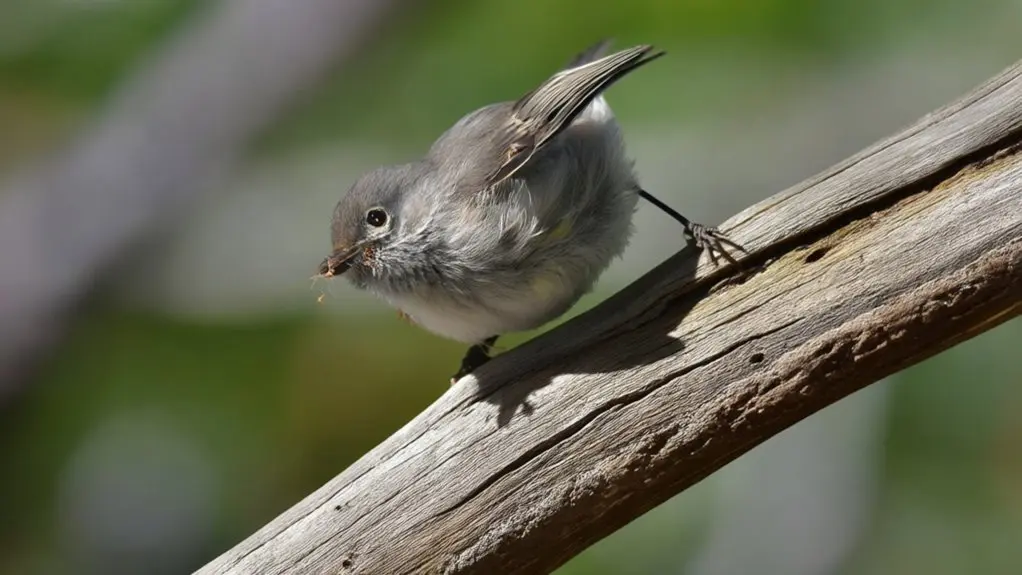
Yes, birds can get mites, and these tiny pests cause real trouble. They irritate your bird’s skin, damage feathers, and may lead to respiratory issues or crusty deformities.
If left untreated, mites can make your bird restless and unhealthy. You’ll need to spot the signs early and act quickly with proper cleaning and vet care to protect your feathered friend.
Keep going to discover effective ways to manage and prevent these pests.
What Are Bird Mites?
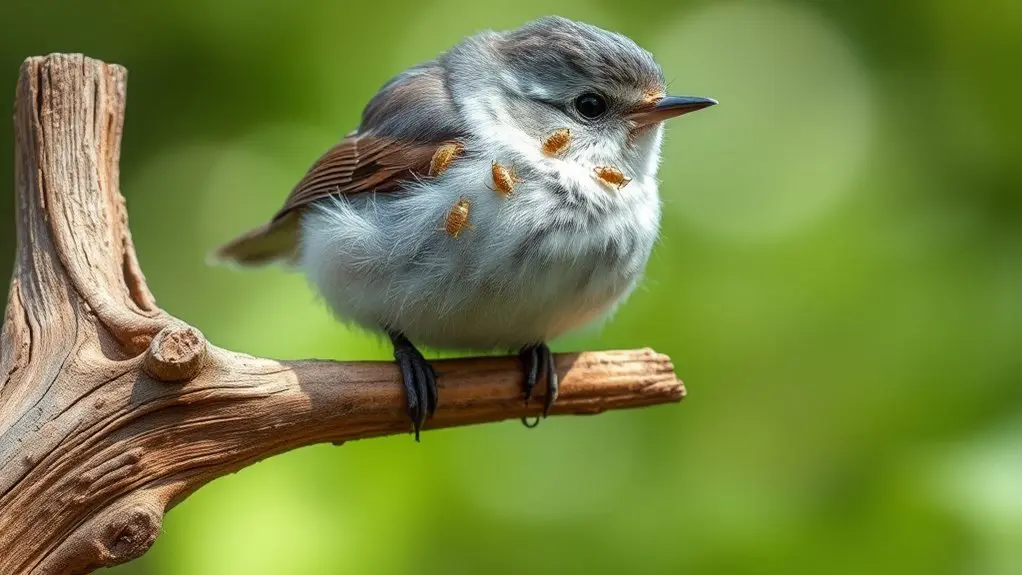
Although bird mites are tiny, less than 1 mm in size, they can cause significant discomfort when they invade your home. Understanding bird mite behavior is essential to managing their presence effectively.
These parasites primarily feed on bird blood and thrive near nests. They favor warm, moist environments like attics or chimneys.
Bird mites feed on bird blood and thrive in warm, moist areas near nests like attics and chimneys.
Bird mites don’t live permanently on humans or pets but can temporarily bite when their bird hosts leave or nests are disturbed.
Proper bird nest management plays a key role in controlling infestations. Removing abandoned nests and sealing entry points reduces mite populations by cutting off their primary food source and habitat.
Common Bird Mite Species Affecting Pets
| Mite Species | Target Area | Common Symptoms |
|---|---|---|
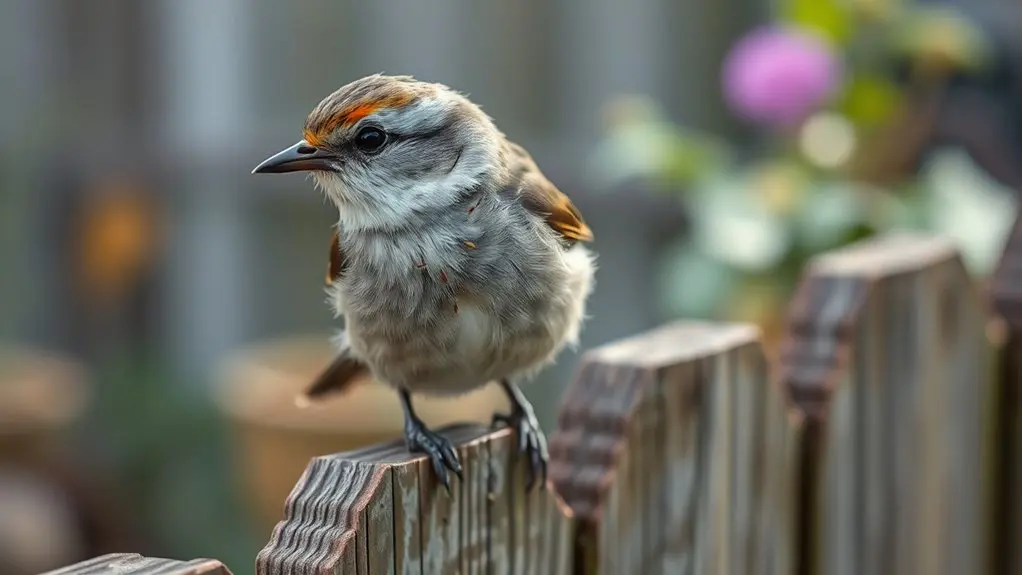
| Knemidokoptes | Skin (beak, legs) | Crusty, deformed skin |
| Air Sac Mites | Respiratory system | Sneezing, difficulty breathing |
| Feather Mites | Feathers | Irritation, feather damage |
Being aware of these species really helps when it comes to protecting your pets.
Knowing what to look for means you can catch problems early.
That way, your pet stays healthier and happier.
How to Spot Bird Mite Infestations
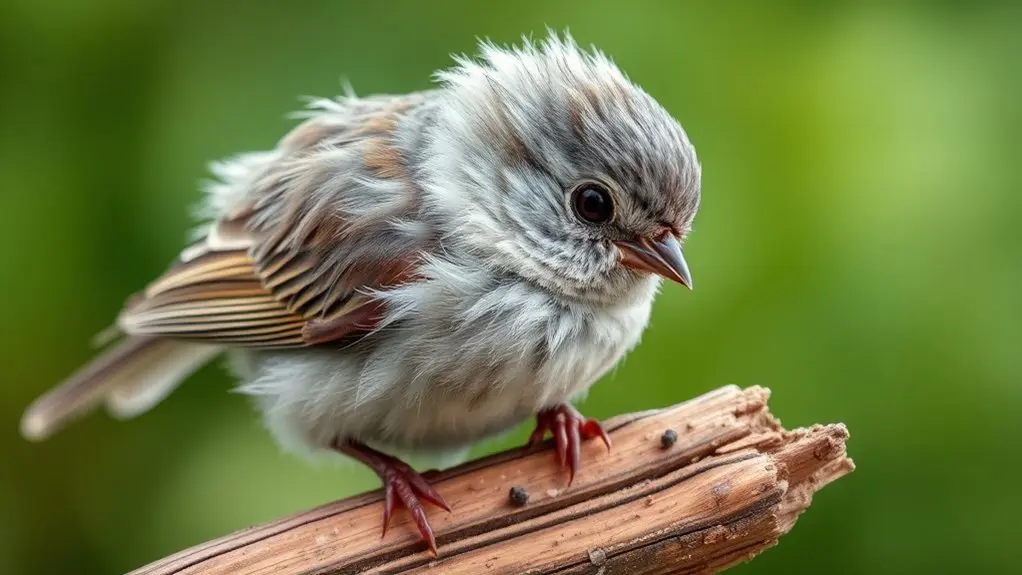
When you want to catch a bird mite infestation early, closely inspecting your bird and its nesting area is essential. Pay attention to nest hygiene by regularly checking for tiny, reddish-brown mites crawling in nesting materials or on your bird’s skin, especially during spring and early summer. Use a magnifying glass to spot these pests more easily.
Early detection of bird mites requires close inspection of birds and nests, especially in spring and early summer.
Watch for behavioral changes like excessive preening or restlessness, which often signal discomfort from mites. Look for visual signs such as feather loss, skin irritation, redness, and small bites on your bird.
Don’t overlook hidden spots in attics or cracks where mites can thrive.
Staying vigilant about nest hygiene and monitoring your bird’s behavior helps you detect infestations early. That way, you can respond promptly and effectively before things get worse.
How to Treat Bird Mite Infestations
Catching a bird mite infestation early is just the first step; treating it effectively requires a focused approach. Since the bird mite lifespan is short but their reproduction rate is rapid, you need to act swiftly.
Start by removing and disinfecting bird nests and nesting areas to eliminate the mites at their source.
Use veterinarian-recommended antiparasitic medications like ivermectin or permethrin to treat affected birds safely and efficiently.
Regularly clean cages, perches, and surroundings with hot water and disinfectants.
Keeping your birds in dry, well-ventilated spaces also reduces mite survival.
While natural repellents can help, they’re best used alongside medical treatments and thorough cleaning.
Always consult a veterinarian for a tailored plan, ensuring your bird’s health and a mite-free environment.
Taking these steps will help you get ahead of the problem quickly.
How to Prevent Bird Mites From Returning
Although treating an active bird mite infestation is essential, preventing their return is just as important to protect your home and pets. Start by focusing on nest hygiene. Regularly remove and dispose of old bird nests around your property.
Clean and disinfect birdhouses, feeders, and nearby areas thoroughly after the nesting season to get rid of any remaining mites. Keeping the birds’ environment clean also helps maintain their feather health and reduces mite attraction.
You can use physical barriers like mesh to stop wild birds from nesting close to your home. Make sure both indoor and outdoor areas are dry and well-ventilated because mites love humid conditions.
And one more thing: always wear protective clothing and gloves when handling birds or cleaning nests. This way, you avoid bringing mites back into your living space.
Can Bird Mites Bite People?
Keeping bird nests and their surroundings clean considerably reduces the chances of bird mites invading your living space.
Bird mite behavior shows they primarily feed on bird blood and rarely target humans. However, human mite exposure can happen accidentally when mites stray from infested nests, leading to occasional bites.
These bites might cause itching, redness, and irritation but don’t last long since bird mites don’t stay on human skin or reproduce there.
While it’s understandable to worry about these pests, remember that proper nest removal and thorough cleaning usually prevent bird mites from bothering you.
Staying proactive about your environment is the best way to minimize any discomfort from these temporary, generally harmless encounters with bird mites.
Frequently Asked Questions
Can Bird Mites Survive Without a Bird Host?
You’ll find bird mites can survive without a bird host for weeks by altering their feeding habits. They often hide in nest contamination.
But without blood meals, they eventually weaken and die. This disrupts their life cycle. So, while they’re tough, they can’t go on forever without a bird.
Do Bird Mites Affect All Bird Species Equally?
You won’t find bird mites affecting all species equally. Some birds suffer more feather damage and nest contamination than others. This usually depends on their nesting habits, immune defenses, and behavior.
Knowing these differences can really help you protect the more vulnerable birds. It makes a big difference when you understand which species need extra care. So, paying attention to these factors is key.
How Quickly Do Bird Mite Populations Grow?
Picture tiny mites feasting rapidly on your bird’s nesting spot. Thanks to their feeding habits and nesting behaviors, populations can double every 3-5 days.
That means a small issue can quickly turn into an overwhelming infestation. You’ll need to act fast to keep things under control.
Are Bird Mites Active Year-Round or Seasonal?
Bird mites are mostly seasonal, active during nesting when you spot signs through mite detection. Avian grooming helps birds control mites, but indoors they can persist year-round if conditions allow.
Can Bird Mites Transmit Diseases to Birds?
You won’t find bird mites as disease carriers; they’re mere shadows nibbling softly, causing irritation but not illness.
Focus on mite prevention to protect bird health and keep your feathered friends comfortable and thriving year-round.
Conclusion
You might think bird mites are just a harmless nuisance, yet their impact on your pets and home can be surprisingly disruptive. While these tiny pests thrive on birds, they can also invade your space, causing discomfort and concern.
By knowing how to spot, treat, and prevent infestations, you’re not only protecting your pets but also safeguarding your family’s well-being. Stay vigilant because what seems small can quickly become a big problem.