
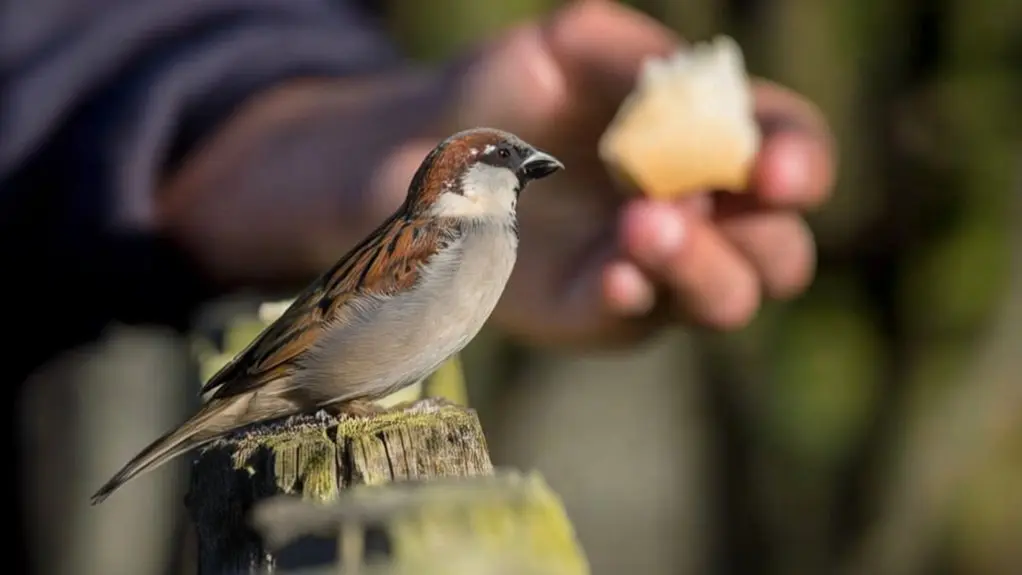
You can’t easily transmit the flu from humans to birds because biological and ecological barriers make such cross-species infection extremely rare. Bird flu mainly spreads through contact with infected wild birds or contaminated environments.
Human flu viruses are adapted for humans, not birds, which limits infection risk. Birds’ immune defenses and virus receptor differences further reduce transmission chances.
While it’s mostly a myth, understanding the reasons behind this helps clarify how bird flu actually spreads and how to protect your flock.
How Bird Flu Spreads Between Birds and Other Animals

Although bird flu primarily spreads among birds through contact with infected droppings, secretions, and contaminated surfaces, it can also jump to other animals such as cats, dogs, and cows. You should understand that avian migration plays a critical role in virus dissemination, as wild migratory birds carry the virus over long distances, introducing it to new populations during seasonal movement.
Bird nesting sites facilitate close contact among birds, increasing transmission risk. Variants like H5N1 adapt to different hosts, enabling cross-species infection.
Outbreaks frequently coincide between wild birds and poultry farms, creating interspecies transmission opportunities.
Can Humans Transmit Bird Flu Viruses to Birds?

While human cases of bird flu get a lot of attention, the evidence shows that humans rarely pass bird flu viruses back to birds. Most infections in birds come through well-known routes, like contact with infected wild birds or contaminated environments.
Human-to-bird transmission is extremely rare and isn’t a main cause of outbreaks. This might be because birds have immune defenses that make it hard for viruses from humans to take hold.
Human-to-bird transmission is rare, likely due to birds’ strong immune defenses against human viruses.
Researchers are still looking into whether humans can pass the virus to birds, but the current data suggest the risk is very low.
So, when we think about how bird flu spreads, human involvement is pretty minor compared to birds spreading it to each other.
That’s why it’s more important to focus on controlling bird populations and keeping their environments clean, rather than worrying about humans as a source of infection.
Why Birds Are Unlikely to Catch Flu From Humans
Because flu viruses have evolved to target specific host species, human influenza viruses rarely infect birds. The genetic differences between human and avian flu strains mean these viruses are adapted to human cells, making reverse transmission to birds pretty uncommon.
Bird migration patterns also help reduce this risk. Wild birds usually encounter flu viruses within their own species or similar avian hosts, so they’re not often exposed to human flu viruses.
Plus, birds’ immune responses and physiological traits—including variations linked to feather coloration—play a role in how susceptible they’re to infections. Most bird flu infections actually come from contact with infected birds, not humans.
While humans can carry flu viruses, the chances of those viruses adapting to infect birds is really minimal. So, even though we interact closely with birds sometimes, you don’t often see birds catching the flu directly from us.
Documented Cases of Bird Flu Crossing Species
You’ll find documented cases where influenza viruses have crossed species barriers, infecting birds after human exposure. It’s pretty rare, but there have been specific outbreaks that confirm certain bird species can actually catch flu strains from humans under particular conditions.
Understanding these instances helps us get a clearer picture of how human-to-bird transmission happens and what risks it might pose.
It’s definitely an important area to keep an eye on.
Cross-Species Transmission Evidence
Although cross-species transmission of bird flu is uncommon, documented cases clearly show that certain strains, such as H5N1, can infect both wild and domestic birds following exposure to infected humans or contaminated environments. You should note these key pieces of evidence:
- Viral mutation plays an essential role as some avian influenza viruses adapt to infect mammalian cells, facilitating cross-species transmission.
- Genetic analyses reveal similarities between virus samples from humans and birds, confirming transmission pathways.
- The immune response in birds exposed to contaminated environments or infected humans sometimes fails to prevent infection, resulting in illness.
These findings highlight the complex interplay between viral evolution and host defenses. It really emphasizes the bidirectional potential of bird flu transmission across species.
Human-to-Bird Infection Cases
Documented cases of bird flu transmission from humans to birds are exceptionally rare, with only a handful officially reported. Most evidence indicates that the virus primarily spreads from infected birds to humans, not the other way around.
While laboratory studies have shown that human-to-bird transmission can occur, natural cases remain extremely uncommon.
Factors like avian migration and feather contamination play significant roles in spreading the virus among bird populations. But these aren’t typically linked to human sources.
Limited data suggest that humans rarely infect domestic or wild birds, making this transmission pathway minimal.
How Human and Bird Flu Viruses Differ
You should know that human and bird flu viruses have different genetic makeups and they target different receptors in their hosts. This is why they don’t easily jump from one species to another.
Bird flu viruses are designed to latch onto receptors in the respiratory systems of birds.
On the other hand, human flu viruses look for receptors in human tissues.
Because of these differences, it’s quite hard for the viruses to spread efficiently between species.
Virus Host Specificity
Because bird flu viruses and human flu viruses target different receptors, their ability to infect across species remains limited. You need to understand that viral mutation and host adaptation play vital roles in overcoming this barrier.
Specifically, bird flu viruses like H5N1 bind to receptors found mainly in birds’ respiratory tracts, which differ structurally from those in humans. Human flu viruses target receptors unique to the human respiratory system, preventing easy infection in birds.
For a virus to jump between species, it requires genetic changes, especially mutations in the hemagglutinin gene, that allow binding to the new host’s receptors. Without these adaptations, most bird flu strains can’t efficiently infect humans, and vice versa, maintaining distinct host specificity.
Genetic Differences Explained
Although human and bird flu viruses share a common structure, they differ a lot in their genetic makeup, especially in the surface proteins hemagglutinin (HA) and neuraminidase (NA). These proteins are key because they determine which hosts the virus can infect. Bird flu HA and NA subtypes usually aren’t well suited to human cells.
Viral mutation plays an important role in changing these proteins. Sometimes, these changes help bird flu viruses bind to human receptors better. But these mutations don’t happen very often, and even when they do, they usually aren’t enough by themselves to allow the virus to spread easily among people.
Adapting to humans involves more complex genetic changes. Sometimes this happens through genetic reassortment between human and bird flu strains, which can create new viruses that infect humans more effectively.
All in all, these genetic differences act as biological barriers, limiting bird flu viruses from infecting humans unless specific mutations make them more compatible with human hosts.
Cross-Species Transmission Limits
How do bird flu viruses like H5N1 and H7N9 struggle to infect humans despite their prevalence in birds? The key lies in species-specific receptor differences and genetic barriers. These viruses primarily bind to receptors found in birds, not humans, which limits cross-species transmission.
You should understand these main factors:
- Receptor specificity: Human influenza targets different respiratory tract receptors than bird flu, which makes infection harder.
- Genetic mutations: Bird flu viruses need significant adaptation to transmit efficiently among humans, and that’s still pretty rare.
- Migratory patterns: Bird flu mostly circulates within bird populations along migratory routes, so humans don’t get exposed as much.
These limits also affect vaccine development because vaccines have to target species-specific viral structures. Overall, cross-species transmission is complex and uncommon.
There’s also little evidence that human flu viruses infect birds.
What Are Common Myths About Bird and Human Flu?
When you hear about bird flu, you might assume that birds easily catch the flu from humans or that humans frequently transmit the virus to birds. However, most human influenza viruses don’t infect birds.
Bird migration plays a vital role in spreading avian influenza, as wild birds carry and transmit viruses across regions.
Viral mutation allows these viruses to adapt and jump between bird species, but human-to-bird transmission is rare.
Many myths suggest that any flu symptoms in birds result from human infection, yet outbreaks primarily originate from wild bird populations.
Transmission usually occurs in specific environments like farms, not through casual contact with humans.
Understanding these distinctions helps clarify that humans aren’t a significant source of bird flu infections. So, it’s not as simple as people giving birds the flu or the other way around.
Knowing the facts can help clear up a lot of confusion around how bird flu actually spreads.
Risks of Bird Flu for Backyard and Domestic Birds
When it comes to bird flu, your backyard and domestic birds are most at risk from coming into contact with infected wild birds or environments that have the virus. It’s not so much about catching it from humans—human-to-bird transmission is actually pretty rare.
That said, you can still lower the risk by taking some simple biosecurity steps. Things like controlling who can get near your birds and making sure to disinfect your equipment really help.
The key to keeping your poultry safe is to stop them from being exposed to anything wild birds might’ve left behind.
Transmission Risks To Birds
Although it’s extremely rare for birds to catch avian influenza viruses directly from humans, the primary risk to backyard and domestic birds comes from contact with contaminated wild bird droppings, surfaces, or infected poultry.
Understanding avian behavior is vital because it influences how birds interact with contaminated environments.
Key transmission risks include:
- Environmental contamination: The virus can persist in droppings and on surfaces, making indirect transmission possible.
- Wild bird populations: Infected wild birds can spread the virus to local domestic flocks through shared water or feeding sites.
- Human handling: Caretakers who are exposed to infected humans or birds may accidentally transfer the virus if they don’t follow strict biosecurity measures.
Protective Measures For Poultry
Since bird flu poses a significant threat to backyard and domestic flocks, implementing protective measures is essential to prevent outbreaks. You should focus on biosecurity by restricting access, disinfecting equipment, and removing bird feeders to reduce wild bird contact. Vaccination can lower virus circulation, while monitoring avian behavior helps detect illness early.
Maintaining feather health through proper nutrition supports immunity. Thorough cooking of poultry products also reduces transmission risks.
| Protective Measure | Benefit |
|---|---|
| Restrict access | Limits virus introduction |
| Remove feeders/bathers | Prevents wild bird contact |
| Vaccinate poultry | Reduces virus circulation |
| Monitor & remove sick birds | Stops disease spread early |
Adopting these steps protects your flock and curbs bird flu outbreaks efficiently. It’s all about staying proactive and keeping your birds safe.
How to Protect Your Birds From Bird Flu Infection
When protecting your birds from bird flu infection, implementing proper biosecurity measures is essential. Bird migration can introduce viruses to local populations, so prevention is really important.
To minimize risks, follow these steps:
Limit access to your birds and disinfect equipment regularly to prevent contamination. Try to avoid housing poultry near wild bird populations or areas with known outbreaks. This helps reduce the chance of cross-species transmission.
Keep bird feeders and outdoor enclosures clean by removing droppings that could harbor the virus. Also, watch for signs of feather diseases or respiratory distress, as these may indicate infection.
Make sure to properly cook poultry products and avoid contact with sick or dead wild birds. These simple, scientific measures help keep your birds healthy and reduce the risk of bird flu spreading.
How to Respond If You Suspect Bird Flu in Your Flock
Taking steps to protect your birds from bird flu is important, but knowing how to respond if you suspect an infection is just as vital. If you notice changes in feather color or unusual behavior linked to bird migration patterns, isolate the affected birds right away to stop the spread.
Reach out to your local animal health authorities for testing and guidance without delay. Try to avoid handling sick birds directly; if you have to, make sure you wear protective clothing.
It’s also key to implement strict biosecurity measures. That means disinfecting equipment regularly and limiting who can access your flock.
If you see sudden deaths or respiratory symptoms, don’t wait—get urgent help. Promptly isolating sick birds and getting professional support can reduce the risk of an outbreak and protect your entire flock.
Being alert to feather color changes and migration-related risks really helps you respond better to bird flu threats. Staying vigilant makes all the difference.
How to Monitor and Report Bird Flu Cases
Although bird flu can spread rapidly among bird populations, effective monitoring and reporting are essential to controlling outbreaks. You play a key role in wildlife conservation and disease surveillance by staying vigilant and acting promptly.
Bird flu spreads quickly, making vigilant monitoring and prompt reporting vital to protecting wildlife and controlling outbreaks.
Here’s how you can help:
- Report any sick or dead birds immediately to local agricultural or wildlife authorities, especially if multiple cases appear in one area.
- Participate in or support surveillance programs that track wild bird migrations and domestic bird health to predict and prevent spread.
- Understand that agencies like the USDA confirm infections through laboratory testing, so submitting samples when requested is critical.
Frequently Asked Questions
Can Bird Flu Viruses Survive on Surfaces for Long Periods?
Yes, bird flu viruses can survive on surfaces for extended periods. You’ll find surface contamination varies with environment. But virus survival on materials like stainless steel can last 24-48 hours.
Are Certain Bird Species More Resistant to Bird Flu?
Think of bird species as a spectrum of resistance levels. Some, like waterfowl, act as flu reservoirs, while others, such as domestic poultry, are more vulnerable.
Understanding this helps us target monitoring and control efforts more effectively. It’s kind of like knowing which birds are likely to carry the virus without getting sick and which ones might be at risk. This way, we can focus resources where they’re needed most.
How Does Bird Flu Affect Commercial Poultry Farming Economics?
You face significant economic impact during bird flu outbreaks. Outbreak management requires culling millions of birds, which is costly and devastating. It also means you have to increase biosecurity measures to prevent further spread.
These measures disrupt supply chains and can slow down production. Because of these disruptions, consumer prices often go up. This combination ultimately affects poultry farming profitability.
Plus, it doesn’t just stop at local farms. International trade stability can also take a hit during these outbreaks. So, managing bird flu is a big challenge economically for the whole industry.
Can Bird Flu Mutate to Become More Contagious to Humans?
Yes, bird flu can mutate through genetic mutation, enabling cross species transmission. You should understand that these changes may increase the virus’s ability to infect humans and spread more efficiently, demanding vigilant monitoring for public health safety.
It’s important to stay informed because such mutations could make the virus more contagious among people. That’s why scientists keep a close eye on these changes. Staying alert helps us prepare and respond better to potential outbreaks.
What Vaccines Are Available for Preventing Bird Flu in Birds?
You’ll find vaccines like H5N1 and H7N9 approved for birds, with vaccination protocols enhancing vaccine efficacy. These vaccines reduce virus spread but require biosecurity and monitoring to effectively prevent bird flu outbreaks.
It’s important to remember that vaccination alone isn’t enough. Good biosecurity measures and regular health checks play a big role in keeping bird flu at bay. Combining these efforts helps protect flocks better.
Conclusion
You should know that while bird flu primarily spreads among birds, humans rarely transmit it to them. Studies show less than 1% of bird flu cases involve human-to-bird transmission. This really highlights how distinct these viruses are.
Still, protecting your flock is super important. Keep an eye on symptoms closely and report any suspicious cases right away. Doing this helps prevent outbreaks and keeps both your birds and the broader ecosystem safe.