
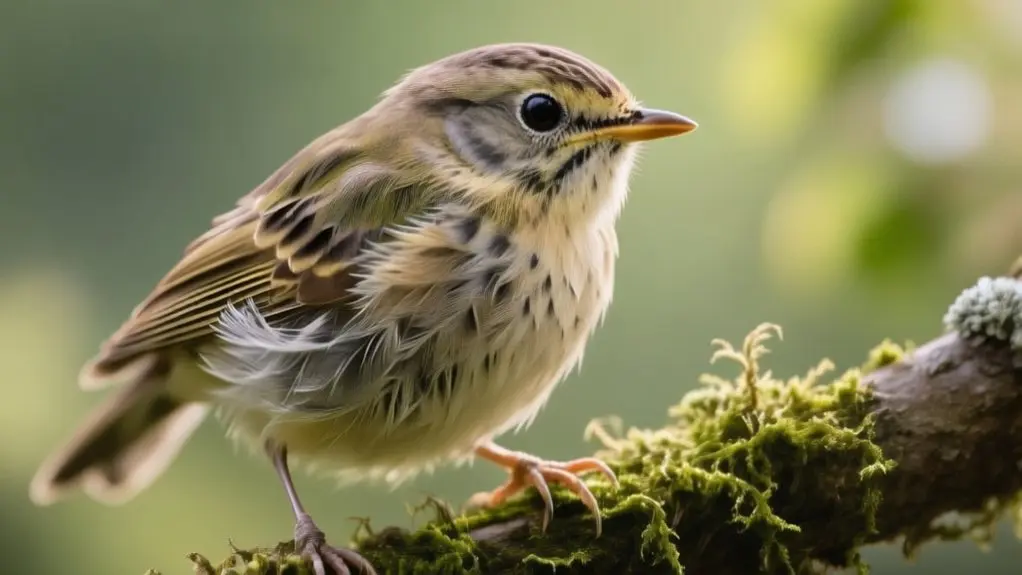
You can’t find Down syndrome in birds because it’s a human-specific genetic condition caused by an extra chromosome 21, which birds don’t have. Birds have different chromosome structures. So, while they may show abnormalities like beak deformities or unusual feather colors, these aren’t linked to Down syndrome.
Such traits usually come from mutations, injuries, or environmental factors—not a trisomy. It’s interesting to know that understanding more about bird genetics and common disorders helps clear up these differences.
Can Birds Have Down Syndrome?
Can birds have Down syndrome? Scientifically, they cannot. Down syndrome results from a third copy of chromosome 21, a chromosome unique to humans.
Birds have a different chromosomal structure, usually between 10 and 40 pairs depending on the species. This makes Down syndrome biologically impossible in them.
While birds don’t get Down syndrome, they can have genetic mutations and developmental anomalies that cause physical deformities or functional impairments. These issues come from variations in their distinct chromosomes or environmental factors, not from the trisomy that characterizes Down syndrome.
There are no documented cases or scientific evidence supporting the presence of Down syndrome in birds. So, if you see a bird with physical or behavioral differences, it’s best to attribute those traits to other genetic or developmental causes rather than Down syndrome.
Bird Genetics: Why Down Syndrome Is Impossible
Understanding why birds can’t have Down syndrome means looking closely at their genetic makeup. Birds usually have around 40 pairs of chromosomes, which is quite different from humans. Their chromosome structure and number don’t match ours at all.
Down syndrome happens because of an extra copy of human chromosome 21. Birds don’t have this chromosome at all since their genome evolved differently. So, even if birds have chromosomal abnormalities, they involve different chromosomes and lead to other developmental effects.
Down syndrome results from an extra human chromosome 21, which birds lack due to their distinct genome evolution.
Because of these basic differences in chromosomes, birds just can’t develop Down syndrome. It really shows how evolution shapes genetic disorders in specific species.
Conditions like Down syndrome are unique to humans and simply don’t occur in birds.
Common Causes of Bird Abnormalities Mistaken for Down Syndrome
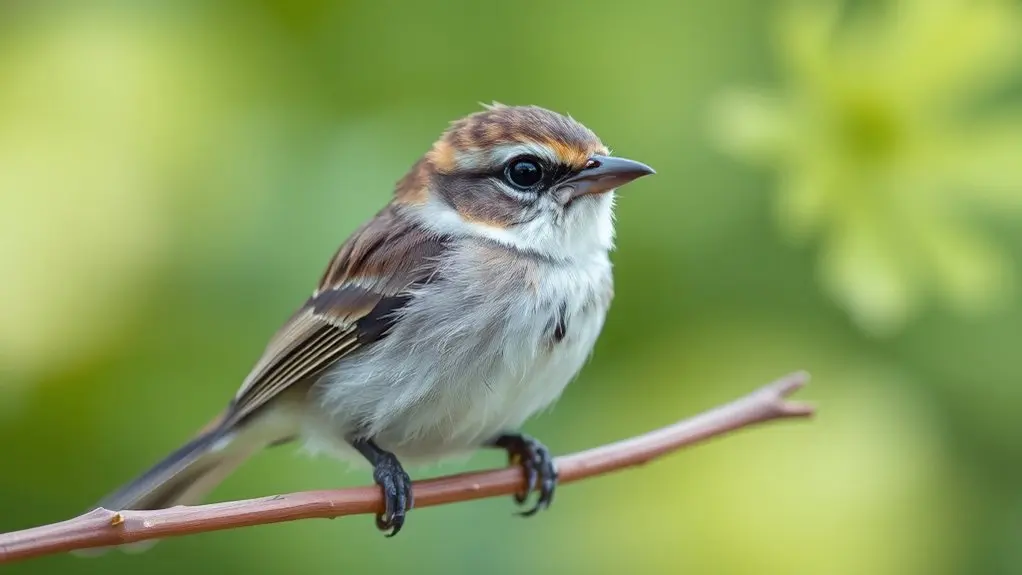
Although birds can’t develop Down syndrome, you might notice physical abnormalities that look like it. These usually come from genetic mutations, environmental factors, or developmental defects—not chromosomal trisomies.
For example, beak asymmetry is a common deformity caused by birth defects or injury, which can make a bird’s face look irregular.
Similarly, changes in feather pigmentation can happen due to genetic mutations or environmental stress. Sometimes, these create weird patterns that catch your eye.
Inbreeding in isolated bird populations can also increase congenital abnormalities, making these traits more common.
But remember, these abnormalities aren’t the same as human conditions like Down syndrome. Birds don’t have the chromosome 21 that causes that disorder.
Knowing this helps you understand bird deformities better without mixing them up with human syndromes.
Common Myths About Birds and Down Syndrome
When you see birds with unusual physical traits, it’s easy to assume they’ve Down syndrome, but this is a common myth without scientific basis. Here are four key points to clarify:
- Down syndrome results from trisomy 21, a human-specific chromosomal anomaly not present in birds.
- Birds have distinct chromosomal structures, so their physical deformities stem from genetic mutations or injuries, not chromosomal trisomies.
- Variations in feather coloration and bird behavior often lead to misconceptions but don’t indicate Down syndrome.
- Scientific research confirms no documented cases of Down syndrome in birds, debunking myths based on misinterpretations of abnormalities.
Understanding these facts helps you avoid conflating bird conditions with human genetic disorders. It’s important to look at birds through the right lens and not apply human conditions where they don’t fit.
Examples of Bird Conditions Confused With Down Syndrome
Because birds have different chromosomal structures than humans, they can’t develop Down syndrome. Yet, certain physical abnormalities in birds often lead people to mistakenly identify these conditions as the disorder.
For example, genetic mutations or developmental anomalies can cause beak malformations or irregular feather coloration. These might resemble some traits associated with Down syndrome in humans. Limb deformities or asymmetries may also contribute to these misinterpretations.
However, these features result from species-specific genetic or environmental factors, not trisomy. Since birds lack a chromosome analogous to human chromosome 21, the exact genetic basis for Down syndrome doesn’t exist in avian species.
Key Bird Genetic Disorders and How to Manage Them
Mistaken assumptions about Down syndrome in birds often overshadow the real genetic disorders affecting them. Birds can’t have Down syndrome due to their distinct chromosomal structure, but they do experience genetic issues such as:
- Feather pigmentation abnormalities causing color and pattern irregularities.
- Beak deformities impacting feeding and overall health.
- Limb malformations leading to mobility challenges.
- Developmental delays linked to chromosomal mutations or structural abnormalities.
To manage these disorders, you should guarantee proper veterinary care, provide a balanced diet, and reduce environmental stressors.
Monitoring genetic risks through selective breeding or genetic screening also helps minimize these conditions.
By focusing on these specific genetic disorders, you can improve the quality of life for pet or captive birds without confusing these issues with human trisomy 21-related conditions.
It’s all about understanding what actually affects birds and addressing that.
Frequently Asked Questions
How Can I Tell if My Bird Has a Genetic Disorder?
You can tell if your bird has a genetic disorder by observing physical deformities or behavioral changes. Genetic markers and careful breeding practices help identify risks.
It’s always a good idea to consult an avian vet for an accurate diagnosis and guidance. They can provide the best advice on how to care for your bird if a disorder is present.
Are There Any Bird Breeds More Prone to Genetic Abnormalities?
Yes, in bird breeding, breeds with limited gene pools are more prone to genetic mutation. Inbreeding increases this risk, leading to inherited abnormalities.
Can Environmental Factors Cause Deformities in Birds?
Yes, environmental impact can cause deformities in birds by inducing genetic mutations or disrupting development. You’ll observe that pollution, toxins, or nutritional deficiencies often result in physical abnormalities. But they don’t cause inherited genetic disorders.
How Do Veterinarians Diagnose Bird Genetic Conditions?
You diagnose bird genetic conditions using genetic testing like karyotyping and FISH. These tests analyze blood or tissue samples to detect any chromosomal abnormalities.
In bird breeding, this precise approach really helps. It ensures healthy offspring and supports making informed breeding decisions. So, it’s a smart way to keep bird populations strong and thriving.
What Are the Best Ways to Care for a Bird With Physical Deformities?
Caring for a bird with physical deformities means you’ll nurture feather health and optimize the cage environment. Like a gardener tending delicate blooms, you’ll guarantee cleanliness, proper nutrition, and tailored setups to support mobility and reduce stress effectively.
It’s all about making small adjustments that make a big difference. Keeping things clean and comfy helps your bird feel safe. Plus, giving the right food keeps their energy up and feathers strong. You’ll want to create a space that’s easy for them to move around in and keeps stress levels low.
Conclusion
So, you’re hoping your parrot might have Down syndrome? Sorry to burst your bubble, but birds just don’t play by human genetic rules. With their unique chromosome count, Down syndrome is a no-go.
Instead, focus on real bird health issues, like nutritional deficiencies or infections, which are often mistaken for genetic disorders. Next time you spot a quirky bird behavior, remember it’s biology, not a sitcom plot twist.
Science keeps it precise, even when nature gets weird.