
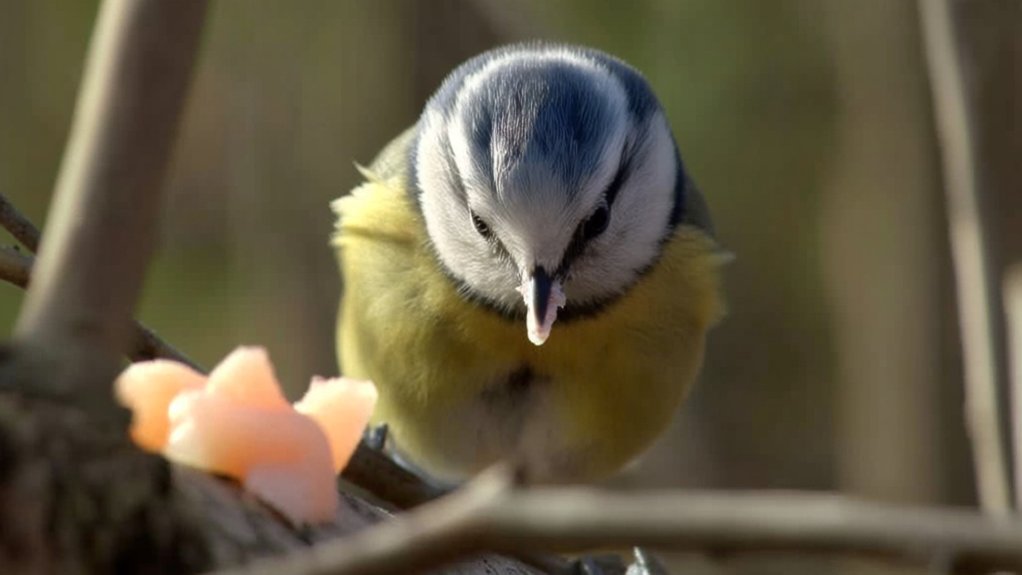
No, birds generally don’t die from eating gum. Birds have keen senses and usually avoid swallowing gum, which isn’t toxic or digestible.
While large pieces could theoretically cause choking, such cases are extremely rare. There’s no scientific evidence linking gum ingestion to bird deaths. Many viral stories about this come from misconceptions and misinterpreted images.
If you want to understand the true risks to birds and how you can help reduce environmental hazards, there’s more important information to explore.
Where Did the Gum-Kills-Birds Story Come From?
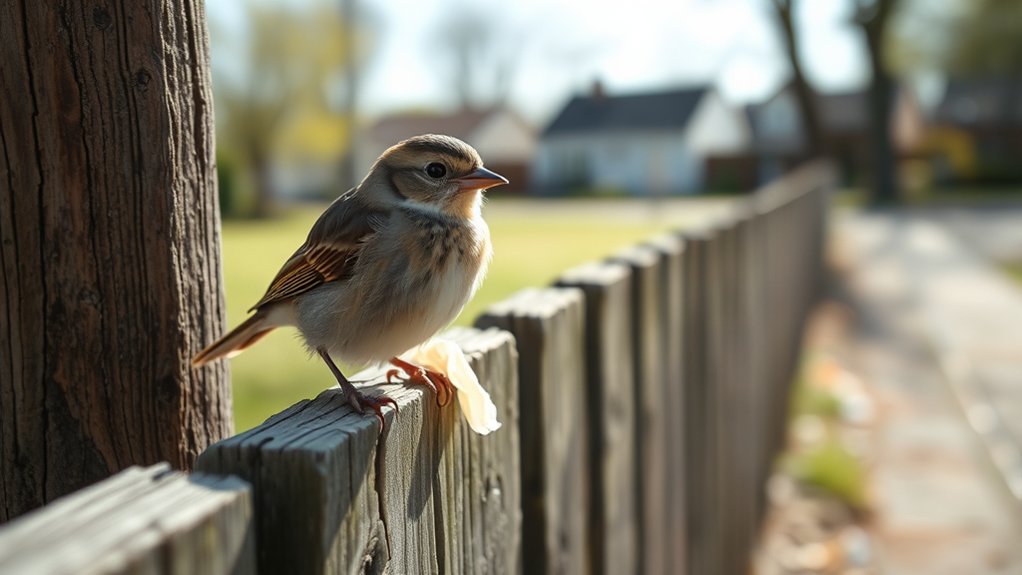
Although you may have seen the claim online that discarded chewing gum kills birds by resembling bread, this story is a viral myth without scientific basis.
The idea that discarded chewing gum kills birds is a widespread myth lacking scientific support.
The narrative originated from a social media meme circulating for over a decade, falsely asserting that birds ingest gum mistaking it for food, leading to fatalities.
This meme often included misleading images of mourning birds or dead nestlings, but these photos were misinterpreted.
For example, a commonly shared image actually depicts a bird mourning a mate killed by a car, not from gum ingestion.
Wildlife experts and officials have confirmed no documented cases support the claim that gum causes bird deaths.
The story persists primarily due to emotional appeals and misread visuals rather than verifiable scientific evidence.
Which Birds Appear in Gum-Kills-Birds Photos?
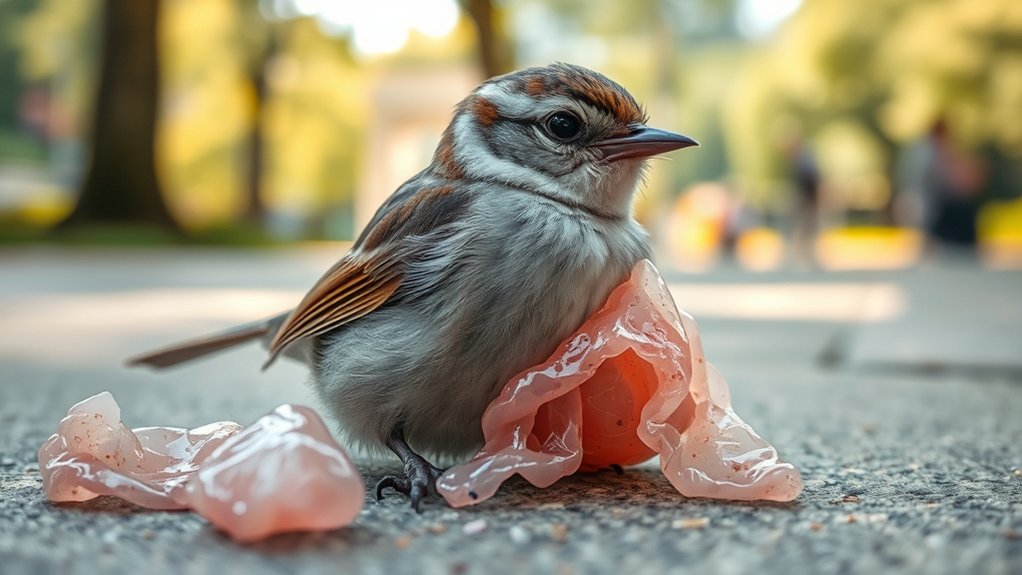
When you examine the images commonly associated with the “gum kills birds” claim, you’ll notice they primarily feature barn swallows. These insectivorous birds catch prey mid-flight and rarely peck at ground items like chewing gum.
Remarkably, the popular photo shows a bird mourning its mate, which died in a vehicle accident, not from ingesting gum. This misrepresentation distorts the reality of bird deaths related to gum.
| Bird Species | Behavior |
|---|---|
| Barn Swallow | Insectivorous, aerial feeder |
| Other Birds | Rarely depicted in these photos |
| Photo Subject | Mourning bird, accident victim |
You should recognize these images do not reliably document gum-related bird fatalities.
How Do Birds Actually React to Chewing Gum on the Ground?
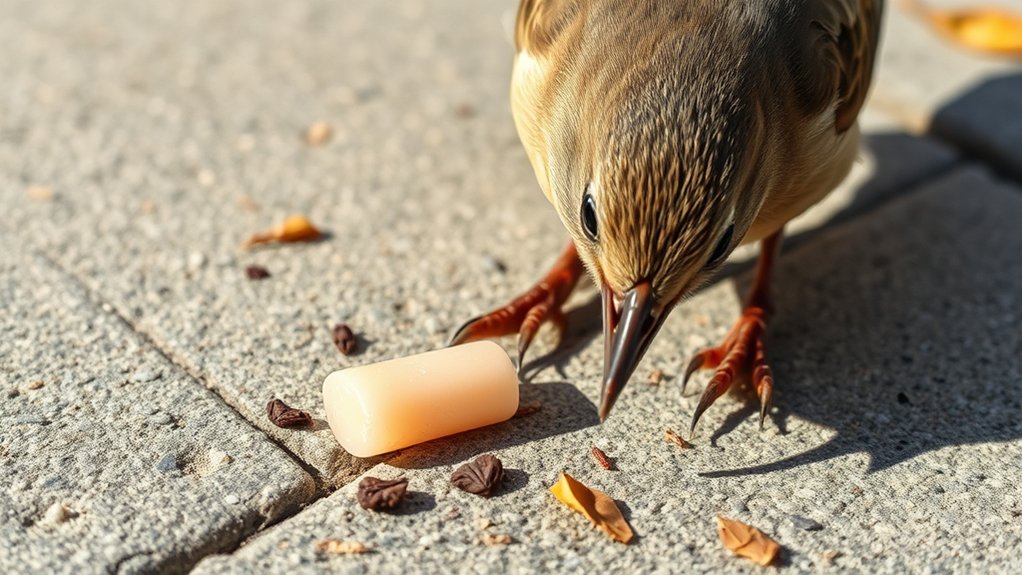
When you watch birds around chewing gum on the ground, you’ll see they often peck at it for a moment, just out of curiosity. But pretty quickly, they figure out it’s not something they can eat.
Most birds, especially insect-eaters like barn swallows, usually steer clear of things that aren’t food, like gum. This makes sense because it helps keep them safe.
In fact, there are very few recorded cases of birds actually eating gum.
Bird Interaction With Gum
How do birds respond when they encounter chewing gum on the ground? Typically, birds peck at unfamiliar ground objects once or twice before identifying them as inedible, and chewing gum is no exception.
Species like barn swallows, which primarily consume insects, rarely attempt to eat gum due to its unusual texture and appearance.
When birds do investigate gum, they usually abandon it quickly after a brief peck, minimizing the chance of ingestion.
Most birds have the sensory ability to distinguish between natural food items and unnatural substances such as gum.
Observational studies confirm that birds seldom interact with gum in ways that would cause harm.
This suggests that birds have a natural knack for avoiding swallowing non-food objects in their environment.
So, while you might see a quick peck here and there, gum generally doesn’t fool them for long.
It’s kind of reassuring to know they can tell the difference.
Natural Avoidance Behaviors
Although birds may briefly investigate unfamiliar objects, they rarely mistake chewing gum for food due to their keen visual discrimination and tactile sensitivity. When you observe birds encountering gum on the ground, their natural avoidance behaviors become evident. You’ll notice they inspect the gum cautiously, pecking once or twice to assess its texture.
Then, they quickly disengage after detecting the non-food quality, minimizing ingestion risk. Birds use sharp eyesight to differentiate edible items from synthetic substances like gum.
These behaviors reflect an evolved mechanism to avoid harmful ingestion. Birds’ tactile and visual senses work together to prevent them from swallowing substances such as gum, which appear unfamiliar and unpalatable.
Can Eating Gum Harm or Kill Birds?
You might be wondering if birds can actually be harmed by eating gum. Well, it turns out that their natural eating habits usually keep them away from it.
Sure, if they accidentally swallow a big piece, it could cause choking, but cases of birds getting hurt or dying from eating gum are really rare.
Scientists have looked into this, and the fact is gum doesn’t get digested, so it doesn’t release toxins into their system.
That means serious harm from gum is pretty unlikely.
Gum Ingestion Risks
Can birds really suffer harm or death from eating gum? The risk is minimal. Birds generally avoid inedible objects and can regurgitate or excrete indigestible materials, like gum, without severe consequences.
While it’s theoretically possible, there are no well-documented cases of choking or airway blockage from gum in birds. Such incidents are extremely rare. So, you don’t need to worry too much.
Here are a few things to keep in mind: small birds could choke on large gum pieces, but that’s not something we see often. Most species, including insect-eaters like barn swallows, don’t usually try to eat gum, which lowers the risk even more.
Usually, gum just passes through their digestive system harmlessly, kind of like seeds or bones. There’s no solid scientific evidence showing that gum can cause fatal problems for birds, so the actual danger is really pretty low.
Bird Dietary Habits
Because most birds, such as barn swallows, primarily consume insects, their dietary habits naturally minimize the likelihood of ingesting non-food items like gum. You’ll find that birds rely heavily on instinct and sensory cues to distinguish edible from inedible objects.
When birds encounter unfamiliar substances like gum, they often peck cautiously and avoid swallowing it if it proves unpalatable. Although ingesting large amounts of gum could theoretically cause choking or digestive blockages, such events are extremely rare.
Scientific studies have found no evidence that gum is toxic or fatal to birds. Instead, birds’ natural foraging behavior and dietary preferences help them avoid substances that could harm them, making gum ingestion an uncommon and typically non-lethal risk.
What Wildlife Experts Say About Gum and Birds
Although concerns about birds ingesting chewing gum persist, wildlife experts consistently report no confirmed cases of bird fatalities caused by gum consumption. They explain that birds can usually detect indigestible materials and tend to avoid swallowing large pieces.
Observations show that birds often just peck at gum briefly without actually swallowing it. This behavior helps minimize the risks of choking or digestive issues.
Consider what the experts have found:
- Birds rarely swallow gum; they usually peck once or twice just to test it.
- There’s no documented evidence linking gum ingestion directly to bird deaths.
- Large amounts of gum or gum with debris might cause choking hazards, but these cases are extremely rare.
Why Properly Dispose of Gum to Protect the Environment
While birds generally avoid swallowing gum, the way you dispose of it plays a big role in protecting the environment. Improper disposal leads to gum litter that sticks around for years, harming habitats and adding to pollution.
When gum is carelessly thrown away, wildlife, including birds, might eat it, which can cause choking or internal injuries.
To avoid these risks, environmental groups suggest wrapping used gum and putting it in trash bins. This simple step helps keep gum out of natural areas, reducing the chance that animals will ingest it.
It’s an easy way to support the health of ecosystems.
What Other Litter Poses Real Risks to Birds and Wildlife?
When you consider the various types of litter, several pose significant risks to birds and wildlife beyond gum. These materials can cause injury, poisoning, or death through ingestion, entanglement, or physical harm.
- Fishing lines and hooks: Birds often get tangled up in fishing lines, which can seriously restrict their movement. This can lead to severe injury or even drowning. Hooks can puncture tissues, causing infections or fatal wounds.
- Balloons and plastic debris: When birds swallow these items, it can cause internal blockages or injuries. They might mistake brightly colored plastics for food, and that can be deadly.
- Glass fragments: Sharp pieces from broken bottles or windows can cause cuts on the outside or damage inside if swallowed. This often leads to infection or death.
Understanding these risks really shows why proper litter management is so important to protect our avian wildlife.
How You Can Help Protect Birds From Environmental Hazards
If you want to protect birds from environmental hazards, you need to properly dispose of gum and other litter. This helps reduce risks like ingestion and entanglement. Avoid leaving gum on sidewalks or in natural areas where birds might mistake it for food. That can cause choking or digestive blockages.
Joining local clean-up efforts is another great way to help. It removes harmful debris from habitats and directly benefits bird populations. Plus, it’s a chance to get involved in your community.
You can also educate others about responsible waste disposal to minimize contamination. Sharing what you know can make a big difference. Supporting policies focused on environmental conservation helps keep habitats safe in the long run.
| Action | Benefit | How You Can Help |
|---|---|---|
| Proper litter disposal | Reduces ingestion risks | Use trash bins, avoid littering |
| Participate in clean-ups | Removes hazardous debris | Join community events |
| Educate and advocate | Promotes conservation efforts | Share info, support policies |
Frequently Asked Questions
What Types of Gum Are Most Commonly Found in Public Places?
You’ll mostly find sugar-free gums with artificial sweeteners, classic bubble gums, mint-flavored gums, and branded varieties like Wrigley’s. These gums contain synthetic rubber and plastic polymers, making them common litter in public spaces.
They’re everywhere because people like the flavors and the fresh feeling they get from chewing gum. Plus, brands like Wrigley’s have been around forever, so their products are pretty popular.
Can Birds Digest Other Sticky Substances Like Sap or Resin?
Yes, you can observe that many birds digest natural sticky substances like sap or resin because they possess enzymes tailored for plant-based materials. Unlike processed gum, they can’t break it down efficiently, which can potentially cause harm.
How Long Does Chewing Gum Remain in the Environment?
You might think gum breaks down quickly, but it actually persists 5 to 25 years, depending on climate, sunlight, and soil. Its synthetic polymers resist natural decay, causing long-term environmental pollution if not properly disposed of.
Are There Any Safe Alternatives to Traditional Chewing Gum?
Yes, you can choose safe alternatives like natural chewing sticks from neem or licorice root, herbal gums, or plant-based biodegradable gums. These options avoid synthetic chemicals and reduce environmental impact while satisfying your chewing needs effectively.
They’re a great way to keep things natural and eco-friendly without giving up the habit. Plus, you might even enjoy the unique flavors and benefits that come with these natural choices.
Do Other Animals Face Risks From Ingesting Chewing Gum?
You know what they say: prevention is better than cure. Yes, many animals face health risks from chewing gum, especially due to toxic sweeteners or blockages.
Conclusion
You might have heard that birds can die from eating gum, but the truth is more nuanced. While gum isn’t a natural food source and can cause digestive issues, outright death is rare.
As the saying goes, “an ounce of prevention is worth a pound of cure.” Properly disposing of gum helps minimize risks.
By staying informed and careful, you can play an essential role in protecting birds and supporting healthier ecosystems.