
Yes, birds can recover from avian flu, especially if they show mild symptoms like slight weakness or normal flight. Species like ducks and geese often recover better, particularly with low pathogenic strains. You can help by providing supportive care.
Isolate infected birds, offer clean water, nutritious food, and keep the environment stress-free. Early detection and isolation are essential to prevent the spread. Understanding virus severity and species resilience really matters.
To protect your birds effectively, knowing these details makes all the difference. Just paying attention and acting quickly can improve their chances a lot.
What Is Avian Flu and How Does It Affect Birds?
Although avian flu primarily targets birds, its effects can vary widely depending on the strain and species involved. You’ll find that some strains cause mild symptoms, while others lead to rapid death.
Bird migration plays a vital role in spreading the virus, as wild aquatic birds like ducks and geese often carry it without showing illness. This means the virus can travel long distances, affecting new populations.
If you’re observing birds during egg incubation, you might notice that infected adults sometimes fail to care for their nests properly, which impacts hatch rates. The virus’s ability to mutate means it can unpredictably affect different species.
What Symptoms Show a Bird Might Survive Bird Flu?
You’ll want to keep an eye out for mild symptoms or subtle changes in behavior. These small signs can actually hint at a bird’s chance to bounce back from avian flu.
Early symptoms like moderate weakness or slight breathing trouble often mean the bird might do well with some care. Getting veterinary treatment quickly can really improve their odds of survival.
Early Signs of Survival
When birds show only mild symptoms like reduced egg production or slight respiratory issues, they often have a better chance of surviving avian flu. You can look for early signs such as maintained feather health and normal flight behavior, which signal less severe infection. Birds infected with low pathogenic strains usually display these milder signs.
Also, if a bird stays active and avoids sudden death, it’s a good indicator of potential survival. Early detection and prompt supportive care can further improve outcomes.
| Symptom | Early Sign of Survival | What to Watch For |
|---|---|---|
| Egg Production | Slight decrease | Not complete stop |
| Respiratory Issues | Mild, occasional coughing | No severe distress |
| Feather & Flight | Healthy feathers, normal flight | No lethargy or drooping wings |
Indicators of Recovery
If a bird starts showing improved appetite and increased energy, it’s a strong sign that recovery from avian flu is underway. You’ll also notice better feather quality as the bird’s plumage regains its usual shine and structure, reflecting improved health.
Vocal changes, such as a return to normal calls or songs, often indicate the bird’s respiratory system is healing.
Watch for the disappearance of severe symptoms like neurological issues or respiratory distress, alongside reduced swelling and abnormal secretions.
If the bird was laying eggs before, resuming egg production is another positive indicator.
Consistent veterinary monitoring and supportive care can boost recovery chances.
Which Bird Species Are Most Likely to Recover?
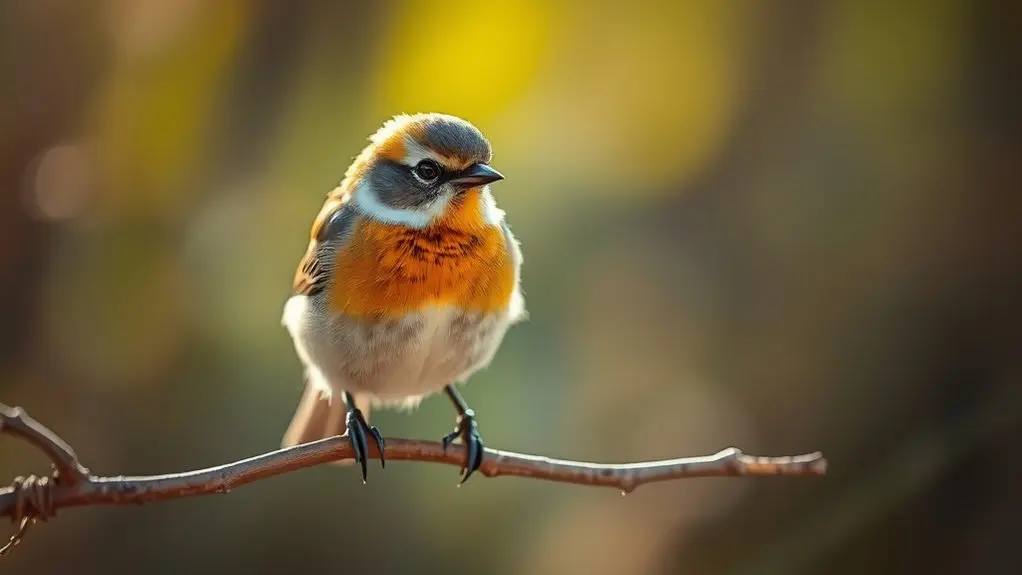
Although avian flu can be devastating, some bird species have a better chance of recovery than others. Ducks and geese, often involved in bird migration, generally show milder symptoms and recover more frequently than chickens, which are more vulnerable. Feather coloration doesn’t directly impact recovery but helps identify species at risk.
Early detection and care improve outcomes, especially with low pathogenic strains. Consider these species more likely to recover: ducks, with robust immune responses during migration; geese, showing resilience to mild infections; wild waterfowl, often carriers of low pathogenic strains; some shorebirds, benefiting from early veterinary care; and captive birds receiving supportive treatment promptly.
Understanding species differences helps you appreciate recovery chances and the importance of timely intervention. It’s really about knowing which birds can bounce back and why acting quickly makes a big difference.
How Does Virus Severity Affect Bird Recovery?
Because the severity of the avian flu virus greatly impacts a bird’s chances of recovery, understanding the difference between low and high pathogenic strains is essential. Viral mutation can change transmission pathways, influencing how quickly and severely birds become ill.
Low pathogenic strains often cause mild symptoms, allowing some birds to recover, especially with early detection. In contrast, high pathogenic strains cause severe illness and rapid death, making recovery unlikely.
Here’s a quick comparison:
| Strain Type | Symptoms Severity | Recovery Chances |
|---|---|---|
| Low Pathogenic | Mild or None | Possible with support |
| High Pathogenic | Severe | Rare, death in 24-48 hrs |
| Transmission | Slower spread | Rapid, aggressive spread |
Knowing this helps you grasp why viral mutation and transmission pathways matter in bird recovery.
What Supportive Care Helps Birds Recover?
To help birds recover from avian flu, you’ll want to isolate the infected ones. This helps stop the virus from spreading and also keeps their stress levels down.
Next, it’s really important to give them proper nutrition and keep their environment clean. Doing this supports their immune system and helps them heal more effectively.
Isolation And Quarantine
When you isolate birds showing signs of avian flu, you not only help prevent the virus from spreading but also reduce their stress. This can actually improve their chances of recovery.
Early quarantine is really important since there are no specific antiviral treatments available. So, your main focus should be on supportive care.
Monitoring wild birds is also helpful because it tracks outbreaks and supports vaccine development efforts. These vaccines could protect future bird populations.
To effectively isolate and care for affected birds, you should separate sick birds promptly from healthy ones. Make sure to maintain a stable, warm environment and provide access to clean water.
Try to minimize handling to reduce stress and observe closely for worsening symptoms.
This approach helps contain the virus and gives infected birds the best chance for recovery.
Nutritional Support Strategies
Several key nutritional support strategies can greatly aid birds recovering from avian flu. You should focus on feeding techniques that guarantee easy access to fresh, clean water and highly palatable, easily digestible food. This helps maintain hydration and energy during their weakened state.
Pay close attention to supplementation timing. Providing vitamins and minerals early supports immune function and promotes healing.
Avoid forcing food, but offer small, frequent meals to encourage intake without overwhelming the bird.
Regularly monitor their condition so you can adjust feeding and supplementation as needed. Remember, while antibiotics don’t treat the virus, they may be necessary to prevent secondary infections and complement your nutritional care.
Your attentive approach can markedly improve your bird’s chances of a full recovery.
Environmental Hygiene Practices
Although nutritional support plays a vital role, maintaining a clean and dry environment is just as important in helping birds recover from avian flu. You need to pay close attention to bird feathering and nesting behavior because these affect how birds interact with their surroundings and can influence virus spread.
Keeping their space hygienic really supports healing and lowers the risk of reinfection.
To support recovery, focus on regularly disinfecting feeders, water sources, and surfaces. Make sure to remove contaminated bedding and droppings promptly. Providing warmth and proper ventilation also helps birds stay comfortable.
Keep an eye on bird feathering for signs of stress or illness. And try to respect nesting behavior to minimize disturbance and stress.
Can Birds Develop Immunity After Bird Flu Infection?
Birds can develop some level of immunity after recovering from avian flu, but this protection is often temporary and specific to the strain they encountered. You should know that immunity varies widely among species, and high pathogenic strains usually don’t allow birds to build long-lasting defenses due to rapid disease progression.
Genetic resistance plays a role, but viral mutation frequently undermines immunity by altering the virus’s makeup. Natural infection rarely guarantees long-term protection, which is why vaccination efforts focus on inducing stronger immunity in poultry.
Even after recovery, some birds face lingering health issues like lung scarring, indicating incomplete immunity. Understanding these limits helps you appreciate why immunity after bird flu isn’t straightforward and why ongoing monitoring remains essential.
Why Does Early Detection and Isolation Matter?
When you detect avian flu early, you can isolate infected birds quickly, stopping the virus from spreading to healthy populations. This early action is vital because changes in feather coloration and altered nesting behaviors often signal infection. By responding promptly, you help protect entire flocks and wild populations from devastating outbreaks.
Early detection and isolation:
- Prevent the virus from spreading through close contact or shared nesting sites
- Reduce mortality rates linked to highly pathogenic strains like H5N1
- Allow for better management of outbreaks before they escalate
- Improve recovery chances for less severely affected species
- Support long-term conservation by minimizing disease impact
Recognizing subtle signs like feather discoloration or disrupted nesting behaviors lets you act early. This way, you safeguard bird health effectively and with compassion.
How Can You Prevent Bird Flu in Backyard Birds?
Since backyard birds are vulnerable to avian flu, you can take specific steps to protect them from infection. Keep your pet birds indoors or in enclosed spaces away from wild birds. You’ll notice wild birds often have different feather colors and nesting habits, which helps you spot and limit contact.
Make sure to wash your hands thoroughly before and after handling your birds. Also, sanitize all the equipment you use to care for them. This helps stop the spread of germs.
To keep wild birds away from feeders and water sources, use protective covers and clean these areas regularly. Avoid feeding your birds raw or undercooked poultry products since they could carry the virus.
By paying attention to these nesting habits and minimizing exposure, you’re lowering the risk of infection.
At the same time, you’re supporting your birds’ health and safety during outbreaks.
When and Whom Should You Report Suspected Bird Flu To?
Taking careful steps to protect your birds from avian flu also means knowing how to respond if you suspect an infection. Pay close attention to changes in feather coloration or nesting habits. These can signal illness.
Report suspected cases immediately to veterinarians or the USDA hotline at 866-536-7593. Quick action helps prevent outbreaks that threaten both backyard and wild birds.
You should report if you notice:
- Sudden death or severe lethargy in your birds
- Respiratory distress or coughing
- Dead or sick wild birds with unusual symptoms
- Changes in feather coloration or disrupted nesting habits
- Unexplained mass bird mortality events
Contact local wildlife or animal health authorities promptly to protect all bird populations. Don’t wait—acting fast makes all the difference.
Frequently Asked Questions
How Long Does It Take for a Bird to Recover From Avian Flu?
You’ll see a bird’s recovery timeline vary based on its immunity and the flu strain. With low pathogenic avian flu and proper care, recovery can take days to weeks. But severe cases often worsen quickly.
It really depends on how strong the bird’s immune system is and how aggressive the flu strain turns out to be. So, some birds bounce back faster while others struggle more.
Can Avian Flu Spread From Recovered Birds to Humans?
Like a fading shadow, avian flu rarely spreads from recovered birds to humans. You should know human transmission mostly happens with active infections.
Are There Vaccines Available for Birds Against Avian Flu?
You can find vaccines for avian flu in some countries, mainly to boost poultry immunity. While vaccine efficacy varies by strain and species, they help reduce severity and virus shedding.
That said, they don’t fully prevent infection. So, vaccines are helpful but not a complete solution.
What Long-Term Effects Can Avian Flu Have on Birds?
You’ll see that avian flu can cause long-term effects like lung scarring and weakened bird immunity. Virus mutation means some birds face ongoing respiratory issues or reduced lifespan, so recovery doesn’t always mean full health restored.
It’s not always a quick fix for these birds. Even after they recover, some may still struggle with breathing problems or have shorter lives than usual. So, getting over the flu isn’t always the end of the story.
How Does Avian Flu Impact Wild Bird Migration Patterns?
You’ll notice migration disruptions as avian flu forces birds to shift routes and delay departures. Habitat changes and weakened health mean fewer birds travel, altering stopovers and threatening long-term survival.
It’s a tough situation out there, but staying aware helps us support their recovery. Every little bit counts when it comes to protecting these incredible travelers.
Conclusion
When you spot a bird showing signs of avian flu, acting quickly can mean the difference between recovery and loss. Just like a sudden storm clearing to reveal a bright sky, early detection and care give birds a fighting chance to heal and even build immunity.
By staying vigilant, isolating the sick, and reporting cases promptly, you help protect both your flock and wild birds. It’s all about turning uncertainty into hope and health.