
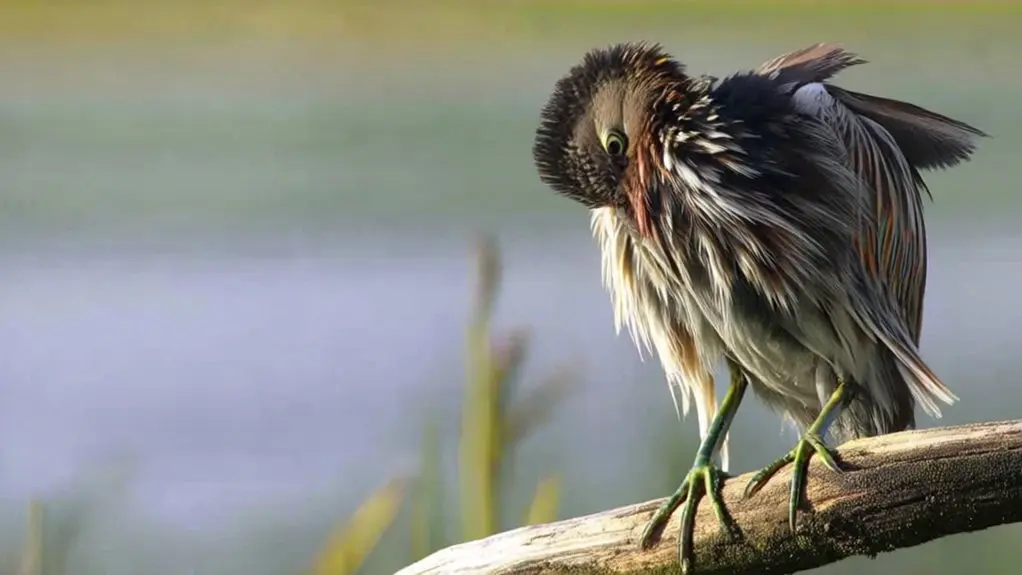
You can help birds recover from bird flu, though recovery is rare, especially with highly pathogenic strains like H5N1. Birds with milder infections may survive with early supportive care, including warmth, hydration, and a clean environment.
Spotting symptoms such as feather discoloration and behavioral changes early improves outcomes. Vaccination and biosecurity also aid recovery chances.
Understanding transmission, treatment, and prevention strategies enhances your ability to support affected birds and protect populations from further outbreaks. It’s all about catching it early and providing the right care.
What Is Bird Flu and How Does It Affect Birds
Although bird flu primarily targets birds, it can vary widely in severity depending on the strain and species affected. You should know that Influenza A viruses cause this disease, with highly pathogenic strains like H5N1 leading to severe illness and high mortality in poultry and some wild birds.
Genetic mutations in these viruses influence their virulence and host range, making outcomes unpredictable.
Poultry often exhibit rapid, severe symptoms, while wild birds might show mild signs or none at all.
Recovery is rare, especially with highly pathogenic forms, but some birds can survive milder infections with proper veterinary care.
Effective vaccination strategies are vital to control outbreaks and protect vulnerable bird populations. This helps reduce the impact of these evolving viral threats on both domestic and wild species.
How Bird Flu Spreads Among Backyard and Wild Birds
You’ll find that bird flu mainly spreads through direct contact with infected secretions and contaminated environments. This affects both wild and backyard birds.
Wild birds often carry the virus and can transmit it over long distances, which increases the exposure risks for domestic flocks.
Knowing how the virus travels can really help you take the right steps to protect your backyard birds from getting infected.
Transmission Routes Explained
Because bird flu spreads through multiple direct and indirect pathways, understanding these transmission routes is essential for controlling outbreaks among backyard and wild birds. The virus transmits primarily via contact with infected saliva, droppings, and secretions.
Shared water sources and contaminated surfaces, including feeders and equipment, serve as indirect vectors.
Feather coloration, which influences social interactions, can affect how birds come into contact. Nesting behaviors often bring birds into close proximity, increasing direct transmission risk.
You should note that contaminated environments, such as litter and nesting material, also facilitate spread.
By recognizing these pathways, you can implement targeted biosecurity measures that reduce exposure risks. This way, you protect both your backyard flock and local wild bird populations from bird flu infection.
It’s all about knowing how the virus moves and staying one step ahead.
Role Of Wild Birds
When wild aquatic birds like ducks and geese carry avian influenza viruses without showing symptoms, they serve as natural reservoirs that can introduce the virus to backyard and domestic flocks.
You should understand that the virus spreads among wild birds through contaminated water, droppings, and secretions during migration and social behaviors like bird song and nest building. These activities involve close contact within large colonies, facilitating rapid transmission.
Migratory routes enable infected birds to carry the virus across regions and continents, increasing exposure risks.
Species such as gulls, terns, and seabirds are particularly vulnerable, sometimes suffering significant mortality.
Recognizing the role of wild birds in spreading bird flu helps you appreciate the complexity of controlling outbreaks and protecting both wild and domestic populations.
Backyard Bird Exposure
Although bird flu primarily circulates in wild populations, backyard birds face significant exposure risks through direct and indirect contact with infected individuals. The virus spreads via saliva, nasal secretions, and droppings. It often contaminates feeders, water sources, and birdbaths where birds gather.
Birds with diverse feather colors and varied nesting behaviors may interact closely, which increases the chances of transmission. Plus, scavenging or preying on sick or dead birds makes infection more likely. Rapid virus spread can cause sudden die-offs within backyard flocks, affecting bird health and survival.
To protect your birds, maintain strict hygiene by regularly cleaning feeders and water containers. Understanding these transmission pathways can help you minimize exposure. This supports healthier backyard bird populations and aids recovery efforts from bird flu outbreaks.
Symptoms of Bird Flu in Different Bird Species
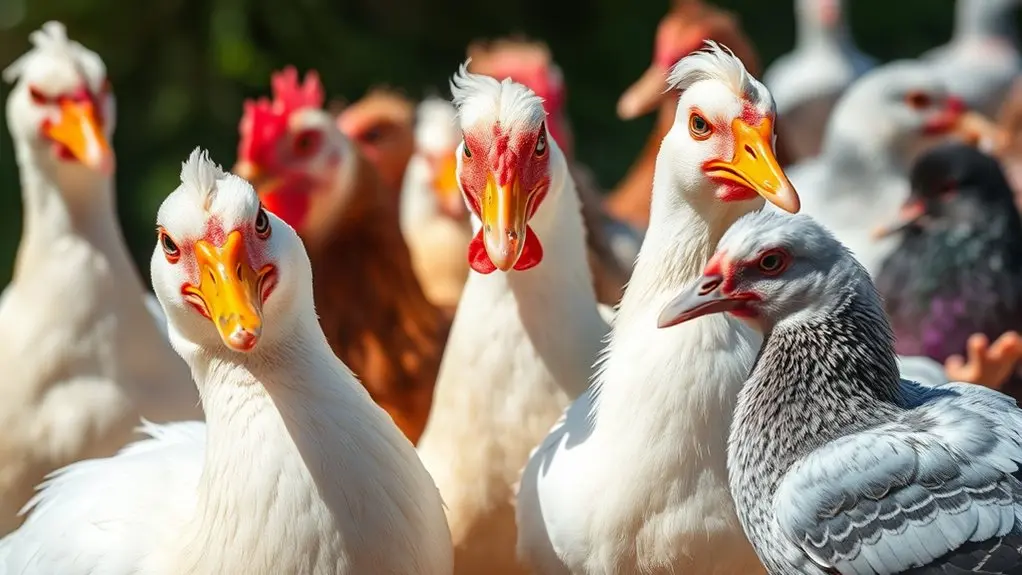
Understanding the symptoms of bird flu across different species is essential for timely detection and response. Since feather coloration and nesting habits vary, symptoms might show up differently. Here’s what you should watch for:
Poultry often show rapid onset of severe symptoms like respiratory distress, swelling around the head and eyes, watery diarrhea, and loss of appetite. In high pathogenic cases, death can occur within 24 to 48 hours.
Wild waterfowl and seabirds may carry the virus silently, which makes detection tricky since they show minimal or no symptoms.
Some wild birds might act strangely, like swimming in circles, having tremors, or being unable to fly, especially when they’re severely affected.
Twisted neck postures and diarrhea are common signs across many species. These symptoms point to neurological and gastrointestinal issues.
Recognizing these signs helps you act quickly to protect vulnerable bird populations.
Can Birds Recover From Bird Flu? Key Factors
Since bird flu shows up differently depending on the strain, your chances of seeing a bird recover can vary a lot. Birds infected with low pathogenic strains often have mild symptoms. They might regain their normal feather color and get back to their usual nesting habits after they recover.
On the other hand, the highly pathogenic strains usually cause severe illness, so recovery is pretty rare. The bird’s species, how bad the infection is, and getting quick veterinary care all play a role in how things turn out.
Early treatment can help some birds survive and get back to normal functions. This includes regrowing healthy feathers and being able to do nesting activities that are important for reproduction.
Watching for changes in feather color and nesting behavior gives you a good idea of how the bird is doing during recovery. It helps you keep track of their progress in a caring and accurate way.
How H5N1 Bird Flu Affects Bird Recovery
You’ll notice that recovery rates really depend on the bird species and how severe the H5N1 infection is. The more aggressive strains can often overpower the bird’s immune system, making survival less likely.
But on the bright side, if treatment is given quickly and the bird receives good supportive care, the chances of recovery improve, especially when the infection isn’t too severe.
Recovery Rates By Species
Although recovery from H5N1 bird flu is rare, the chances vary a lot depending on the species and how severe the strain is. You’ll notice that things like migration patterns and feather coloration indirectly show a bird’s resilience. These factors influence how much exposure they get and how their immune system responds.
Poultry rarely survive H5N1 because the disease progresses really fast. On the other hand, wild waterfowl and seabirds sometimes recover from less severe strains if they get supportive care.
Raptors and scavengers might survive mild infections, but they often face high mortality when the cases are severe.
Catching the disease early can improve survival chances in species that are more vulnerable, especially if the strain isn’t too severe. Understanding these differences helps you see the complex relationship between a species’ biology and their ability to recover.
It also highlights why targeted conservation and veterinary efforts are so important.
Severity Of H5N1
When H5N1 bird flu strikes a bird, the severity of the strain plays an essential role in determining whether it can recover or not. Highly pathogenic strains often cause rapid death within 24-48 hours, leaving little chance for recovery.
You’ll notice that poultry, for example, suffer severe symptoms, while some wild birds show milder effects.
This difference impacts avian migration patterns, as infected birds with severe illness may be unable to migrate, disrupting ecosystems.
Additionally, changes in feather coloration can signal illness severity, as compromised health affects feather quality.
Recovery chances improve only if the strain is low pathogenic and the bird’s overall health is strong.
Understanding how severity influences these factors is key for assessing the bird’s ability to survive H5N1 infections.
It’s all about how tough the strain is and how well the bird’s body can handle it.
Treatment And Support
Since H5N1 bird flu is highly pathogenic, treatment options remain limited and recovery is rare, especially in poultry. You should focus on supportive care, as no specific antiviral treatment exists. Early intervention and isolation are essential to improve survival chances.
You can help affected birds by providing warmth and hydration. This may aid those with low pathogenic strains. The virus often disrupts feather coloration and nesting behavior, which signals severe health decline.
To support recovery, consider these steps:
- Isolate infected birds promptly to prevent spread.
- Maintain ideal temperature and hydration levels.
- Monitor changes in feather coloration for early distress signs.
- Observe nesting behavior to assess recovery progress or decline.
While natural recovery is uncommon, careful support can help some wild birds.
How to Help Birds Recover From Bird Flu
To help birds recover from bird flu, you need to provide a safe, clean environment with reliable access to fresh water and nutritious food. This supports their immune systems and gives them a better chance to heal. Understanding nesting habits and migration patterns is also essential because disruptions can increase stress and make birds more vulnerable.
Try to minimize handling so the birds can conserve energy for their immune response. Early veterinary care can really help with recovery in mild cases. Plus, protecting their habitat reduces the chance of virus exposure, which is super important.
| Factor | Action Needed | Impact |
|---|---|---|
| Nesting Habits | Protect nesting sites | Reduces stress and exposure |
| Migration Patterns | Monitor migration timing | Limits contact with infected areas |
| Environment | Maintain cleanliness | Prevents secondary infections |
| Nutrition | Provide balanced diet and water | Strengthens immunity |
Your careful support really makes a difference. It helps birds recover and limits the spread of the disease, which is great news for bird populations everywhere.
Why Spotting Bird Flu Early Makes a Difference
You’ve got to spot bird flu symptoms early so you can act quickly and keep both individual birds and whole flocks safe. When you notice signs right away, vets can step in fast, and isolating the sick birds can really help stop the virus from spreading.
Acting fast makes a big difference—it helps control the disease better and gives the birds a much better shot at recovery.
Early Symptom Recognition
How quickly you spot bird flu symptoms can directly influence the outcome for affected birds. Early detection, especially through changes in feather coloration or altered nesting habits, signals the need for urgent action. These subtle signs often come before more severe symptoms like nasal discharge or purple swelling.
Recognizing symptoms early helps you isolate affected birds promptly, limiting the virus spread. It also prevents disease progression to fatal stages in high pathogenic strains.
Plus, reporting cases quickly enables authorities to respond effectively.
Prompt Veterinary Intervention
When bird flu symptoms are recognized early, veterinary intervention can begin without delay, markedly improving recovery outcomes. You’ll help differentiate bird flu from other illnesses by enabling swift diagnostic testing, which is vital during peak bird migration when infection risks rise.
Early detection allows for targeted supportive care, addressing symptoms before they worsen and reducing mortality rates linked to virulent strains like H5N1.
Noticing subtle changes, such as dull feather coloration, can alert you to underlying illness. Timely veterinary response also supports conservation by safeguarding vulnerable wild bird populations from collapse.
Isolation To Prevent Spread
Recognizing bird flu symptoms early not only allows for prompt veterinary care but also enables immediate isolation of infected birds. This step considerably reduces the risk of viral spread. Since bird migration and nesting habits bring birds into close contact, isolating sick individuals is critical to prevent transmission through saliva, droppings, and contaminated surfaces.
When you act quickly, you:
- Prevent contact between infected and healthy birds, both wild and domestic.
- Limit outbreaks by separating affected birds during vulnerable nesting periods.
- Enable veterinarians to confirm infection rapidly and apply targeted treatments.
- Reduce the chance of virus spreading during bird migration events.
Early isolation supports recovery chances and protects population health. This is especially important because highly pathogenic strains can cause death within 24 to 48 hours. Your vigilance really helps safeguard avian communities.
What to Do If You Suspect Bird Flu in Your Birds or Backyard Flock
If you suspect bird flu in your birds or backyard flock, you should contact a veterinarian immediately for testing and diagnosis to confirm the presence of the virus. Because bird migration and nesting habits can introduce and spread avian influenza, prompt action is critical.
Suspect bird flu? Contact a veterinarian immediately for testing, as migration and nesting can spread the virus.
Isolate sick or dead birds to protect healthy ones, and avoid handling affected birds without gloves. Always wash your hands thoroughly afterward.
Reporting cases to local animal health authorities or the USDA hotline helps track outbreaks and mitigate risks. Maintain strict biosecurity by disinfecting equipment and minimizing contact between your flock and wild birds.
This is especially important during migration seasons when the risk of virus transmission rises. Taking these steps protects your birds and supports broader disease control efforts.
How Prevention Reduces Bird Flu Risks and Supports Recovery
Although bird flu poses significant risks to avian populations, you can reduce these dangers and support recovery by using targeted prevention strategies. Focusing on habitat restoration and providing nutritional support helps birds become more resilient against infections.
Here’s how you can help:
- Prevent contact between wild and domestic birds by keeping pet birds indoors. Also, avoid feeding wild birds to limit virus spread.
- Maintain strict hygiene by disinfecting equipment and washing hands after any bird interaction.
- Avoid disturbing wild bird colonies and nests. This helps reduce stress and transmission opportunities.
- Support vaccination programs for endangered species in affected areas. These programs improve their resistance.
The Role of Conservation and Monitoring in Bird Flu Recovery
Because effective conservation and monitoring directly influence bird flu recovery, your involvement in protecting habitats and reporting outbreaks is essential. Habitat restoration and protecting high-risk colonies support vulnerable bird populations by reducing human disturbance and providing safe nesting sites.
Your role in habitat protection and outbreak reporting is crucial for bird flu recovery and safeguarding vulnerable bird populations.
Monitoring programs, led by organizations like BirdLife Australia, detect outbreaks early and assess impacts, enabling timely responses.
Community engagement through public reporting of sick or dead birds and participation in citizen science strengthens disease management efforts. Although broadscale vaccination isn’t feasible yet, ongoing trials aim to enhance resilience in small Australian species.
By actively supporting these conservation strategies and monitoring efforts, you contribute to preventing further declines and fostering long-term recovery of affected bird populations.
Your role is vital in maintaining ecological balance and safeguarding avian health. It’s all about working together to keep our bird populations safe and thriving. So, every action counts when it comes to protecting these important creatures.
Frequently Asked Questions
Can Bird Flu Be Transmitted to Humans Through Pet Birds?
Yes, you can catch bird flu through pet birds, but human transmission is rare. Protect pet bird health by avoiding sick birds, using gloves, and practicing good hygiene to minimize your risk.
Staying safe from infection is all about being careful and keeping things clean. It’s a good idea to wash your hands often and watch out for any signs of illness in your birds. That way, you and your pets can stay healthy together.
Are There Vaccines Available for Bird Flu in Wild Birds?
You won’t find vaccines widely available for wild birds yet, as vaccine development faces challenges.
Instead, wild bird immunity relies on natural exposure. Researchers are cautiously exploring targeted vaccines to protect vulnerable species without harming ecosystems.
How Long Can Bird Flu Viruses Survive in the Environment?
Bird flu viruses show environmental persistence up to several weeks, especially in cold, moist conditions. You’ll find virus survivability decreases with heat and sunlight, so disinfecting surfaces is essential to reduce infection risks effectively.
It’s kind of interesting how temperature and moisture play such a big role here. When it’s colder and damp, these viruses just hang around longer. But once the sun comes out or things warm up, they don’t last as long. That’s why cleaning surfaces really helps keep things safe.
Do Migratory Patterns Influence Bird Flu Outbreaks?
You’ll see migration impact bird flu outbreaks considerably, as pattern variations in migratory routes help spread the virus across regions. Understanding these variations lets you predict and manage outbreaks more effectively, protecting both wild and domestic bird populations.
It’s pretty interesting how these patterns work, right? When birds change their usual routes or timings, it can shift where and when outbreaks happen. So, keeping an eye on migration changes really helps in staying ahead of the virus.
What Impact Does Bird Flu Have on Poultry Industry Economics?
You’ll see bird flu cast a shadow over poultry economics, causing economic losses and market disruptions. This ripple effect challenges your industry’s resilience, raises costs, and shakes consumer trust.
Because of that, strategic responses are needed to restore stability and growth. It’s not just about managing the outbreak but also about rebuilding confidence in the market. Keeping things steady takes smart planning and quick action.
Conclusion
If you think your birds have bird flu, acting fast isn’t just important, it’s lifesaving, like a miracle in motion. While recovery can be tough, especially with H5N1, early detection and care can tip the scales dramatically in your birds’ favor.
Remember, your vigilance and prevention aren’t just small steps, they’re the frontline warriors in the battle to save entire flocks and protect wild populations from devastation. Your role is absolutely critical.