

You might wonder if birds can pass gas, but it’s mostly a myth. Birds have unique digestive systems with rapid transit times and limited gut bacteria, which minimize gas production.
When gas does occur, it often signals health issues rather than normal function. Plus, it usually exits with droppings, not as separate flatulence.
Some birds, like chickens, have more fermentation going on but rarely release audible gas. If you want to understand exceptions and health clues, keep exploring these fascinating details.
Do Birds Really Pass Gas?
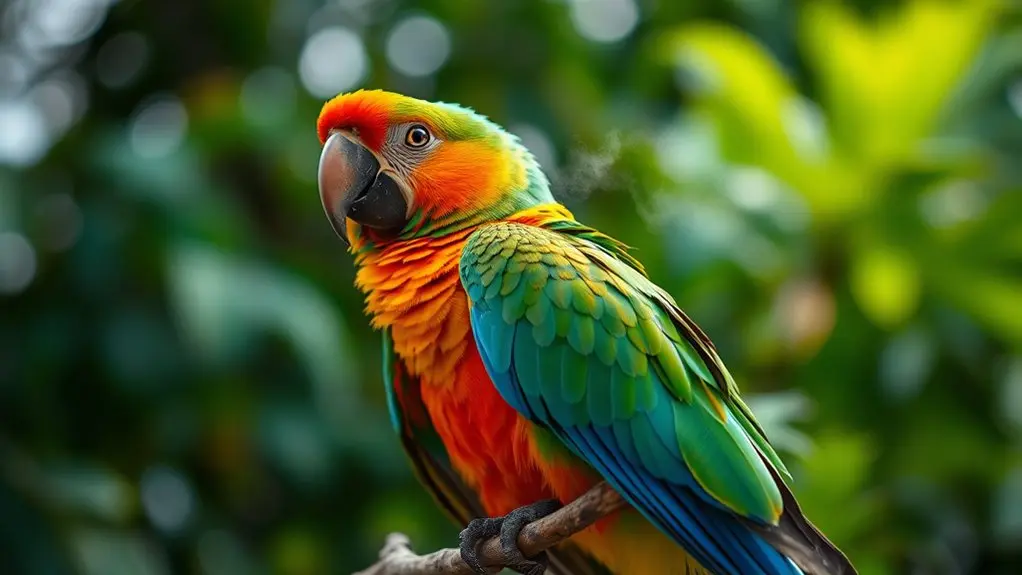
Although birds possess the anatomical ability to pass gas, it’s extremely rare and usually signals an abnormality. You might expect that during bird migration, when energy demands shift, gas production could increase. However, most birds lack the gut bacteria necessary to produce significant intestinal gas.
This absence means flatulence is uncommon, despite their complex digestive systems supporting feather coloration and metabolic needs. When gas appears, it often indicates health issues visible on X-rays, rather than typical digestive function.
Also, if gas is expelled, it usually exits combined with droppings through the cloaca, not as separate flatulence.
Understanding these nuances clarifies that while birds can pass gas anatomically, it’s not a frequent or normal occurrence in their physiology or behavior. So, next time you wonder if birds really pass gas, remember it’s possible but hardly ever happens.
Why Birds Don’t Usually Make Gas
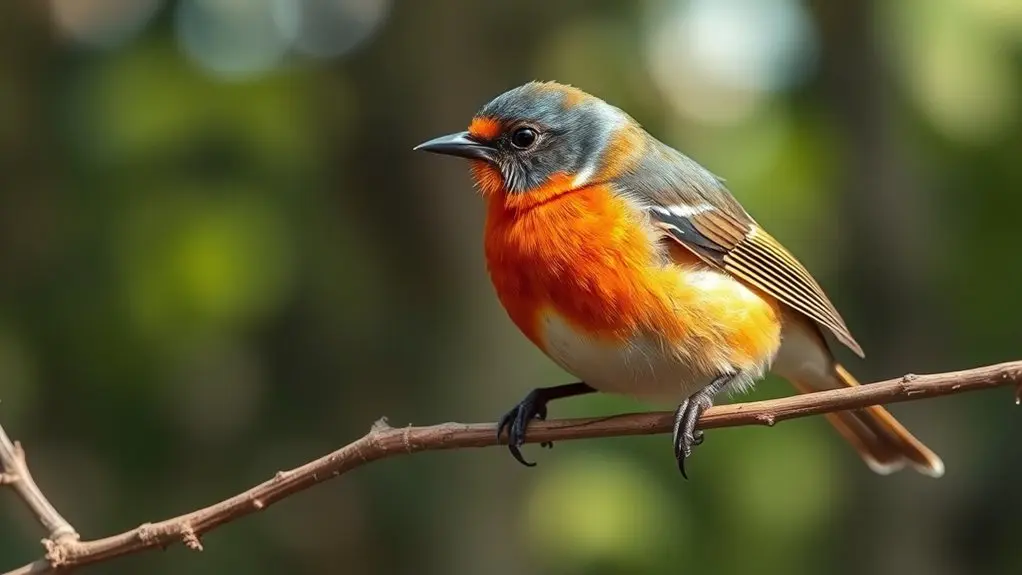
Even though birds have the anatomical capacity to pass gas, their digestive systems rarely produce or retain it in significant amounts. This is mostly because their digestive transit time is super fast. That quick movement limits microbial fermentation, which is the main source of intestinal gas in mammals.
Birds have short, low-volume gastrointestinal tracts, and their specialized metabolism helps make digestion efficient. This combo minimizes gas formation.
Plus, many birds don’t have the gut bacteria needed to produce a lot of gas during digestion.
When gas does form, their efficient respiratory and excretory systems stop it from building up. Often, gases get expelled with droppings instead of as separate flatulence.
The Chicken Exception: When Birds Pass Gas
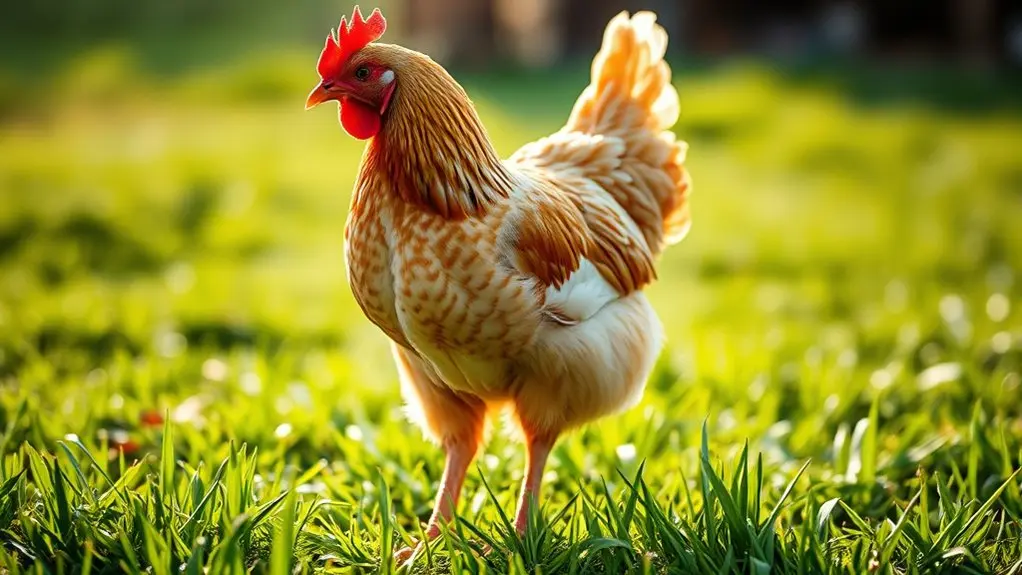
You’ll find that chickens have a pretty unique digestive system. They’ve two ceca, which helps them break down food through microbial fermentation. This process produces gas, and sometimes you might even catch a little, audible fart from them, especially after they’ve eaten something high in fiber.
But don’t expect chickens to be gassy all the time. Most of the gas they produce gets reabsorbed or leaves their body with their droppings.
Chicken Digestive Tract
The chicken’s digestive tract features two ceca, which are specialized pouches that help with microbial fermentation of fibrous foods, leading to gas production. This setup improves digestive efficiency by allowing longer fermentation. That fermentation breaks down cellulose and helps extract extra nutrients.
Unlike many birds that have shorter digestive systems, chickens have longer tracts and two ceca. This supports a more complex metabolism and helps them use fiber better.
The microbes in the ceca produce gases like methane and hydrogen sulfide, which can cause some odor.
Usually, these gases are released quietly along with the droppings. It’s a unique part of how chickens digest their food.
Knowing about this shows how chickens are different from other birds because their digestive system allows some gas production, but without the loud releases you see in mammals.
Fermentation And Gas
Although most birds pass gas silently or not at all, chickens are a bit different because of their longer digestive tracts and dual ceca that help with microbial fermentation. This unique setup in chickens boosts their digestive efficiency by breaking down fibrous materials. As a result, gases like methane and hydrogen sulfide are produced.
You might notice chickens sometimes release foul-smelling gases. Usually, these are expelled along with their droppings rather than as separate flatulence. If you want to manage this, limiting high-fiber foods in their diet can help reduce gas buildup in those fermentation chambers.
| Gas Type | Source | Effect on Chicken Digestive Efficiency |
|---|---|---|
| Methane | Microbial fermentation | Indicates active fiber breakdown |
| Hydrogen Sulfide | Protein fermentation | Causes foul odor |
| Carbon Dioxide | General metabolism | Minimal impact |
| Nitrogen | Inert gas | No effect |
Gas Emissions Explained
Understanding the unique digestive anatomy of chickens helps explain their gas emissions, which differ considerably from other birds and mammals. Chickens possess longer digestive tracts with two ceca where fermentation of fibrous foods produces small amounts of gases like methane and hydrogen sulfide.
While these gases may sometimes be expelled as audible flatulence, it’s infrequent and minimal.
Unlike mammals, chickens often reabsorb or vent gases through their lungs, which also contribute to bird vocalizations rather than distinct farting sounds. Audible or odorous gas emissions in chickens usually signal health issues, not normal physiology.
Interestingly, factors such as feather coloration and overall health can indirectly influence digestive efficiency, which in turn affects gas production. So, chickens represent an exception in avian gas emission patterns.
Parrots Mimic Fart Sounds, But Don’t Actually Fart
You might notice parrots making sounds that mimic human flatulence, but here’s the thing — these noises actually come from their vocal organs, not their digestive system.
It’s pretty interesting how parrots use learned vocal mimicry to copy these sounds. Often, they do it just for fun or to interact socially with people or other birds.
Scientists have studied this and confirmed that, despite how much these sounds might resemble actual farts, parrots don’t produce intestinal gas at all.
Parrot Sound Mimicry
When parrots mimic fart sounds, they use their vocal organs to reproduce these noises rather than producing them through digestive processes. This ability comes from their advanced avian vocalization system, which lets them control airflow and sound really precisely.
Because of this, they can imitate a wide range of environmental noises, including human-generated fart sounds, by memorizing and copying acoustic patterns.
Scientific studies show that these sounds are made entirely through vocal tract manipulation, not from intestinal gas. So, those flatulence-like noises you hear from parrots are actually a form of learned vocal mimicry.
It’s a great example of how versatile their vocal skills are.
Next time you hear a parrot “fart,” remember you’re hearing a clever bit of avian sound imitation, not a biological emission. It’s pretty impressive when you think about it!
No Actual Gas
Parrots’ ability to imitate fart sounds might lead some to wonder if they actually produce gas like mammals do. In reality, bird vocalizations that resemble flatulence are a form of false flatulence. Parrots generate these sounds using their vocal organs, not their digestive systems.
Unlike mammals, birds lack the gut bacteria necessary for fermentation and gas production. Scientific studies show no evidence that parrots or other birds pass gas.
Can Birds Burp or Release Gas From Their Mouth?
Although direct scientific evidence is limited, birds have anatomical features that suggest they can burp or release gas from their mouths. Their digestive system allows for the reversal of digestive contents, which we see in regurgitation. This behavior is linked to feeding and defense.
Bird vocalizations are well-documented, but burping is rarely observed or studied. Still, ornithologists and veterinarians agree that burping is biologically plausible.
- Birds expel regurgitated food orally, showing digestive tract reversal
- Digestive anatomy supports potential gas release through the mouth
- Burping lacks extensive scientific documentation but is considered possible
- Regurgitation demonstrates controlled expulsion, implying burping capability
Health Signs to Watch If Your Bird Seems Bloated
If your bird appears bloated, you should promptly observe specific health signs that may indicate serious conditions like infections or digestive blockages. Monitor changes in posture, feather condition, and breathing patterns. Birds express distress differently than mammals, so it’s important to keep a close eye.
A compromised bird diet could contribute to gastrointestinal issues. Watch for lethargy, a swollen abdomen, and pale droppings. Catching these signs early can help prevent life-threatening complications.
| Symptom | Description | Possible Cause |
|---|---|---|
| Enlarged belly | Swollen, tight abdomen | Digestive blockage |
| Fluffed feathers | Puffing up feathers | Discomfort or infection |
| Open-mouth breathing | Labored breathing | Respiratory distress |
| Pale droppings | Discolored feces | Internal swelling |
| Decreased appetite | Reduced food intake | Digestive or systemic issue |
Tips for Supporting Healthy Digestion in Backyard Birds
When you provide backyard birds with a balanced diet that includes formulated pellets or crumbles, you actively support their digestive health. Nutritional supplements guarantee they receive essential vitamins and minerals, enhancing gut function.
Habitat enhancement by including shrubs and trees encourages natural foraging, stimulating digestion and reducing stress.
Enhancing habitat with shrubs and trees promotes natural foraging, boosting digestion and lowering stress in backyard birds.
To promote healthy digestion, you should offer a diverse diet with seeds, berries, and vegetables for thorough nutrient intake. Make sure they always have access to fresh, clean water to keep them hydrated and support digestive efficiency.
Try to avoid high-fat, seed-heavy diets since these can increase the risk of liver disease and digestive discomfort. It’s also a good idea to incorporate nutritional supplements tailored to species-specific needs for peak gut health.
Frequently Asked Questions
Do Bird Diets Influence Gas Production in Their Digestive Systems?
Yes, your bird’s diet influences gas production. Dietary fiber promotes microbial fermentation in the ceca, while digestive enzymes help break down food.
Balancing fiber and enzyme activity minimizes excessive gas and supports healthy digestion effectively. It’s all about finding the right mix to keep your bird comfortable and healthy.
Can Certain Bird Species Produce More Gas Than Others?
Coincidentally, bird species with feather adaptations for flight efficiency often have streamlined digestive systems. But those with developed ceca, like turkeys, produce more gas due to fermentation. You’ll find diet and gut structure directly influence gas levels.
How Does Bird Anatomy Prevent Gas Buildup Compared to Mammals?
You’ll find bird anatomy prevents gas buildup through digestive efficiency. They have rapid food transit and limited fermentation. Their respiratory system also plays a role, with air sacs venting gases effectively.
This is quite different from mammals, who have slower digestion and an extensive colon. That promotes fermentation and gas accumulation. So, birds and mammals handle gas quite differently because of these anatomical and physiological differences.
Are There Any Evolutionary Benefits to Birds Not Producing Gas?
You gain evolutionary advantages through birds’ digestive adaptations that minimize gas production, reducing weight and odor. This helps them stay lighter and less noticeable to predators.
Can Environmental Factors Affect Gas Formation in Wild Birds?
Yes, environmental factors can affect gas formation in wild birds by influencing digestive enzymes and air sac functions. Poor diet or pollution may alter enzyme activity, disrupting fermentation and gas regulation. This can potentially impact respiratory efficiency and gut health.
Conclusion
While most birds don’t pass gas because their digestive systems are pretty efficient, chickens are a bit different. They can occasionally release gas during fermentation in their gut.
Interestingly, studies show that less than 1% of bird species produce significant gas. So, it’s actually quite rare.
Knowing these details helps you appreciate avian biology more. It also makes it easier to spot when your bird might have digestive issues that need attention.
Taking care of your birds’ digestion is key to keeping them healthy and living longer.