
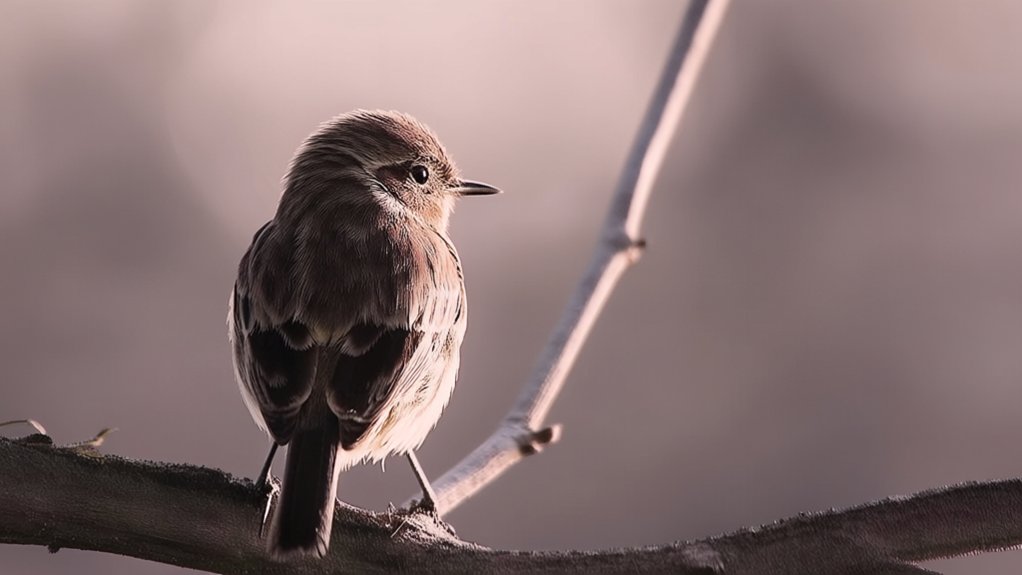
Yes, birds can suffer severe health issues from prolonged loneliness, including weakened immune systems, hormonal imbalances, and chronic stress that may shorten their lifespan. You’ll notice behaviors like feather plucking, lethargy, and increased vocal distress when they’re isolated.
Social interaction and environmental enrichment are essential for their mental and physical health. Understanding these signs and how stress impacts your bird provides crucial insight into preventing loneliness-related decline and promoting overall well-being.
Can Loneliness Really Kill Your Bird?
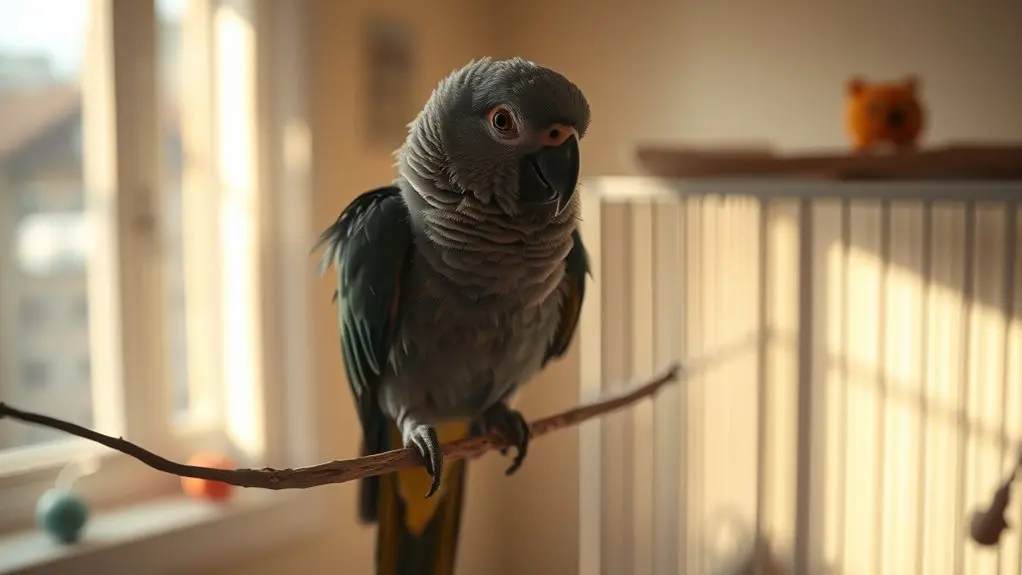
How seriously can loneliness affect your bird’s health? For social species like lovebirds and parrots, isolation triggers severe emotional distress that impacts physical well-being. You’ll notice prolonged loneliness weakens their immune system, making them more vulnerable to infections and illness.
This chronic stress often leads to behavioral changes such as feather plucking, depression, and reduced appetite. All of these contribute to deteriorating health. While loneliness alone doesn’t directly cause death, the resulting stress and behavioral problems are critically important in shortening your bird’s lifespan.
You must understand that social interaction is essential. Without companionship, your bird’s health can decline as sharply as if they’d a physical disease.
How Loneliness Changes Your Bird’s Health and Behavior
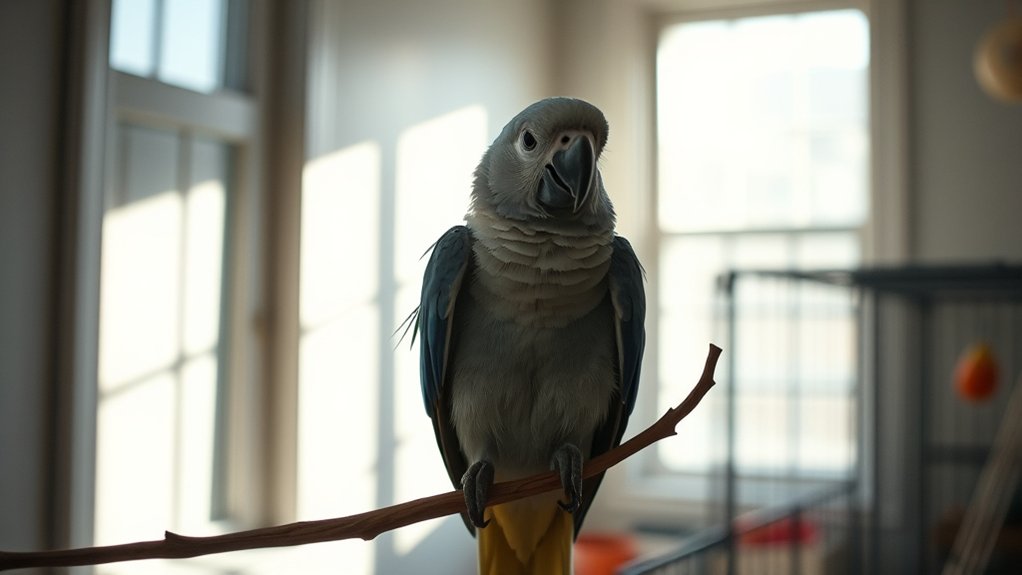
You’ll probably notice that when your bird feels lonely, it starts showing some pretty obvious changes in behavior. Things like feather plucking, singing less, or just pulling away from you become more common.
These signs aren’t just about emotions—they often point to a drop in your bird’s physical health too. Isolation can really take a toll by weakening their immune system and messing with their appetite.
Behavioral Changes From Isolation
When birds face extended isolation, their behavior often shifts noticeably, revealing underlying emotional distress and compromised health. You’ll observe increased vocalizations like screaming or alarm calls, signaling emotional discomfort. Birds may resort to feather plucking, pacing, or repetitive head swinging, all clear indicators of elevated stress.
Loneliness often leads birds to lose interest in food and toys, reflecting a withdrawal from their environment. You might notice them sitting fluffed up, avoiding interaction, which is a classic sign of avian depression. These behavioral changes aren’t merely psychological; they point to a weakening immune system, making your bird more vulnerable to illness.
Recognizing these signs early allows you to address isolation’s impact before it escalates. That way, you can help preserve your bird’s well-being and emotional balance.
Physical Health Decline
Although birds may not express loneliness the way humans do, prolonged isolation can trigger significant physical health declines that you can actually observe and measure. When your bird experiences extended loneliness, you might notice some clear signs.
For example, their immune system can weaken, making them more vulnerable to infections and diseases. You might also see weight loss and a decreased appetite, which directly impact their overall physical condition. Hormonal imbalances can occur too, disrupting reproductive health and physiological stability.
On top of that, there’s often a general decline in vigor and lifespan, which reduces your bird’s long-term well-being. These physical symptoms come as a direct result of chronic loneliness—not just behavioral issues.
Emotional Stress Indicators
Physical health changes in lonely birds often coincide with emotional stress responses that directly affect their behavior and well-being. You’ll notice decreased vocalization, withdrawal, and disinterest in toys or social interaction. Birds may fluff their feathers or tuck their heads, signaling discomfort.
Over time, stress can trigger feather picking, self-mutilation, or altered eating habits. These behaviors stem from hormonal shifts that weaken the immune system, increasing illness risk.
Subtle signs like increased screaming, aggression, or persistent lethargy also indicate emotional distress.
Recognizing these symptoms early is essential because they reveal your bird’s struggle with loneliness and its impact on health. Monitoring these indicators allows timely intervention to restore emotional balance and prevent further decline in your bird’s condition.
Recognizing Bird Loneliness and Depression Signs
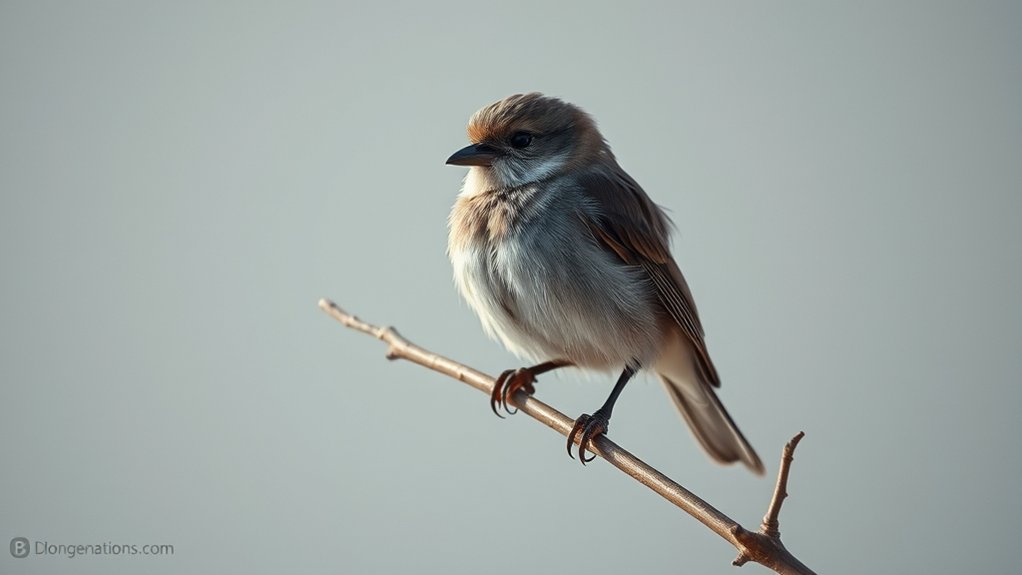
If you notice your bird suddenly becoming quieter or losing interest in its toys and social interactions, these could be early signs of loneliness or depression. You should closely observe for:
- Decreased vocalization and reduced activity levels, indicating emotional withdrawal.
- Changes in eating habits and fluffed feathers, signaling physical manifestations of distress.
- Behavioral shifts, such as increased screaming, pacing, or sitting quietly in a corner.
- Severe symptoms like feather plucking or self-mutilation, which reflect prolonged emotional suffering.
These signs suggest your bird may be experiencing significant emotional distress. If these behaviors persist for over two months, you should consult an avian veterinarian to evaluate and address potential mental health issues effectively.
Recognizing these indicators early can really help prevent further psychological decline. So, keep an eye on your feathered friend and don’t hesitate to seek help if needed.
How Loneliness Stress Hurts Your Bird’s Health
When your bird feels lonely, it can actually cause a lot of emotional stress. This stress messes with their hormones, which then affects their immune system and even their ability to reproduce.
Because of this, you might notice your bird’s health starting to decline. They could eat less and become more prone to getting sick.
If you see signs like feather plucking or your bird being quieter than usual, it’s a good indication that they’re struggling with being alone for too long.
Emotional Stress Effects
Although birds may not express loneliness like humans do, emotional stress from social isolation directly weakens their immune systems. This leaves them more vulnerable to infections and disease. When your bird experiences loneliness, you may notice some clear signs.
For example, hormonal imbalances can disrupt normal physiological processes and worsen health conditions. You might also see behavioral changes like feather plucking or avoidance of interaction, which signal distress. Sometimes, your bird may sit fluffed up, showing that its well-being is compromised.
Chronic depression can set in too, further impairing immune function and resilience. These stress-induced effects all work together to undermine your bird’s ability to cope with environmental challenges.
Catch these signs early means you can step in and help reduce your bird’s emotional stress. That way, you keep your bird healthier and happier for longer.
Physical Health Decline
Because prolonged loneliness triggers chronic stress responses in birds, it directly undermines their physical health by weakening immune defenses and disrupting critical physiological functions. You’ll notice that stressed birds often become prone to illnesses due to impaired immunity.
Loneliness-induced stress can also prompt harmful behaviors like feather plucking and self-mutilation, causing wounds and infections.
Additionally, depression linked to isolation typically reduces appetite, leading to weight loss and diminished crucial vitality. Hormonal imbalances caused by ongoing emotional distress interfere with reproductive and metabolic processes, further compromising health.
These physiological effects don’t just impair daily function; they also accelerate aging and shorten your bird’s lifespan.
Monitoring your bird’s behavior and health closely helps you identify stress-related decline early, so you can take action to improve their well-being.
Why Social Interaction Prevents Bird Loneliness
Since many bird species, such as lovebirds, naturally form strong pair bonds, they rely heavily on social interaction to maintain emotional health. You can see that when birds lack companionship, they often show signs of emotional distress.
Many bird species, like lovebirds, depend on social bonds to stay emotionally healthy and avoid distress.
Here’s why social interaction prevents bird loneliness:
- It reduces stress by providing mental stimulation and emotional support.
- It prevents behaviors like feather plucking and withdrawal caused by isolation.
- It promotes resilience, helping birds cope better with environmental changes.
- It increases lifespan by lowering chronic stress levels linked to social deprivation.
When you make sure your bird gets regular engagement, whether through interaction with humans or other birds, you’re actively supporting its psychological well-being. This helps prevent loneliness-related health declines and keeps your feathered friend happier overall.
Enriching Your Bird’s Environment to Fight Loneliness
You can help reduce your bird’s loneliness by giving it interactive toys and activities that challenge its mind and encourage natural behaviors like foraging. Birds love to stay busy, so keeping their brain active is key.
Also, adding social interactions is really important. Along with environmental touches like natural perches and safe plants, these things boost your bird’s mental stimulation even more.
Try to keep a consistent routine, but mix things up with different stimuli now and then. This balance helps your bird stay emotionally healthy and keeps boredom at bay.
Interactive Toys And Activities
When you enrich your bird’s environment with interactive toys and activities, you actively engage its cognitive and emotional faculties. This helps alleviate loneliness and keeps your bird happy and healthy.
To support your bird’s mental well-being, consider these strategies: Provide puzzle feeders and foraging toys that challenge its problem-solving skills. These help reduce boredom and keep things interesting.
Also, rotate toys regularly to maintain novelty and continuous stimulation. You can even use DIY toys made from safe, bird-friendly materials. Tailor these to your bird’s preferences for active engagement.
Incorporate natural elements such as branches, mirrors, or bells into toys. These add sensory input and comfort, making playtime even more enjoyable for your feathered friend.
Social And Environmental Stimulation
How can you effectively reduce your bird’s loneliness through social and environmental stimulation? Enrich your bird’s environment with diverse toys, natural elements like plants, and varied perches to engage its cognitive functions. Regular interaction, like talking, singing, or gentle handling, fulfills social needs and helps combat boredom.
Rotating toys and changing cage setups keep things fresh and interesting for your bird. Creating safe out-of-cage spaces encourages exploration and exercise, which supports your bird’s emotional well-being.
| Stimulation Type | Examples | Benefits |
|---|---|---|
| Physical | Perches, climbing toys | Encourages natural behaviors |
| Mental | Foraging puzzles, mirrors | Promotes cognitive engagement |
| Social | Talking, singing, handling | Meets social interaction needs |
| Environmental | Plants, varied cage setup | Enhances emotional health |
This multi-faceted approach helps prevent loneliness-induced stress and promotes overall bird welfare.
Introducing New Companions to Your Lonely Bird
Although introducing a new companion to a lonely bird requires patience, taking gradual steps allows both birds to acclimate and observe each other’s behaviors safely. To do this effectively, follow these steps:
Introducing a new bird companion requires patience and gradual steps for safe acclimation and observation.
- Allow time for your bird to grieve before introducing another, ensuring emotional readiness.
- Place cages near each other initially so they can observe and vocalize without direct contact.
- Monitor for positive signals like increased activity, vocalizations, and mutual preening, which indicate trust-building.
- Consult an avian veterinarian or behaviorist to tailor the introduction to your bird’s specific needs.
This approach minimizes stress, promotes healthy social interactions, and supports your bird’s well-being during this sensitive progression.
It might take a little time, but it’s definitely worth it for your feathered friend’s happiness.
Common Behavioral Changes in Lonely Birds to Watch For
If you notice your bird’s behavior shifting noticeably, it may be signaling emotional distress caused by loneliness. Birds often reduce vocalization and become unusually quiet. You might also see increased stereotypical actions like pacing or head swinging.
Feather plucking can develop as a response to prolonged stress. A decline in appetite and weight loss might indicate depressive states. Plus, your bird may start to withdraw socially, avoiding both you and other birds.
| Behavioral Change | Observation Details |
|---|---|
| Decreased Vocalization | Bird becomes quieter than usual |
| Stereotypical Behaviors | Pacing, toe tapping, repetitive movements |
| Feather Plucking | Excessive self-preening or feather loss |
| Social Withdrawal | Avoids interaction with humans or birds |
When to Seek Veterinary or Professional Help for Lonely Birds
Recognizing behavioral changes like decreased vocalization, feather plucking, or social withdrawal is important. But knowing when to act on these signs can make a big difference in your bird’s well-being.
You should seek veterinary or professional help if you notice persistent depression symptoms such as lethargy, loss of appetite, or feather plucking lasting over two months.
Also, watch out for increased aggression or self-mutilation, which could mean severe emotional distress.
If your bird shows signs of chronic stress affecting immune function, like frequent illness or slow recovery, it’s time to get help.
Withdrawal from social interaction or dramatic changes in vocalization patterns are also red flags.
Early intervention by an avian veterinarian or behaviorist is key. They can diagnose underlying mental health issues and prevent further physical or emotional decline.
Helping Your Bird Bounce Back After Loss
When a bird experiences loss, providing consistent attention and interactive stimulation plays a vital role in its emotional recovery. You should offer engaging toys and social activities to encourage mental engagement.
Keep an eye out for behavioral changes like increased vocalization or curiosity, which signal progress. Gradually reintroduce companionship or new mates only when your bird shows interest to avoid stress.
Make sure to maintain proper nutrition, hygiene, and environmental enrichment to support both physical and mental health. Consulting an avian veterinarian or joining pet communities can give you valuable guidance during this period.
| Focus Area | Action | Observation Indicator |
|---|---|---|
| Emotional Support | Interactive toys, socializing | Increased vocalization |
| Companionship | Gradual reintroduction | Curiosity toward new mates |
| Health | Nutrition, hygiene, enrichment | Stable physical condition |
Frequently Asked Questions
What Bird Species Are Most Prone to Loneliness?
You’ll find lovebirds, cockatoos, and parrots most prone to loneliness due to their strong pair bonds and social needs.
African greys and macaws also suffer without daily interaction, as their flock instincts increase vulnerability.
These birds really thrive when they have company, so if you’re thinking about keeping one, be prepared to give them plenty of attention.
Can Certain Toys Reduce Bird Loneliness Effectively?
You can kill two birds with one stone by using puzzle and foraging toys, which stimulate your bird’s mind and reduce loneliness. Regularly rotating safe, interactive toys tailored to their preferences keeps them engaged and emotionally healthy.
It’s all about mixing things up and keeping their environment interesting. When birds have to work a little for their treats or figure out a puzzle, it really helps pass the time and keeps their brains sharp. Plus, it can make them feel less alone when they’re busy with something fun.
How Often Should I Interact With My Bird Daily?
You should interact with your bird for several hours daily, ideally in multiple short sessions. Frequent, meaningful engagement reduces stress and behavioral issues. It also promotes emotional well-being far more effectively than passive presence or infrequent contact.
Spending quality time with your bird really makes a difference. So, try to break up your interactions throughout the day instead of doing it all at once. Your bird will appreciate the attention and feel more secure.
Does Loneliness Affect Younger and Older Birds Differently?
Loneliness hits younger birds like a sudden storm, rapidly disrupting their social needs. Older birds feel it as a slow, creeping fog affecting their established bonds and health resilience.
You’ll notice quicker distress in juveniles. It’s like their world shifts all at once, while older birds experience a gradual change. Both feel the impact, just in different ways.
Are There Specific Diets That Help Lonely Birds?
You should provide lonely birds a diet rich in antioxidants, calcium, and omega-3s, including fresh fruits, vegetables, and quality pellets. This supports their immune system, reduces oxidative stress, and stabilizes mood during emotional recovery.
It’s really important to keep their nutrition balanced because it can make a big difference in how they feel. Adding a variety of foods keeps things interesting for them too, which can help with loneliness. So, think of their diet as part of their overall care and comfort.
Conclusion
Think of your bird like a delicate instrument. Left silent too long, its notes falter. Studies show birds deprived of social interaction can suffer weakened immune responses, much like a violin string losing tension.
You can’t let loneliness silence your feathered friend. By recognizing behavioral shifts and fostering companionship, you help restore their vibrant song. Just as an orchestra thrives on harmony, your bird’s health depends on connection and care.