
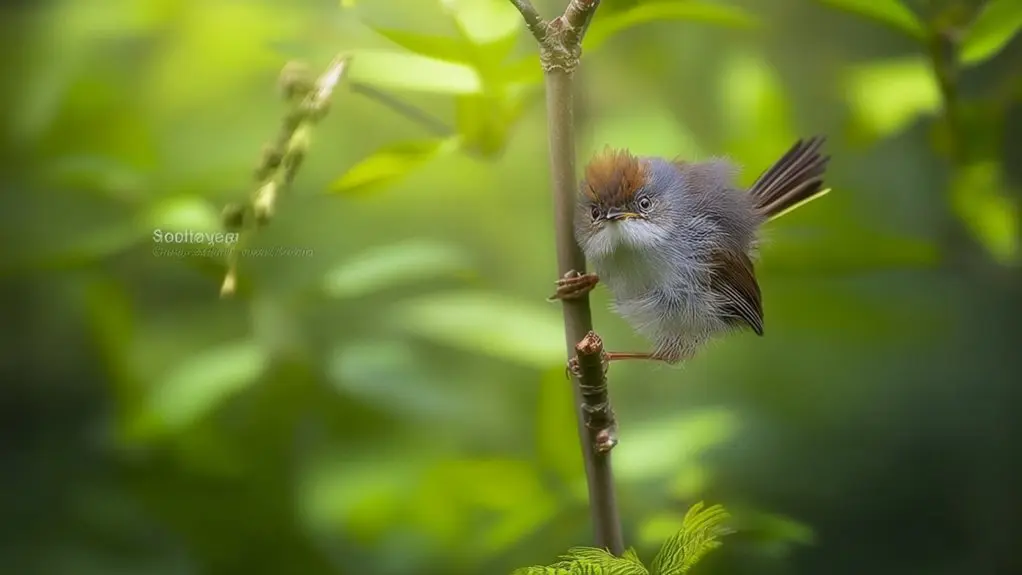
Yes, birds can die from shock caused by trauma, stress, or severe environmental changes. You’ll notice signs like immobility, rapid breathing, and weakness.
Immediate, gentle care is essential to improve survival chances. Place the bird in a warm, quiet space and try to keep it calm. Avoid feeding or giving water prematurely because it can actually make things worse.
Acting quickly and contacting a wildlife rehabilitator can make a vital difference. Understanding these steps helps you protect and support the bird’s recovery effectively.
How to Recognize If a Bird Is in Shock
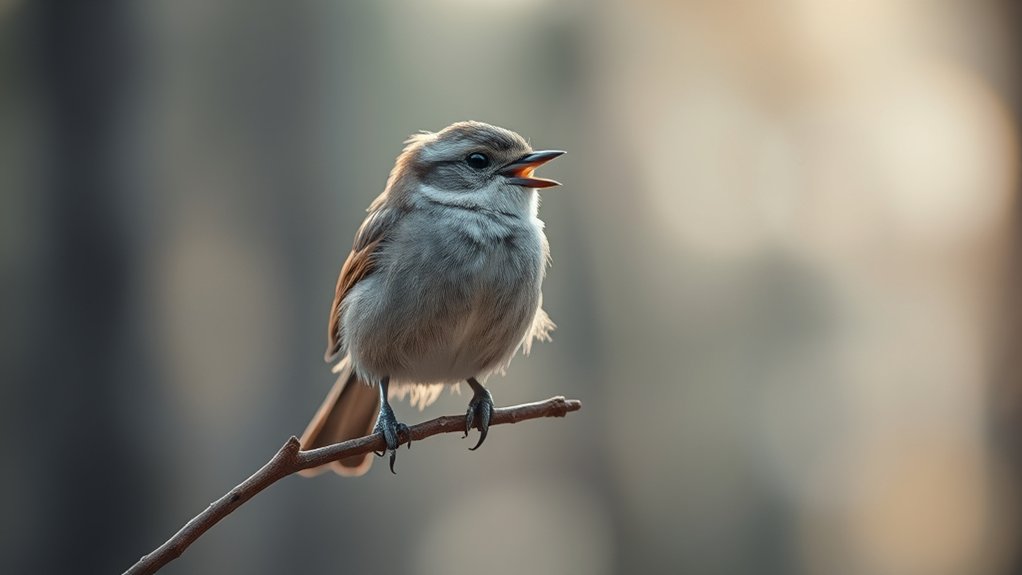
When you encounter a bird that remains immobile on the ground and doesn’t try to fly away, it might be in shock. Look for fluffed feathers, weakness, and unresponsiveness because these are key signs.
A bird sitting still on the ground with fluffed feathers may be in shock.
Check the eyes carefully. Crusted, swollen, or bleeding eyes, or dilated pupils, can suggest the bird is injured and in shock.
Watch how the bird is breathing. Rapid or labored breathing, especially if the bird has its beak open, shows it’s in distress.
Also, if the bird feels cold to the touch and isn’t interested in food, it’s likely experiencing shock.
Putting these signs together helps you recognize a bird in shock quickly and take the right action without delay.
Common Causes and Effects of Shock in Birds
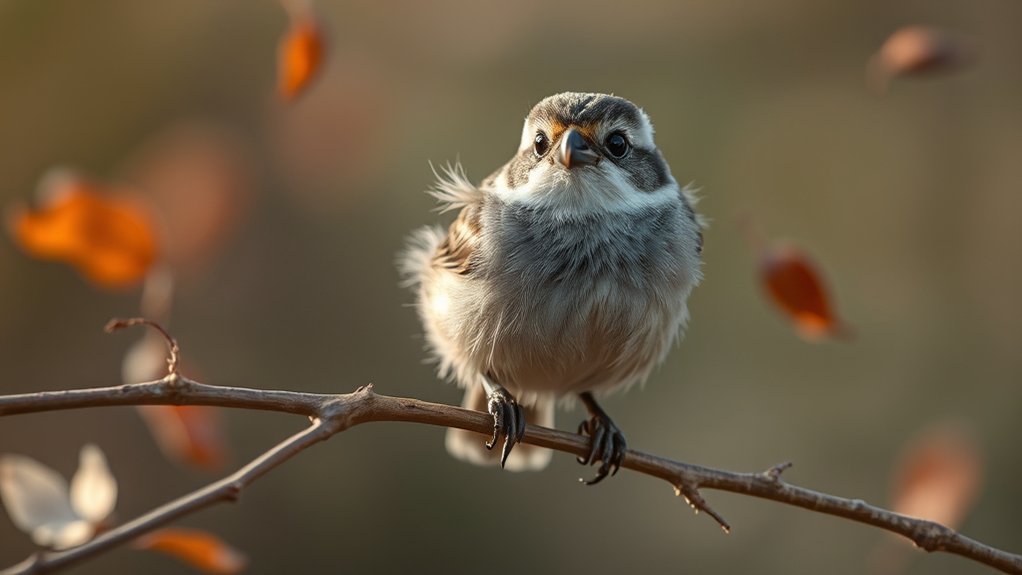
Identifying signs of shock in a bird is only the first step; understanding what causes shock and its effects is equally important. Physical trauma such as broken necks or internal injuries, stressful handling, and sudden environmental changes can trigger shock. Heart attacks from panic or overexertion may also cause sudden death.
If untreated, delayed symptoms like weakness and immobility increase mortality risk. You really have to act quickly to minimize these effects and improve survival chances.
| Common Causes | Effects on Birds |
|---|---|
| Physical trauma (injuries) | Internal bleeding, immobility |
| Stressful handling/noises | Panic, heart attacks |
| Environmental extremes | Weakness, rapid deterioration |
How Long Do Birds Stay in Shock?
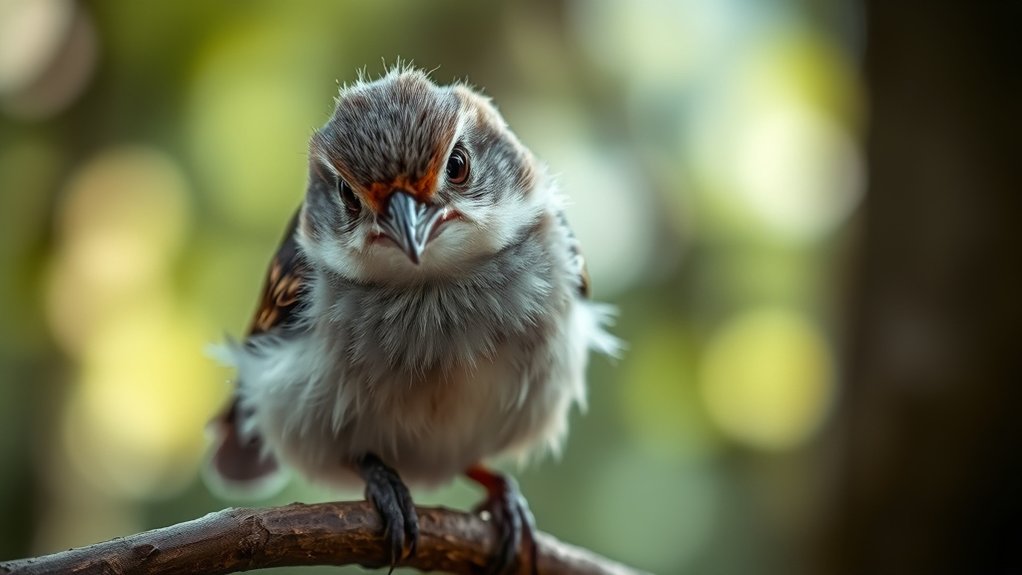
Although the duration of shock in birds varies widely, you can expect it to last anywhere from a few minutes to several hours depending on the injury’s severity and the bird’s overall condition.
Shock duration in birds ranges from minutes to hours, influenced by injury severity and overall health.
Mild shock cases often resolve within 10 to 30 minutes with proper care, while severe shock may persist for several hours or longer.
Physical symptoms such as weakness and disorientation typically improve before full recovery.
However, even if a bird appears to stabilize, continuous monitoring and supportive care remain essential since recovery times differ.
Factors influencing shock duration include the bird’s health status, the nature of the injury, and how quickly you intervene.
Prompt and appropriate response can greatly reduce shock duration and improve outcomes.
Signs of Breathing and Recovery in a Shocked Bird
You’ll want to keep a close eye on the bird’s breathing. Watch for any signs that it’s struggling, like rapid, shallow, or labored breaths.
As the bird starts to recover, you should see its breathing slow down and become more regular.
But if the breathing stays irregular or stops altogether, it’s really important to get veterinary help right away.
Breathing Patterns To Watch
When a bird is in shock, its breathing often becomes rapid, shallow, or irregular. This signals distress that requires close monitoring. You should watch for labored or open-mouth breathing, as these signs may indicate severe shock needing urgent veterinary care.
Also, cold or clammy skin combined with abnormal breathing patterns suggests the bird is in critical condition. Monitoring the frequency and ease of respiration helps you assess whether the bird is stabilizing or deteriorating.
Pay close attention to any changes in breathing rhythm and effort. These are essential indicators of the bird’s current state. Prompt recognition of these patterns allows timely intervention, which can be indispensable to the bird’s survival and recovery from shock.
Indicators Of Gradual Recovery
As a bird begins to recover from shock, its breathing slows and becomes more regular, signaling a positive shift in its condition. You should look for key indicators that confirm gradual improvement.
- Breathing shifts from labored to rhythmic, showing ongoing respiratory recovery.
- The bird responds to gentle stimuli or touch, reflecting regained neurological function.
- You may notice slight muscle movements or twitching, indicating nervous system activity.
- Open-mouth breathing or panting ceases, demonstrating stabilization and healing progress.
Monitoring these signs helps you assess the bird’s recovery accurately. Prompt recognition allows for timely supportive care, increasing the chances of full recuperation.
Always continue to observe calmly and avoid stressing the bird during this critical phase.
What to Do When a Bird in Shock Hits a Window
When a bird hits a window and seems to be in shock, the first thing you want to do is check how it’s doing. Look for signs like if it’s not moving much, having trouble breathing, or not responding to nearby sounds or movement.
If it looks like it needs help, gently pick it up and place it somewhere dark, quiet, and warm. This will help keep the bird calm and reduce stress, especially if you need to move it somewhere.
After that, it’s important to get in touch with a wildlife rehabilitator or a vet as soon as you can. They’re the best people to give the bird the urgent care it needs.
Immediate Bird Assessment
Although encountering a bird that has collided with a window can be alarming, you should first make certain the bird is immobile or unresponsive before approaching to minimize additional stress. Once confirmed, assess the bird methodically:
- Observe signs of shock, including fluffed feathers, weakness, labored breathing, or unresponsiveness.
- Place the bird gently into a dark, quiet, ventilated box lined with a soft cloth to reduce stress.
- Guarantee the bird remains warm and undisturbed to prevent shock progression.
- Prepare to transport the bird promptly to a wildlife rehabilitator or veterinarian for professional evaluation and treatment.
This immediate assessment helps stabilize the bird, increasing its chances of recovery without making injuries or stress worse. Just take it step by step, and you’ll be giving the bird the best chance to get better.
Safe Handling Techniques
If you need to handle a bird that has struck a window and is in shock, approach it calmly and gently to prevent further stress or injury. Wear gloves and support the bird’s body securely without squeezing, minimizing the risk of additional trauma.
Place the bird in a dark, quiet, and warm environment to help reduce shock and promote stabilization.
Carefully examine for visible injuries like bleeding or broken wings, but avoid excessive movement if injuries are apparent.
Limit handling time and prepare for safe transport. Moving the bird cautiously to a wildlife rehabilitator ensures professional assessment and treatment.
Your careful, controlled handling plays a critical role in the bird’s initial recovery and chances of survival after window impact.
Urgent Veterinary Care
How should you respond immediately after a bird hits a window and shows signs of shock? Act quickly to prevent further harm.
Gently handle the bird with gloves, keeping movement to a minimum so you don’t make any internal injuries worse. Keep the bird warm and place it somewhere quiet and dark to help reduce stress.
Watch for signs of shock like weakness, unresponsiveness, labored breathing, or cold extremities. These are important clues about how the bird is doing.
Transport the bird carefully in a ventilated box lined with a soft cloth. Keep the temperature steady and avoid loud noises or sudden movements to keep the bird calm.
Seek urgent veterinary care without delay. Untreated shock can cause death within hours. Immediate professional help is critical for internal injuries and to stabilize the bird’s condition.
Your quick action can make a big difference in the bird’s chances of survival. Don’t wait — get help right away.
How to Safely Care for a Bird in Shock
When caring for a bird in shock, you must handle it with extreme care, supporting its body gently to minimize stress and prevent injury.
Place the bird in a dark, quiet, and warm environment to reduce shock symptoms and aid recovery.
Use a ventilated box lined with soft cloth for transport, ensuring the temperature remains stable around 85°F.
Avoid feeding or providing water until a veterinary professional evaluates the bird. Premature feeding can cause choking or make stress worse.
Keep a close eye on the bird for any signs it’s getting worse, like labored breathing or lethargy.
Getting the bird to a vet right away is really important for its survival and recovery.
Your careful handling and quick action can make a big difference in how well the bird recovers from shock.
Why You Shouldn’t Feed or Give Water to a Shocked Bird
Handling a bird in shock requires careful attention to its immediate needs, including withholding food and water until professional evaluation. Feeding or hydrating a shocked bird can cause serious complications.
Here’s why you shouldn’t offer food or water prematurely: Shocked birds often have shallow or labored breathing. Introducing food or water risks airway obstruction. Aspiration from feeding can worsen respiratory distress or even cause death.
Water intake may lead to drowning if the bird is too weak to swallow properly. Premature feeding or watering can interfere with veterinary treatments or the bird’s natural recovery process.
When and Why to Contact a Wildlife Rehabilitator
If you encounter a native bird that appears immobile, weak, or unresponsive, you should contact a licensed wildlife rehabilitator immediately. Signs such as the inability to fly or abnormal behavior indicate the bird requires professional assessment and care.
Wildlife rehabilitators possess specialized training to safely evaluate and treat injured or ill birds, improving their chances of recovery.
Always make sure you reach out to a licensed rehabilitator to comply with legal and ethical standards. Prompt intervention prevents further injury or distress and facilitates the bird’s safe return to its natural environment.
Avoid attempting treatment yourself, as improper handling can make the bird’s condition worse.
How to Support a Bird’s Recovery and Safe Release
To support a bird’s recovery effectively, you should provide a dark, quiet, and warm environment. This helps minimize stress and promotes healing. Try to avoid unnecessary handling or stimulation because that can delay recovery.
Let the bird rest undisturbed until it regains strength and shows it’s ready for release. When the bird is active and capable of flight, you can start following these steps:
- Keep disturbances minimal to prevent stress.
- Monitor the bird’s activity and flying ability closely.
- Gradually reintroduce the bird to a safe, familiar outdoor environment.
- Consult a wildlife rehabilitator to determine the best timing and conditions for release.
Following these guidelines will help ensure a safe recovery and increase the bird’s chances of survival once it’s released.
Frequently Asked Questions
Can Shock Cause Long-Term Behavioral Changes in Birds?
Yes, shock can cause long-term behavioral changes in birds. You’ll notice increased fearfulness, avoidance, and reduced feeding.
They might also show altered vocalization and anxiety-related behaviors. These changes can stick around for a while.
This can really impact their social interactions, nesting, and foraging abilities considerably. So, it’s something to keep an eye on if you care about their well-being.
Are Certain Bird Species More Prone to Shock Than Others?
You’ll find that smaller birds, like finches, face up to a 50% higher risk of shock due to their delicate physiology.
It’s important to handle them carefully. Species differences really do affect how prone birds are to shock and their chances of survival.
Does Bird Age Affect Susceptibility to Shock?
Yes, bird age affects shock susceptibility. Younger birds have immature systems, making them more vulnerable. Older birds may resist shock better unless their health declines.
You should monitor age-related signs closely. This helps provide timely care and prevent fatal outcomes. Keeping an eye on these changes is really important for your bird’s well-being.
Can Shock Be Prevented During Bird Transportation?
You can cradle your bird like a fragile whisper, preventing shock by keeping transport calm, warm (85-90°F), quiet, and gentle. Secure, ventilated containers help a lot.
Make sure the delivery is prompt and smooth to reduce stress. This way, you minimize the risk of shock effectively. Just keep everything as peaceful as possible during the trip.
Is Shock in Birds Hereditary or Genetic?
Shock in birds isn’t hereditary or genetic. You’ll find it’s triggered by trauma or stress, not inherited traits.
While genetics affect overall health, they don’t directly influence shock’s immediate physiological response in birds. So, it’s more about what happens to the bird rather than what it’s born with.
Conclusion
You might expect a bird in shock to recover quickly with food and water, but offering these too soon can actually make things worse. Shock can be life-threatening, so it’s important to act carefully.
Quick and calm intervention really helps. Contacting a wildlife rehabilitator as soon as possible can increase the bird’s chances of survival.
Remember, there’s a delicate balance between doing too much and doing too little. Acting too fast or too slow can be the difference between life and death.
Your careful response will support the bird’s safe recovery and eventual release. Just take it one step at a time.