
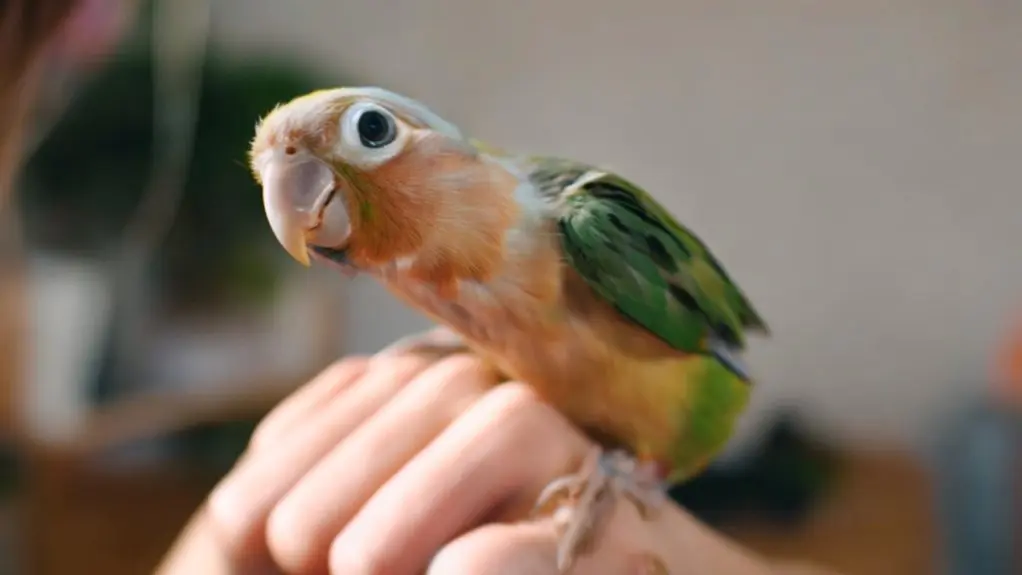
You can’t catch COVID-19 from your pet bird because birds aren’t susceptible to the virus and don’t transmit it to humans. COVID-19 mainly spreads through close contact among people and targets mammalian cells, which birds lack.
Studies show no evidence of birds contracting or carrying the virus, and their immune systems differ from mammals. Knowing this helps protect your birds effectively.
So, there’s really no need to worry about catching COVID-19 from your feathered friends. That’s why concerns about bird-to-human transmission just don’t hold up.
How COVID-19 Spreads Between People and Animals
Although COVID-19 primarily spreads between people through respiratory droplets from coughing, sneezing, or talking, you might wonder whether animals, including birds, can play a role in transmission.
Current research shows that while animals like cats and minks can catch COVID-19 from humans, birds aren’t considered susceptible. Their unique physiology related to flight and feather coloration doesn’t seem to support infection or viral replication.
Transmission mainly happens through close human contact or contaminated surfaces, not through interaction with birds.
So far, scientific evidence confirms there are no documented cases of birds spreading COVID-19 to humans.
Because of this, precautionary measures focus on reducing human-to-human spread. You really don’t need to worry about birds as carriers in this pandemic.
Why Birds Are Unlikely To Catch COVID-19
Because SARS-CoV-2 primarily targets mammalian cells, birds have a natural resistance to COVID-19 infection. You should understand that the virus’s entry depends on specific receptors, which differ markedly in avian species. This difference limits the virus’s ability to infect bird cells.
Avian immunity plays a vital role here. Birds possess immune defenses adapted to coronaviruses distinct from the betacoronavirus causing COVID-19. Most coronaviruses in birds belong to gammacoronaviruses or deltacoronaviruses, which don’t cross species barriers easily.
Also, virus mutation hasn’t shown an ability to overcome these species-specific barriers in birds. So, birds are unlikely to serve as natural hosts or reservoirs for COVID-19. This reduces the risk of transmission from humans to birds or vice versa.
Birds and COVID-19: Testing Results and Findings
Scientific studies have tested various bird species to determine their susceptibility to COVID-19. So far, no evidence shows that birds can contract the virus from humans. Testing across both wild and pet avian species has consistently failed to detect SARS-CoV-2 infection.
This supports the conclusion that birds have robust avian immunity against this virus. Research highlights significant differences in the receptor proteins birds possess. These differences reduce the likelihood of virus mutation enabling human-to-bird transmission.
Surveillance data worldwide hasn’t identified any confirmed COVID-19 cases in bird populations. These findings suggest that birds neither become infected nor serve as vectors for the virus.
Can Birds and Pets Carry COVID-19 Without Infection?
Even if birds and pets live closely with humans, current evidence shows they don’t carry COVID-19 without becoming infected. Research indicates birds aren’t susceptible to SARS-CoV-2, meaning they neither contract nor pass the virus as passive carriers.
Despite their frequent contact with humans, neither bird migration nor feather grooming has been linked to COVID-19 transmission.
While birds host other coronaviruses, these differ markedly from the beta-coronavirus responsible for COVID-19 in humans.
The virus primarily spreads via human-to-human contact or contaminated surfaces, not through animals. Scientific studies have yet to document birds or common pets harboring SARS-CoV-2 without infection.
Tips To Keep Your Birds Safe During COVID-19
Although birds aren’t known to contract or transmit COVID-19, it’s still important to take precautions to keep them safe during the pandemic. You can protect your bird’s feather health and overall well-being by following these key tips:
Birds don’t catch COVID-19, but precautions help maintain their health and safety during the pandemic.
First, practice bird quarantine when introducing new birds. This helps prevent any unknown pathogens from spreading.
Also, wash your hands thoroughly before handling birds to minimize the risk of transferring other infectious agents.
Try to avoid close contact like kissing or sharing food with your birds. It’s a simple way to reduce potential exposure.
And don’t forget to clean and disinfect cages and accessories regularly. This lowers the chances of fomite transmission and keeps your bird’s environment healthy.
Birds and COVID-19: Myth Busting
You might be wondering if your bird can catch or spread COVID-19. Well, current scientific evidence shows that birds aren’t susceptible to SARS-CoV-2.
Plus, there hasn’t been any documented transmission between birds and humans. So, knowing these facts can really help you avoid unnecessary worry about your feathered friends.
Bird Susceptibility To COVID-19
Since you’ve probably wondered whether your pet bird can catch COVID-19, current scientific evidence shows that birds don’t contract the virus from humans. This avian resistance comes from their unique bird immunity, which is quite different from mammals. Here’s what you should know:
- SARS-CoV-2, the virus causing COVID-19, doesn’t replicate effectively in birds.
- Coronaviruses that infect birds, like avian infectious bronchitis virus, are different from the human virus.
- There are no confirmed cases of birds transmitting COVID-19 to humans or other animals.
- Public health and veterinary authorities say bird owners don’t need to worry about infecting their feathered pets.
Transmission Risks Between Birds
Understanding that birds don’t contract COVID-19 from humans naturally leads to questions about whether the virus can spread between birds themselves. Scientific studies show that birds possess strong avian immunity, which acts as a natural transmission barrier against SARS-CoV-2.
The coronaviruses that infect birds, like avian infectious bronchitis virus, differ markedly from the human COVID-19 virus. Experimental infections have revealed no viral replication or illness in birds exposed to SARS-CoV-2.
So, the risk of transmission between birds is negligible.
While good hygiene around birds is always advised, there’s no evidence to support bird-to-bird COVID-19 spread. You can confidently understand that avian immunity and inherent transmission barriers prevent birds from becoming carriers or transmitters of COVID-19 among themselves.
Where To Find Reliable COVID-19 Updates For Birds and Pets
You should rely on trusted veterinary organizations like the AVMA, along with official health agencies such as the CDC and WHO, for accurate COVID-19 updates related to birds and pets.
These sources provide regularly updated, science-based information on transmission risks and safety guidelines.
By keeping an eye on their communications, you’ll stay informed about the latest research and recommendations.
It’s the best way to make sure you’re getting reliable info you can trust.
Trusted Veterinary Organizations
Although information about COVID-19 and its impact on birds continues to evolve, trusted veterinary organizations like the American Veterinary Medical Association (AVMA) and the World Organisation for Animal Health (OIE) provide reliable, up-to-date guidance.
These organizations base their recommendations on the latest scientific research, helping you protect your birds, maintain their natural bird flight behaviors, and guarantee their avian diet remains unaffected by misinformation.
You should rely on these trusted sources because they:
- Regularly update COVID-19 guidelines specific to pets and birds.
- Confirm minimal risk of birds contracting or spreading the virus from humans.
- Provide clear advice to safeguard your pet’s health and well-being.
- Help you avoid false claims that could disrupt natural bird flight or alter avian diet unnecessarily.
Turning to these experts ensures you give your birds the best care during the pandemic. It’s always a good idea to stick with trusted sources—they’ve got your birds’ best interests at heart.
Official Health Agency Updates
Trusted veterinary organizations like the AVMA and OIE offer valuable guidance. But staying informed through official health agencies such as the CDC and WHO guarantees you get the most current and scientifically verified updates on COVID-19 and its effects on birds and pets.
These agencies regularly update research findings to clarify risks related to bird migration and avian vocalizations. These topics have raised questions about virus transmission.
Current evidence shows no confirmed cases of birds transmitting COVID-19 to humans or other animals.
By consulting these reliable sources, you make sure your knowledge reflects the latest safety protocols and scientific data. Regularly checking official updates helps you understand how COVID-19 impacts birds and pets.
This way, you can protect your animals effectively and respond to evolving health information.
Frequently Asked Questions
Can Birds Transmit COVID-19 to Other Animals?
You won’t find evidence that birds transmit COVID-19 to other animals, despite their avian intelligence and bird migration habits.
Studies show they don’t carry SARS-CoV-2, so the risk of transmission remains extremely low.
In other words, birds just aren’t part of the COVID-19 spread story. It’s pretty reassuring, right?
Are Certain Bird Species More Resistant to COVID-19?
Like a fortress against a storm, certain bird species show strong bird immunity, reducing species susceptibility to COVID-19. Their unique cellular structures make them less prone to infection, offering you reassurance about their viral resistance.
It’s pretty fascinating how these birds have built-in defenses that keep the virus at bay. So, when you see these birds around, you can feel a bit more confident that they’re not easily affected by COVID-19.
How Should Bird Owners Clean Cages During the Pandemic?
You should follow bird cage cleaning sanitation protocols by washing cages with soap and water, then a bird-safe disinfectant. Always clean accessories, wash hands before and after, and guarantee good ventilation to minimize viral transmission risks.
Keeping things clean is super important right now, so make sure you’re thorough but gentle with your feathered friend’s stuff. Good airflow helps keep the space safer for everyone too!
Can COVID-19 Affect a Bird’s Respiratory System?
COVID-19 doesn’t affect a bird’s respiratory system because bird immunity resists this virus.
Viral transmission mainly occurs among humans and mammals, so you don’t need to worry about your bird catching COVID-19 from you.
Is Vaccination Available for Birds Against COVID-19?
You won’t find bird vaccination against COVID-19 because avian immunity doesn’t require it. Scientific evidence shows birds aren’t susceptible, so no vaccines exist or are needed to protect birds from this virus currently.
Basically, birds don’t catch COVID-19 like humans do, so there’s no need to create vaccines for them. It’s kind of a relief, right? So, for now, bird owners don’t have to worry about vaccinating their feathered friends against this virus.
Conclusion
Think of your bird as a delicate instrument. While COVID-19 can echo loudly among humans, it barely hums in birds. Studies show birds rarely contract or spread the virus. So, you don’t have to worry about your feathered friend catching COVID-19 from you.
By following simple hygiene and distancing tips, you keep their environment safe. Protecting your bird is less about fear and more about thoughtful care. This way, you ensure their health stays in perfect harmony.