
Yes, birds can get chlamydia caused by *Chlamydia psittaci*. Often, they don’t show any symptoms but can still shed bacteria through respiratory secretions and droppings.
You might notice signs like lethargy, sneezing, or abnormal droppings if a bird is sick. The bacteria spread mainly through inhaling contaminated particles. Diagnosis usually relies on clinical signs along with lab tests.
Proper hygiene and veterinary care help manage the risks. Understanding how transmission works and what treatment options are available can guide your next steps.
What Is Chlamydia in Birds?
What causes chlamydia in birds, and how does it affect them? Chlamydia in birds results from infection by the bacterium *Chlamydia psittaci*, which targets multiple avian species.
While many infected birds remain asymptomatic, they actively shed bacteria via respiratory secretions and droppings, posing transmission risks.
The condition, also called avian chlamydiosis or psittacosis, can lead to respiratory and gastrointestinal issues in symptomatic birds.
Preventing infection hinges on effective bird vaccination programs and stringent environmental hygiene practices.
Maintaining clean cages and minimizing exposure to contaminated droppings reduce bacterial spread.
What Are the Signs of Chlamydia Infection in Birds?
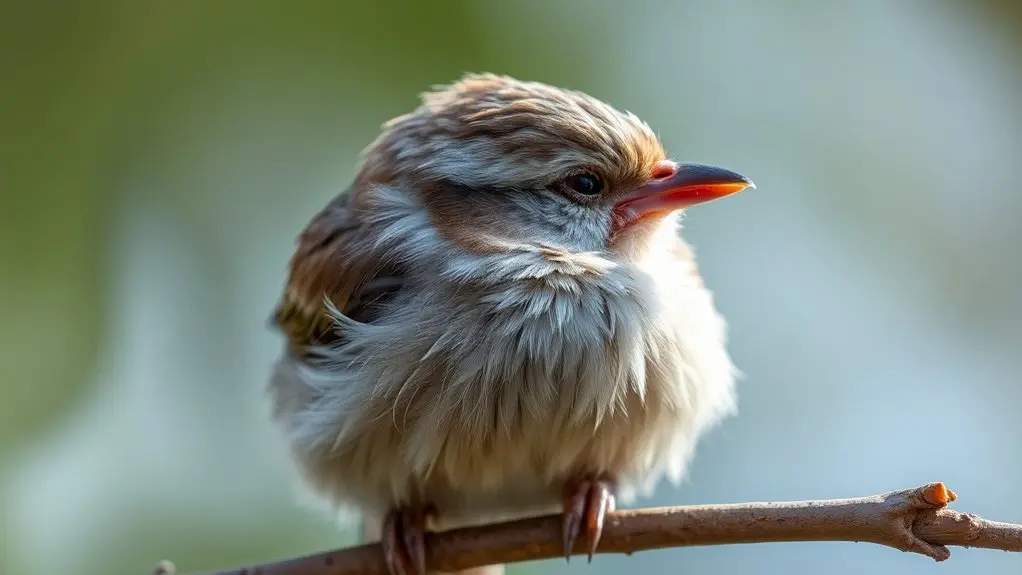
Recognizing signs of chlamydia infection in birds can be challenging since many infected individuals show no obvious symptoms. However, you should monitor bird behavior closely, as lethargy and reduced activity levels often indicate illness.
Respiratory symptoms such as sneezing, labored breathing, and nasal or ocular discharge are significant clinical signs to watch for.
Additionally, green urates and loose droppings, including diarrhea, frequently accompany infection.
Environmental factors like poor ventilation or overcrowding can make these symptoms worse, stressing the birds and potentially masking early signs.
Because symptoms are subtle, regular health checks under controlled environmental conditions are essential for early detection and management.
How Does Chlamydia Spread Among Birds?
Although chlamydia infection in birds can be difficult to detect, understanding how the disease spreads is essential for effective prevention and control. Bird transmission primarily occurs through inhalation of respiratory secretions and droppings from infected individuals.
Detecting chlamydia in birds is challenging, but knowing its transmission is key to prevention.
Environmental contamination plays a critical role, as bacteria persist in cages, bedding, and other shared habitats.
You should be aware that even asymptomatic birds can shed *Chlamydia psittaci*, which helps the disease spread without being noticed.
Key transmission routes include:
- Inhalation of aerosolized bacteria from dried droppings or secretions
- Contact with contaminated surfaces such as cages and bedding
- Rare transmission via bites or beak contact with infected birds
How Is Chlamydia Diagnosed and Treated in Birds?
Since early detection is essential for managing chlamydia in birds, diagnosis relies on clinical signs supported by laboratory tests such as PCR or serology.
Rapid antigen tests like the MEGACORs FASTest® CHLAM Ag provide results within 20 minutes using cloacal or choanal swabs.
Blood tests detect antibodies to confirm current or past infection.
Genetic sequencing helps identify specific strains and monitor potential antibiotic resistance.
Treatment primarily involves antibiotics like doxycycline, which should be given promptly to eliminate the bacteria.
You’ll need follow-up testing to confirm full recovery and prevent ongoing transmission.
Monitoring for antibiotic resistance is critical to ensure effective therapy and to adapt treatment protocols accordingly.
Can Birds Pass Chlamydia to People?
- Breathe in dust from dried bird droppings or secretions.
- Handle infected birds without protective measures.
- Work closely with birds in environments lacking proper sanitation.
Since infected birds often appear healthy, you might unknowingly encounter the bacteria. It’s pretty sneaky like that.
Understanding these transmission routes is essential to minimize your risk of psittacosis.
Just being aware can make a big difference in staying safe around birds.
How to Prevent Chlamydia Infection in Pet Birds
| Preventive Measure | Action Detail |
|---|---|
| Bird Enclosure Hygiene | Clean and disinfect cages routinely. This helps get rid of bacteria and keeps your bird’s environment safe. Make sure to remove droppings and old food regularly. It’s all about keeping things fresh and clean. |
| Protective Gear | Use gloves and masks when handling your bird. This protects you from germs and keeps your bird calm too. It’s a simple step that makes a big difference. |
| Veterinary Check-ups | Schedule regular health assessments for your bird. Early detection can prevent serious problems. Your vet can also give advice tailored to your bird’s needs. |
| Handling Precautions | Avoid contact with respiratory secretions and droppings. These can carry the infection, so be careful when cleaning or handling. It’s worth being cautious to keep everyone safe. |
| Hand Hygiene | Wash your hands thoroughly after contact. Good handwashing is one of the easiest ways to stop germs from spreading. Use soap and water, and take your time doing it right. |
Frequently Asked Questions
Can Wild Birds Carry Chlamydia Without Showing Symptoms?
Yes, wild birds can carry Chlamydia without showing any symptoms. Their behavior, like shedding bacteria intermittently, helps the bacteria spread silently.
You’ll find that these asymptomatic carriers make it harder to monitor the infection. This also raises the risk of spreading Chlamydia among birds and even to humans.
Is Chlamydia in Birds Seasonal or Year-Round?
You’ll see chlamydia in birds year-round, unaffected by bird migration or environmental factors. Stress and crowded conditions raise risks more than seasons do, so focus on consistent hygiene to keep infections minimized throughout the year.
Keeping things clean and stress-free is really the best way to go. That means regular cleaning and making sure birds aren’t packed too tightly together. These simple steps help reduce the chances of chlamydia spreading no matter what time of year it is.
Are Certain Bird Species More Resistant to Chlamydia?
Yes, you’ll find certain bird species show more resistance to Chlamydia, influenced by bird migration and nesting habits. Species like pigeons resist symptoms, while parrots don’t, due to immune differences linked to their behaviors and environments.
It’s pretty interesting how their lifestyles play a big role here. Birds that migrate or nest in certain ways seem to have developed better defenses against this infection. So, it’s not just about the species itself but also how and where they live.
Can Chlamydia Infections Recur After Treatment in Birds?
Yes, chlamydia infections can recur after treatment in birds if you don’t complete antibiotics or control bird transmission.
Incomplete treatment risks antibiotic resistance. This makes reinfection and persistent bacterial shedding more likely in contaminated environments.
Do Vaccines Exist to Protect Birds From Chlamydia?
You won’t find commercially available vaccines for Chlamydia in birds yet, but ongoing vaccine development aims to enhance disease prevention.
Meanwhile, you should rely on hygiene, quarantine, and early detection to protect your birds effectively.
Conclusion
You should know that Chlamydia psittaci affects up to 20% of wild birds, making it a notable concern for bird owners. If you keep birds, recognizing symptoms and seeking prompt treatment is vital to control the spread.
Since transmission to humans is possible, maintaining strict hygiene and regular veterinary check-ups will protect both you and your pets. Staying informed and proactive ensures you minimize health risks effectively and responsibly.