

Yes, birds can get Giardia, a parasite found in both pet and wild species. You’ll find Giardia in two forms: active trophozoites that cause infection and hardy cysts that shed in feces. These cysts contaminate water and environments.
Parrots, waterfowl, and many wild birds commonly carry Giardia. Often, they don’t show symptoms but still spread cysts intermittently.
Diagnosis relies on fecal exams and molecular tests. Treatment usually involves antiparasitic drugs and good hygiene. Understanding how infection happens, how it spreads, and ways to prevent it can really help manage this tricky parasite in birds.
What Is Giardia?
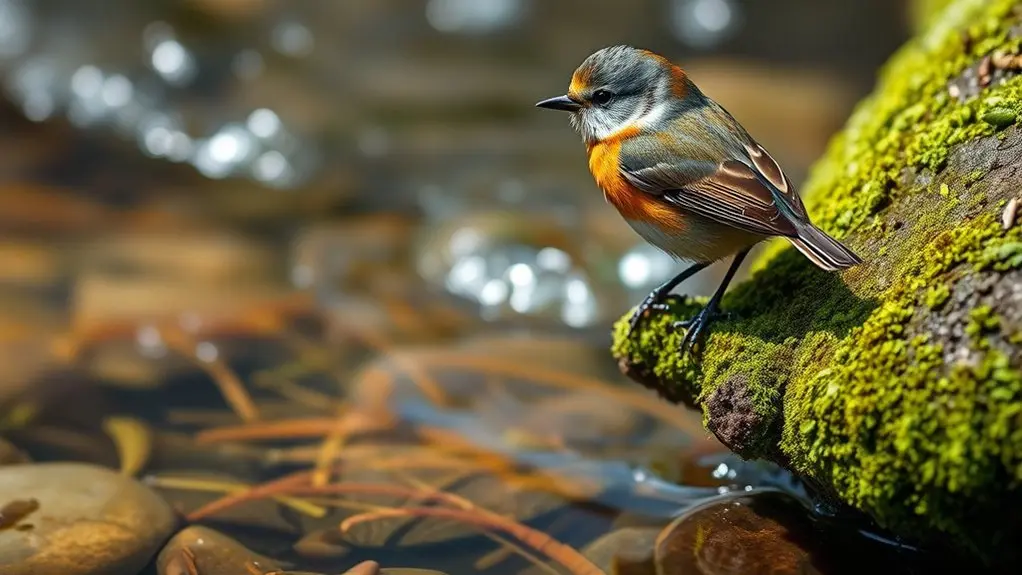
Although Giardia primarily infects the intestines of various animals, including birds and humans, you should know it exists in two main forms: active trophozoites that attach to the intestinal lining and hardy cysts shed in feces.
Birds, especially during migration, can carry these cysts without symptoms, which helps spread the parasite across regions.
Maintaining proper feather hygiene is essential for birds because contaminated feathers can harbor cysts. This increases the risk of transmission. The cysts are tough and can survive outside hosts for a while.
Because of this, infection often happens through eating or drinking contaminated food or water.
Understanding Giardia’s two forms and its connection to bird migration and feather hygiene helps explain how this protozoan sticks around in bird populations and ecosystems. It also shows why monitoring both wild and captive birds is important.
How Does Giardia Infect Birds?
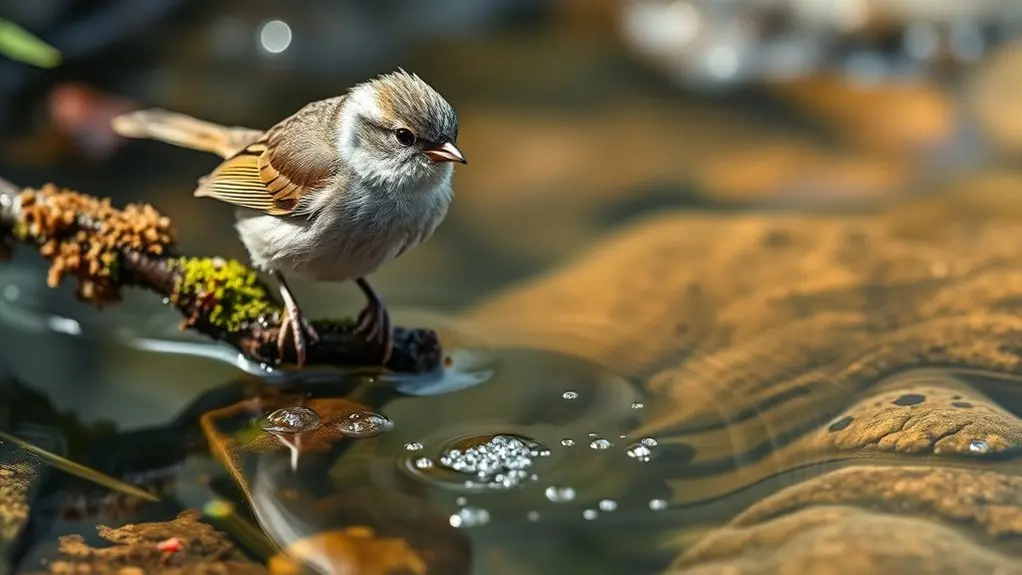
Understanding Giardia’s forms and its persistence in bird populations sets the stage for exploring how birds actually become infected. You can identify key infection pathways influenced by bird behavior and avian diet.
First, birds ingest Giardia cysts shed in feces that contaminate water, soil, or surfaces. Contaminated food and water sources serve as common transmission routes. Plus, insect vectors like flies can mechanically transfer cysts to birds.
Infected, asymptomatic birds shed cysts, which keeps environmental contamination going. Once you ingest cysts, Giardia trophozoites attach to your small intestine lining and establish infection.
Your feeding habits, like foraging on the ground or drinking from stagnant water, increase your exposure risk. Understanding these mechanisms helps you reduce Giardia infection risks by managing avian diet and habitat hygiene effectively.
Which Birds Are Most Commonly Infected?

You’ll most commonly find Giardia infections in parrots like cockatiels and budgerigars. Wild waterfowl, such as ducks and geese, are also often affected. These birds usually live in environments that make it easier for the parasite to spread.
Because of this, the infection tends to show up more in certain geographic areas. Knowing which birds are the main hosts helps us figure out where infections are most likely to happen and understand the ecological risks involved.
Common Avian Hosts
When you examine the range of avian species affected by Giardia, parrots, including cockatiels, budgerigars, and lovebirds, stand out as some of the most commonly infected hosts. You should note that psittacine birds have higher susceptibility due to environmental exposure and hygiene conditions.
Wild birds from 13 different orders also carry Giardia, which shows there’s a broad host diversity. Assemblage A and B genotypes have been detected, indicating the potential for cross-species transmission.
Factors like bird migration and feather molting can influence infection dynamics because they affect immune status and exposure.
You also need to recognize asymptomatic carriers among these hosts, which makes detection and control efforts more complicated.
Understanding these common avian hosts helps you target surveillance and implement effective management strategies. This way, you can minimize Giardia’s impact on bird populations.
Geographic Distribution Patterns
The range of avian species affected by Giardia varies markedly across geographic regions, influencing which birds are most commonly infected. You’ll find that migration patterns and habitat preferences substantially impact exposure to different Giardia assemblages.
In the Americas and Europe, wild birds carrying assemblage A, which is infectious to both humans and birds, are prevalent. Assemblages D and F dominate European avian populations due to specific habitat associations.
Asian wild birds frequently harbor assemblage B, suggesting potential cross-species transmission linked to overlapping habitats with humans.
These distribution patterns reflect complex epidemiological dynamics shaped by regional bird species, their migratory routes, and ecological niches. Understanding these factors helps you pinpoint which birds in various regions are at higher infection risk.
This knowledge aids targeted surveillance and control measures.
What Symptoms Do Infected Birds Show?
Although some infected birds may not show any outward signs, many exhibit symptoms such as weight loss, diarrhea, and foul-smelling stools. You should monitor your bird’s behavior and feather condition closely, as giardiasis often affects these areas.
Common clinical signs include:
- Diarrhea or loose stools, frequently with a noticeable odor
- Reduced appetite and weight loss
- Depression or lethargy, altering normal bird behavior
- Feather plucking or poor feather condition due to discomfort
Young or stressed birds tend to display more pronounced symptoms. Remember, the severity depends on the bird’s immune response and infection intensity.
Some birds remain asymptomatic yet still shed Giardia cysts, which makes diagnosis tricky without veterinary testing.
Observing these signs early can help you get the right treatment and improve your bird’s health outcomes.
How Does Giardia Spread Among Birds?
You’ll find that Giardia spreads among birds mainly when they ingest cysts from contaminated water, food, or surfaces. The environment gets contaminated because birds shed these cysts intermittently.
Insects and close contact between birds also help spread the infection. Plus, wild birds play a big role by carrying cysts from one habitat to another. This movement increases the risk of infection for both wild and captive bird populations.
Transmission Routes in Birds
When birds ingest cysts shed in contaminated feces from infected peers or other animals, they risk contracting Giardia. Transmission routes closely relate to their feeding habits and nesting behaviors. You should consider these main pathways:
- Consumption of contaminated water or food contaminated with infectious cysts.
- Contact with feces-laden surfaces in nesting areas, where cysts persist.
- Mechanical transmission via insects like flies and cockroaches that transfer cysts.
- Exposure to asymptomatic birds intermittently shedding cysts within populations.
These routes highlight how Giardia spreads efficiently among birds, especially in environments where hygiene is poor. Understanding these transmission mechanisms helps you manage and reduce infection risks effectively. Focus on controlling exposure during feeding and nesting activities.
Environmental Contamination Factors
Because Giardia cysts remain viable in moist, cool environments for up to 12 weeks, they pose a persistent contamination risk in bird habitats. You need to understand that environmental reservoirs such as water sources and contaminated surfaces facilitate Giardia spread among birds. Poor sanitation practices increase the likelihood of cyst accumulation and transmission.
Mechanical vectors like flies and cockroaches also contribute by transferring cysts from feces to food or surfaces.
| Environmental Reservoirs | Transmission Medium | Impact on Spread |
|---|---|---|
| Contaminated water | Ponds, water bottles | High contamination risk |
| Fecal matter | Surfaces, soil | Direct cyst shedding |
| Vectors | Flies, cockroaches | Mechanical transmission |
Proper sanitation practices disrupt these reservoirs, reducing infection risk efficiently. Keeping things clean really makes a big difference in controlling the spread.
Role of Wild Birds
How exactly do wild birds contribute to the spread of Giardia among avian populations? You should understand that wild birds shed Giardia cysts intermittently in their feces, contaminating water, soil, and feed sources. This contamination facilitates transmission.
Their feather coloration and nesting behaviors influence exposure risks and cyst dispersal. Consider these key factors:
- Wild birds’ mobility enables widespread dissemination of cysts across diverse habitats.
- Nesting behaviors in communal sites increase environmental contamination and bird-to-bird transmission.
- Feather coloration can affect social interactions, potentially influencing contact rates and cyst spread.
- Different Giardia assemblages infect various bird species, some of which can transmit zoonotically.
Can Birds Transmit Giardia to Humans?
Although birds can carry Giardia, the specific assemblages they harbor usually differ from those infecting humans, which lowers the risk of transmission. However, certain assemblages, like Assemblage A, are zoonotic and could infect humans under particular conditions.
Birds carry unique Giardia assemblages, but some, like Assemblage A, may occasionally infect humans.
Bird migration and avian diet influence Giardia exposure and carriage. Migratory birds encounter diverse environments and food sources, potentially spreading cysts across regions.
Transmission to humans remains low but possible, primarily through contact with contaminated bird feces or surfaces harboring infectious cysts. To reduce the zoonotic risk, it’s important to maintain strict hygiene and sanitation when handling birds or cleaning their habitats.
While direct transmission evidence is limited, environmental contamination is the main pathway for potential Giardia infection from birds to humans. So, being careful around bird droppings and their environments really helps keep the risk low.
How Is Giardia Diagnosed in Birds?
When you need to diagnose Giardia in birds, examining fecal samples under a microscope is still one of the main methods used. Getting an accurate diagnosis depends a lot on how well you collect and handle those fecal samples.
Here’s what you should keep in mind: Collect multiple fecal samples over several days because Giardia cysts aren’t shed consistently. Then, use flotation or direct smear methods to check for cysts and trophozoites under the microscope.
You can also apply trichrome staining to make the Giardia forms in fecal smears easier to see.
On top of that, molecular methods like PCR help detect Giardia DNA with great sensitivity and specificity.
Putting microscopy together with molecular tests really boosts your chances of diagnosing Giardia correctly.
This way, you won’t miss infections just because cyst shedding is spotty or your sample quality isn’t perfect.
How Do You Treat Giardia in Birds?
Confirming a Giardia diagnosis through microscopy and molecular tests sets the stage for effective treatment. You’ll need to administer antiparasitic medications like Metronidazole or Ipronidazole over a 5-7 day course to target the parasite directly.
Accurate Giardia diagnosis via microscopy and molecular tests enables targeted treatment with Metronidazole or Ipronidazole.
Since Giardia cysts can shed intermittently, repeated testing is critical to verify complete eradication.
Alongside medication, prioritize strict enclosure hygiene by thoroughly disinfecting cages and cleaning food and water containers to minimize reinfection risk.
Using water bottles instead of open dishes further reduces environmental exposure to cysts.
Supporting your bird’s recovery with ideal bird nutrition and minimizing stress enhances immune function and healing.
Combining pharmacological treatment with diligent enclosure hygiene and nutritional support provides the best chance for resolving Giardia infections effectively.
How Can Bird Owners Prevent Giardia?
To prevent Giardia infections in your birds, you need to keep up with good hygiene and watch where they hang out. Keeping their cages clean is super important, and don’t forget to wash your hands well after handling your birds or cleaning their spaces.
Make sure to regularly clean and disinfect bird cages, food bowls, and water containers to get rid of any Giardia cysts.
Washing your hands thoroughly after interacting with your birds or their living areas helps stop the germs from spreading.
Also, try to keep your birds away from contaminated water sources like ponds or outdoor puddles. It’s a good idea to limit their contact with wild birds and avoid their droppings to lower the chance of infection.
Keep an eye on your birds for any signs of giardiasis, like diarrhea or lethargy, and if you think something’s wrong, check in with a vet right away.
These steps help create a safer environment and keep Giardia from spreading among your feathered friends.
Frequently Asked Questions
Can Wild Birds Act as Carriers of Giardia Without Showing Symptoms?
Yes, wild birds can act as carriers of Giardia without showing symptoms. You need thorough symptom assessment since bird transmission occurs silently.
This makes routine testing essential to detect asymptomatic infections and prevent environmental contamination effectively. It’s important to keep an eye on these silent carriers to manage the spread better.
How Long Can Giardia Cysts Survive in the Environment?
Giardia cysts boast environmental persistence that can stretch up to 12 weeks, especially in cold, moist conditions. Their cyst survivability plummets in warm, dry environments, yet their low metabolic activity guarantees prolonged infectivity in soil and water.
That means they can hang around for quite a while when the conditions are just right. So, if you’re dealing with contaminated areas, keep in mind these little guys are pretty tough in cooler, damp spots.
Are There Specific Seasons When Giardia Infections in Birds Increase?
Yes, you’ll see seasonal outbreaks of giardia infections in birds, especially during bird migration in spring and fall when moist conditions boost cyst survival.
These periods increase exposure, raising infection risks among migrating and resident bird populations. It’s kind of like the perfect storm for spreading giardia. Birds are moving around more, and the environment helps the parasite stick around longer.
Can Giardia Infections Affect Bird Reproduction or Lifespan?
Think of bird immune response as a fortress; Giardia transmission routes can breach it, but infections rarely harm reproduction or lifespan.
Untreated, chronic giardiasis may weaken birds, yet proper care minimizes risks and preserves health effectively.
Do Different Bird Species Require Different Treatments for Giardia?
You’ll find that treatment protocols for Giardia generally stay consistent. But bird immunity varies among species, so you might need to adjust dosages or hygiene practices based on the specific bird.
This helps optimize recovery more effectively. It’s always good to keep an eye on how your bird responds and tweak things if needed.
Conclusion
Now that you know how giardia can affect your feathered friends, you’re better equipped to spot and stop it. Giardia is like an invisible hitchhiker, silently spreading through water and contact. But with careful hygiene and prompt treatment, you can keep your birds healthy.
Stay vigilant, diagnose early, and follow prevention steps to guarantee giardia doesn’t take hold in your aviary. Your proactive care is the strongest shield against this microscopic threat.