
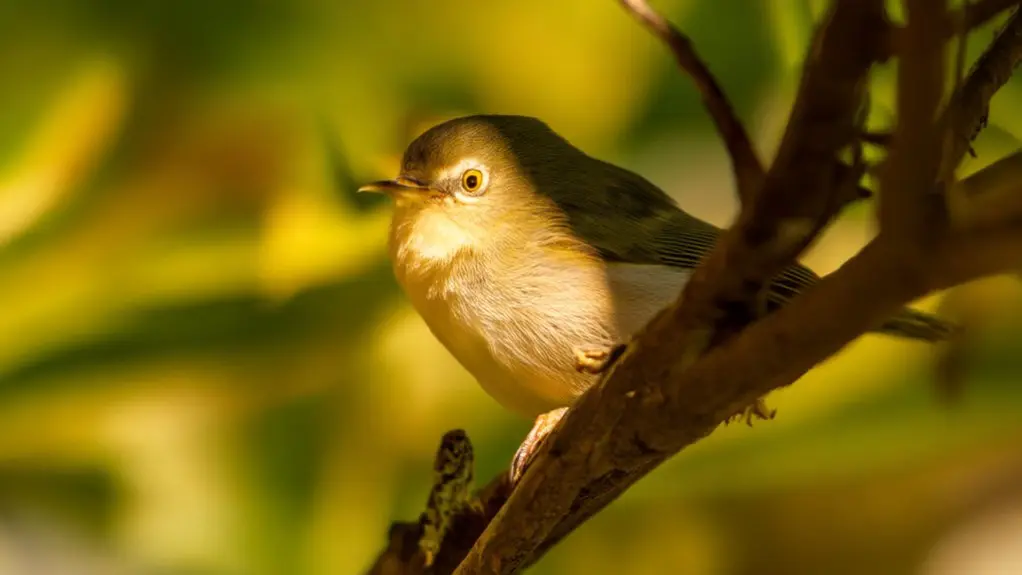
You don’t often need to worry about birds having heart attacks because their hearts have a unique, spongy muscle tissue that allows oxygen to diffuse directly into the heart muscle. This reduces their reliance on coronary arteries, which in mammals are prone to blockage and ischemic damage.
Birds also have larger, more efficient hearts to support high metabolism and flight. Understanding these adaptations helps clarify why bird heart attacks are extremely rare. Explore how these differences impact their health further.
Why Birds Rarely Have Heart Attacks
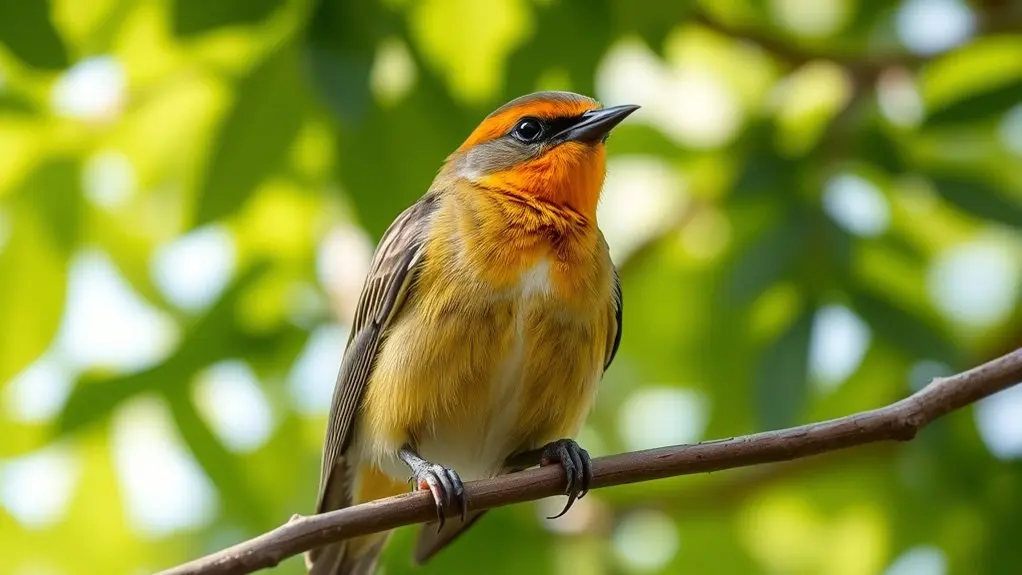
Although heart attacks are common in humans due to arterial blockages, birds rarely suffer the same fate because their hearts possess a unique spongy tissue that enables oxygen to diffuse directly within the heart muscle. This adaptation reduces reliance on coronary arteries, considerably lowering the risk of ischemic events.
You’ll find that birds’ efficient cardiac tissue supports high metabolic demands, which also influences traits like feather coloration and nesting behaviors. For example, vibrant feather coloration requires substantial energy, supported by effective cardiovascular function.
Similarly, nesting behaviors, especially during breeding seasons, demand sustained physical activity. The resilient avian heart ensures consistent blood flow and oxygen delivery during these periods.
Understanding these physiological differences clarifies why birds maintain heart health under conditions that might challenge mammalian hearts.
How Bird Hearts Differ From Mammals’ Hearts
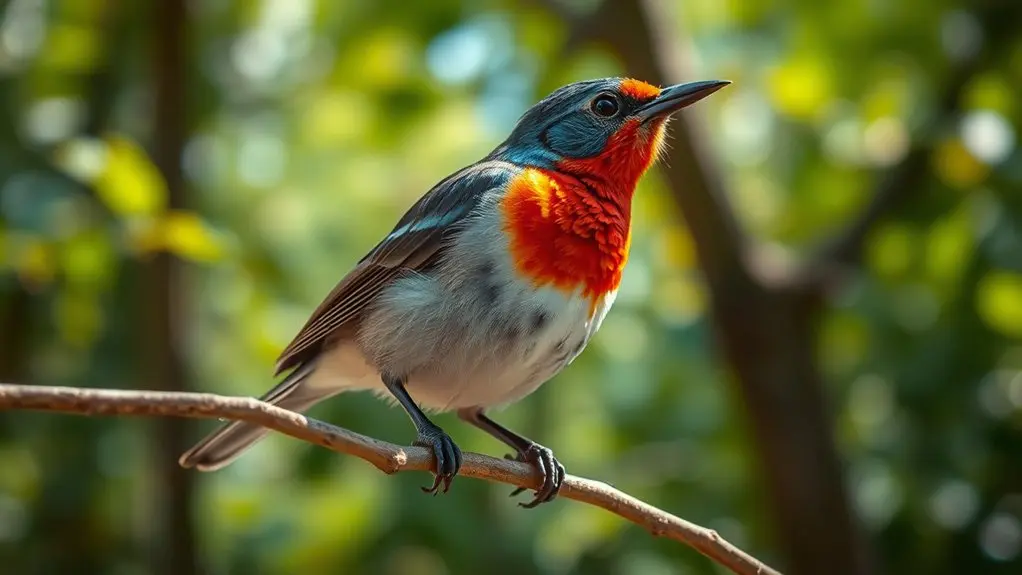
When comparing bird hearts to mammalian hearts, you’ll notice that birds have proportionally larger hearts, about 4% of their body weight versus less than 0.5% in mammals. This supports their intense metabolic demands.
Avian circulation features a fully divided four-chambered heart, similar in basic structure to mammals but with distinct cardiac adaptations tailored for flight.
These adaptations include a higher heart rate that can increase dramatically during activity, which helps deliver oxygen to tissues quickly.
Bird hearts also show unique developmental and structural differences that enhance their efficiency and resilience.
Understanding these specialized cardiac features helps explain how birds meet the energetic challenges of flight and maintain effective circulation. This sets their cardiovascular system apart from mammalian counterparts.
Do Birds Experience Heart Attacks?

Because birds possess a spongy heart tissue that facilitates oxygen diffusion within the myocardium, they rarely experience heart attacks caused by coronary artery blockages.
Birds’ spongy heart tissue enables oxygen diffusion, making coronary artery blockage-induced heart attacks rare.
Unlike mammals, their unique cardiac structure minimizes ischemic events typically linked to blocked coronary arteries. Scientific evidence shows birds lack significant atherosclerosis, making heart attacks extremely uncommon.
While birds can develop heart disease, they don’t undergo heart attacks akin to humans. You might observe that changes in feather coloration or altered nesting behaviors can signal health issues but not heart attacks.
Consider these key points:
- Spongy myocardium supports oxygen delivery, reducing ischemic risk
- Absence of coronary artery blockage limits heart attack occurrence
- Behavioral changes like nesting disruption may indicate illness, not cardiac infarction
Causes of Heart Attacks in Mammals and Humans
You should understand that heart attacks in mammals and humans primarily result from blockages in the coronary arteries caused by atherosclerotic plaques. These plaques narrow arteries, restricting oxygen supply to cardiac tissue, causing ischemia and tissue death.
Genetic factors, such as mutations in the CMAH gene, increase susceptibility by influencing plaque severity and arterial rigidity.
Environmental influences like high-fat diets and elevated cholesterol levels accelerate plaque formation and arterial hardening.
Mammals and humans depend heavily on coronary arteries for heart oxygenation, so obstructions pose significant risks. Unlike species with spongy heart tissue allowing oxygen diffusion, this reliance makes them prone to heart attacks.
Understanding the interplay between genetic predispositions and environmental factors is essential in grasping why heart attacks occur in these species. It’s a combination of both genes and lifestyle that really shapes the risk.
Signs of Heart Disease in Birds to Watch For
You should watch for physical symptoms like lethargy, difficulty breathing, and changes in feather positioning. These could be signs of heart disease in birds.
Also, keep an eye out for behavioral changes such as weakness or sudden unresponsiveness. These often signal serious cardiovascular issues.
Catching these signs early can help get your bird the veterinary care it needs right away.
Physical Symptoms Overview
How can you recognize if your bird is suffering from heart disease? Pay close attention to changes in feather grooming and perching behavior, as these often signal underlying health issues. Birds with heart problems may show lethargy, weakness, and reduced activity.
Discoloration around the eyes or mucous membranes suggests poor circulation. Swelling in the abdomen can indicate fluid buildup due to heart failure. Difficulty breathing and exercise intolerance are also common.
Watch for these key physical symptoms:
- Fluffed or staring feathers indicating cardiovascular distress
- Altered perching behavior, such as difficulty maintaining balance
- Abdominal swelling reflecting fluid retention
Catching these signs early means you can get your bird to the vet sooner, which really helps improve their chances.
Behavioral Changes Indications
Although physical symptoms provide important clues, behavioral changes often serve as early indicators of heart disease in birds. You should watch for lethargy, decreased activity, or a bird lying prone, as these subtle signs can signal cardiac issues.
Pay attention to feather behavior; fluffed feathers or unusual staring may indicate discomfort linked to heart problems. Vocal changes, such as reduced or altered calls, can also reflect distress.
Sudden unresponsiveness or sluggishness demands immediate veterinary care, as it suggests worsening heart disease.
Additionally, note any difficulty breathing or reduced tolerance for exercise, which are critical behavioral markers. Observing pale or bluish mucous membranes around the eyes further supports compromised blood flow and oxygenation.
All of this reinforces the need for prompt evaluation and treatment.
How Veterinarians Diagnose Bird Heart Disease
You’ll find that veterinarians use diagnostic imaging techniques like ultrasound, CT scans, and electrocardiograms to check out a bird’s heart structure and function.
Diagnosing heart disease in birds isn’t easy because the symptoms can be pretty subtle or sometimes look like other health issues. That’s why having specialized avian knowledge and doing detailed tests are really important to get an accurate diagnosis.
Diagnostic Imaging Techniques
When veterinarians diagnose heart disease in birds, they rely heavily on advanced imaging techniques to get accurate and detailed information. Avian echocardiography is a primary tool. It offers real-time visualization of the heart’s structure, function, and blood flow.
X-rays complement this by showing heart enlargement or fluid accumulation. Plus, CT scans provide detailed cross-sectional images that help identify structural abnormalities or blockages.
Key imaging techniques include:
- Avian echocardiography: Real-time assessment of cardiac function and blood flow.
- X-rays: Detection of enlarged hearts and fluid buildup.
- CT scans: Detailed visualization of cardiovascular structures and potential obstructions.
These diagnostic imaging techniques are essential. They help develop effective treatment plans and monitor how the disease progresses in birds with suspected heart problems.
Challenges in Diagnosis
While advanced imaging provides valuable insights into avian heart conditions, diagnosing heart disease in birds remains complex. You’ll find that symptoms are often subtle or overlap with other illnesses, making early diagnosis difficult. Veterinarians rely on recognizing external signs such as abnormal mucous membrane coloration and abdominal swelling.
They also consider genetic predispositions and environmental stressors that may contribute. Regular health monitoring and prompt veterinary care are vital for early detection. It’s really about catching the signs before things get serious.
| Diagnostic Aspect | Signs to Monitor | Diagnostic Challenge |
|---|---|---|
| Genetic Predispositions | Family history, breed tendencies | May be unknown or undocumented |
| Environmental Stressors | Poor diet, habitat changes | Effects often masked by other issues |
| Physical Symptoms | Lethargy, skin discoloration | Easily mistaken for other diseases |
| Imaging Techniques | Ultrasound, ECG, CT scans | Require specialized equipment |
| Veterinary Expertise | Experience in avian cardiology | Essential for accurate interpretation |
Common Treatments for Bird Heart Disease
Although treating heart disease in birds presents unique challenges, veterinarians rely on a combination of medications such as diuretics, vasodilators, and beta-blockers to support cardiac function.
Early diagnosis using ultrasound or X-rays helps tailor these treatments, as medication responses vary by species.
Early diagnosis with ultrasound or X-rays is crucial for customizing heart disease treatments across bird species.
You should note that changes in feather coloration or nesting behaviors may signal cardiac distress, so it’s important to get prompt veterinary attention.
Effective treatment plans include medication adjustments based on ongoing veterinary assessments.
They also involve monitoring behavioral and physical signs like feather coloration shifts.
Supporting heart health through controlled activity and diet will be discussed later.
Regular follow-ups ensure treatments remain effective and adapt to your bird’s evolving condition.
This helps optimize cardiovascular support while addressing species-specific needs.
Preventing Heart Disease in Pet Birds
Because heart disease can severely impact your bird’s quality of life, preventing it through proactive care is essential. You should guarantee your bird maintains a nutritional balance by providing a diet low in fats and cholesterol. This supports cardiovascular health and reduces disease risk.
Try to incorporate regular outdoor exercise and mental stimulation to promote heart function and overall wellness. Stress management is equally important. Minimizing environmental stressors helps prevent harmful physiological effects that contribute to heart problems.
Make sure to monitor your bird closely for early signs such as lethargy, skin discoloration, or abdominal swelling. Schedule routine veterinary check-ups with an avian specialist. These measures enable early detection and timely intervention, which are critical in protecting your pet bird from developing heart disease.
How Alligators Avoid Heart Attacks (Comparative Insight)
If you examine alligator hearts, you’ll find they possess a remarkable ability to avoid heart attacks even after coronary artery ligation. This resilience comes from their unique heart tissue structure, which includes highly spongy muscle allowing oxygen to diffuse directly into the myocardium.
Unlike mammals, alligators don’t rely solely on coronary arteries for oxygen delivery. So, they show a kind of immunity to ischemic damage that’s pretty impressive.
Alligators uniquely avoid ischemic damage by not depending solely on coronary arteries for oxygen delivery.
Autopsy studies confirm no cell death or tissue damage happens despite arterial blockages.
Key features include spongy heart tissue that helps oxygen diffuse internally, resistance to ischemia without depending on coronary arteries, and no myocardial cell death after artery ligation.
These insights into alligator immunity and heart tissue structure give us valuable perspectives on natural ways to protect the heart. It’s fascinating how nature designs such clever solutions, isn’t it?
How to Respond to a Bird Heart Emergency
Understanding how alligators naturally resist heart damage highlights the importance of immediate and appropriate action when birds experience heart emergencies. If your bird shows signs like sudden weakness, labored breathing, or a bluish tint around the eyes or mucous membranes, act swiftly.
Bird migration and feather coloration can sometimes mask symptoms, so vigilance is key. Keep your bird calm in a warm, quiet space and seek specialized avian veterinary care immediately. Avoid administering medication or chest compressions without expert guidance.
| Step | Action |
|---|---|
| Recognize symptoms | Sudden weakness, unresponsiveness, bluish tint |
| Keep calm | Warm, quiet environment |
| Avoid intervention | No medication or chest compressions without vet |
| Seek help | Contact avian veterinarian immediately |
| Monitor | Observe for changes until professional care |
Frequently Asked Questions
Can Diet Affect Heart Health in Wild Birds?
Yes, your feeding habits directly impact wild birds’ heart health. They influence obesity and cardiovascular risks in these animals.
Nesting behaviors also affect diet quality. So, maintaining natural feeding patterns supports healthier hearts and overall well-being in wild bird populations.
Do Migratory Birds Have Stronger Hearts?
Yes, migratory birds have stronger hearts to support intense avian respiration during flight. You’ll notice their cardiovascular adaptations, combined with efficient feather maintenance, optimize oxygen delivery and endurance. This enables sustained long-distance migrations without cardiac fatigue.
Pretty amazing, right? Their bodies are perfectly designed for these epic journeys.
How Does Bird Exercise Influence Cardiovascular Health?
You improve your bird’s cardiovascular endurance by encouraging regular bird flight, which enhances heart function and blood circulation. Consistent exercise reduces obesity risk, promotes heart rate variability, and strengthens resilience against cardiovascular stress. All of this supports overall heart health.
Getting your bird to move around regularly isn’t just good for its muscles but also keeps its heart in great shape. So, making sure your bird gets enough flight time is really important for its well-being.
Are Certain Bird Species More Prone to Heart Issues?
Yes, you’ll find that avian genetics influence heart disease prevalence. This means certain species, like Amazon parrots and budgerigars, are more prone to heart issues.
Knowing these risks can really help you manage your bird’s cardiovascular health more effectively. It’s all about understanding what makes your feathered friend unique.
Can Environmental Toxins Cause Heart Problems in Birds?
Yes, pollution effects and toxin exposure can cause heart problems in birds. You’ll see inflammation, oxidative stress, and impaired circulation. All these factors contribute to cardiovascular damage and increase the risk of heart disease in contaminated environments.
Conclusion
Now that you know how birds’ brisk, buoyant hearts beat differently from mammals’, you can better spot subtle signs of sickness. While heart attacks rarely ruffle their feathers, recognizing risks and responding rapidly is essential.
Preventing problems through proper care and prompt treatment protects your pet’s pulse. Remember, resilient reptiles like alligators reveal remarkable heart health secrets, inspiring safer strategies.
Stay sharp, stay informed, and safeguard your bird’s strong, steady rhythm.